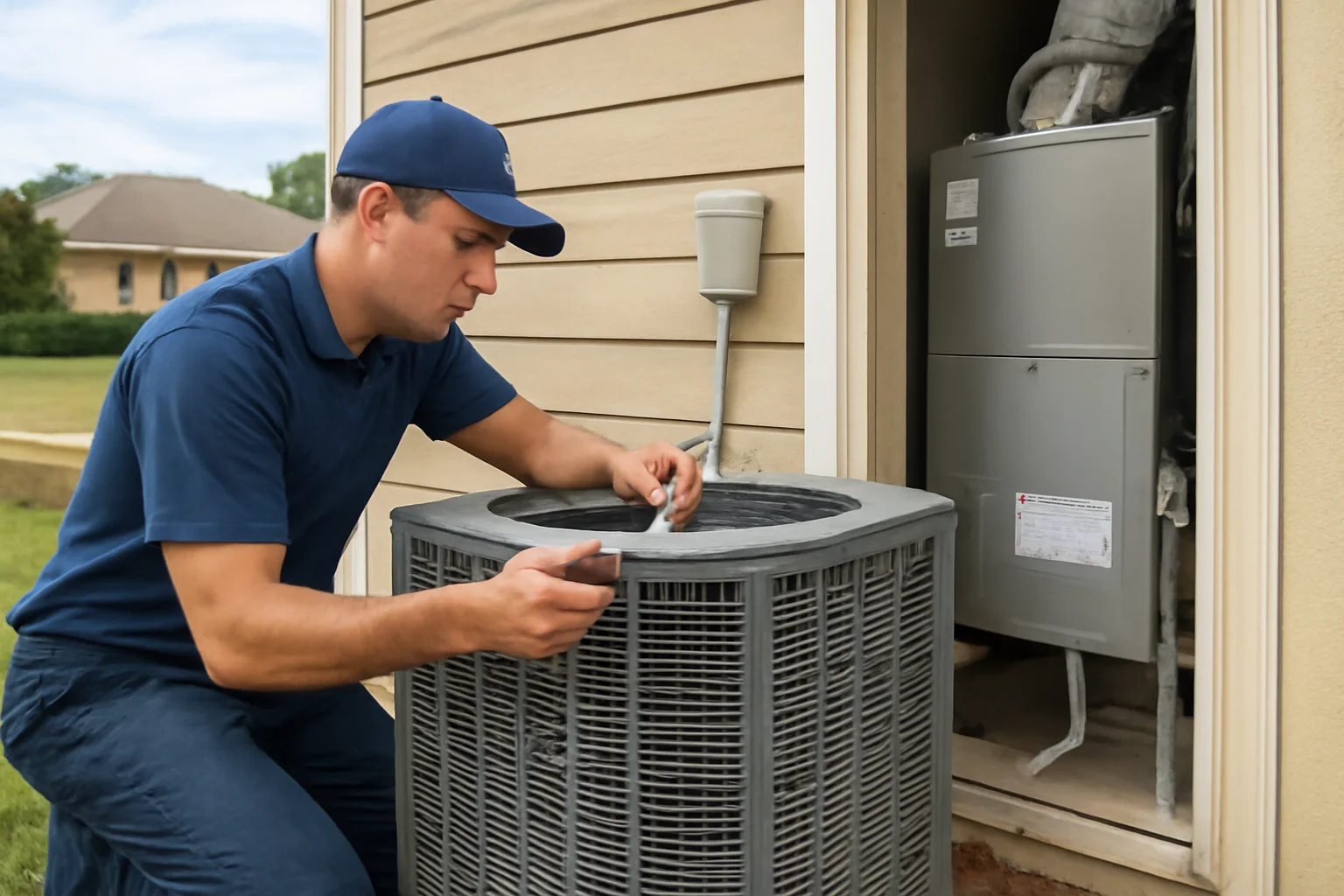
If you are planning air conditioning installation in Lynn Haven, FL, you are making a big decision for comfort, energy use, and indoor air quality. Florida heat and humidity do not wait, and Lynn Haven homes often face extra stress from salt air and coastal conditions. The good news is that many HVAC problems can be caught early, starting with how the system is sized, installed, and commissioned.
This guide walks you through practical installation checkpoints and the early warning signs homeowners can watch for. It also explains why professional HVAC service matters more in Bay County than many people expect.
Why Lynn Haven installation details affect HVAC reliability
In Lynn Haven, the air is warm for much of the year and humidity can stay high even when temperatures are not at their peak. That combination is hard on cooling systems. It increases the load on refrigerant systems, raises indoor moisture levels, and can strain airflow through ductwork. Salt air can also contribute to corrosion on outdoor components over time.
When an air conditioner is installed without careful attention to airflow, condensate drainage, refrigerant system setup, and thermostat control, the system may run longer than necessary. That can show up as inconsistent temperatures, higher energy use, and faster wear on components. A proper installation can reduce these risks and make preventive HVAC maintenance more effective later.
If you are searching for air conditioning inspection near me or evaluating an AC replacement estimate near me, it helps to know what the contractor should check before and during installation.
Step one: correct sizing for Florida humidity and airflow
One of the most common reasons homeowners experience early HVAC trouble after installation is incorrect sizing. A system that is too small will struggle to keep up during humid afternoons. A system that is too large can cool quickly but short cycle, which often reduces dehumidification. Reduced dehumidification can make your home feel clammy even when the thermostat reads a comfortable temperature.
Professional sizing should consider more than square footage. It should account for insulation levels, window exposure, ductwork design, air leakage, ceiling height, and how the home is used. Since Lynn Haven homes can vary widely from older neighborhoods to newer builds, a one-size-fits-all approach rarely works.
Ask the installer how they will evaluate load conditions and airflow. If you are also considering duct improvements, it is worth reviewing duct inspection and ductwork performance early, not after comfort complaints start.
Step two: ductwork and airflow checks that prevent comfort problems
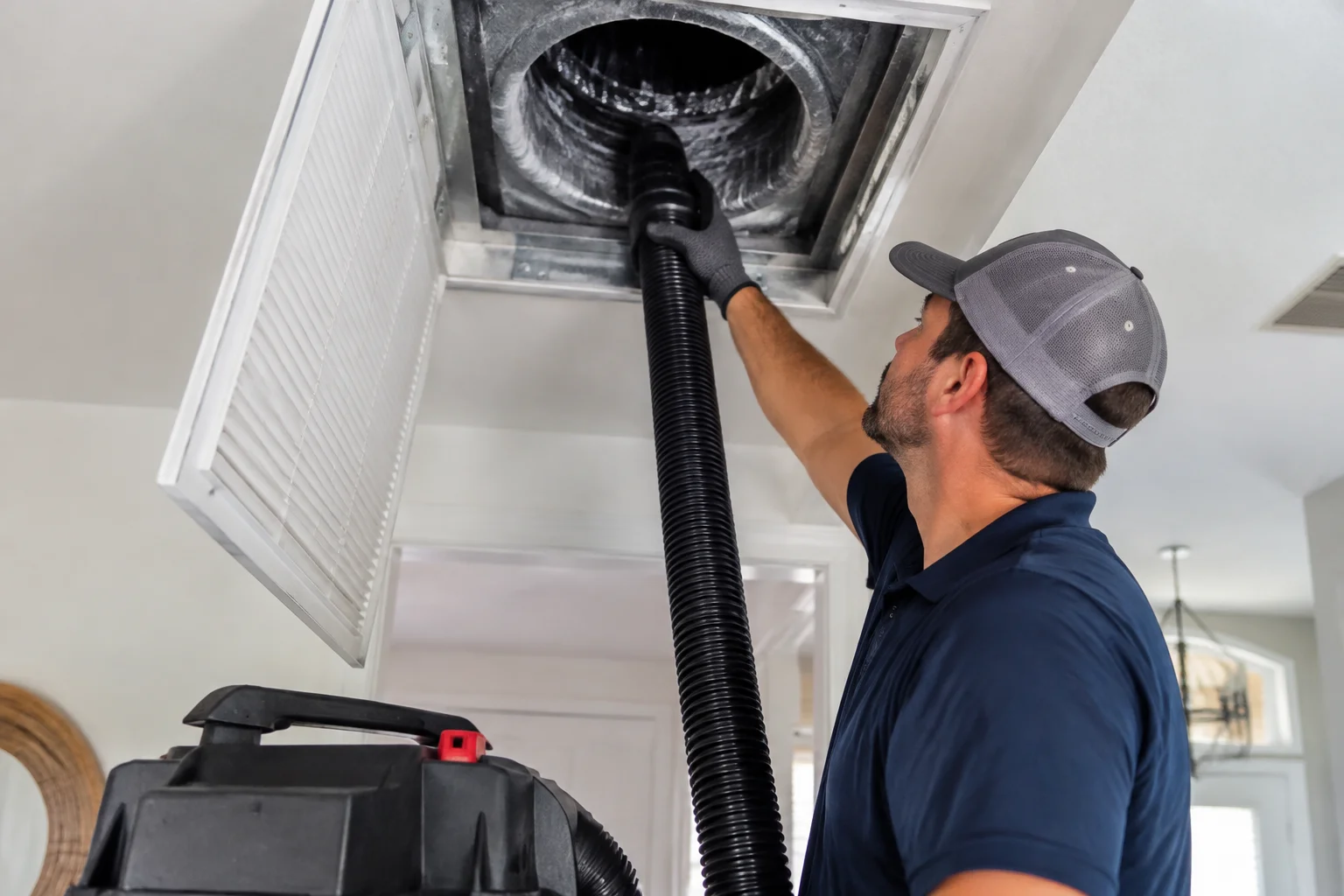
Air conditioning installation is only as effective as the pathway air takes through your home. Even a well-sized system can underperform if ductwork is leaky, restricted, poorly sealed, or incorrectly sized for the airflow requirements.
During installation, the contractor should evaluate:
- Airflow balance to verify supply and return paths support proper cooling and consistent distribution.
- Duct connections and sealing to limit air loss to attics, crawlspaces, or wall cavities.
- Return air adequacy so the system is not starved of airflow.
- Register placement and airflow restrictions that can create hot or cold rooms.
Homeowners who are dealing with uneven temperatures often benefit from pairing installation with ductwork evaluation. If you want to go deeper, read Why Better HVAC Maintenance Makes Duct Inspection More Useful for Lynn Haven Homes and Better Duct Replacement in Lynn Haven for Cooler Rooms, Lower Bills, and Longer HVAC Life.
Step three: condensate drainage and indoor moisture control
When your air conditioner runs, it removes moisture from indoor air. That moisture becomes condensate, which must drain correctly. If condensate drainage is improperly installed or if the drain line is blocked or routed incorrectly, you can see overflow risks, musty odors, and moisture-related indoor air quality problems.
During a quality installation, the contractor should:
- Confirm the condensate line routing supports proper drainage.
- Check for correct slope and secure connections.
- Verify the system’s drain pan and related components are set up to handle condensate safely.
- Look for any conditions that could lead to standing water.
In a humid coastal climate, small drainage issues can become bigger comfort issues quickly. If you notice water pooling near the indoor unit, recurring odors, or signs of moisture, treat it as an early warning rather than waiting for a future breakdown.
Step four: refrigerant system setup and commissioning checks
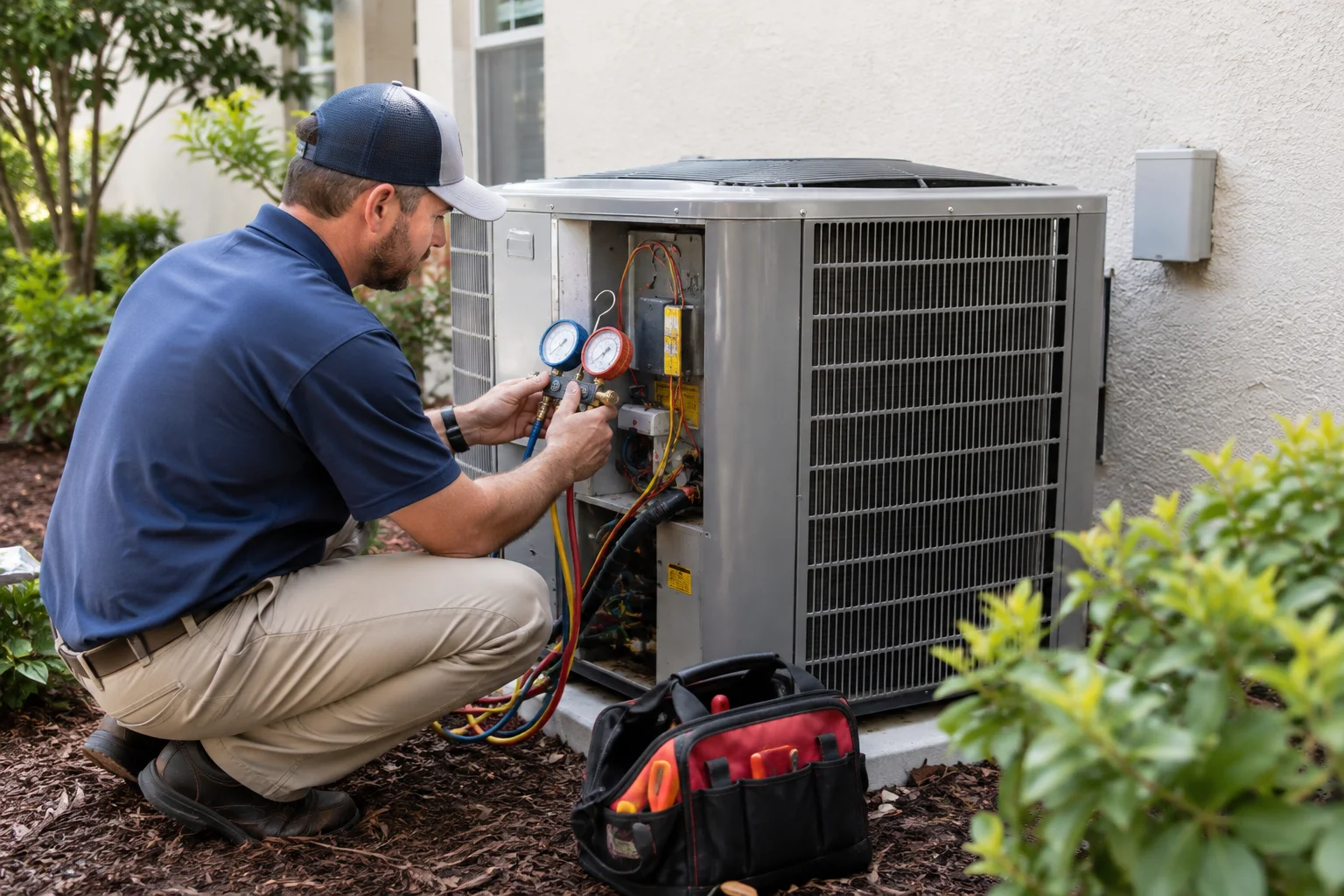
Air conditioners rely on refrigerant systems to move heat. If refrigerant is not set up correctly during installation, the system can run inefficiently or fail to perform as expected. However, homeowners should not attempt refrigerant diagnosis on their own. Refrigerant work requires training and proper tools, and incorrect handling can damage equipment and create safety risks.
What you can do is ask whether the installer will perform commissioning checks that confirm system performance. A professional HVAC team should verify operating conditions and system behavior during startup and test operation. If anything seems off, they should pause, adjust, and document what they find rather than sending you home with unresolved issues.
When you are comparing air conditioner service near me options, look for a contractor that treats commissioning as part of the job, not an afterthought.
Thermostats, controls, and zoning: where early issues often show up
Thermostats do more than display a temperature. They affect how long the system runs, how it cycles, and how it responds to humidity. In Lynn Haven, where humidity control matters, thermostat settings and compatibility can influence comfort significantly.
During installation, a technician should help you confirm:
- The thermostat is compatible with the equipment and control type.
- Settings for fan operation and temperature control match your comfort goals.
- The thermostat is installed with proper wiring and stable placement away from direct sunlight or drafts.
If you are considering thermostat installation near me alongside a new system, ask how controls will be configured for cooling performance and indoor humidity behavior. For some homes, zoning or duct balancing can also play a role, especially if you have recurring hot or cold rooms.
Common installation mistakes that lead to early HVAC problems
Not every issue is obvious on day one. Many show up weeks or months later as the system runs through Florida heat. Here are problems homeowners often experience when installation details are missed:
Short cycling and inconsistent cooling
Short cycling can happen when the system is oversized, airflow is restricted, or controls are not configured correctly. It can reduce dehumidification and cause temperature swings.
High humidity despite “cool” temperatures
If your home feels damp even at a comfortable thermostat setting, the issue may relate to airflow, system staging, or condensate drainage performance. Because humidity symptoms overlap with several causes, it is important to have a professional evaluate the system in person.
Ice buildup or unusual noise
Ice on refrigerant components or persistent airflow-related noises can indicate airflow problems or other system conditions. Do not ignore these signs. They can lead to larger failures if the system continues to operate under stress.
Water leaks or musty odors
Improper condensate drainage or blocked drains can create moisture issues that affect indoor air quality. If you see water where it should not be, treat it as an installation red flag and ask for an inspection.
How to spot HVAC problems early after installation
You do not need to be an HVAC expert to notice patterns. Early detection is about tracking comfort and system behavior.
Watch for:
- Comfort changes such as rooms that suddenly become hotter or colder.
- Humidity discomfort where the home feels clammy even on cooler settings.
- Airflow changes such as weak supply airflow from vents or frequent fan cycling.
- Odd sounds that were not present during initial operation.
- Water issues around the indoor unit or near condensate lines.
- Thermostat behavior that seems inconsistent with your settings.
- Energy use changes like unexpectedly high utility bills that do not match your usage patterns.
If you are noticing these issues, contact a local HVAC contractor for an air conditioning inspection and diagnosis. Homeowners searching for air conditioning repair near me often get better results when they report symptoms early instead of waiting for a complete system failure.
Preventive maintenance that supports smarter installation outcomes
Even the best installation benefits from preventive HVAC maintenance near me style service. Maintenance helps keep airflow clean, supports indoor air quality, and reduces the risk of mid-season breakdowns.
A good preventive plan typically includes:
- Checking and cleaning components that affect airflow and performance.
- Inspecting the condensate drainage pathway and related parts.
- Reviewing thermostat operation and system controls.
- Evaluating ductwork conditions that can affect distribution and comfort.
- Looking for signs of corrosion or wear that may be more likely in coastal salt air environments.
For homeowners focused on ductwork performance, it can also be helpful to schedule duct inspection alongside maintenance. Airflow problems can mimic refrigerant or control issues, which is why a full system perspective matters.
Energy efficiency and indoor air quality: what to prioritize
Energy use is a major concern for many Lynn Haven families. But efficiency is not only about the equipment. It is about how the system is installed and how air moves through your home.
When airflow is correct and humidity is managed, the system does not have to work as hard to maintain comfort. Better airflow also helps reduce hotspots and cold spots, which can contribute to drafts or uncomfortable temperature swings.
Indoor air quality can improve when:
- Airflow is consistent across rooms.
- Moisture is controlled through proper condensate drainage.
- Filters and air handling components are maintained.
- Ductwork is inspected for issues that can introduce dust or contaminants.
If you are also considering duct cleaning near me services, plan ductwork evaluation first. That way, you can address the underlying airflow and duct condition issues rather than only treating symptoms.
Heat pump considerations for Lynn Haven homeowners
Some homeowners in the region choose heat pump installation or want to know whether a heat pump is a good fit. Heat pumps can provide both heating and cooling, which may simplify comfort planning. However, the same installation fundamentals apply: sizing, airflow, ductwork condition, condensate drainage, and correct control setup.
If you are looking for heat pump installation near me or heat pump repair near me, make sure the contractor evaluates your system as a whole. A heat pump that is not installed correctly can still struggle with humidity and comfort, especially during warm, muggy periods.
When you should call a professional right away
Some issues are not “monitor and wait” situations. Call for service promptly if you notice:
- The system does not cool to expected levels, especially during high heat days.
- Repeated cycling that seems abnormal or worsening over time.
- Visible ice formation or persistent airflow reduction.
- Water leaks, overflow concerns, or strong musty odors.
- Thermostat malfunctions that cause the system to run at the wrong times.
Since emergency cooling matters when temperatures climb, it is smart to review your options before you need them. If you want local guidance, see What Lynn Haven Homeowners Should Know About 24/7 Emergency HVAC Service.
Choosing an HVAC contractor for installation in Bay County
Lynn Haven homeowners often compare multiple contractors for new AC installation. The best choice is usually not the lowest quote. It is the contractor that explains the installation process clearly and addresses the details that affect comfort and performance.
Look for a team that:
- Discusses sizing and airflow, not just equipment brand or price.
- Talks about ductwork and indoor moisture, including condensate drainage.
- Plans for thermostat and control setup.
- Communicates how they will test the system after installation.
- Offers ongoing support through air conditioning services and future air conditioning repair.
If you manage rental properties or commercial spaces in the area, consider whether you need consistent scheduling and maintenance support. You can explore property management HVAC services or commercial HVAC repair for building-wide reliability.
For broader local context on services across the city, visit /service-areas/bay-county/lynn-haven and consider how Bay County conditions influence HVAC care.
Practical checklist you can use during AC installation
Use this simple checklist to keep the installation process focused on long-term performance and early problem prevention:
- Confirm sizing approach based on your home’s conditions, not just square footage.
- Ask about ductwork evaluation and whether airflow balance will be addressed.
- Verify condensate drainage planning and how drainage will be tested.
- Discuss thermostat setup including fan operation and control behavior.
- Ask what commissioning checks will be performed after installation.
- Request guidance on early symptom tracking so you know what to watch for.
- Plan preventive maintenance for airflow, indoor air quality, and system reliability.
Why “catching problems early” starts with the installation itself
Many HVAC issues do not appear out of nowhere. They build from small mismatches: airflow that is slightly off, drainage that does not perform as intended, controls that do not match the way your home is used, or a system that cycles too quickly. In Lynn Haven’s heat and humidity, those small mismatches can become comfort failures sooner than expected.
Choosing professional air conditioning installation in Lynn Haven, FL means you are setting up the system for correct performance from the beginning. When that foundation is right, preventive HVAC maintenance becomes easier, repairs are less frequent, and you are more likely to enjoy steady cooling even when the weather is at its worst.
If you are ready to talk through your home’s needs, A Superior Mechanical can help coordinate installation details with a focus on airflow, humidity control, and long-term reliability. Learn more at this air conditioning installation service page.
Find Air Conditioning Installation in Lynn Haven, FL
If you need Air Conditioning Installation in Lynn Haven, FL, visit our local service page or contact A Superior Mechanical today.
Map of Lynn Haven, FL
Frequently Asked Questions
How can I tell if my new AC installation is causing humidity problems?
If your home feels damp even when the thermostat is set to a comfortable temperature, look for patterns like short cycling, weak airflow, or lingering musty odors. Because humidity can be affected by airflow, ductwork, condensate drainage, and control settings, a professional air conditioning inspection is the safest next step.
What should be checked for condensate drainage after an AC installation?
Ask the installer to confirm the condensate line routing, proper slope, and secure connections, and to verify the indoor unit drain pan setup. If you notice water around the indoor equipment, it is an early warning sign that should be inspected promptly by an HVAC technician.
Can I use an online estimate to decide between air conditioner replacement and repair?
Online tools can be a starting point, but the right choice depends on system condition, airflow performance, ductwork needs, and refrigerant system behavior. An in-person evaluation is required before recommending refrigerant diagnosis, major repairs, or system replacement.
How often should I schedule HVAC maintenance in Lynn Haven?
Many homeowners plan preventive HVAC maintenance before the hottest months and again as the season changes. The exact schedule depends on system age, usage, indoor air quality goals, and whether you have ductwork issues. A Superior Mechanical can help you choose a practical plan based on your home.
Do duct problems show up as AC problems?
Yes. Restricted or leaky ductwork can reduce airflow, worsen temperature balance, and make the system run longer. That can resemble other issues, so duct inspection and airflow checks are often part of smarter troubleshooting during air conditioning service or AC repair.
Related Articles
- Why Better HVAC Maintenance Makes Duct Inspection More Useful for Lynn Haven Homes
- What Lynn Haven Homeowners Should Know About 24/7 Emergency HVAC Service
- Better Duct Replacement in Lynn Haven for Cooler Rooms, Lower Bills, and Longer HVAC Life
- Keeping Lynn Haven Buildings Comfortable Without the Repair Surprise: Smarter Commercial HVAC Care for Lower Risk
Photo Gallery