Seagrove Beach homeowners often notice hard water the moment they start using it every day. Glasses may look cloudy, shower doors get crusty, and dishes do not rinse quite right. Over time, that same mineral buildup can coat faucets, showerheads, and the inside of plumbing, leading to less efficient water flow and appliances that seem to wear out sooner. The good news is that water softening can reduce those frustrations and help you protect fixtures and appliances while improving how your water feels and tastes across the home.
If you are dealing with hard water spots on glass, scale buildup around faucets, dry skin or dull hair after bathing, or that metallic or chlorinated taste, a proper water treatment plan can make everyday life in Walton County feel easier. Below is a practical guide to what hard water does, how softening works, and how to pair water softening with filtration options like whole home water filtration and reverse osmosis for better drinking water.
What hard water is doing to your Seagrove Beach home
Hard water contains dissolved minerals, mainly calcium and magnesium. When water heats up or evaporates, those minerals leave deposits. In a coastal area like Seagrove Beach, homes can also see water quality challenges that make mineral and taste issues more noticeable, especially when water sits in plumbing or passes through older fixtures.
Here are the most common signs homeowners describe:
- Hard water spots on glass and dishes, especially after the dishwasher or when water dries on faucets and shower doors.
- Scale buildup around faucets, showerheads, and plumbing, often seen as crusty deposits, rough surfaces, or reduced flow.
- Dry skin from hard water and dull hair after bathing, because mineral deposits can make it harder for soap and shampoo to rinse cleanly.
- Soap does not lather or rinse well, leading to more product use and residue you can feel.
- Visible sediment, discoloration, and odor concerns that make water seem less fresh.
- Metallic, chlorinated, or unpleasant taste that shows up in drinking water and cooking water.
- Cloudy ice cubes, which can point to mineral content and impurities that also affect flavor.
- Poor tasting coffee and cooking water, because dissolved minerals and chlorine-related taste can change how water extracts flavor.
- Appliances wearing out faster, including water heaters, dishwashers, and washing machines that experience scale inside tanks and lines.
When you see these issues together, it is usually not just a cosmetic problem. It is a system-wide effect that impacts comfort, cleaning performance, and long-term equipment health.
Why water softening helps: the difference between softened and “just filtered” water
Water filtration and water softening are related, but they do different jobs. Homeowners searching for water filtration near me often expect one system to solve everything. In reality, hard water scale is mostly about mineral hardness. Softening addresses that directly.
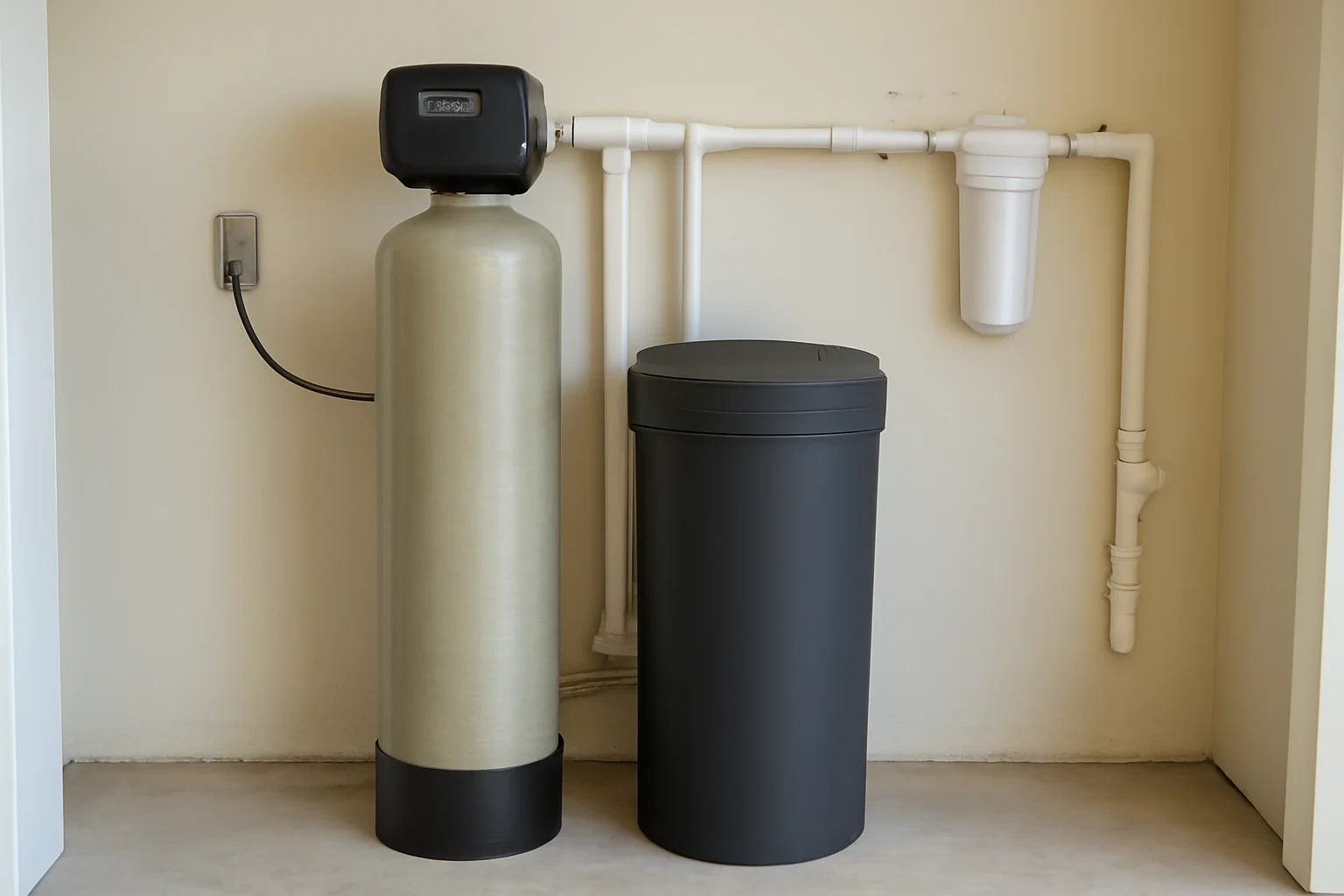
Water softening reduces hardness minerals so they are less likely to form scale. Many modern systems use ion exchange technology, which replaces hardness ions with sodium or potassium ions. The result is water that still looks and feels like water, but it is gentler on fixtures and more compatible with soaps and detergents.
Whole home water filtration and drinking water filtration focus on taste, odor, and sediment. They may be used alongside softening because improving water quality is often about layering solutions.
That is why many Seagrove Beach families choose a combination approach: soften the water for plumbing and appliance protection, then filter further for drinking and cooking. If you are exploring clean water systems near me, you will get the best results when the plan matches your specific symptoms.
How scale buildup forms and why it becomes expensive
Scale buildup begins quietly. You might notice it first around faucets, showerheads, and the edges of sinks where water dries. The deposits can also build inside water heater tanks, hot water lines, and appliances that heat water. Over time, scale acts like an insulating layer. That can reduce heat transfer, increase energy use, and contribute to premature wear.
In households with frequent laundry and dishwashing, the impact can show up faster. If you have ever had:
- clogged or partially blocked spray heads,
- faster soap residue buildup on tile or grout,
- spotty cleaning results despite using the same products,
- or a dishwasher that leaves a film even after rinsing,
you are likely seeing the effects of scale and hardness. Softening helps reduce those deposits so your fixtures stay smoother and your appliances stay efficient.
Daily life improvements Seagrove Beach families notice with soft water
Hard water frustrations are not abstract. They show up during real routines.
Kitchen scenes: clearer ice, better coffee, and cleaner dishes
Picture a typical morning: kids grab water and ice, someone makes coffee, and the dishwasher runs after breakfast dishes. With hard water, you may see cloudy ice cubes, and poor tasting coffee water can make even good beans disappoint. Dishes may come out with hard water spots or a faint film.
Softened water reduces mineral deposits that cause spotting and film. For taste and odor, pairing your softening setup with reverse osmosis installation near me or a dedicated drinking water filter can further improve flavor for drinking and cooking. Many homeowners also ask about AO Smith water filtration options when they want branded, dependable filtration for the kitchen and whole home.
If you are also dealing with chlorine taste in water, filtration can target that so the water used for coffee, tea, and cooking water tastes cleaner.
Bathing: fewer residue issues and less dry skin from hard water
Hard water can make it feel like soap never fully rinses. That is why people describe dry skin from hard water and dull hair after bathing. Mineral residue can interfere with how shampoo lathers and how conditioner rinses.
Once hardness is reduced, many homeowners notice that:
- soap and shampoo lather more easily,
- rinse feels cleaner,
- towels and shower surfaces stay less crusty between cleanings,
- skin feels less tight after showers.
Soft water does not replace good skincare, but it removes one common factor that makes water feel harsher.
Laundry: brighter results and less buildup on fabrics
When soap does not lather, laundry often takes extra cycles, and detergents may not work as efficiently. Over time, hardness minerals can contribute to residue on fabrics and build up in machines. Soft water can improve detergent performance and reduce scale effects that impact washing machines and water heaters.
Families often notice that whites look cleaner and towels feel softer after switching to softened water, especially when paired with the right laundry detergent for your water conditions.
Choosing the right water treatment approach for your home in Seagrove Beach
Not every home needs the same setup. The best plan depends on hardness, sediment levels, taste or odor concerns, and how you use water. A Superior Mechanical can help you evaluate your situation using real measurements, not guesswork.
Here is how the pieces typically fit together:
1) Water softening for scale control and appliance protection
Softening is the core solution when you are seeing scale buildup around faucets, crusting on showerheads, and rough deposits in plumbing. It also helps protect appliances that heat water, including:
- water heaters,
- tank-based and tankless systems, depending on setup,
- dishwashers,
- clothes washers,
- and other equipment connected to hot water.
For homeowners, this is often the turning point that reduces ongoing cleaning and extends equipment life.
2) Whole home water filtration for sediment and cleaner-feeling water
If you are also dealing with visible sediment, discoloration, or odor concerns, a whole house water filter can help. Whole home filtration can reduce contaminants that cause cloudy water or affect how water smells.
Whole home water filtration near me searches come from the same frustration: people want clean water across every faucet, shower, and laundry line, not just at the kitchen sink.
Many homeowners choose a system that complements softening rather than replaces it. That way, you address both hardness and other water quality issues.
3) Reverse osmosis for drinking and cooking water
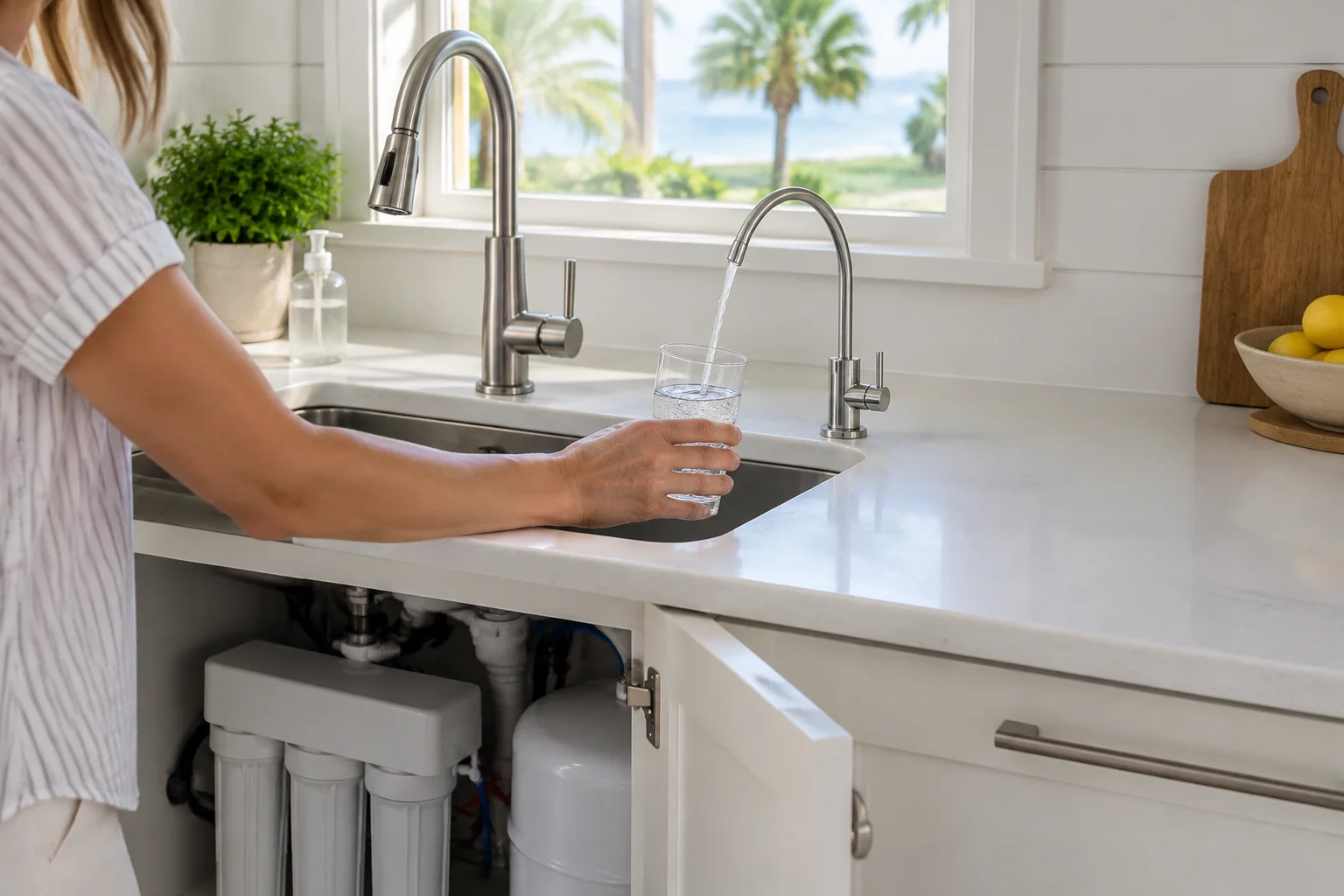
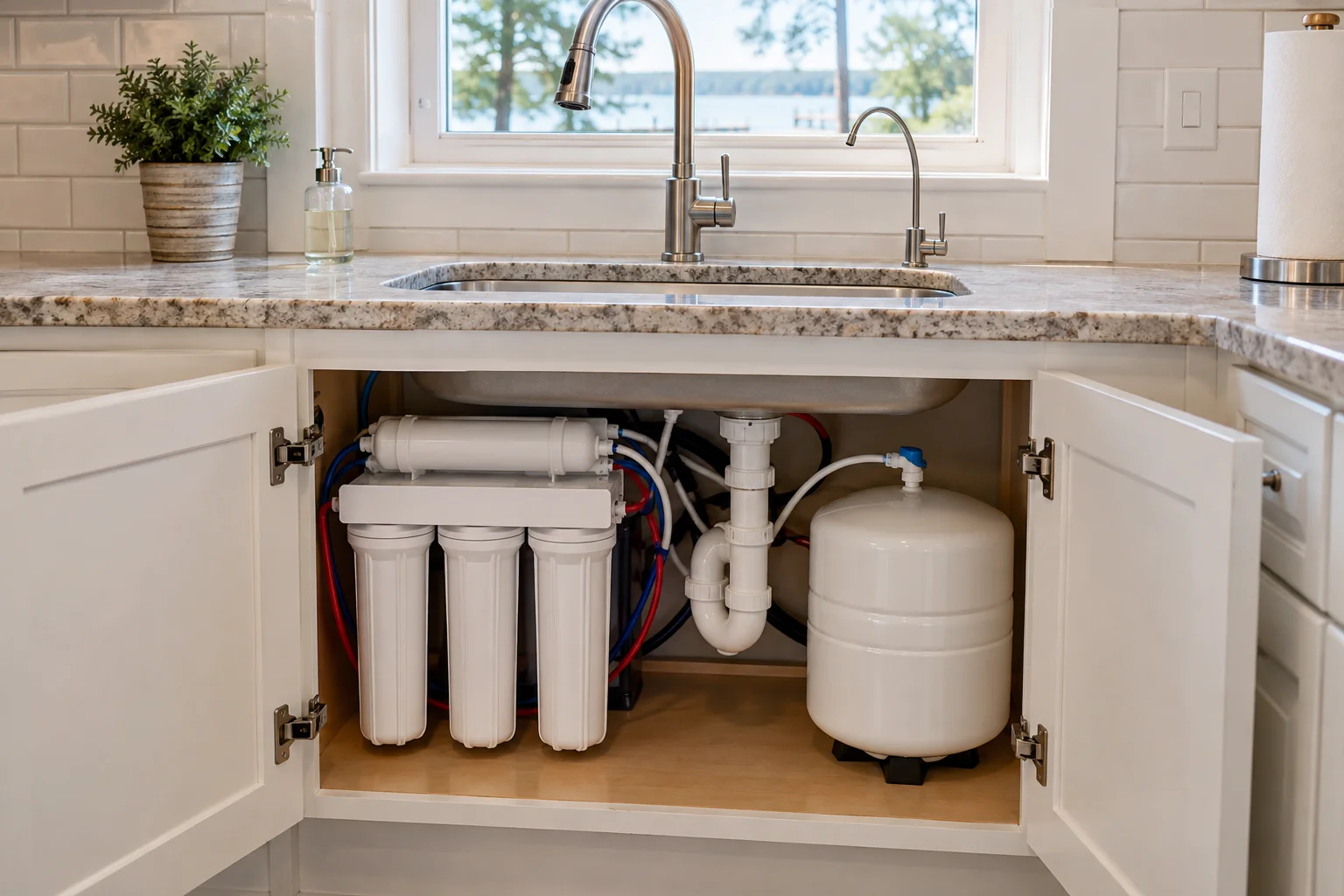
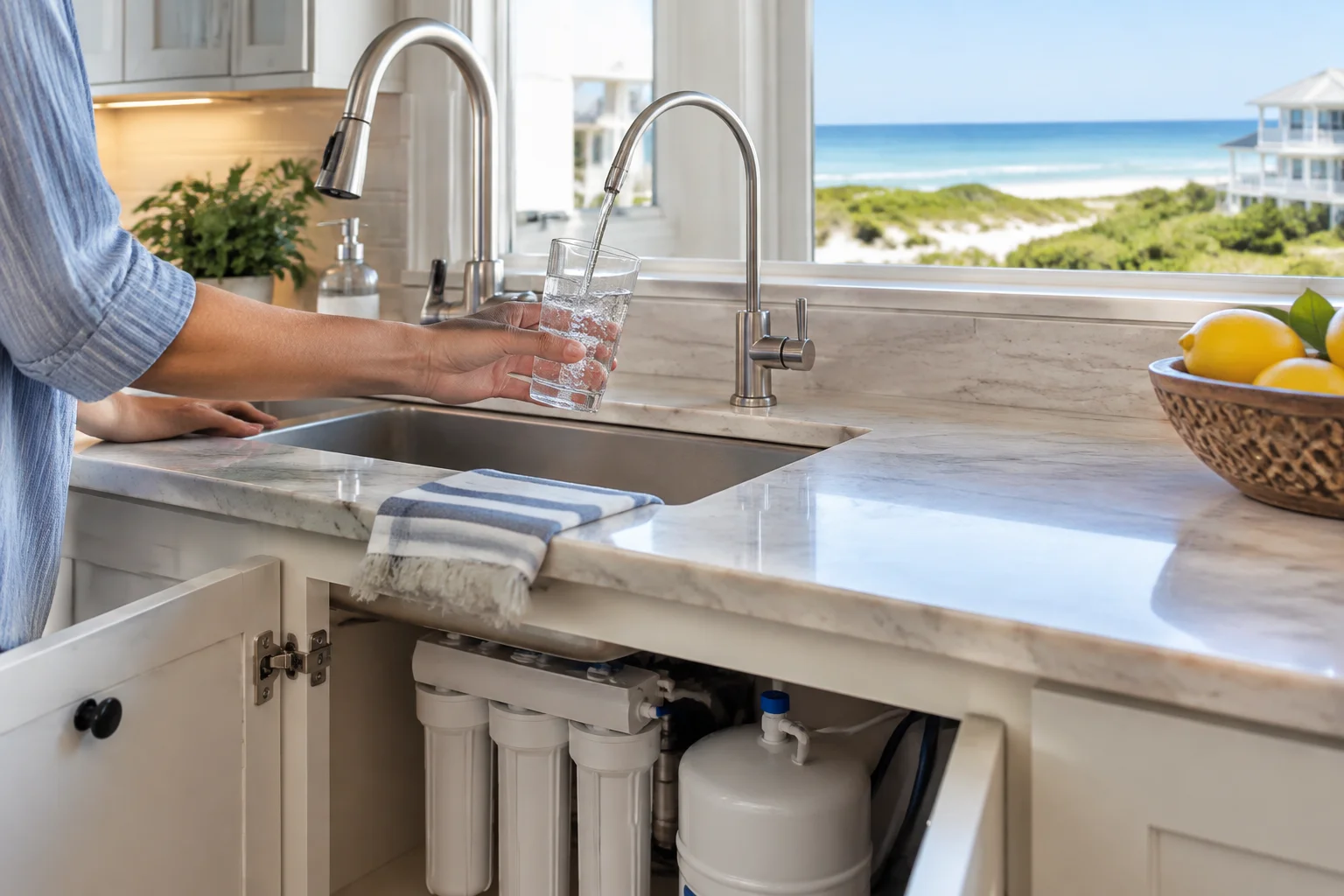
Even after softening, you may want better drinking water flavor. That is where reverse osmosis installation near me can help. Reverse osmosis is commonly used to reduce contaminants that impact taste and clarity, and it is a popular choice for kitchens.
If you notice metallic, chlorinated, or unpleasant taste, or you have cloudy ice cubes, reverse osmosis or a high-quality drinking water filter can make a noticeable difference for:
- drinking water quality,
- cooking water,
- coffee and tea flavor,
- and ice clarity.
For families who care about everyday water, reverse osmosis is often the “last step” after hardness is controlled.
Why local water conditions in Walton County matter
Water quality is not identical across Florida. In Walton County and the Seagrove Beach area, homeowners may experience a mix of mineral hardness and water quality variations that become more noticeable in coastal homes, during seasonal changes, or when plumbing systems age.
That is why local service matters. A water treatment company that serves Seagrove Beach understands how these issues show up in local homes and how to recommend systems that fit real household routines: beach rentals, busy family schedules, and homes with multiple bathrooms and frequent hot water use.
If you are weighing water softener service, it helps to work with a provider that considers both today’s symptoms and future protection for your plumbing and appliances. For guidance specific to Seagrove Beach, visit A Superior Mechanical’s water softening service page. You can also explore the broader approach at the water filtration and reverse osmosis landing page, and learn about local coverage at the Seagrove Beach service area page.
Preventing hard water problems: maintenance that keeps softening working
Water softeners are not “set it and forget it” forever. With routine care, you can keep performance steady and avoid the frustration of scale returning.
Here are practical maintenance habits homeowners can follow:
- Watch for performance changes: if soap does not lather again or scale spots return, the system may need adjustment.
- Keep an eye on salt levels (for salt-based systems). Low salt can lead to reduced softening.
- Schedule periodic checks so settings match current water conditions and your household demand.
- Inspect filters and components if your setup includes whole home filtration or additional stages.
- Address plumbing issues early. If a fixture is already coated internally, softening helps prevent more buildup, but cleaning and repair may still be needed.
If you are also concerned about water quality beyond hardness, it is worth reviewing how filtration stages work together. That is especially important if you are trying to reduce chlorine taste in water or improve drinking water clarity.
How to know you are ready for water softening (and not just more scrubbing)
Some households try stronger cleaners and more elbow grease. That can help temporarily, but it does not stop the underlying mineral problem. Consider professional water softener service when multiple signs show up across the home:
- repeated hard water spots on glass even after careful drying,
- scale buildup around faucets and showerheads that keeps coming back,
- dry skin from hard water or dull hair after bathing,
- soap that does not lather or leaves residue,
- cloudy ice cubes and chlorine taste in water,
- appliances that seem to wear out faster than expected.
When hard water treatment becomes part of protecting fixtures and appliances, you often spend less time cleaning and more time enjoying your home.
Professional installation matters for performance and long-term savings
A properly sized and installed system is what determines whether your softening solution actually reduces scale. Sizing depends on household size, water usage patterns, and water hardness levels. Installation details also affect how the system bypasses water, regenerates, and integrates with other filtration components.
If your home is a rental property or you have high seasonal water demand, correct sizing and setup are especially important. A Superior Mechanical can help match the system to your real usage and coordinate it with whole home filtration or drinking water upgrades.
For homeowners thinking about broader home protection, you may also find these reads helpful: How Water Softening Protects Rosemary Beach Plumbing from Costly Water Damage and What Seagrove Beach Homes Reveal About Their Water. If you suspect recurring issues that involve both water and plumbing layout, How Smart Plumbing Installation Helps Seagrove Beach Homes Avoid Bigger Problems can provide additional context.
Common questions homeowners ask before choosing a system
Will a water softener affect the way water tastes?
Softening primarily targets hardness minerals. If you are also dealing with metallic, chlorinated, or unpleasant taste, you may still want drinking water filtration. Many Seagrove Beach homeowners use whole home filtration or reverse osmosis for the kitchen while softening handles scale and appliance protection.
Do I need reverse osmosis if I already have whole home filtration?
Sometimes. Whole home filtration can improve overall water quality, but drinking water flavor preferences vary. If you notice cloudy ice cubes or poor tasting coffee water, reverse osmosis installation can be a strong next step for drinking and cooking.
How does softening help appliances last longer?
Scale buildup inside tanks and heating elements reduces efficiency and increases wear. By reducing hardness, soft water limits scale formation, which can help appliances run more smoothly over time.
Where to start in Seagrove Beach
If you are searching for water treatment near me and your biggest frustrations include scale buildup on fixtures, dry skin from hard water, soap that does not lather, or drinking water that tastes off, it is worth addressing both hardness and taste quality. Start with water softening for protection, then add filtration stages for whole home clean water systems and better drinking water.
For Seagrove Beach homeowners, the most direct path is to review options for water softening services and compare how softening pairs with reverse osmosis and water filtration. If you want to see the wider service coverage, visit the Walton County service page and the Seagrove Beach area page.
Find Water Softening in Seagrove Beach, FL
If you need Water Softening in Seagrove Beach, FL, visit our local service page or contact A Superior Mechanical today.
For a broader look at whole-home water filtration, reverse osmosis, and water softener options, visit our water filtration, RO, and water softener page.
Map of Seagrove Beach, FL
Frequently Asked Questions
How can I tell if my Seagrove Beach home needs water softening?
If you see hard water spots on glass and dishes, scale buildup on faucets and showerheads, dry skin from hard water, soap that does not lather, or appliances wearing out faster, those are strong indicators that hardness is affecting your plumbing and daily routines.
Will water softening remove chlorine taste or metallic taste in drinking water?
Water softening mainly reduces hardness minerals that cause scale. For chlorine taste in water or metallic or unpleasant taste, you may need additional water filtration. Many homeowners pair softening with whole home water filtration and a kitchen system such as reverse osmosis for better drinking water.
Is whole home water filtration necessary if I install a water softener?
Not always. If you also have sediment, discoloration, or odor concerns, whole home water filtration can help improve water quality throughout the house. Softening addresses scale, while filtration can address additional water quality issues.
How does reverse osmosis help with cloudy ice cubes and poor tasting coffee water?
Reverse osmosis installation can improve clarity and taste for drinking and cooking water. If you notice cloudy ice cubes or poor tasting coffee water, reverse osmosis is often a practical option for the kitchen, especially when paired with softened water.
How often should a water softener be serviced?
Most homeowners benefit from periodic system checks to confirm settings and performance, especially if you notice increasing scale, reduced lathering, or changes in water feel. A professional water treatment service can recommend a schedule based on your household usage.
Related Articles
Photo Gallery