Walk into a Callaway home after a hot shower, open the kitchen faucet, or pull a dish from the dishwasher and you can often tell how the water is behaving. If you notice hard water spots on glass, scale buildup around faucets, or a metallic, chlorinated taste in the water, it is not just annoying. It is a sign that minerals are stressing your plumbing, appliances, and everyday comfort.
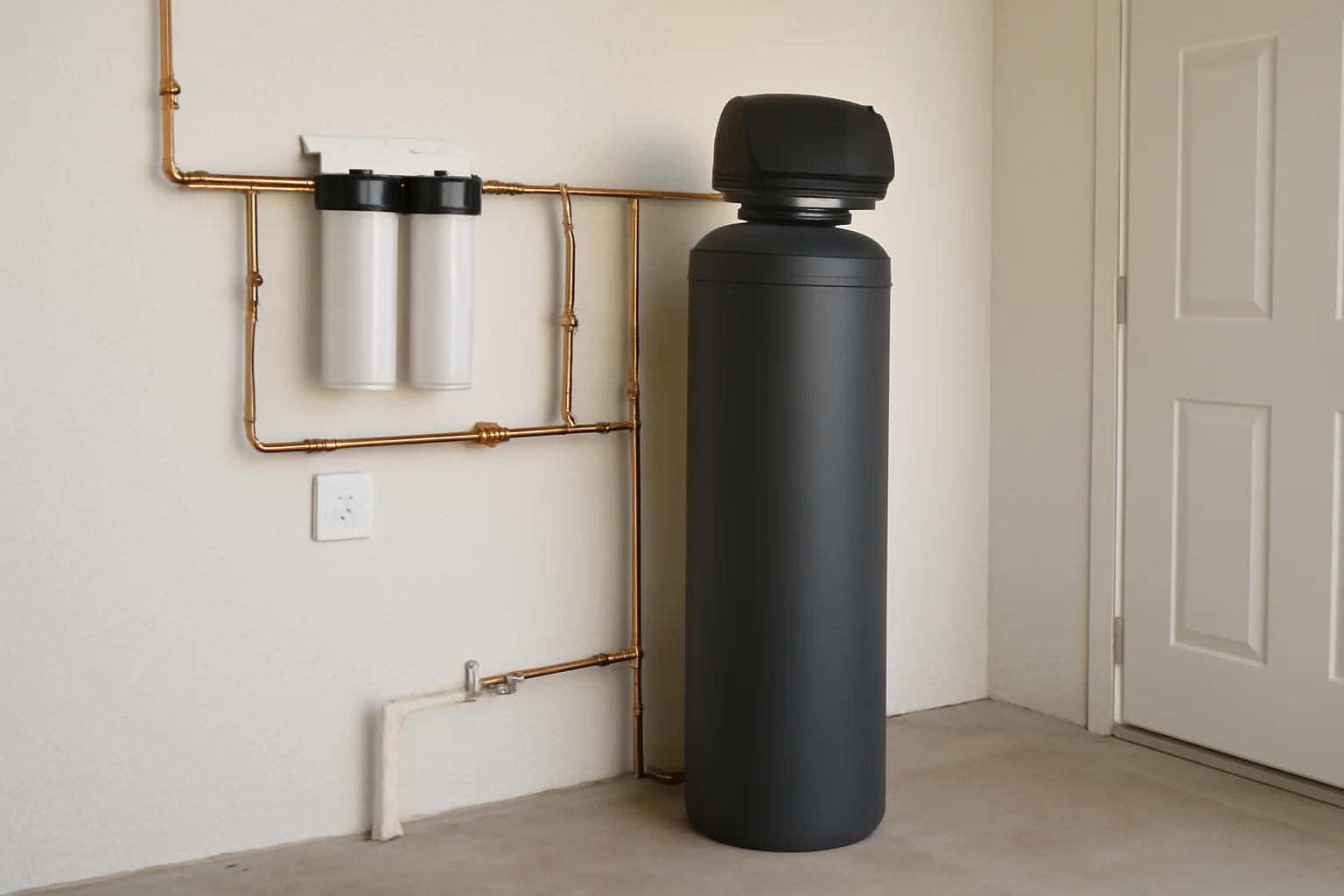
Water softening is one of the most practical water treatment options for local homes. It helps reduce scale, supports cleaner laundry and bathing, and can extend the life of water-using appliances. When paired with the right filtration, it can also help you get better water for drinking and cooking.
What “hard water” looks like in Callaway homes
Hard water is loaded with minerals, mainly calcium and magnesium. In Callaway, those minerals show up fast because they do not just disappear after you rinse. They build up on surfaces as water evaporates or gets heated. Over time, that buildup becomes scale.
Homeowners commonly spot hard water in these ways:
- Hard water spots on glass, dishes, and fixtures, especially after the dishwasher or a quick rinse
- Scale buildup around faucets, showerheads, and plumbing, sometimes with a chalky, rough feel
- Soap that does not lather or rinse well, leaving residue on hands, skin, and laundry
- Dry skin or dull hair after bathing, even when you are using quality shampoo and conditioner
- Cloudy ice cubes or cloudy-looking drinking water
- Metallic, chlorinated, or unpleasant taste, which can show up in drinking water and cooking water
- Poor tasting coffee and cooking water that makes food and beverages taste flat
- Visible sediment, discoloration, and odor concerns that point to filtration needs
These are the everyday clues. The bigger issue is what you do not see: mineral scale inside pipes, valves, water heaters, and appliance lines. That scale can reduce flow and efficiency, and it can wear equipment out faster.
Why water softening matters for plumbing and appliances
Scale buildup is the main reason water softening matters. When hard water heats up or evaporates, minerals can precipitate and cling to surfaces. Over time, that creates deposits that act like a barrier.
In a Callaway home, that can mean:
- Reduced water flow at fixtures as scale narrows pathways
- Water heater strain because heat has to work through mineral buildup
- Appliances wearing out faster, including dishwashers, washing machines, and any device that uses hot water
- More frequent repairs related to clogged components, inefficient heating, and inconsistent performance
Softening reduces the minerals that form scale, which helps keep systems running closer to their intended performance. If you have ever wondered why the dishwasher seems to struggle with spots, or why hot water recovery feels slower, hard water treatment is often part of the answer.
Better bathing and laundry, not just “cleaner” water
Water softening is not only about protecting pipes. It also changes how water behaves on skin, hair, and fabrics. When minerals are reduced, soap and detergents work more effectively.
Think about a typical Callaway morning. Someone grabs a towel after showering. Later, the laundry comes out and you notice it feels a little different than usual. With hard water, soap can struggle to lather and rinse, and mineral residue can cling to fabrics and skin. That can contribute to:
- Dry skin or dull hair after bathing, especially after repeated hot showers
- Laundry that feels stiff or looks less vibrant
- Detergents and cleaners that seem less effective, leading to more product use
Soft water supports a more comfortable bathing experience and helps laundry come out cleaner with less buildup. Many homeowners notice the difference after the first few weeks, once the system is properly adjusted and in steady operation.
Drinking water and cooking water: softening plus filtration
Soft water and filtration solve different problems, and that is where local planning matters. Softening primarily targets hardness minerals that cause scale. Filtration targets other water quality concerns such as taste, odor, sediment, and chlorine-related issues.
That is why many homeowners choose a layered approach, especially when they want better water for drinking and cooking. A common goal is to reduce the chlorine taste in water, improve clarity, and create water that tastes better in the kitchen.
In real life, it looks like this:
- The family refills a water pitcher and notices cloudy ice cubes improve
- Coffee tastes more balanced because the poor tasting coffee water issue is reduced
- Cooking water performs better for rice, pasta, and soups
- Drinking water filter needs are met with the right system design, not just a basic pitcher
If you are searching for drinking water filter near me or home water purification near me, it helps to think about the entire system. Whole home water filtration near me is often the path to consistent results, especially when multiple family members use the water throughout the day.
Whole home water filtration can protect what softening alone cannot
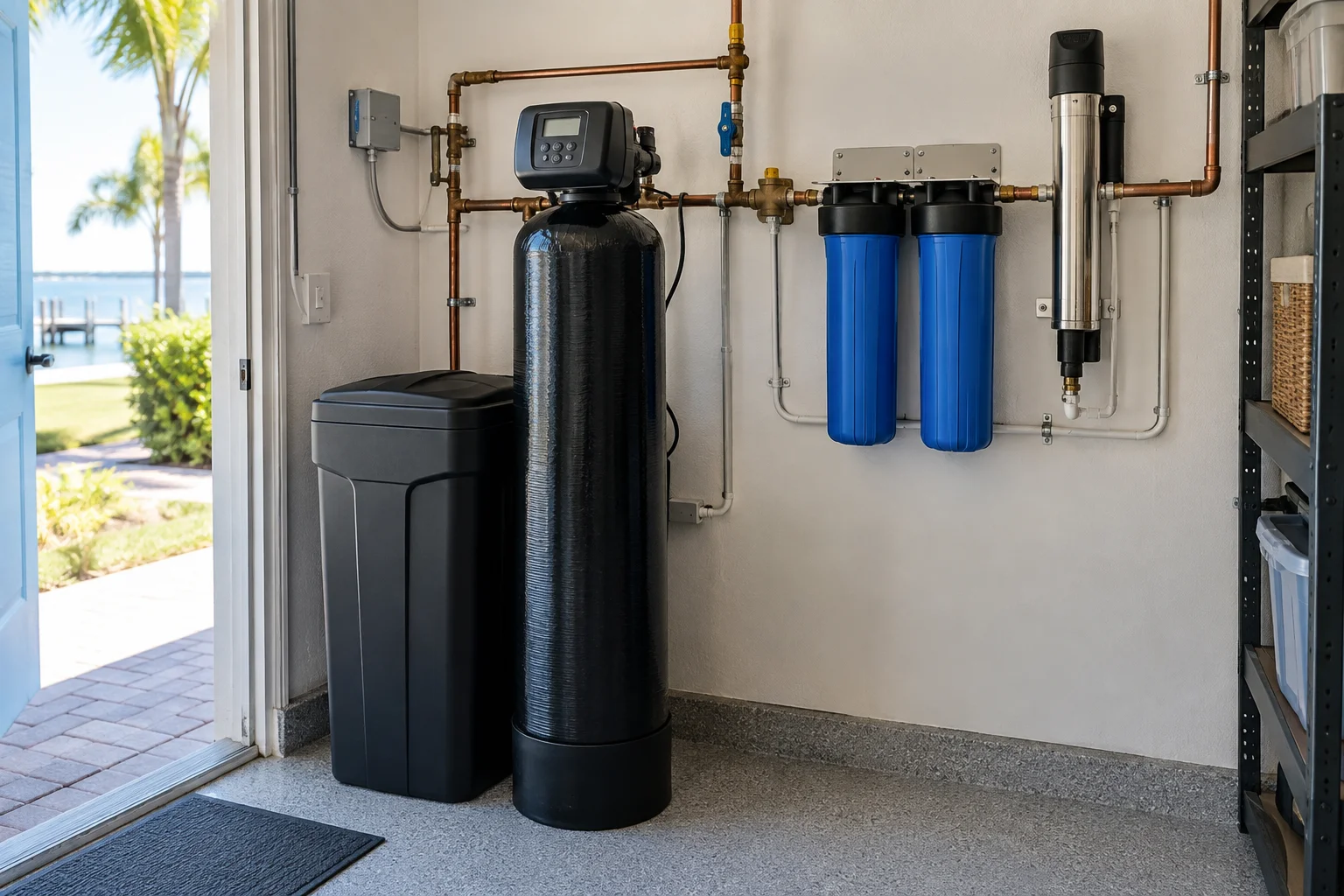
Even with excellent water softening, homeowners may still see issues like sediment, discoloration, or unpleasant taste. That is where whole home water filtration comes in. When a properly designed filtration system is installed alongside softening, you get a more complete clean water system for the entire house.
Whole home filtration can help address:
- Visible sediment or discoloration concerns
- Odor issues that impact drinking and cooking water
- Chlorine taste in water that makes beverages less enjoyable
For homeowners who want a premium setup, brands like AO Smith water filtration are often considered because they are designed for household water quality needs. Your best choice depends on your water test results and how you use water in your home.
Reverse osmosis for drinking water and specific tastes
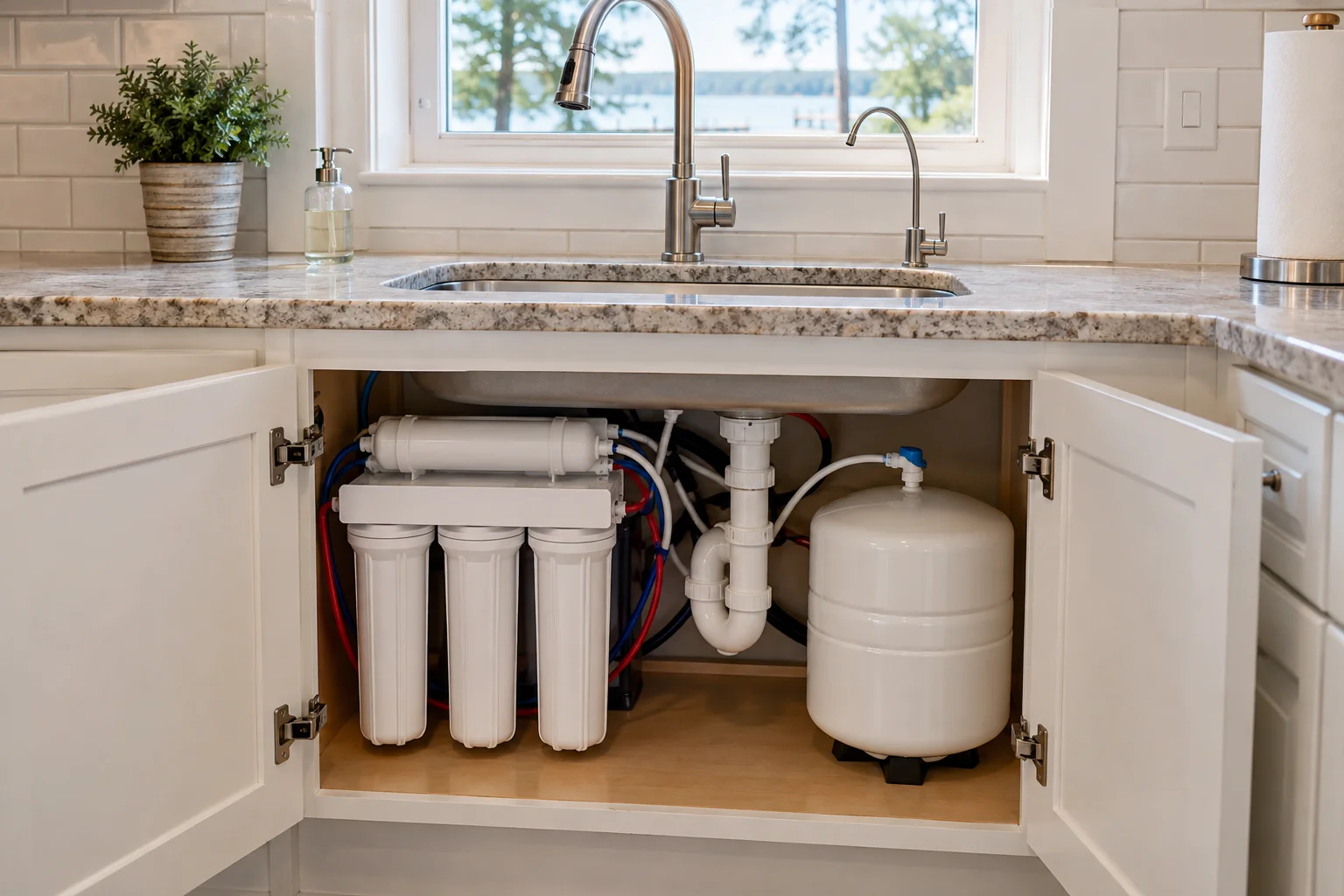
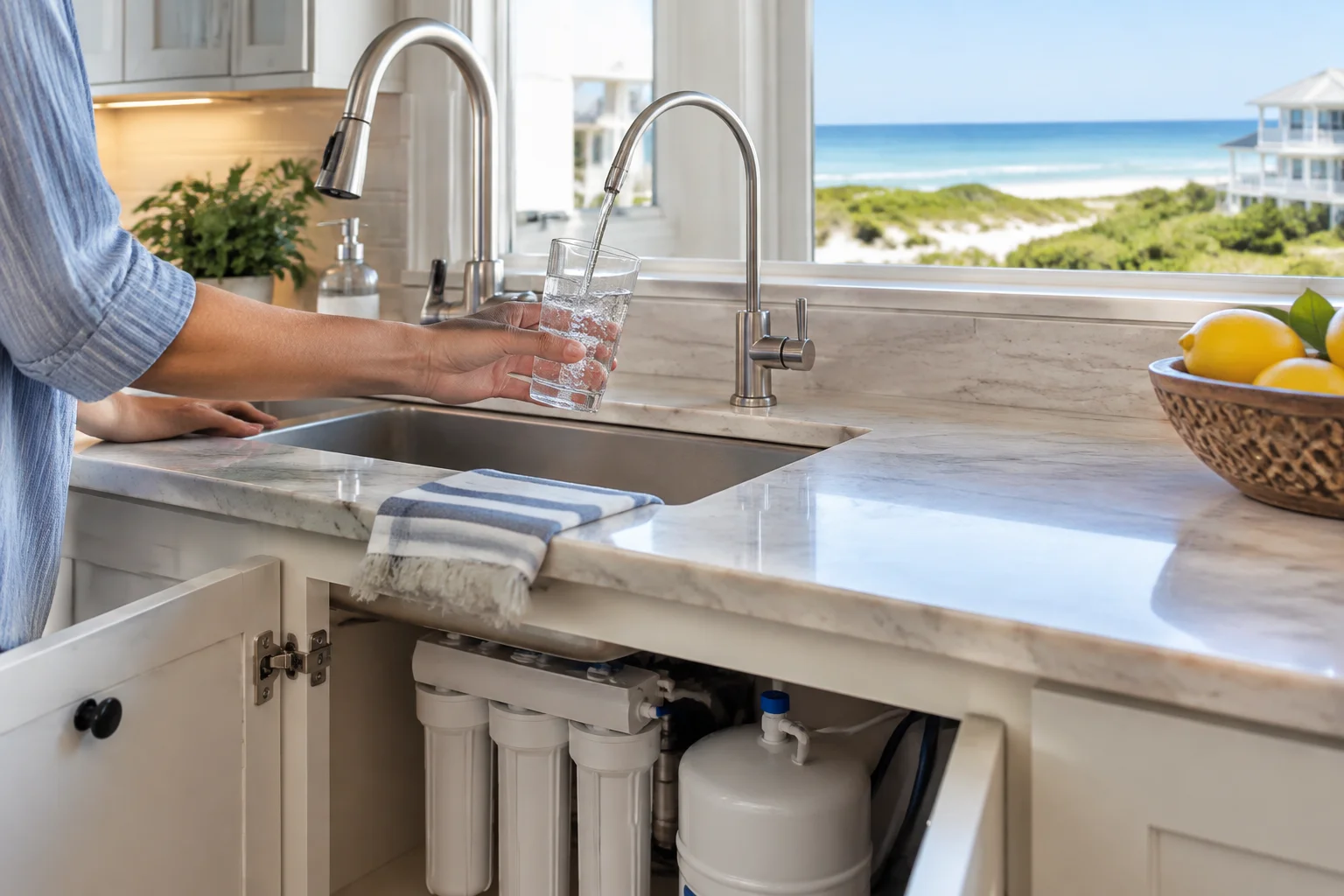
For many households, reverse osmosis is the next step when the biggest priority is what comes out of the kitchen tap. A reverse osmosis system near me search usually comes from a desire to reduce taste and clarity issues in drinking water, including concerns related to dissolved minerals and other contaminants.
Reverse osmosis works differently than softening. Softening targets hardness. Reverse osmosis can help produce high-quality drinking water at the point of use, which can be ideal for:
- Households focused on better water for drinking and cooking
- Families that want water to taste cleaner, with fewer odor and flavor issues
- Homes where cloudy ice cubes or metallic taste concerns persist despite other treatment
If you are comparing options, it is worth asking how RO integrates with your existing water softener service and whether the system is sized for your household. A professional water treatment provider can help you avoid paying for the wrong setup.
Callaway’s climate and local water conditions make treatment plan matter
Callaway sits within Bay County, and local home water experiences can vary across neighborhoods depending on your water source and plumbing setup. The area’s hot, humid conditions also influence how water behaves inside your home. Hot showers, frequent laundry cycles, and everyday cooking all increase water use, which means hard water minerals have more opportunities to form scale.
That is why water treatment service matters locally. A treatment plan that is tuned to your home’s demand and your water quality helps ensure the systems keep performing. It also helps you avoid the common mistake of trying to solve everything with one device.
For homeowners searching for water treatment near me in Callaway, the most helpful approach is usually a combination of:
- Water softening to control scale buildup around faucets, showerheads, and plumbing
- Whole home water filtration to support cleaner water throughout the home
- Reverse osmosis for targeted improvement at the kitchen tap when needed
If you want to explore local service options, you can review water softening in Callaway and see how A Superior Mechanical supports Bay County homeowners.
Maintenance and settings that keep softening working
Water softeners are not “set it and forget it” forever. They require proper setup and ongoing maintenance so they continue to soften water effectively. If settings are off or salt and media maintenance is neglected, scale can creep back into the system.
Homeowners can help by watching for these performance issues:
- Scale spots returning on glass and fixtures
- Soap not lathering as well as it used to
- Longer warm-up times or reduced appliance performance
- Inconsistent water taste or odor changes (which could indicate filtration needs)
Scheduling routine checks with a trusted provider supports consistent results. If you are looking for water softener service near me, choose a company that understands both the equipment and the water quality side of the problem.
How families notice the difference day to day
Water treatment becomes personal fast. It shows up at dinner, in the bathroom, and in the laundry room.
Here are a few common scenes in Callaway homes:
- Kitchen routine: The family uses the same water for drinking, cooking, and rinsing produce. When water tastes cleaner and ice stays clearer, it changes how meals feel.
- Bath time: After soft water treatment, many homeowners notice hair feels less coated and skin feels less tight. It is a subtle improvement that adds up.
- Laundry day: Clothes feel softer, detergents rinse better, and you spend less time re-washing items that did not come out the way you expected.
- Fixture upkeep: Less scale buildup around faucets and showerheads means fewer scrubbing sessions and less frustration with stubborn spots.
When the water is treated properly, the home simply runs better. That is why homeowners often pair AO Smith water filtration, softening, and sometimes a reverse osmosis system, depending on their goals and budget.
Common signs it is time for a water softener upgrade
If you already have a softener and you still see hard water effects, it might be time to evaluate the system. If you do not have one yet, these are strong indicators that water softening and filtration could help:
- Persistent hard water spots on glass even after careful cleaning
- Scale buildup around faucets and showerheads that keeps returning
- Dry skin or dull hair that does not improve with skincare changes
- Metallic, chlorinated, or unpleasant taste that makes drinking water less enjoyable
- Cloudy ice cubes or cloudy water that affects beverages
- Appliances wearing out faster than expected
- Visible sediment, discoloration, or odor concerns that suggest filtration is needed too
Upgrading the right component can make a big difference. In some homes, improving whole home water filtration and then fine-tuning softening provides the most noticeable results. In others, adding reverse osmosis for drinking water is the best path.
Where to start: water testing and a practical treatment plan
The most reliable way to choose water softening and filtration is to start with water testing and a plan that matches how your home uses water. A local provider can help interpret results and recommend a setup that addresses both hardness and other water quality concerns.
If you want to learn more about how treatment choices work together, these guides can be helpful:
- Why Water Treatment Makes Water Softening Work Better in Callaway Homes
- A Callaway Homeowner’s Guide to Smarter Water Filtration and Fewer Plumbing Repairs
- Cleaner Water Starts at the Source in Callaway
If your goal includes protecting fixtures and reducing costly repairs, you may also like How Water Softening Protects Rosemary Beach Plumbing from Costly Water Damage for a broader look at what scale can do over time.
Choosing the right systems for Callaway: softening and filtration together
Many homeowners think water softening is the only answer, but the best results often come from combining solutions. Water softening reduces the minerals that cause scale buildup around faucets, showerheads, and plumbing. Whole home water filtration helps improve overall water quality and supports clearer, better-tasting water throughout the house. Reverse osmosis can further refine kitchen drinking water for those who care most about taste and clarity.
If you are comparing options for whole home water filtration near me or exploring water filtration near me solutions, start with the main water system goals:
- Are you mainly dealing with scale, soap residue, and appliance wear? Water softening is usually the priority.
- Are you dealing with taste, odor, sediment, or discoloration? Whole home filtration and possibly reverse osmosis can help.
- Do you want a full clean water system? A layered plan offers consistent results.
You can also explore the broader approach at water filtration and reverse osmosis with water softeners, and if you want to see coverage across the area, visit the Callaway service page and Bay County service areas.
Schedule water softening service in Callaway
When hard water treatment becomes part of protecting fixtures and appliances, the benefits show up quickly. Fewer hard water spots on glass, less scale buildup around faucets and showerheads, better bathing comfort, and water that performs better in cooking and drinking.
If you are noticing metallic or chlorinated taste, cloudy ice cubes, poor tasting coffee water, or visible sediment and odor concerns, it is a good time to get your system evaluated. For professional support, review water softening service in Callaway from A Superior Mechanical.
Find Water Softening in Callaway, FL
If you need Water Softening in Callaway, FL, visit our local service page or contact A Superior Mechanical today.
For a broader look at whole-home water filtration, reverse osmosis, and water softener options, visit our water filtration, RO, and water softener page.
Map of Callaway, FL
Frequently Asked Questions
Will water softening help with hard water spots on glass and dishes in Callaway?
Yes. Water softening reduces hardness minerals that cause scale and spotting. With properly adjusted softener settings, you should see fewer hard water spots on glass, improved dishware rinsing, and less buildup on fixtures.
Does a water softener improve drinking water taste?
Softening helps primarily with hardness related issues like scale, not taste and odor by itself. If you notice metallic or chlorinated taste, pairing water softening with whole home water filtration or reverse osmosis is often the most effective approach.
What is the difference between whole home water filtration and reverse osmosis?
Whole home water filtration treats water throughout the house, which helps with general water quality like sediment and odor. Reverse osmosis focuses on producing high-quality drinking water at the point of use, often improving clarity and taste at the kitchen tap.
How do I know my water softener needs service?
If you see scale returning, soap no longer lathers well, or you notice renewed hard water spots on fixtures, the system may be out of adjustment or needs maintenance. A local water treatment professional can check settings and performance.
Is AO Smith water filtration a good option for Callaway homes?
AO Smith water filtration systems are widely used and can be a strong fit depending on your water test results. The best choice depends on whether your main concerns are hardness, sediment, odor, or taste, and what treatment combination your home needs.
Related Articles
Photo Gallery