Panama City homeowners do not usually think about heating control systems until a room feels too cold, the thermostat starts acting up, or the HVAC system seems to run longer than it should. In a coastal climate like Bay County, where humidity, salt air, and quick weather shifts all affect comfort, heating controls play a bigger role than many people realize. A well set up control system helps the equipment respond smoothly, keeps temperatures steady, and can reduce wasted energy during the cooler months.
If your home, rental property, or small business is struggling with uneven temperatures or confusing thermostat behavior, it may be time to look beyond the furnace or heat pump itself. The controls that tell the system when to run, how long to run, and which areas need conditioning can create problems long before the equipment fails. For homeowners looking for local help, heating control systems in Panama City, FL can improve comfort and make the entire HVAC system easier to manage.
Why heating controls matter in Panama City
Panama City is known for warm, humid weather for most of the year, but winter mornings can still bring a noticeable chill. That means heating systems here often sit idle for long stretches, then need to respond quickly when temperatures drop. Controls that are outdated, poorly calibrated, or simply not matched to the home can create uneven heating, short cycling, and higher utility costs.
Homes in Bay County also come in many styles, from older coastal properties to newer construction and vacation rentals. Each one places different demands on the HVAC system. A thermostat that works fine in a small, open floor plan may not be enough for a larger home with additions, closed rooms, or multiple levels. That is where zoning controls, programmable settings, and smart thermostats can make a real difference. If you want to see how these systems fit into local service options, the Panama City service area page is a good place to start.
Heating control issues homeowners should not ignore
Temperatures that never feel quite right
One of the earliest warning signs is a home that feels too warm in one room and too cool in another. This can happen when a thermostat is installed in the wrong spot, when sensors are out of sync, or when zoning dampers are not opening and closing the way they should. In Panama City homes, direct sunlight, high indoor humidity, and drafts from doors or windows can also confuse a control system.
If the thermostat says the house is at the right temperature but comfort tells a different story, the issue may not be the heating unit itself. It could be the control setup, the placement of the thermostat, or a system that needs recalibration.
The system runs too often or shuts off too soon
Short cycling, where the HVAC system turns on and off in quick bursts, is hard on equipment and often points to a control problem. It can be caused by a faulty thermostat, wiring trouble, bad sensors, or settings that do not match the system size. On the other side, a system that runs too long may be struggling to reach the target temperature because the controls are not signaling correctly.
Either pattern can raise energy use and put extra wear on components. In a climate where cooling usually gets more attention than heating, these problems often go unnoticed until the utility bill climbs or the home starts feeling inconsistent.
Unresponsive or inaccurate thermostat readings
Thermostats should be reliable, but they can drift out of calibration or begin reading the room temperature incorrectly. Some homeowners also run into issues with smart thermostats that lose Wi Fi connection, need software updates, or were not installed with the right settings for the HVAC equipment.
When a thermostat is inaccurate, the whole system works harder to compensate. That can be especially frustrating in rentals or second homes, where no one notices the issue right away. For homeowners considering an upgrade, smart thermostats can offer better scheduling, remote access, and more precise control when installed correctly.
Zoning controls that do not respond properly
Many larger homes in Panama City benefit from zoning, especially if some rooms get more sun exposure or are used differently throughout the day. But zoning systems depend on dampers, sensors, and control boards working together. If one zone is always too hot or too cold, a stuck damper or faulty control signal may be to blame.
Homeowners sometimes assume they need a bigger HVAC unit when the real problem is a zone control issue. That is why it helps to have a local technician inspect the full system before making major changes.
What causes these problems in local homes
Panama City’s coastal environment can be rough on HVAC controls. Salt air, moisture, and corrosion can affect wiring, contacts, and circuit boards over time. Power fluctuations during storms or grid issues can also damage sensitive control components. In older homes, aging wiring or outdated thermostats may create even more trouble.
Another common cause is simple mismatch. A new thermostat may not be compatible with the furnace, heat pump, or zoning setup. Some systems need specific programming to handle auxiliary heat, staged heating, or variable speed equipment. If the controls are not configured properly, the HVAC system may still work, but not well.
That is one reason local experience matters. A contractor who works regularly in Bay County understands how coastal conditions affect HVAC systems and how different home layouts in the area can change the way controls should be installed and tuned. For broader service coverage across the region, homeowners can also review Bay County HVAC services.
How to stay ahead of heating control issues
Check thermostat placement and settings
Make sure the thermostat is not located near a supply vent, kitchen heat source, sunny window, or exterior door. Those spots can trick the system into shutting off too early or running too long. It also helps to review the schedule a few times a year, especially if your household routine changes between seasons.
For smart systems, check the app or control panel for alerts, connectivity issues, and outdated settings. A thermostat that was programmed in winter may not be set up well for the rest of the year.
Keep sensors and controls clean and protected
Dust, moisture, and corrosion can all interfere with control components. While homeowners should not open electrical panels without training, they can keep the area around thermostats clean and avoid blocking vents or sensors. In coastal homes, it is also smart to watch for signs of corrosion around visible wiring or wall-mounted controls.
If you notice rust, moisture staining, or a thermostat that feels loose on the wall, have it checked sooner rather than later. Small issues can become bigger ones when humidity and salt air are involved.
Use controls that match the home
Not every home needs the same setup. A compact condo, a rental property, and a larger family home may all benefit from different heating control strategies. Programmable thermostats work well for some households, while others need zoning or integrated controls to handle multiple comfort needs.
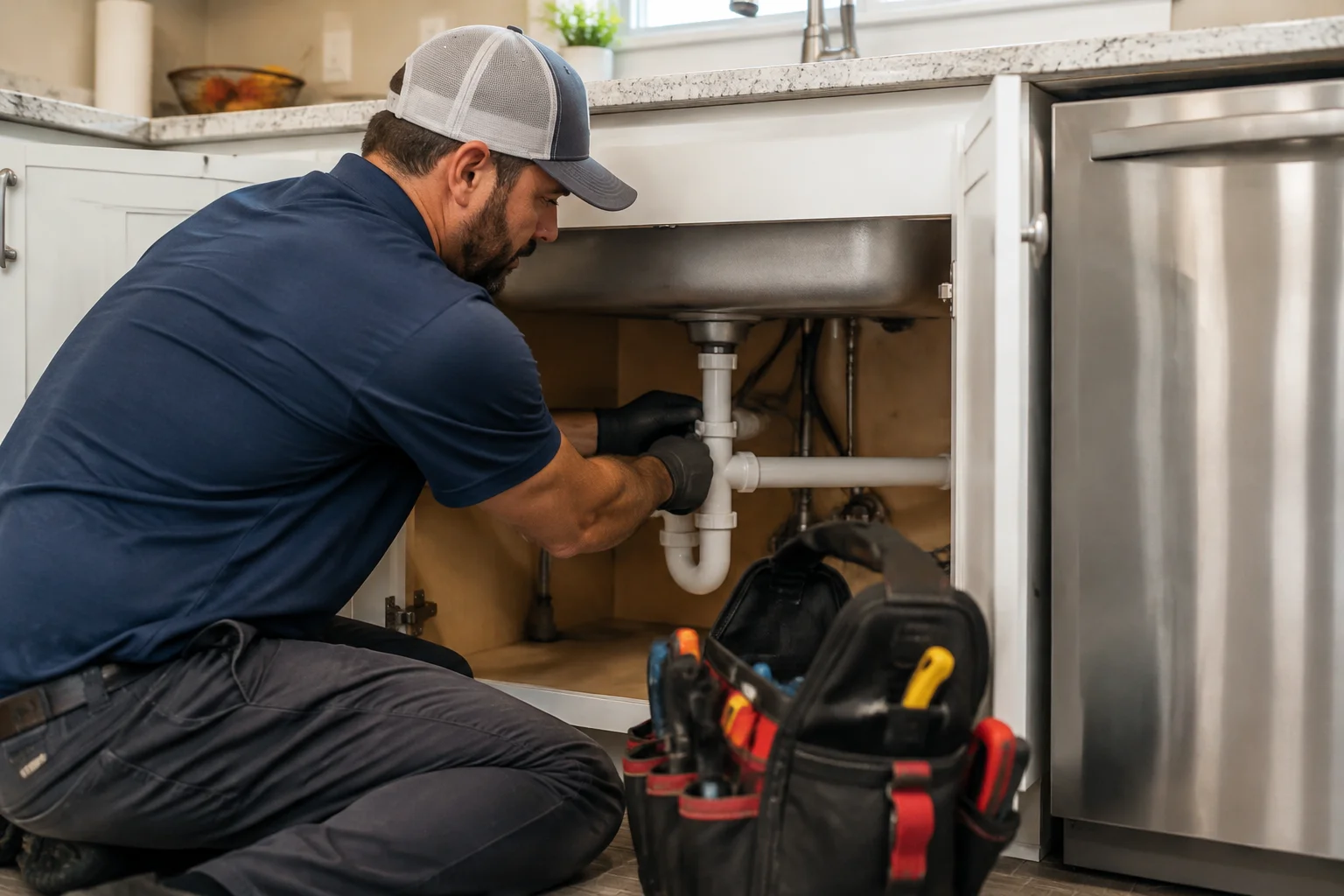
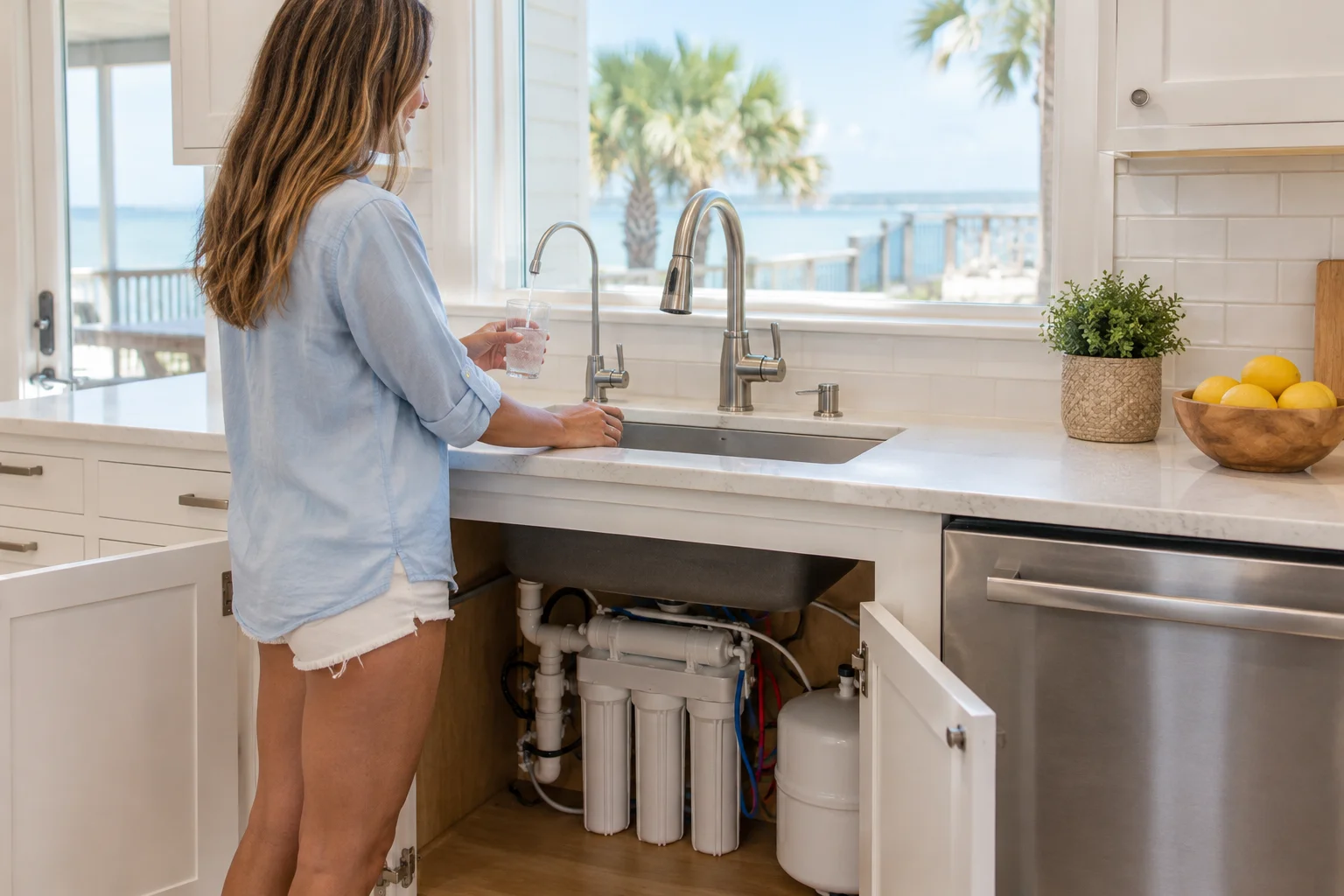
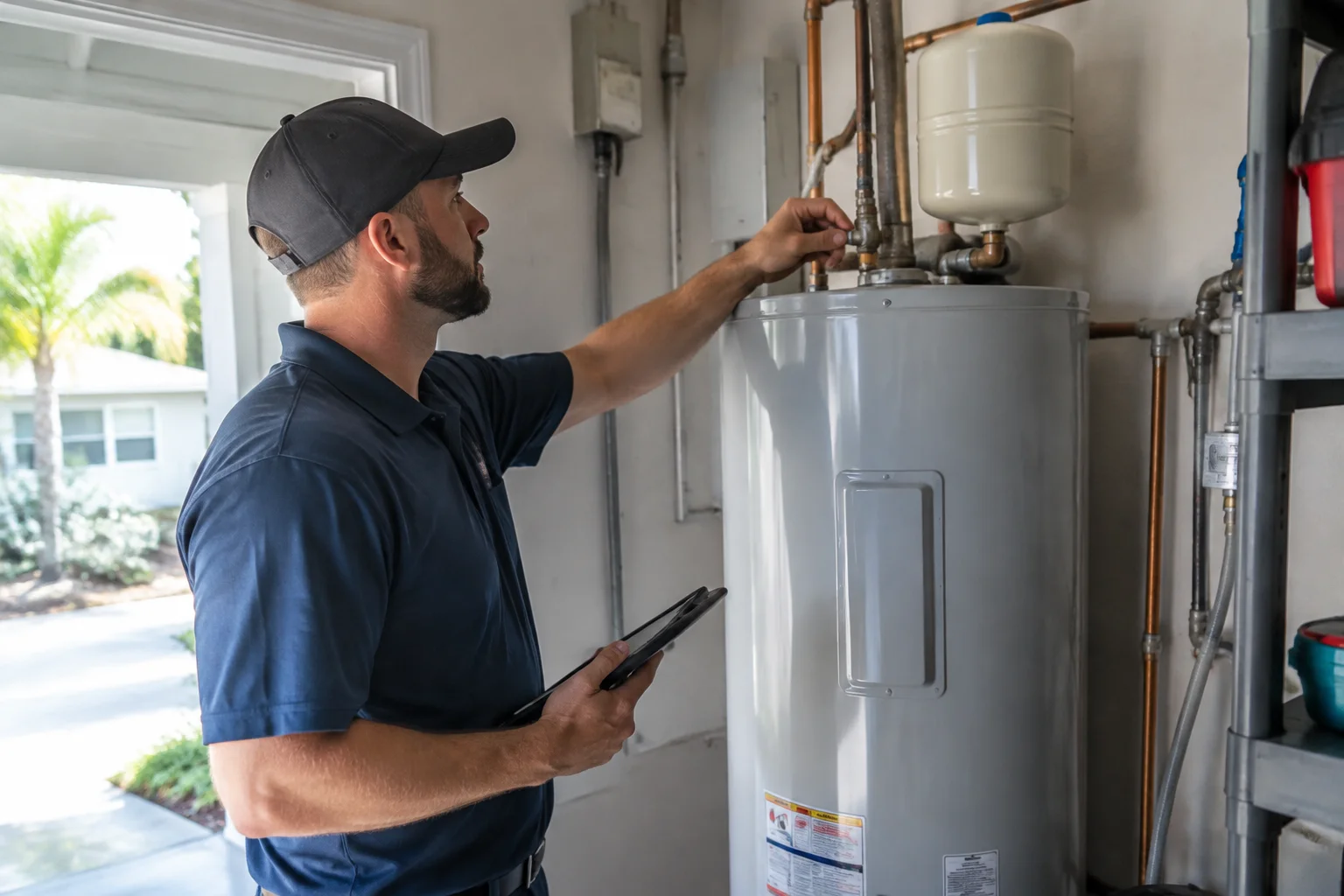
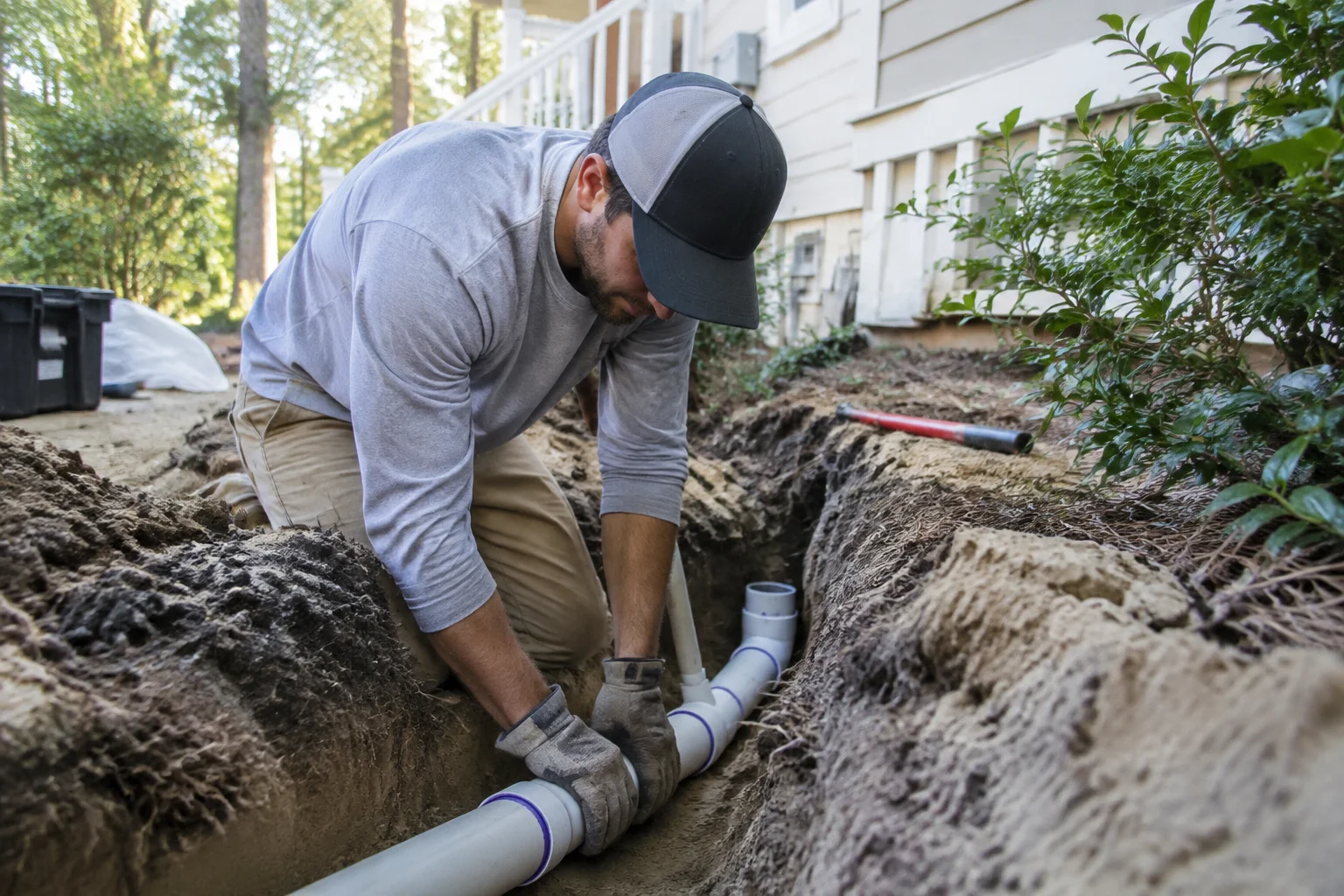
If you are also updating other parts of the home, such as a water heater replacement or clogged pipes and drain services, it can be a good time to think about overall home efficiency and system coordination. Even a cleaner water supply from water purification services can help reduce scale and buildup in nearby equipment areas, which matters in homes that are maintained as a whole system rather than one isolated part at a time.
Schedule routine HVAC inspections
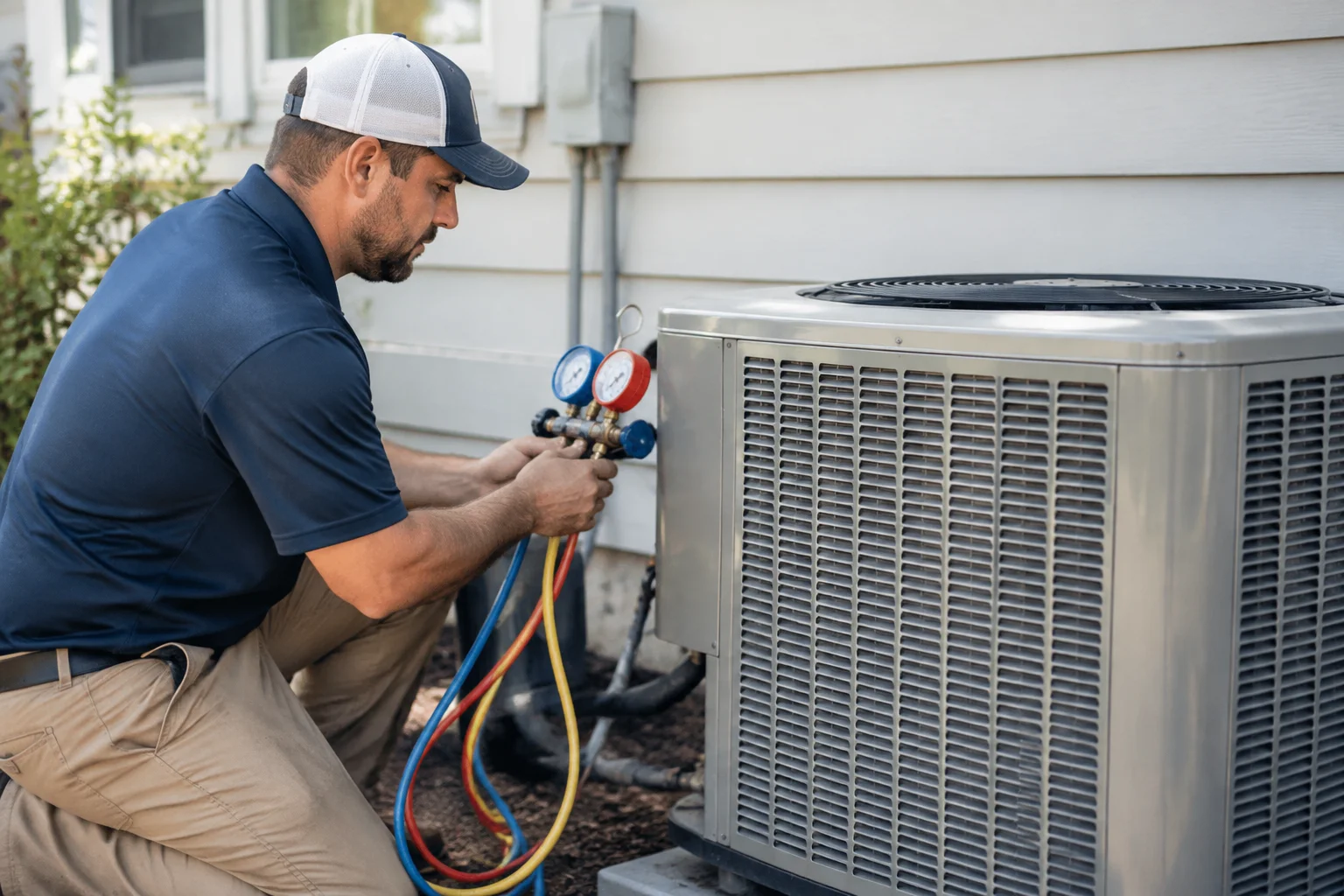
Regular maintenance gives a technician a chance to test thermostat accuracy, inspect wiring, confirm control board function, and make sure zoning equipment is responding correctly. That kind of preventive service often catches trouble before homeowners notice comfort problems.
Local maintenance is especially valuable in Panama City because systems may sit through long stretches of mild weather before being asked to heat quickly. That stop and start pattern can hide issues until the first cool spell arrives. Seasonal tune ups help keep the system ready.
Why local service makes a difference
Heating control systems are not just about convenience. They affect how long the equipment runs, how evenly the home heats, and how much energy gets used in the process. In Bay County, where homes deal with humidity, salt exposure, and storm related wear, local service matters because technicians understand the conditions that shape HVAC performance.
A Superior Mechanical helps homeowners in Panama City choose and maintain controls that fit their system and their property. Whether the solution is a smart thermostat, zoning adjustment, or a more integrated control setup, the goal is the same: better comfort with less wasted energy. For homeowners comparing options, the dedicated heating control systems service page explains how these upgrades support long term efficiency across homes and businesses.
Where heating controls fit into a bigger comfort plan
Heating controls are only one part of a healthy HVAC system, but they often determine whether the rest of the equipment performs as intended. A well tuned control system can reduce wear, improve temperature consistency, and make it easier to manage comfort from room to room. For Panama City homeowners, that means less guesswork during cold snaps and fewer surprises when energy bills arrive.
It also means the system is better prepared for the kind of mixed climate that defines this area. The same home may need cooling most of the year, then quick and reliable heating for a few winter days. Controls that are designed and maintained with local conditions in mind help the system handle both jobs without unnecessary strain.
If your thermostat is acting up, your zones are uneven, or your HVAC system seems to be working harder than it should, a local inspection can usually pinpoint the cause. That kind of attention is often the difference between a minor adjustment and a bigger repair later on.
Find Heating Control Systems in Panama City, FL
If you need Heating Control Systems in Panama City, FL, visit our local service page or contact A Superior Mechanical today.
Map of Panama City, FL
Frequently Asked Questions
How do heating control systems help Panama City homeowners save energy?
Heating control systems reduce wasted runtime by helping the HVAC system respond only when and where it is needed. Smart thermostats, zoning controls, and properly calibrated sensors can all improve efficiency in Bay County homes.
Can a bad thermostat make my heat pump or furnace seem broken?
Yes. A faulty thermostat, bad wiring, or incorrect programming can cause short cycling, inaccurate temperature readings, or uneven heating. In many cases, the equipment itself is fine, but the controls are sending the wrong signals.
Are smart thermostats a good fit for homes in Panama City, FL?
They often are, especially for households that want better scheduling, remote access, and more precise temperature control. They should be installed and programmed for the specific HVAC system so they work properly in Panama City’s climate.
How often should heating controls be checked?
It is smart to have them inspected during regular HVAC maintenance, especially before cooler weather arrives. That gives a technician time to test sensors, wiring, and thermostat accuracy before comfort problems start.
Related Articles
- VRF and Multi Zone HVAC Care for Panama City Beach Homes: The Problems Owners Should Not Overlook
- A Smarter Way to Reduce HVAC Breakdowns for Panama City Businesses
- Smart Thermostats and Fewer HVAC Surprises in Panama City Homes
- Keeping Commercial Spaces Comfortable in Panama City Without Letting HVAC Problems Grow
Photo Gallery