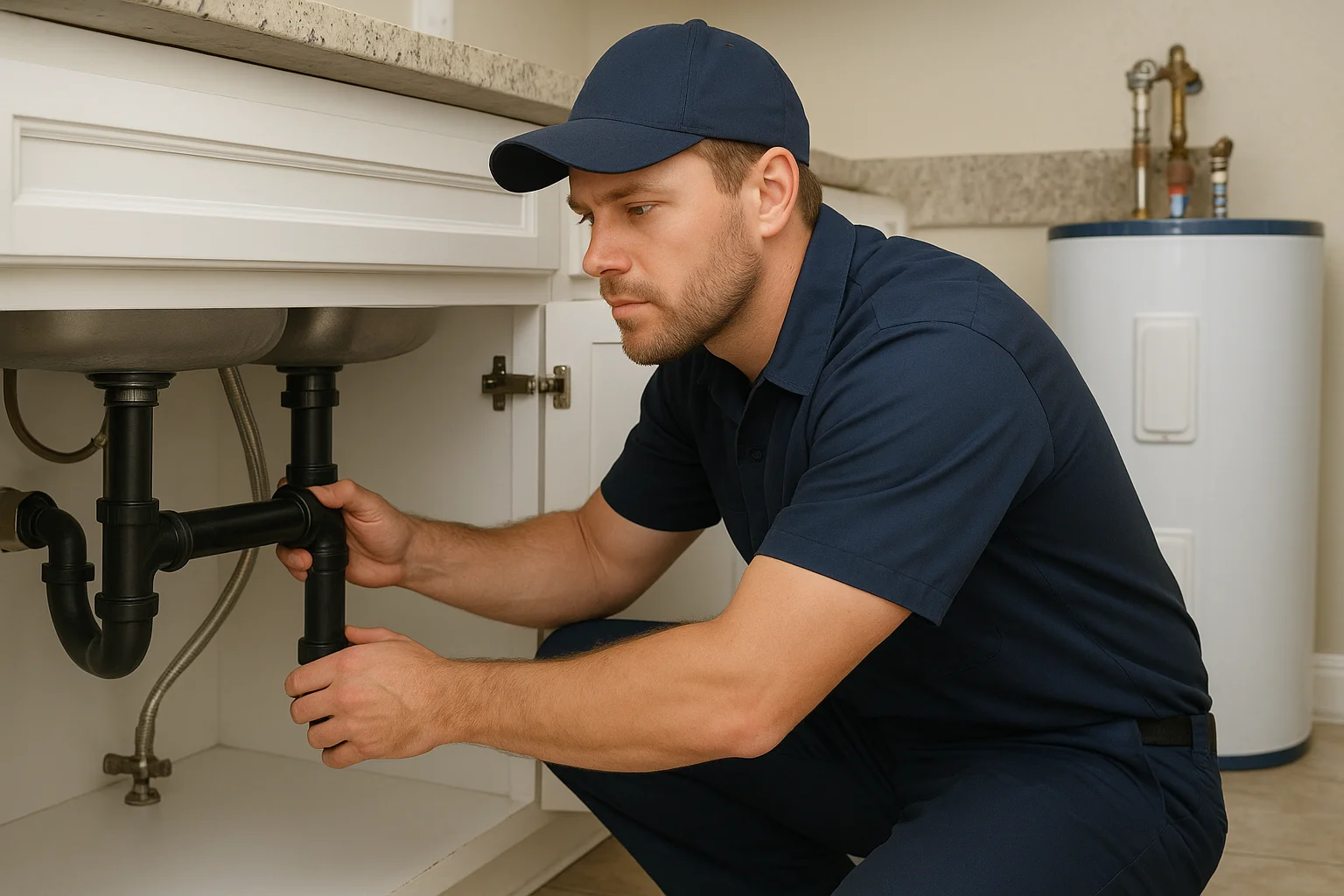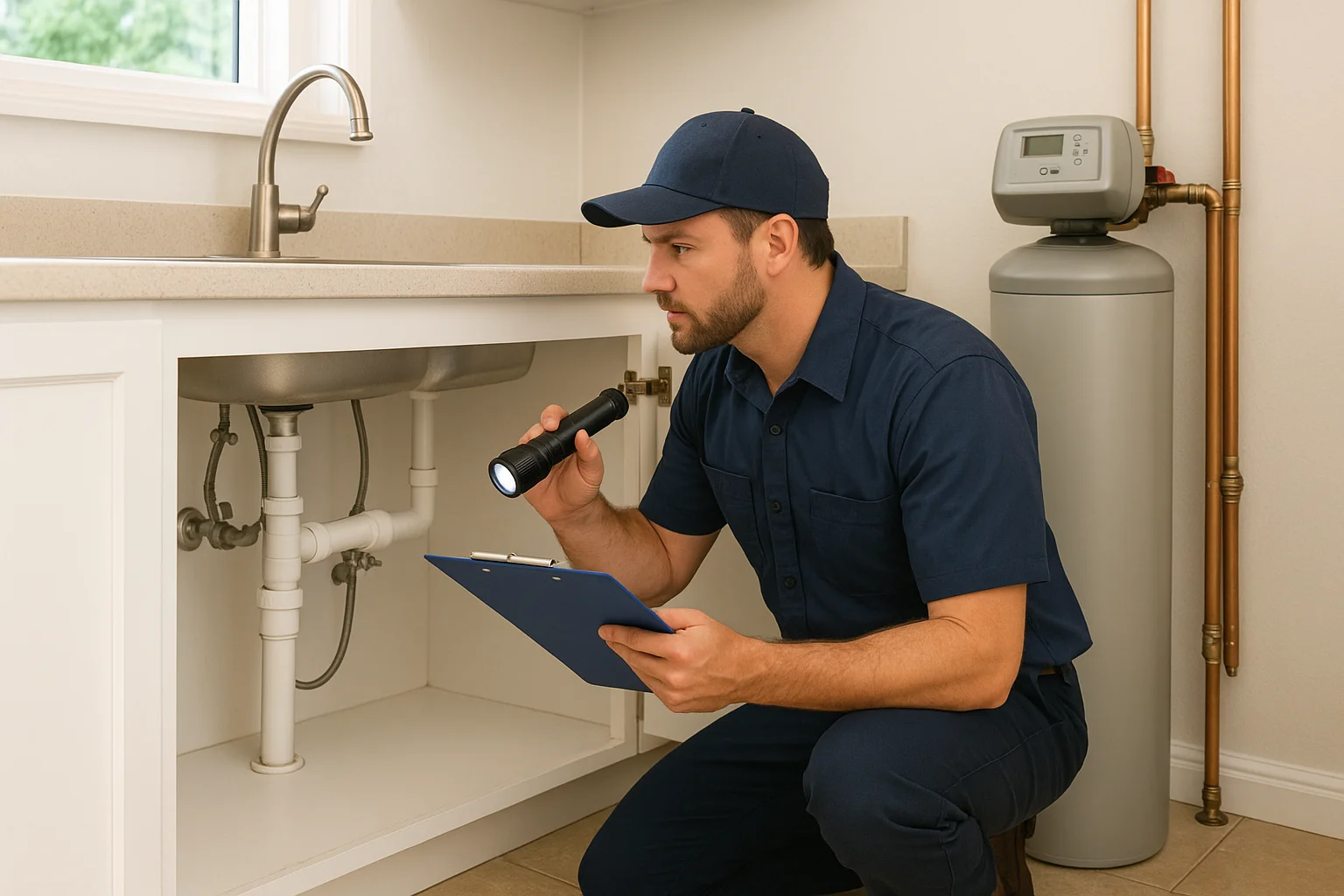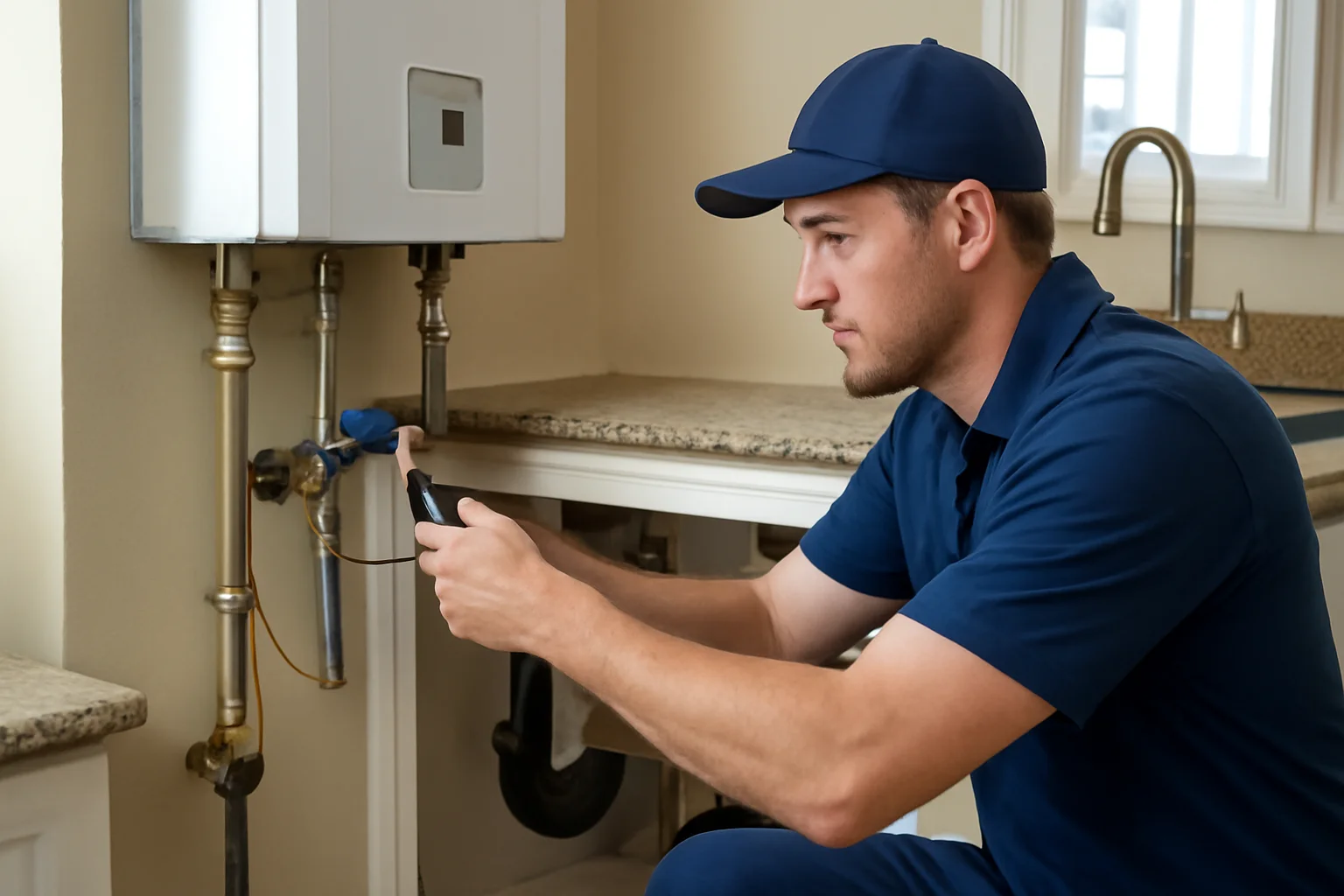
Panama City Beach homes use hot water constantly, from morning showers before work to rinse offs after the beach. A tankless water heater can keep up, but only when it is properly maintained and serviced. When service issues pile up, homeowners often notice weaker hot water flow, inconsistent temperatures, or delays before hot water arrives. Those symptoms are not always “the unit” itself. They can come from the plumbing system around the tankless, from scale buildup caused by hard water, or from small leaks and restricted drains that turn into bigger plumbing problems.
If you are searching for tankless water heater services in Panama City Beach, FL, this guide explains what commonly causes better water flow problems, what you can maintain between service visits, and when it makes sense to call a local, licensed plumber.
Why tankless systems feel “slow” even when the heater is running
Tankless water heaters are designed to heat water on demand. They rely on steady flow through the unit and the plumbing piping that feeds it. When water flow drops, the heater may still run, but it can struggle to maintain temperature. The result is often a “weak hot water” complaint that sounds like a heater failure, but the cause can be upstream or downstream.
Coastal conditions in Bay County can also add pressure to the plumbing. Humidity, salt air, and temperature swings can accelerate wear on valves, fittings, and pipes. Add hard water, and mineral deposits can narrow passages inside the heater and in nearby plumbing components.
Common symptoms homeowners report
- Hot water takes longer to reach showers or sinks.
- Water pressure feels lower only on hot side.
- Temperature swings happen when someone flushes a toilet or runs a faucet.
- Water flow improves briefly, then slows again.
- Unusual noises coming from pipes near the tankless.
- Small leaks around fittings or the unit base.
What can go wrong with tankless water heater services and reduce water flow
When tankless service is skipped, rushed, or done without addressing the plumbing system, homeowners can end up paying twice. The most frequent causes of poor hot water flow in Panama City Beach come from maintenance gaps, mineral buildup, and nearby plumbing restrictions.
1) Scale buildup from hard water
Hard water is a major factor in the Florida Panhandle, and it shows up in tankless units quickly. Minerals can build up on internal heat exchangers and in flow paths. Even if your tankless is installed correctly, scale can reduce heat transfer and restrict water movement, which leads to slower hot water and inconsistent temperatures.
Homeowners sometimes notice this after long summer stretches with heavy water use, such as vacation seasons in Panama City Beach or busy weeks when multiple showers run back to back. If scale builds up, the unit may cycle more often and demand more from the plumbing system.
Professional tankless maintenance typically includes flushing the unit and confirming that the drain pathway is clear. If your plumber is performing tankless service, ask whether they are checking for scale-related flow issues and not only replacing parts.
2) Restricted water filters, strainers, or inlet screens
Many tankless setups include filters or inlet screens to protect internal components. Over time, sediment can collect. A restricted screen can reduce flow and make the heater run with less water than it needs.
This is especially common in homes with older plumbing, after plumbing repairs, or following periods when the home’s water supply was disturbed. If you have ever had a small plumbing repair near the water heater, it is worth confirming that any filter or strainer was cleaned properly afterward.
3) Incorrect sizing or plumbing layout for your household
Tankless units must match your home’s hot water demand and your plumbing configuration. If a unit is undersized for the number of showers, washing schedules, and fixture use, flow can feel weak even with maintenance. In rental properties and larger Panama City Beach homes, this mismatch shows up during peak use when multiple fixtures operate at once.
A licensed plumber can evaluate flow rate, fixture count, pipe sizes, and pressure before recommending a tankless water heater replacement near me. This is also the time to check for issues like undersized supply lines or valves that reduce hot water pressure.
4) Water pressure problems from the rest of the plumbing system
Tankless heaters depend on adequate incoming water pressure. If your home has pressure fluctuations, the tankless may underperform. Pressure can drop due to clogged supply lines, failing pressure regulators, or hidden restrictions in valves and fittings.
Homeowners sometimes confuse low pressure with “tankless failure.” A quick test can reveal whether the issue is hot-only or affects cold fixtures too. If cold water also feels weak, it may point to a broader plumbing repair need, not just tankless service.
5) Leaks and slab leak concerns near supply lines
Small leaks can reduce flow and raise water bills. In Florida homes, leaks are not always visible. They can hide in crawl spaces, behind walls, or under slabs. Slab leak repair near me searches often spike when homeowners notice warm spots, unexpected moisture, or rising water usage.
If hot water flow is inconsistent, it could be tied to a leak in hot water piping feeding the tankless. Even a slow leak can affect pressure and flow, and it can contribute to corrosion and mineral buildup. If you suspect a leak near the water heater, treat it as a plumbing repair priority.
6) Sediment moving through from drains and sewer lines
Plumbing systems are connected by how water moves through your home. When drains are backed up, or when a sewer line has restrictions, pressure changes can occur and waste water can impact the plumbing environment. While a tankless water heater does not heat your drains, a home with recurring drain problems may have broader flow issues.
For example, if you have frequent clogs or slow drain repair near me searches in your household, it can signal underlying pipe buildup. In severe cases, homeowners may need sewer line repair near me. Clearing blockages and addressing sewer line issues can protect the overall plumbing flow that supports your water heater performance.
For homes with recurring drain issues, consider pairing tankless service with plumbing inspections that include drains and venting. Poor venting can also affect water movement and fixture performance.
7) Faulty venting, improper condensate drainage, or vent blockages
Many tankless systems are sensitive to venting and condensate drainage. While this is not “HVAC work,” it is still part of the plumbing and exhaust pathway. If the vent or condensate line is partially blocked, the unit may not operate efficiently. That can show up as delayed hot water, temperature issues, or shutdowns.
Coastal air carries moisture and salt. Over time, it can affect how vent components handle condensation. A professional tankless service call should include checking the vent and drainage pathways for obstructions or deterioration, not just turning the unit back on.
8) Neglected maintenance after repairs to nearby fixtures
Plumbing repairs around sinks, showers, and toilets can indirectly affect your tankless system. If a plumber replaces a faucet cartridge, repairs a shower valve, or handles toilet repair near me, they should also verify that the hot water flow to the tankless is not restricted by debris or misaligned valves.
Garbage disposal repair near me problems can also connect indirectly. If a disposal issue leads to additional plumbing work under a sink, sediment or debris can end up in supply lines unless the system is flushed properly afterward.
Maintenance tips homeowners can do to protect hot water flow
Homeowners can prevent many tankless water heater flow problems with simple habits and basic checks. These steps do not replace professional tankless water heater services, but they can reduce the chance that a minor issue becomes a costly repair.
Flush awareness: keep an eye on scale symptoms
If you notice flow slowing over time, temperature becoming inconsistent, or hot water taking longer to start, it can be a sign that scale is building up. Instead of waiting for a complete failure, schedule tankless maintenance. Regular flushing helps protect the heater’s internal passages and supports better performance.
If you want a maintenance plan, search for plumbing maintenance near me and ask about tankless flushing schedules appropriate for local water conditions.
Check hot water at multiple fixtures, not just one
To narrow down whether the issue is the tankless, a valve, or a pipe restriction, compare hot water flow at a shower and a nearby sink. If both show low flow, the problem is more likely upstream. If only one fixture is weak, it may be a clogged aerator, a shower drain clog repair near me situation, or a valve issue.
Small fixture restrictions can also affect how the tankless modulates. When flow changes suddenly, the unit may struggle to stabilize temperature.
Keep drains flowing to reduce whole-home plumbing stress
Tankless performance depends on steady water movement. When drains are slow or backed up, it can add stress to the plumbing system and lead to pressure changes. Routine drain care helps you avoid the “everything feels off” feeling that sometimes comes with bigger plumbing problems.
Use strainers in sinks and showers, avoid pouring grease down drains, and address slow drains early. If you are dealing with a more proactive maintenance routine, include periodic checks for venting and minor clogs before they become emergencies.
For persistent backups, consider professional hydro jetting services or other drain cleaning methods. Hydro jetting can clear buildup in pipes that traditional snaking misses.
Watch for early leak signs around the water heater and supply lines
Leaks can be subtle. Look for damp spots, corrosion at fittings, water on the floor, or stains near the unit. If you notice any moisture where pipes enter walls or the slab, treat it seriously. Even a tiny leak can reduce flow and damage nearby materials.
If you suspect a leak, document where you see moisture and how quickly it grows. That information helps a plumber diagnose whether it is a fixture leak, a pipe repair issue, or a slab leak concern.
Don’t ignore faucet and shower valve performance
Clogged shower heads, worn faucet cartridges, and failing mixing valves can make hot water feel weak. Cleaning aerators and checking valves can restore proper flow. If the problem persists, you may be dealing with a deeper pipe or pressure issue that needs plumbing repair near me service.
Coastal homes can also experience corrosion in fixtures, especially around metal parts exposed to salty air and humidity.
When tankless flow problems become emergency plumbing concerns
Most tankless issues are not emergencies, but some situations should be treated as urgent. If you are dealing with any of the following, contact a local plumber right away.
- Active water leaks near the unit, under sinks, or around hot water piping.
- Water heater shuts down repeatedly or shows error codes tied to flow or venting.
- Sudden loss of hot water after a plumbing repair, fixture replacement, or drain clog event.
- Rapidly rising water bills or damp drywall that suggests hidden leakage.
- Backed up drains with gurgling sounds, especially if multiple fixtures are affected.
In Panama City Beach, where beach homes and rentals can be occupied on short notice, an emergency plumbing concern can disrupt guest stays and daily routines. Acting quickly helps prevent water damage and reduces the chance that a small issue becomes a larger repair.
How to choose tankless water heater service that protects flow and saves money
Homeowners want a plumber near me who can solve the immediate problem, but also prevent the next one. The best tankless service providers treat the heater as part of a complete plumbing system.
What to ask during a service call
- Will you flush the tankless and check for scale, sediment, and flow restrictions?
- Do you inspect nearby valves, filters, and supply line connections?
- Can you test hot water pressure and flow rate at fixtures?
- Do you check condensate drainage and venting pathways for blockages?
- If there are flow issues, do you also inspect drains and sewer lines for related problems?
For homeowners in Bay County, local knowledge matters. A plumber who understands how coastal humidity, hard water, and older plumbing in many neighborhoods affect tankless performance can recommend maintenance that matches your home’s reality.
Why maintenance saves money in the long run
Skipping tankless maintenance can lead to more frequent service calls and premature replacements. Scale buildup can reduce efficiency and increase wear on components. Restricted flow can force the unit to work harder, and leaks can expand into water damage repairs.
When you invest in plumbing maintenance near me that includes tankless flushing and plumbing system checks, you reduce the chance of emergency calls that are more expensive and disruptive.
Local plumbing realities in Panama City Beach that affect tankless systems
Panama City Beach has a unique mix of beachside humidity, seasonal water use spikes, and many homes with coastal construction details. These factors can influence how your plumbing holds up over time.
Hard water and mineral deposits
Minerals accumulate faster when water is hard. Over time, that affects tankless heat exchangers, shower valves, and even drain lines. If you have noticed more frequent clogs or mineral staining, it may be time to discuss water quality and filtration options. A plumber can help you explore practical clean water solutions that protect both fixtures and the tankless unit.
Coastal corrosion and fixture wear
Salt air and humidity can speed up corrosion. That can show up in supply line fittings, shutoff valves, and connections near the water heater. Corrosion can cause small leaks that reduce flow and eventually require pipe repair.
Homes with vacation schedules and rental turnover
In vacation rental properties, water use patterns change quickly. A tankless system that sits unused for a stretch can accumulate sediment, and then it is put under demand when guests arrive. This pattern can contribute to inconsistent hot water flow unless the system is serviced regularly and the plumbing is inspected.
Related plumbing services that pair well with tankless maintenance
Tankless service is strongest when it connects to the rest of your plumbing system. If you are already booking plumbing services in Panama City Beach, it can be efficient to address related needs.
- Plumbing installation: If your tankless needs replacement or you are upgrading to meet household demand, proper installation matters. See Plumbing Installation.
- Drain cleaning: For recurring clogs, consider Hydro Jetting Services as part of a whole-home maintenance plan.
- Water line services: If hot water flow issues connect to supply line problems, ask about Water Line Services.
Homeowners who keep plumbing tuned for coastal living often see fewer surprises. You can also read Keeping Panama City Beach Plumbing Ready for Coastal Living for habits that protect pipes, fixtures, and water heaters.
Where to start if your tankless hot water flow is not what it used to be
If your tankless water heater service history is unclear, or if you have noticed a gradual change in hot water pressure and flow, start with a focused inspection. A good plumber will test hot water performance, check for restrictions and leaks, and look for signs of scale and sediment. They should also consider the broader plumbing system, including drains, sewer lines, and nearby fixtures.
For Panama City Beach homeowners, the quickest path to clear answers is scheduling service with a local team that handles tankless repairs, maintenance, and installation. You can explore service details here: /service-areas/bay-county/panama-city-beach/tankless-water-heater-services-pcb. If you want to browse broader coverage for the area, visit /service-areas/bay-county/panama-city-beach or /service-areas/bay-county.
If you are also noticing other plumbing clues around the water heater, read Plumbing Clues Around the Water Heater That Panama City Beach Families Should Not Ignore to help you spot issues early, before hot water flow problems become major repairs.
Find Tankless Water Heater Services in Panama City Beach, FL
If you need Tankless Water Heater Services in Panama City Beach, FL, visit our local service page or contact A Superior Mechanical today.
Map of Panama City Beach, FL
Frequently Asked Questions
Why does my tankless water heater have hot water but the flow feels weak?
Weak hot water flow usually points to a plumbing restriction or flow limitation. Common causes include scale buildup from hard water, clogged inlet filters or strainers, low incoming water pressure, or a leak in hot water piping. A tankless service visit should test flow at fixtures and inspect the unit and surrounding valves.
How often should a tankless water heater be flushed in Panama City Beach?
In areas with hard water and heavy seasonal use, many homes benefit from professional flushing on a regular schedule. The exact interval depends on your unit type, water conditions, and usage patterns. A local tankless water heater service provider can recommend a plan after checking for scale and sediment.
Can drain problems or sewer line issues affect tankless water heater performance?
They can indirectly. If drains are backed up or sewer lines are restricted, whole-home plumbing pressure and venting can be affected, and that can show up as strange fixture performance. If you are dealing with recurring clogs, it is smart to address drain cleaning and sewer line repair alongside tankless service.
What are early signs of a leak near the tankless or hot water pipes?
Look for damp spots, corrosion at fittings, water stains, or unexpectedly rising water bills. Some leaks are hidden and may show up as moisture around walls or near the slab. If you suspect a leak, treat it as a plumbing repair priority to prevent damage and flow loss.
Is it safe to troubleshoot tankless flow issues without professional help?
Homeowners can check fixture aerators, compare hot water flow at multiple sinks or showers, and inspect for obvious leaks. However, internal scale, venting or condensate drainage issues, and pressure or flow restrictions usually require professional diagnosis and tankless maintenance to avoid making the problem worse.
Related Articles
Photo Gallery