Most homeowners in Springfield, FL do not think much about their toilet until something goes wrong. A running fill valve, a toilet that rocks, or a slow, unhappy flush can start as a minor nuisance. Then water bills climb, floors get damaged, and repairs get harder because the issue has been working for weeks or months.
This guide breaks down how to decide between toilet repair and toilet replacement before the problem becomes expensive. You will also learn what to check, the local plumbing factors that matter in Springfield homes, and when to call a professional plumber for help.
Why Springfield toilet problems can get expensive fast
Springfield sits in Bay County, and local homes often experience plumbing wear from everyday water use, fluctuating household demand, and the realities of older fixtures. When a toilet is not sealing correctly, it wastes water every time it runs. Over time, that waste can add up quickly, especially for households already paying close attention to utility costs.
Toilet issues also affect nearby drains and supply lines. A toilet that does not flush fully can create buildup in the drain line. In some cases, that buildup contributes to slow drain symptoms in other fixtures. If you notice gurgling sounds, recurring clogs, or water backup, it is not always “just the toilet.” It can be a broader drainage or sewer line problem that needs proper diagnosis.
Finally, Springfield homes can have different plumbing layouts, including slab-on-grade construction. If a leak develops under a slab, the symptoms may not be obvious right away. That is why homeowners should treat persistent moisture, recurring water loss, or unusual floor dampness as an urgent plumbing concern.
Start with the basics: what “toilet repair” usually covers
Most toilet repairs focus on restoring proper function of the tank and bowl components. Common repairs include:
- Replacing worn flapper and fill valve parts to stop running or phantom flushing.
- Adjusting or replacing the float when water levels are too high or too low.
- Fixing loose or failed toilet tank bolts that can lead to leaks around the base.
- Replacing a damaged wax ring or sealing gasket if you see water leaking at the floor.
- Unclogging and addressing partial blockages that cause weak flushes or slow drain behavior.
For many Springfield homeowners, these repairs restore performance without needing a full replacement. The key is recognizing the symptoms early, before the toilet repeatedly cycles, strains the supply line, or contributes to drain buildup.
Signs your toilet should be repaired now
Not every toilet problem requires replacement. Repair is often the right choice when the fixture is otherwise solid and the issue is limited to components. Watch for these common signs:
1) The tank keeps running or refills too often
If the toilet runs after it should be done, you likely have a flapper seal problem, a fill valve issue, or improper water level adjustment. Even a small leak can waste water for hours each day.
2) Water leaks around the base or onto the floor
Moisture near the toilet base can come from a failing wax ring, cracked flange, or loose mounting. If you see water pooling, staining, or persistent dampness, treat it as a leak repair need, not a “wait and see” situation.
3) Weak flushes, incomplete clearing, or frequent clogs
A toilet that does not clear waste in one flush often points to a clog, a restricted rim jet, mineral buildup, or a failing flapper that does not release enough water. If you are searching for plumbing repair near me because “the toilet keeps clogging,” the fix may be inside the tank and bowl, or it may be a deeper drain line issue.
4) Rocking, shifting, or wobbling
A rocking toilet can mean the flange is out of level or the wax ring is compromised. Over time, movement can break seals and worsen leaks.
5) Gurgling drains or bubbling that happens when the toilet flushes
Gurgling can indicate venting problems or a partial blockage in the drain line. If you are also noticing slow drain behavior in sinks, tubs, or other toilets, you may need broader drain cleaning and possibly sewer line help. If you are dealing with a “clogged drain repair near me” search that keeps leading back to the same toilet, it is time for a thorough inspection.
When replacement is usually the smarter choice
Toilet replacement can reduce recurring repair calls, improve water efficiency, and help prevent damage from hidden failures. Replacement is often worth considering if:
1) The toilet is old and repairs keep coming back
If you have replaced parts multiple times and the toilet still runs, leaks, or clogs frequently, the fixture may be worn in ways that are harder to correct with one-off repairs.
2) The tank or bowl is cracked
Cracks can lead to persistent leaks, mineral staining, and sudden failure. A cracked toilet is not a “patch it and forget it” situation.
3) Water damage has already affected the floor or subfloor
If moisture has been present long enough to affect surrounding materials, replacing the toilet and addressing the underlying seal and flange condition is often the most reliable path.
4) You are dealing with frequent clogs and suspect drain line problems
Sometimes the toilet is the symptom, not the cause. If the drain line is partially blocked or the sewer line is struggling, replacement alone will not solve it. Still, upgrading to a modern, high-efficiency toilet can help performance when paired with proper plumbing repair.
5) You want to reduce water use with a high-efficiency model
Older toilets can use more water per flush. Many Springfield homeowners choose replacement to lower water consumption, especially when a running toilet has already shown how much water waste can occur.
How water pressure and water use affect toilet performance
Water pressure plays a major role in how well a toilet fills and flushes. If pressure is too low, the toilet may not refill properly or may not perform a strong flush. If pressure is too high, it can increase wear on fill valves and contribute to leaks.
Springfield homes also experience different patterns of water use depending on household size, irrigation schedules, and whether you have multiple bathrooms running at different times. When a toilet fails to fill correctly, it can be due to supply line issues, a partially closed shutoff valve, or internal tank problems.
If the toilet began acting up after other plumbing changes, it is a good idea to have a plumber check water pressure and supply flow as part of toilet repair and replacement.
Common causes behind toilet leaks, clogs, and weak flushes
Toilet problems often share root causes. Here are the most common culprits Springfield homeowners run into:
Worn flappers and fill valves
These parts are designed for long life, but constant cycling wears them out. A flapper that does not fully seal can create a slow, steady leak into the bowl.
Mineral buildup from hard water
Hard water can leave deposits in the tank and bowl, restricting flow paths and affecting seals. If you notice scaling or recurring performance issues, professional cleaning and part replacement may be necessary.
A failing wax ring or deteriorated flange
Leaks at the base can be caused by a wax ring that has compressed over time, a flange that is corroded, or bolts that loosen. If you ignore base leaks, the floor can take the hit.
Partially blocked drains
Toilet clogs are often caused by more than just “too much toilet paper.” Mineral buildup, foreign objects, and waste buildup can narrow the path. That can lead to slow clearing and repeated backups.
If you are also dealing with sink issues, you may benefit from broader troubleshooting. For example, if your sink repair near me search is really about slow drainage and recurring backups, ask your plumber to inspect the toilet drain connection and nearby lines.
Ventilation problems
Vents help drains release air and flow properly. When a vent is blocked or improperly installed, toilets may gurgle and drain slowly.
Hidden leaks in supply lines
If you see unexpected water use or dampness near plumbing routes, it can be a supply leak. Some homes also face slab leaks. While slab leak repair near me searches are often triggered by sudden signs, smaller leaks can start quietly. If you suspect a leak, prioritize leak detection and repair.
How to decide: repair today or plan replacement?
A good plumber will treat the toilet as a system: tank components, bowl seal, supply line, and drain connection. When you are weighing repair versus replacement, consider these practical questions:
- Is the leak or clog localized to the toilet? If other drains are affected, the issue may be in the drain line or sewer connection.
- How often are you calling for the same problem? Recurring failures suggest a deeper issue.
- What is the condition of the flange and floor? If the base is compromised, replacement plus repair is often the best route.
- Would a newer model reduce water waste? If you are replacing a toilet that has been running or leaking, water savings can be meaningful.
- Do you need emergency plumbing help? If water is actively leaking, backing up, or causing damage, delaying can get expensive.
If you are looking for toilet replacement near me because you want a clean, reliable outcome, A Superior Mechanical can help evaluate the condition of the existing toilet and the plumbing connections around it.
What a professional inspection typically includes
Homeowners often want to know what happens when a local plumber arrives. A quality toilet repair and replacement visit usually includes:
- Checking for leaks at the tank, supply line, base, and connections.
- Testing flush performance and verifying proper water level and fill cycle.
- Inspecting the shutoff valve and supply line for flow restrictions or partial shutoff.
- Evaluating the drain connection when clogs, slow clearing, or gurgling appear.
- Assessing the flange and seal if the toilet is leaking at the base.
If the problem points beyond the toilet, the plumber may recommend drain cleaning or additional sewer line diagnostics. If you are unsure whether the issue is a toilet clog or a bigger drainage problem, this is where local experience matters.
Drain cleaning and sewer line help when the toilet is the symptom
When toilets repeatedly clog or cause bubbling in other drains, the drain line may be the real issue. Springfield homeowners often benefit from proactive plumbing maintenance that keeps drain flow moving and prevents backups.
If you suspect a blockage, you may also find this helpful: Keeping Springfield Drains Clear Before Small Plumbing Problems Spread. For cases where a problem may be deeper in the sewer system, a sewer camera inspection can reveal the condition of the line. Learn more here: Why Springfield Families Benefit from Sewer Camera Inspections Before Small Plumbing Problems Grow.
These services are especially important if your toilet issue started after you noticed slow drains or recurring backups in sinks. A professional can determine whether you need clogged drain repair, drain cleaning, or sewer line help.
Prevention tips for Springfield homeowners
You can reduce the likelihood of expensive toilet repairs and replacement by building a few habits into your household routine.
Use the right items and avoid “flush tests”
Only flush toilet paper. Avoid flushing wipes, feminine products, grease, or anything that can expand or break down slowly. These items can contribute to clogs and backups that affect the whole drainage system.
Watch water use and listen for running
If you hear the tank refilling or notice a change in water usage, address it promptly. A running toilet is one of the most common causes of hidden water waste.
Check for base moisture
Every few months, look for dampness around the toilet base. If you catch a leak early, repairs are usually simpler than when water has already damaged floors.
Keep an eye on water heater demands and overall plumbing load
While a toilet is separate from the water heater, household water use affects the entire plumbing system. If you are planning water heater service or replacement, it can be a good time to ask about overall water pressure and plumbing performance. If you are researching water heater replacement or water heater installation, consider pairing it with an inspection of fixtures that have been acting up.
Consider water filtration if hard water is a factor
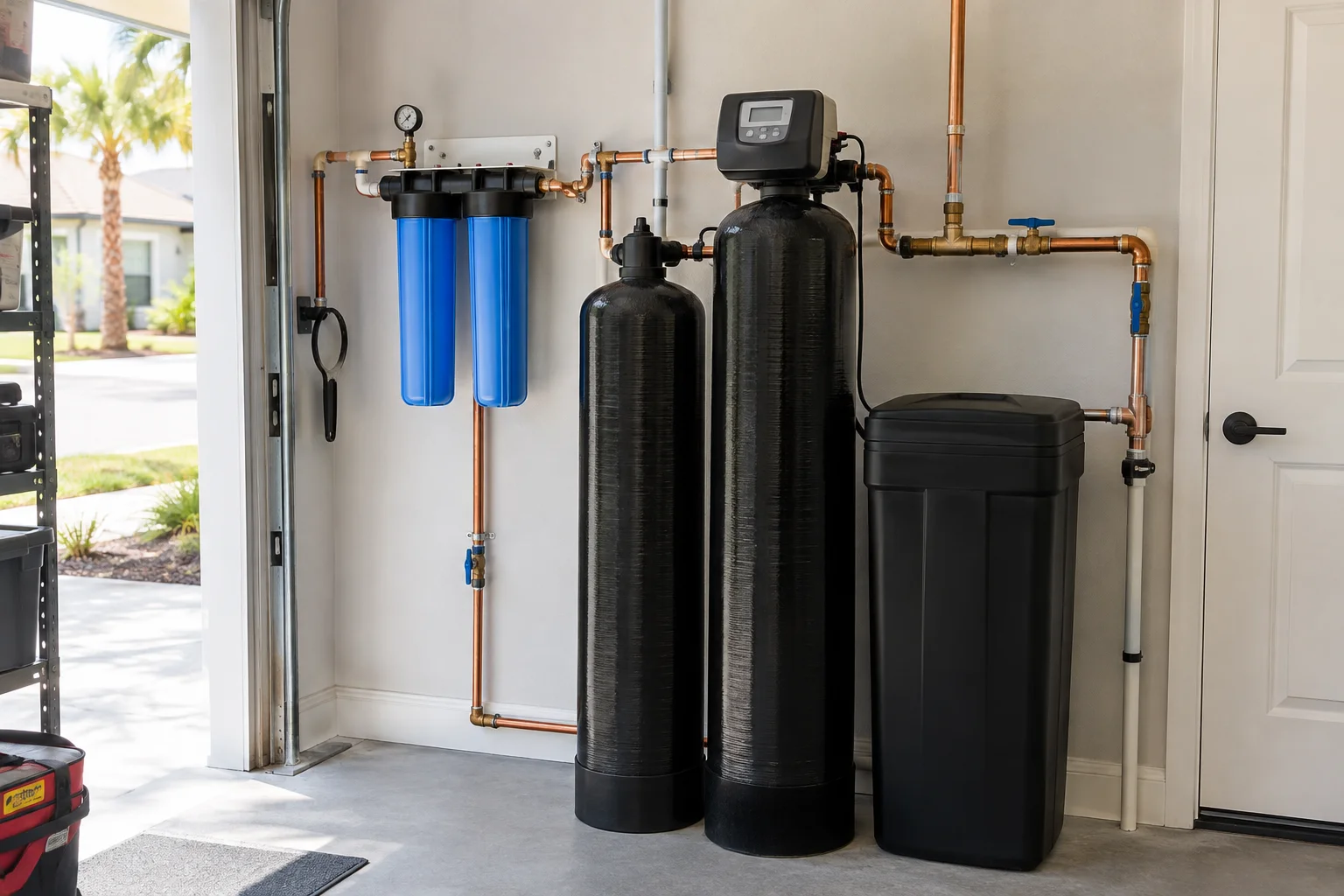
If your home has hard water, mineral buildup can contribute to valve wear and clogged pathways. Ask about water filtration services to help reduce scale on fixtures and improve long-term performance.
Emergency plumbing: when a toilet issue should be treated urgently
Some toilet problems are not just inconvenient. Treat them as emergency plumbing concerns if:
- The toilet is overflowing or water is actively leaking onto floors.
- You see water near the base that keeps returning after you dry it.
- Multiple drains are backing up at the same time.
- You suspect a leak in supply lines or signs of slab leaks.
For homeowners searching for emergency plumber near me, time matters. The sooner the leak is stopped or the backup is cleared, the less damage you reduce and the easier the repair typically becomes.
How A Superior Mechanical helps with toilet repair and replacement in Springfield
A Superior Mechanical provides fast toilet repair and replacement in Springfield, FL for homes, rentals, and commercial properties. If you are dealing with a running toilet, a base leak, recurring clogs, or you are considering upgrading to a more efficient model, our team can diagnose the issue and recommend the right fix based on your situation.
To explore services, visit the city service area page for toilet repair and replacement. You can also browse our broader coverage on the Springfield service area or learn more about plumbing help across Bay County on the Bay County page.
If your toilet problem connects to other plumbing needs, we can also support related repairs such as pipe replacement or water heater replacement. For homeowners managing multiple fixtures, pairing toilet repair with a broader plumbing maintenance plan can prevent small issues from turning into bigger drain or leak repairs.
FAQ: toilet repair and replacement in Springfield, FL
Homeowners often have the same questions, especially when water pressure, hard water, and older fixtures are involved. The FAQs below cover the most common scenarios.
Find Toilet Repair and Replace in Springfield, FL
If you need Toilet Repair and Replace in Springfield, FL, visit our local service page or contact A Superior Mechanical today.
Map of Springfield, FL
Frequently Asked Questions
How do I know if my toilet needs repair or full replacement?
If the issue is limited to a flapper, fill valve, or seal, repair is usually enough. Replacement becomes more likely when the tank or bowl is cracked, leaks keep returning after multiple parts changes, or the base and flange are damaged.
Why does my toilet keep running after I flush?
A running toilet is commonly caused by a worn flapper, an incorrectly adjusted float, or a failing fill valve. Hard water can also contribute to mineral buildup that prevents a proper seal.
What causes leaks around the toilet base?
Leaks near the base are often due to a failing wax ring or deteriorated flange. Loose tank bolts or cracks in the porcelain can also create leaks that show up as dampness or staining on the floor.
When should I worry about sewer line issues with toilet problems?
If the toilet clogs repeatedly, causes gurgling, or you notice other drains draining slowly at the same time, the toilet may be the symptom. A plumber may recommend drain cleaning or a sewer camera inspection to check the line.
Can water pressure affect toilet flushing?
Yes. Low water pressure can lead to weak fills and poor flush performance. High pressure can increase wear on internal parts and contribute to leaks. A professional can evaluate supply flow and help correct the cause.
Related Articles
- Keeping Springfield Drains Clear Before Small Plumbing Problems Spread
- Why Springfield Families Benefit from Sewer Camera Inspections Before Small Plumbing Problems Grow
- What Springfield Homeowners Should Know About Commercial Plumbing Before a Small Issue Spreads
- A Springfield Homeowner’s Guide to Smarter Water Heater Installation and Fewer Plumbing Surprises
Photo Gallery