On 30A, comfort has to handle more than summer heat. Humidity, salty coastal air, and frequent seasonal use in vacation rentals can stress HVAC systems in ways homeowners do not always notice until something fails. VRF multi-zone systems are designed for precise comfort across multiple spaces, but they also require the right setup and ongoing care.
This guide explains how VRF multi-zone systems work in everyday 30A homes, what commonly goes wrong over time, and how preventive HVAC maintenance can help you avoid expensive disruptions to cooling during peak conditions.
What a VRF multi-zone system really does in a 30A home
VRF stands for Variable Refrigerant Flow. Instead of sending conditioned air from one central unit through a single set of ducts, a VRF system distributes refrigerant to multiple indoor units. Those indoor units can include wall-mounted or ceiling cassette styles, and in some designs they may connect to ducted air handlers for specific rooms or zones.
In practical terms, VRF multi-zone systems let different areas run at different cooling or heating needs. That matters for 30A homes where the layout often includes sun-heavy living rooms, guest suites used intermittently, and bonus rooms that feel warmer than the rest. VRF can also support energy use control by matching system output to demand, rather than only running at full capacity.
Still, “more zoning” does not mean “set it and forget it.” The refrigerant system, airflow paths, condensate drainage, and thermostat control all need to work together to keep performance steady.
Why coastal Florida stresses HVAC systems differently
In Walton County, you are not just dealing with typical Gulf Coast summer temperatures. You are also dealing with:
- High humidity that can increase condensate load and challenge indoor humidity control.
- Salt air that can accelerate corrosion on outdoor components and sensitive parts.
- Airflow strain from sand, dust, and blocked filters or returns, which can reduce heat transfer.
- Seasonal occupancy patterns where vacation rentals and second homes may sit unused and then ramp up cooling quickly.
VRF systems are built to manage refrigerant flow efficiently, but they still rely on clean airflow, properly maintained refrigerant system conditions, and correct condensate drainage. When those pieces degrade, the system may not fail immediately, but it can start operating less smoothly. That is when energy use can rise and comfort can become less predictable.
The parts of VRF you should understand before problems start
Homeowners do not need to become technicians, but knowing what the system includes makes it easier to spot issues and ask the right questions during VRF multi-zone systems service.
1) Outdoor unit(s) and refrigerant system reliability
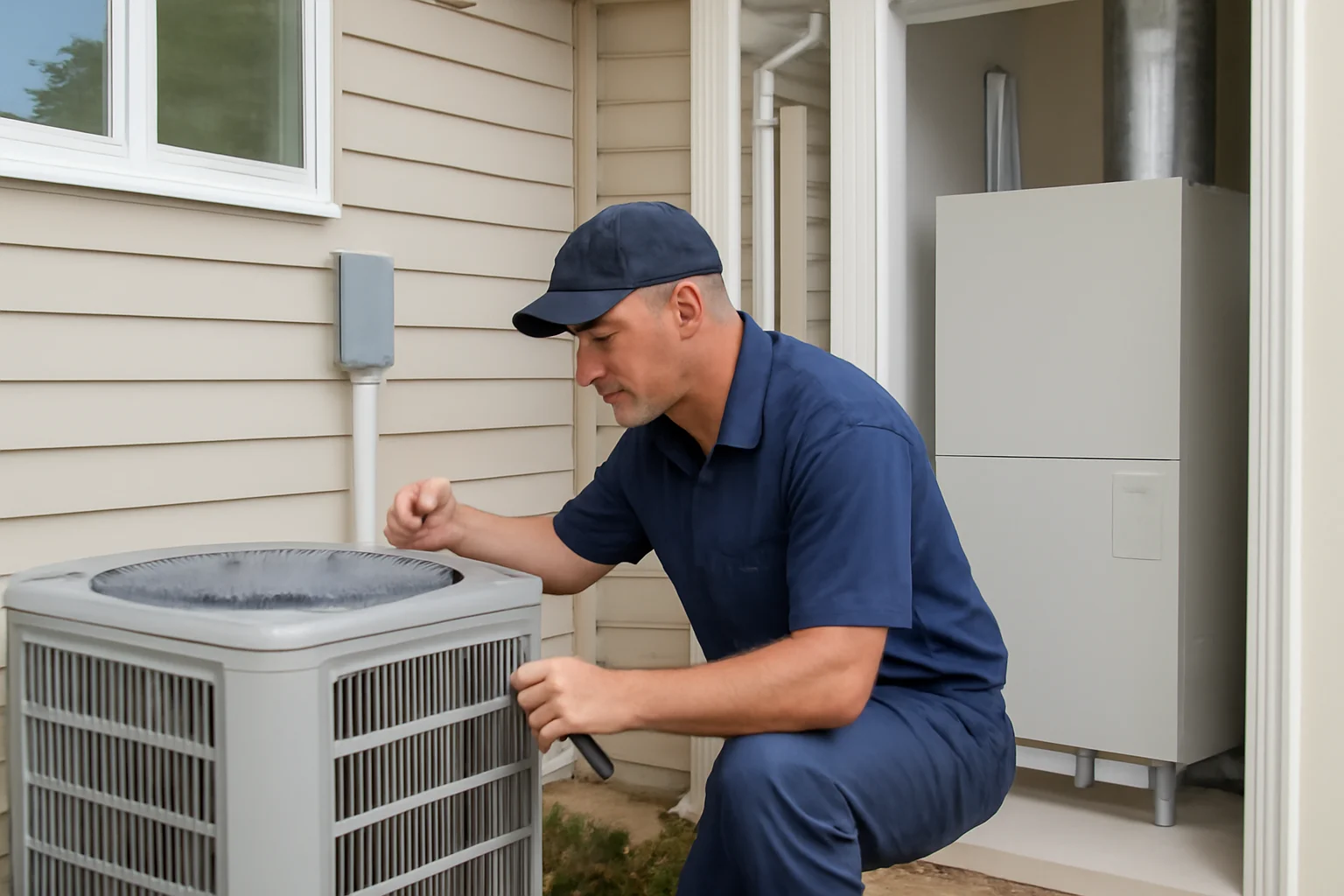
VRF relies on a refrigerant system that moves heat between indoor and outdoor components. Outdoor units must be protected from salt exposure and kept clear enough for efficient heat transfer. Over time, coastal conditions can contribute to corrosion and buildup, which can affect performance.
2) Indoor units and airflow management
Indoor units need unobstructed airflow. Filters, returns, and the path air takes through the space can develop restrictions. Even small issues, like a dirty filter or blocked intake, can change how well the system cools and dehumidifies.
3) Thermostats and zone control
VRF comfort depends on correct thermostat input and zone control behavior. If a thermostat is miscalibrated, poorly placed, or not communicating correctly, a zone may run longer than needed or not meet setpoint comfort. This can show up as uneven cooling, short cycling, or complaints that one area feels “stuck” warmer.
4) Condensate drainage
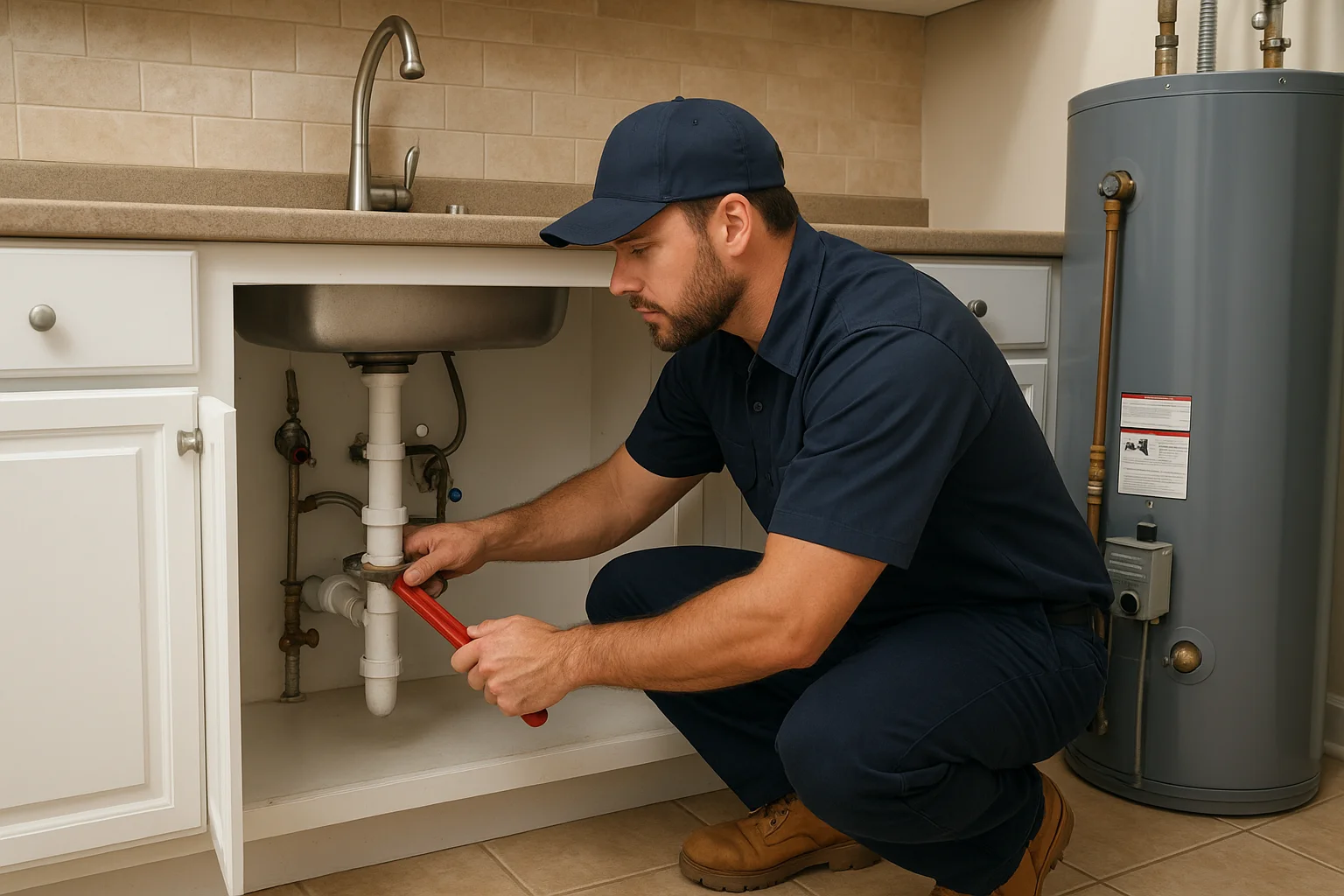
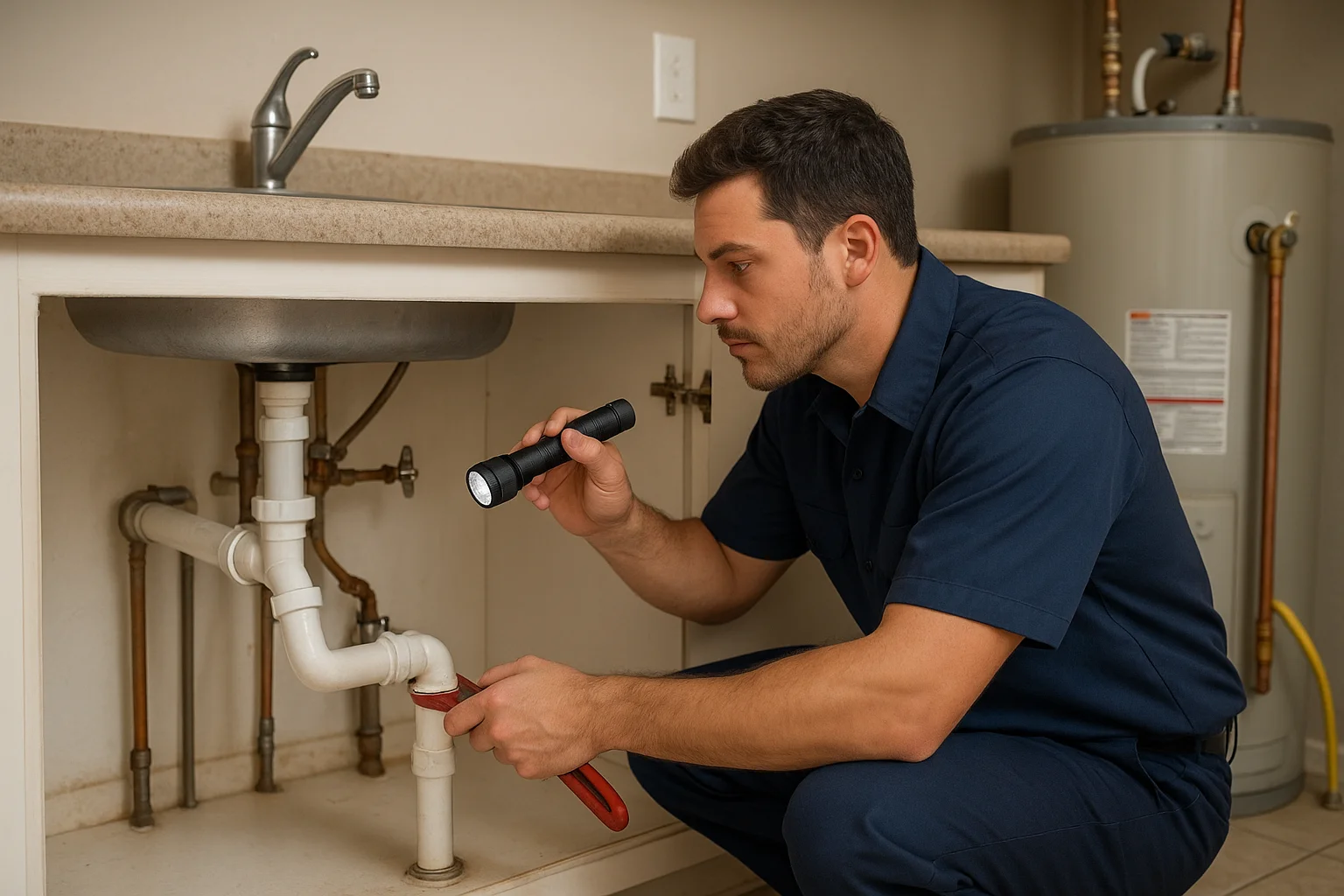
In cooling mode, VRF indoor units remove moisture from the air. That condensation must drain properly. When condensate drainage is restricted or improperly routed, you can see water issues, musty odors, or higher indoor humidity. In coastal Florida, where humidity is already high, drainage problems can become more noticeable.
5) Ductwork and air distribution (when applicable)
Some VRF designs incorporate ducted air distribution. If ductwork has leaks, poor insulation, or airflow restrictions, the system may struggle to deliver comfort consistently. Homeowners searching for indoor air quality services often find that airflow issues overlap with filtration and cleanliness needs.
Common VRF multi-zone issues homeowners notice on 30A
VRF systems can be sophisticated, but the symptoms homeowners report are often straightforward. Here are issues that show up in coastal homes and rental properties.
Uneven temperatures between zones
A common complaint is one room feels cooler while another feels warmer, even though thermostats are set similarly. Causes can include airflow restriction, improper zone balancing, sensor placement issues, or blocked returns. Because VRF is a refrigerant-based system, airflow and control settings can influence how refrigerant flow matches demand.
Humidity that does not feel “dry enough”
On 30A, you can feel humidity even when the temperature seems close to setpoint. If indoor humidity stays high, it can be linked to airflow problems, dirty filters, drainage issues, or control settings that do not match the space needs. If you are dealing with musty smells or visible condensation concerns, treat condensate drainage as a priority.
Water leaks or damp areas near indoor units
Any signs of water where it should not be are a prompt to schedule service. Drain lines can clog, slope incorrectly, or become blocked by debris. In rental units, water damage can become a bigger expense quickly because it may not be noticed until a guest reports it.
Rising energy use and “working harder”
When performance slips, a VRF system may run more frequently or for longer periods to maintain comfort. That can increase energy use and wear on components. Dirty coils, airflow restrictions, and control issues can all contribute.
Strange sounds or frequent cycling
Some noise is normal, but repeated unusual sounds, persistent cycling, or comfort swings can point to a problem that needs professional attention. Homeowners should not try to troubleshoot refrigerant systems or control boards on their own.
Why small issues become expensive during peak summer
30A homes often go from mild shoulder-season weather to intense cooling demand. When you add humidity and coastal stress, even a system that “kind of works” can struggle under load. The most expensive outcomes usually come from:
- Blocked airflow that reduces heat transfer and causes the system to work longer.
- Condensate drainage restrictions that lead to water issues and indoor air quality problems.
- Control and thermostat issues that create uncomfortable zones and longer run times.
- Salt-related corrosion that can worsen over time and affect outdoor components.
That is why preventive HVAC maintenance is not just a “nice to have” on the coast. It helps catch performance drift before you need emergency AC repair near me during the hottest weeks.
Preventive HVAC maintenance that protects everyday reliability
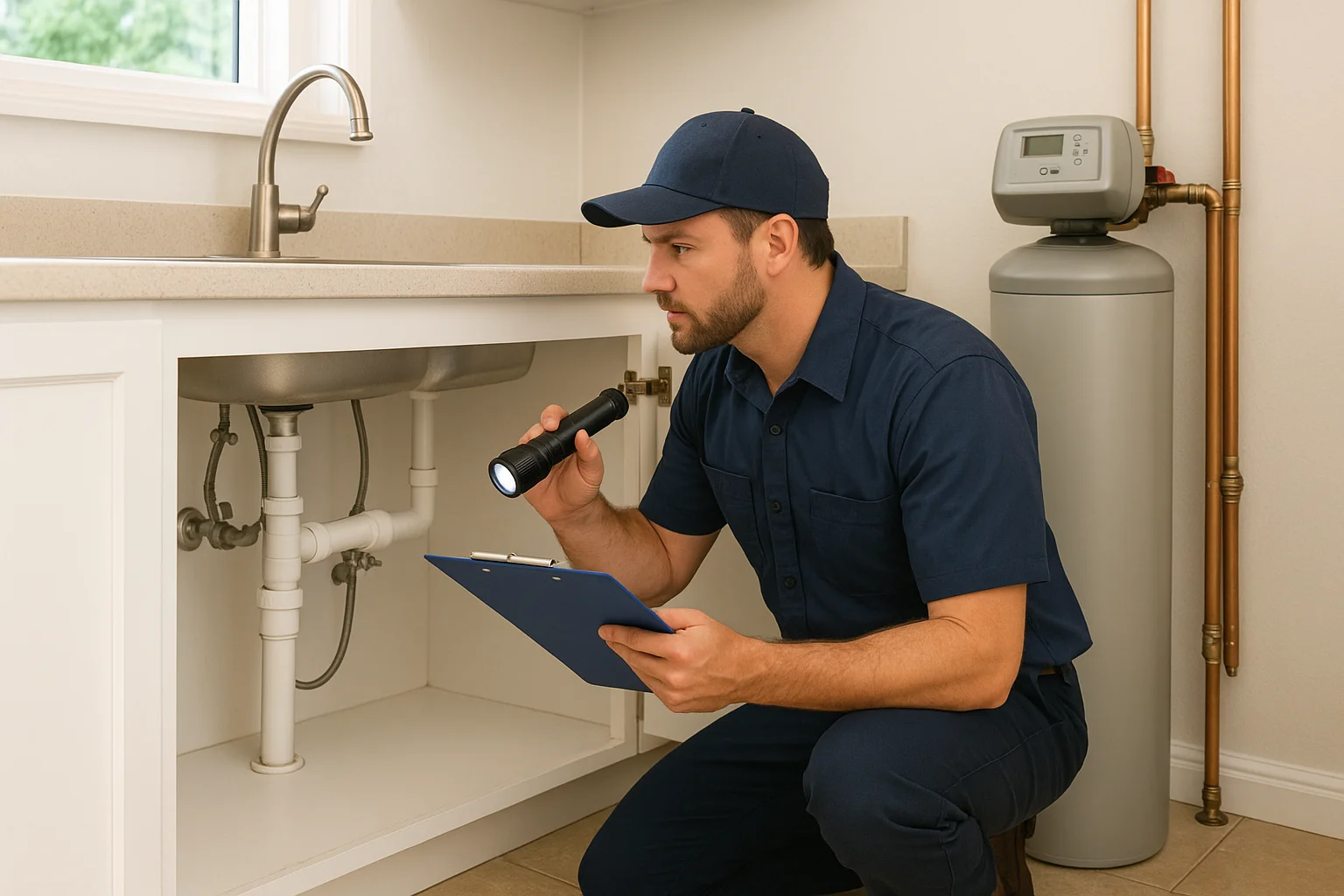
VRF maintenance is more than a basic filter swap. A Superior Mechanical can evaluate how your system is operating as a whole, including airflow, indoor unit performance, drainage, and how the system responds to thermostat demands. Here is what homeowners should plan for.
Schedule maintenance before the heaviest cooling months
Seasonal stress on 30A can be real. Booking maintenance in advance helps ensure your system is ready when daily temperatures and humidity spike. If you own a vacation rental, consider maintenance during the off-season so you are not troubleshooting during guest turnover.
Focus on airflow and ductwork performance
Even with a VRF system, airflow still matters. Ask for an inspection of filters, indoor unit intake and discharge, and any ductwork or air distribution paths. If you have ever searched for duct inspection near me, this is the same principle: airflow problems can mimic temperature or comfort failures.
Verify condensate drainage is clear and correctly routed
Condensate drainage should move smoothly. Maintenance should include checking drainage paths and ensuring there are no restrictions that can lead to water issues or humidity problems.
Review thermostat placement and control behavior
Thermostats should be placed and configured to sense the space correctly. If one zone is consistently uncomfortable, you want a professional to evaluate whether the issue is control logic, sensor location, or airflow related. Homeowners sometimes also consider thermostat installation near me when a system is upgraded or replaced, but any change should be matched to the existing VRF control setup.
Evaluate indoor air quality and filtration
Indoor air quality is a major comfort driver in coastal homes. High humidity can encourage microbial growth if moisture management is off. A maintenance visit should address filtration and cleanliness so the system does not spread dust or moisture-related issues through the home.
If you want to connect comfort with air quality, explore Indoor Air Quality Services.
What to do if your VRF system starts acting up
When you notice symptoms, there are homeowner steps that are safe and useful, and there are steps that are not.
Safe steps homeowners can take
- Check and replace filters if your system uses them and you can do so safely.
- Observe airflow from indoor units. Is air moving normally from each zone?
- Look for moisture around indoor units and drainage areas.
- Confirm thermostat settings and whether schedules or modes changed.
Do not attempt DIY refrigerant system troubleshooting
VRF relies on refrigerant systems and precision controls. Homeowners should not attempt refrigerant diagnosis, electrical diagnosis, or refrigerant-related repairs. Even if you find an error code or notice a performance change, an in-person evaluation is required to determine the cause safely.
Emergency cooling concerns on 30A: how to respond fast
During extreme heat and humidity, a cooling failure can become an urgent comfort and health issue. If you are dealing with an emergency cooling concern, you may need VRF multi-zone systems repair that prioritizes restoring cooling safely. VRF systems can serve multiple zones, so the impact of a malfunction can be widespread.
When you call, be ready to describe what changed. Did one zone stop cooling first? Did humidity suddenly rise? Are you seeing water near indoor units? These details help technicians narrow down what to inspect.
If you want to reduce the odds of a mid-summer breakdown, read How 30A Homes Can Stay Ahead of HVAC Emergencies During Seasonal Stress.
VRF replacement is not always the immediate answer
Homeowners searching for HVAC replacement near me often assume the worst when comfort slips. Sometimes the issue is fixable through cleaning, airflow correction, drainage repair, or control tuning. Other times, components may need replacement after an inspection.
Because VRF systems are integrated refrigerant systems with zone-level indoor units, the right path depends on what is actually happening. A professional evaluation is important before deciding on any major step.
If you are trying to plan your next move, it helps to understand how preventive service affects repair outcomes. This is covered in Why Preventive HVAC Service Pays Off for Air Conditioning Repair in 30A, FL.
Why local HVAC service matters for VRF on the 30A coast
VRF multi-zone systems can be installed and serviced correctly, but they still need technicians who understand the realities of local homes. A professional HVAC company in Walton County should account for:
- Coastal corrosion risks on outdoor units and related components.
- Humidity management and condensate drainage behavior in real 30A conditions.
- Airflow constraints caused by filters, returns, and ductwork design.
- Seasonal use patterns in luxury homes, vacation rentals, and commercial spaces.
That local knowledge is part of why homeowners choose A Superior Mechanical for VRF multi-zone systems service in 30A. If you are exploring options for new construction, it can also help to plan from day one. You can learn more through New Construction Air Conditioning and Heating Control Systems for comfort planning that aligns with how your home is used.
How to talk to your HVAC contractor about VRF multi-zone performance
When you schedule service, you will get better results if you ask questions that connect symptoms to system parts. Consider bringing up:
- Which zones are affected and whether the pattern changed recently.
- How humidity feels compared to past seasons.
- Any water or odor concerns near indoor units.
- Filter and airflow status and whether anyone has changed schedules or modes.
- Any recent maintenance history and when filters or ductwork were last checked.
If you need broader comfort support beyond cooling, you can also explore Heating Services. Even on the coast, heat pump service and heating control behaviors can affect how the system runs and how comfortable the home feels year-round.
Planning ahead: budgeting for reliability without guesswork
VRF systems are a long-term comfort investment, and budgeting matters. If you are considering financing for repairs or a system upgrade, it can help to keep planning organized. Homeowners often find this guide useful: Keeping HVAC Financing on Track in 30A, FL Homes.
For most homeowners, the best way to avoid “becomes expensive” surprises is consistent preventive HVAC maintenance and timely repair when symptoms appear. That approach is especially important on 30A where humidity and salt air can accelerate wear and where emergency cooling concerns can become urgent fast.
If you want help evaluating your current system, or you are preparing for the next cooling season, you can review service options at Walton County 30A HVAC service areas and book VRF support directly through VRF multi-zone systems service in 30A.
Find VRF Multi-Zone Systems in 30A, FL
If you need VRF Multi-Zone Systems in 30A, FL, visit our local service page or contact A Superior Mechanical today.
Map of 30A, FL
Frequently Asked Questions
How do VRF multi-zone systems handle humidity in 30A Florida?
VRF systems remove moisture during cooling, but humidity control depends on airflow, indoor unit performance, and proper condensate drainage. If filters are dirty, airflow is restricted, or drainage is blocked, humidity can stay higher than expected. A local HVAC professional can inspect the system in-person to identify the cause.
What are the first signs VRF multi-zone systems need maintenance?
Common early signs include uneven temperatures between zones, rising energy use, discomfort that does not match thermostat settings, and moisture or odor near indoor units. If you notice water near condensate drainage areas or repeated comfort swings, schedule service rather than waiting.
Can I troubleshoot a VRF refrigerant system or error codes myself?
Homeowners should not attempt refrigerant diagnosis or electrical diagnosis. Even when an error code appears, the correct next step requires an in-person evaluation to check refrigerant system conditions, airflow, condensate drainage, and control behavior safely.
Do VRF systems still need ductwork and duct inspection on 30A?
Some VRF designs use ducted air distribution, so duct inspection can be part of keeping comfort consistent. Even when indoor units are not ducted, airflow paths, returns, and filtration still matter for performance and indoor air quality.
When should I call for emergency AC repair near me for a VRF system?
If multiple zones are not cooling during peak heat and humidity, or if you see water leaks, strong odors, or rapidly worsening comfort, treat it as urgent. Contact a qualified HVAC company for emergency cooling support so the system can be evaluated and restored safely.
Related Articles
Photo Gallery