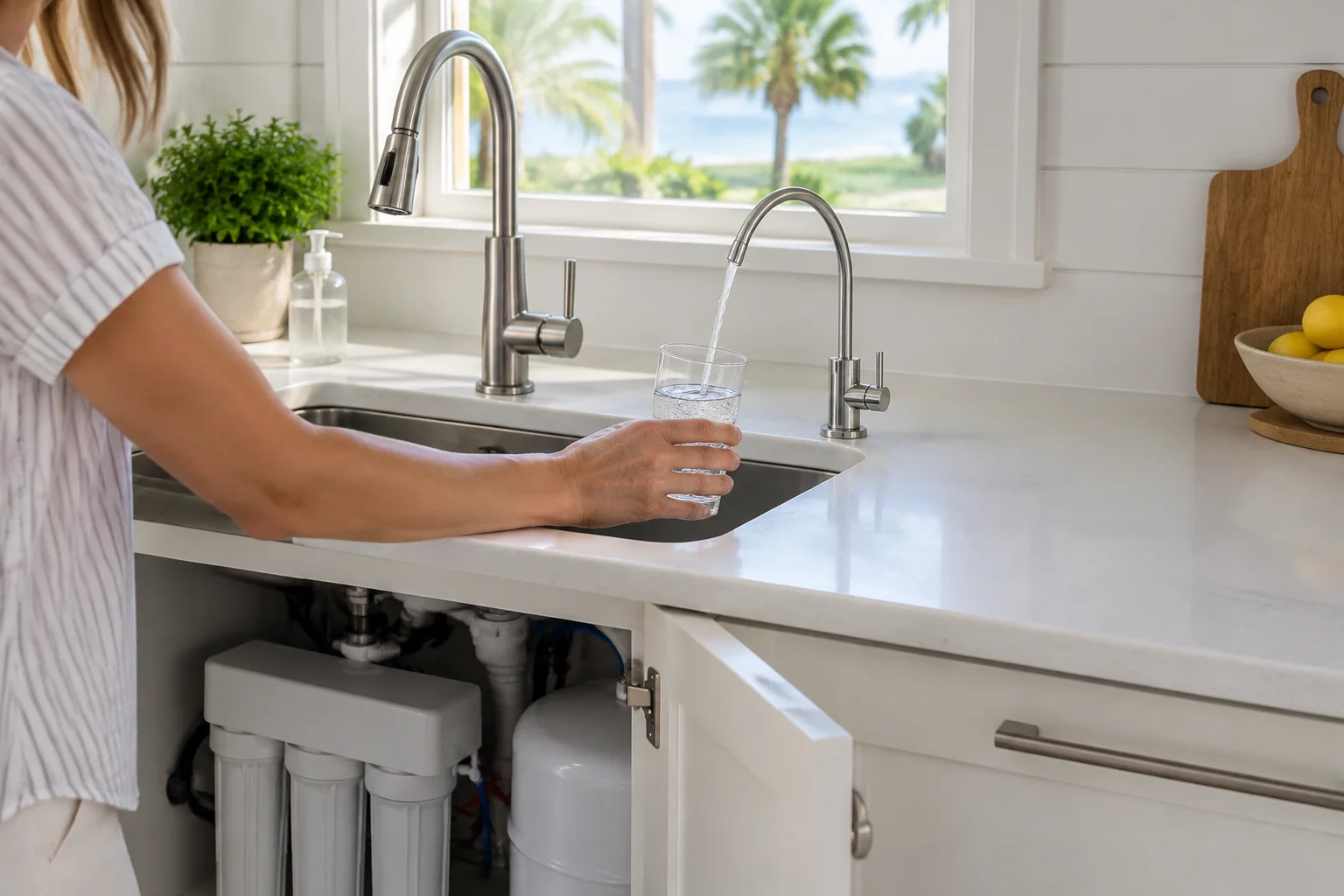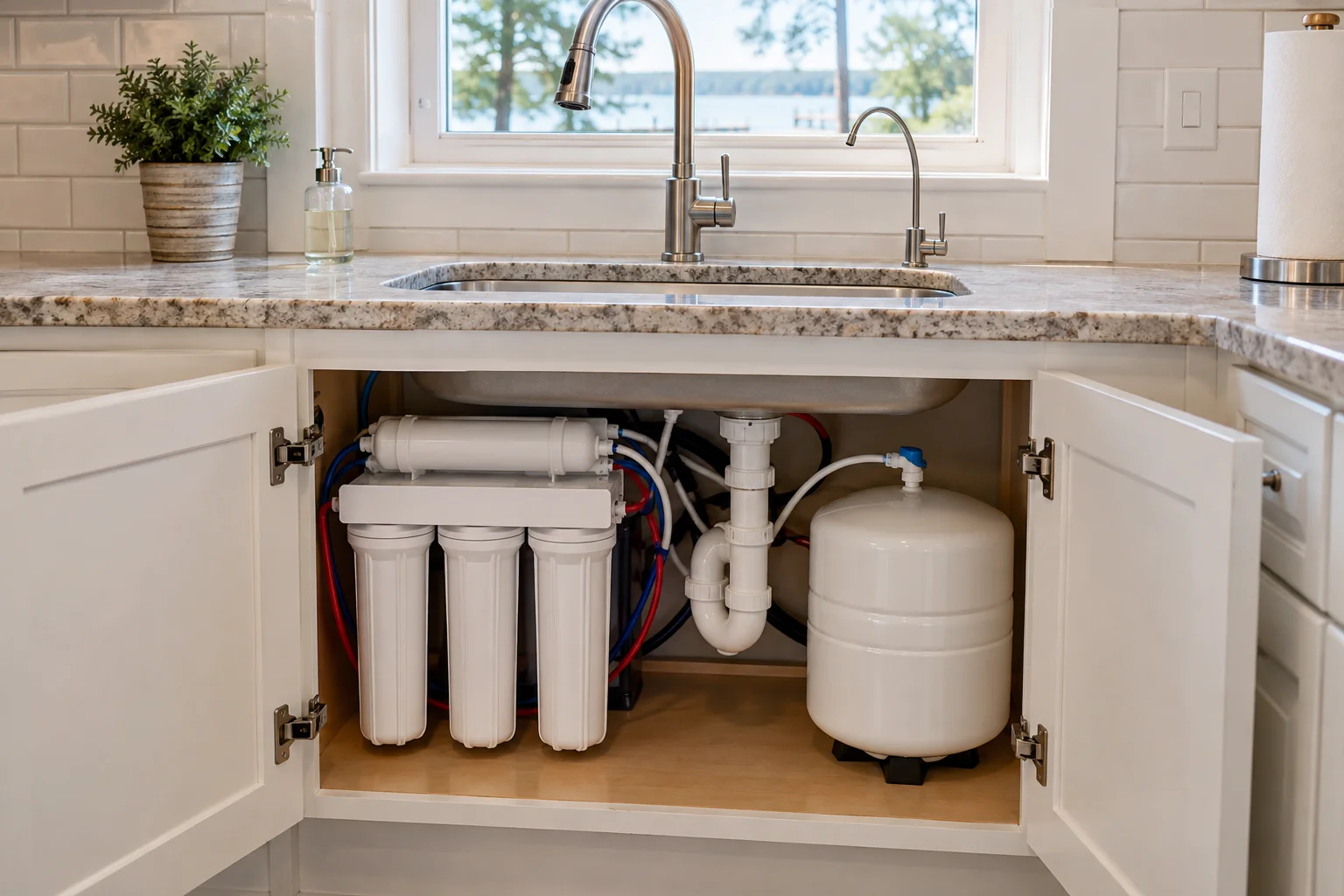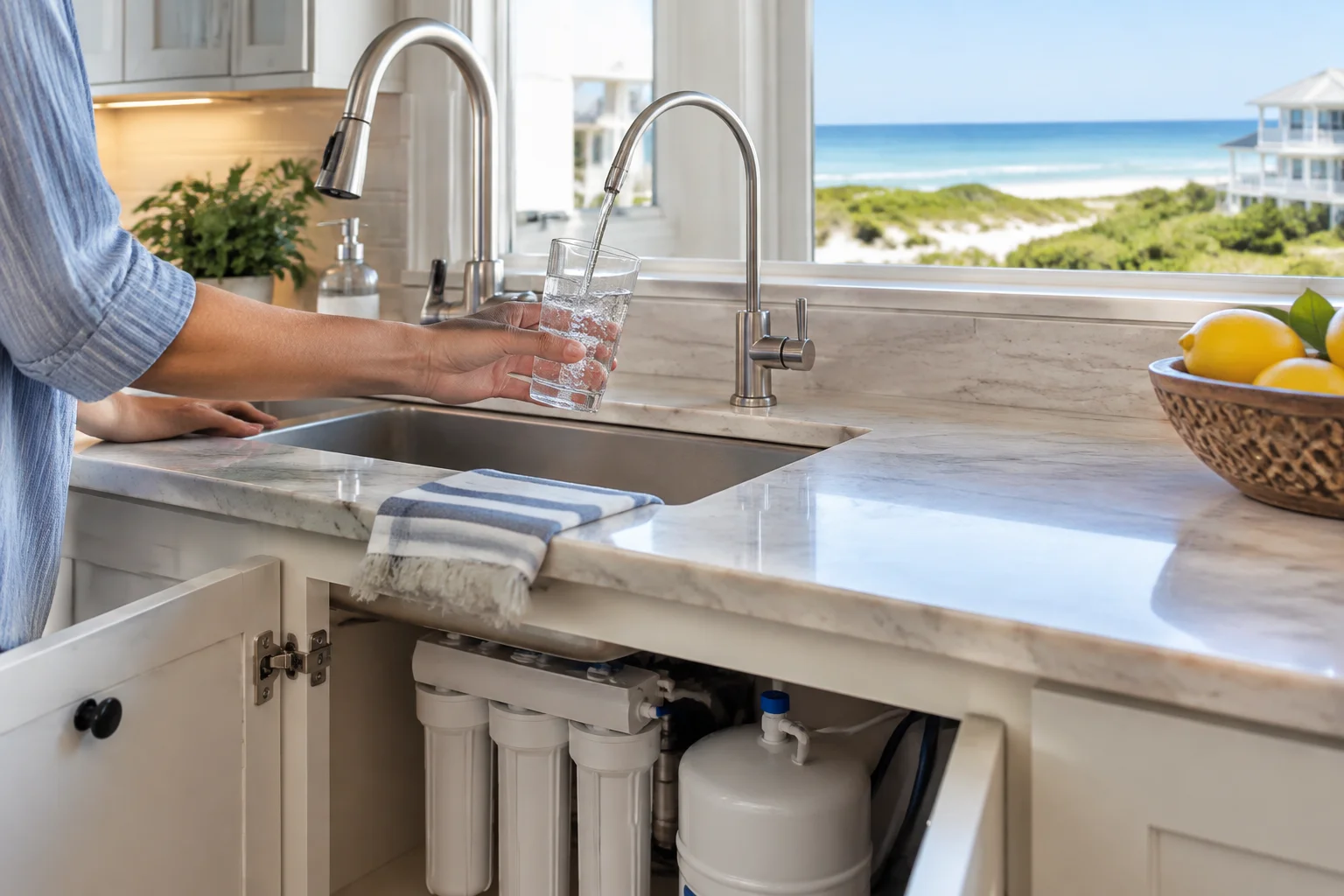
Reverse osmosis (RO) systems are a popular way for WaterColor homeowners to get cleaner, better tasting water for drinking, cooking, and everyday routines. When an RO system is working well, you usually notice it in the small things: coffee tastes smoother, ice stays clear, and soap rinses the way it should. When it is not, the clues show up fast around the kitchen and bath, and they can also impact fixtures and appliances.
This guide breaks down common water quality warning signs that connect back to reverse osmosis performance, plus maintenance habits that help protect your kitchen, laundry, plumbing, and water-using appliances in WaterColor and Walton County. If you are searching for water filtration near me or reverse osmosis system near me, these details can help you describe what you are seeing and keep your system running reliably.
Why RO water quality can change in WaterColor homes
WaterColor homes typically rely on a mix of filtration steps to match local water conditions, including sediment and taste or odor concerns, and in some cases hard water. Even if your home has a reverse osmosis system, the system still depends on upstream filtration components and correct installation, plus routine filter and membrane maintenance.
Coastal Florida conditions, seasonal demand, and changes in water chemistry can all affect how quickly filters load up. When maintenance slips, RO systems may not remove dissolved minerals and contaminants as effectively, and the water you notice at the tap may reflect that.
Warning signs your reverse osmosis system needs attention
1) Metallic, chlorinated, or unpleasant taste
One of the clearest RO warning signs is taste. If your drinking water suddenly tastes metallic, strongly chlorinated, or simply unpleasant compared with how it used to taste, it often points to carbon filtration issues, membrane performance decline, or a bypass problem.
In kitchen scenes, this shows up during everyday moments. A glass of water by the sink tastes off, and the difference becomes obvious when you make filtered water for coffee and cooking. Even if the rest of the household water seems fine, RO output can be the first place you notice the change.
2) Cloudy ice cubes or hazy drinking water
Cloudy ice cubes can be a sign that dissolved solids or air are not being handled the way your RO system should. Sometimes it is related to filter saturation or membrane output decline. Other times, it can be tied to mineral balance changes in the water leaving the RO system.
For families who rely on ice for daily drinks, this becomes noticeable quickly. It can also make tea and other beverages taste different, because the water chemistry is different.
3) Poor tasting coffee and cooking water
If you have ever brewed a pot and thought, “Why does it taste flat?” the water may be the reason. RO is designed to reduce contaminants and improve taste. When RO performance drops, filtered water for coffee and cooking can lose its clarity and flavor consistency.
Homeowners often describe this as coffee tasting “thin,” “bitter,” or “off,” especially if you have also noticed metallic tasting water or odor concerns.
4) Soap that does not lather or rinse well
Soap that does not lather or rinses poorly is a classic sign that hardness or dissolved minerals are interfering with cleaning. RO systems can help with certain dissolved content, but if your system is not maintaining proper performance, you may notice residue on sinks, shower doors, and bathroom fixtures.
This is especially important in the bath. If you are using RO only for drinking and not for whole home water filtration, you may still experience hard water effects in the shower and on glass. That is why many WaterColor homes benefit from combining RO for drinking with water softening or a whole house water filter approach.
5) Visible scale buildup around faucets, showerheads, and plumbing
Scale buildup is one of the most practical warning signs. Look for white crusting around faucets, showerheads, and the edges of plumbing connections. Over time, scale can reduce flow, clog aerators, and shorten the lifespan of water-using fixtures.
When hard water spots on glass show up after showers, it is not just cosmetic. It can be a sign that minerals are building up on surfaces and inside valves. It is also a clue that you may need to evaluate whether your system includes the right protection steps for hardness.
6) Hard water spots on glass, dishes, and fixtures
In kitchens, the evidence often appears after dishes dry. Glassware may develop streaks or spots that look like a film. Dishes may feel slightly coated, and you might notice that you need extra rinse cycles or more detergent to get the same clean results.
In the bath, glass shower doors can show spots that are difficult to remove. These signs often correlate with scale and dissolved minerals that can also affect water heaters, dishwashers, and other appliances.
7) Dry skin or dull hair after bathing
Many homeowners connect water quality to how they feel after a shower. Dry skin, tightness, and dull hair can happen when water quality is not supporting good rinsing. If soap does not rinse well, residue can remain on skin and hair.
RO drinking water can improve what you drink, but bath water still depends on the approach used for whole home water filtration or water softening. If you are seeing dryness along with scale buildup, it is a strong reason to review your entire water treatment setup.
8) Appliances wearing out faster
When mineral content and sediment issues persist, appliances can suffer. Dishwashers may not clean as well. Coffee makers can build up faster. Water heaters and hot water lines can accumulate scale.
Homeowners often notice this as “why did it fail early?” If your RO system is underperforming or if hard water is not being addressed elsewhere, appliances may experience accelerated wear.
9) Visible sediment, discoloration, and odor concerns
RO systems are typically designed to reduce sediment and improve taste and odor. If you see visible sediment in the drinking water, notice discoloration, or detect recurring odor concerns, it can mean filters are loaded, the membrane is failing, or upstream conditions are changing.
Sometimes these issues are subtle at first, showing up only in certain taps or when the system has not been used for a while. If it continues, treat it as a maintenance priority.
How RO maintenance prevents bigger problems
RO systems rely on multiple components working together. A common reason for water quality warning signs is that one stage falls behind. For homeowners, the solution is usually not guesswork. It is scheduled maintenance, correct parts, and system checks that confirm flow and rejection performance.
Key maintenance steps for WaterColor RO systems
- Replace pre-filters on schedule: Sediment and carbon stages protect the membrane. When pre-filters load up, taste and odor can worsen and RO output can decline.
- Monitor membrane life: The RO membrane is the core component. Over time, it can lose performance if it is not protected by properly maintained pre-filtration.
- Check for leaks and pressure issues: Small leaks can reduce efficiency and cause unexpected changes in output.
- Inspect the system for proper flow: If flow slows, water quality can change even if the system is “on.”
- Sanitize when recommended: If the system is not used for long periods, or if there are odor concerns, sanitizing may be needed as part of service.
For homeowners searching for water filtration near me, it helps to ask whether the service includes filter and membrane checks, along with testing for performance indicators. Professional service can also confirm whether your RO setup is the right match for your household needs.
RO is not the only piece of the water puzzle
WaterColor water treatment needs often go beyond RO. Many homes experience hard water effects that RO alone may not fully address for bathing and laundry. That is where water softening and whole home water filtration can make a noticeable difference.
Hard water spots and scale: where RO may help and where it may not
RO can improve drinking water quality, which helps with cooking water and beverages. However, hard water spots on glass, scale buildup around faucets and showerheads, and soap that does not lather well usually reflect mineral content in bath and laundry water. If those issues persist, homeowners typically benefit from water softener installation or a whole house water filter approach.
Many families want a practical setup: RO for drinking and cooking, plus whole home water filtration or water softening for everything else. That combination helps protect fixtures and appliances while keeping daily routines comfortable.
Whole home water filtration versus RO-only setups
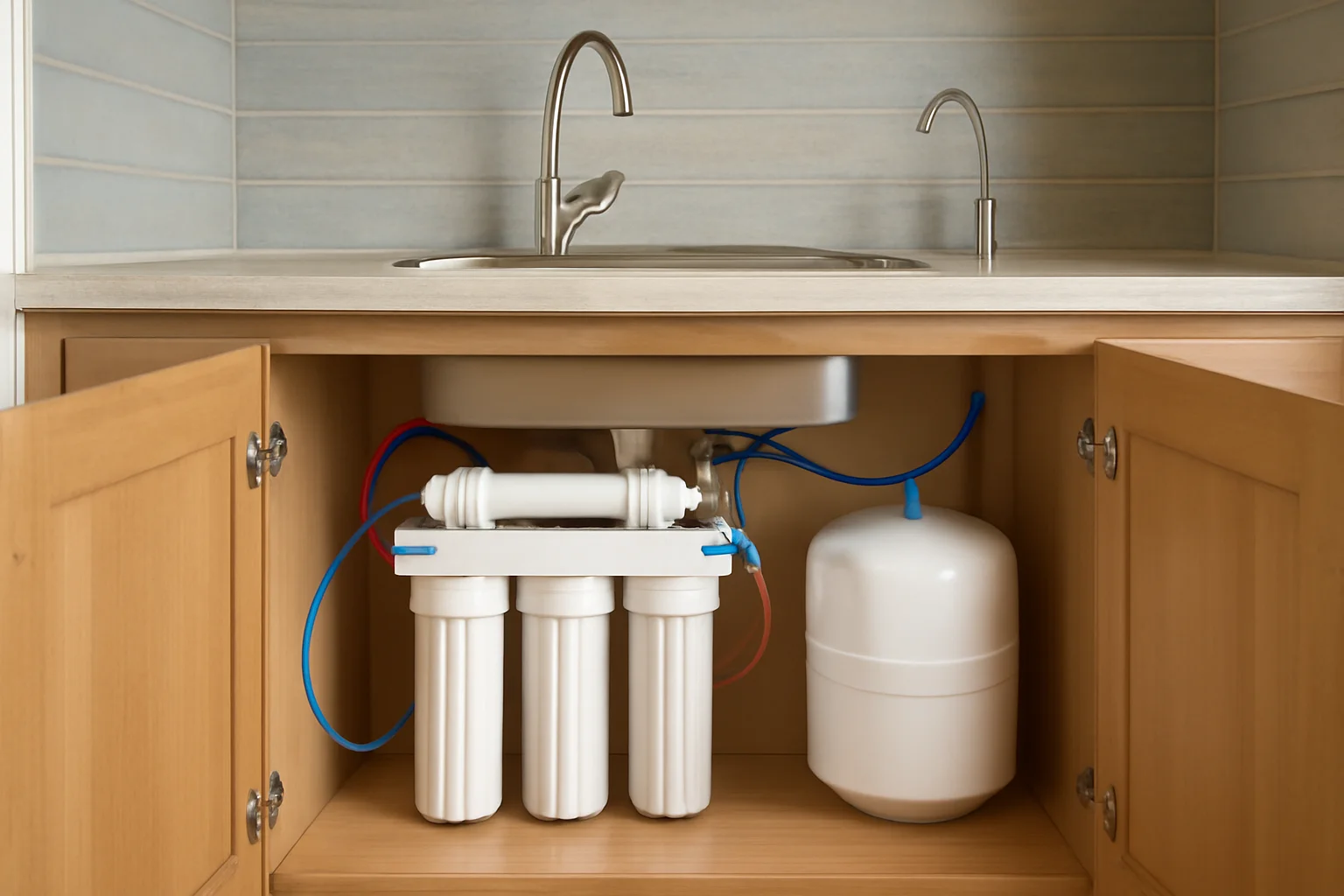
RO-only systems are often installed under the kitchen sink for drinking water. Whole home water filtration or a whole house water filter can reduce sediment and improve overall water quality throughout the home. When hard water treatment becomes part of protecting fixtures and appliances, homeowners typically see fewer scale deposits and better cleaning performance.
If you are considering upgrades, you can explore whole home water filtration, reverse osmosis, and water softeners to compare options and find a plan that fits your household.
AO Smith RO systems and why maintenance matters
Many WaterColor homeowners choose AO Smith water filtration components because they are built for reliable performance. Whether you already have an AO Smith RO system or you are comparing options, the same principle applies: maintenance keeps performance consistent.
When filters and membranes are replaced at the right intervals, AO Smith RO systems can continue delivering cleaner, better tasting drinking water, while helping reduce the mineral and contaminant load that can affect taste, odor, and appliance buildup on the drinking side.
To see how A Superior Mechanical supports reverse osmosis installation and service in the area, visit reverse osmosis systems for WaterColor, FL.
Local WaterColor climate and why local service helps
WaterColor is a coastal community where summer heat and seasonal shifts can change water use patterns, and water treatment demands can vary over time. If your household runs more laundry, showers, and dishwashing during peak seasons, your system components can load up faster.
Local water treatment service also matters because it helps match your filtration plan to real household needs. A professional technician can review what you are seeing, check your system performance, and recommend changes such as additional filtration stages or water softening support, if your home needs it.
If you want to explore service coverage across the area, you can also browse Walton County water treatment options and WaterColor service areas.
Practical maintenance habits homeowners can do between service visits
Homeowners cannot replace professional maintenance, but a few habits can reduce problems and help you catch issues early.
Simple checks you can do at home
- Compare taste and odor: If metallic tasting water or chlorinated notes return, treat it as a maintenance signal.
- Look at ice: Cloudy ice cubes are a quick visual cue that something changed.
- Inspect the drinking water line: Check for dampness or unusual residue under the sink.
- Track cleaning performance: If soap does not lather or rinse well, it can point to hardness or filtration issues affecting bath water.
- Watch for scale: New scale buildup around faucets and showerheads is a strong indicator that mineral control needs attention.
Keep your kitchen routines consistent
Many families rely on RO drinking water for everyday moments: filling a pitcher for the fridge, making filtered water for coffee and cooking, and using it for ice. If you notice changes, write down when they started. That small detail helps a technician evaluate what stage is likely failing and whether it is time for filter replacement, membrane service, or system adjustments.
When to call A Superior Mechanical for reverse osmosis service
Call a professional when you see persistent water quality warning signs, especially if multiple indicators show up at once. Examples include metallic or unpleasant taste plus cloudy ice, or odor concerns plus visible sediment.
You should also consider service if you have hard water spots on glass and scale buildup around faucets while your RO drinking water seems “almost fine.” That combination can mean you need a broader water treatment plan, such as adding water softening or whole home water filtration.
If you are searching for reverse osmosis installation near me or water treatment near me, it is helpful to choose a company that supports both installation and ongoing maintenance so your system stays balanced for real daily use.
Related reading for WaterColor homeowners
If you are also trying to prevent water and plumbing issues from snowballing, these guides pair well with RO maintenance:
- How WaterColor homeowners can stay ahead of hidden plumbing problems with camera inspections
- Smart plumbing habits for reverse osmosis systems in 30A homes
- Cleaner drinking water and healthier plumbing: A Rosemary Beach homeowner’s guide to reverse osmosis systems
For broader home protection, you can also read Practical sewer care for WaterColor homes that helps avoid bigger plumbing repairs as part of a complete home maintenance routine.
Find Reverse Osmosis Systems in WaterColor, FL
If you need Reverse Osmosis Systems in WaterColor, FL, visit our local service page or contact A Superior Mechanical today.
For a broader look at whole-home water filtration, reverse osmosis, and water softener options, visit our water filtration, RO, and water softener page.
Map of WaterColor, FL
Frequently Asked Questions
How often should an RO system be serviced in WaterColor, FL?
Most RO systems need filter changes on a schedule based on water conditions and household usage. Pre-filters often require more frequent replacement than the membrane. A Superior Mechanical can recommend timing after checking your system performance and local water conditions in Walton County.
Can an RO system cause cloudy ice or bad-tasting water?
Yes. Cloudy ice cubes, metallic tasting water, and unpleasant or chlorinated notes can be signs that carbon filtration is saturated, the membrane is underperforming, or there is a system issue affecting output. Testing and component checks help pinpoint the cause.
Why do I still have hard water spots on glass if I have reverse osmosis?</
RO often treats only the drinking and cooking water line under the kitchen sink. Hard water spots on glass and scale buildup in showers and on fixtures usually reflect mineral content in bath and whole home water. Water softening or whole home water filtration may be needed alongside RO.
What should I check before calling for RO service?
Start with what changed: taste and odor, cloudy ice, any visible sediment, and whether the issue is consistent or only happens after the system sits. Also check for leaks or dampness under the sink. Those observations help a technician diagnose faster.
Do AO Smith RO systems still need maintenance?
Yes. Even high-quality AO Smith water filtration systems require routine filter and membrane maintenance to keep performance steady. Without service, you can see changes in taste, odor, and overall water quality.
Related Articles
- How WaterColor Homeowners Can Stay Ahead of Hidden Plumbing Problems With Camera Inspections
- Practical Sewer Care for WaterColor Homes That Helps Avoid Bigger Plumbing Repairs
- Smart Plumbing Habits for Reverse Osmosis Systems in 30A Homes
- Cleaner Drinking Water and Healthier Plumbing: A Rosemary Beach Homeowner’s Guide to Reverse Osmosis Systems
Photo Gallery