Pretty Bayou homes rely on steady, everyday water for drinking, cooking, bathing, laundry, and cleaning. When water quality slips, the signs often show up where you see and feel it first: cloudy ice cubes, hard water spots on glass, scale buildup around faucets, and soap that does not lather or rinse well. Those symptoms are more than annoying. They can also mean your water softening system is not keeping up with local water conditions, or that your setup needs adjustment or service.
This guide connects common water quality warning signs to water softening, and shares practical maintenance tips designed to protect fixtures, appliances, and your family’s water habits in Pretty Bayou, FL.
Why water softening matters in Pretty Bayou
In much of Bay County, Florida, many homes deal with hard water. Hard water typically contains dissolved minerals, especially calcium and magnesium. When they build up, they can leave visible residue on glassware and fixtures and create scale inside plumbing and appliances. Over time, that scale can reduce efficiency, increase energy use, and shorten the life of water-using equipment.
Water softening helps by reducing the mineral hardness that causes scale buildup. When it works correctly, you get better water for drinking and cooking, improved performance from soap and detergents, and fewer maintenance headaches around showers, faucets, and kitchen fixtures.
If you are searching for water treatment near me, it helps to know what “good” looks like. For Pretty Bayou households, good water quality often means less scale, cleaner glass, better tasting drinking water, and softer-feeling skin after bathing.
Warning sign: hard water spots on glass, dishes, and fixtures
One of the most recognizable clues is hard water spots on dishes and hard water spots on glass. You might notice cloudy film on drinking glasses, chalky rings on etched glassware, or spots that do not wipe away easily. In the bathroom, you may see scale buildup around faucets and showerheads, plus rough, whitish deposits that keep returning.
These issues often point to one of three situations:
- Your water softener is not operating (power issue, valve problem, or incorrect settings).
- Your system is under-treated for your household’s actual water use.
- The resin or components need service or replacement, so hardness is slipping through.
Even if you clean regularly, scale buildup on faucets and showerheads can keep coming back when hardness is not being controlled at the source.
Warning sign: soap does not lather or rinse well
Hard water makes it harder for soap to do its job. You may notice that soap does not lather, shampoo feels like it never fully rinses, and laundry can come out with a stiff feel or dull appearance. Bath towels may feel rough, and you may feel like you need more detergent than usual.
When water softening is properly maintained, soap and detergents work closer to how they are supposed to. You may still use the same product, but you will often use less because it actually lathers and rinses.
If you are noticing soap does not lather, it is worth checking whether your softener settings match your household size and whether the system is regenerating on schedule.
Warning sign: dry skin or dull hair after bathing
Many homeowners connect hard water to how they feel after showering. If you are dealing with dry skin or dull hair after bathing, the water may be leaving behind mineral residue and stripping away natural moisture. You might also notice that hair looks less vibrant, feels tangled, or takes longer to feel clean.
Soft water can make a noticeable difference. It reduces mineral buildup that interferes with rinsing and can help your skin and hair feel better after daily routines.
For families, this matters in real life. Think about weekend beach plans, kids’ swim times, and quick weekday showers. When water quality is improved, bathing becomes less of a “scrub and rinse again” routine and more of a simple reset.
Warning sign: metallic, chlorinated, or unpleasant taste
Taste and odor concerns can show up at the kitchen sink. Some people describe metallic tasting water or a chlorine taste in water. Others notice an unpleasant flavor in drinking water and cooking water.
Water softening is mainly designed to address hardness and scale. It can help with the way water feels and how it interacts with soap, but taste and odor can also be influenced by other factors such as filtration needs, existing plumbing conditions, and the specific water chemistry.
That is where whole home water filtration and targeted filtration like AO Smith water filtration can complement softening. Homeowners searching for water filtration near me often want both: softened water to protect fixtures and appliances, plus filtration to improve drinking water quality.
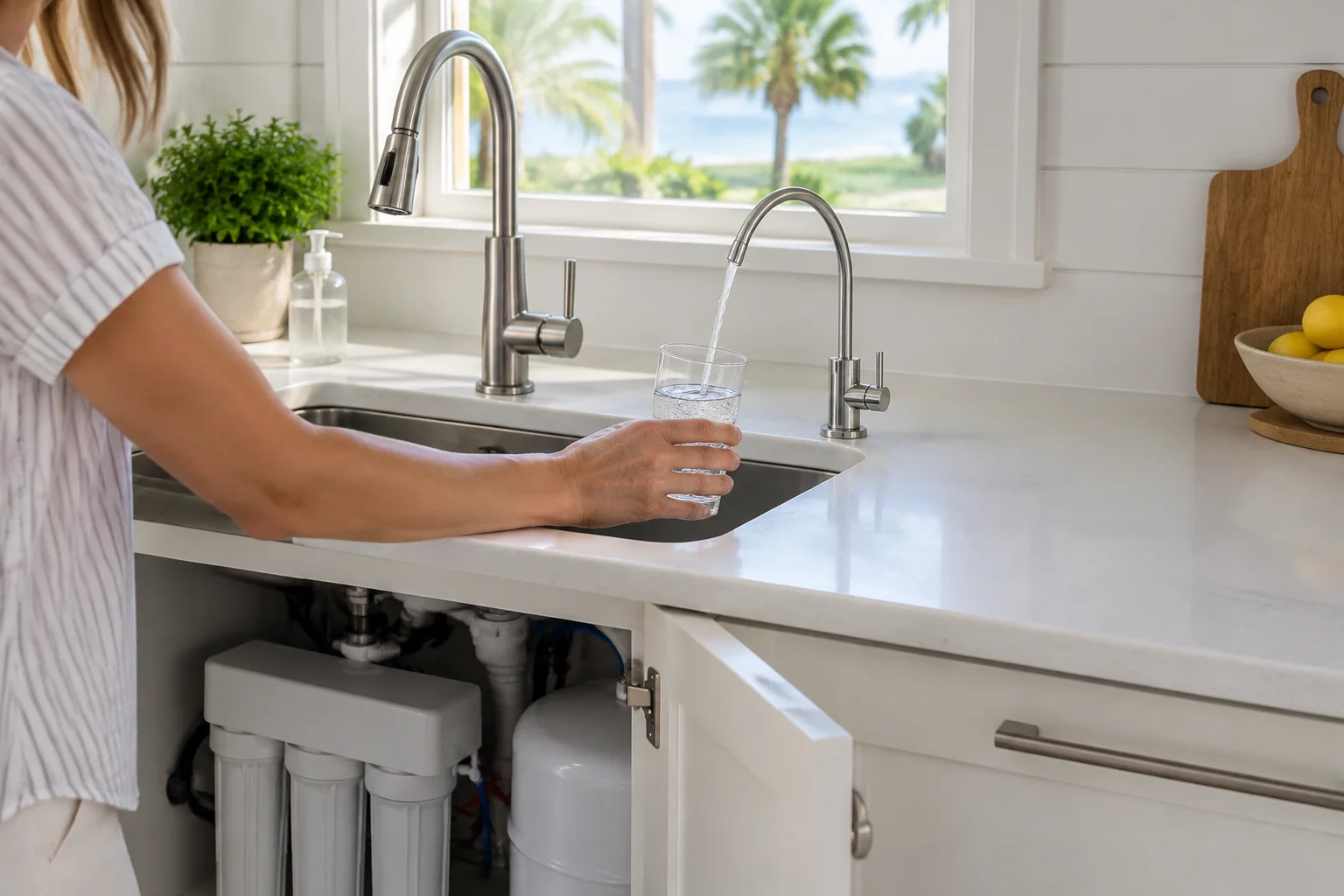
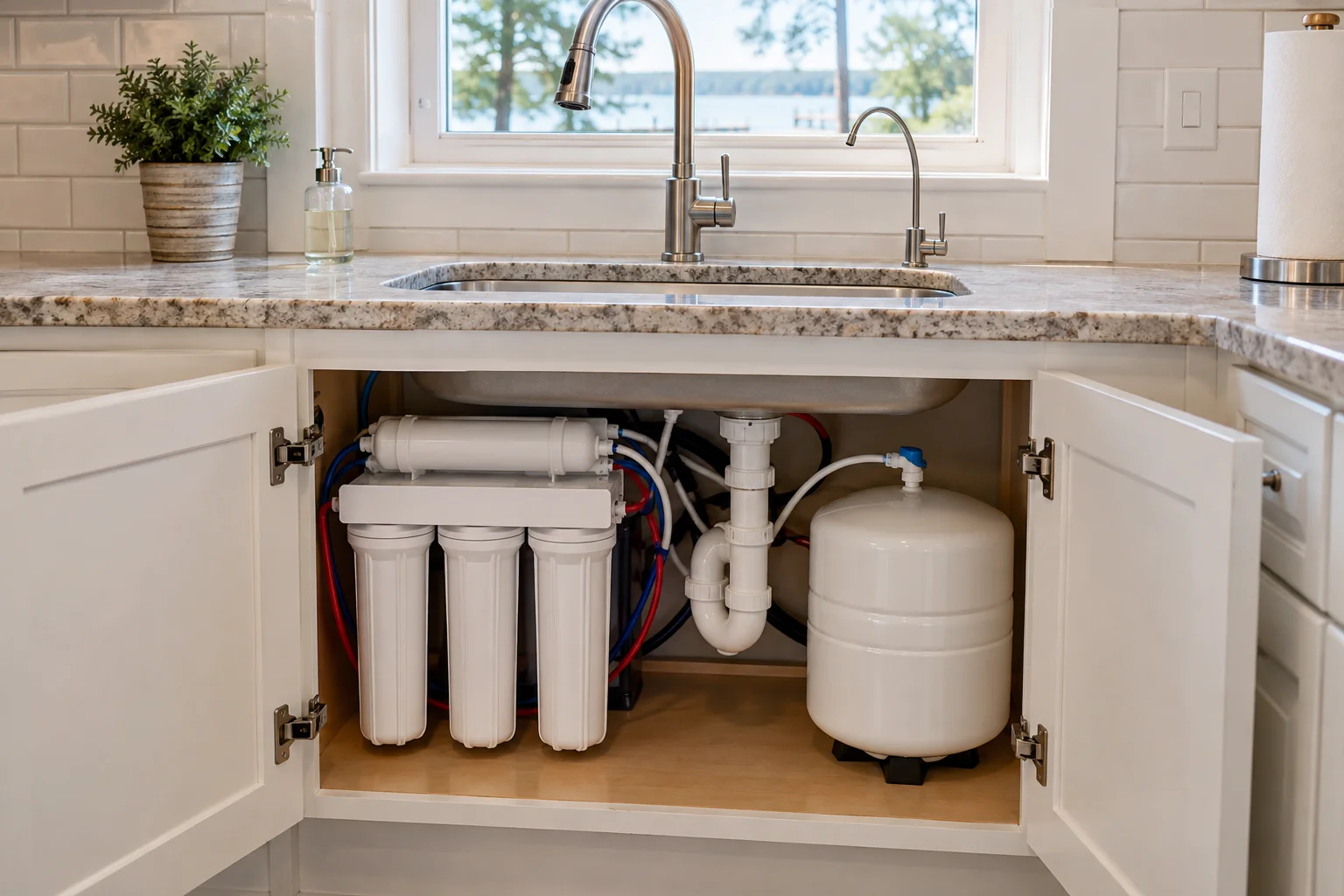
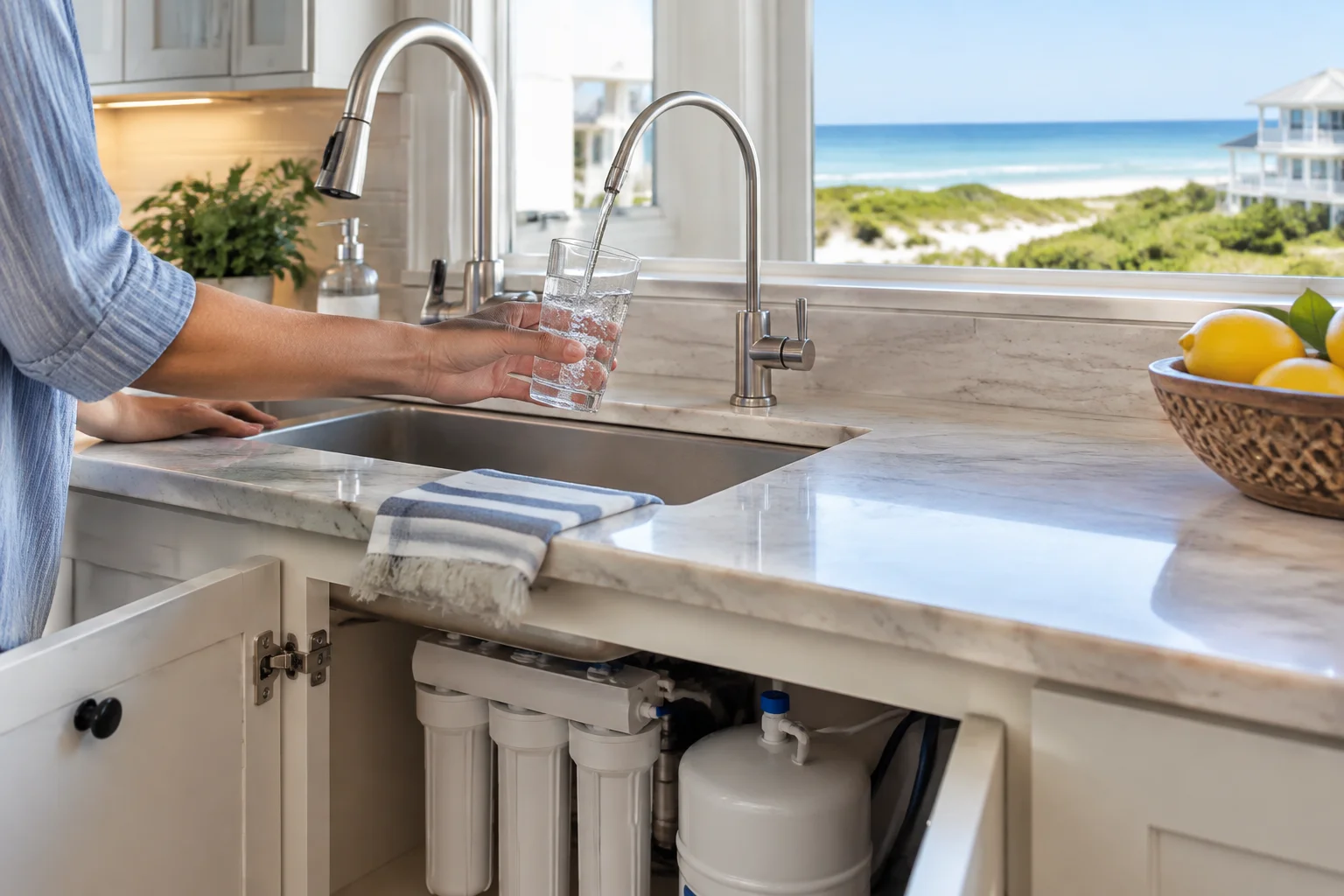
If you are considering upgrades, it may be helpful to review whether a reverse osmosis system near me is the right fit for your drinking water line, while your whole home water filtration supports the rest of your property.
Warning sign: cloudy ice cubes
Cloudy ice is not just a cosmetic issue. It can be a sign that dissolved minerals, particulates, or other water quality factors are affecting clarity. If your ice cubes look hazy or cloudy, it can also show up as dull residue on glassware.
For households, this shows up during everyday moments: filling a pitcher for guests, making iced coffee, or packing drinks for school. When water quality improves, ice often clears up, and drinks look better.
Softening can reduce scale-related problems, and filtration can address clarity and taste concerns. If your goal is better water for drinking and cooking, pairing water softening with appropriate filtration is often the most complete approach.
Warning sign: poor tasting coffee and cooking water
The kitchen is where water quality becomes obvious. If you brew coffee and it tastes flat, bitter, or “off,” you may be dealing with water chemistry that is not ideal for extraction. Homeowners also notice poor tasting coffee water and differences in cooking water, especially for rice, pasta, and soups.
Hard water can affect how minerals interact with flavor compounds. Scale buildup in kettles and coffee makers can also change performance. When water softening is operating correctly, you can reduce mineral-driven buildup. When filtration is added, you can improve taste and reduce concerns that soften alone may not fully solve.
In Pretty Bayou, many homes and vacation rentals serve coffee to family and visitors. Better tasting water can mean fewer complaints and more “wow, this is good” moments in the kitchen.
Warning sign: appliances wearing out faster
Water hardness does not only affect what you see. It can also affect what you rely on. When scale builds inside water heaters, dishwashers, washing machines, and other water-using appliances, performance drops and parts can wear faster.
Homeowners often notice that appliances need repairs sooner than expected or that they use more energy to maintain the same results. Scale buildup can also cause heating elements to work harder, and it can reduce water flow in fixtures over time.
When hard water treatment becomes part of protecting fixtures and appliances, the payoff can be fewer service calls and better long-term reliability.
Warning sign: visible sediment, discoloration, and odor concerns
Sometimes the problem is not only hardness. You may see sediment in the sink, notice discoloration, or detect persistent odor. While softeners and filtration work together in many systems, sediment and discoloration can also be influenced by plumbing conditions, maintenance history, and distribution factors.
If you notice visible sediment, discoloration, and odor concerns, it is a strong reason to involve a professional. A technician can test water quality, review your existing equipment, and recommend the right balance of softening and filtration for your home.
For many homeowners searching for water treatment near me, the best path is a system that matches the problem. Water softening targets hardness and scale. Whole home water filtration targets broader water quality improvements. Reverse osmosis is often used for drinking water when you want the cleanest option at the tap.
How to tell whether your water softener is underperforming
Even if you already have a softener, warning signs can mean it is not set correctly or not regenerating as needed. Here are practical checks you can do between service visits:
- Check salt levels. If the brine tank is low, the system may not regenerate properly.
- Look for error codes or unusual behavior on the control valve.
- Observe regeneration timing. If it runs too infrequently, hardness can build up in your plumbing.
- Pay attention to recent household changes. More laundry, a new dishwasher, extra guests, or a longer vacation rental season can increase demand.
- Watch for spot patterns. If scale buildup around faucets returns quickly, it often points to softening that is not keeping up.
A Superior Mechanical can evaluate whether your AO Smith water softener system is tuned for your water usage and whether service is needed for the media or control components. If you are weighing water softener installation near me, this kind of assessment helps you avoid buying the wrong system size or configuration.
Maintenance tips that protect fixtures and appliances
Water softening maintenance is not complicated, but it does require consistency. Here are tips that typically make the biggest difference for Pretty Bayou homes.
Keep the brine tank stocked and clean
Salt helps regenerate the resin. If the tank is not maintained, the softener may not treat water effectively. Also watch for bridging or “hard salt” clumps that can prevent proper dissolving. Clean-up and refilling schedules depend on your household and usage patterns, so testing and service checks matter.
Confirm the bypass valve is in the right position
Some systems have a bypass for service. If it is accidentally left open, untreated hard water can flow through. That can explain why you suddenly see hard water spots on glass, scale buildup on faucets, or soap issues even though the unit is running.
Schedule periodic water testing
Water hardness can change based on local conditions. Testing helps verify that the system is controlling hardness to the level your home needs. It also helps determine whether you need changes to regeneration frequency or whether another component, like filtration, is required.
Inspect and maintain the sediment and filtration components
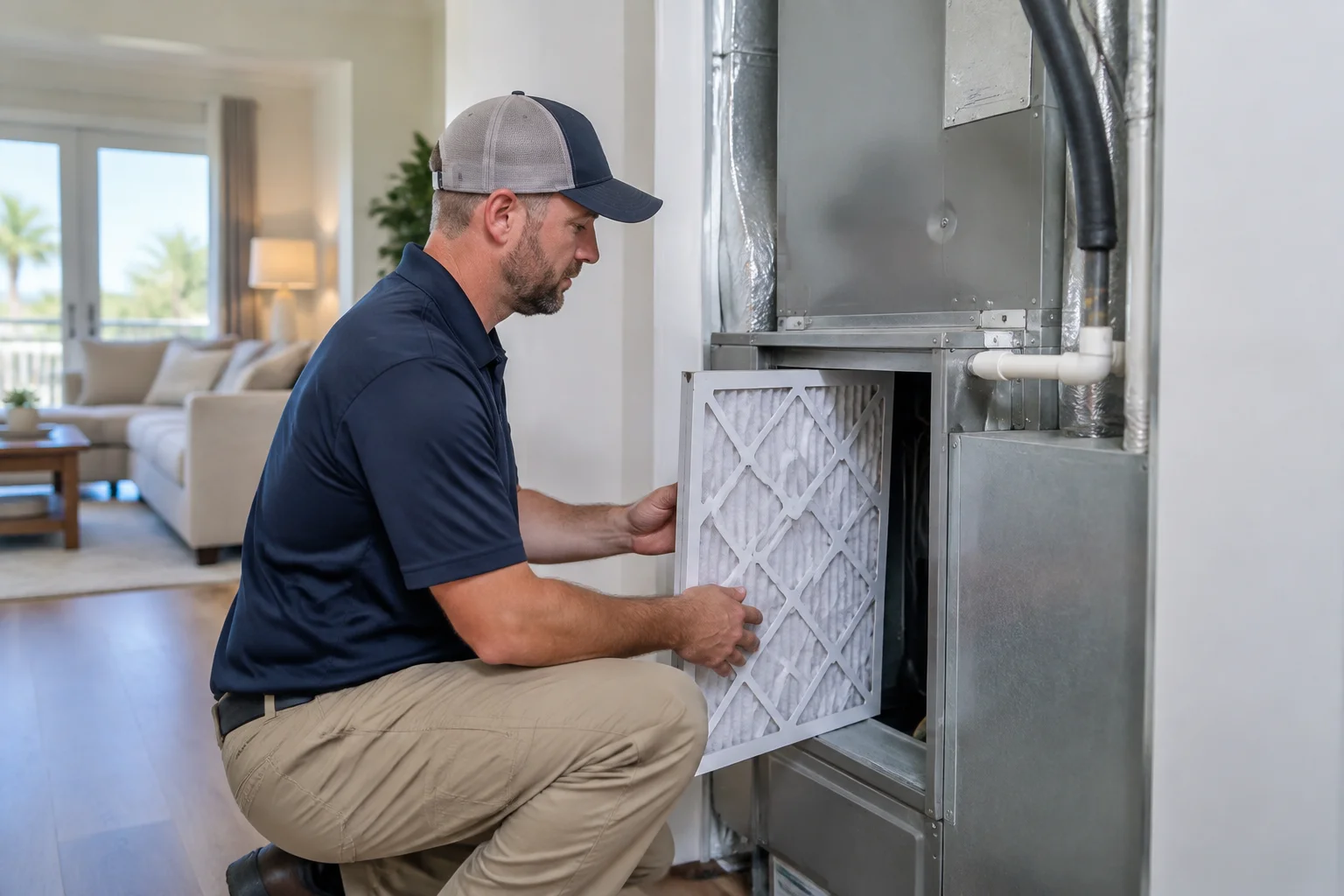
Even with softening, other parts of a clean water system can affect taste, odor, and clarity. If you also have whole home water filtration or an RO setup, filters and membranes will need replacement on a schedule. When filtration is neglected, you may see cloudy ice cubes, taste issues, and sediment concerns.
Use the right cleaning approach for scale
Scale buildup does not respond to “quick wipe” cleaning forever. Use appropriate descaling methods that are safe for your fixtures and follow manufacturer recommendations. The goal is to reduce buildup while you also correct the cause through proper softening and filtration.
Where reverse osmosis and whole home water filtration fit
Many Pretty Bayou households want “clean water systems” that do more than one job. A common setup is:
- Water softening to reduce hardness, protect plumbing, and improve soap and detergent performance.
- Whole home water filtration to support better water quality throughout the house.
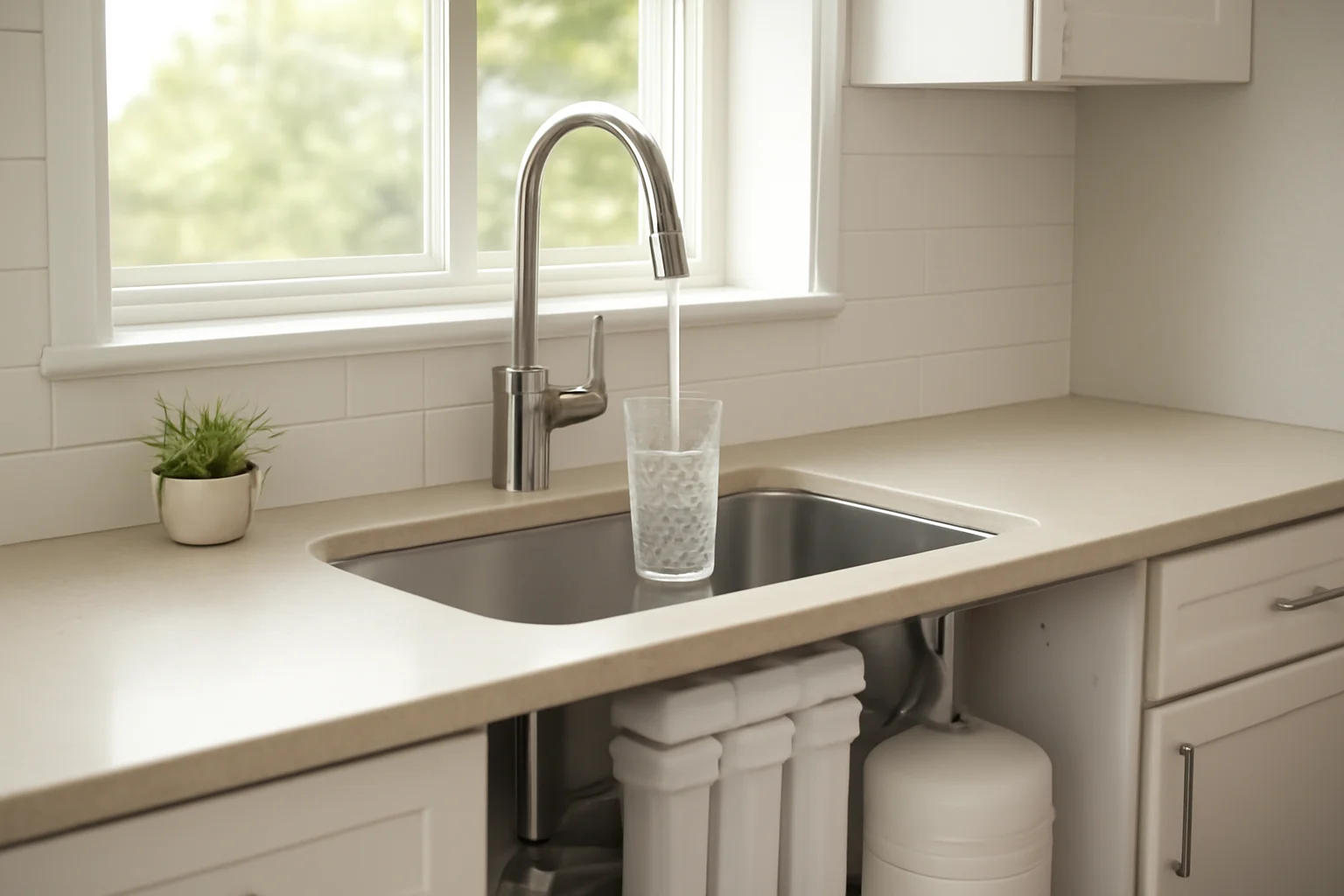
- Reverse osmosis at the kitchen sink for drinking and cooking water when taste and clarity are top priorities.
For homeowners considering reverse osmosis installation near me, it helps to think about the water you drink and the water you heat. Coffee makers, kettles, and cooking often use the same tap water. When you combine softening with RO or filtration, you can improve the experience from glass to glass, and from stovetop to freezer.
AO Smith water filtration options can also be part of a layered approach, especially when you want whole home filtration supported by dependable equipment.
If you want a fuller overview of how these pieces work together, you can read Why Better Water Treatment Makes Water Softening Work in Pretty Bayou, FL and Pretty Bayou Homes and the Real Cost of Hard Water: How Reverse Osmosis Helps Protect Plumbing.
Local considerations: why Pretty Bayou service matters
Pretty Bayou is part of Bay County’s coastal region, where many homes experience humid conditions and seasonal water-use changes. Vacation rentals and second homes can also create swings in demand. When family schedules change, water softeners and filtration systems must keep up.
Local water treatment service matters because the “right” setup is based on how the system performs with your home’s plumbing layout, your household size, and your water quality test results. A professional service visit can help you avoid guesswork, especially if you are seeing patterns like scale buildup around faucets, recurring hard water spots on dishes, or a sudden return of metallic tasting water.
If you want to explore service options for your area, visit our Pretty Bayou service area. For focused help with softeners, see Water Softening in Pretty Bayou, FL. For broader filtration solutions, start at Water Filtration and RO Water Softeners. Bay County homeowners can also review options at Bay County service locations.
When to call A Superior Mechanical
Some water issues are easy to spot, but the fix is not always obvious. Call a professional water treatment team when you notice:
- Scale buildup around faucets and showerheads that keeps returning quickly
- Soap does not lather or rinse well even after cleaning
- Dry skin or dull hair after bathing
- Metallic tasting water, chlorine taste in water, or unpleasant odors
- Cloudy ice cubes or poor tasting coffee water
- Visible sediment, discoloration, or persistent odor concerns
- Appliances wearing out faster than expected
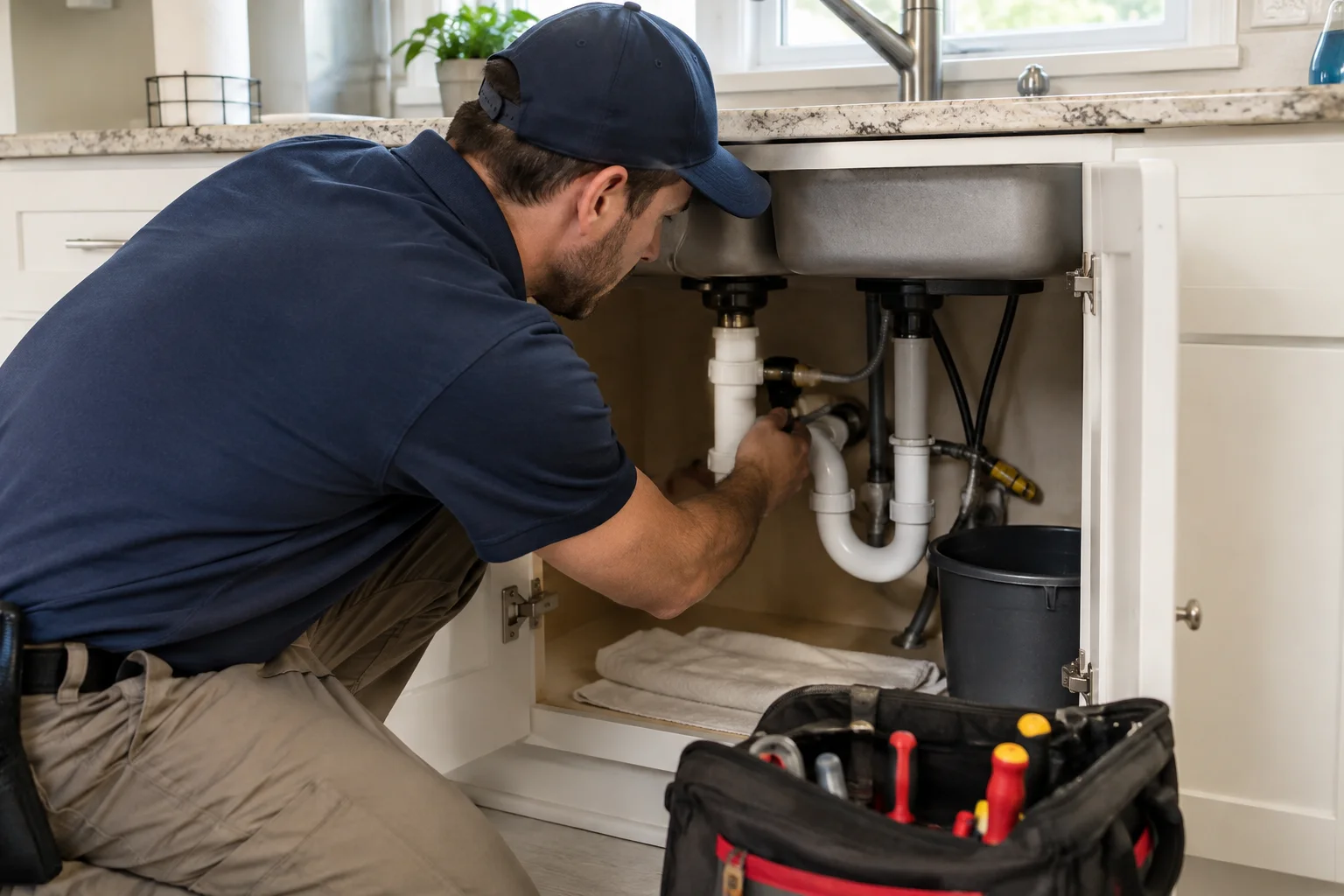
Technicians can test your water, evaluate your current equipment, and recommend next steps. That might mean adjusting your AO Smith water softener settings, servicing a component, adding whole home water filtration, or installing a reverse osmosis system for drinking and cooking.
If you are comparing options, it also helps to understand how plumbing wear and tear interacts with purification. You can read How Plumbing Wear and Tear Shapes Water Purification in Pretty Bayou Homes and How Water Softening Protects Rosemary Beach Plumbing from Costly Water Damage to see how water quality connects to long-term protection.
Practical routines for better water every day
Once your water softening and filtration are working well, it becomes easier to maintain a “clean water routine.”
- Kitchen: Fill pitchers and ice trays with water that tastes better, so drinks and coffee come out more consistent.
- Cooking: Use better water for drinking and cooking, especially for recipes that depend on water chemistry.
- Bathing: Enjoy a smoother rinse and less residue, which can translate to better-feeling skin and hair.
- Laundry: Expect improved detergent performance and softer results.
- Fixtures: Reduce how often you fight scale buildup on faucets and showerheads.
Pretty Bayou life includes busy mornings, shared bathrooms, and kitchen prep for families and visitors. When water treatment is dialed in, the whole home benefits: fewer stubborn spots, better appliance performance, and a noticeable upgrade in everyday comfort.
If you want to address water quality warning signs connected to water softening, start with a professional assessment. It is the fastest way to match the right water softening system and filtration approach to your household, your fixtures, and your long-term protection goals.
Find Water Softening in Pretty Bayou, FL
If you need Water Softening in Pretty Bayou, FL, visit our local service page or contact A Superior Mechanical today.
For a broader look at whole-home water filtration, reverse osmosis, and water softener options, visit our water filtration, RO, and water softener page.
Map of Pretty Bayou, FL
Frequently Asked Questions
Can water softening fix metallic tasting water or chlorine taste in water?
Water softening primarily targets hardness and scale. Taste and odor issues can require additional filtration. Many homes use whole home water filtration or a reverse osmosis system for drinking and cooking water to address flavor and odor concerns.
How do I know if my AO Smith water softener is failing?
Common indicators include scale buildup around faucets and showerheads, hard water spots on glass and dishes, soap does not lather, and dry skin or dull hair after bathing. If these signs appear even when the unit is running, testing and service are the next step.
Is reverse osmosis necessary in a home with a water softener?
Not always. A water softener helps with hardness, but reverse osmosis is often added for drinking water when homeowners want the cleanest taste and clarity. Many households choose a layered system for best results.
How often should I have my water tested in Pretty Bayou?
Testing schedules vary by household and system type. A typical approach is to test at installation and during routine service intervals, especially if you notice changes like cloudy ice cubes, discoloration, or recurring scale buildup.
What maintenance prevents scale buildup from coming back?
Keeping the brine tank properly stocked, ensuring the bypass valve is correctly set, and scheduling periodic water testing and filter maintenance help keep water softening working. If scale buildup on faucets returns quickly, the system may need adjustment or service.
Related Articles
- Why Better Water Treatment Makes Water Softening Work in Pretty Bayou, FL
- Pretty Bayou Homes and the Real Cost of Hard Water: How Reverse Osmosis Helps Protect Plumbing
- How Plumbing Wear and Tear Shapes Water Purification in Pretty Bayou Homes
- How Water Softening Protects Rosemary Beach Plumbing from Costly Water Damage
Photo Gallery