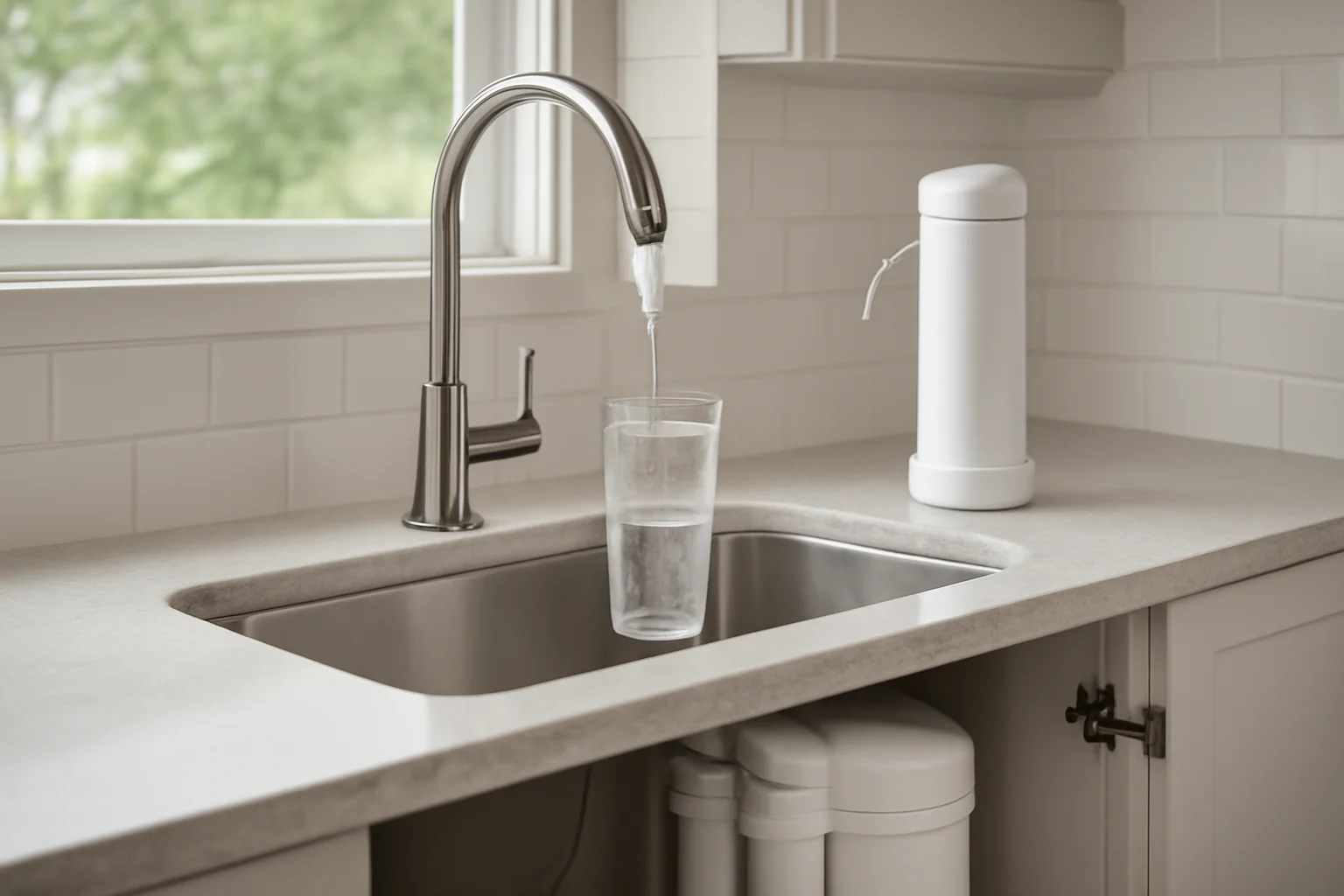
If your water has started to feel “off” in Crestview, FL, it is not always just a bad batch or a temporary nuisance. Hard water and water treatment problems often show up in daily routines, from how soap rinses to how quickly appliances wear out. When water softening is not working as it should, warning signs can appear across the whole home: kitchen, laundry room, showers, and even the water line feeding your dishwasher or water heater.
A Superior Mechanical provides water softening services in Crestview, helping homeowners reduce hard water problems and protect plumbing systems. If you are searching for water treatment near me, water filtration near me, or water softener service, this guide can help you identify what to look for and what to do next.
How Crestview water conditions can create hard water problems
Crestview is in Okaloosa County, where many homes experience water hardness that can lead to mineral buildup. When hard water passes through pipes, water heaters, fixtures, and appliances, dissolved minerals can deposit as scale. Over time, scale buildup on faucets, showerheads, and plumbing reduces efficiency, shortens appliance life, and makes cleaning harder.
In addition, water that is not properly treated may carry taste and odor concerns. That can show up as chlorine taste in water or metallic tasting water, especially when your treatment system is struggling or out of adjustment. The goal of water softening and whole home water filtration is to deliver consistent, clean water for bathing, drinking, cooking, laundry, and appliance performance.
Warning signs your water softener may not be keeping up
Homeowners often notice the effects of hard water before they notice the water itself. Use these signs as a practical checklist.
1) Hard water spots on glass, dishes, and fixtures
Look closely after washing. Do you see cloudy residue on drinking glasses, dull film on plates, or mineral rings around faucets and shower doors? Hard water spots on dishes and glass are classic indicators that minerals are not being controlled. If you wipe the surface and the film remains, it is usually scale, not just soap or detergent.
When soap does not fully rinse, it can combine with minerals and leave a chalky look. This is also where you may notice soap does not lather the way it used to, even when you use the same brand and amount.
2) Scale buildup around faucets, showerheads, and plumbing
Scale buildup on faucets and showerheads is one of the most visible signs that water softening is not working correctly. You might see:
- Clogging or reduced water flow from showerheads
- Rough or crusty edges around spigots
- White or tan deposits at plumbing connections
- More frequent need to descale fixtures
When scale builds up, it can also insulate heating elements inside water heaters and reduce heat transfer, which contributes to appliances wearing out faster.
3) Dry skin or dull hair after bathing
After a shower, do you feel tight, itchy, or unusually dry? Hard water can interfere with how soap and shampoo rinse from skin and hair. If soap does not lather well and residue is left behind, it can leave a film that makes hair look dull and skin feel dry.
This is a common family routine problem. One week everyone is noticing a “different” shower feel, and the next they are buying more conditioner or switching products to compensate.
4) Metallic, chlorinated, or unpleasant taste and odor concerns
Water that tastes off can be a sign of treatment issues beyond just hardness. If you notice metallic tasting water, a chlorine taste in water, or unpleasant odors, you may have a filtration or softening mismatch, or a system that needs service.
For homeowners focusing on better drinking water, this is especially important. Even if water looks clear, taste and odor can indicate that filtration is not addressing the contaminants your family is exposed to during cooking and drinking.
5) Cloudy ice cubes
Cloudy ice cubes are not always about hardness alone. They can suggest trapped air, sediment, or water quality issues that change how water freezes. If you have been keeping an eye on your drinking water and you notice a change in ice clarity, it is worth investigating your treatment system.
6) Poor tasting coffee and cooking water
Take a look at your kitchen. Are coffee flavors muted or does cooking water taste “minerally”? Hard water can affect how minerals interact with ingredients and can also interfere with how flavor compounds dissolve. If you have started noticing poor tasting coffee and cooking water, it may be time to consider better water for drinking and cooking.
Many families also notice that tea, soups, and pasta do not taste as expected. That is often tied to mineral content and whether you have the right water softening and filtration setup.
7) Soap that does not lather or rinse well
If your soap does not lather, you may be fighting hard water. With softened water, soap and detergents usually perform better. When hardness is high, you can end up using more soap, and residue can cling to fabrics, leaving laundry that feels stiff or looks less bright.
8) Visible sediment, discoloration, and odor concerns
Sometimes the problem is more than scale. Visible sediment, discoloration, or recurring odor concerns can point to filtration needs, a malfunctioning treatment system, or issues in plumbing distribution. If you see sediment in sinks or notice discoloration in hot water, treat it as a water quality issue that should be tested and addressed.
Why water softening problems happen
Hard water symptoms can come from a few common causes. Understanding the root issue helps you pick the right fix instead of swapping products or constantly using descaling cleaners.
Salt or media issues
For many softeners, salt levels, brine tank performance, or media condition can affect how effectively the system removes hardness. When the system is not regenerating properly, you can see a gradual decline in performance that eventually becomes obvious on fixtures and laundry.
Incorrect settings or outdated service
Water use patterns change. A growing family, more laundry, or new appliances can shift the demand your system sees. If your softener settings do not match your household use, you can get inconsistent results. Regular maintenance also helps prevent small issues from turning into larger failures.
Clogged lines or worn components
Over time, components can wear or get restricted. That can affect water flow through the system or interfere with regeneration cycles. When that happens, scale buildup around faucets and reduced shower performance are often the first clues.
Not enough filtration for taste, odor, or sediment
Water softening is designed for hardness and scale control, not every water concern. If you have chlorine taste in water, metallic tasting water, or cloudy ice cubes, you may need additional filtration. Many homeowners pair water softening with whole home water filtration or reverse osmosis for drinking water.
How to protect fixtures and appliances with smart maintenance
Homeowners can do a few simple checks, but the safest approach is to combine routine observation with professional water testing and service.
Keep an eye on salt levels and system indicators
If you have a salt-based softener, confirm the brine tank has sufficient salt. Also watch for system alerts or changes in performance. If you have to descale fixtures more often than usual, that is a signal to schedule water softener service.
Watch the shower and faucet patterns
Compare areas. Does one showerhead build scale faster than another? Are you seeing reduced flow or a crusty ring around specific fixtures? Spot patterns can help technicians determine whether the issue is system-wide or limited to a specific section of plumbing.
Test water hardness and verify treatment performance
Hard water symptoms can look similar even when the underlying cause differs. A professional can verify hardness levels and check whether your softener is removing minerals effectively. This is also where you can evaluate whether you need additional clean water systems near me options such as whole home water filtration.
Use the right approach for drinking and cooking water
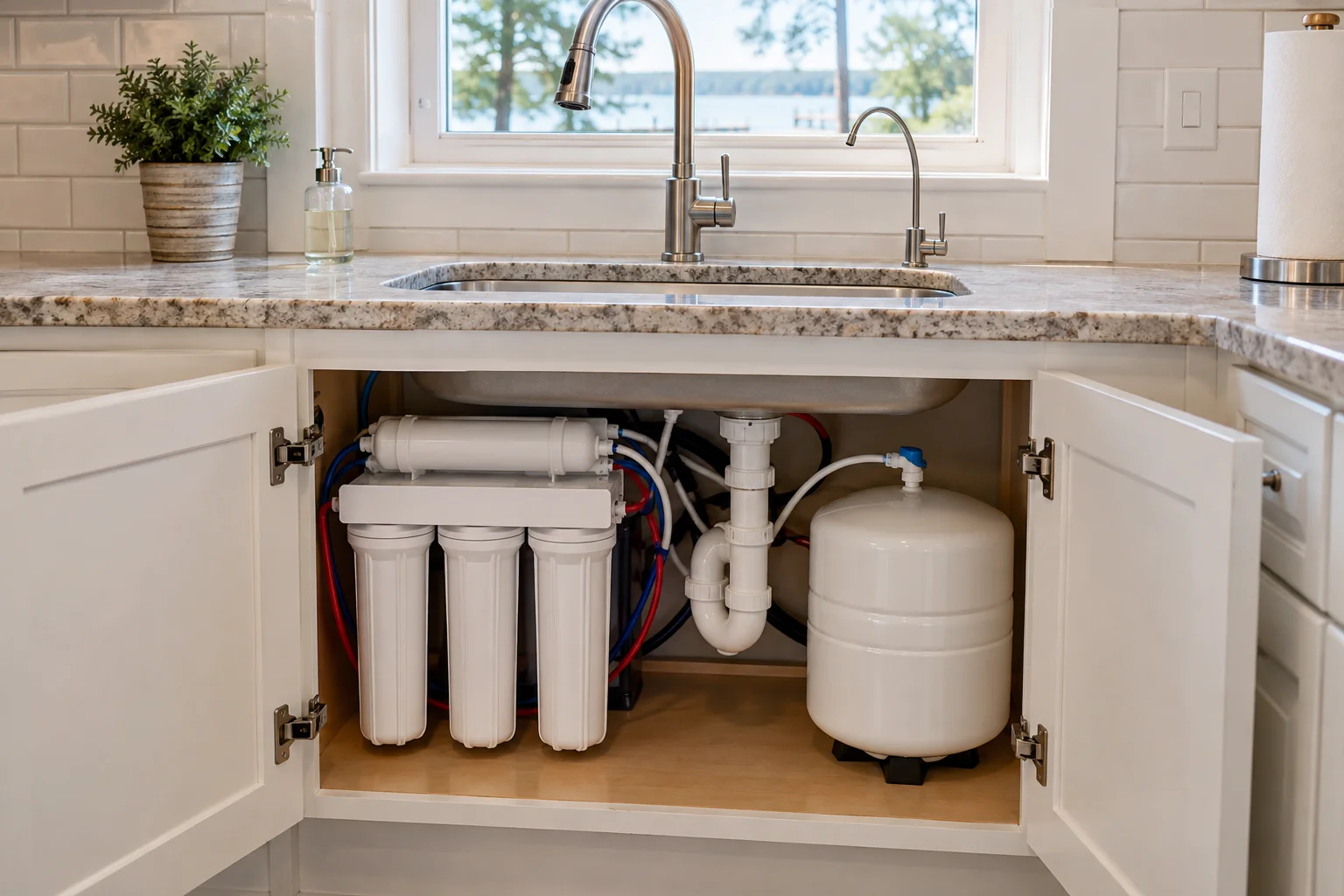
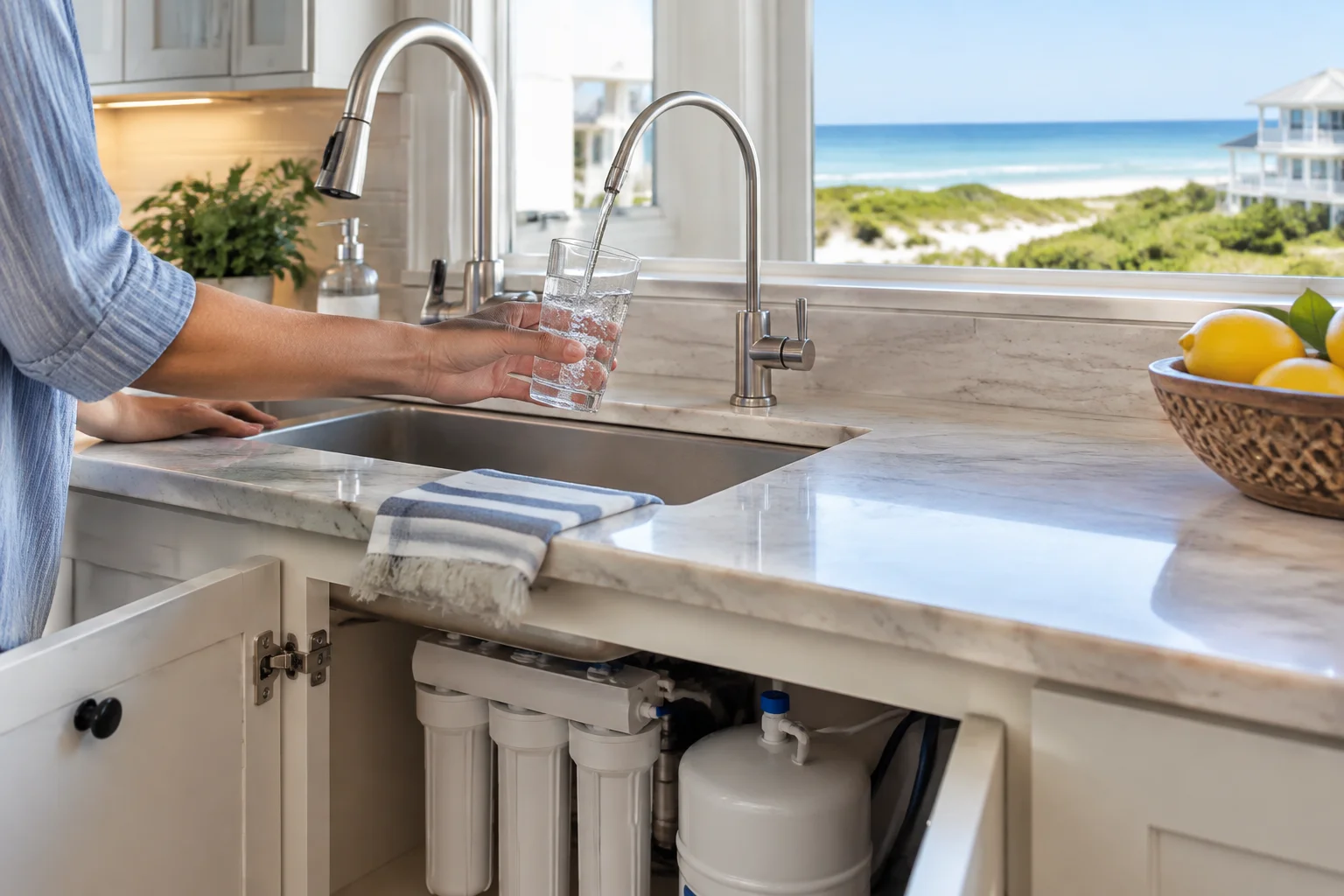
Even with good softening, families often prefer filtered drinking water. That is where reverse osmosis system near me searches make sense. Reverse osmosis can be a strong option for improving taste and reducing certain contaminants for drinking water and kitchen use.
Some homeowners also choose AO Smith water filtration to support whole home protection, especially when they want consistent water quality for bathing, laundry, and appliances.
Stay consistent with filter changes if you have them
If your system includes filtration cartridges, follow the manufacturer’s schedule. Skipping changes can lead to reduced performance and may contribute to odor, taste, or sediment issues.
Where water softening and filtration meet in real life
Think about a typical Crestview day. The kitchen starts with drinking water and coffee. Then the family heads to showers. Laundry runs before the weekend. Dishes go into the dishwasher after dinner. Each of these moments depends on consistent water treatment.
Kitchen moments: drinking water, cooking water, and coffee
When you have better water for drinking and cooking, you usually notice it first in taste. Poor tasting coffee and cooking water can be tied to mineral content and water chemistry. Pairing water softening with targeted filtration, such as reverse osmosis for drinking water, can help you get cleaner flavor and fresher ice cubes.
If you are searching for drinking water filter near me, it is worth thinking about how your whole home system is set up. Whole home water filtration can support consistent water quality throughout the house, while reverse osmosis can focus on kitchen and drinking needs.
Bathroom routines: bathing, shampoo, and soap performance
Dry skin or dull hair after bathing is not only uncomfortable. It can also lead to higher product use. With effective water softening, soap and shampoo can rinse more cleanly, which helps your family feel the difference.
In Crestview’s humid coastal-adjacent environment, many homeowners also notice that bathroom surfaces show mineral residue quickly. If scale buildup on showerheads and fixtures is frequent, water softening and filtration should be part of your clean water systems plan.
Laundry and cleaning: brighter fabrics and less residue
Hard water can leave fabrics feeling stiff or looking less bright. If soap does not lather or rinse well, you may see soap scum on laundry and a film on washer interiors. This can also contribute to appliances wearing out faster over time.
When your system is working, laundry usually feels cleaner, and household cleaning tasks require less effort.
Whole home water filtration vs. reverse osmosis for different needs
Homeowners often ask whether they should choose whole home water filtration, reverse osmosis, or both. The best setup depends on your specific water concerns.
Whole home water filtration for everyday protection
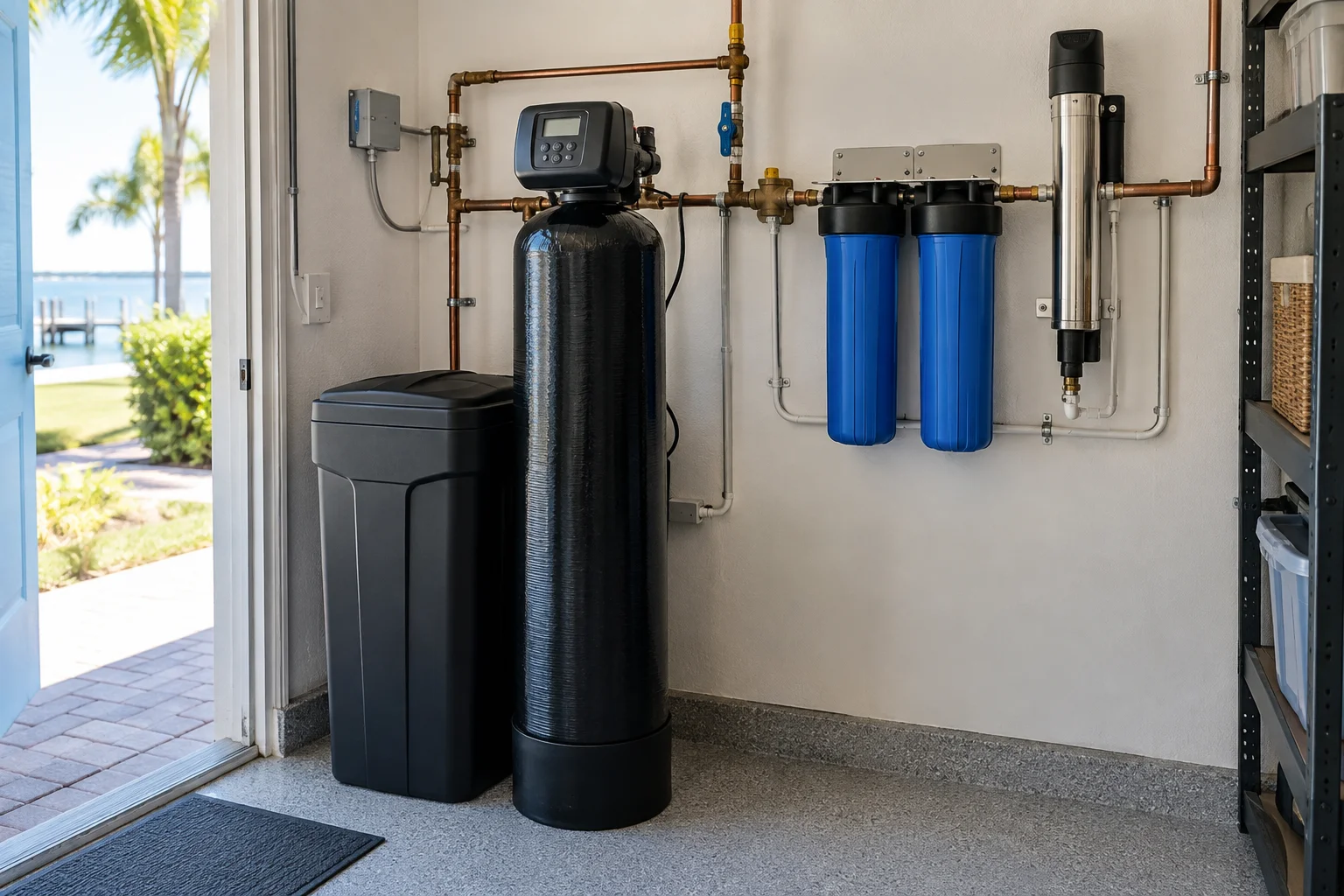
Whole home water filtration near me searches often reflect a desire to improve water quality across the house. Whole home systems can help address sediment, reduce certain contaminants, and support cleaner water for bathing, laundry, and appliances.
Many homeowners also consider AO Smith water filtration for dependable performance and whole home coverage. If you are dealing with visible sediment, discoloration, or recurring taste and odor concerns, whole home filtration may be a strong foundation.
Reverse osmosis for drinking water and kitchen use
Reverse osmosis installation near me is common for households focused on drinking water quality. Reverse osmosis can provide high-quality water for drinking, ice, and cooking water, which is where taste differences are easiest to notice.
For families dealing with metallic tasting water, chlorine taste in water, or cloudy ice cubes, reverse osmosis can be an effective complement to water softening.
When it is time to call a professional in Crestview
If you are seeing multiple warning signs at once, do not wait for the problem to “work itself out.” Scale buildup around faucets, dry skin after bathing, and poor tasting coffee together usually mean your water treatment needs attention.
Call A Superior Mechanical for water treatment near me support when:
- Your fixtures show hard water spots on glass, dishes, or shower doors more often than before
- Showerheads and faucets develop scale buildup quickly
- You notice metallic tasting water, chlorine taste in water, or unpleasant odor
- Ice cubes look cloudy or drinking water tastes noticeably different
- Appliances seem to wear out faster or you need more descaling than usual
You can review options for water softening services in Crestview, FL and learn how softening and filtration work together to protect your plumbing and improve water quality. If you want to understand how systems are planned for whole home results, the water filtration and reverse osmosis water softeners landing page is also a helpful starting point.
If you are comparing broader service context across the region, you can explore Crestview service area coverage and Okaloosa County services.
Helpful habits that support long-term water quality
While professional service is key, a few homeowner habits can reduce the chances of recurring hard water problems.
Pay attention to how your home is changing
If you add a dishwasher, start running more laundry, or have more people in the home, your water use increases. That can shift performance expectations for your softener and filtration.
Use cleaning signs as feedback, not a replacement
Descaling is useful for maintenance, but it should not be your only strategy. If you are constantly scrubbing scale from showerheads or soaking faucets, your system is likely not treating water at the level your home needs.
Coordinate water treatment with other home systems
Water treatment supports plumbing longevity, but it also connects with how your home is maintained overall. Homeowners who want to keep costs down often review their broader plumbing habits too, such as guidance in How Crestview Homeowners Can Make Smarter Choices About Plumbing Services and Smart Plumbing Replacement Habits for Crestview Homes That Help Prevent Costly Repairs.
If you are also dealing with other home issues, you may find the regional approach useful, but water quality should still be addressed directly through testing and water softening service.
For Crestview families, clean water is not just a comfort issue. It is protection for fixtures, appliances, and daily routines. When warning signs show up, targeted maintenance and the right combination of water softening and filtration can help you get back to clear glass, cleaner showers, better drinking water, and fewer mineral headaches.
Find Water Softening Services in Crestview, FL
If you need Water Softening Services in Crestview, FL, visit our local service page or contact A Superior Mechanical today.
For a broader look at whole-home water filtration, reverse osmosis, and water softener options, visit our water filtration, RO, and water softener page.
Map of Crestview, FL
Frequently Asked Questions
What are the most common water quality warning signs that point to hard water or softener problems?
The most common signs include hard water spots on glass and dishes, scale buildup on faucets and showerheads, soap that does not lather or rinse well, dry skin or dull hair after bathing, and cloudy ice cubes. If you also notice metallic tasting water or chlorine taste in water, filtration may need attention too.
Can a water softener fix chlorine taste in water or metallic tasting water?
Water softening primarily targets hardness that causes scale. If you are dealing with chlorine taste in water, metallic tasting water, or unpleasant odors, you may need whole home water filtration or reverse osmosis for drinking water. A water test can confirm what your system should address.
How often should water softeners be serviced in Crestview, FL?
Service schedules vary by system and household water use. Many homeowners benefit from annual inspections or performance checks, especially if you notice new scale buildup, changes in taste or odor, or reduced water flow from showerheads.
Is reverse osmosis a good option for better drinking water in Crestview?
Reverse osmosis can be a strong choice for improving drinking water taste and quality, especially when you notice issues like cloudy ice cubes or poor tasting coffee and cooking water. Many homes pair reverse osmosis for drinking with whole home water filtration and water softening for overall protection.
What should I do first if I suspect my softener is not working?
Start by checking salt levels and observing whether the symptoms are getting worse. Then schedule a professional water test and system evaluation. That is the fastest way to confirm hardness removal performance and determine whether you need water softening service, whole home filtration, or both.
Related Articles
- How Crestview Homeowners Can Make Smarter Choices About Plumbing Services
- Smart Plumbing Replacement Habits for Crestview Homes That Help Prevent Costly Repairs
- Understanding Electrical Financing Before Small Problems Turn Unsafe in Crestview
- Protecting Crestview Homes With Smarter Electrical Integration
Photo Gallery