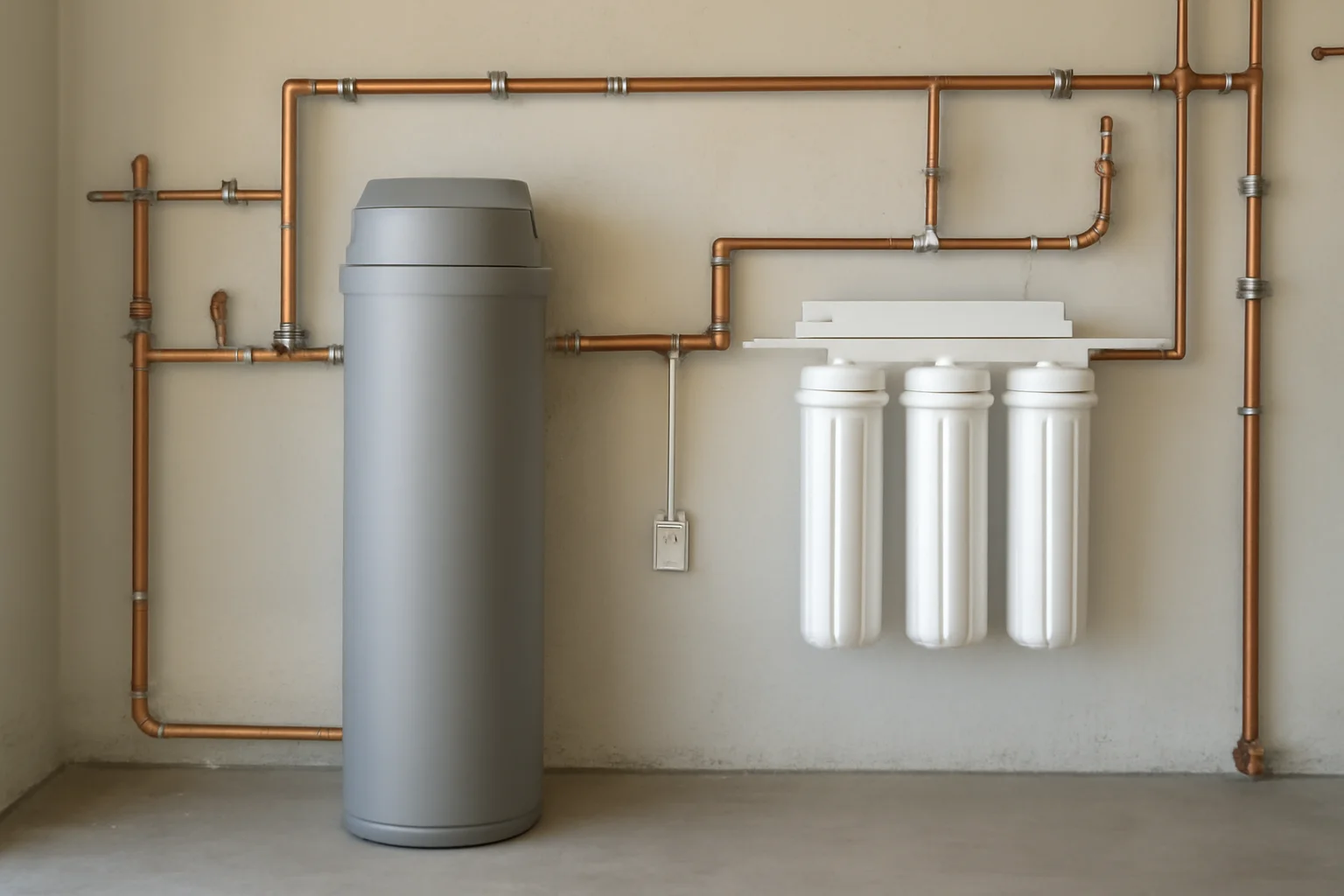
Water quality problems often sneak in quietly, especially in older homes where plumbing has already seen decades of use. In Lynn Haven, FL, the daily effects of hard water can show up on glassware, shower walls, and even in how your skin feels after a bath. When those warning signs appear, homeowners usually look at “plumbing” first. But many of the most common culprits are tied to water treatment, including water softening performance, filtration, and how well your system is protecting fixtures and appliances.
This guide covers the water quality warning signs connected to water softening in Lynn Haven, explains why they can shorten the life of plumbing fixtures, and outlines practical steps to protect your home. It also touches on where reverse osmosis and whole home water filtration can help, especially for drinking and cooking water.
Why hard water and softening problems damage fixtures faster than most people realize
Hard water contains high levels of dissolved minerals, primarily calcium and magnesium. When water evaporates, those minerals leave behind scale. Over time, scale buildup around faucets, showerheads, and inside plumbing reduces flow, increases wear, and makes fixtures look older than they should.
Water softening is designed to reduce those minerals by exchanging them with sodium or potassium. When a softener is working properly, you typically see fewer hard water spots on glass, cleaner shower surfaces, and better rinse performance from soap and detergents. When softening fails or underperforms, minerals continue to deposit throughout your home, including in places you cannot see.
That matters in Lynn Haven because many homes, newer and older, rely on aging plumbing systems, water heaters, and water-using appliances that are sensitive to scale. Even small changes in water hardness, household demand, or system settings can shift how quickly scale forms.
Warning sign #1: hard water spots on glass, dishes, and fixtures
If you are noticing hard water spots on glassware, cloudy film on dishes, or spots that wipe off only partially, it can be a sign that softening is not keeping up. Homeowners often describe it as “the water looks clean, but the glass never stays clear.”
Scale buildup around faucets and showerheads is another common clue. You may see crusty rings around aerators, rough-looking deposits on metal, and a dull finish on chrome or stainless fixtures. In some cases, you will see the problem worsen after periods of heavy water use, like laundry days, back-to-back showers, or running the dishwasher frequently.
These symptoms can also appear when a softener is running but not regenerating correctly, the resin bed is exhausted, or the unit is incorrectly sized for the household. If you are searching for water softener service near me, it is usually because the visible signs are starting to cost money and time.
Warning sign #2: scale buildup around faucets and showerheads that keeps returning
Scale buildup around faucets, showerheads, and plumbing joints is not just cosmetic. Deposits can reduce water pressure and flow, and they can clog small openings inside fixtures. Over time, that means more frequent cleaning, weaker spray patterns, and fixtures that wear out sooner.
For homeowners, the most frustrating part is that the buildup seems to come back quickly, even after scrubbing. When scale returns fast, it often points to insufficient hard water treatment at the softener outlet.
In Lynn Haven homes, this can be especially noticeable in bathrooms where the showerhead is on for long periods. You may also see the problem in kitchens where the faucet aerator collects mineral deposits and requires more frequent removal and cleaning.
Warning sign #3: dry skin or dull hair after bathing
Many people connect skin and hair changes to shampoo or weather, but hard water can play a role. When minerals are high, soap does not lather as well. That can leave a residue on skin and hair, contributing to dryness, tightness, or dull-looking hair.
Even if your home has a water softener, this warning sign can appear when the softener is not treating water consistently. It can also happen if you are using a separate filtration system that does not protect bath water, or if the softener bypass is open.
When you compare bathing experiences room to room or notice that the issue started after a system change, it is worth checking water treatment performance rather than assuming it is just “normal.”
Warning sign #4: soap that does not lather or rinse well
Soap that does not lather or rinse well is one of the clearest hard water indicators. If you feel like you need more soap than usual, or you keep getting that slippery film that does not fully rinse away, your water may still be hard or partially treated.
For families in Lynn Haven, this can show up during everyday routines: handwashing dishes, laundering clothes, and bathing kids after beach or pool days. You might also notice laundry that feels stiff or looks less vibrant than it should.
When hard water treatment becomes part of protecting fixtures and appliances, it is not only about preventing scale. It is also about improving how water behaves with soap, detergent, and personal care products.
Warning sign #5: metallic, chlorinated, or unpleasant taste and odor concerns
Some water quality complaints are not purely about hardness. Homeowners sometimes describe metallic tasting water, a chlorinated taste, or an unpleasant odor. Even when you have a softener, taste and odor issues can still be present because softeners primarily target scale-forming minerals, not every taste or contaminant concern.
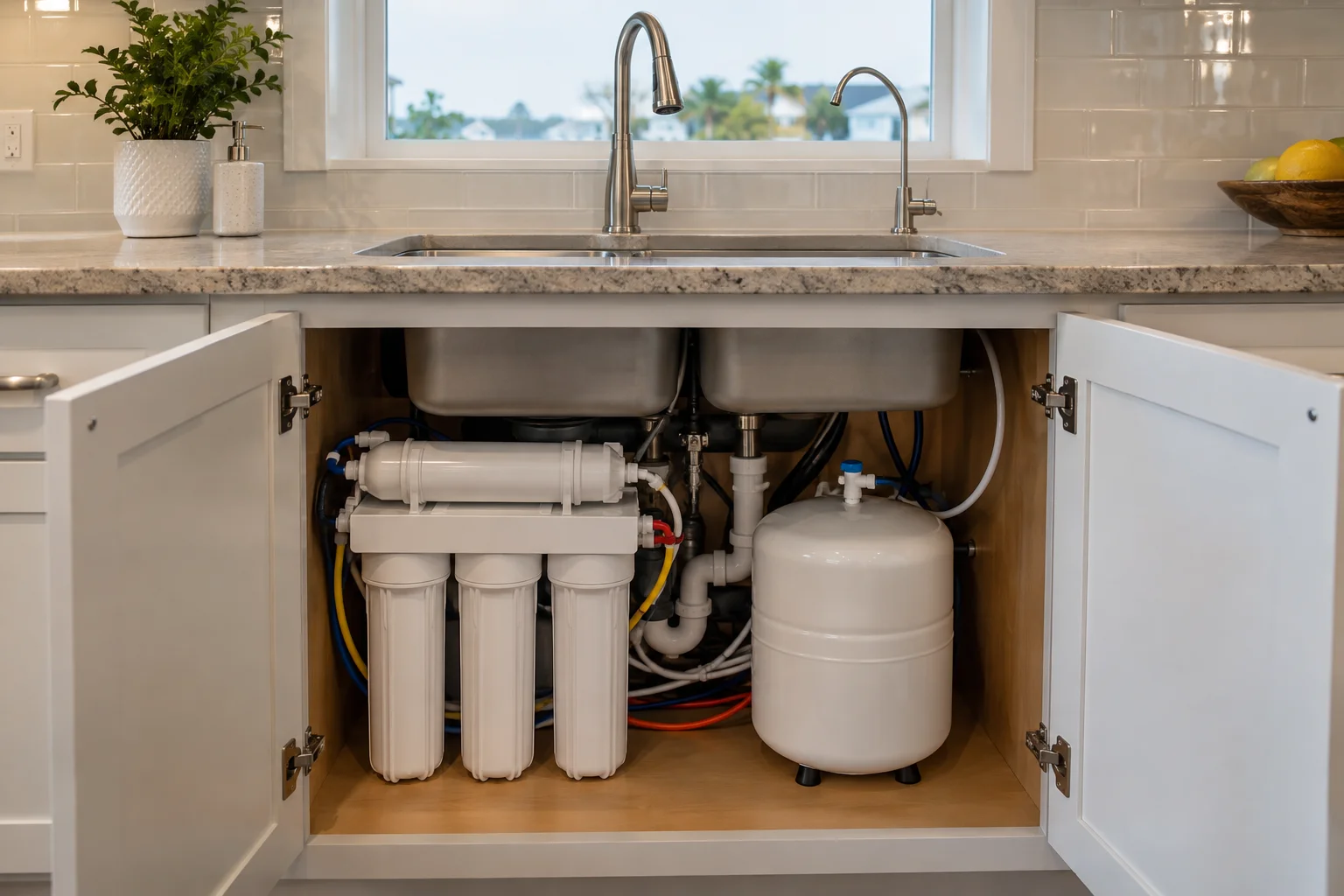
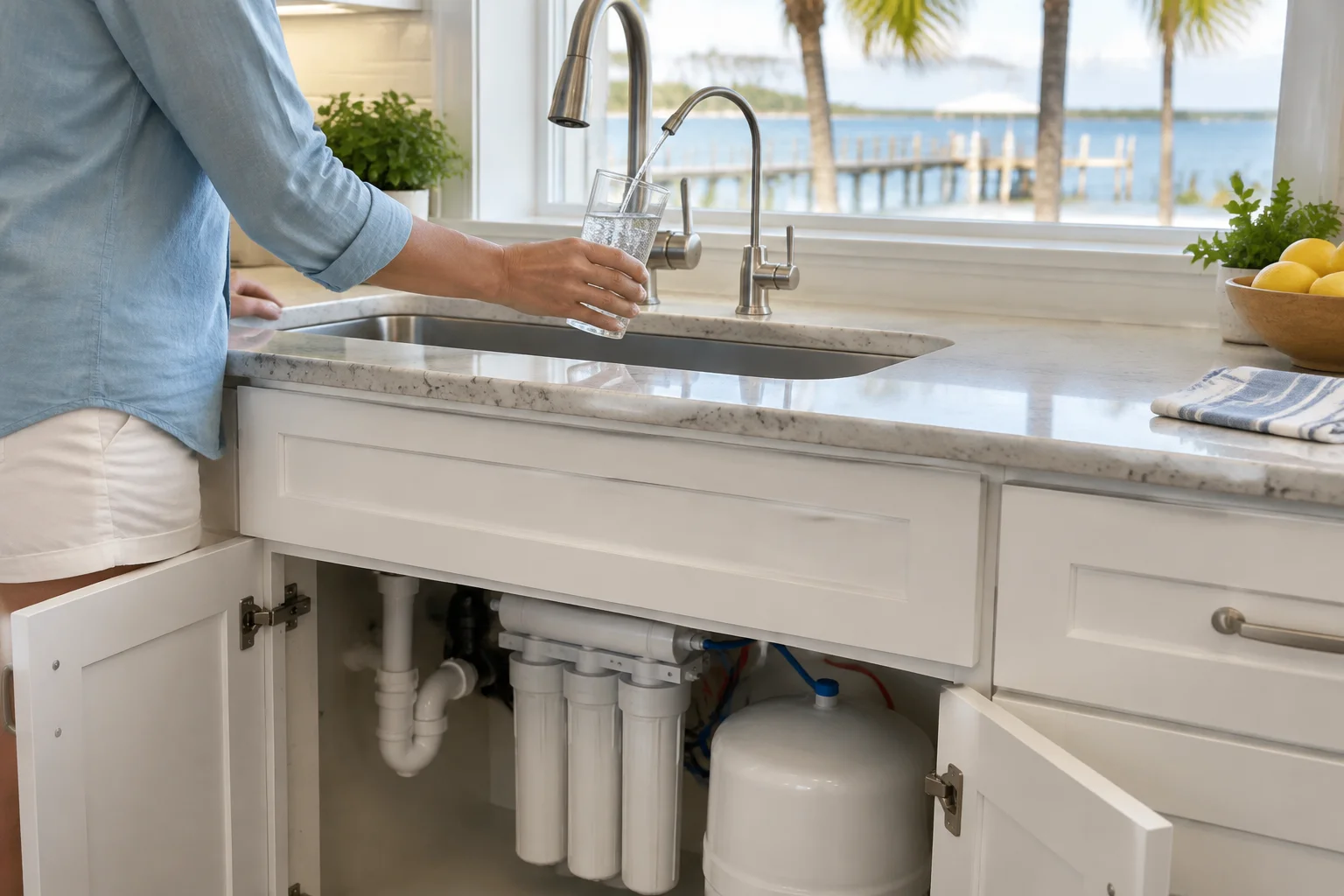
This is where filtration can matter. Whole home water filtration can help reduce sediment and improve overall water quality throughout the house. For drinking and cooking water, reverse osmosis systems and drinking water filter solutions can provide a more focused approach.
If your kitchen is where your family gathers for coffee and meal prep, taste matters. Poor tasting coffee and cooking water can change how everything tastes, even when the recipe is the same. Many homeowners find that adding a drinking water filter near me solution improves day-to-day water enjoyment.
Warning sign #6: cloudy ice cubes
Cloudy ice cubes can be a sign that your water has sediment, air or mineral content, or filtration issues. In homes with softeners, cloudy ice can still happen if fine sediment is passing through or if your system includes bypasses or aging components.
Because ice is made from the same water you drink, this is one of those “small visual clues” that often deserves attention. If you are noticing cloudy ice and you also have sediment or discoloration concerns, it can point to filtration or water treatment performance that is not fully addressing the problem.
Warning sign #7: visible sediment, discoloration, and odor concerns
Visible sediment in household water is a red flag. Discoloration, particles, and recurring odor concerns can affect drinking water, laundry, and even how appliances perform. Scale can coat internal surfaces, but sediment can also clog filters and strain components.
In older Lynn Haven homes, sediment can come from plumbing materials, aging supply lines, or disturbed deposits. In newer homes, it can still show up if a filtration system is undersized or not maintained.
If you are worried about clean water systems near me, it is worth evaluating the full treatment chain: where water enters, what the softener handles, and what filtration handles. Whole home water filtration can reduce sediment and help protect fixtures and appliances, while reverse osmosis can target drinking water concerns at the point of use or under-sink setup.
Warning sign #8: appliances wearing out faster
Hard water affects more than faucets. It can shorten the life of appliances that heat or spray water, including:
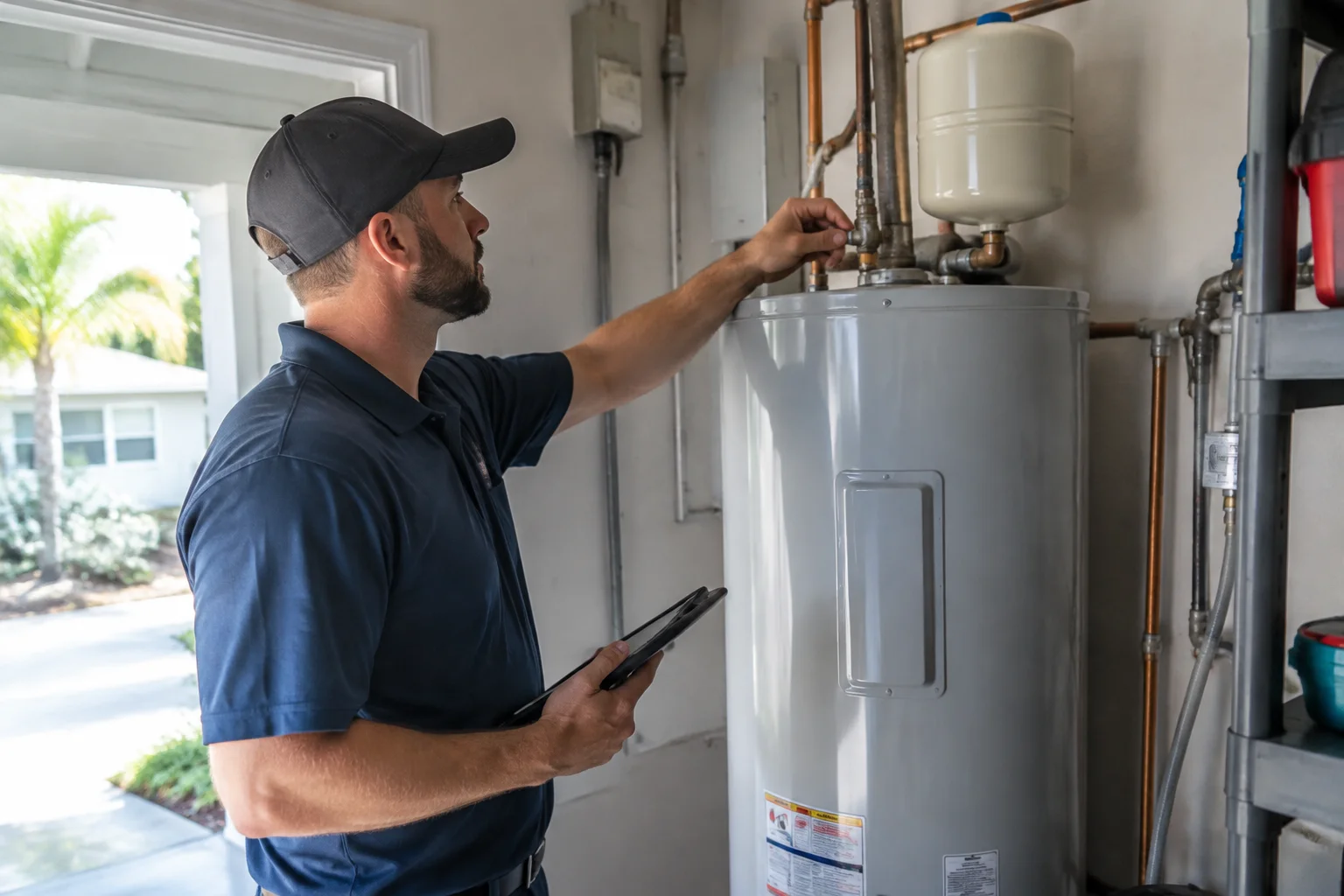
- Water heaters, where scale buildup reduces efficiency and increases stress
- Dishwashers, where mineral deposits can reduce performance
- Clothes washers, where scale can contribute to residue and stiffness
- Espresso machines and kettles, where scale builds quickly
When appliances wear out faster than expected, homeowners often assume it is age or poor maintenance. But scale can turn a “normal” wear timeline into a shorter one. That is why homeowners searching for water filtration near me or water softener service near me often end up focusing on water treatment upgrades, not just appliance replacement.
If you want a deeper look at how everyday water and plumbing wear can compound over time, you may also find this helpful: How Everyday Plumbing Wear and Tear Shortens Water Heater Life in Lynn Haven Homes.
Warning sign #9: poor tasting coffee and cooking water
The kitchen is where water quality becomes personal. If your coffee tastes off, if cooking water leaves flavors dull or metallic, or if broth or rice takes on an odd taste, it can be related to mineral content, chlorine taste, or sediment.
Water softening can help with mineral hardness, but it may not address taste and odor concerns. That is why many Lynn Haven families pair softening with additional treatment for drinking and cooking. Reverse osmosis installation near me is a common search when homeowners want a more consistent flavor and cleaner results for beverages.
For households that want an all-in-one approach, whole home water filtration can improve water quality throughout the day, while a dedicated drinking water filter or reverse osmosis system can refine taste at the kitchen sink.
How older vs newer homes can show different water softening warning signs
Older homes: more “hidden” buildup and inconsistent treatment
In older Lynn Haven homes, the plumbing system may have mineral deposits already built up in pipes, fixtures, and water heater components. Even if you install a water softener later, scale that was already formed can take time to fully clear. You may notice that some fixtures improve while others still look rough for a while.
Older homes can also have older shutoff valves, worn seals, or plumbing configurations that affect how water flows through treatment equipment. That is why a professional water test and system inspection matters.
Newer homes: system sizing, demand spikes, and bypasses
Newer homes may be “cleaner on day one,” but water treatment can still fail due to sizing and installation details. If a softener is undersized for household demand, it may regenerate too late, leaving water hard between cycles.
Demand spikes also matter. A busy family week with more showers, laundry, and dishwasher runs can push the softener beyond its capacity. If the unit is not configured correctly, you might see warning signs appear only at certain times of day.
Bypasses and plumbing routing changes after renovations can also lead to softened water not reaching certain fixtures, especially outdoor spigots, garage lines, or specific bathroom feeds.
What can shorten the life of plumbing fixtures when softening fails
When softening does not perform as intended, the same mineral and water quality issues that cause visible scale also accelerate fixture wear. Here are the main ways hard water can shorten the life of plumbing fixtures:
- Scale buildup on faucets and showerheads: deposits clog aerators and restrict flow, forcing fixtures to work harder.
- Reduced efficiency in valves and cartridges: mineral accumulation can interfere with smooth operation.
- Faster corrosion and finish damage: mineral films can trap moisture and affect appearance over time.
- More frequent cleaning: aggressive cleaners used to remove scale can wear finishes if used too often.
- Appliance stress: scale in water heaters and heating elements reduces efficiency and increases wear.
Homeowners often focus on what they can see, like hard water spots on glass. But the bigger long-term cost is the wear happening inside fixtures and appliances.
Common causes behind softener underperformance in Lynn Haven
If you are seeing warning signs, the issue is often one of the following:
- Salt and brine problems: too little salt, bridging, or incorrect salt type can prevent proper regeneration.
- Exhausted resin: the softener resin bed can lose effectiveness over time.
- Wrong settings: incorrect hardness settings, regeneration frequency, or clock issues can leave water untreated.
- Undersized equipment: household changes can outgrow the original system.
- Bypass valves open: softened water may not be reaching all plumbing lines.
- Water quality changes: local conditions can shift hardness levels or sediment load, affecting performance.
Lynn Haven homes also experience typical Florida seasonal changes that can influence water use patterns. More outdoor activity can increase irrigation or laundry volume, which can indirectly affect softener regeneration cycles.
Where AO Smith water softeners and whole home filtration fit in
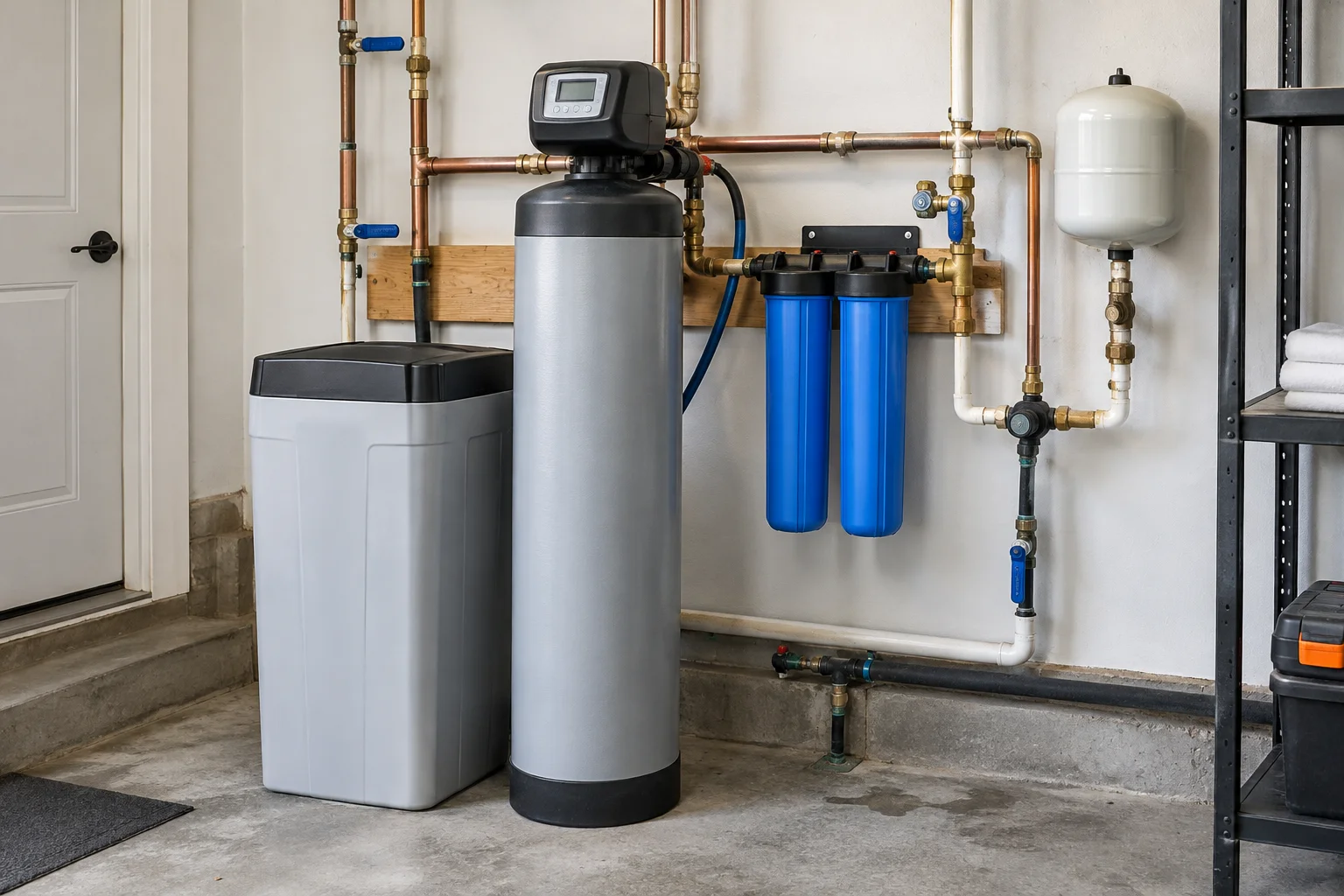
Many homeowners choose AO Smith water filtration and water softening solutions because the systems are built for consistent, whole-home protection when properly sized and maintained. For families who want dependable water softener service in Lynn Haven, an AO Smith water softener can reduce scale-causing minerals and help protect fixtures and appliances from the wear that comes with hard water.
However, softening alone does not always address taste, odor, sediment, and cloudy ice. That is why pairing softening with whole home water filtration can be a smart strategy. Whole home filtration can help reduce sediment and improve water quality across the home, while reverse osmosis can provide targeted treatment for drinking and cooking water.
If you are comparing options for clean water systems near me, it helps to think in layers: soften what causes scale, filter what affects clarity and taste, and refine drinking water where flavor matters most.
Practical steps homeowners can take right now
Start with a water test, not guesswork
Visible signs are useful, but a proper test tells you what is actually happening. Ask for a full look at hardness levels, sediment, and any taste or odor concerns. If you already have a softener, the test should confirm whether softened water is reaching the fixtures you care about.
Check the basics of the softener setup
Homeowners can often confirm salt level and whether the unit is cycling as expected. If you notice the unit is not regenerating or the salt is not dissolving properly, that is a strong clue.
Inspect problem areas for scale patterns
Look for scale buildup around faucets, showerheads, and aerators. If only certain fixtures show hard water spots, it can indicate a routing or bypass issue. If everything looks affected, it may point to overall softener performance.
Consider reverse osmosis for drinking and cooking
If you are dealing with metallic tasting water, chlorinated taste, or poor tasting coffee water, reverse osmosis installation near me can help provide better water for drinking and cooking. Many families like the idea of reliable results for coffee, tea, and meal prep, while still using softened water throughout the home.
To explore options for whole home solutions, you can review the service page here: /service-areas/bay-county/lynn-haven/water-softening-lhfl.
If your goal is broader water quality improvement, including filtration and whole home water filtration, start with this landing page: /water-filtration-ro-water-softeners.
To learn more about local service coverage and how A Superior Mechanical supports homeowners across the area, visit: /service-areas/bay-county/lynn-haven and /service-areas/bay-county.
Maintenance habits that help your softener last longer
Even a well-designed system needs routine care. A few habits can keep performance steady and reduce the chance of sudden water quality surprises:
- Keep salt at the proper level and avoid letting the unit run low.
- Use the correct salt type recommended for your system.
- Schedule periodic water testing so you can catch drift before fixtures and appliances pay the price.
- Request professional checks on resin condition and regeneration performance when warning signs appear.
If your home has been dealing with water quality inconsistencies, it can also be helpful to pair water treatment improvements with broader preventive care. For example, scale and sediment can be a symptom, but hidden plumbing issues can also affect water flow and how treatment equipment operates. This guide can help with that bigger picture: Cleaner Water, Smarter Plumbing: A Lynn Haven Homeowner's Guide to Preventing Problems.
When to call a professional water treatment team in Lynn Haven
Call A Superior Mechanical for water softener service and water filtration support when you notice multiple warning signs, when they worsen quickly, or when you suspect your system is not regenerating correctly. It is also worth calling if you have a new system that seems to underperform, or if you recently changed household size, renovated plumbing, or added new water-using appliances.
Professional testing and system inspection can confirm whether the issue is hardness, sediment, taste and odor, or a softener performance problem. That is how homeowners protect plumbing fixtures, extend appliance life, and get better water for drinking and cooking instead of repeating the same cleaning cycle.
If you are planning ahead for seasonal changes and want a proactive plan, you may also like: Planning Water Softening Ahead in Lynn Haven for Healthier Drains and Longer-Lasting Pipes.
And if you are noticing water quality issues alongside plumbing concerns, these preventive resources can help: Why Lynn Haven Families Rely on Preventive Plumbing Care for Hidden Leaks and Slab Repairs.
Find Water Softening in Lynn Haven, FL
If you need Water Softening in Lynn Haven, FL, visit our local service page or contact A Superior Mechanical today.
For a broader look at whole-home water filtration, reverse osmosis, and water softener options, visit our water filtration, RO, and water softener page.
Map of Lynn Haven, FL
Frequently Asked Questions
Can a water softener cause cloudy ice cubes or sediment in household water?
Yes, if the softener is not the only issue. Softening reduces hardness, but it does not automatically remove sediment or improve clarity. Cloudy ice cubes can point to sediment, filtration gaps, or other water quality concerns that whole home water filtration or reverse osmosis can address.
Why do I still see hard water spots on glass even though I have a softener?
Common causes include an undersized system, incorrect settings, exhausted resin, or brine and regeneration problems. Also check for bypass valves or plumbing routing changes. A water test and system inspection can confirm whether softened water is reaching the fixtures.
Will water softening improve the taste of drinking water and coffee?
Softening can help by reducing mineral hardness, but it does not reliably remove chlorine taste, odor, or all sediment. For better drinking water and poor tasting coffee water, many Lynn Haven homeowners pair softening with a drinking water filter or reverse osmosis.
How do I know if I need reverse osmosis or whole home water filtration?
If you are mainly dealing with scale and “spotting” on fixtures, water softening is often the first focus. If you also notice sediment, discoloration, metallic tasting water, cloudy ice cubes, or unpleasant odor, whole home water filtration can help across the house, while reverse osmosis is often chosen for drinking and cooking water quality.
How can water treatment issues shorten the life of my plumbing fixtures and appliances?
When softening is not working, scale buildup on faucets, showerheads, and inside plumbing restricts flow and increases wear. Scale also forms on heating elements in appliances like water heaters and kettles, reducing efficiency and shortening lifespan.
Related Articles
- Planning Water Softening Ahead in Lynn Haven for Healthier Drains and Longer-Lasting Pipes
- How Everyday Plumbing Wear and Tear Shortens Water Heater Life in Lynn Haven Homes
- Why Lynn Haven Families Rely on Preventive Plumbing Care for Hidden Leaks and Slab Repairs
- Cleaner Water, Smarter Plumbing: A Lynn Haven Homeowner's Guide to Preventing Problems
Photo Gallery