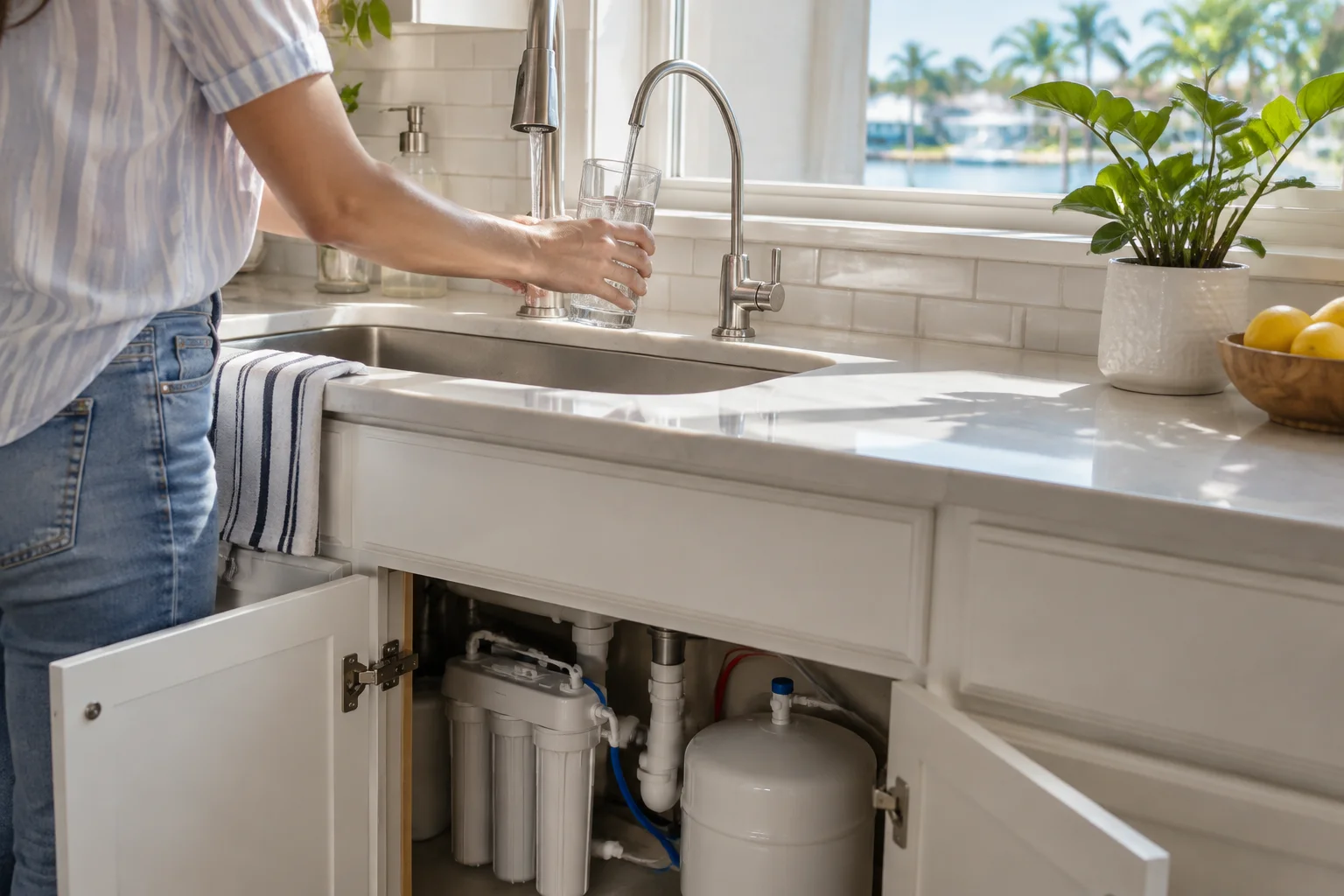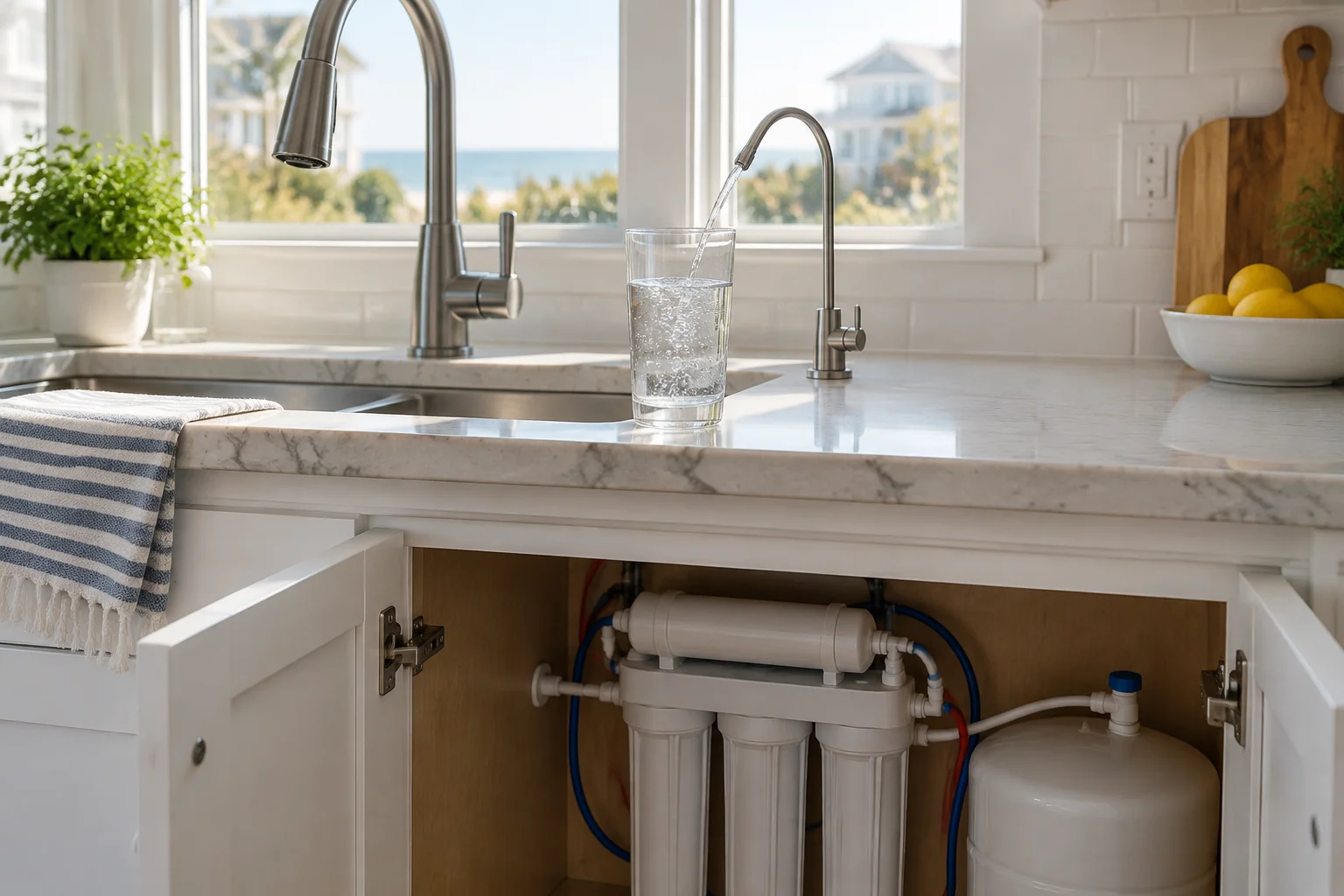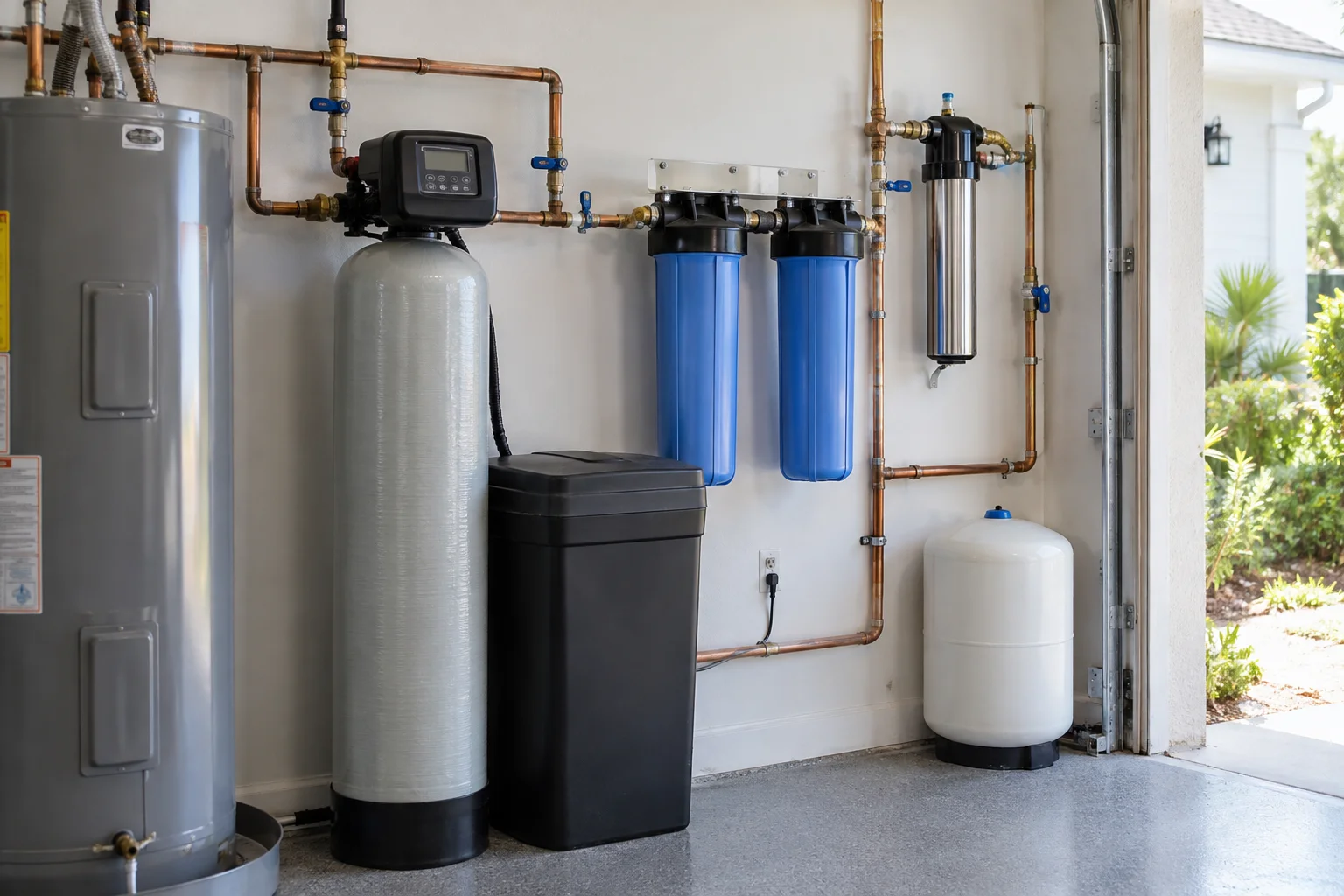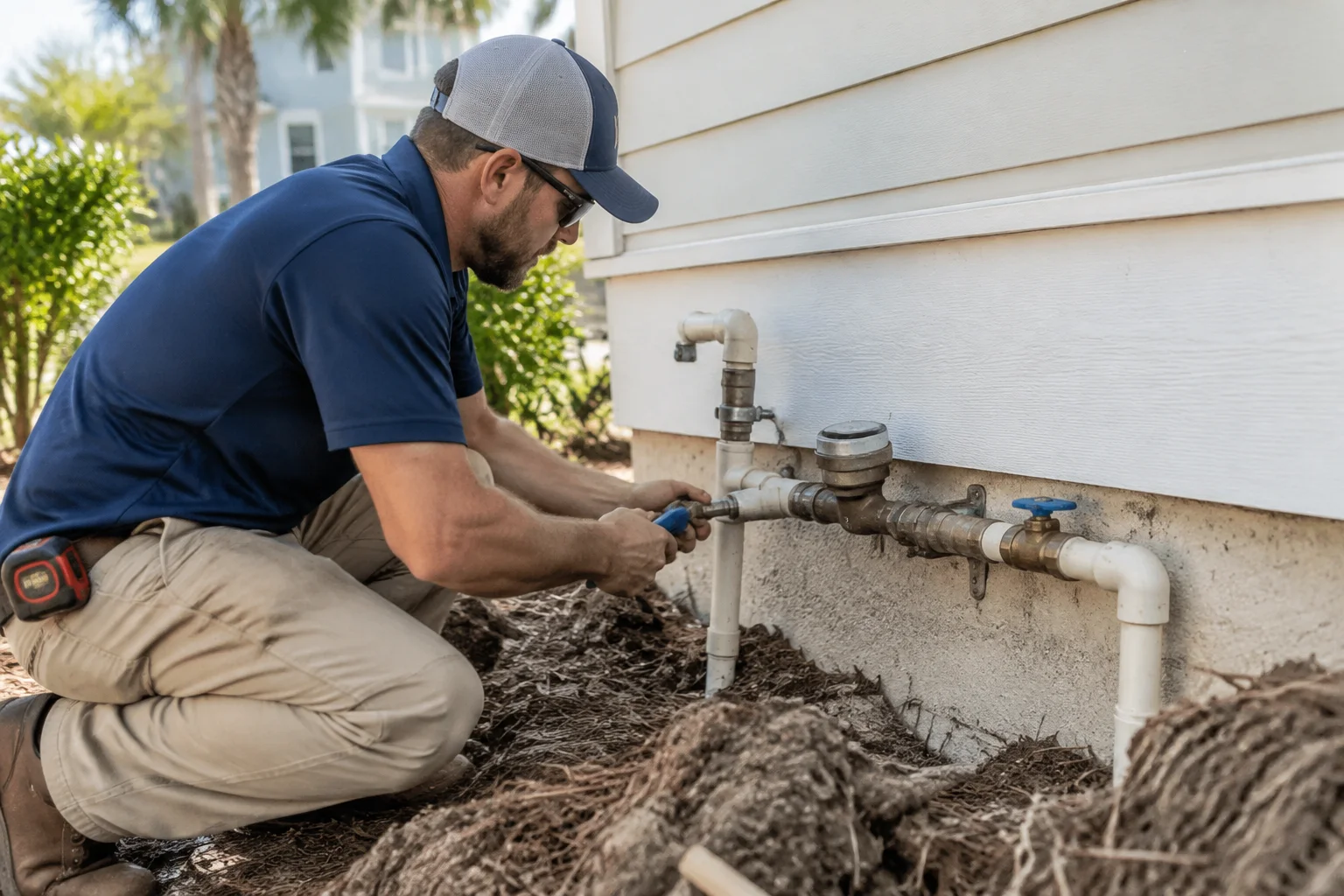
Freeport homes rely on clean water for everything from morning coffee to bath time and laundry. A reverse osmosis (RO) system can help deliver better tasting drinking water, but it is not a set-and-forget appliance. When sediment builds up, filters age, or chlorine and other feed water issues change, your RO system can start showing warning signs. Knowing what to look for helps you protect your family, your plumbing, and your appliances.
If you are searching for reverse osmosis systems in Freeport, FL or water filtration and reverse osmosis solutions, this guide walks through the most common water quality warning signs homeowners notice, what they usually mean, and how to reduce sediment, odor, and chlorine concerns with the right service plan.
Why Freeport RO systems can develop water quality problems
Freeport sits in Walton County, Florida, where warm temperatures and seasonal shifts can affect how your home’s water behaves. Many homes see a mix of dissolved minerals, occasional sediment, and disinfectants in the incoming water supply. In coastal areas, water chemistry can also vary over time. Even when the source is treated, the water entering your home can carry particles and tastes that your RO system is designed to reduce.
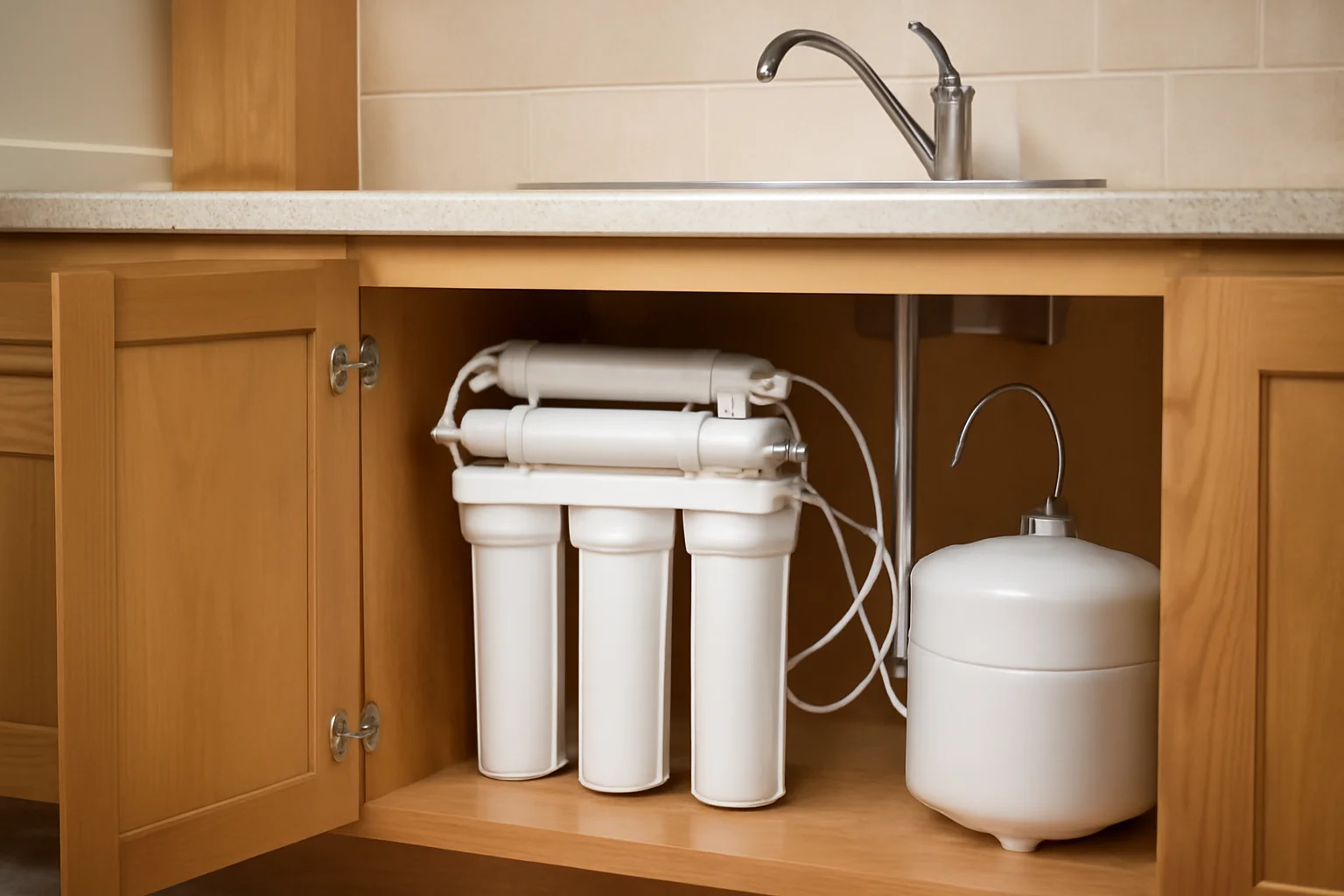
RO works by pushing water through a semi-permeable membrane. Before it reaches the membrane, pre-filtration helps protect the membrane from sediment and scale-forming minerals. If those filters are overdue or if the system is not matched to your water conditions, you may start noticing:
- Visible sediment, discoloration, and odor concerns
- Cloudy ice cubes or hazy drinking water
- Metallic, chlorinated, or unpleasant taste
- Hard water buildup on fixtures even after RO is installed
These issues do not always mean the RO system is “bad.” Often it means the system needs maintenance, the wrong components were installed, or a whole home or point-of-use strategy is missing.
RO water warning sign #1: Cloudy ice cubes or hazy drinking water
One of the first things families notice is ice that looks cloudy. Homeowners may also see cloudy water in clear glasses. This can happen for a few reasons:
Common causes
- Air or pressure changes: RO systems can create small bubbles that settle, especially if the tank or faucet aerator is acting up.
- Filter media or fines: A failing pre-filter or membrane-related issue can allow tiny particles to pass through.
- Scale and mineral imbalance: When minerals are not being controlled, scale can affect membrane performance and water clarity.
What to do at home
Check whether the cloudiness is constant or only happens right after you draw water. If the issue is new, it often points to a filter schedule problem. If you see sediment along with haze, avoid using the water for drinking and cooking until the system is inspected.
RO water warning sign #2: Metallic or chlorinated taste that returns
RO is designed to reduce many taste and odor compounds. When you start detecting a metallic, chlorinated, or unpleasant taste in water that used to taste clean, something has changed.
Common causes
- Chlorine breakthrough: If the system’s carbon stage or pre-treatment is exhausted, chlorine can make it through and show up in the glass.
- Old cartridges: Sediment and carbon filters lose effectiveness over time, even if the system still “sounds” normal.
- Membrane aging: A membrane that is nearing the end of its life can let more dissolved solids and off-tastes through.
Kitchen scene: what this looks like
Think about your daily routine. Water for drinking and cooking water should taste fresh enough for coffee and tea. When RO water starts tasting metallic or chlorinated, you may notice:
- Poor tasting coffee and cooking water
- Food flavors that taste “off” compared to bottled water
- Kids refusing water at dinner because it tastes different
If your RO water flavor has changed, it is a strong sign you need a technician to evaluate filter life, carbon performance, and membrane condition.
RO water warning sign #3: Visible sediment or discoloration at the RO faucet
Some homeowners describe it as “gritty water” or “brownish tint” in the first glass. Others notice a speckled look in the sink or on the countertop.
Common causes
- Pre-filter failure: If the sediment pre-filter is clogged or damaged, particles can reach later stages.
- Biofilm or stagnant water: If the system has not been used for a while, or if maintenance has been delayed, microbial growth can contribute to odor and discoloration.
- Improper installation or missing components: A RO system that is not properly configured for local conditions can underperform.
Why this matters
Visible sediment is not just an appearance issue. It can affect how your drinking and cooking water tastes, and it can also increase wear on appliances connected to the RO line.
RO water warning sign #4: Soap that does not lather or rinse well
RO systems typically treat water at a specific point of use, like your kitchen drinking water tap. They do not automatically solve whole home hard water problems. In Freeport, where hard water spots can show up, homeowners can still experience classic hard water symptoms even if RO is installed.
If you notice soap that does not lather or rinse well, that is often a sign your home needs hard water treatment. Hard minerals can interfere with cleaning and leave residue on skin and laundry.
What you might see around the house
- Hard water spots on glass, dishes, and fixtures
- Scale buildup around faucets, showerheads, and plumbing
- Dry skin or dull hair after bathing
This is where many Freeport families connect the dots: the RO faucet tastes better, but the rest of the home still feels “dry” or leaves spots on everything.
RO water warning sign #5: Dry skin, dull hair, and bath time that feels different
When hard water is high, minerals can cling to skin and hair. Homeowners often describe hair that feels coated or dull, and skin that feels dry after bathing, especially after long showers.
If your RO system is only feeding the kitchen tap, it may not address these whole-home effects. For families in Freeport, this is a common reason to consider water softening or whole home water filtration alongside RO.
If you have been relying on RO alone and the rest of your water still feels harsh, you may benefit from an approach that includes water softener installation or a whole house water filter strategy.
RO water warning sign #6: Appliances wearing out faster
When minerals and sediment are not controlled, they can shorten the lifespan of household appliances. Even if your kitchen water tastes fine, scale buildup in pipes and appliances can still be happening.
Where scale shows up
- Water heater efficiency dropping over time
- Faster clogging in showerheads
- Dishwasher buildup and spotty results
- Reduced performance in coffee makers and kettles
In Freeport’s climate, hot water use and humidity can make scale and residue more noticeable. When hard water treatment becomes part of protecting fixtures and appliances, you often see improvements in both appearance and appliance longevity.
How to reduce sediment, odor, and chlorine concerns with the right RO setup
Reducing sediment, odor, and chlorine issues is not about one magic filter. It is about matching your system to your incoming water and keeping maintenance current. Here are the practical steps homeowners can take.
1) Confirm your RO has proper pre-filtration
Sediment is the RO system’s biggest enemy. A properly sized pre-filter stage helps protect the membrane. If you see visible sediment in RO water, it often points to pre-filter problems.
A professional can check the condition of your sediment filter, verify flow rate, and ensure the system is configured for Freeport water conditions.
2) Make sure chlorine reduction is actually working
Chlorine taste and odor can return when carbon filtration is depleted. If your RO water tastes metallic or chlorinated, a technician should evaluate the carbon stage and test performance where appropriate.
For homeowners troubleshooting reverse osmosis system near me concerns, the key is not only replacing parts, but verifying that the system is reducing the specific taste and odor compounds you are detecting.
3) Address scale with the right water softening plan
RO can be affected by scale. When minerals build up, the membrane can struggle and water clarity and taste can drift. This is why many homes benefit from pairing RO with water softening or other scale control.
Some homeowners choose AO Smith water filtration solutions as part of a layered approach. AO Smith is also commonly discussed for water treatment systems that support cleaner, more consistent water for the home. Your best option depends on your household needs, plumbing layout, and water test results.
If your kitchen RO is only part of the picture, consider whether you need water softener service near me or a whole home water filter to reduce hard water spots on glass, fixtures, and shower surfaces.
4) Consider whole home water filtration for day-to-day improvement
Many Freeport homeowners want better water for drinking and cooking, but they also want it for bathing, laundry, and fixtures. A whole house water filter can reduce sediment and improve water quality beyond the RO faucet.
When you combine whole home filtration with RO, you often get the best of both worlds: better tasting drinking water at the tap and cleaner water throughout the home.
You can explore how RO, water filtration, and water softeners work together on this water filtration and reverse osmosis landing page.
Maintenance habits that help RO systems last longer
Even with professional service, a few habits can reduce problems and help your system run efficiently.
Replace cartridges on schedule
RO systems rely on cartridge timing. When filters are overdue, taste and odor often return first. Sediment issues can follow.
Watch for changes, not just total failure
If your ice turns cloudy or coffee starts tasting off, treat it as a maintenance cue. Waiting until the system stops working can lead to membrane wear.
Keep the RO area clean
Under-sink leaks, standing water, or dust around fittings can create problems. A quick visual check helps you catch issues early.
Use the system consistently
Systems that sit unused can develop stale water in lines. If you travel often, ask your installer about best practices for your specific setup.
Where to look in your Freeport home: kitchen, laundry, and fixtures
To troubleshoot RO concerns, homeowners can compare what happens at different outlets.
- Kitchen RO faucet: Taste, odor, clarity, and sediment clues for membrane and cartridge performance.
- Whole home hot and cold taps: Hard water spots on glass and fixtures point to hardness issues that RO alone may not solve.
- Showerheads and plumbing: Scale buildup around faucets and showerheads suggests mineral buildup and potential flow restrictions.
- Bath time: Dry skin or dull hair after bathing suggests hard water effects.
- Laundry and dishes: Spots, residue, and soap that does not lather or rinse well are strong indicators of hardness.
This is also why homeowners searching for water filtration near me often end up needing more than one solution. A layered plan can protect your plumbing and your RO system at the same time.
How professional water testing and service prevent repeat problems
Freeport water treatment is not one-size-fits-all. A professional assessment considers incoming water quality, your household water use, and the RO system’s configuration. That is how you reduce sediment, odor, and chlorine concerns without guessing.
A service visit typically includes checking system performance, reviewing cartridge schedules, inspecting fittings, and confirming whether a membrane replacement or additional treatment is needed. If your home also has hard water symptoms, the technician may recommend water softening or whole home filtration to protect fixtures and appliances.
For homeowners who want to understand how small details affect system performance, these related reads can help:
- Smart Plumbing Habits for Reverse Osmosis Systems in 30A Homes
- Cleaner Drinking Water and Healthier Plumbing: A Rosemary Beach Homeowner’s Guide to Reverse Osmosis Systems
- What Freeport Homeowners Often Miss During Plumbing Service Visits
When to call A Superior Mechanical for RO troubleshooting in Freeport
Call a professional if you notice any of the following in your Freeport home:
- Cloudy ice cubes or consistently hazy water from the RO faucet
- Metallic or chlorinated taste that returns after tasting fine
- Visible sediment, discoloration, or odor concerns in RO water
- Soap not lathering well and persistent hard water spots on glass and dishes
- Scale buildup around faucets and showerheads that keeps getting worse
- Dry skin or dull hair after bathing
It is also smart to schedule service if you have not had your RO system inspected in a while. Even if the system seems to work, filters and membranes can degrade quietly, leading to faster wear and inconsistent water quality.
If you are located in Freeport or nearby Walton County communities, you can review service coverage on this Freeport area page and explore broader Walton County service options on the Walton County page.
Choosing the right water treatment mix for a better Freeport home routine
A family kitchen is where water quality becomes personal. Better water makes coffee taste cleaner, improves cooking water, and helps drinking water feel refreshing. Bathroom water quality affects how skin and hair feel after showers. Laundry results and dishware clarity reflect what is happening throughout your plumbing.
In Freeport, RO systems are often the centerpiece for better tasting drinking water, but homeowners typically get the best results when RO is supported by the right hard water treatment and whole home filtration. That may include water softening, a whole house water filter, and properly selected AO Smith water filtration components depending on your needs.
If you want to keep your RO system performing at its best, the goal is simple: reduce sediment before it reaches the membrane, control chlorine and taste issues, and prevent scale from taking over your plumbing and appliances.
Learn more about installation and service options on our reverse osmosis systems page for Freeport.
Find Reverse Osmosis Systems in Freeport, FL
If you need Reverse Osmosis Systems in Freeport, FL, visit our local service page or contact A Superior Mechanical today.
For a broader look at whole-home water filtration, reverse osmosis, and water softener options, visit our water filtration, RO, and water softener page.
Map of Freeport, FL
Frequently Asked Questions
Why does my RO water taste metallic or chlorinated again?
Metallic or chlorinated taste often points to exhausted carbon filtration, issues with pre-treatment, or membrane wear. A technician can inspect your cartridge stages and confirm whether the system is still reducing odor and taste compounds effectively.
Is cloudy RO water the same thing as hard water spots and scale on fixtures?
No. Cloudy ice cubes or hazy RO water usually relate to RO performance such as sediment in the system, membrane or cartridge condition, or air and pressure changes. Hard water spots on glass and scale around faucets and showerheads are usually whole-home hardness and may require water softening or whole home water filtration.
How can I reduce sediment problems in my reverse osmosis system?
Start with properly sized and timely pre-filter replacement, since sediment protection helps guard the membrane. If sediment is showing up in the RO faucet, avoid using the water for drinking and cooking until the system is inspected and adjusted for your Freeport water conditions.
Do I need water softener service if I already have a reverse osmosis system?
Many homeowners do. RO often targets drinking water at the kitchen tap, while hard water effects show up throughout the home. If you see soap not lathering well, dry skin after bathing, and scale buildup around fixtures, water softening or whole home filtration may be the missing piece.
How often should RO filters and membranes be checked in Freeport, FL?
Timing depends on your household water use and incoming water quality. If you notice changes like cloudy ice cubes, unpleasant taste, or visible sediment, that is a good reason to schedule service sooner rather than waiting for a routine interval.
Related Articles
Photo Gallery