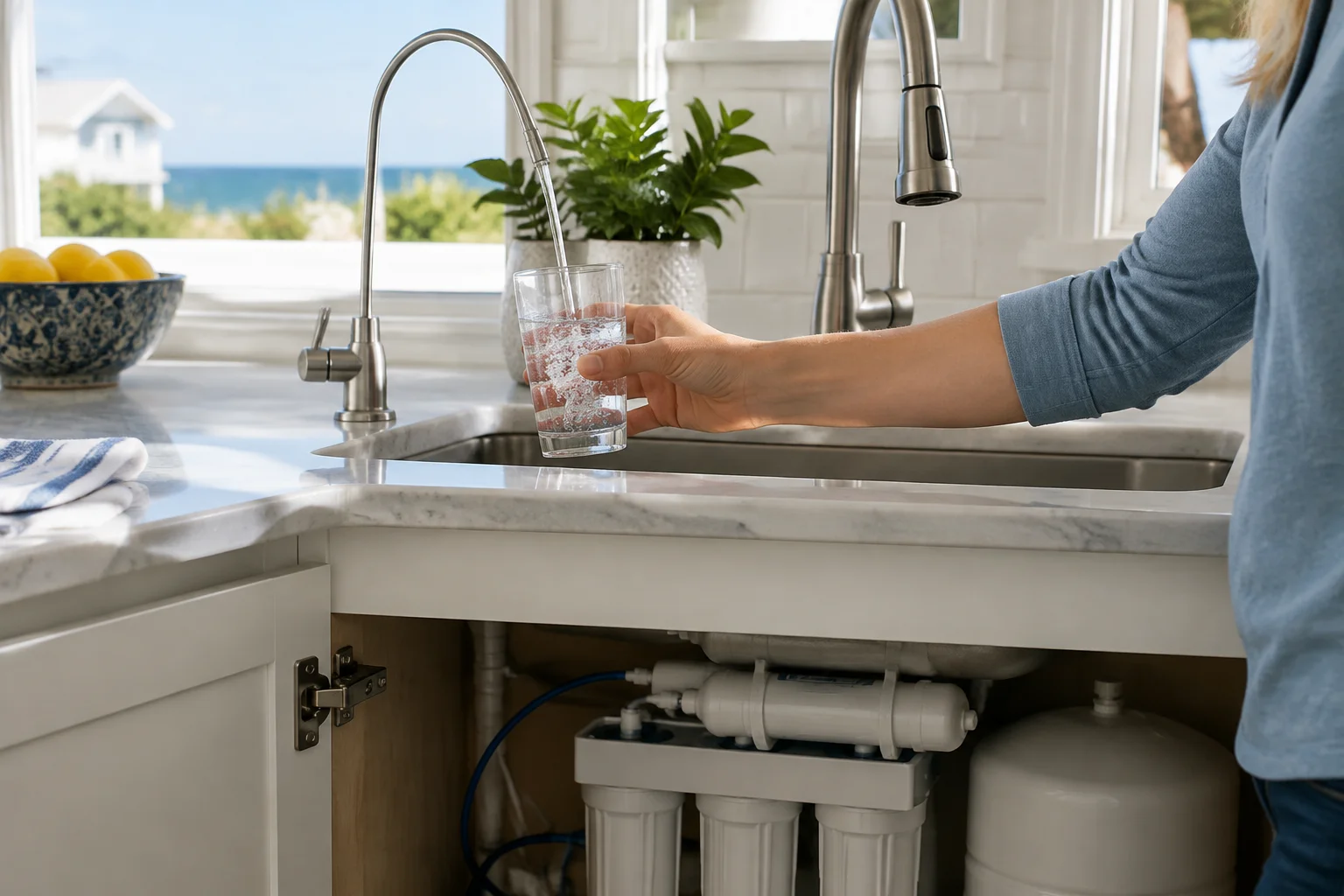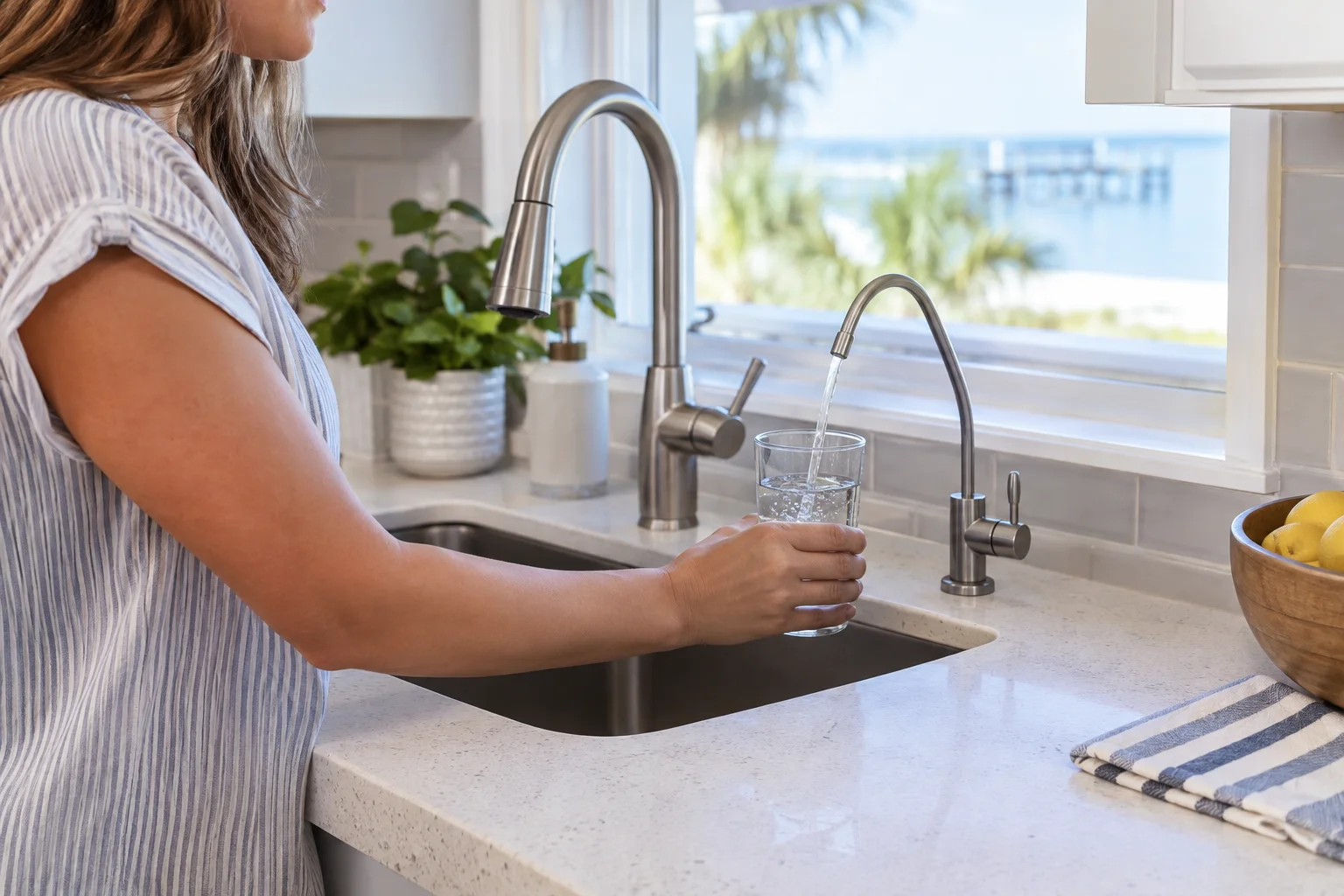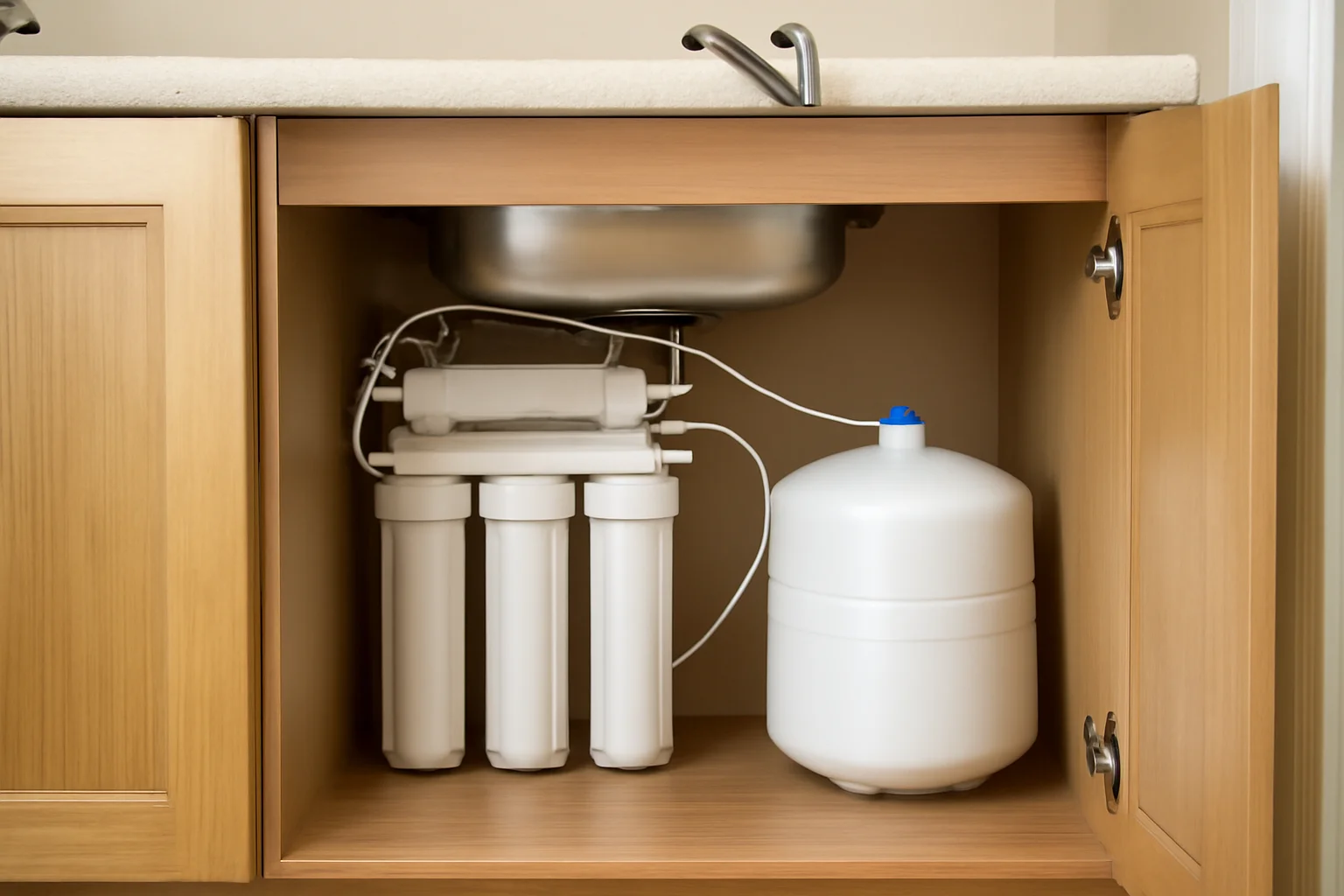
Reverse osmosis (RO) systems can deliver noticeably cleaner, better-tasting drinking water for Freeport kitchens, showers, and coffee makers. Still, even a well-installed RO drinking water system can drift out of tune as filters load up, membranes age, or water chemistry changes. Local homeowners often spot “water problems” elsewhere in the house first, then assume it is plumbing or a one-off issue.
This guide walks through water quality warning signs connected to reverse osmosis systems, plus the hard water and coastal Florida conditions in Freeport, Walton County, FL that can make those symptoms show up faster. Use it to narrow down what you are seeing, protect appliances, and keep clean water systems near you delivering the results you paid for.
Start with the everyday clues: what your home is quietly telling you
When RO systems are working well, you typically notice better drinking water for cooking and a more pleasant taste. But when something is off, the clues show up in ordinary routines: the way ice looks, how coffee tastes, whether soap rinses clean, and how quickly scale builds around fixtures.
Cloudy ice cubes and “off” clarity in drinking water
Cloudy ice is one of the easiest signs to miss because it can look like a freezer issue. If ice from your RO drinking water system turns cloudy or develops a milky tint, it can indicate sediment, filter bypass, or mineral changes tied to RO performance. Even if only the ice tray looks affected, it points back to the water feed and RO stage rather than the freezer.
Metallic, chlorinated, or unpleasant taste that returns
RO reduces many contaminants, but it is not magic. If you suddenly notice a metallic taste, a lingering chlorine taste in water, or an unpleasant odor in drinking water, the most common causes are worn carbon filtration, a membrane that is nearing end of life, or a system that is not producing water at the expected quality.
In Freeport, it is also worth remembering that water chemistry can vary. When local conditions change, homeowners can experience taste shifts sooner if the RO system is not maintained on schedule.
Poor tasting coffee and cooking water
If your coffee tastes flatter or more bitter, or your cooking water makes rice, pasta, or soup behave differently, the problem is often the water. RO drinking water system performance influences how minerals and residual tastes affect flavor extraction. When the taste is off, you may notice it first in the kitchen because everything is water-based.
Soap that does not lather or rinse well
Soap does not lather is a classic hard water symptom. But it can also show up when the water source feeding the RO is not addressed correctly, or when the home relies on multiple systems. If your RO system is only treating drinking water while the rest of the home still experiences hard water, you may notice dry skin or dull hair after bathing, plus residue that clings to shower glass and fixtures.
Some homeowners assume RO will fix the whole-house feel, but RO is commonly installed for kitchen and drinking water. Whole home water filtration or water softening may still be needed to protect skin, hair, and plumbing surfaces.
Dry skin or dull hair after bathing
Dry skin or dull hair after bathing is not just a comfort issue. Hard water scale and mineral residue can contribute to that “tight” feeling and can leave hair looking less vibrant. In Freeport, where many homes deal with mineral-rich water, this symptom often shows up alongside scale buildup on glass, showerheads, and faucets.
Scale buildup on faucets, showerheads, and plumbing fixtures
Scale buildup around faucets, showerheads, and plumbing is one of the strongest indicators that hard water treatment is not fully addressing what your home needs. Look for white crusting, rough buildup, or spots that keep coming back even after cleaning. Hard water spots on glass, dishes, and fixtures can also be linked to how RO and whole home systems are configured.
If you have an RO system for drinking water only, you may still see scale throughout the house. If you have additional filtration or water softening, scale patterns can tell you whether those components are working.
Visible sediment, discoloration, and odor concerns
RO systems can develop issues that result in visible sediment, discoloration, or odor changes. A common scenario is filters that are overdue, a membrane that is failing, or a system that is not flushing correctly. If you see sediment in your drinking glass, notice discoloration, or smell a musty or “stale” odor, stop assuming it is just a temporary fluctuation and have the RO system checked.
Appliances wearing out faster
When hard water and untreated mineral content reach appliances, they can wear out faster. Coffee makers, dishwashers, and even water-using fixtures can experience reduced performance and more frequent maintenance. If you are using filtered water for coffee and cooking but the rest of the home is still mineral-heavy, you can still see appliance wear in the dishwasher or on steam features.
That is why homeowners searching for water filtration near me often end up comparing RO installation with whole house water filter options and water softening services.
Why RO systems in Freeport show warning signs sooner than expected
Freeport sits in a coastal climate where humidity, seasonal changes, and local water conditions can affect how quickly filters load up and how consistently membranes perform. Even when your RO system is installed correctly, the environment and incoming water quality influence maintenance intervals.
Hard water minerals can stress RO performance
Minerals do not disappear just because water is passing through RO. When the incoming feed has high hardness, it can shorten the service life of RO components, especially if pre-filtration is not strong enough. That is one reason you may see scale buildup on faucets and showerheads while the kitchen water seems “almost fine” until taste and clarity change.
Carbon filtration and chlorine taste in water
Many RO drinking water systems include carbon filtration stages designed to reduce chlorine taste in water and protect the membrane. If those cartridges are not replaced on time, you can see the taste return. In other words, the system can still produce water, but the quality is not what you want.
Freeport humidity and household usage patterns
Humidity affects how quickly water-related residues dry on surfaces. Heavy use of showers, laundry, and dishwashing can also increase the “feedback” you notice. The kitchen may be your first stop for drinking water, but the bathroom and laundry area often reveal whether the rest of your water treatment plan needs attention.
Common RO-connected causes behind the symptoms
Here are the most frequent issues professionals look for when homeowners report warning signs connected to reverse osmosis systems.
Overdue filter replacements
Pre-filters and post-filters can load with sediment and organic matter. When that happens, flow rates can change, water clarity can drop, and taste can shift. Overdue filters can also increase strain on the membrane.
A membrane nearing end of life
The RO membrane is the core component. As it ages, rejection performance can decline. That can lead to metallic or unpleasant taste, odor changes, or visible sediment depending on the overall system condition.
Improper installation or incorrect system sizing
If the RO system was not sized for your household demand, it may struggle during peak usage. That can show up as inconsistent taste or reduced output. Homeowners often notice it when family schedules shift, like more cooking during the week or more guests using the kitchen.
Low feed pressure or flow rate problems
RO systems need adequate water pressure and steady flow. If municipal pressure fluctuates or if plumbing constraints exist, the RO system may not operate within its designed range. The result can be poor RO drinking water system output and quality changes.
Clogged lines, trapped air, or poor flushing
Some systems require periodic flushing to maintain performance. If the system has been idle or if there is air trapped in the line, you can see odd taste or clarity issues. Sediment can also appear if the system is not functioning as intended.
How to protect your family’s daily routine with better water
It is not just about “clean water.” It shows up in the moments your family cares about: filling glasses after dinner, making coffee before work, rinsing produce, showering at night, and running the dishwasher after a busy day.
Kitchen and drinking water: the RO difference you can taste
Freeport homeowners often notice the benefit of RO drinking water system quality in the kitchen. Drinking water that tastes neutral makes it easier to stay hydrated. Filtered water for coffee and cooking can improve flavor consistency, and it can help reduce the “chemical” aftertaste some people associate with chlorine taste in water.
If you are seeing metallic taste or cloudy ice cubes, that kitchen routine is often the first place you feel it, because you are literally tasting the water every day.
Bathing and personal care: why water quality affects skin and hair
Dry skin or dull hair after bathing can be frustrating, especially when you are using the same shampoo and conditioner you always have. Mineral buildup and residue can make it harder for soaps and shampoos to rinse well. When homeowners add whole home water filtration or water softening alongside their RO system, they often report a more comfortable feel in the shower and better rinse results.
Laundry and dishwashing: where scale shows up first
Hard water spots on glass and dishes are not just cosmetic. They can also leave film that affects how detergents and rinses perform. In households that run the dishwasher frequently, scale buildup can become a recurring chore.
When the issue is truly hard water, water softening can reduce mineral content across the home. When the issue is specific to drinking water, reverse osmosis may be the right focus. Many homes need a combined approach.
RO maintenance that helps prevent warning signs
Homeowners can do a few practical checks between service visits. These do not replace professional testing, but they can help you catch problems earlier.
Watch your taste, clarity, and ice quality
Keep an eye on drinking water clarity and the look of ice cubes. If the taste shifts or ice turns cloudy, treat it as a signal. Do not wait until “everything gets worse.”
Check for scale patterns on RO-adjacent fixtures
Even though RO systems usually treat water for drinking and cooking, the surrounding fixtures can still show you what is happening with your overall plumbing water conditions. If you notice new scale buildup on faucets and the surrounding sink area, it may point to hard water issues elsewhere in the home.
Replace filters on the recommended schedule
Filters are consumable parts. A properly maintained RO system can deliver consistent RO drinking water system performance. If you are unsure when the last filter change occurred, schedule a system inspection for your RO drinking water system.
Ask about flushing and system logs
Some RO systems benefit from periodic flushing schedules. A technician can confirm whether your unit is maintaining correct operating parameters and whether any lines need attention.
How AO Smith water filtration and whole home plans fit together
Many Freeport homeowners compare RO to other water filtration approaches. The most effective plan depends on which issues you want to solve: drinking water taste and contaminants, hard water scale, or whole home water purification.
AO Smith water filtration for reliable system performance
AO Smith water filtration products are designed to support consistent water quality when properly matched and maintained. If you are considering reverse osmosis installation near you, ask about system options that align with your household needs, including pre-filtration and membrane protection.
RO for drinking water, water softening for scale protection
RO is often installed to provide cleaner, better-tasting drinking water at the kitchen tap. Water softening targets hardness that causes scale buildup on faucets, showerheads, and plumbing. When hard water treatment becomes part of protecting fixtures and appliances, you can reduce the “soap does not lather” feeling and help laundry and dishwashing perform better.
Whole home water filtration when you want clean water systems everywhere
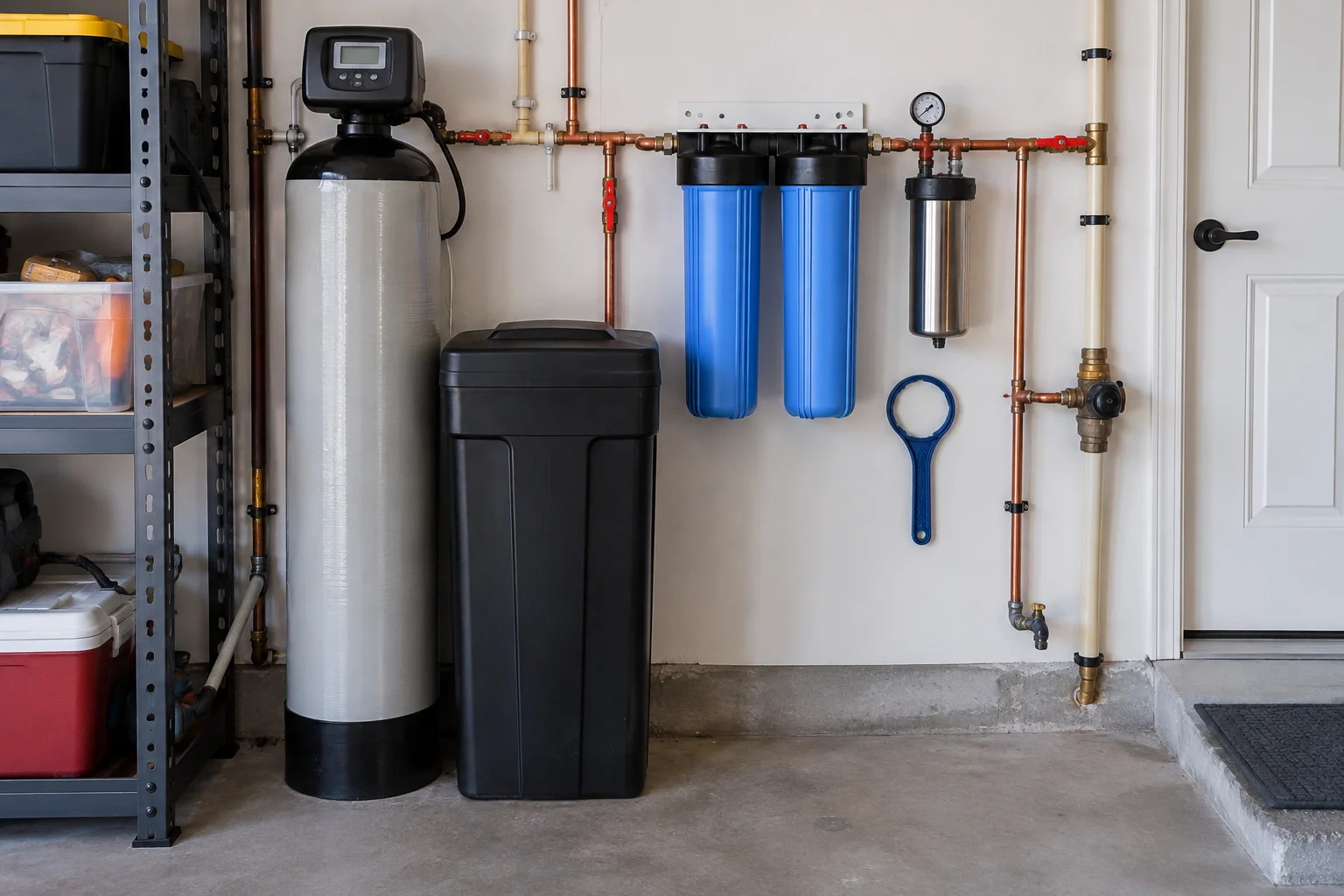
If you want whole house water filter coverage, whole home water filtration can reduce contaminants across multiple faucets and appliances. This can be especially helpful in households that want cleaner water for bathing, laundry, and daily household use, not only the drinking tap.
If you are comparing solutions, you can explore options here: /water-filtration-ro-water-softeners. For local service coverage, check: /service-areas/walton-county/freeport and /service-areas/walton-county.
RO warning signs that mean it is time to call a professional
Some issues are easy to ignore until they become a bigger problem. These RO-connected warning signs are worth addressing promptly, especially in Freeport where homeowners rely on clean water for kitchen routines and daily comfort.
Taste changes like chlorine taste in water, metallic flavor, or unpleasant odor that persists for more than a day or two.
Cloudy ice cubes or visible sediment in drinking water.
Reduced output or water flow that feels weaker at the RO faucet.
Recurring scale buildup that suggests hard water issues are not being controlled for the rest of the home.
Dry skin or dull hair that does not improve with regular products, especially when paired with soap that does not lather.
Professional testing matters because it is not always obvious whether the problem is the RO membrane, carbon filtration, pre-filters, feed pressure, or the need for additional water softening or whole home water filtration. A technician can evaluate your system and recommend the right next step.
If you want reverse osmosis installation or service in your area, you can start with this service page: /service-areas/walton-county/freeport/reverse-osmosis-systems-fwb-fpfl. It is a practical place to begin if you are searching for reverse osmosis installation near me or drinking water filter near me.
Related water treatment topics Freeport homeowners often need next
RO systems work best when the rest of your water treatment plan is aligned with your home’s needs. If you want to connect the dots between household symptoms and treatment strategy, these reads can help:
- What Freeport Homeowners Often Miss During Plumbing Service Visits
- Smart Plumbing Habits for Reverse Osmosis Systems in 30A Homes
- Cleaner Drinking Water and Healthier Plumbing: A Rosemary Beach Homeowner’s Guide to Reverse Osmosis Systems
- Why Professional Pipe Replacement Matters for Freeport Homes
Preventing future RO problems in Freeport: a simple plan
If your household is already using RO drinking water system water, build a routine around consistency. That means staying current on filter changes, paying attention to taste and ice clarity, and treating hard water symptoms like scale buildup on faucets and showerheads as part of the same overall water quality story.
Many homeowners who search for water filtration near me end up choosing a combined approach: RO for drinking water, plus water softening or whole home water filtration for scale and comfort. When those pieces work together, your kitchen routine stays reliable and your fixtures and appliances are less likely to suffer from mineral buildup.
For families in Freeport, that translates to better water for drinking and cooking, more comfortable bathing, and fewer weekend chores like scrubbing hard water spots on glass, dishes, and fixtures.
Quick checklist you can use this week
Take a look at the RO faucet and check whether the water tastes clean or starts to feel metallic or chlorinated.
Compare ice clarity from RO water to any other water sources in your home.
Inspect showerheads and faucets for new scale buildup around edges and spray openings.
Notice whether soap does not lather or rinses poorly, especially after bathing.
Think about appliance performance, including dishwasher cleanliness and coffee maker residue.
Find Reverse Osmosis Systems in Freeport, FL
If you need Reverse Osmosis Systems in Freeport, FL, visit our local service page or contact A Superior Mechanical today.
For a broader look at whole-home water filtration, reverse osmosis, and water softener options, visit our water filtration, RO, and water softener page.
Map of Freeport, FL
Frequently Asked Questions
Can a reverse osmosis system cause cloudy ice or sediment in drinking water?
Yes. Cloudy ice cubes or visible sediment can indicate filter bypass, a failing RO membrane, or system flow issues. A professional inspection can confirm which stage is responsible and whether flushing or filter replacement is needed.
Why does my RO water taste metallic or chlorinated again after it used to taste fine?
Metallic or chlorinated taste changes often point to overdue carbon filtration, membrane wear, or operating problems like low feed pressure. Even small maintenance delays can affect RO drinking water system performance.
Will reverse osmosis fix hard water spots on glass and scale on showerheads?
Usually not by itself. Many RO systems treat only drinking water at the kitchen tap. Hard water spots on glass, dishes, and scale buildup around faucets and showerheads typically require water softening or whole home water filtration to address minerals across the plumbing.
How do I know if I need water softening or whole home water filtration with my RO system?
If you experience soap that does not lather, dry skin or dull hair after bathing, and recurring scale buildup on fixtures, you likely need hard water treatment beyond RO. A technician can evaluate your water and recommend a plan that protects both your plumbing and your drinking water.
How often should RO filters be replaced in Freeport, FL?
Replacement timing depends on your household demand and incoming water quality. In Freeport, mineral content and seasonal changes can affect filter loading. The best approach is to follow the system manufacturer schedule and have the unit inspected if taste, clarity, or water output changes.
Related Articles
Photo Gallery