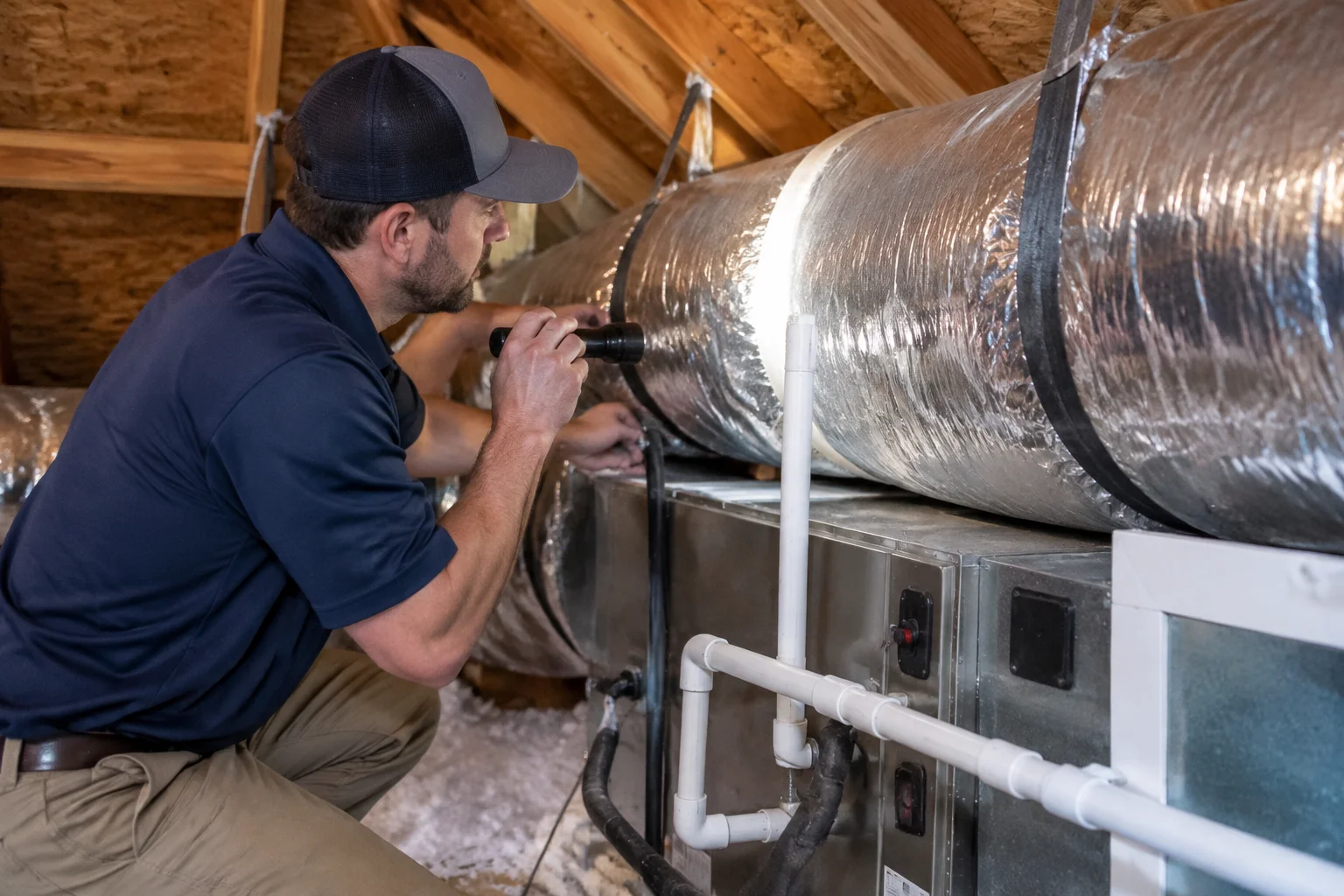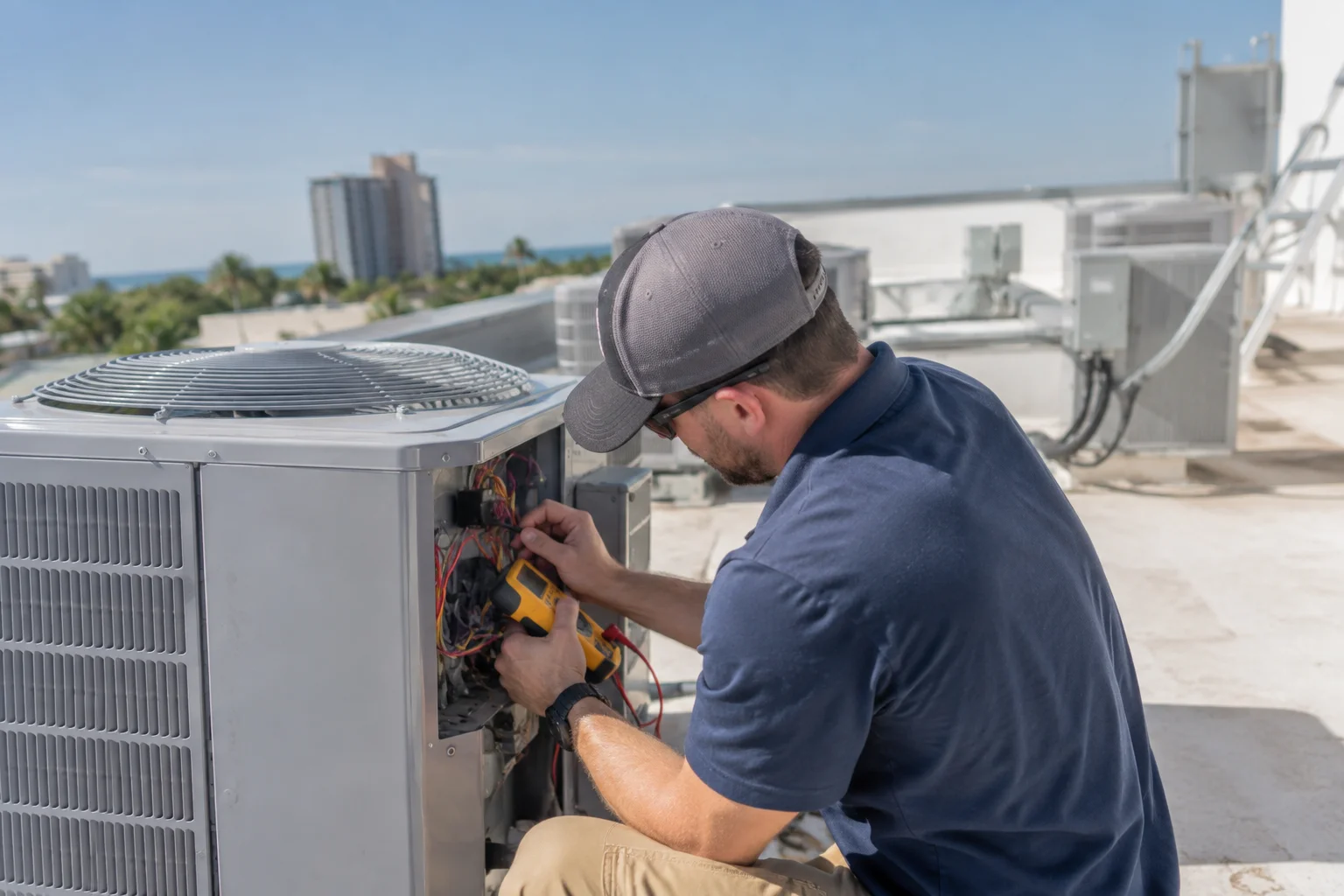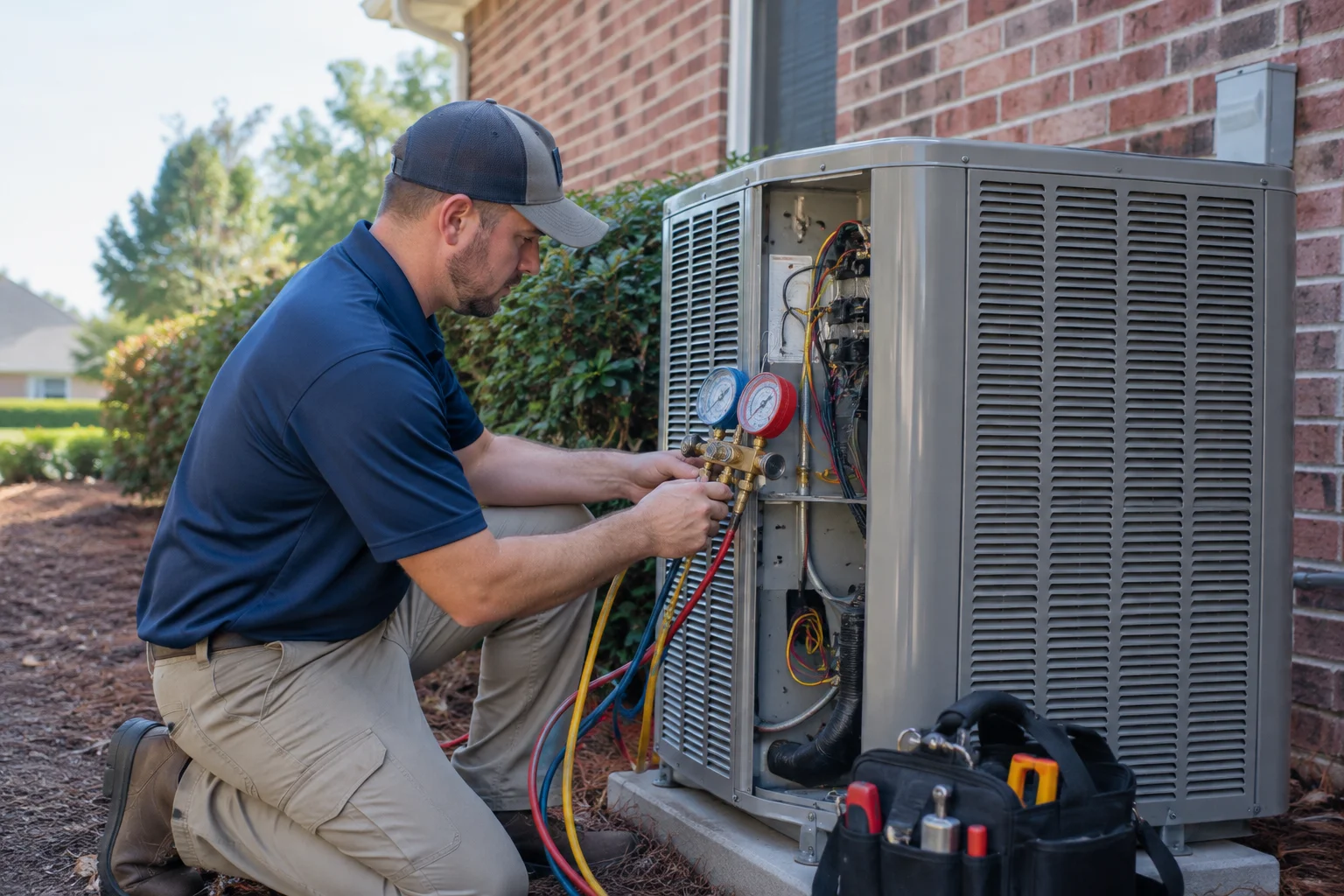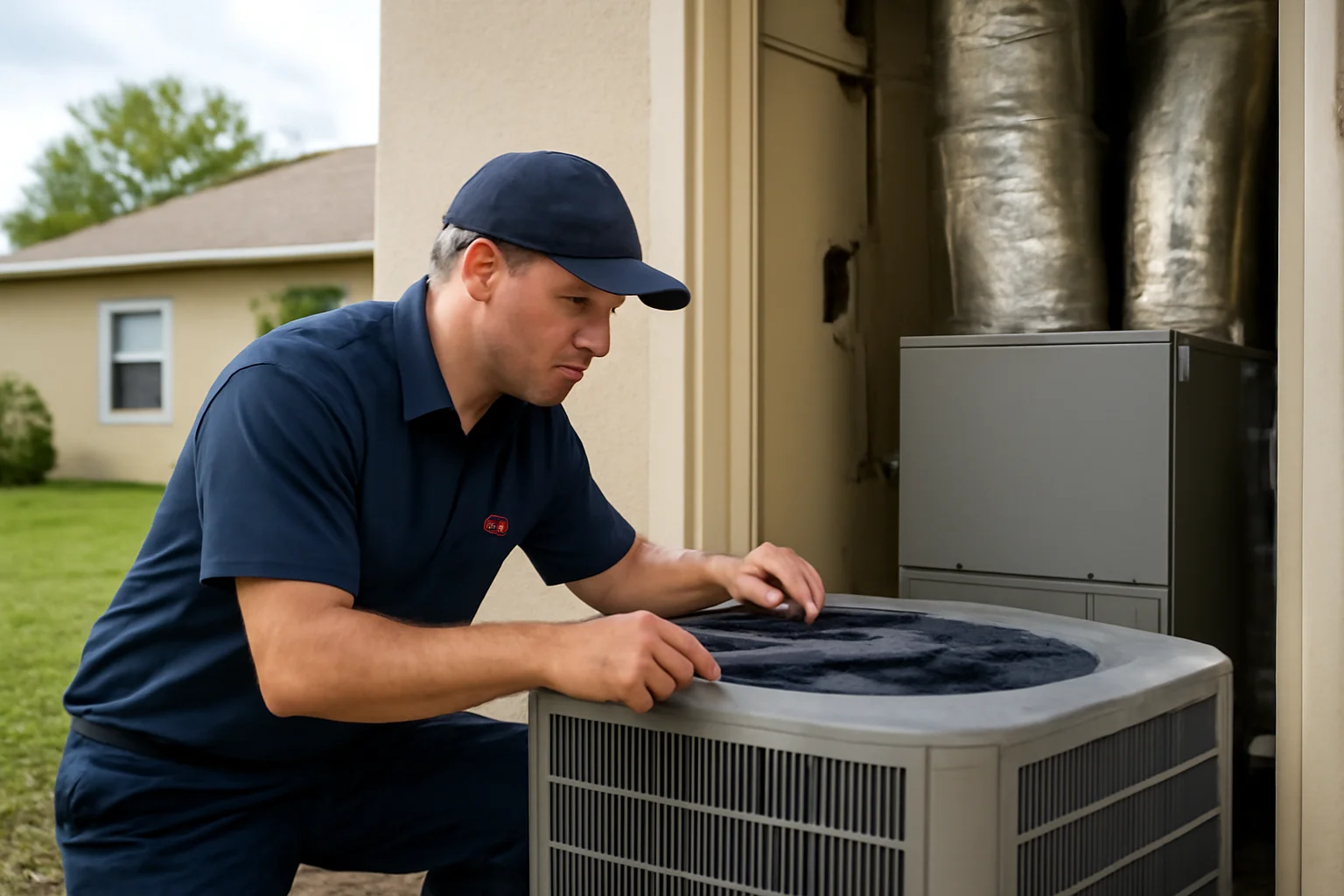
Bid-A-Wee homes work hard to stay comfortable. With Florida heat, persistent humidity, and salt air nearby, your HVAC system has to move conditioned air and manage moisture every day. When the ducts are leaking, poorly sized, or clogged, even a well maintained AC or heat pump can struggle. That is why many “HVAC warning signs” are actually connected to ductwork services.
If you are searching for ductwork services in Bid-A-Wee, this guide will help you connect common comfort problems to airflow, humidity control, and indoor air quality. It also covers what to ask about during an air conditioning service or an air conditioning maintenance visit, and when professional help matters most.
Why ductwork is a humidity and comfort system, not just “air pipes”
In Bid-A-Wee, your HVAC system is constantly balancing two tasks. First, it must deliver the right airflow to each room. Second, it must remove moisture from the air. That moisture control depends on where the air travels, how much air reaches the return and supply vents, and whether the system can maintain stable operating conditions.
When ductwork has leaks, gaps, disconnected sections, or restrictions, the system often compensates in ways that do not solve the root problem. Air may bypass the intended path, travel through unconditioned spaces, or fail to pick up moisture properly. The result is uneven cooling, higher energy use, and indoor air that feels sticky even when the thermostat is set correctly.
HVAC warning signs that often point to ductwork problems
Below are the comfort issues local homeowners often notice first. Each one can have multiple causes, but ductwork is a common link because ducts control airflow distribution and can affect humidity levels.
1) Hot rooms that never seem to cool, even with the AC running
Uneven temperatures are a classic airflow symptom. If certain rooms stay warm while others feel fine, the supply ducts may be leaking, poorly sealed, or obstructed. Sometimes the problem is not just distribution. Poor duct sealing can also allow air to escape before it reaches the living space, which reduces the system’s ability to remove humidity effectively.
If you notice this pattern and you are considering AC repair, ask whether a ductwork inspection included airflow testing and duct sealing checks. A duct issue can cause comfort complaints that look like equipment problems.
2) Humidity that feels “stuck,” especially after the AC has been running
In Florida humidity, comfort depends on moisture removal. When return ducts are restricted or supply ducts leak into attics, garages, or crawl spaces, the system can struggle to achieve proper dehumidification. You may notice condensation on nearby surfaces, a clammy feeling, or rooms that never feel dry.
Even if your thermostat settings are correct, duct leakage can prevent the system from maintaining the airflow and pressure balance needed for consistent moisture control.
3) Musty odors or dust that seems worse when the system cycles
Dust and odors can be tied to indoor air quality. Ductwork that has accumulated debris, microbial growth, or dust from construction and ongoing airflow can distribute contaminants. Leaky joints may also pull in unconditioned air from surrounding spaces, which can worsen humidity and air quality.
If you are looking for air duct service such as duct cleaning or duct sealing, it is helpful to focus on the airflow pathway. Ask about inspection first, then whether cleaning, sealing, or repairs are recommended based on what is found.
4) The system runs longer than it used to, or short cycles that feel “off”
When ducts do not deliver airflow properly, the system may take longer to reach temperature targets. In other cases, airflow restrictions can create symptoms that lead to improper cycling behavior. The thermostat may call for cooling, but the indoor conditions may not respond as expected due to distribution problems.
These patterns can also drive higher energy use. If you are comparing comfort now to how your system performed earlier in the season, a ductwork inspection can be part of a smart, preventive HVAC maintenance plan.
5) Uneven airflow noises, whistling at vents, or rooms that “draft”
Whistling or strong drafts can indicate leaks at duct joints, disconnected sections, or damaged ductwork. In coastal Bay County areas, salt air and moisture can accelerate wear on certain components over time. If air escapes into spaces that do not belong in your conditioned envelope, humidity control becomes harder.
Common ductwork causes behind those warning signs in Bid-A-Wee
Understanding the likely causes can help you ask better questions when you connect with an HVAC contractor near me for diagnostics.
Leaky duct joints and poor duct sealing
Leaky ducts can waste conditioned air and pull in humid air from attics and other unconditioned areas. That can increase the load on your refrigerant system and make it harder for the system to remove moisture at the coil. Duct sealing methods like Aeroseal are often discussed when sealing is needed throughout the duct network, especially when access is limited.
Ducts that are disconnected, crushed, or deteriorating
Homes over the years can experience duct movement, settling, or damage during renovations. Crushed sections reduce airflow. Disconnected ducts can send air into crawl spaces and attics, bypassing the living area.
Restricted returns and airflow bottlenecks
Return duct problems can be just as important as supply duct issues. If the return path is restricted, the system may not pull enough air across the evaporator coil. That can affect both cooling performance and humidity removal. In some cases, restricted returns also contribute to indoor air quality concerns because the system cannot circulate air effectively.
Condensate drainage issues that show up as “humidity problems”
Sometimes homeowners assume a duct issue when the root cause is condensate drainage. If condensate is not draining correctly, moisture can linger around the indoor system. While condensate drainage is not a ductwork problem itself, ductwork can still worsen the overall humidity picture by changing airflow patterns and coil conditions. A professional can evaluate both to understand what is truly driving the symptoms.
Thermostat settings and control behavior that do not match duct performance
Thermostats influence fan runtime and cooling calls. If the system is set up in a way that does not align with your ductwork distribution, you can end up with comfort swings. For example, continuous fan operation can move more air but may not improve moisture removal if airflow is not reaching the correct places. A technician can review thermostat settings during an air conditioning inspection near me style visit and explain what adjustments make sense based on system performance.
How to connect ductwork issues to HVAC repair and system health
Many homeowners start with the equipment because it is the most visible part of the system. But ductwork can make the equipment look like it is underperforming. That is why a good diagnostic approach often includes both:
- Evaluating airflow and distribution through ductwork
- Reviewing refrigerant system symptoms without jumping to conclusions
- Checking condensate drainage behavior
- Confirming thermostat behavior and airflow fan settings
It is also important to avoid assuming a refrigerant diagnosis or equipment replacement is appropriate without an in-person evaluation. Duct leaks and restrictions can change operating conditions in ways that mimic other problems. A professional HVAC technician can sort out what belongs to ductwork services and what belongs to the AC or heat pump itself.
What ductwork services can address in Bid-A-Wee homes
Ductwork services can include inspection, sealing, repair, cleaning, and replacement depending on what is found. The right choice depends on your home’s duct layout, condition, and airflow performance.
Duct sealing and targeted airflow restoration
Duct sealing helps prevent conditioned air from escaping into unconditioned spaces. In humid coastal regions, sealing can support better humidity control because less air is wasted and fewer pressure imbalances pull in unwanted moisture. If you are hearing whistling, noticing hot rooms, or feeling drafts, duct sealing is often part of the discussion.
For homeowners looking for duct sealing near me, choose a provider who starts with inspection and airflow evaluation rather than guessing.
Repairing damaged or disconnected sections
When duct sections are disconnected or physically damaged, sealing alone may not solve the comfort problem. Repairs can restore the intended airflow pathway so the HVAC system can deliver conditioned air where it belongs.
Duct cleaning for indoor air quality concerns
Duct cleaning is typically considered when there is evidence of debris buildup or indoor air quality complaints. It should be paired with inspection so the team can identify whether cleaning is appropriate or whether sealing and repairs are the bigger priority.
If you are researching duct cleaning near me, consider whether the inspection includes airflow assessment and whether the plan addresses moisture and leaks that can bring contaminants back.
Repair or duct replacement when the duct system cannot perform
Some ductwork problems are structural. When ducts are severely deteriorated, undersized, or repeatedly failing due to access and damage, duct replacement may be the more practical path. If you are searching for duct replacement near me, ask how the contractor will evaluate airflow needs and how they will coordinate ductwork changes with your existing AC or heat pump system.
Replacing ductwork can also affect how the system delivers airflow and manages humidity. That is why it should be planned as part of the overall HVAC strategy, not treated as a standalone project.
Why humidity management matters in Florida, especially with salt air
Bid-A-Wee and the broader Bay County area experience long cooling seasons. Humidity is not a side issue. It affects how your home feels, how your belongings age, and how indoor air quality holds up.
Salt air can contribute to corrosion and accelerated wear on certain HVAC components. When ductwork leaks allow air movement between conditioned and unconditioned spaces, moisture can enter the system more easily. That can lead to a cycle of problems: higher energy use, longer run times, and comfort issues that feel like the AC is “not strong enough” even when the equipment is doing its job.
Preventive steps that reduce ductwork-related HVAC problems
Preventive HVAC maintenance does not stop ductwork from aging, but it can catch issues early. These steps also help homeowners avoid mid-summer breakdowns and ongoing comfort complaints.
Schedule maintenance focused on airflow and moisture control
During HVAC maintenance near me visits, ask whether the technician can evaluate airflow distribution and duct conditions as part of the service. Many homeowners only think about filter changes and refrigerant system checks. A duct-aware maintenance approach can surface issues that lead to humidity complaints.
If you have an AC system, ask about air conditioning maintenance. If you rely on a heat pump, review heat pump services so the team can consider how airflow and humidity behavior show up in your specific setup.
Keep vents and returns clear and balanced
Furniture, curtains, and storage can block vents. Return vents can be covered or partially blocked by rugs and decor. Even small changes can disrupt airflow and increase humidity issues.
Use thermostat settings that support comfort and moisture control
Thermostats help control cooling calls and fan operation. If you have a programmable or smart thermostat, confirm that the settings match how your system performs. If comfort remains uneven, ductwork may be part of the explanation.
Watch for condensate drainage behavior
If you ever see water where it should not be, notice unusual moisture, or smell persistent mustiness, treat it as a system warning. While condensate drainage is not the same as ductwork, moisture issues often overlap. A professional can evaluate the full picture during an air conditioning inspection near me type visit.
When to call a professional ductwork and HVAC service in Bid-A-Wee
Some problems are easy to ignore until the weather turns. Florida summer does not wait, and emergency cooling concerns can show up when comfort issues worsen quickly.
Call a local HVAC contractor for a ductwork-focused evaluation if:
- Hot rooms and humidity complaints persist across multiple thermostat adjustments
- You notice whistling, drafts, or visible damage near vents and duct runs
- Indoor air quality complaints worsen when the system runs
- Your system runs longer than expected without reaching comfortable conditions
- You suspect duct issues after renovations, attic access, or seasonal storms
Professional service matters because ductwork problems can mimic refrigerant system symptoms, and HVAC repairs can be wasted if the airflow pathway remains broken. A good technician will evaluate ductwork condition, airflow distribution, and system behavior together. That approach supports better comfort and helps reduce unnecessary energy use driven by poor airflow.
Helpful reading for homeowners planning ductwork and HVAC repairs
If you are building a plan for ductwork services and want more context, these related resources can help you compare options and understand how ductwork affects everyday comfort:
- How Preventive HVAC Service Supports Cleaner Indoor Air in Bid-A-Wee
- Comfort That Holds Up in Bid-A-Wee Starts With Timely AC Repair
- What Pretty Bayou Homeowners Should Know About Ductwork Services
- Ductwork Services in 30A, FL: Common Problems and Solutions
You can also explore the service area context on the Bid-A-Wee HVAC service page and then review specific ductwork details on the ductwork services page.
Questions to ask during an HVAC and ductwork inspection
When homeowners call an air conditioning repair near me or HVAC repair near me service for comfort issues, these questions keep the conversation focused on ductwork and humidity management.
- “What duct areas could be leaking or restricting airflow based on your inspection?”
- “Would duct sealing, duct repair, or duct cleaning be appropriate for my home’s layout and symptoms?”
- “How do my duct conditions affect humidity control and indoor air quality?”
- “How will you evaluate airflow distribution before recommending refrigerant system work?”
- “Can you review thermostat settings and fan behavior so the system runs the way it should with my ductwork?”
These questions help ensure the diagnosis is tied to the actual comfort cause. That is especially important in Bid-A-Wee, where the combination of heat, humidity, and salt air can turn small duct issues into persistent comfort problems.
If you are considering air conditioning installation or exploring system replacement options, ductwork should still be part of the planning conversation. A new system cannot fully overcome a duct system that cannot deliver the right airflow to the right places. Getting ductwork services right can support both comfort and energy-efficient operation.
For homeowners who want ductwork and HVAC solutions that fit Bid-A-Wee living, A Superior Mechanical offers professional ductwork services designed to improve airflow, support humidity control, and strengthen indoor air quality. Start with an inspection on your property so you get recommendations grounded in what your home is actually doing.
Find Ductwork Services in Bid-A-Wee, FL
If you need Ductwork Services in Bid-A-Wee, FL, visit our local service page or contact A Superior Mechanical today.
Map of Bid-A-Wee, FL
Frequently Asked Questions
Can ductwork problems cause my AC to feel like it is not dehumidifying?
Yes. If ducts leak or returns are restricted, the system can struggle to move the correct airflow over the evaporator coil. That can reduce moisture removal, leaving the home feeling sticky even when cooling is running.
Should I request duct sealing, duct cleaning, or both?
It depends on what the inspection shows. Duct sealing is often prioritized when leaks or airflow imbalances are found. Duct cleaning may be recommended when there is evidence of debris buildup tied to indoor air quality concerns.
How do I know if my issue is ductwork or an AC problem?
Comfort problems can overlap. A professional inspection looks at airflow distribution, return performance, humidity symptoms, condensate drainage behavior, and thermostat operation. This helps avoid unnecessary refrigerant system work when the duct pathway is the real cause.
Is duct replacement ever necessary?
Sometimes. If ductwork is severely deteriorated, disconnected repeatedly, or cannot deliver required airflow due to physical damage or layout constraints, duct replacement may be the practical fix. The decision should be based on an in-person evaluation.
What maintenance helps prevent duct-related comfort problems during Florida summer?
Preventive HVAC maintenance that includes airflow and comfort checks, keeping vents and returns clear, and confirming thermostat and fan behavior can reduce duct-related issues. Scheduling early also helps you avoid emergency cooling concerns when humidity and temperatures spike.
Related Articles
Photo Gallery