DeFuniak Springs households rely on clean water for everything from morning coffee to kids’ bath time. When a reverse osmosis system is installed correctly and maintained on schedule, it helps reduce sediment, improve taste, and support healthier water for drinking and cooking. But like any home water purification setup, reverse osmosis can drift out of performance as filters age, membranes clog, or system pressure changes.
If you are seeing hard water spots on glass, scale buildup around faucets, or your ice looks cloudy, your RO system may be telling you something. This guide walks through common water quality warning signs connected to reverse osmosis systems, plus practical maintenance tips for DeFuniak Springs, FL homeowners who want fewer hard water headaches and better protection for fixtures and appliances.
Why DeFuniak Springs water can be tough on plumbing and water fixtures
Walton County homes often experience water quality challenges that show up in daily life: mineral deposits, scale, and occasional taste or odor concerns. Even when your main issue is not “hard water only,” minerals and sediment can still move through the plumbing and water fixtures, especially during seasonal changes and varied source water conditions.
In a typical day, you might notice scale buildup on faucets and showerheads, or see hard water spots on glass after the dishwasher or a quick rinse. Over time, those mineral deposits can also affect how efficiently appliances run, how soap behaves, and how water looks and tastes at the kitchen sink.
That is why local water treatment service matters. A reverse osmosis system can be part of a smart clean water plan, and pairing RO with the right pre-filtration and water softening strategy can help protect your whole home water filtration goals and your most used fixtures.
Water quality warning signs that often connect to reverse osmosis performance
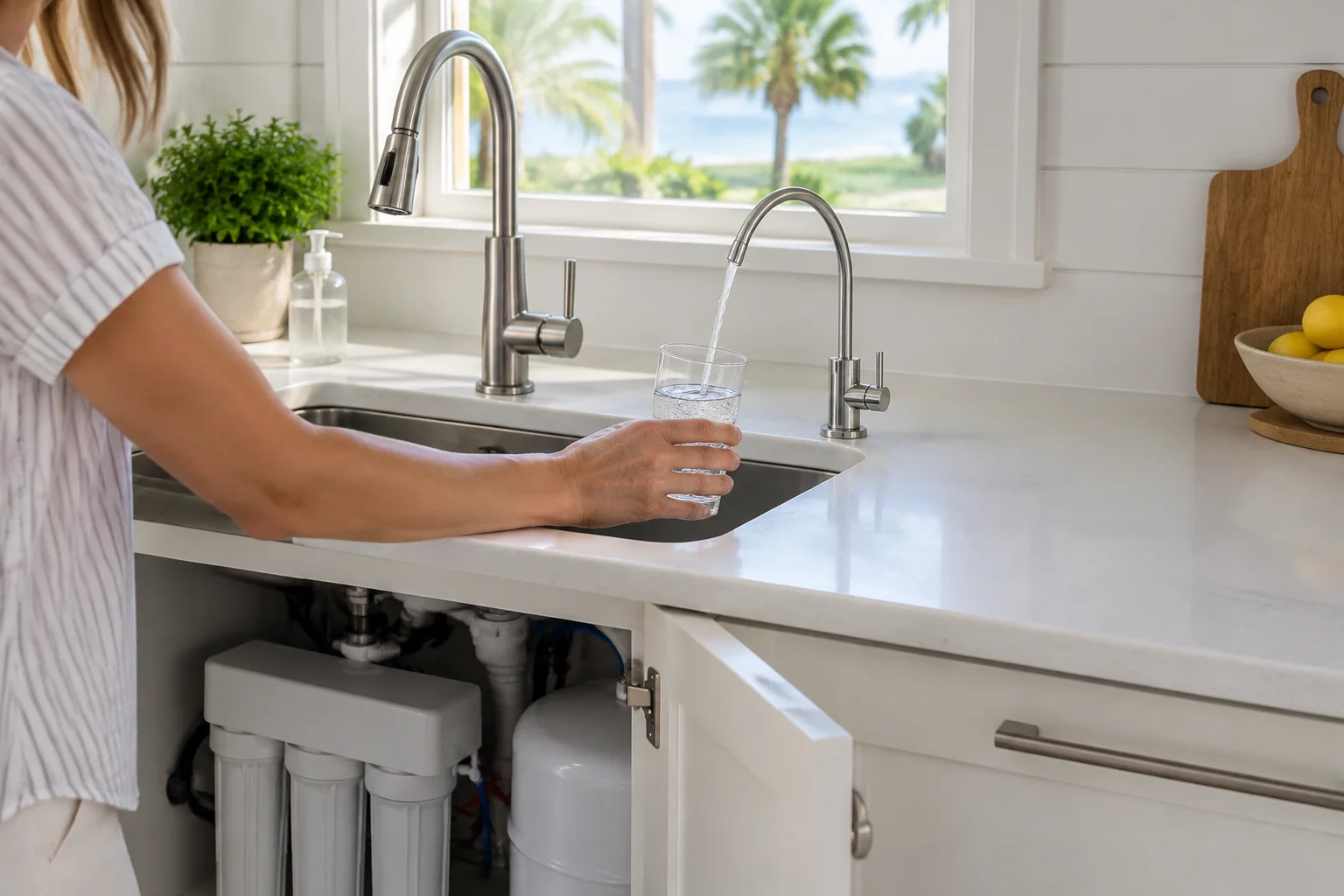
Reverse osmosis works by pushing water through a semi-permeable membrane that removes many contaminants and helps reduce sediment and dissolved impurities. When the system is not performing as expected, the first clues are usually noticeable in taste, appearance, or how your household products behave.
1) Metallic, chlorinated, or unpleasant taste in drinking water
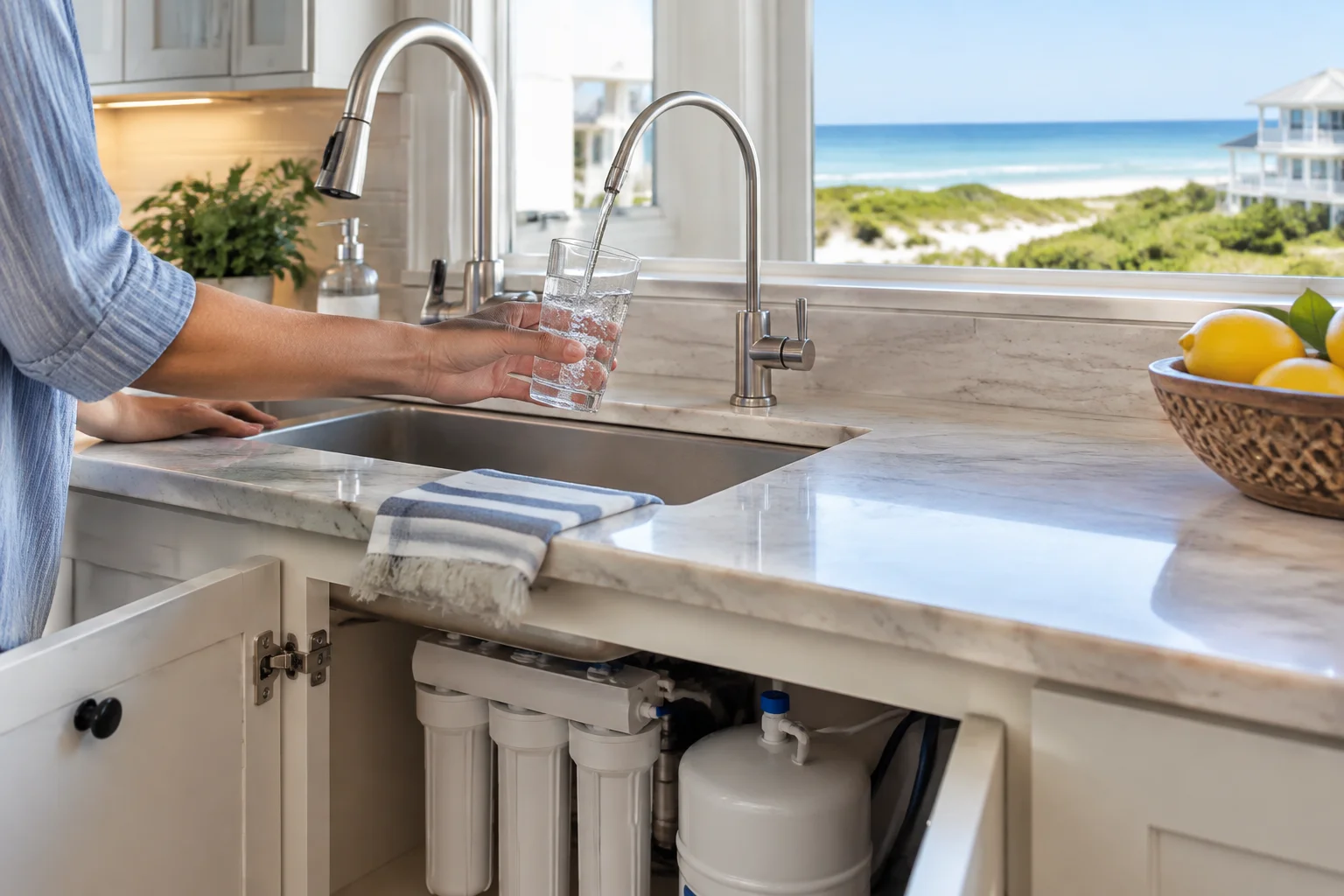
One of the clearest warning signs is a taste change. If your water starts tasting metallic, strongly chlorinated, or just “off,” it can point to filter media wearing out or the RO membrane losing rejection performance. While RO is not a substitute for every type of treatment, it can still improve drinking water taste when the system is maintained.
For homeowners searching for home water purification near me, taste is often the first reason they call. If the taste in your drinking water or cooking water changes, do not assume it will fix itself.
2) Cloudy ice cubes or cloudy water from the RO tap
Cloudy ice is more than an aesthetic issue. It can indicate air, changes in filtration, or issues with the RO storage tank and post-filter stage. If you notice cloudy ice cubes, especially after RO refills or filter changes were delayed, it is worth having the system checked.
In a typical DeFuniak Springs kitchen scene, someone might fill an ice tray for sweet tea or iced coffee. Cloudy ice often leads to a second look at the RO system because it immediately affects how drinks look and taste.
3) Poor tasting coffee and cooking water
When RO performance drops, it can change the mineral balance and contaminant removal that influences flavor extraction. Coffee can taste flat or bitter, and cooking water can affect how rice, pasta, and soups turn out. If you are used to better water for drinking and cooking from your RO system and suddenly notice a difference, it is a strong sign that maintenance may be overdue.
Many homeowners describe it as “my filtered water for coffee and cooking does not taste right anymore.” That is a practical clue that the system needs attention.
4) Soap does not lather, or rinse feels like it leaves residue
Hard water minerals can make soap harder to use. If you are noticing that soap does not lather, or it feels like it never rinses clean, it can mean hard water is still present in the water you use for bathing and laundry. RO typically targets drinking and cooking water at a dedicated tap, so whole home water quality may still need water softening or whole house filtration support.
For families, this shows up during bath time and laundry days. Dry skin or dull hair after bathing is another common complaint when mineral levels are high and water treatment is not balanced.
5) Dry skin or dull hair after bathing
Minerals and residual contaminants can contribute to skin and hair that feel less comfortable after showers. While RO alone is not usually used for whole home bathing, the warning sign matters because it often points to broader water quality issues that may be tied to scale buildup on plumbing and shower fixtures.
When you pair RO drinking water with a plan for water softening and whole house water filtration, you can address both the kitchen experience and the bathing experience.
6) Scale buildup around faucets, showerheads, and plumbing
This is where many homeowners connect the dots. If you see scale buildup on faucets, showerheads, and plumbing lines, the mineral load is showing up where water evaporates. Hard water spots on glass are a related clue, often visible after dishwashing or wiping down a shower door.
Reverse osmosis systems can reduce certain dissolved substances at the RO tap, but they do not automatically eliminate scale throughout the home. When the rest of the plumbing is still dealing with hard water, scale continues to form. That is why it helps to evaluate whether water softener installation near me or whole house water filter options are part of your protection plan.
7) Visible sediment, discoloration, and odor concerns
If you see sediment, discoloration, or you smell an odor that was not present before, it can indicate that pre-filters are clogged or not capturing sediment effectively. RO relies on proper upstream filtration to protect the membrane. When pre-filters are overdue, sediment can reduce system efficiency and affect water clarity.
Homeowners also report odor issues that seem to come and go. In DeFuniak Springs, changes in conditions and water source behavior can make those shifts more noticeable. A water treatment professional can check pressure, flow, and filter conditions to pinpoint the cause.
8) Appliances wearing out faster
Scale is hard on appliances. When minerals build up in water lines and internal components, appliances such as water heaters, washing machines, and even parts of dishwashers can experience reduced efficiency and faster wear. If you have been replacing parts more often than expected, it may be time to review your water treatment strategy.
It is especially noticeable when you have recently moved into a home and the previous owners did not maintain a system or did not use water softening and filtration together.
9) Hard water spots on glass, dishes, and fixtures
Hard water spots on glass and dishes are one of the most visible signs of mineral content. If the dishwasher leaves spots, or shower doors look hazy even after cleaning, it points to mineral deposits that can be reduced with the right whole home approach.
This is a key “maintenance becomes protection” moment. When you address water quality early, you reduce scrubbing, extend the life of fixtures, and improve how your home looks after routine cleaning.
How reverse osmosis maintenance prevents these issues
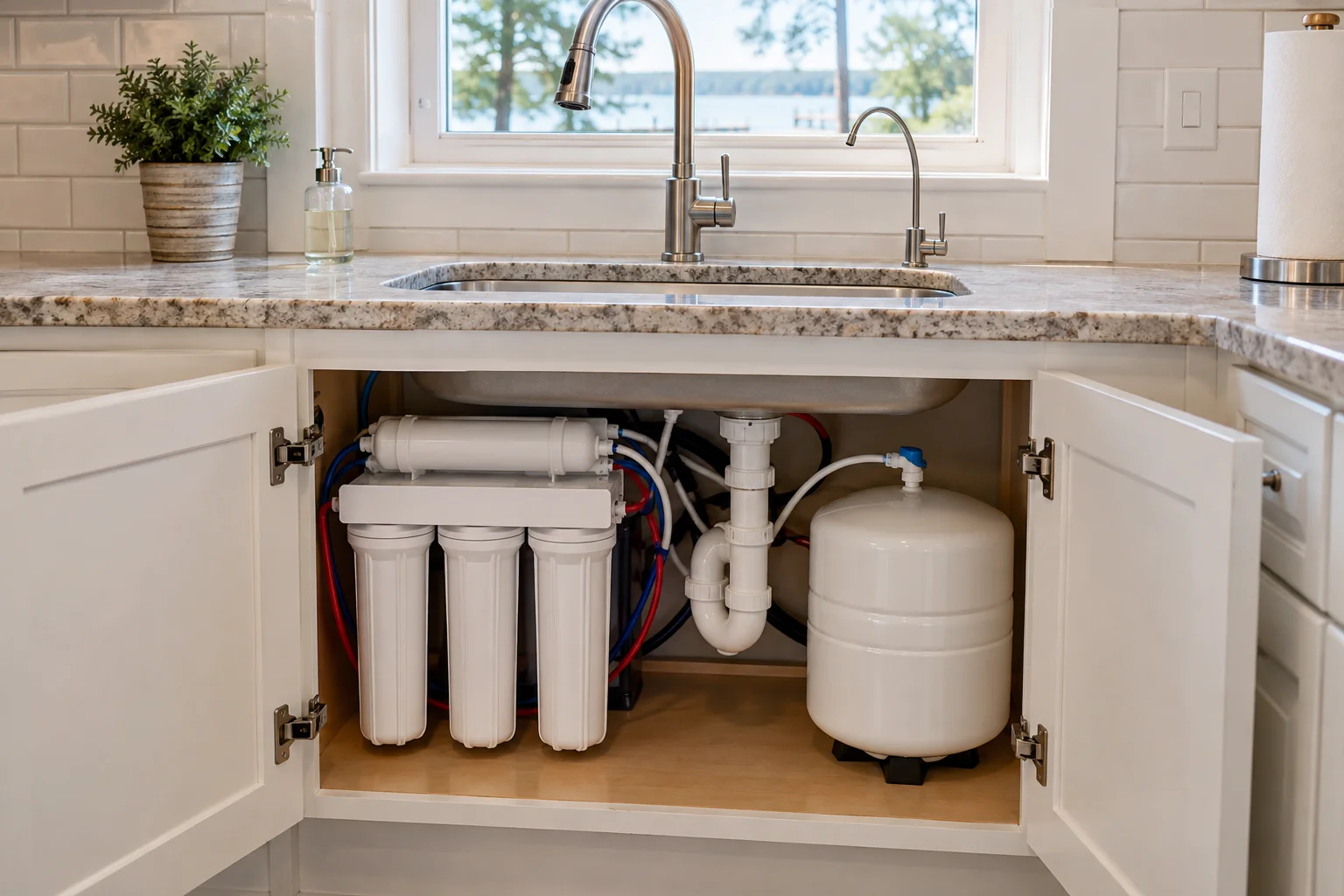
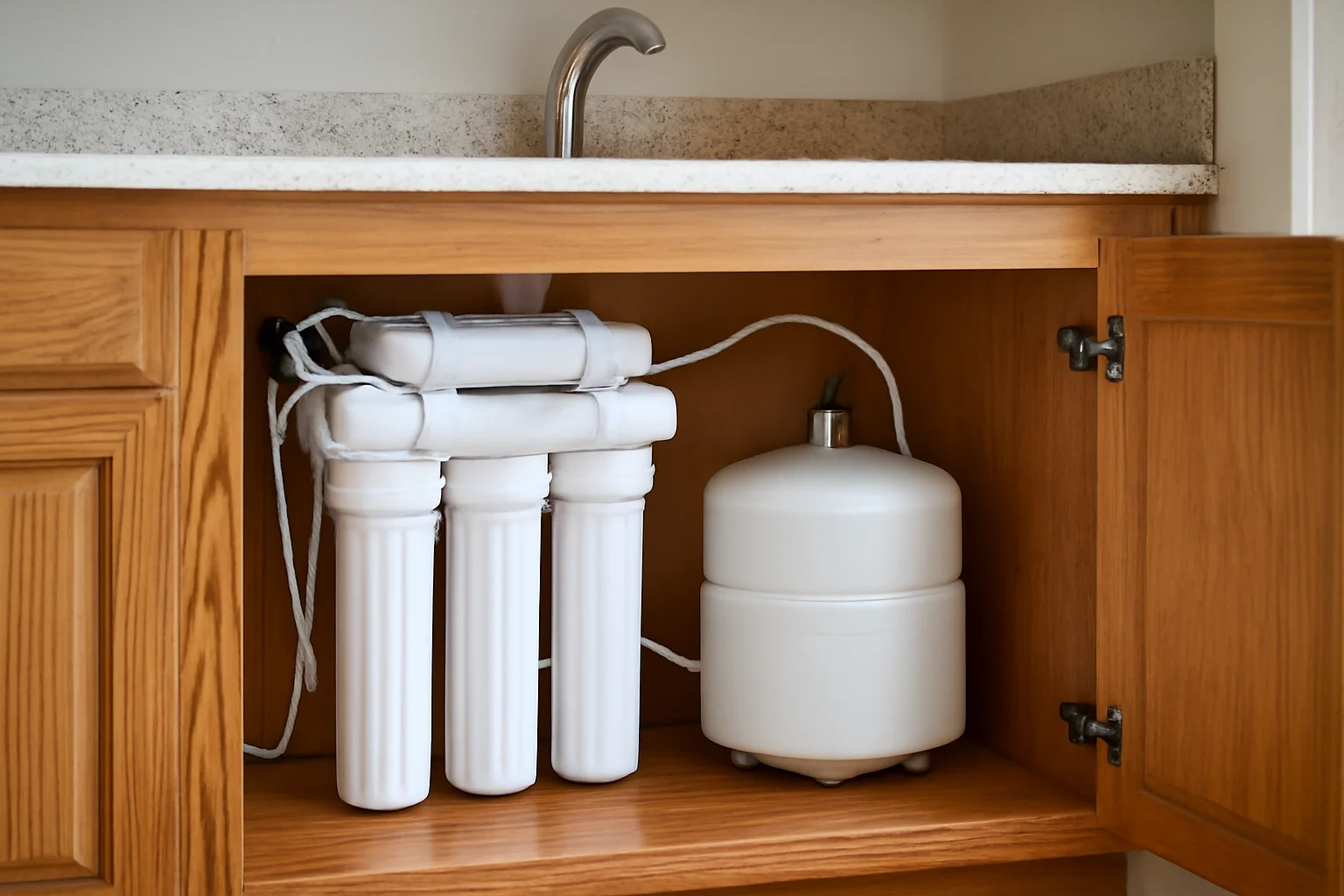
RO systems are not set-it-and-forget-it. They require filter changes, membrane monitoring, and tank and line checks to keep performance stable. A properly maintained system helps protect the RO membrane and keeps water quality consistent at the tap.
Replace pre-filters and carbon filters on schedule
Most RO systems include stages that remove sediment and improve taste and odor before the membrane. If those stages are overdue, the membrane can clog sooner, and water may not taste as clean. Pre-filter and carbon replacement also helps reduce sediment risk that can lead to visible discoloration or odor concerns.
For homeowners, the easiest way to prevent a performance drop is to follow recommended change intervals and track when filters were last replaced.
Monitor RO membrane performance and system pressure
As membranes age, they may still produce water, but rejection can decline. That can show up as changed taste, cloudy output, or less consistent quality. A service technician can measure system performance and confirm whether the membrane needs replacement.
In many homes, the RO system is under a kitchen sink where it is used every day. Small changes over time can be easy to miss until coffee, ice, or drinking water tastes different.
Check the storage tank and post-filter
RO systems with storage tanks can develop issues that affect clarity and flow. If you notice cloudy ice cubes or inconsistent water appearance, it can relate to tank condition or post-filtration. The post-filter stage also helps polish the water before it reaches the faucet.
Keep the RO faucet and tubing clean
Even with good filtration, buildup can occur at connection points. Regular inspection helps prevent minor issues from turning into larger water quality problems. This is also a good time to ensure the RO faucet aerator is clean and functioning properly.
Where water softening and whole home filtration fit with RO
Reverse osmosis is often installed for drinking water and cooking water, but your home needs a broader plan if the goal is fewer hard water headaches around the entire property. That is where water softening and whole home water filtration come into play.
Water softening helps with scale buildup and soap performance
Water softening targets the minerals that create scale buildup on faucets, showerheads, and plumbing. If your household is experiencing soap does not lather or dry skin or dull hair after bathing, a softener can reduce those effects by improving water feel and reducing mineral residue.
Even if you love your RO drinking water, the rest of the home still needs mineral control for bathing, laundry, and fixture protection.
Whole house water filter supports cleaner water throughout the home
A whole house water filter can help reduce sediment and improve water consistency before it reaches fixtures and appliances. This can support better water quality for laundry, cleaning, and bathing, while also helping protect the systems you already have.
If you are considering whole home water filtration, it is worth discussing how it works alongside your RO system. Many homeowners find that a layered approach creates the best day-to-day results: cleaner drinking water at the tap and less scale throughout the home.
AO Smith water filtration and system pairing considerations
Some DeFuniak Springs homeowners explore AO Smith water filtration options for whole home performance and staged protection. AO Smith systems can be part of a broader plan that includes reverse osmosis for drinking water. When you match the right pre-filtration and water softening approach to your home’s needs, you can protect your fixtures and appliances while keeping your kitchen water tasting its best.
If you want to compare options, you can review reverse osmosis installation and service details on our reverse osmosis systems page.
Maintenance tips homeowners can do between service visits
You can do a few simple checks at home to catch problems early. These tips do not replace professional service, but they help you notice changes sooner.
Track filter change dates and RO performance
Keep a simple log. When filters were replaced, when taste changed, and when you noticed cloudy ice or sediment. This makes it easier for a technician to diagnose what is happening and what stage is likely failing.
Observe the RO faucet output
Look for changes in clarity and flow. If the RO stream slows down or water looks different, it can point to clogging or membrane issues.
Pay attention to “kitchen test” changes
If coffee suddenly tastes different, or water for cooking seems off, treat that as data. Many families notice these changes before they notice anything else.
Keep an eye on household scale patterns
Hard water spots on glass, hazy shower doors, and scale buildup on faucets are not just cleaning hassles. They are indicators of mineral levels in the water you use daily. Compare the intensity of spots over time to see whether your whole home water treatment is keeping up.
Clean the RO area carefully
Make sure the under-sink area stays dry and accessible. If you ever notice leaks or moisture where the RO system connects, stop and schedule service. Small leaks can affect performance and create water damage risks.
Why ignoring RO warning signs costs more in the long run
When RO water quality declines, you may keep drinking it anyway, and you might not realize how performance loss affects taste and water consistency. Meanwhile, mineral issues can continue to build up in fixtures and appliances, leading to more frequent maintenance and shorter appliance lifespans.
It also affects the everyday “home rhythm.” When laundry does not rinse well, when soap does not lather, and when showerheads need constant scrubbing, it becomes harder to keep the home comfortable and clean.
A layered approach helps: maintain RO for better drinking water and cooking water, and address whole home mineral and sediment issues so scale buildup does not keep winning.
Residential water treatment near me: when to call A Superior Mechanical
Some RO problems are easy to overlook until they show up in taste, clarity, or household cleaning. Call a professional when you notice:
- Metallic, chlorinated, or unpleasant taste returning
- Cloudy ice cubes or cloudy water from the RO tap
- Visible sediment or discoloration in RO output
- Slower flow or inconsistent water quality
- Persistent hard water spots on glass and scale buildup that suggests whole home mineral issues
For homeowners searching for water filtration near me or reverse osmosis system near me, the goal is not just to “fix the RO.” It is to restore consistent performance and help coordinate RO with water softening and whole house filtration where it makes sense. You can explore the broader options on our water filtration and RO and water softeners landing page and learn more about local service coverage on our DeFuniak Springs service area page or Walton County coverage.
If you are also thinking about fixture longevity and how water interacts with your home, these reads can help: Cleaner Water Starts With Better Plumbing Care in DeFuniak Springs and A Smarter Way to Handle Plumbing Maintenance in DeFuniak Springs. For households planning updates, you may also like Making Smarter Choices About Plumbing Fixture Replacement in DeFuniak Springs, FL.
How better water changes daily life in DeFuniak Springs
When reverse osmosis is working well and your home water strategy is balanced, the improvements show up quickly. Drinking water tastes cleaner. Coffee and cooking water behave more predictably. Ice looks clear. Soap rinses better. Glassware stays clearer longer. Showerheads and faucets collect less scale, and appliances do not seem to age as fast.
In DeFuniak Springs, where families enjoy time at home and on the go, better water is not just a “nice to have.” It supports healthier bathing routines, more enjoyable kitchen moments, and easier cleaning. When maintenance protects your RO system and your fixtures and appliances, you spend less time scrubbing and more time living comfortably.
If you want to evaluate your current RO system, schedule a maintenance visit, or consider upgrades, start with the team that services reverse osmosis systems in Walton County on our reverse osmosis systems page.
Find Reverse Osmosis Systems in DeFuniak Springs, FL
If you need Reverse Osmosis Systems in DeFuniak Springs, FL, visit our local service page or contact A Superior Mechanical today.
For a broader look at whole-home water filtration, reverse osmosis, and water softener options, visit our water filtration, RO, and water softener page.
Map of DeFuniak Springs, FL
Frequently Asked Questions
How often should I change filters on my reverse osmosis system in DeFuniak Springs?
Most systems need filter changes on a schedule based on water use and water conditions, often every 6 to 12 months for pre-filters and carbon stages, and less frequently for the membrane. A technician can confirm your ideal timing by checking system performance and filter condition.
Can a reverse osmosis system fix hard water spots on glass and scale buildup on faucets?
Usually, RO improves water at the RO tap for drinking and cooking. Hard water spots and scale buildup throughout the home often require water softening and or whole home filtration to address minerals in the water used for bathing, laundry, and fixtures.
Why does my RO water taste chlorinated or metallic even though I have a system?
That can happen when pre-filters or carbon stages are worn or clogged, or when the RO membrane is losing performance. Changes in taste are a good reason to have the system inspected rather than continuing to use it without maintenance.
What causes cloudy ice cubes from an RO system?
Cloudy ice can be caused by changes in filtration, air or water quality shifts, or issues with the RO storage tank and post-filter stage. If it starts happening suddenly, it is worth scheduling service.
Is AO Smith water filtration compatible with reverse osmosis for whole home protection?
Often, yes. Many systems are designed to work as part of a layered approach. AO Smith water filtration can support whole home water quality, while reverse osmosis focuses on cleaner drinking and cooking water. A professional can recommend the right pairing for your home.
Related Articles
Photo Gallery