Seaside homes are built close to the water, and day to day life here depends on the same things every homeowner uses constantly: drinking water, cooking water, shower water, and laundry water. When your water quality slips, the clues are often visible. You might notice hard water spots on glass, scale around faucets and showerheads, or cloudy ice cubes that make guests ask questions. Those signs are not just annoying. They can point to hard water, sediment, and taste or odor issues that eventually wear down fixtures and appliances.
This guide connects common water quality warning signs to water softening services in Seaside, FL, and explains how simple habits plus the right water treatment help keep water cleaner, softer, and gentler on your home.
First clues of hard water in Seaside: what homeowners notice
Hard water is often the main culprit behind water quality problems that show up quickly in kitchens and bathrooms. In coastal areas of Walton County, homes can also see variability in water chemistry, which makes consistent treatment even more important. When hard water is untreated, minerals can build up on surfaces and inside plumbing. The result is a chain reaction: scale reduces efficiency, soap does not work as well, and appliances run harder.
Hard water spots on glass, dishes, and fixtures
If you wipe a bathroom mirror or glass shower door and still see faint streaks or white spots after it dries, that is a common sign of hard water. Many homeowners describe the look as chalky or “etched.” The same issue shows up as stubborn residue on hard water spots on dishes, especially on glasses, flatware, and anything that dries uncovered. Over time, the residue can become harder to remove, even with regular cleaning.
Scale buildup around faucets, showerheads, and plumbing
Check your faucets and showerheads for crusty buildup near the aerators and spray holes. Scale can also collect in shower valve components and behind the scenes inside plumbing lines. When scale builds up, water flow may feel weaker, and you might notice the shower spray pattern changing. In the kitchen, scale can contribute to reduced performance at fixtures and can make the whole plumbing system less efficient.
Dry skin or dull hair after bathing
Water that is hard on soap is often hard on skin too. If you notice dry skin from hard water, tightness after showering, or hair that feels rough and dull even when you use conditioner, the mineral content could be part of the story. Hard water can make it harder for soap and shampoo to rinse cleanly, leaving a film that makes skin and hair feel coated.
Soap that does not lather or rinse well
Here is a quick household clue: does soap seem to disappear quickly without forming a rich lather? Do you end up using more detergent because rinsing feels incomplete? Hard water can reduce lathering and increase the amount of product needed. It also contributes to residue on laundry and bathroom surfaces.
Cloudy ice cubes, metallic or chlorinated taste
Some water quality issues are not only about hardness. You might see cloudy ice cubes, especially if there is sediment or inconsistent filtration. You might also notice metallic tasting water, a strong chlorinated note, or an unpleasant aftertaste. These signs can affect drinking water confidence and cooking water flavor.
Poor tasting coffee and cooking water
Home coffee routines can become a troubleshooting clue. If your coffee tastes flat, bitter, or “off,” or if cooking water does not behave the way it used to, minerals and other contaminants may be impacting taste. Many homeowners assume the issue is the beans or the machine, but water chemistry can play a big role.
Visible sediment, discoloration, and odor concerns
Occasional discoloration or visible particles in a glass can signal sediment in household water or a filtration gap. Odor concerns can also point to water treatment needs. Even if the issue is intermittent, it is worth investigating, since sediment and mineral buildup can worsen scale and shorten the life of appliances.
Why Seaside water treatment matters for fixtures and appliances
Seaside, FL is a coastal community, and that environment influences how homes experience water quality. Temperature swings, seasonal changes, and the way water moves through local systems can affect the minerals and other constituents homeowners notice at the tap. In a typical household, the same water touches everything: the hot water heater, dishwasher, washing machine, shower plumbing, and the lines feeding drinking water at the kitchen sink.
When hard water treatment is missing, mineral deposits build up over time. Scale reduces heat transfer in water heaters, can clog small passages in faucets, and can contribute to inefficient operation in appliances. The wear is not always dramatic on day one, but homeowners often report that appliances seem to age faster than expected. That is one reason water softening services in Seaside are a smart part of protecting your investment.
How water softening connects to cleaner water and better everyday life
Water softening is designed to address hardness minerals that interfere with soap, leave scale, and cause buildup. For many families, the biggest improvements show up in the places they use water the most: bathing, laundry, dishwashing, and cooking.
Cleaner laundry and less residue in Seaside homes
Hard water can make detergent work harder. If laundry comes out with a stiff feel, dull colors, or a lingering odor, the issue may be water chemistry, not the detergent. Softened water helps detergents dissolve and rinse more completely, which can improve how clothes feel and how they come out of the wash.
Gentler bathing and a noticeable difference in rinse feel
With softened water, soap and shampoo can lather and rinse more effectively. That often leads to less residue on skin and hair. Many homeowners describe the change as “cleaner” water, with better rinse and more comfort after showers.
Better dishwashing and fewer hard water spots on dishes
Dishwashers are especially sensitive to scale. When minerals deposit on heating elements and internal surfaces, cleaning performance can drop. Softened water reduces the mineral load, which helps prevent hard water spots on dishes and can make glassware and flatware look clearer after cycles.
Protecting plumbing and keeping fixtures looking newer
Scale buildup around faucets and showerheads is not just cosmetic. It can restrict flow and make maintenance more frequent. Softening helps reduce that mineral accumulation, which means fixtures stay cleaner longer and you spend less time scrubbing deposits from every bathroom and kitchen surface.
When you might need more than softening: filtration and reverse osmosis
Hard water is common, but it is not the only water quality issue that shows up in Seaside homes. Some families notice taste, odor, or sediment concerns alongside scale. That is where whole home water filtration and targeted drinking water filtration can work together with water softening.
Whole home water filtration for sediment and overall water clarity
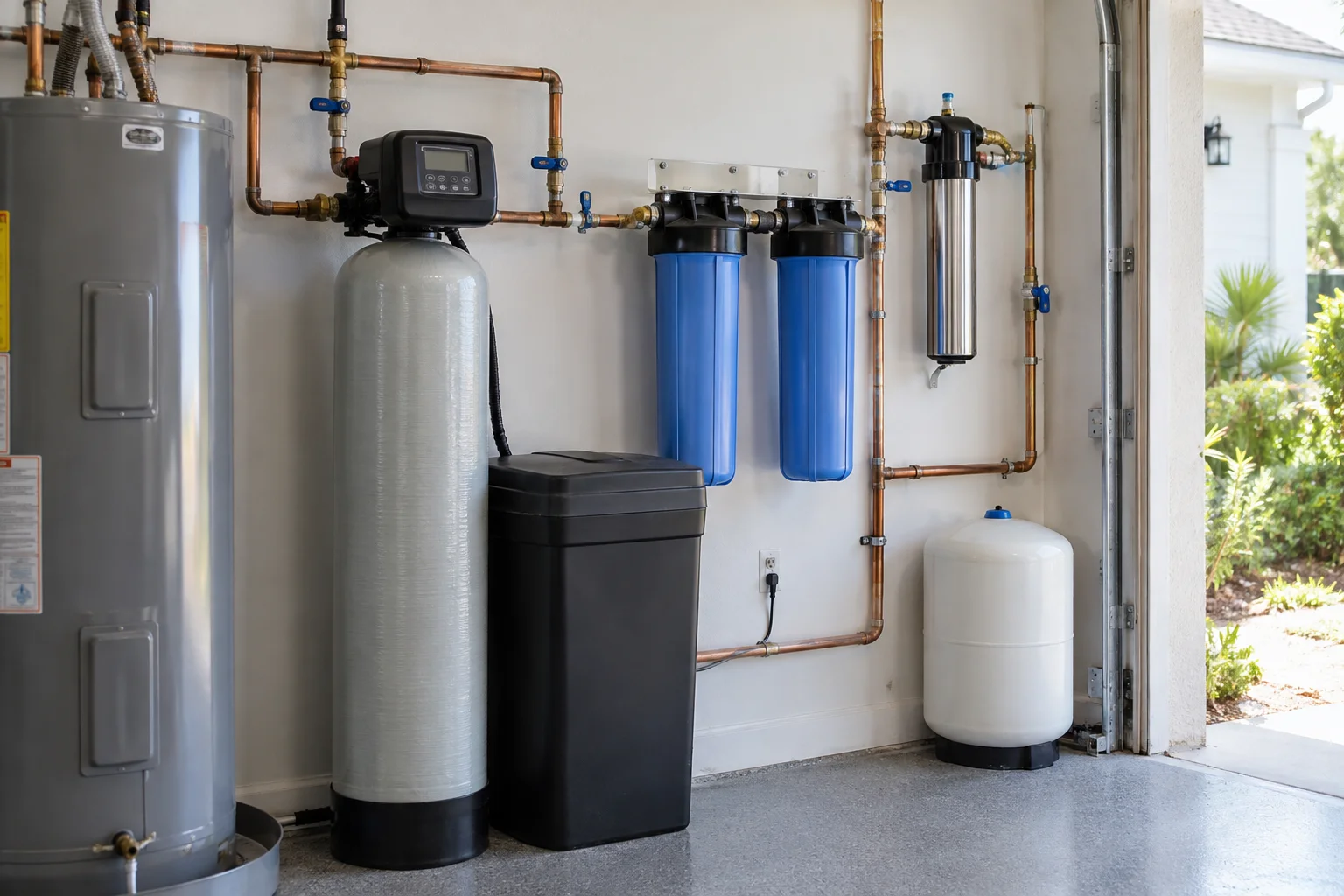
If you are seeing visible sediment, discoloration, or recurring odor issues, a whole house water filter can help protect fixtures and improve water quality throughout the home. Many homeowners choose filtration to reduce particles before they reach appliances and plumbing.
AO Smith water filtration for dependable system support
A AO Smith water filtration setup can be part of a layered approach that supports both taste and water clarity. When filtration and softening are matched to your water conditions, homeowners often see fewer issues with residue and improved confidence in everyday water use.
Reverse osmosis for drinking and cooking water
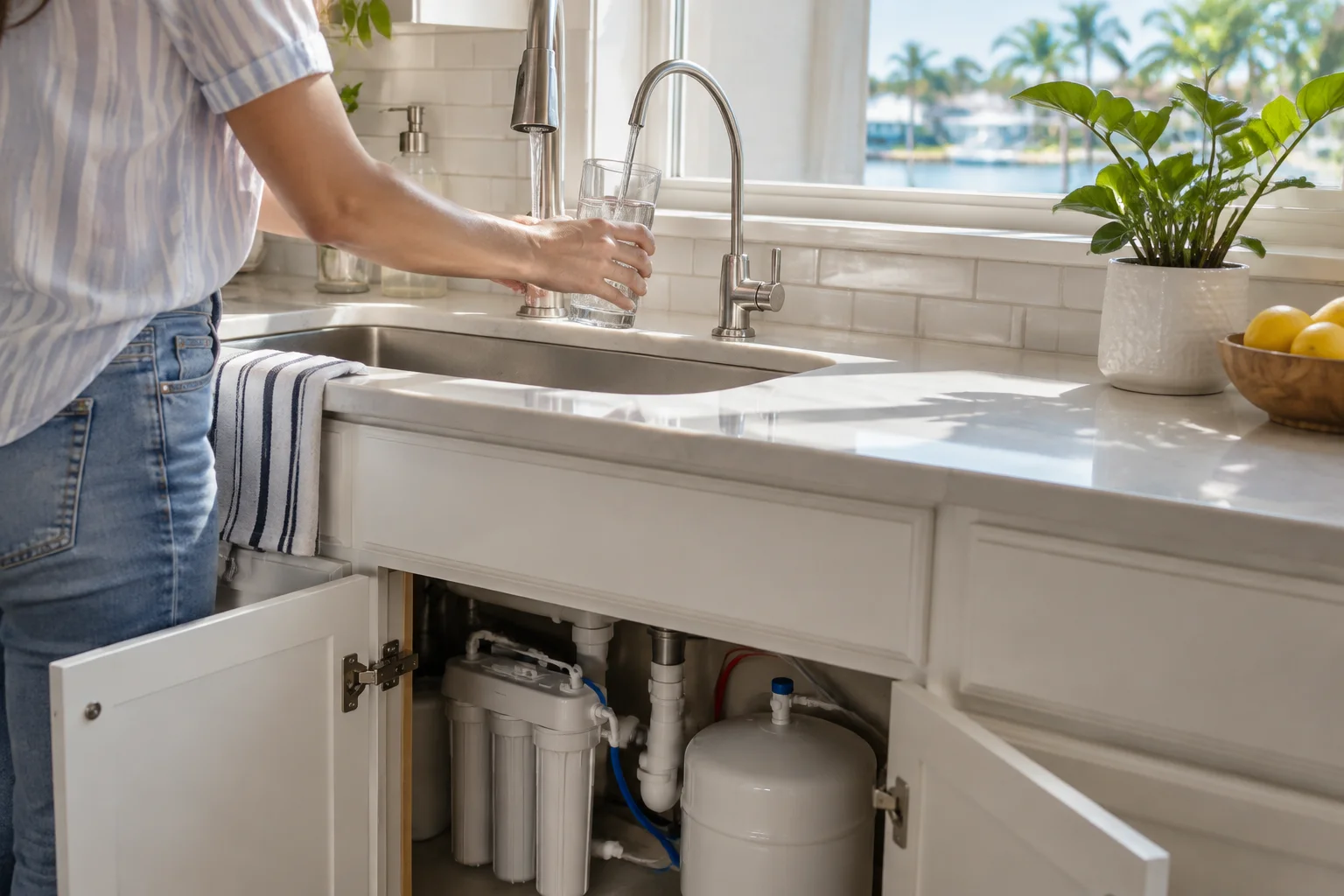
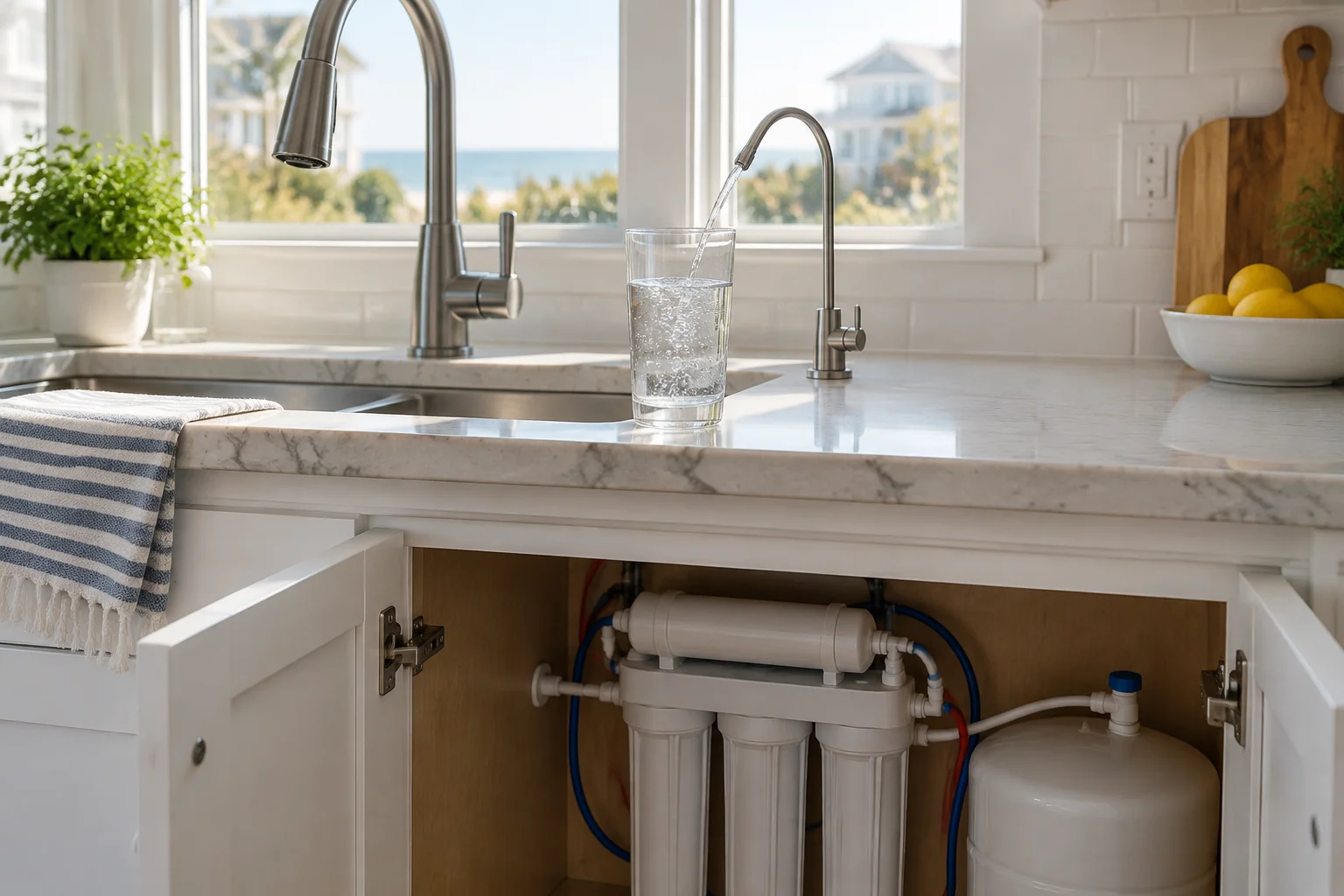
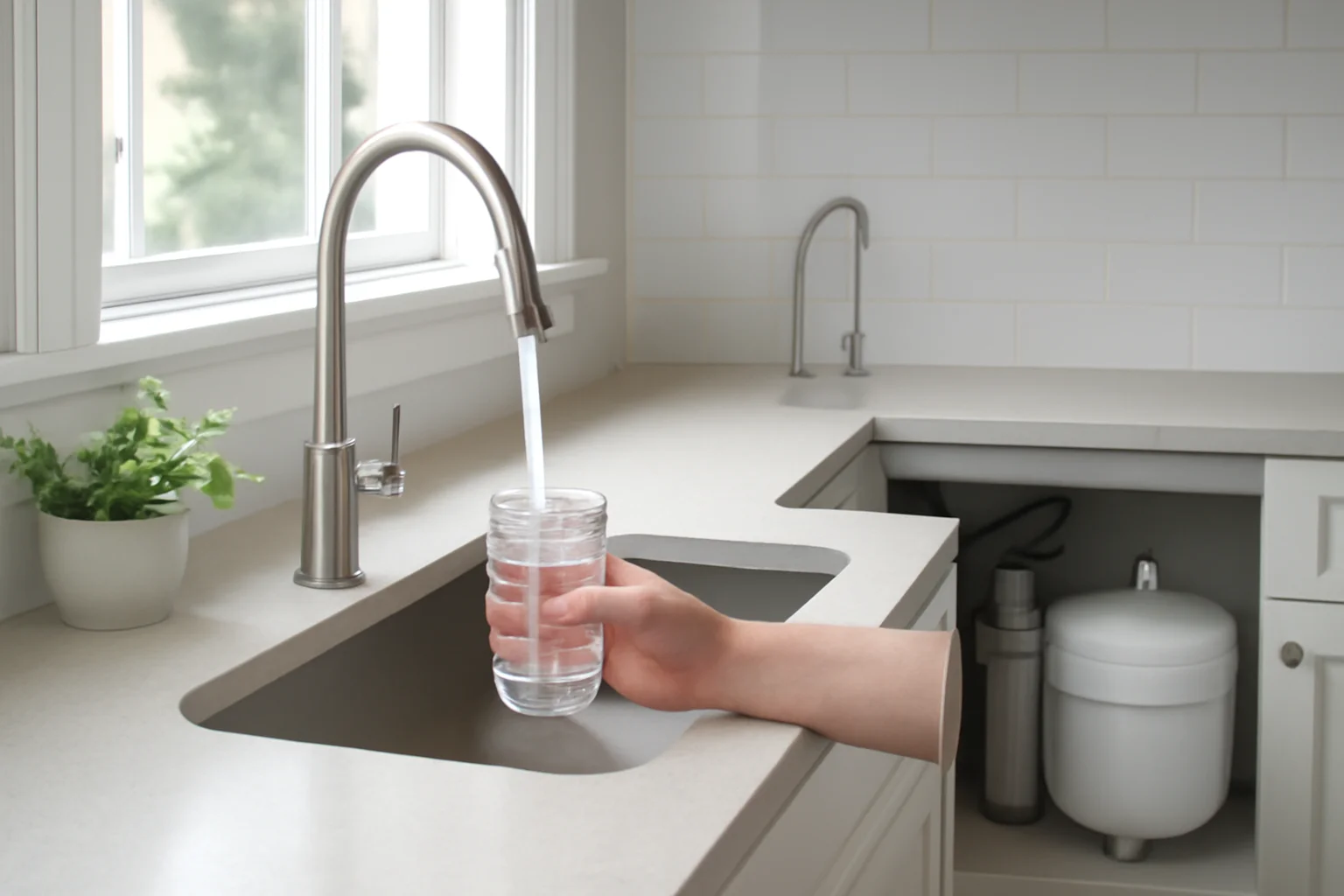
For families focused on drinking water quality and better cooking water flavor, reverse osmosis is a popular option. Reverse osmosis systems can reduce a wide range of contaminants and help with taste concerns that show up in the kitchen. If you are dealing with metallic or unpleasant taste, or you want to reduce cloudy ice cubes, reverse osmosis at the drinking tap can be a practical solution.
If you are searching for a “drinking water filter near me,” it helps to know whether the issue is hardness, sediment, or taste and odor. A professional water treatment plan can recommend the right combination so you do not pay for a one-size-fits-all solution.
Simple habits that help keep water cleaner between service visits
Even with a strong water treatment plan, a few habits can help you maintain performance and notice improvements sooner.
Wipe fixtures after showers and before spots set
For visible scale or water spots, a quick wipe with a microfiber cloth after showers can prevent minerals from drying into stubborn residue. This is a short term fix, but it also helps you track whether your water treatment is working.
Use the right cleaning products for mineral buildup
Choose cleaners designed for hard water scale on glass and metal surfaces. Avoid harsh scrubbing that can damage finishes. If scale is building up quickly, it can be a sign that your softening system needs service or that your home needs additional filtration.
Pay attention to ice and water taste as “real world” indicators
Cloudy ice cubes or a sudden change in taste can be early clues that filters are due or that sediment is entering your system. Keep a mental note of changes, especially after storms or plumbing work.
Run dishwashers and laundry with softened water benefits in mind
When you have softening and filtration properly set up, you can use normal soap and detergent amounts more confidently. If you find yourself using extra product to get the same results, it may be time to check your system.
Common causes behind the warning signs
Homeowners often see the effects first, then wonder why the water changed. Here are some frequent causes that connect the warning signs to water treatment needs.
Hardness minerals building up and overwhelming soap
When hardness is high, soap and detergents react differently. That leads to film on skin, dull hair, residue on fixtures, and poor rinse performance. This is the core issue water softening is meant to address.
Insufficient filtration or overdue filter replacement
Cloudy ice cubes, sediment in household water, and taste or odor problems can result from filtration that is not keeping up. Even a well-designed system can underperform when filters are past their service life.
Scale restricting flow and degrading appliance performance
Scale buildup in water heaters and appliances can reduce efficiency and shorten lifespan. If you notice appliances wearing out faster, it is worth considering whether hard water treatment is protecting internal components.
Changes in water chemistry or distribution conditions
When local conditions shift, water chemistry can shift too. For homeowners searching for water filtration near me, it helps to remember that treatment should be based on your water, not just a guess. A professional assessment can identify whether you need water softening, whole home filtration, reverse osmosis, or a combination.
What to look for in water softening service in Seaside
When you are considering water softener service, water softener installation near me, or a full clean water system, focus on a few practical details.
Start with the right water evaluation
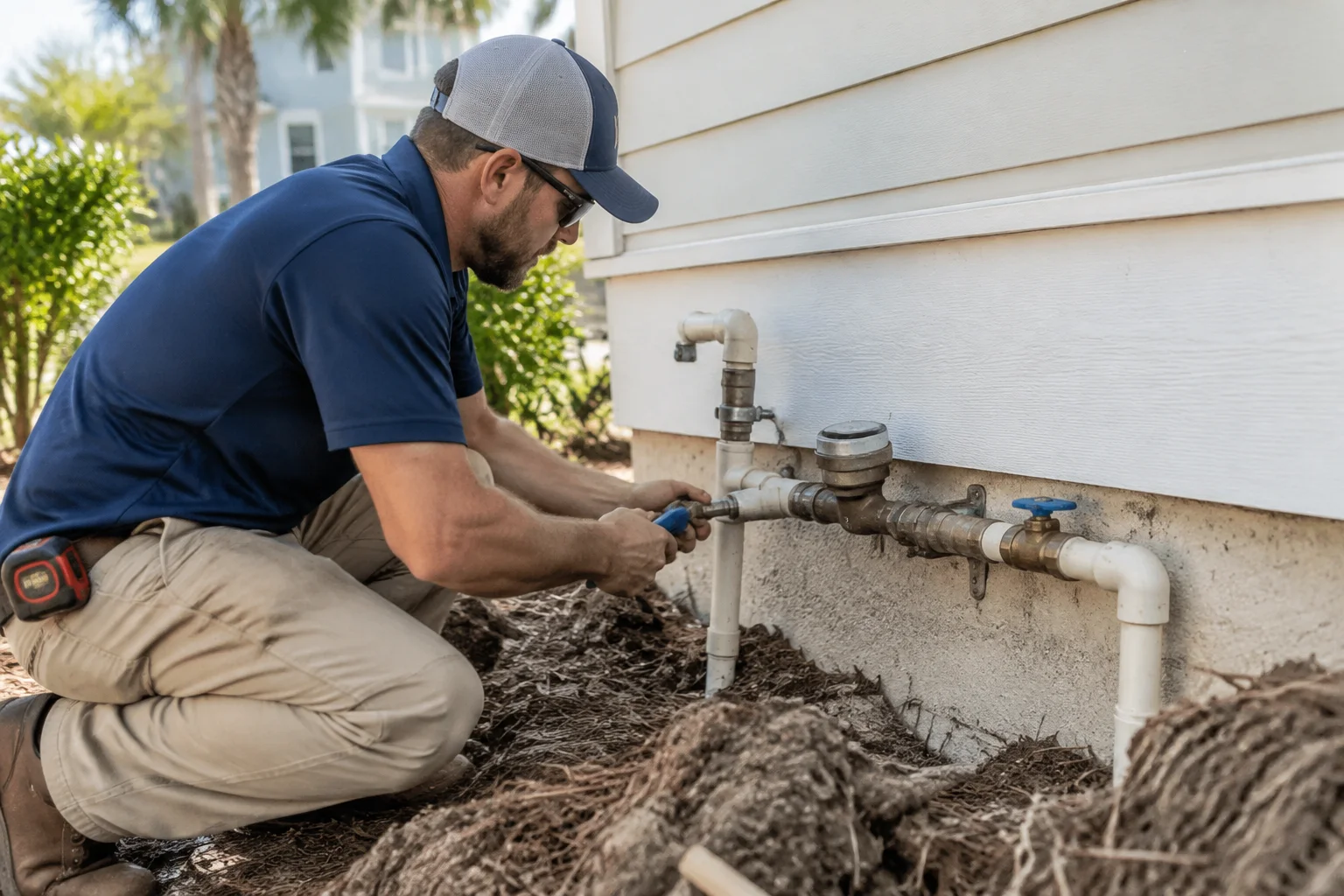
A quality water treatment plan begins with understanding your hardness level and whether you have sediment, taste, or odor concerns. That evaluation helps determine system sizing and whether you need additional filtration beyond softening.
Choose equipment that matches your household and usage
Water softeners and whole home systems work best when sized for your home. Too small and you will see recurring issues. Too large and efficiency can suffer. A local professional can help align equipment choices with your daily routines, including laundry frequency, dishwasher use, and bathing habits.
Plan for maintenance so performance stays consistent
Water softening is not a set it and forget it task. Salt, settings, and filter components can require regular attention. Maintenance helps keep softened water consistent, which is when homeowners notice the biggest improvements in spots, scale, and appliance protection.
Where to start if you want cleaner water now
If your kitchen scenes already look like this: a family pouring coffee, filling a pitcher, rinsing vegetables, and loading the dishwasher, your water quality directly affects daily comfort. The same is true for bath time, where the feeling of rinse and softness is hard to ignore. When you see hard water spots on glass or dishes, or you notice dry skin from hard water, it is a good time to review your treatment.
A Superior Mechanical offers water softening services in Seaside designed to reduce scale and protect fixtures and appliances. If you want to explore a layered approach, you can also review options on water filtration and reverse osmosis. For a broader view of local service context, visit the Seaside service area and Walton County.
If you are building a plan around everyday water quality, these reads can help you connect the dots between maintenance and cleaner water: Cleaner Water, Clearer Living in Seaside: How Better Treatment Helps With Spots, Scale, Taste, and Odor and Keeping Seaside Homes Running Smoothly with Better Waterline Care.
For homeowners who want to understand how water issues show up alongside other home systems, you may also find it useful to read Practical Plumbing Advice for Seaside Homeowners Living Near the Coast.
When it is time to call a professional for water treatment
Some signs are strong enough that DIY cleaning alone will not solve the root cause. Consider scheduling an evaluation with A Superior Mechanical if you notice:
Persistent hard water spots on glass and dishes that return quickly after cleaning
Scale buildup around faucets, showerheads, or reduced flow that keeps getting worse
Dry skin or dull hair after bathing that does not improve with routine changes
Cloudy ice cubes or metallic, chlorinated, or unpleasant taste
Visible sediment, discoloration, and odor concerns
Appliances wearing out faster than expected, or water heater performance that seems to drop
Professional water softening service can pinpoint whether hardness is the main driver or whether whole home filtration, AO Smith water filtration, or reverse osmosis is needed to protect your home and improve drinking and cooking water.
Protecting your Seaside home with cleaner water systems
Better water treatment is not just about avoiding spots. It is about reducing strain on plumbing, keeping appliances running efficiently, and making everyday routines feel better. When water softening and filtration are matched to your household, you can expect fewer scale problems, improved rinse feel, and more confidence in drinking water, cooking water, and laundry results.
If you are searching for “water filtration near me” or “water softener installation near me,” starting with a local evaluation is the fastest way to move from guessing to a real plan. A Superior Mechanical can help you build cleaner water systems that fit Seaside homes and protect the fixtures and appliances you rely on every day.
Find Water Softening Services in Seaside, FL
If you need Water Softening Services in Seaside, FL, visit our local service page or contact A Superior Mechanical today.
For a broader look at whole-home water filtration, reverse osmosis, and water softener options, visit our water filtration, RO, and water softener page.
Map of Seaside, FL
Frequently Asked Questions
How can I tell if my Seaside home needs water softening?
Look for hard water spots on glass and dishes, scale around faucets and showerheads, and soap that does not lather or rinse well. Dry skin or dull hair after bathing is another common clue. If these issues keep returning, it is usually time for a water evaluation and hard water treatment.
Will a water softener help with metallic or unpleasant taste?
Water softeners primarily target hardness minerals that cause scale and spotting. If you notice metallic tasting water, chlorinated taste, cloudy ice cubes, or odor concerns, you may also need whole home water filtration or reverse osmosis for drinking water and cooking water.
What is the difference between whole home water filtration and reverse osmosis?
Whole home water filtration is designed to improve water quality throughout the house and can help with sediment and overall clarity. Reverse osmosis focuses on the drinking water tap, helping reduce contaminants that affect taste and drinking water quality.
How do water softening and filtration protect appliances?
Softened water reduces scale buildup inside water heaters, dishwashers, and plumbing lines. That helps appliances run more efficiently, can reduce clogs caused by mineral deposits, and may help them last longer.
Related Articles
- Practical Plumbing Advice for Seaside Homeowners Living Near the Coast
- Cleaner Water, Clearer Living in Seaside: How Better Treatment Helps With Spots, Scale, Taste, and Odor
- Keeping Seaside Homes Running Smoothly with Better Waterline Care
- Reading the Warning Clues in Seaside Homes Before a Panel Upgrade Becomes Urgent
Photo Gallery