Niceville homeowners usually notice water quality problems in everyday places: the shower, the kitchen sink, the laundry room, and even the glassware that comes out of the dishwasher. The tricky part is that many warning signs look like “normal” household annoyances until they start stacking up. That is when hard water becomes more than an inconvenience and turns into a real water treatment problem.
In Niceville, FL, homes can be especially sensitive to scale buildup and mineral effects because hard water can leave deposits on fixtures and inside plumbing. When water softening and related clean water systems are not doing their job, you may see changes in taste, appearance, skin comfort, and appliance performance.
Why hard water and water softening get connected fast in Niceville homes
Hard water contains dissolved minerals, most commonly calcium and magnesium. These minerals do not just sit in the water. They react with soap, heat, and water flow. Over time, that can lead to scale buildup around faucets, showerheads, and plumbing lines. It can also reduce how well soap and detergents work, leaving residue on skin and fabrics.
Water softeners are designed to reduce those minerals before they reach your home. When the system is undersized, worn out, improperly maintained, or not working at the right settings, the signs can show up in multiple rooms at once. That is why homeowners often overlook the connection between kitchen water, bathing, laundry results, and the condition of fixtures and appliances.
Everyday warning signs that point to water softener issues
Below are the most common water quality warning signs homeowners notice. Each one can connect back to poor softening performance or an aging water softener in a whole-home setup.
1) Hard water spots on glass, dishes, and fixtures
If you wipe down shower doors and still see cloudy streaks, or if glasses come out looking “spotty” even after drying, it can be a sign that minerals are not being controlled. Hard water spots can also show up on dishes, faucets, and sinks. You might notice a film that feels slightly rough or looks chalky when it dries.
When water softening is working properly, scale and spotting should be noticeably reduced. When it is not, the mineral content stays high enough to leave visible residue, especially on surfaces that get frequent water exposure.
2) Scale buildup around faucets, showerheads, and plumbing
Look closely at the places where water evaporates or where flow is heated. Scale buildup around faucets and showerheads can narrow openings, reduce spray quality, and increase how often you have to scrub.
Inside plumbing, scale can build up where water is heated or where flow slows down. Over time, that can contribute to reduced hot water efficiency and faster wear on water-using appliances.
3) Dry skin or dull hair after bathing
Hard water can make it harder for soap to rinse cleanly. That means soap residue can stay on skin and hair, leaving a feeling of dryness or “coating.” Some homeowners describe hair that feels rough or looks dull, even when they use conditioner.
If you are noticing dry skin from hard water, it is worth considering whether your water softener is keeping mineral levels in check. This is one of the most common reasons people start searching for clean water systems near me or water softener service near me.
4) Metallic, chlorinated, or unpleasant taste
Water softeners help with mineral hardness, but taste and odor issues can also be connected to how your overall treatment system is operating. If you notice a metallic taste, a strong chlorine taste in water, or an odor that makes you hesitate to drink straight from the tap, you may need a layered approach.
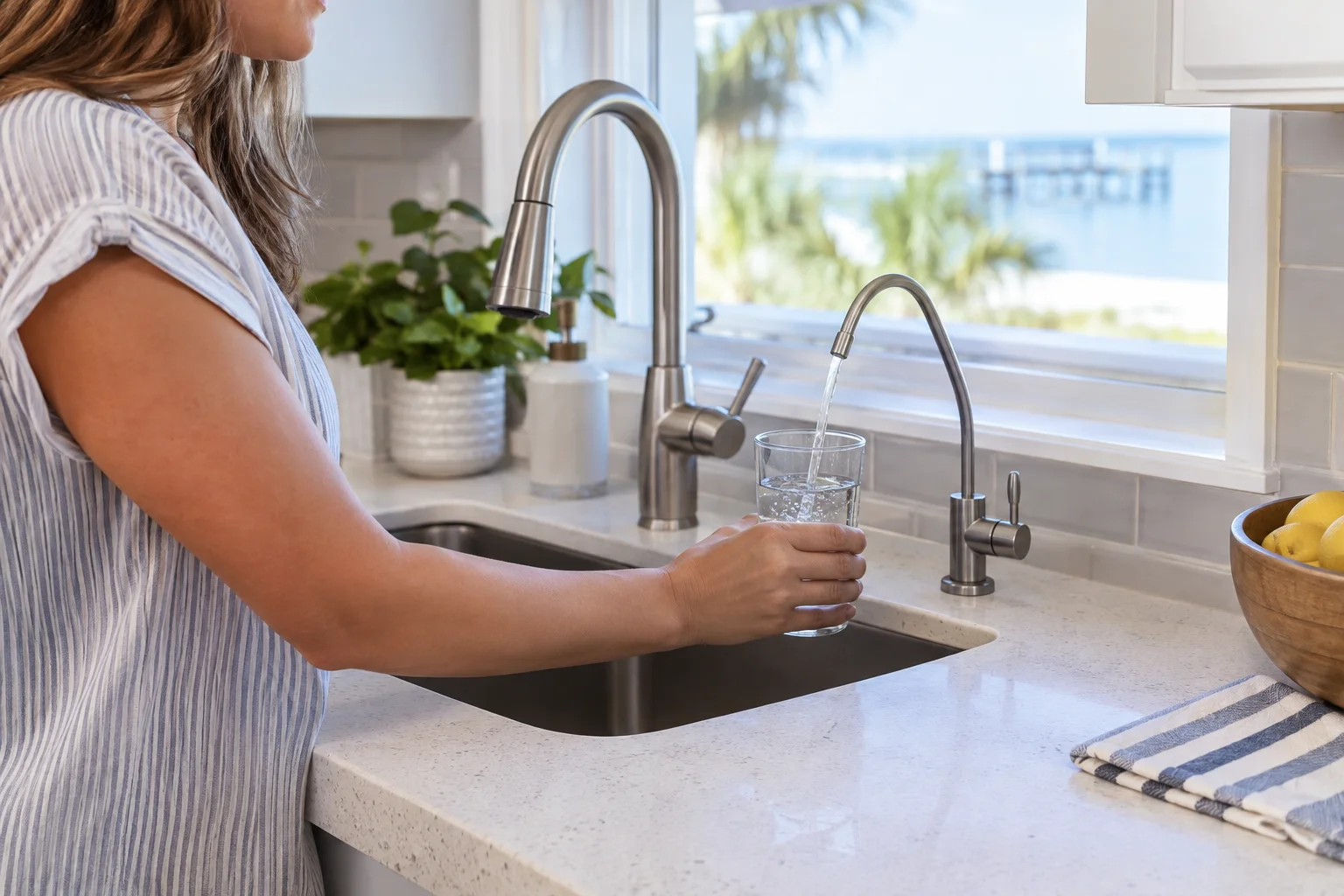
For many homes, combining water softening with additional filtration or a drinking water filter improves the taste and smell you experience at the kitchen sink and in drinking water. Some homeowners choose an AO Smith water filtration solution to handle specific water concerns, while others add reverse osmosis for drinking water quality.
5) Cloudy ice cubes
Cloudy ice cubes can signal mineral content, sediment, or water chemistry that affects how water freezes. If your ice looks cloudy compared to how it used to look, that can be a clue that sediment in household water or mineral issues are getting worse.
It is also a sign that your kitchen water quality may benefit from filtration, especially if you rely on ice for drinks and cooking.
6) Poor tasting coffee and cooking water
If coffee tastes “off” or cooking water does not behave the way you expect, your water chemistry may be part of the problem. Minerals can affect how flavors extract from coffee and how ingredients cook. Homeowners often notice this first when they are making tea, pasta, rice, or soups.
When hard water is not being managed, even small mineral shifts can change results. A drinking water filter near me search often comes from this exact kitchen frustration.
7) Soap that does not lather or rinse well
Hard water makes it harder for soap to foam. You may notice that bar soap feels “draggy,” body wash does not lather as expected, or laundry detergent requires more product to get the same clean.
Even when you use the right amount of detergent, you can end up with residue on clothing. That residue can make fabrics feel stiff and can contribute to dull colors over time.
8) Visible sediment, discoloration, and odor concerns
Some homeowners notice discoloration in certain fixtures or occasional sediment. While sediment can come from plumbing and supply lines, it can also be worsened by scale and mineral buildup. If you see particles, notice a change in color, or smell something unusual, it is a strong reason to investigate your water treatment.
In many cases, homeowners benefit from whole home water filtration combined with proper softening. That combination helps reduce sediment and improves clean water systems performance across the home.
9) Appliances wearing out faster
Water that is too hard can contribute to mineral deposits inside appliances. Over time, that can lead to reduced efficiency and faster wear on water heaters, dishwashers, and other water-using equipment.
When you notice repeated repairs or shortened lifespans for appliances, water quality should be part of the diagnostic conversation. When hard water treatment becomes part of protecting fixtures and appliances, you often reduce the “mystery wear” that shows up after years of use.
How Niceville’s local conditions can make water treatment feel personal
Niceville sits in a coastal region where homeowners experience humid weather, frequent household water use, and seasonal changes that can affect plumbing and water chemistry behavior. Even when municipal water treatment is consistent, the way minerals interact with your home plumbing depends on factors like pipe materials, water flow patterns, and how your system is maintained.
That is why local water treatment service matters. A water softener that works well on paper can still underperform if it is not matched to your household size, water usage, or the specific hardness levels in your area. A properly designed whole house water filter or water softener service can also help reduce the mineral load that contributes to scale buildup around faucets and showerheads.
Common causes behind the warning signs
If you are seeing multiple symptoms at once, it is usually not one random issue. The most common causes include:
- Aging water softener: Resin beds can wear out, and valves can drift out of calibration.
- Incorrect settings: If the unit is not set to the right hardness or regeneration schedule, it may not soften consistently.
- Insufficient capacity: Larger households, more laundry, or new landscaping irrigation demands can outgrow an undersized system.
- Salt supply problems: Low salt, bridging, or incorrect salt type can interrupt softening cycles.
- Clogged or failing components: Sediment and mineral buildup can affect performance, especially when filtration is not addressed.
- Missing or incomplete treatment: Softening helps with hardness, but it does not automatically remove all taste, odor, or sediment issues.
What homeowners can do: solutions that match the problem
The right fix depends on which symptoms you are seeing and how your home is currently treated. Many Niceville families benefit from a layered approach that starts with water softening and can include additional filtration for drinking water.
Water softener service, repair, or replacement
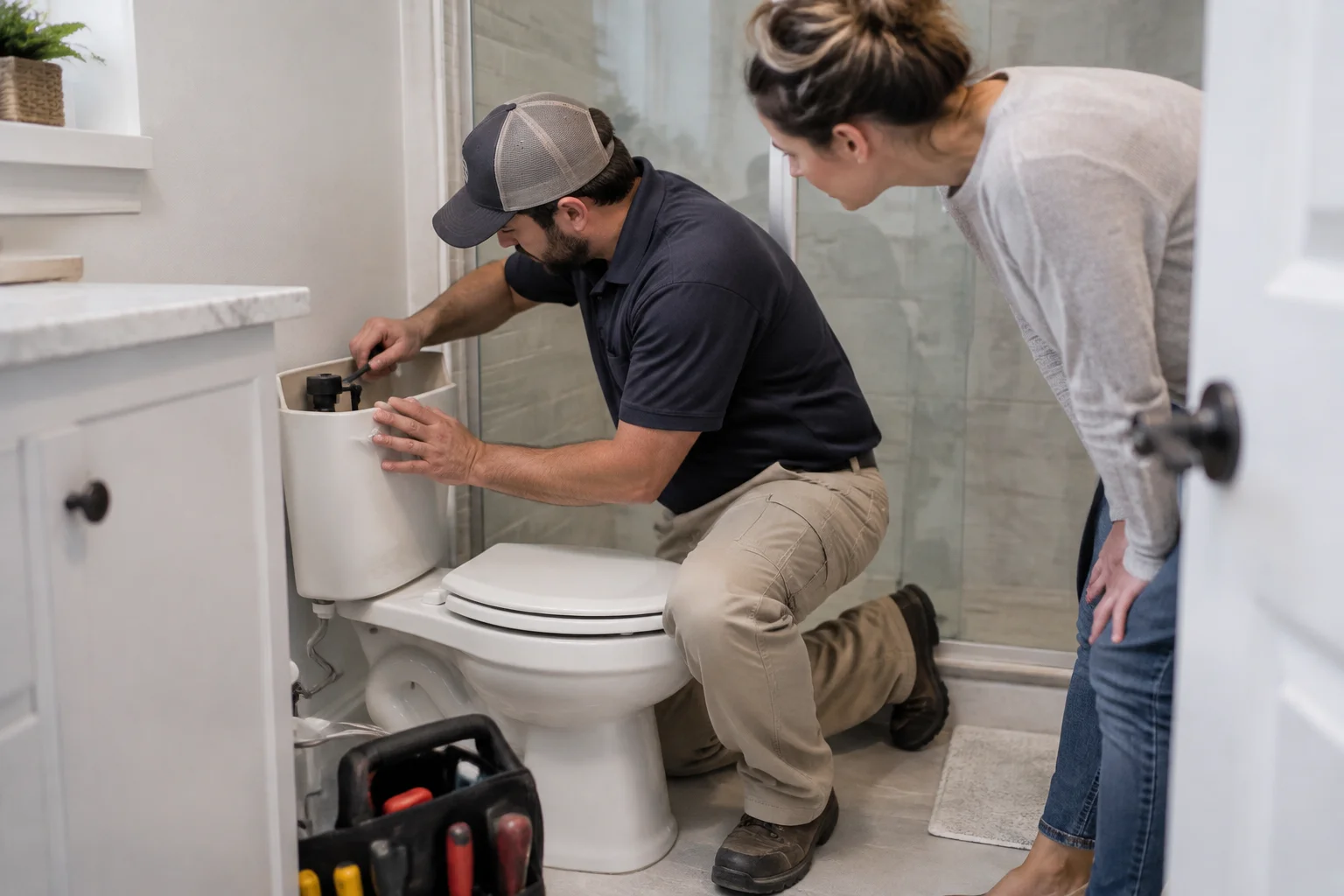
If spotting, scale buildup around faucets, and dry skin from hard water are your main complaints, water softener service near me is often the first step. A technician can check the system’s settings, inspect components, test water hardness, and verify regeneration performance.
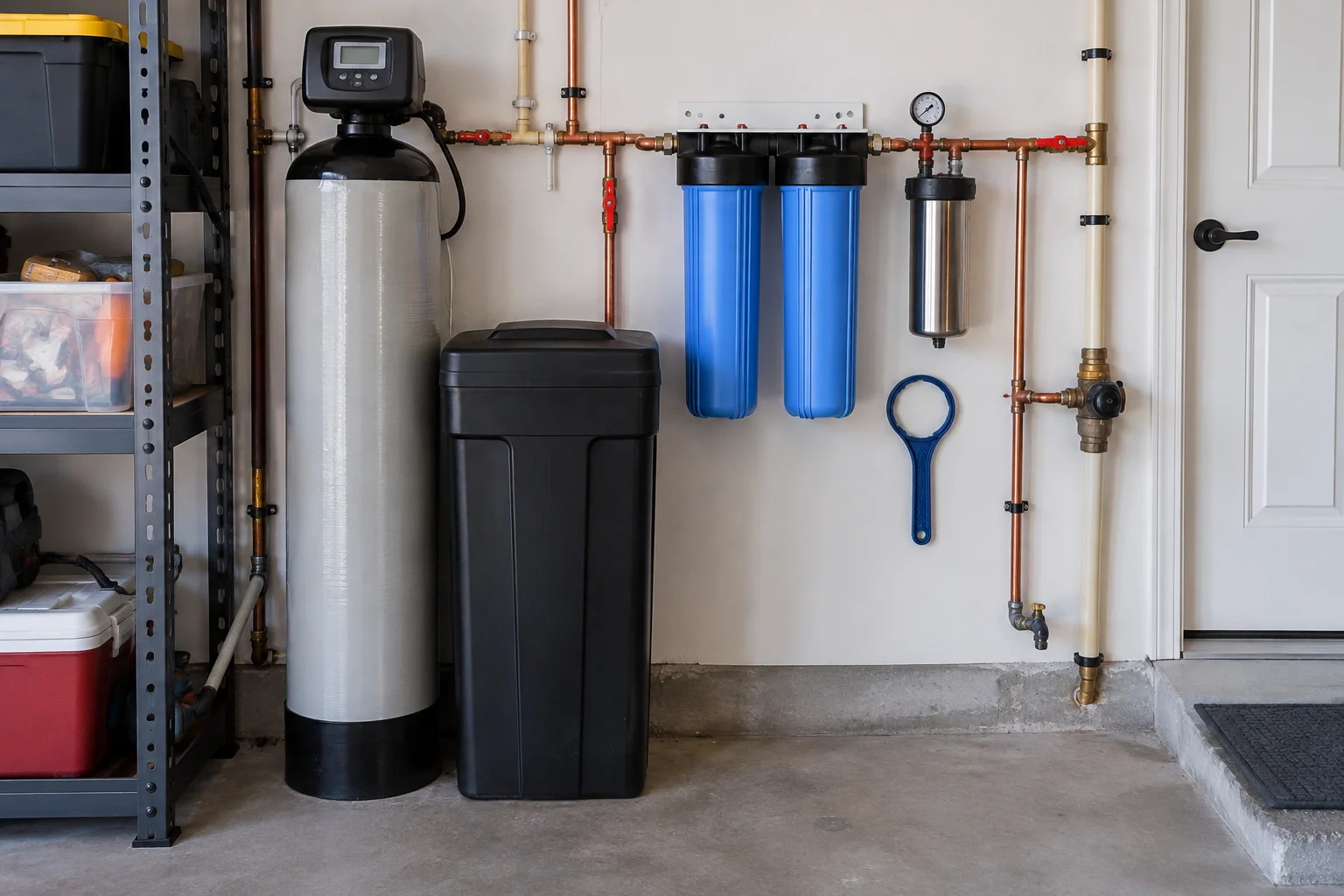
When repairs are no longer enough, replacement may be the most cost-effective way to restore consistent softening. Homeowners often choose dependable whole-home systems from AO Smith water filtration and AO Smith water softener options, especially when they want long-term performance across the entire plumbing system.
If you are considering water softener installation near me, it helps to plan for your household’s real usage, not just the size of the home. Laundry frequency, dishwasher use, and bathing habits all influence what your system should handle.
Whole home water filtration for sediment and consistent “clean water systems” performance
When you have visible sediment, cloudy ice, or discoloration concerns, whole house water filter options may be necessary. Whole home filtration is designed to protect fixtures, appliances, and plumbing from particles that can contribute to buildup and reduced water clarity.
For homeowners searching for clean water systems near me, whole home water filtration can reduce the day-to-day annoyances that appear in the kitchen and bathroom.
If you want to explore options, you can review the water softening service page for Niceville here: /service-areas/okaloosa-county/niceville/water-softening-fwbnvfl. If you are comparing systems and want a broader view of filtration choices, start with /water-filtration-ro-water-softeners.
Reverse osmosis for drinking water and cooking water quality
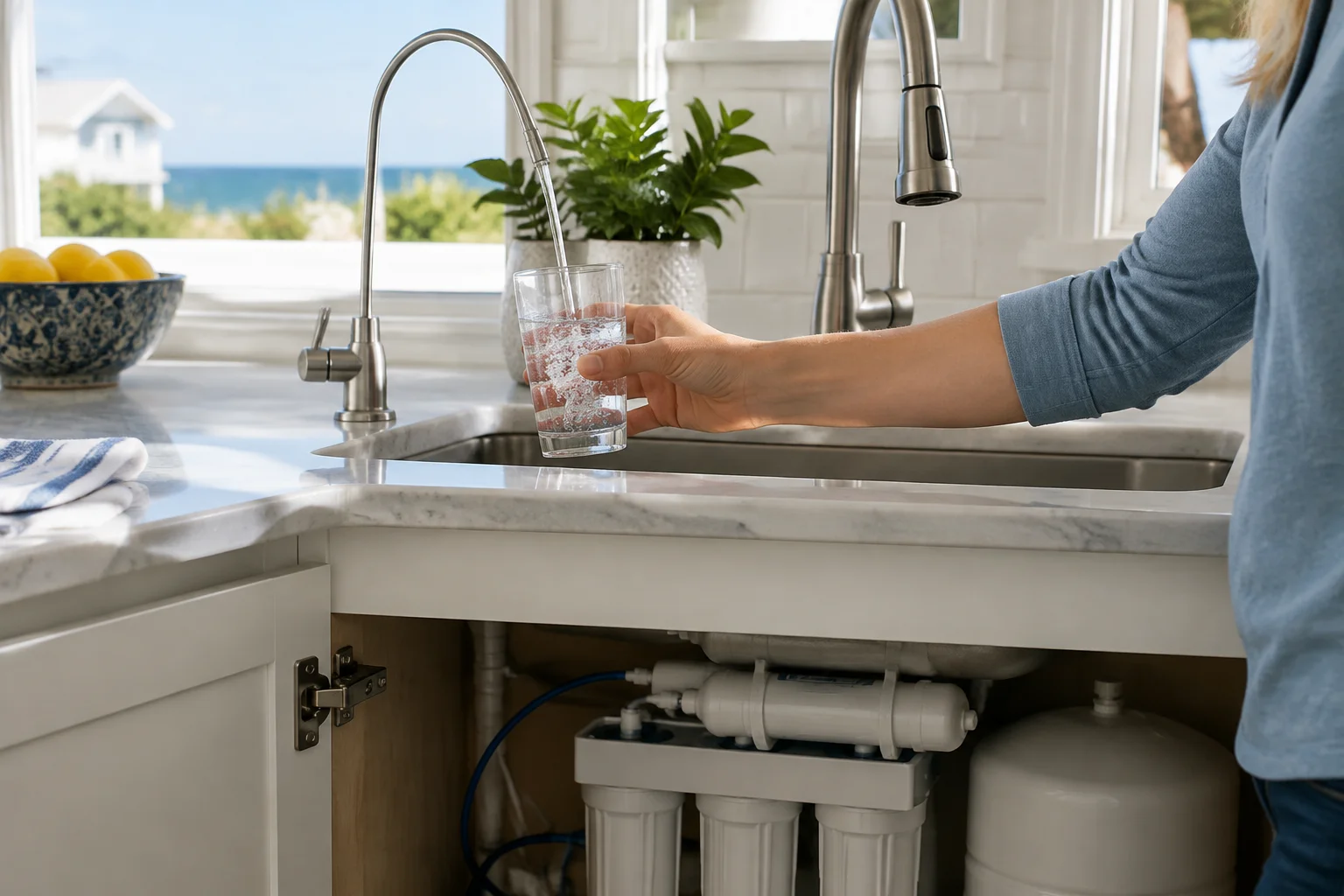
Some problems are more noticeable in the kitchen. Poor tasting coffee, off-tasting drinking water, and concerns about odor or contaminants are common reasons homeowners look for reverse osmosis installation near me.
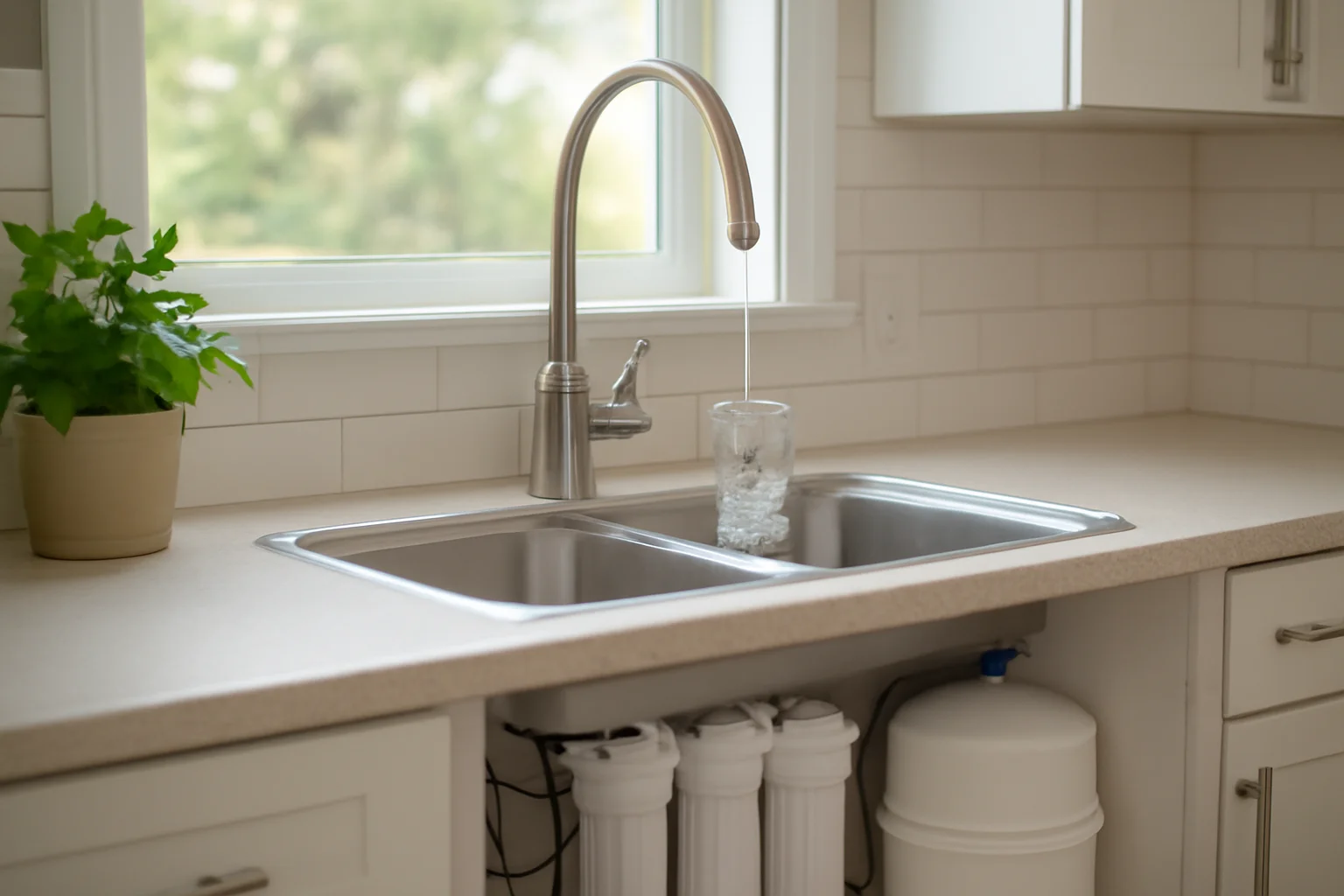
Reverse osmosis systems focus on improving drinking water quality at the point of use, often producing better-tasting water for drinking, ice, and cooking. Many families use reverse osmosis for drinking and cooking water, while relying on softened and filtered water for showers, laundry, and the rest of the home.
That combination can be especially helpful when you want your family’s kitchen scenes to feel consistent, from morning coffee to weeknight pasta to clean-tasting water for guests.
AO Smith water filtration as part of a complete plan
Homeowners sometimes think water softening is the only answer. In reality, water quality is a mix of hardness, sediment, and taste or odor concerns. AO Smith water filtration solutions can be part of a clean water system approach, supporting better drinking water and improved overall comfort.
If you are specifically looking for an AO Smith water softener or AO Smith water filtration setup, it helps to have a professional evaluate your water and match the equipment to your home’s needs.
Prevention and maintenance that keeps softening consistent
Even the best system needs routine care. These maintenance habits help keep water treatment performance stable between service visits:
- Check salt levels regularly: A low supply can quickly reduce softening effectiveness.
- Use the recommended salt type: Follow system guidance so the brine cycle works correctly.
- Watch for sudden changes: If spotting increases or bathing comfort worsens, do not wait months to investigate.
- Keep the area clean and accessible: Make sure the equipment space stays clear so inspections and service are easier.
- Schedule water quality checks: Hardness can vary, and system performance can drift over time.
For homeowners in Okaloosa County, planning service around seasonal patterns can make it easier to catch issues early. If you want to understand the local service coverage, you can browse the city and county pages at /service-areas/okaloosa-county/niceville and /service-areas/okaloosa-county.
When it is time to call a professional water treatment team
Some issues are easy to ignore until you notice the cumulative effects. Call a professional sooner if you see:
- Multiple hard water warning signs at the same time, like spotting plus dry skin plus scale buildup around showerheads.
- Cloudy ice cubes, sediment, or odor changes that affect drinking and cooking.
- Soap that repeatedly fails to lather, even when you switch detergents.
- Appliances requiring repairs sooner than expected.
- Any signs your water softener is not regenerating properly or is running consistently without results.
It is also worth reaching out if you are updating your home or increasing water usage. A growing household or a new routine like extra laundry can push an older system beyond its effective capacity.
How better water changes daily life in Niceville
When water softening and filtration are working well, the benefits show up in small moments that add up. Glassware comes out cleaner with less scrubbing. Shower time feels more comfortable. Laundry looks brighter and fabrics feel better. Kitchen water tastes better for coffee, tea, and everyday cooking.
Better water also supports appliances and fixtures. Reducing mineral buildup helps protect the equipment that keeps your home running year after year.
If you are also thinking about how plumbing reliability affects your water experience, it can help to connect water quality improvements with overall home maintenance. These articles may be useful as you plan upgrades: /news/how-better-plumbing-installation-helps-niceville-homes-stay-reliable-year-round and /news/why-a-small-water-heater-problem-in-niceville-can-turn-into-a-bigger-plumbing-repair.
A simple checklist you can use this week
If you want a practical way to assess what is happening in your home, try this quick checklist:
- Bathroom: Check showerhead spray and look for scale and spotting.
- Kitchen: Fill a glass with tap water and compare clarity. Notice taste and odor.
- Dishwasher and glassware: Look for film and streaking after normal cycles.
- Laundry: See whether clothes feel coated or require extra detergent.
- Appliances: Think about whether repairs are happening sooner than expected.
When you combine what you see with a water test and system inspection, you get a clear picture of whether water softening needs adjustment, whether whole home water filtration is required, or whether reverse osmosis for drinking water would make a noticeable difference.
For Niceville homeowners, getting the right water treatment plan is one of the most direct ways to protect comfort and everyday routines. If you are searching for water filtration near me or water softener service near me, start with a local assessment and an equipment match that fits your household and your water.
Find Water Softening in Niceville, FL
If you need Water Softening in Niceville, FL, visit our local service page or contact A Superior Mechanical today.
For a broader look at whole-home water filtration, reverse osmosis, and water softener options, visit our water filtration, RO, and water softener page.
Map of Niceville, FL
Frequently Asked Questions
Can a water softener fix hard water spots and dry skin at the same time?
Yes, when the softener is working correctly. Hard water spots on glass and fixtures usually point to mineral control issues, and dry skin from hard water is often linked to soap residue that does not rinse well. If your system is undersized, out of calibration, or failing, both problems can show up together.
Does water softening also improve drinking water taste and odor?
Water softening mainly targets hardness minerals. Taste and odor concerns like chlorine taste in water or unpleasant smells often require additional treatment such as whole home water filtration and a dedicated drinking water filter or reverse osmosis system.
What causes cloudy ice cubes in a home with a water softener?
Cloudy ice can be related to minerals, sediment in household water, or a filtration gap. If softening is not reducing hardness consistently or if sediment is getting through, whole home water filtration and system inspection can help.
How do I know whether to repair or replace my AO Smith water softener?
It depends on performance. A technician can test hardness reduction, check regeneration cycles, and inspect components. If repairs are frequent, the unit is not softening properly, or the equipment is aging, replacement may restore reliable results across the home.
Is reverse osmosis worth it for cooking and coffee in Niceville?
Many homeowners find reverse osmosis installation near me is worth it when they notice poor tasting coffee and cooking water. It can improve drinking water quality at the point of use, especially when paired with whole home water softening and filtration.
Related Articles
- How Better Plumbing Installation Helps Niceville Homes Stay Reliable Year Round
- Practical ways Niceville homeowners can handle plumbing financing without delaying repairs
- Why a Small Water Heater Problem in Niceville Can Turn Into a Bigger Plumbing Repair
- Why Better Plumbing Replacement Pays Off in Niceville Homes
Photo Gallery