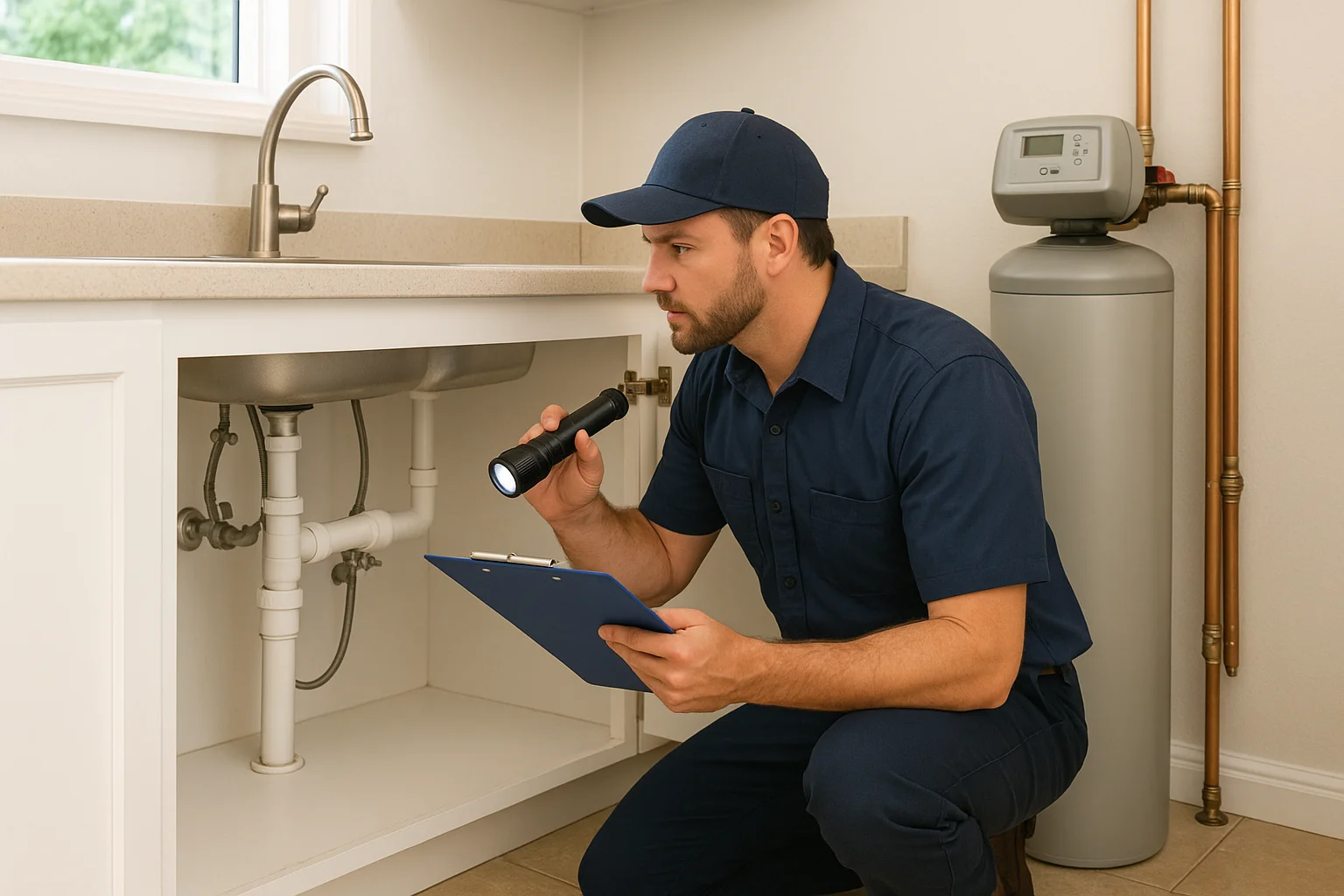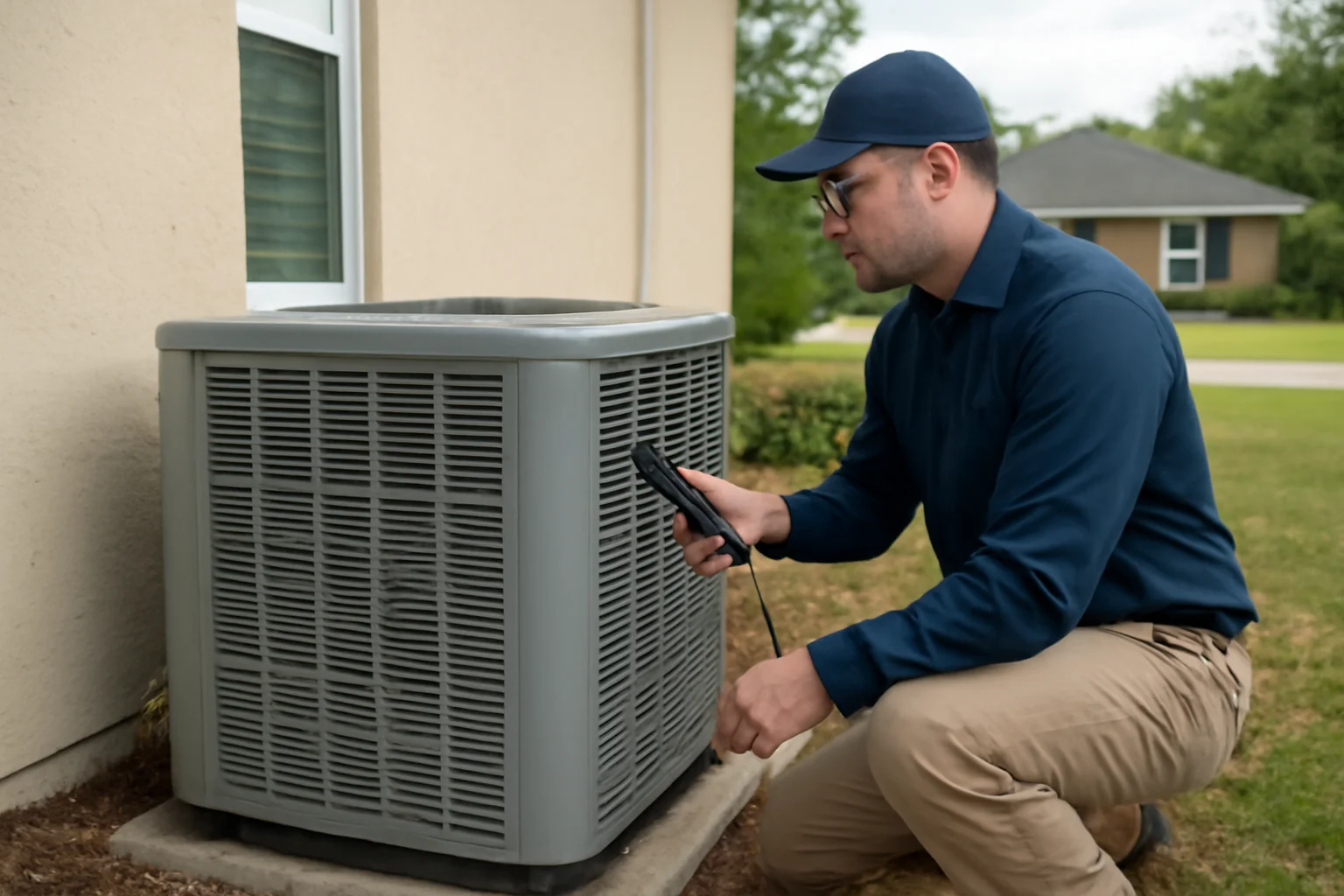
Valparaiso, FL is beautiful, but the air is often heavy with moisture. When humidity stays high inside the home, your air conditioner has to work harder, your comfort can feel “off,” and indoor air quality can take a hit. Whole home dehumidification is designed to address that moisture at the source, supporting smarter HVAC maintenance before minor problems become expensive.
If you are dealing with damp rooms, musty odors, condensation around vents, or cooling that never feels quite right, this guide explains how whole home dehumidification works in Florida homes, what typically causes humidity to rise, and how to protect your system with preventive HVAC maintenance from a local professional like A Superior Mechanical.
Why Valparaiso humidity makes HVAC maintenance more expensive later
In Valparaiso and across Okaloosa County, summer air can bring persistent humidity along with heat from the sun. Even when your air conditioner is running, humidity does not always fall enough to keep the home comfortable. That is where whole home dehumidification matters.
When indoor humidity stays elevated:
Comfort suffers: You may feel sticky or clammy, even if the thermostat is set to a normal temperature.
Airflow and cooling efficiency drop: Moisture and poor airflow can change how the refrigerant system performs, making the system cycle more often.
Energy use can rise: The HVAC system may run longer to reach temperature, while humidity remains stubborn.
Indoor air quality declines: Higher moisture can encourage mold growth and increase dust and allergen discomfort.
Condensate drainage can become a bigger issue: When the system removes moisture, it relies on condensate drainage pathways to move water safely away. If moisture removal is out of balance, you can see problems like wet surfaces and musty smells.
Over time, that extra strain can contribute to wear on components and more frequent service calls. Homeowners searching for air conditioning service near me often notice these symptoms during peak season, when the cost of repairs and emergency cooling concerns rise.
Whole home dehumidification vs. “just run the AC”
Many homeowners assume that if the air conditioner is cooling, it is also dehumidifying. Cooling does remove some moisture, because moisture condenses on cooling surfaces as the refrigerant system operates. But real homes in Valparaiso are not uniform. Ductwork, insulation, air leaks, thermostat settings, and room airflow can all influence whether humidity actually drops to a comfortable level.
Whole home dehumidification is a more deliberate approach to controlling moisture across the living space. Instead of relying only on the cooling cycle, the goal is to manage humidity so the home feels right and the HVAC system can maintain performance without fighting the environment.
For many households, the difference is noticeable:
Less “clammy” comfort: The indoor air feels more stable, especially during humid stretches.
Better consistency: Rooms can feel closer to the same comfort level rather than swinging between dry and damp.
Support for indoor air quality: Lower humidity can help reduce conditions that lead to musty odors and microbial growth.
Common causes of high indoor humidity in Valparaiso homes
Humidity is not always a single problem. In Florida, it is often a combination of moisture sources and HVAC system limitations. Here are frequent causes professional HVAC technicians look for during an air conditioning inspection near me or residential HVAC service near me visit.
1) Airflow problems through the ductwork
Ductwork affects how conditioned air moves and how moisture is removed. If supply airflow is weak, poorly balanced, or blocked by debris, humidity removal can fall short. Some homes also have ductwork that does not distribute air evenly, leaving certain rooms more humid than others.
If you suspect airflow issues, it can help to review ductwork performance and consider duct inspection. In some cases, homeowners also ask for duct cleaning near me because visible dust or airflow complaints overlap with humidity concerns, but the right first step is evaluating airflow and system operation.
2) Thermostat settings that do not match the home’s humidity behavior
Thermostats control temperature, but humidity comfort depends on how the system runs over time. If settings are configured in a way that short cycles the system or limits dehumidification during certain periods, humidity can linger.
Modern systems and thermostats can vary widely. A professional can confirm whether thermostat operation is supporting comfort goals, especially if you are noticing frequent cycling or inconsistent room temperatures.
3) Refrigerant system performance and moisture removal balance
The refrigerant system is central to cooling and moisture removal. When the system is not operating as intended, it may not remove moisture the way it should. However, humidity complaints alone are not enough to confirm a refrigerant issue without an in-person evaluation.
Technicians assess system operation, airflow, and condensation behavior to understand what is happening inside the cooling cycle. That is also why a local HVAC contractor near me matters. The right diagnosis depends on how your specific home performs in Valparaiso’s humidity.
4) Condensate drainage problems
As air is cooled, condensate forms and must drain correctly. If condensate drainage is restricted or not functioning properly, water can back up or fail to remove moisture effectively. That can lead to wet areas, odors, and reduced dehumidification performance.
Because condensate drainage involves system components and airflow conditions, it should be checked by a qualified HVAC professional, not guessed at from symptoms alone.
5) Heat pump and AC differences during humid weather
Many homes in Florida use air conditioning systems and heat pumps. Their operation can affect humidity comfort differently depending on how they run and how the indoor air handler moves air. Homeowners searching for heat pump repair near me sometimes run into humidity complaints after performance changes, even if the unit still cools.
A professional can evaluate how the system is managing moisture in your specific installation, including airflow and thermostat behavior.
How whole home dehumidification supports indoor air quality
Indoor air quality is not only about filtering dust. Humidity is a key factor. In humid conditions, indoor surfaces can remain damp longer, and that can contribute to musty odors and increased allergen discomfort.
Whole home dehumidification supports indoor air quality services goals by controlling moisture levels that influence how airborne particles behave and how comfortable the home feels.
It also helps protect the home itself. When humidity stays high, it can affect materials and promote conditions that are harder to fix later. Professional moisture control is one reason many homeowners choose residential HVAC service near me that includes a focus on comfort and air quality, not just temperature.
Energy use and comfort: why humidity control can reduce HVAC stress
When humidity is too high, your system can end up working against the conditions. You may set a thermostat to a comfortable temperature, but if the air remains humid, the feeling of comfort does not match the number you chose.
That mismatch can lead to longer run times, more frequent cycles, and increased wear. Whole home dehumidification helps bring the indoor environment closer to what your HVAC system is designed to manage, supporting stable operation.
It is also a practical way to reduce emergency cooling concerns. During the hottest, most humid periods, any HVAC problem becomes more urgent. A moisture problem that goes unnoticed can contribute to performance issues. Preventive HVAC maintenance that includes attention to humidity and airflow helps keep systems more reliable when you need them most.
Salt air and coastal conditions: an extra reason to stay proactive
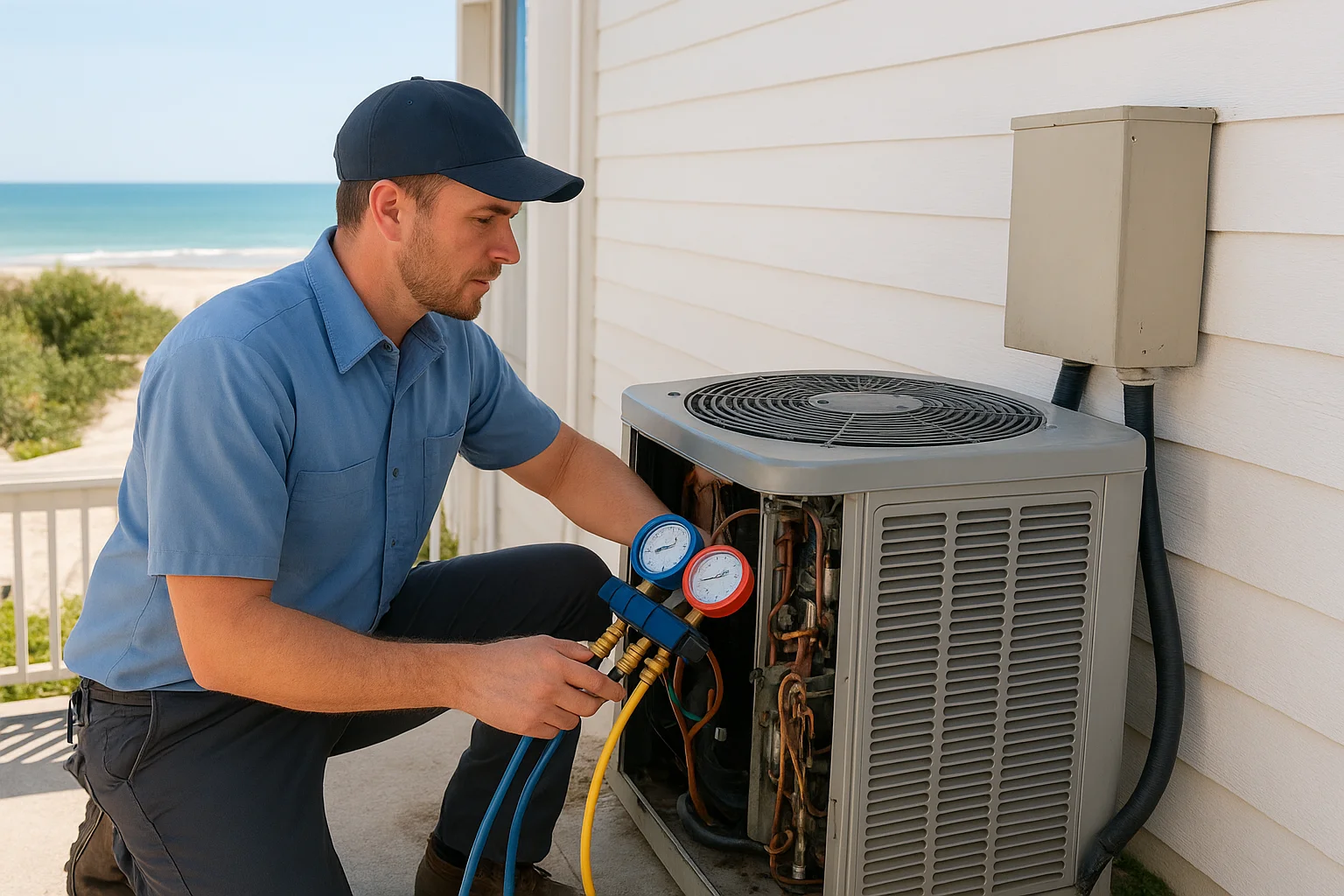
Valparaiso is in the Gulf region, and coastal air can include salt-laden moisture. While salt air is not the only factor that affects HVAC performance, it can accelerate corrosion on some components over time. Humidity control helps reduce the overall moisture load inside the home, and it supports more consistent system operation.
That is another reason it is smart to work with a local team that understands the conditions homeowners face in Okaloosa County, not just generic guidance. For many residents, the most effective approach combines humidity control with routine checks of airflow, condensate drainage, and system performance.
What a professional whole home dehumidification evaluation includes
Homeowners often wonder what happens during an HVAC appointment for humidity issues. The goal is to understand how moisture is entering the home, how air moves through the ductwork, and how the HVAC system removes moisture.
While every home is different, a qualified technician typically focuses on:
Airflow across the system: Supply and return airflow patterns, ductwork performance, and how the home circulates air.
Condensate drainage behavior: Whether moisture removal is draining properly and whether there are signs of backup or poor drainage.
Thermostat operation: How the thermostat settings and system runtime align with comfort goals.
Refrigerant system operation and cooling behavior: Without jumping to conclusions, the technician reviews system performance during operation. Any refrigerant diagnosis should be based on in-person testing and safe professional procedures.
Indoor air quality considerations: Moisture, dust behavior, and comfort patterns across rooms.
Because humidity complaints can overlap with other issues, it is important to avoid assumptions. A professional evaluation is the way to separate a humidity control need from an air conditioning repair issue or a ductwork problem.
Maintenance habits that help prevent humidity from creeping back
Whole home dehumidification is not a one-time fix. It works best when paired with preventive HVAC maintenance and simple homeowner habits.
Keep registers and returns clear
Blocked vents and closed rooms can change airflow and create humidity pockets. If you notice certain rooms staying damp, check whether airflow is being restricted.
Schedule HVAC maintenance before peak humidity
Many homeowners search for AC tune up near me because they want the system ready for summer. A tune up helps support reliable operation, but it should also include a comfort and moisture perspective, not just temperature performance.
Address ductwork concerns promptly
Leaks, poor duct connections, or damaged sections can affect airflow and moisture removal. If you are dealing with recurring humidity issues, consider duct inspection as part of a broader approach. Some homeowners also ask about duct repair near me when airflow complaints point to ductwork problems.
Use indoor air quality strategies that match the season
Humidity control and filtration work together. If your home feels stuffy during humid weather, consider discussing indoor air quality services near me with your HVAC provider so both moisture and airborne particles are addressed.
For homeowners who want a deeper look at how air movement affects comfort, this related post can help: Comfort Clues Hidden in the Ductwork: Why Valparaiso Homes Benefit from Cleaner Air Paths.
When humidity problems point to an HVAC repair need
Whole home dehumidification addresses moisture control, but it does not replace repairs when the system is failing. If you notice any of the following, it is worth scheduling an air conditioning repair evaluation or a full air conditioning inspection:
Condensate drainage issues: Water pooling, dripping, or recurring damp spots near equipment.
Musty odors that return quickly: Especially after cleaning or after the system runs.
Frequent cycling or temperature that never stabilizes: Comfort swings can reflect airflow problems or system performance issues.
Visible airflow problems: Certain rooms never feel properly cooled or dehumidified.
Even if your main concern is humidity, it is still important to treat the HVAC as a system. Refrigerant systems, airflow, thermostats, and condensate drainage all interact.
How smarter HVAC maintenance ties into system replacement decisions
Some homeowners worry that humidity control means they will need HVAC replacement. In reality, moisture problems can sometimes be improved with adjustments, repair, or better dehumidification strategy. That is why it is important not to jump straight to replacement without in-person evaluation.
However, if equipment has aged, performance is inconsistent, or multiple comfort issues are stacking up, it may become time to consider air conditioning systems options. A professional can discuss the right path based on how your home operates, including ductwork and humidity behavior.
If you want an HVAC maintenance angle that connects comfort, reliability, and cost control, these posts are helpful:
Why Better HVAC Maintenance Pays Off for Valparaiso Air Conditioning Systems
Keeping Valparaiso Comfortable Starts With Smarter Commercial HVAC Maintenance
Whole home dehumidification for homes and businesses in Valparaiso
Homes are not the only places that struggle with humidity. Rentals, offices, and commercial spaces can face moisture issues that affect comfort, indoor air quality, and productivity. If you manage a property, humidity can also create maintenance headaches.
Whole home dehumidification can be a practical comfort strategy, and it pairs well with HVAC maintenance planning. For commercial needs, you may also want to explore Commercial HVAC Installation when system upgrades are part of the solution.
To see how A Superior Mechanical supports the region, you can also visit our Valparaiso service area page for local context across Okaloosa County.
Calling a local HVAC contractor is the difference between guessing and fixing
Humidity is frustrating because it can mimic other problems. A damp feeling can come from ductwork, condensate drainage, thermostat operation, or system performance. It can also be influenced by how your home is built and how air and moisture move through it.
That is why an HVAC contractor near me approach matters. A local professional understands the climate realities of Valparaiso, including the role of heat, humidity, and coastal air. Most importantly, they can evaluate your system in person and recommend a moisture control plan that supports preventive HVAC maintenance and long-term comfort.
If you are searching for whole home dehumidification in Valparaiso, FL, start with an evaluation from A Superior Mechanical. The earlier you address humidity, the less likely you are to run into emergency cooling concerns or costly follow-up repairs later in the season.
Find Whole Home Dehumidification in Valparaiso, FL
If you need Whole Home Dehumidification in Valparaiso, FL, visit our local service page or contact A Superior Mechanical today.
Map of Valparaiso, FL
Frequently Asked Questions
How do I know if my Valparaiso home needs whole home dehumidification?
If your home feels clammy during humid days, you notice musty odors, condensation around vents, or certain rooms stay damp even when the thermostat is set normally, those are strong comfort and indoor air quality clues. A professional evaluation can confirm whether moisture control is the right focus.
Will running the air conditioner automatically solve high humidity?
Cooling can remove some moisture, but it often depends on airflow, ductwork performance, thermostat operation, and how your refrigerant system is running. Whole home dehumidification is designed to manage humidity more intentionally across the home, not just during cooling cycles.
Can high humidity cause HVAC problems or higher energy use?
Yes. When humidity stays elevated, the system may run longer to maintain temperature, and moisture removal can become less consistent. That extra strain can increase energy use and contribute to wear over time, especially during peak Florida humidity.
Is condensate drainage part of dehumidification?
It is. As the HVAC system cools air, condensate forms and must drain correctly. If condensate drainage is restricted or not functioning properly, you can see damp conditions or odors and moisture control can suffer. A technician should inspect drainage and system operation in person.
Should I try to diagnose refrigerant or equipment issues myself?
No. Refrigerant diagnosis and deeper equipment checks require safe, in-person testing. If humidity issues are tied to system performance, a licensed HVAC professional can evaluate airflow, thermostat behavior, condensate drainage, and cooling operation before recommending repairs or next steps.
Related Articles
- Keeping Valparaiso Comfortable Starts With Smarter Commercial HVAC Maintenance
- Why Better HVAC Maintenance Pays Off for Valparaiso Air Conditioning Systems
- Comfort Clues Hidden in the Ductwork: Why Valparaiso Homes Benefit from Cleaner Air Paths
- Why Heating Control Systems Matter for Valparaiso Homes
Photo Gallery