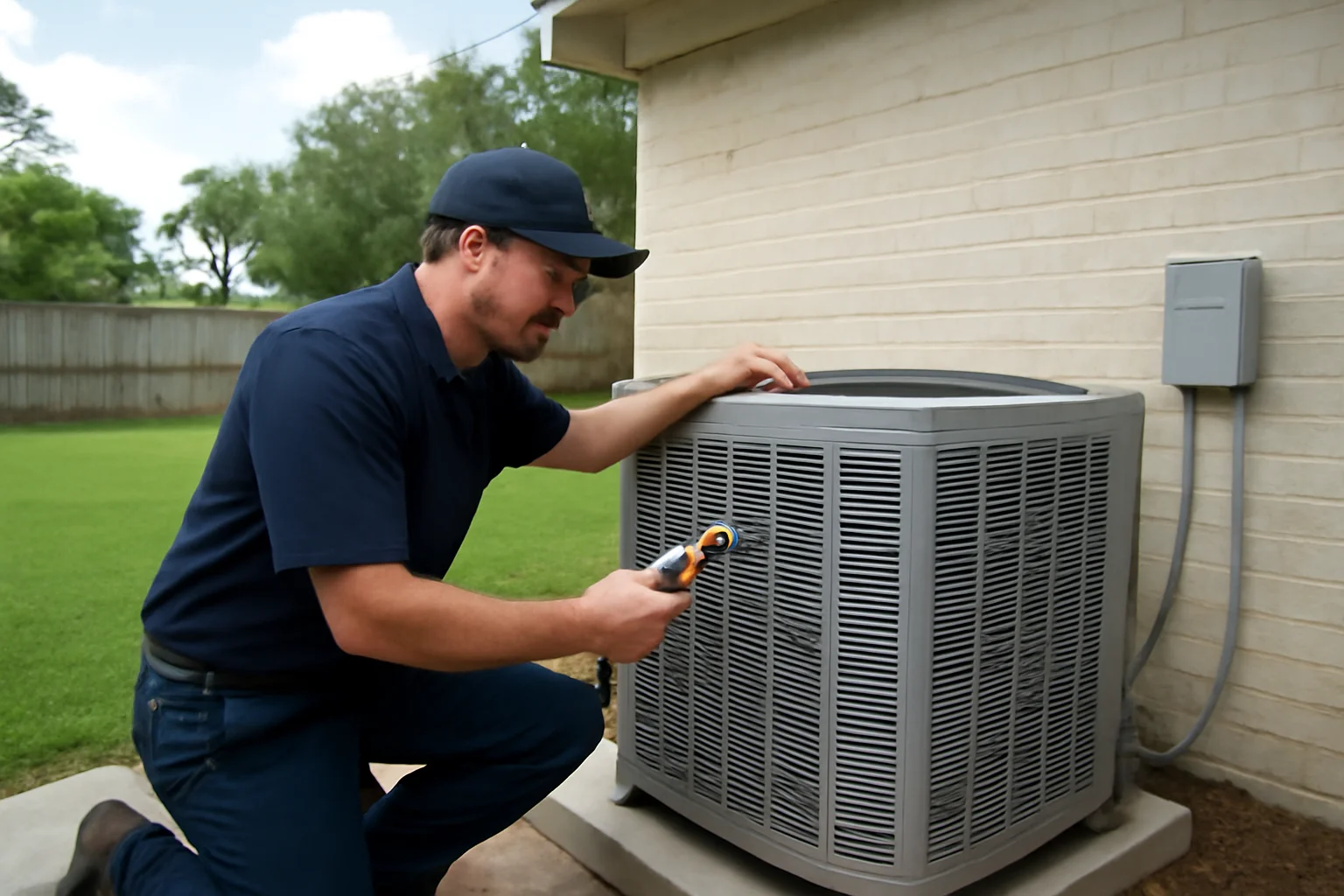
Grayton Beach homes feel the difference the moment the air turns muggy. Florida heat does not just raise temperatures, it pushes moisture into everything. When indoor humidity climbs, your air conditioner has to work harder, comfort drops, and problems can snowball into HVAC emergencies. A whole home dehumidifier is one of the most practical ways to manage moisture across the entire house, not just in one room.
This guide explains how whole home dehumidifiers work in Grayton Beach, what causes humidity to rise, what signs to watch for, and how preventive HVAC maintenance can help you avoid expensive breakdowns. If you are searching for an HVAC contractor near me for humidity control, this will help you ask the right questions before any service visit.
Why Grayton Beach humidity turns into an HVAC problem
Grayton Beach sits in a coastal environment where air often carries moisture. Add Florida summer heat and frequent humidity swings, and you get a recipe that challenges HVAC performance. Even when your air conditioner runs, high humidity can linger because cooling and dehumidification are not always perfectly matched to your home and ductwork.
Moisture impacts your system and your home in several ways:
Comfort issues: High indoor humidity makes the air feel warmer than the thermostat setting suggests.
Airflow and comfort problems: If airflow is restricted in ductwork, the system can cool air unevenly, leaving some areas damp.
Indoor air quality concerns: Excess moisture supports mold growth and can worsen dust, odors, and allergy triggers.
Extra strain on refrigerant systems: When humidity stays high, the HVAC system may cycle more often or operate longer to maintain comfort, increasing wear on components.
Condensate drainage stress: Cooling creates condensate. If drainage is not functioning properly, moisture can back up and contribute to damp conditions.
Coastal salt air can also accelerate corrosion on outdoor units and metal components. While dehumidifiers do not replace corrosion protection, reducing indoor moisture helps limit the wider humidity cycle that can contribute to recurring issues.
Whole home dehumidifiers vs. “the AC should handle it”
Many homeowners assume the air conditioner will automatically keep indoor humidity under control. That is sometimes true, but not always. Whole home dehumidifiers are designed specifically for moisture removal, and they can run in a way that matches humidity levels more precisely than cooling alone.
Here is the practical difference:
Air conditioning cools to a temperature target. Dehumidification happens as a side effect when the system cools air and removes moisture through the cooling process.
Whole home dehumidifiers focus on humidity control. They help pull excess moisture from indoor air so you can feel comfortable at higher temperatures, with less “sticky air” indoors.
In Grayton Beach homes, this distinction matters because humidity can rise even when temperatures feel manageable. When humidity control is off, you can end up with more frequent AC cycling, complaints about damp rooms, and air that does not feel clean.
How whole home dehumidifiers work with your HVAC system
Whole home dehumidifiers are built to treat moisture throughout the home. Depending on the system design, they may integrate with your existing HVAC equipment and ductwork to move treated air where it is needed.
Most homeowners do not need to memorize technical details, but it helps to understand the core steps:
Moist air is drawn in and processed. The unit targets moisture in the air, not just temperature.
Moisture is separated and removed. Condensate drainage is a key part of the process. Proper condensate drainage prevents overflow and helps keep indoor humidity stable.
Conditioned air is delivered back into the home. Airflow and ductwork distribution influence how evenly the home feels.
Controls coordinate with thermostats and comfort targets. Many setups use humidity sensing and control logic that works alongside thermostat settings. The goal is steady indoor air quality without constant cycling.
Because every home has different ductwork layouts, insulation, and air leakage patterns, the right approach depends on an in-person assessment. A professional will consider how your HVAC system manages airflow, how condensate drainage is handled, and how your thermostat is currently set up.
Common Grayton Beach signs your humidity control is falling behind
If you are already dealing with HVAC repair calls or you feel like the air conditioner cannot keep up, humidity may be a major driver. Here are signs homeowners in Grayton Beach often notice:
Rooms feel sticky even when the thermostat is set correctly
If the temperature is comfortable but the air feels heavy, muggy, or “wet,” humidity levels are likely elevated. Whole home dehumidifiers are designed for this mismatch between comfort and moisture.
Musty smells, damp drywall, or recurring condensation
Condensation on windows, damp spots near supply registers, and musty odors can point to excess moisture. Moisture issues can also worsen indoor air quality and create conditions that encourage mold growth.
Airflow seems uneven from room to room
Uneven comfort can be related to ductwork issues like poor balancing, leaks, or restrictions. When airflow is not distributed properly, the HVAC system may cool some areas more than others, leaving humidity high in “dead zones.” A whole home dehumidifier plan should account for airflow and ductwork performance.
Frequent AC cycling during humid weather
When humidity is high, your system may run longer, cycle more often, or feel like it never fully catches up. Over time, that can increase wear on refrigerant systems and related components.
Condensate drainage looks questionable
If you notice water where it should not be, slow draining, or signs of moisture near the HVAC system, condensate drainage needs attention. Poor drainage can contribute to damp conditions and ongoing humidity problems.
What usually causes humidity to spike in coastal Florida homes
Humidity is not only about outdoor weather. Indoor humidity can rise due to a mix of factors that affect how air moves and how moisture is removed.
Air leakage and infiltration: Humid outdoor air can enter through gaps in construction, especially during weather changes.
Ductwork performance issues: Leaky or poorly routed ductwork can pull in or distribute air in ways that reduce effective dehumidification.
Thermostat settings that focus on temperature only: If humidity targets are not being managed, you can feel cool but still live with high moisture.
System airflow limitations: Dirty filters, restricted returns, or blocked vents can reduce airflow and impact how efficiently the HVAC system processes air.
Drain line problems: Condensate drainage that is partially blocked or improperly routed can undermine moisture removal.
High latent load from Florida summers: The combination of heat and humidity increases the moisture load the system must handle.
Because these causes overlap, it is easy to misdiagnose the problem. A professional evaluation helps identify whether the main issue is airflow, ductwork, condensate drainage behavior, thermostat control, or a broader indoor air quality concern.
Energy use and comfort: why humidity control matters to your bills
When humidity is high, your home can feel warmer and stickier even if the temperature is set lower. That often leads to more cooling demand. In many cases, the result is increased energy use because the HVAC system runs more frequently or longer trying to maintain comfort.
Whole home dehumidifiers can reduce that tug of war by improving moisture control. When indoor humidity is managed, you may feel comfortable with less aggressive temperature settings. That said, every home behaves differently, and you should avoid assuming a specific savings outcome without an assessment.
Also consider that HVAC performance is tied to airflow. If your ducts are not delivering air as intended, humidity control may not distribute evenly. That is why ductwork inspections and preventive HVAC maintenance often go hand in hand with dehumidifier planning.
Preventive maintenance that reduces the risk of HVAC emergencies
Humidity control is not a one-and-done purchase. In coastal areas like Walton County, ongoing maintenance helps keep systems running reliably through the hottest stretches of the year. When homeowners delay maintenance, minor issues can become major ones, especially during peak cooling demand.
Schedule HVAC maintenance before the hottest weeks
Seasonal tuneups help support consistent airflow, help protect refrigerant system components, and reduce the chance of breakdowns when humidity and temperatures spike. If you are searching for AC tune up near me or HVAC maintenance near me, look for a maintenance plan that includes checks tied to moisture and airflow.
You can also review related guidance like why better HVAC maintenance matters for whole home dehumidifiers in Sandestin to understand how upkeep supports stable humidity control.
Keep filters and airflow paths clean
Restricted airflow can reduce the effectiveness of both cooling and dehumidification. Dirty filters, blocked returns, and poorly adjusted dampers can all contribute. During maintenance, technicians can evaluate whether airflow matches the system design.
Verify ductwork balance and distribution
Even a perfectly working dehumidifier can underperform if air distribution is uneven. Ductwork balance, return air routing, and register performance all influence how the home feels. If you suspect uneven comfort, a professional whole home dehumidifier assessment should include how your ducts move air.
If you need additional help related to airflow and moisture, consider pairing humidity control with indoor air quality testing to understand what is happening in the air you breathe.
Inspect condensate drainage and moisture pathways
Condensate drainage is a critical part of moisture removal. If drainage is slow, blocked, or improperly routed, you can end up with persistent dampness. A technician can check how condensate drains during operation and whether any related issues are affecting indoor humidity.
Confirm thermostat and humidity settings make sense for your lifestyle
Many comfort complaints are really control issues. If your thermostat and humidity targets are not aligned with how your home holds moisture, the system may chase temperature while humidity stays high. A professional can help you review settings and control behavior based on your home’s needs.
When to call for professional help instead of troubleshooting alone
Homeowners can spot patterns, but HVAC systems involve refrigerant systems, controls, airflow, and condensate drainage. Some problems are easy to notice, while others require safe, in-person evaluation.
Call a local HVAC professional when you notice:
Persistent humidity issues that do not improve after normal AC operation
Musty odors or signs of moisture that keep returning
Water near the HVAC system that suggests condensate drainage problems
Uneven comfort that points to possible ductwork problems
Frequent cooling interruptions or emergency cooling concerns during peak summer weather
If you are facing an urgent problem and you are searching for emergency AC repair near me, prioritize a technician who can evaluate humidity and airflow factors, not just temperature complaints.
Planning for a dehumidifier before replacement becomes necessary
Whole home dehumidifiers can be part of a preventive approach that reduces stress on your HVAC system. That does not mean your HVAC equipment will never require repairs or replacement. But when humidity control is ignored, systems may run harder and longer, increasing the likelihood of breakdowns and shortening equipment life.
If your system is already older or you are frequently calling for HVAC repair, it may be worth discussing how humidity control fits into your longer-term plan. In some homes, combining humidity management with ductwork attention and system maintenance can improve comfort without immediately jumping to replacement.
If you do end up needing equipment replacement, it helps to review how a new or updated system will handle airflow, indoor air quality, and moisture. You can read more about the broader options through air conditioning replacement.
Questions to ask during a Grayton Beach whole home dehumidifier evaluation
When you meet with a technician, you want answers that connect humidity control to your specific home. Use these questions to guide the conversation:
How does my current ductwork affect humidity and airflow distribution?
What role does condensate drainage play in my moisture issues?
Are my thermostat and humidity settings aligned with how the home actually feels?
Do I have signs of indoor air quality problems that relate to humidity?
What maintenance steps will keep humidity control consistent through Florida summers?
These questions matter because whole home dehumidifiers are not just about adding another box. They are part of a comfort system that includes airflow, controls, and moisture pathways. A good HVAC contractor near me will connect those dots during the evaluation.
How humidity control supports indoor air quality and everyday comfort
Grayton Beach homeowners often want more than temperature stability. They want air that feels clean, breathable, and consistent. Whole home dehumidifiers help by reducing the moisture level that supports mold growth and can contribute to musty odors. That can make indoor air quality feel better, especially during periods of persistent humidity.
Humidity control also affects how air feels across the home. When comfort is stable, people tend to open windows less, run fans with less frustration, and rely on HVAC operation more effectively. That can reduce the cycle of “cooling to manage discomfort” that sometimes leads to emergency cooling concerns when the system falls behind.
If you want to understand indoor air quality more directly, consider pairing your humidity strategy with indoor air quality services near me so you can connect comfort complaints to measurable conditions.
Local context: why professional service matters in Walton County
Grayton Beach homes vary widely in age, layout, insulation, and ductwork design. Many properties also contend with coastal conditions, including salt air exposure and frequent humidity changes. Those factors influence how HVAC systems perform and how moisture behaves indoors.
Choosing a local provider matters because they understand the patterns and common HVAC issues in Walton County. They also know how to coordinate humidity control with the practical realities of homes in the area. You can explore more about service coverage at our Grayton Beach service area and the broader Walton County HVAC coverage.
If your home is commercial or you manage a larger property, humidity control can also affect comfort and maintenance needs. You can review commercial HVAC installation to see how humidity management fits into larger systems.
More life from dehumidifiers with consistent maintenance
Whole home dehumidifiers work best when the supporting HVAC system and airflow environment are maintained. If filters, airflow paths, and ductwork performance are neglected, moisture control can become less effective and more expensive over time.
Homeowners who want to improve long-term performance often benefit from a maintenance rhythm. You can also read getting more life and better results from whole home dehumidifiers in Upper Grand Lagoon and what Laguna Beach homeowners should know about whole home dehumidifiers and smarter maintenance for additional practical guidance you can apply in Grayton Beach.
And if you want to compare common moisture-related frustrations, this article may help: what Destin homeowners often miss about whole home dehumidifiers.
Ready to reduce humidity and protect your cooling system?
If your home feels sticky, smells musty, or your AC seems to run constantly during humid weather, whole home dehumidifiers can be a smart part of preventive HVAC maintenance. The key is getting a proper evaluation that considers airflow, ductwork, condensate drainage, thermostat controls, and indoor air quality goals.
A Superior Mechanical helps Grayton Beach homeowners understand their comfort needs and plan moisture control that supports reliable cooling and fewer HVAC emergencies. Start by reviewing whole home dehumidifiers for Grayton Beach, then schedule a professional visit to confirm the best path for your home.
Find Whole Home Dehumidifiers in Grayton Beach, FL
If you need Whole Home Dehumidifiers in Grayton Beach, FL, visit our local service page or contact A Superior Mechanical today.
Map of Grayton Beach, FL
Frequently Asked Questions
Will a whole home dehumidifier replace my air conditioner?
No. A whole home dehumidifier targets indoor humidity. Your air conditioner (and any heat pump service you use) still controls temperature and cooling comfort. Many homes use both together for better overall comfort and indoor air quality.
How do I know humidity is the real problem, not just the thermostat?
If the home feels sticky or muggy even when the temperature seems fine, humidity is often elevated. Musty odors, condensation, and uneven comfort across rooms can also point to moisture issues that a dehumidifier can help address.
What role does condensate drainage play in dehumidifier performance?
Removing moisture creates condensate. If drainage is blocked, slow, or improperly routed, indoor humidity can remain high and moisture can collect where it should not. A professional HVAC technician should evaluate condensate drainage during service.
Can ductwork problems affect how well a whole home dehumidifier works?
Yes. Airflow and ductwork distribution influence how evenly conditioned air reaches each room. If some areas receive less airflow, humidity can stay higher there even if the system is running.
Is it safe to troubleshoot refrigerant or electrical issues related to humidity problems myself?
It is best not to. Refrigerant systems and electrical components require safe, trained evaluation. If humidity issues are tied to HVAC performance, have a qualified technician inspect the system in person.
Related Articles
- Why Better HVAC Maintenance Matters for Whole Home Dehumidifiers in Sandestin
- Getting More Life and Better Results From Whole Home Dehumidifiers in Upper Grand Lagoon
- What Laguna Beach Homeowners Should Know About Whole Home Dehumidifiers and Smarter Maintenance
- What Destin Homeowners Often Miss About Whole Home Dehumidifiers
Photo Gallery