In Shalimar, backup generators have to work harder than they did a decade ago. Homes now run larger refrigerators, more electronics, smart thermostats, security systems, EV chargers, ceiling fans, and more lighting circuits than older standby systems were designed to carry. Add Gulf Coast storms, humidity, salt air, and older electrical equipment, and it is easy to see why generator problems show up at the worst possible time.
A reliable standby system should support the parts of the home that matter most during an outage. When it cannot keep up, homeowners may notice tripped breakers, flickering lights, weak starting power, or a generator that runs but still leaves key circuits offline. Those issues are not just inconvenient. They can point to overloaded wiring, poor grounding, transfer switch trouble, or a panel that is no longer a good match for the home’s current demand.
If you are comparing power backup generator services in Shalimar, FL, it helps to understand what causes these problems and how to prevent them before storm season or peak summer heat puts the system under stress.
Why Shalimar homes put more strain on backup generators
Many homes in Shalimar and across Okaloosa County were built before today’s electrical loads became common. A house that once powered a few appliances and basic lighting may now have multiple televisions, home office equipment, WiFi gear, kitchen appliances, garage door openers, and exterior lighting all on the same service. Newer homes and remodels can create their own challenges when additions, upgraded kitchens, or extra living spaces are tied into older panels or undersized circuits.
That extra demand matters during an outage. A generator is not just feeding the house. It is feeding the panel, the transfer equipment, and every connected circuit that stays on. If the generator is too small, if the panel has weak connections, or if certain loads are all starting at once, the system can overload quickly. Homeowners searching for electrical services in Shalimar often discover the generator issue is really part of a bigger wiring or panel problem.
Common causes of generator trouble in coastal Florida
Overloaded circuits and changing home loads
One of the most common issues is simple overload. A generator sized years ago for lights, refrigeration, and a few outlets may not handle today’s home office, entertainment gear, and kitchen appliances at the same time. If someone adds a hot tub, workshop equipment, or an EV charger, the load can climb even more. Homeowners searching for device upgrades or electrical installation may need generator planning at the same time, especially after remodels or additions.
Transfer switch wear and control problems
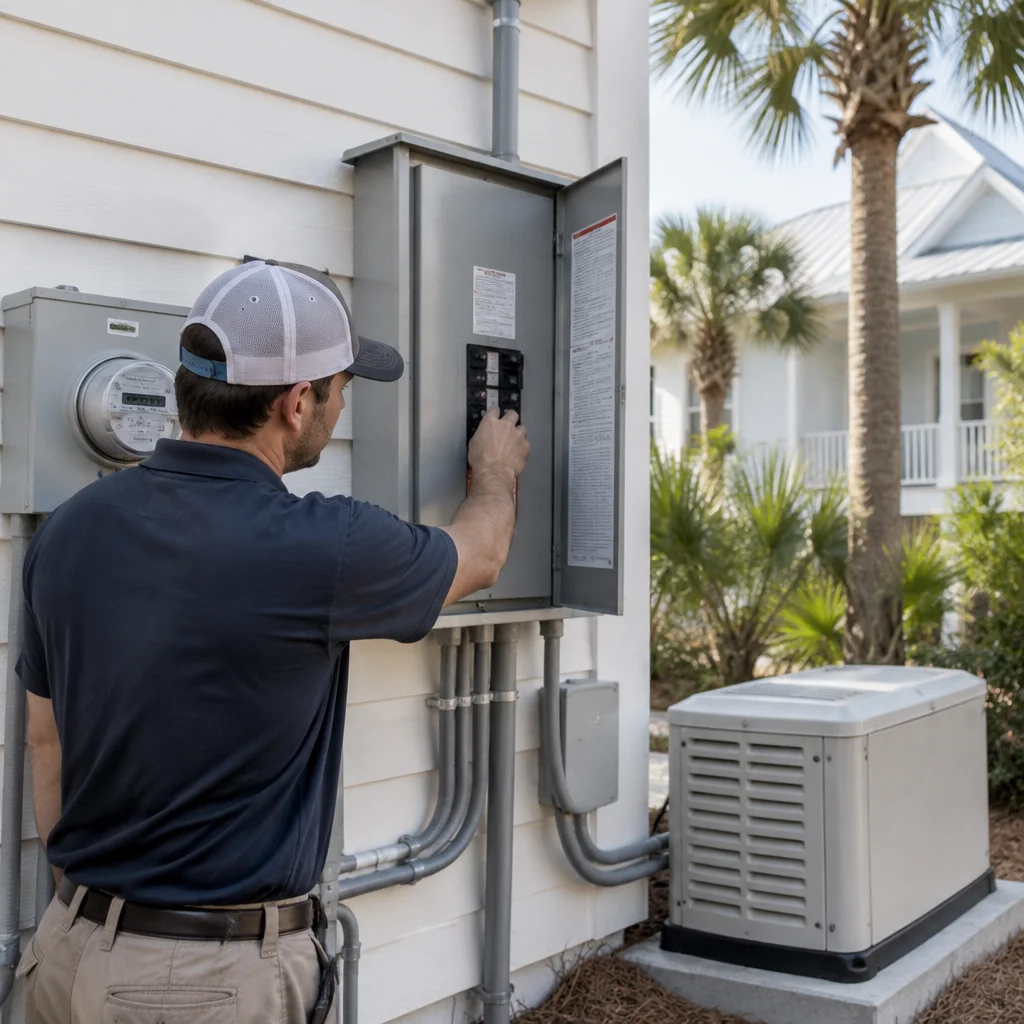
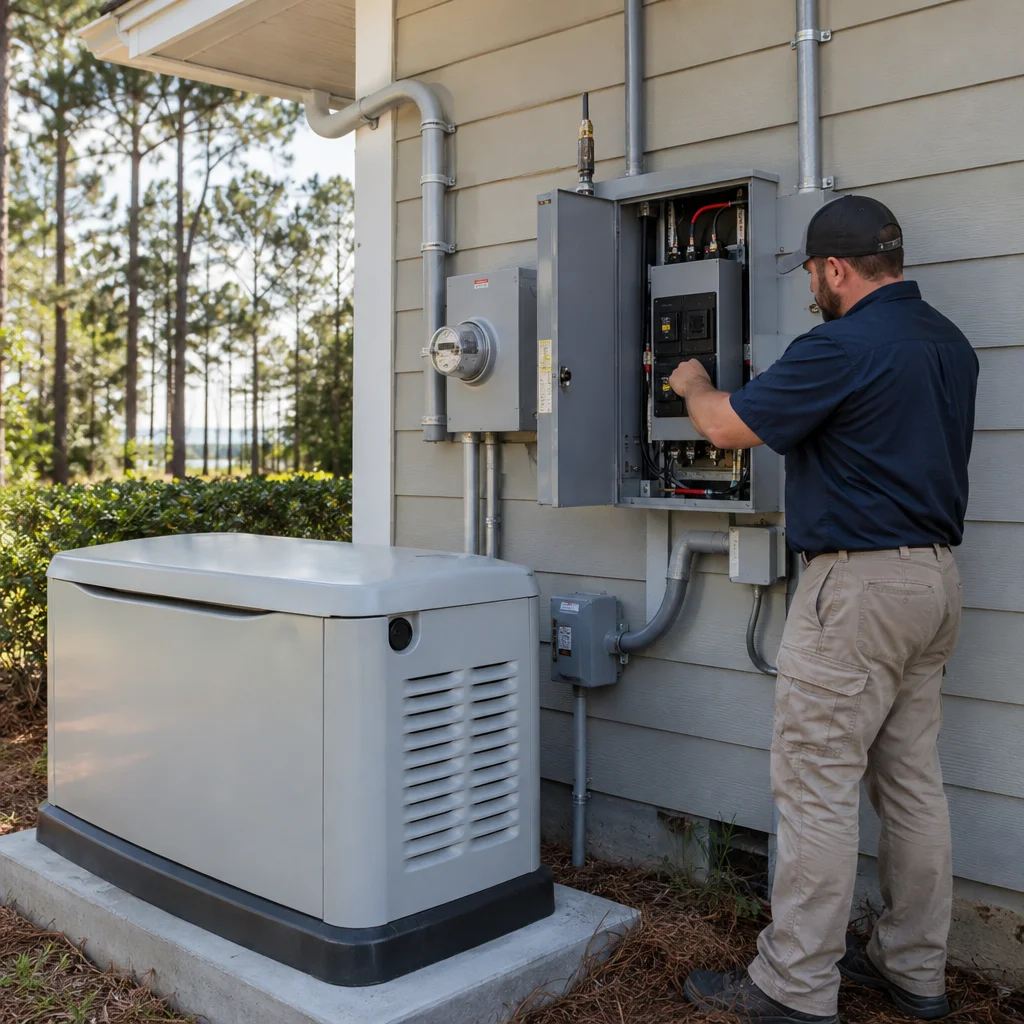
The transfer switch is the traffic director between utility power and generator power. If its contacts wear out, if the controls fail, or if the switch is not matched well to the generator, the home may lose power to critical circuits even when the generator is running. In some cases, the issue shows up as one side of the home working and another side staying dark. That is a repair priority, not a wait and see problem.
Panel capacity and breaker issues
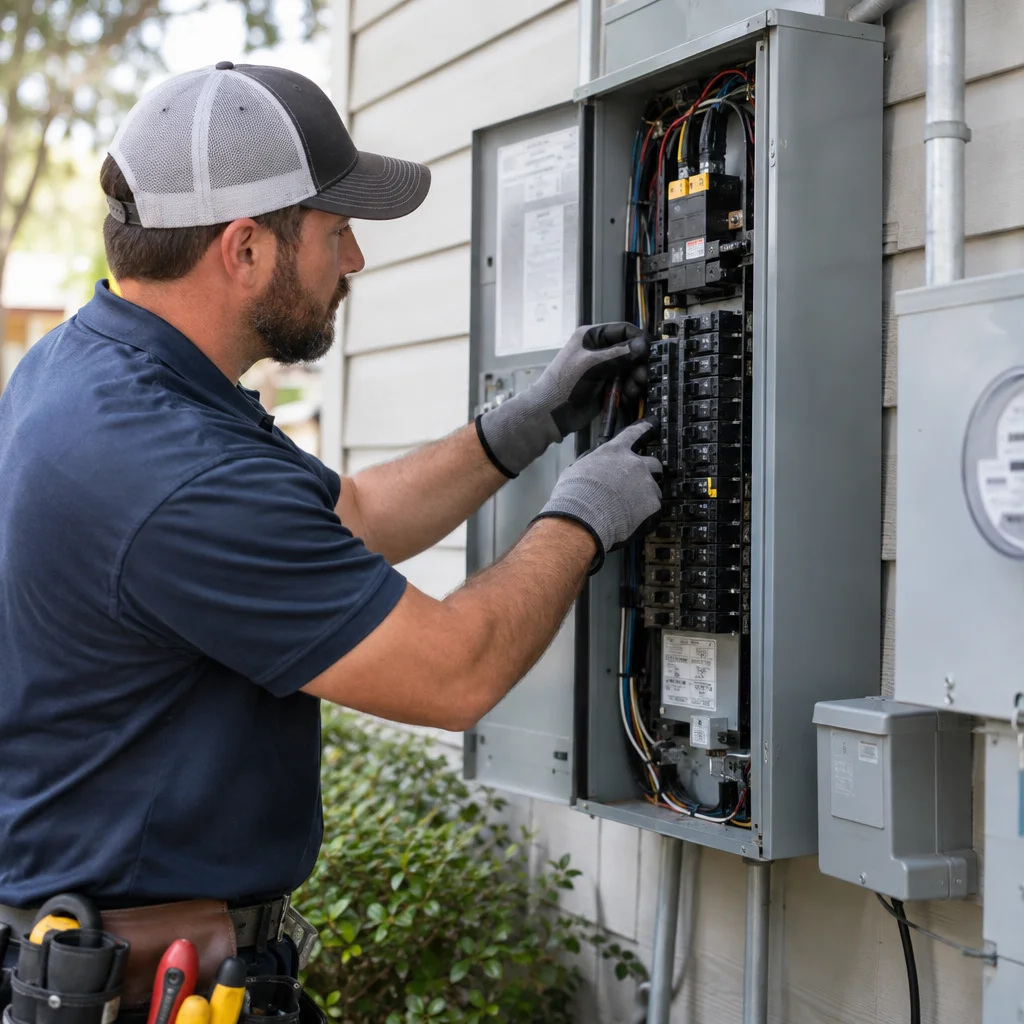
Generators depend on the home’s electrical panel being in good condition. Loose breakers, corrosion, old fuse boxes, and undersized service equipment can all create heat and instability. If a homeowner has been searching for breaker box replacement near me or 200 amp panel upgrade near me, the generator may be exposing a panel issue that already existed. A weak panel can also create nuisance tripping when the generator picks up load.
Grounding and bonding problems
Proper grounding matters for both utility service and generator operation. Coastal humidity, salt air, and storm-related surges can make poor grounding more dangerous over time. If the grounding system is compromised, the home may be more vulnerable to electrical faults, and the generator may not operate safely under load. This is one reason a home safety inspection electrician near me search often leads to recommendations for a full electrical inspection instead of a quick fix.
Corrosion, moisture, and storm damage
Shalimar weather can be hard on outdoor equipment. Moisture intrusion, rust, salt exposure, and wind-driven debris can damage generator housings, wiring, conduit, and transfer equipment. After a storm, even if the generator starts, hidden damage may affect breakers, receptacles, or control wiring. That is especially important for homes near the water or in exposed areas where outdoor equipment sees more wear.
How generator issues can become a fire risk
Fire risk usually starts with heat. Loose connections, overloaded conductors, undersized wiring, and failing breakers can all produce excess heat inside panels, transfer switches, and junction boxes. If a generator is forcing a circuit beyond its safe limit, the system may run hot long before it fails completely. That is why flickering lights, warm breaker panels, or buzzing near the transfer switch should never be ignored.
Another concern is backfeed or improper interconnection. A generator that is not correctly installed or maintained can create dangerous conditions for the home and the utility line. That is not a DIY repair. It calls for a licensed electrician who understands code compliance, generator transfer equipment, and local inspection requirements.
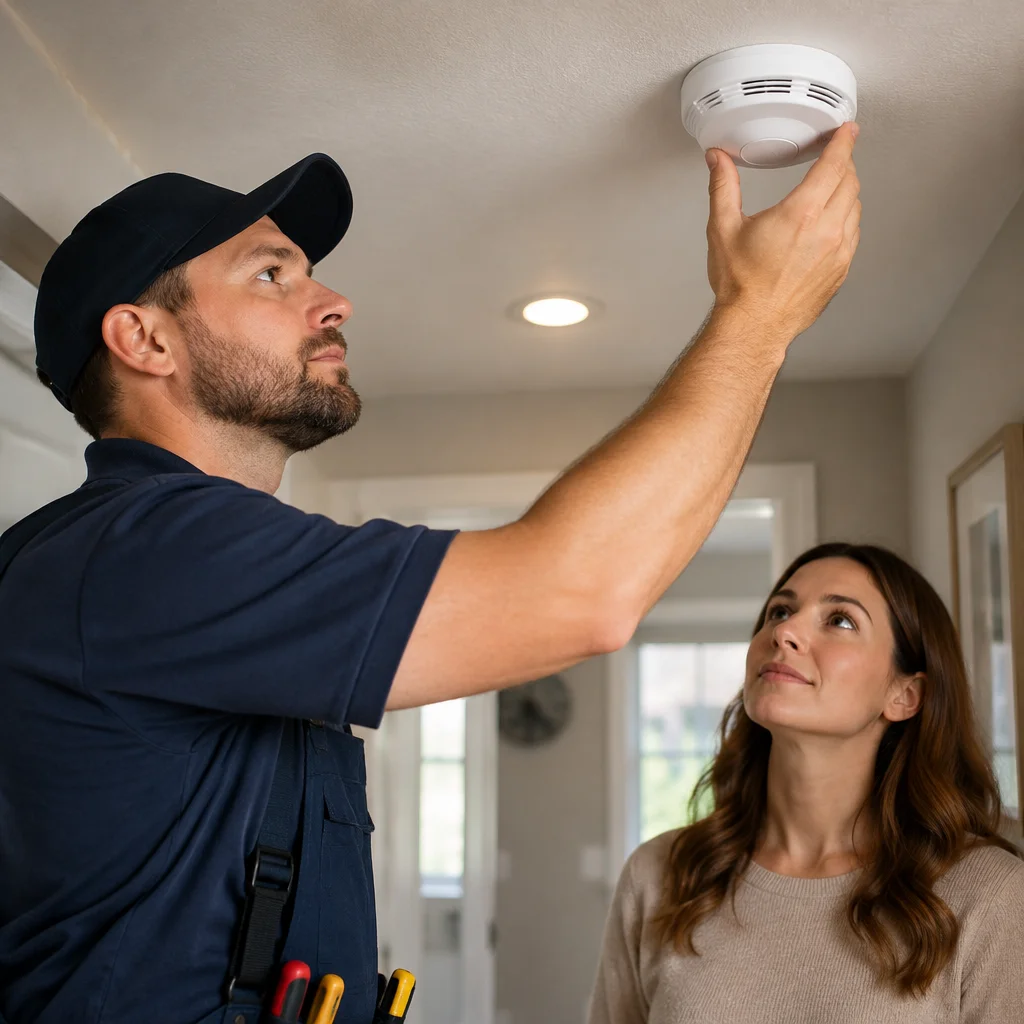
Fire prevention also includes the small details homeowners overlook. Loose outlet connections, damaged switches, worn extension cords, and aging smoke alarms can all make an outage more dangerous. If your home needs smoke detectors and carbon monoxide detectors, or if you need emergency electrical services after a storm, it is better to address those items before the next outage.
What a repair plan should cover
A good generator repair plan is more than replacing a worn part. It should look at the whole electrical system and identify what is causing the stress in the first place. That often includes the generator itself, the transfer switch, the panel, grounding, and the circuits that stay powered during an outage.
For many Shalimar homeowners, the right plan includes:
- Testing the generator under load
- Checking transfer switch operation
- Inspecting panel connections and breaker condition
- Reviewing grounding and bonding
- Confirming dedicated circuits for critical loads
- Looking for signs of heat, corrosion, or moisture intrusion
- Verifying code compliance after remodels or upgrades
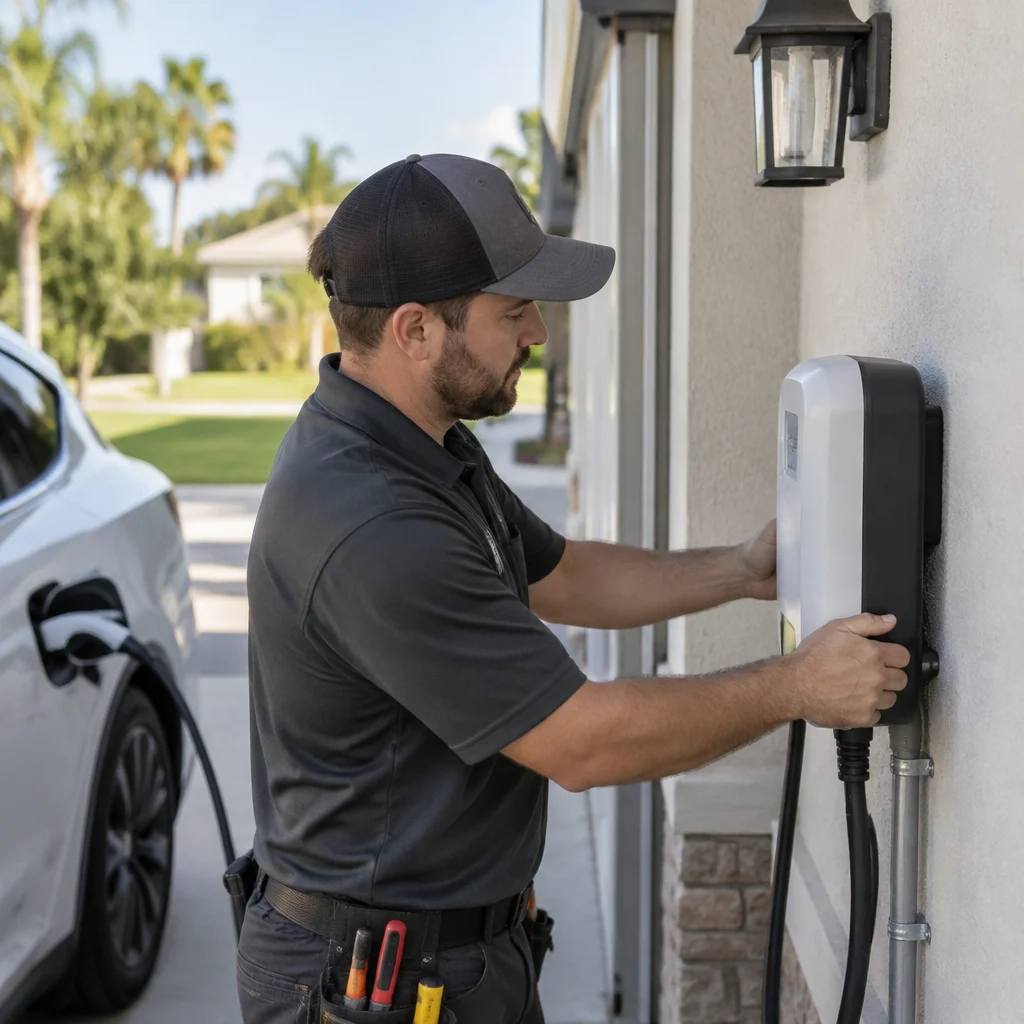
If your home has had recent changes like a kitchen renovation, added office space, new lighting, or an EV charger, the generator setup may need to be updated too. That is especially true for homeowners searching for level 2 ev charger installation near me or recessed lighting installation near me, because new loads often change how backup power should be distributed.
Local electrical upgrades that help generators work better
Sometimes the generator is not the real problem. The home needs stronger electrical infrastructure so the backup system can do its job safely. In older Shalimar homes, that can mean replacing worn receptacles, repairing damaged wiring, adding GFCI protection in the right places, or correcting panel issues that show up during outages. In newer homes, it may mean balancing circuits or adding dedicated circuits for refrigerators, sump systems, networking equipment, or medical devices.
Local homeowners also ask for services like outlet installation near me, flickering lights repair near me, or electrical troubleshooting near me when a generator starts revealing hidden weaknesses. Those symptoms can point to loose neutrals, overloaded circuits, or a panel that needs attention before it becomes a bigger issue.
For homeowners with outdoor living spaces, pool equipment, or landscape lighting, the backup plan should account for those loads too. A generator may need to support selected outdoor circuits, but only if the wiring and protection are designed correctly. If you have been searching for pool electrical repair near me or landscape lighting installation near me, it is smart to bring those systems into the generator conversation.
Why professional maintenance matters before storm season
Generator maintenance is not just oil changes and filter swaps. In a coastal community like Shalimar, routine service should also include checking for corrosion, verifying transfer switch function, testing battery health, and making sure the unit starts cleanly after sitting through long periods of nonuse. A generator that has not been exercised under load may appear fine until the first real outage.
Storm season also brings surge risk. Whole-home surge protection can help protect the generator controls, panel electronics, appliances, and sensitive devices when utility power returns. That is especially important in homes with smart thermostats, internet equipment, security systems, and modern appliances that can be damaged by voltage spikes. If your home has older wiring, a surge event can expose weak connections quickly.
Homeowners who want a broader safety check may also benefit from an electrical code inspection near me or a full home safety inspection electrician near me visit. That kind of review can catch issues with grounding, GFCI protection, panel labeling, and transfer equipment before an outage turns into an emergency.
When a generator problem needs immediate attention
Call a professional right away if you notice burning smells, hot breaker panels, repeated tripping, buzzing at the transfer switch, visible corrosion, or a generator that starts and then shuts down under load. Those are signs the system is under stress and could become unsafe. The same goes for damaged wiring after a storm, water intrusion near outdoor equipment, or a backup system that no longer supports the circuits it should.
If power is already out and the home is losing critical circuits, a same day electrician near me or power outage electrician near me search usually means the issue should be handled quickly. Generator failures can also overlap with meter base damage, service entrance problems, or breaker box issues that need immediate repair before power can be restored safely.
Planning ahead for repairs, upgrades, and safer backup power
Good generator planning starts with the home’s current electrical reality, not the original builder’s plan. That means looking at the panel, the circuits, the transfer equipment, and the appliances or devices that truly need backup power. For some homes, the answer is generator repair and maintenance. For others, it is a panel upgrade, new dedicated circuits, outlet repair, or a full replacement of outdated equipment so the generator can carry the load without overheating.
A Superior Mechanical helps homeowners in Shalimar and throughout Okaloosa County make those decisions with local conditions in mind. Coastal weather, older electrical systems, remodels, and growing power needs all affect how a generator should be sized and maintained. If your backup system is struggling, the safest move is to have it inspected before the next storm tests it for real.
For generator service that fits the home, the panel, and the way your family actually uses power, start with the right local electrical support and build from there.
Find Power Backup Generators in Shalimar, FL
If you need Power Backup Generators in Shalimar, FL, visit our local service page or contact A Superior Mechanical today.
Map of Shalimar, FL
Frequently Asked Questions
Why does my backup generator trip breakers during an outage?
Breaker trips usually mean the generator is carrying more load than it should, or the panel, transfer switch, or wiring has a fault. Loose connections, aging breakers, and overloaded circuits can all contribute.
Can modern appliances overload an older standby generator?
Yes. New refrigerators, EV chargers, home office equipment, smart devices, and larger HVAC or kitchen loads can exceed the capacity a generator was sized for years ago. A load review can show whether the system needs upgrades.
Is generator maintenance important in coastal areas like Shalimar?
Very much so. Humidity, salt air, and storm exposure can speed up corrosion and wear on outdoor electrical equipment. Regular inspection helps catch transfer switch issues, moisture damage, and grounding problems early.
Should I upgrade my panel if I am adding a backup generator?
Sometimes. If the panel is outdated, undersized, or has corrosion or breaker problems, a generator may not operate safely or efficiently. A licensed electrician can tell you whether a panel upgrade is needed before installation or repair.
Related Articles
Photo Gallery