Bluewater Bay is a great place to live, but your home water has to work hard to keep up with everyday life. From drinking and cooking to showers, laundry, and appliance care, clean water systems are doing the quiet, behind-the-scenes job that most families only notice when something starts to feel off.
Whether you have an older home with older plumbing or a newer build with modern fixtures, water quality can change when the system is overloaded, not maintained, or exposed to conditions it was not designed to handle. Below are common causes of problems with clean water systems in Bluewater Bay, FL, plus simple habits that help keep water cleaner for the whole household.
Local Bluewater Bay water realities that affect clean water systems
Okaloosa County homes can see water quality swings based on local groundwater sources, seasonal changes, and how water moves through distribution and household plumbing. Even when your tap water looks fine at first glance, the details can matter once water passes through your home’s pipes and treatment equipment.
Many homeowners notice symptoms that point to hard water and sediment concerns. You might see hard water spots on glass, dishes, and fixtures, scale buildup on faucets and showerheads, or dry skin or dull hair after bathing. Others report metallic, chlorinated, or unpleasant taste, cloudy ice cubes, poor tasting coffee and cooking water, and visible sediment, discoloration, and odor concerns.
In Bluewater Bay’s humid coastal climate, scale and mineral deposits can also build up faster on showerheads, aerators, and water lines. That makes it even more important that your clean water system is matched to your household needs and maintained on schedule.
1) Skipping filter and media changes, even when water “seems okay”
Every clean water system has parts that capture or reduce what you do not want in your water. When they get loaded, performance drops. This is one of the most common causes of trouble in both older and newer homes.
Typical issues when filtration media or cartridges are overdue include:
- visible sediment or discoloration returning in the tap water
- water that tastes more metallic or more strongly chlorinated
- soap that does not lather or rinse well, especially in the shower and laundry
- scale buildup on fixtures that seems to “restart” after being under control
- appliances wearing out faster, including water heaters, dishwashers, and coffee makers
Simple habit: keep a calendar reminder for your system’s filter schedule and use it as a baseline, not a suggestion. If you have a busy household, more laundry loads, or more guests, your schedule may need adjusting.
If you are considering or already using AO Smith water filtration, reverse osmosis, or whole home water filtration, ask your installer what your household’s expected change intervals are and how to check performance between service visits.
2) Hard water letting scale build up inside plumbing and fixtures
Hard water problems are not just cosmetic. Scale buildup can happen in hidden places too, like pipe interiors, water heater tanks, and the small passages inside faucets and shower controls.
Homeowners often describe:
- scale buildup around faucets and showerheads
- glassware that looks cloudy even after washing
- dry skin from hard water and hair that feels dull or rough
- soap scum that makes cleaning harder, because soap needs minerals-free water to lather and rinse well
In many Bluewater Bay homes, the best solution is not one “magic filter.” It is matching treatment to the issue. That might mean water softening for mineral control, plus filtration or purification for taste and clarity.
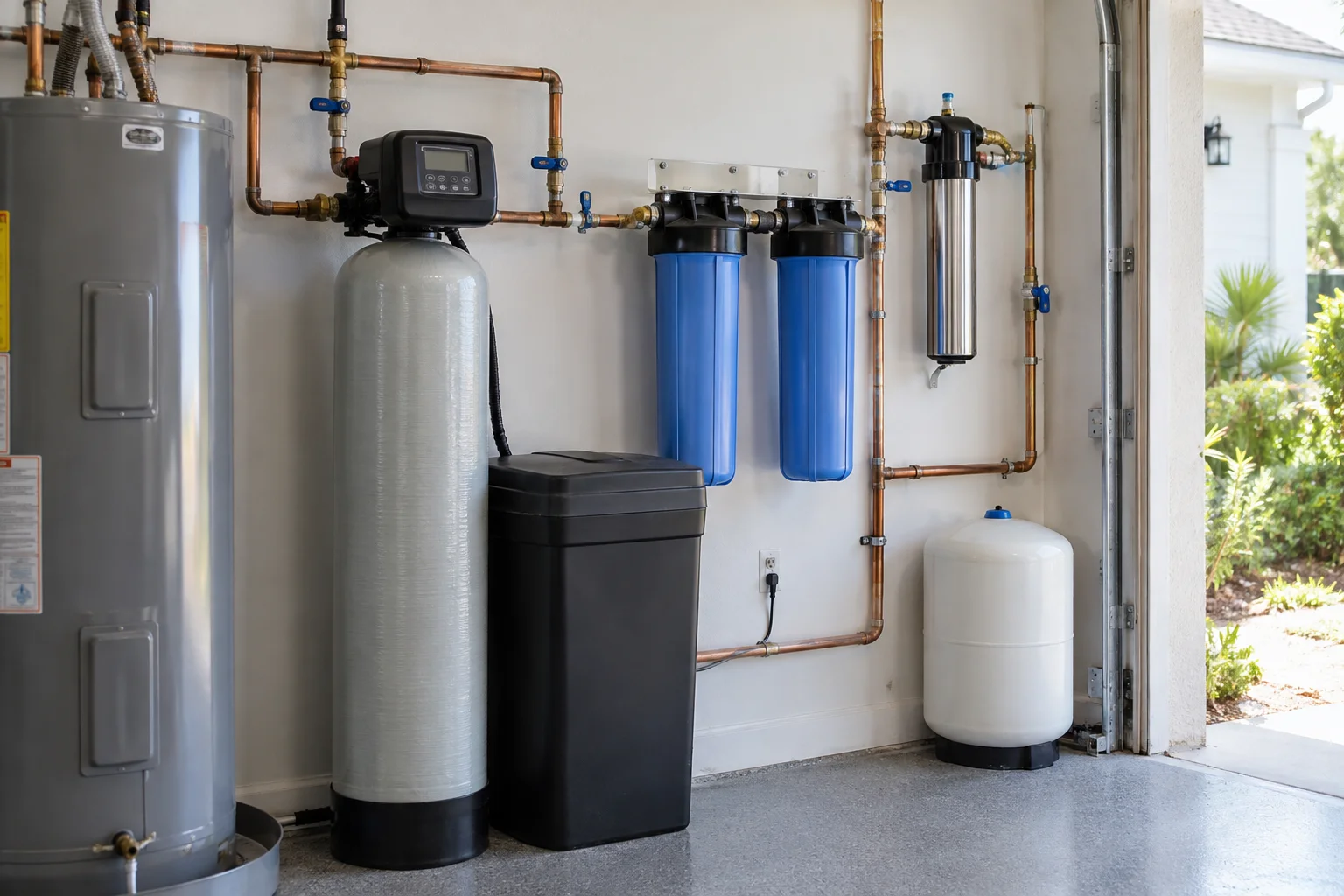
If you have an AO Smith water softener or an AO Smith water filtration setup, keep an eye on salt levels, brine tank conditions, and system settings. Even a properly installed system can underperform if settings drift or if maintenance is delayed.
Simple habit: check one or two fixtures weekly. If you notice scale creeping back faster than usual, treat it as a clue, not a coincidence.
3) Reverse osmosis systems that are not producing properly
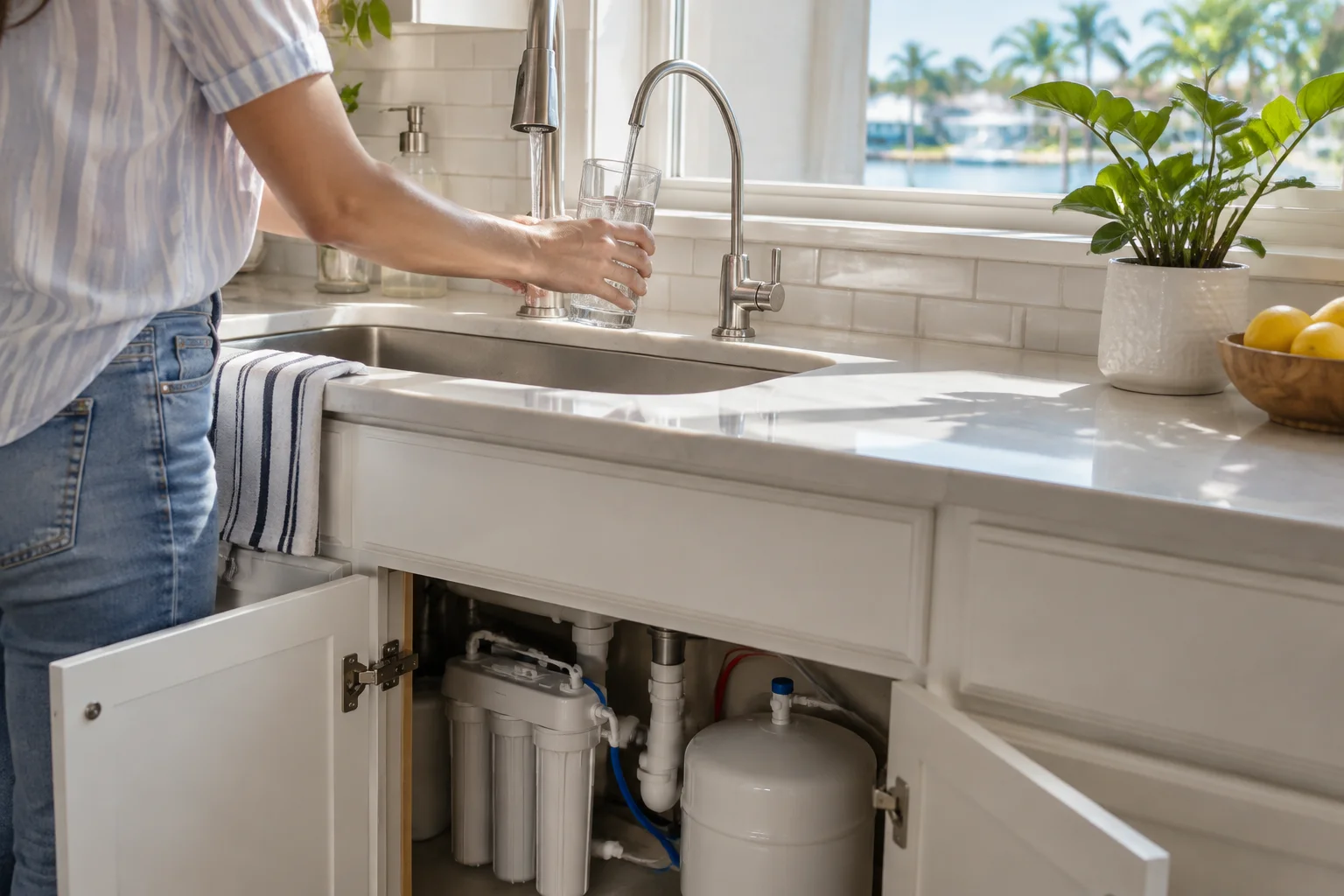
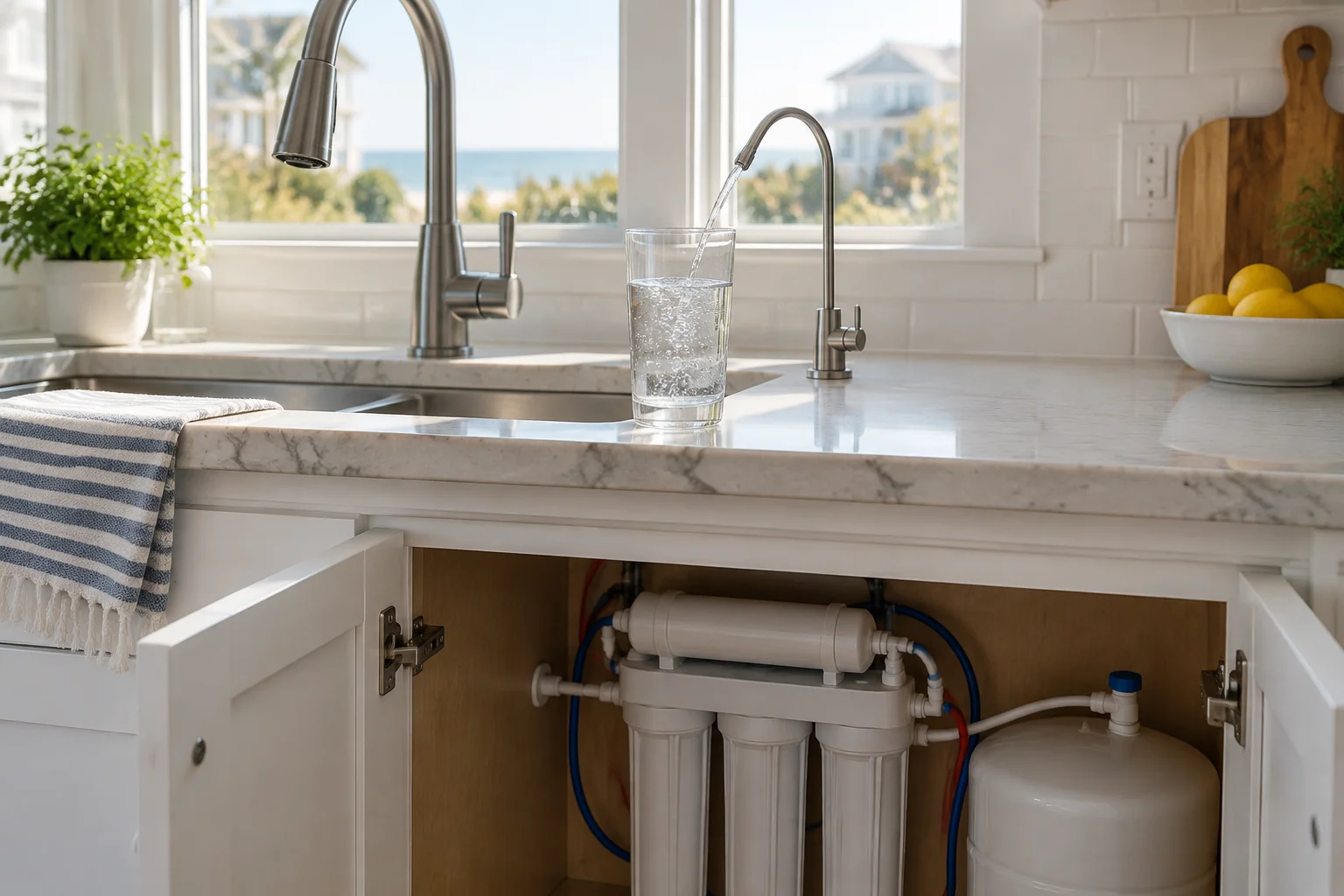
Reverse osmosis is popular for drinking water and cooking water because it can reduce many contaminants and improve taste. But RO is not “set it and forget it.” Several factors can cause performance issues:
- filters that are past their service life
- storage tank issues that affect flow and freshness
- low water pressure that reduces RO output
- tapping patterns, like frequent draws, that can make water taste or temperature inconsistent
Common signs include cloudy ice cubes, a return of metallic tasting water, or a noticeable change in poor tasting coffee water. Some families also notice that their RO water does not seem as “clean” in cooking, especially when they use it for pasta, rice, or broth.
Simple habit: after filter changes, pay attention to the first few days of taste and clarity. If something shifts suddenly, do not assume it will correct itself. Getting a technician to evaluate pressure, membrane condition, and filter status can prevent wasted water and repeated troubleshooting.
If you are searching for reverse osmosis installation near me, it helps to choose a provider that will also review your home’s water conditions and explain how your RO system fits into the bigger whole home plan.
4) Whole home water filtration that is undersized or not configured for your household
Newer homes in Bluewater Bay can still run into water quality problems if the system is sized for an average household rather than your actual usage. Older homes can have additional challenges because of pipe age, sediment buildup, and changes made during renovations.
Whole home water filtration should match:
- your water usage patterns, including laundry frequency and dishwasher load size
- the type and concentration of contaminants you are trying to reduce
- the pressure and plumbing layout in your specific home
When filtration is not configured correctly, you may see:
- sediment in household water that shows up at sinks
- odor changes that seem to come and go
- appliances wearing out faster because mineral and particle buildup continues
Simple habit: if you upgrade fixtures or add a water-heavy appliance, treat it like a trigger to review your water treatment plan. That new refrigerator ice maker or high-volume shower can change what your system needs to do.
For many homeowners, pairing filtration with the right level of hard water treatment is what keeps water cleaner for everyday life. If you want to explore options, you can read more about water filtration and reverse osmosis plus water softeners and how a balanced approach supports better drinking water.
5) Household habits that quietly strain clean water systems
Some water quality issues are not caused by the system at all. They are caused by how the home uses water day to day.
Frequent partial use without flushing
If you have guests, seasonal absences, or bedrooms rarely used, water can sit in lines. That can allow stagnation and make taste and odor more noticeable. It can also affect RO storage water and how you perceive it in the kitchen.
Simple habit: if a tap has not been used in a few days, run it briefly before filling drinking water. Many families do this without thinking, especially in the morning routine.
Overloading the system during peak times
Picture a typical Bluewater Bay morning. Everyone wants coffee, showers are running, and the dishwasher starts. If your system is near its capacity or filters are already loaded, peak demand can show up as inconsistent taste, slower ice production, or changes in clarity.
Simple habit: spread heavy water use when possible. If you are hosting and usage is higher than normal, plan for that by keeping up with maintenance and monitoring system performance.
Using the wrong products that react with water chemistry
Some cleaning products can leave residue that makes water quality feel worse. This is especially true when hard water is present, because minerals can make residue stick. Even when your treatment is working, residue can make soap scum and film more noticeable.
Simple habit: choose cleaners designed for your water conditions, and do a quick check of scale on showerheads and faucet aerators as part of routine cleaning.
6) Older plumbing plus new systems: the “hidden” challenge
Older homes can have sediment, corrosion, or mineral deposits inside pipes that eventually move through the system. Even if you install new water filtration or reverse osmosis, the plumbing itself can release trapped material for a while.
Homeowners often notice:
- visible sediment early after installation
- discoloration that improves with time but still returns if maintenance is delayed
- odor that seems stronger at certain fixtures
Newer homes can also face challenges if plumbing was left unused during construction, if there were recent repairs, or if a renovation introduced new pipe sections. Bluewater Bay homeowners who recently updated kitchens and bathrooms sometimes notice a change in water taste or clarity after the work is done.
Simple habit: after plumbing changes, keep an eye on treated water quality at the kitchen sink and the shower. If you see persistent sediment or odor, a water treatment specialist can help identify whether the issue is system performance, plumbing contributions, or both.
7) How climate and seasonality can change what you notice
Bluewater Bay experiences warm temperatures and coastal humidity. That environment can influence scale formation and how quickly mineral deposits build up on surfaces that get wet daily. Even when your treatment equipment is working, you might see faster buildup on showerheads and fixtures if minerals are not being controlled.
Seasonal changes can also affect how water tastes. Some homeowners notice metallic or chlorinated taste changes during certain times of year. When that happens, it can be tempting to ignore it because the water still looks clear. But taste and odor are often early indicators of filtration or purification performance shifting.
Simple habit: track what you notice. If you have a family routine like making coffee every morning, write down when the taste changes. That small habit helps a technician pinpoint the cause faster.
What better water looks like at home: kitchen, baths, laundry, and appliances
When clean water systems are properly maintained and matched to your home, the difference shows up in familiar places.
- Drinking and cooking: better drinking water often tastes cleaner, with less metallic or chlorinated flavor. Coffee brewed with treated water can be more consistent, and cooking water can help flavors come through without added mineral notes.
- Ice and beverages: cloudy ice cubes become less common when filtration and RO performance are on track.
- Bathing: many families report less dry skin and hair that feels softer after showers when hard water is controlled.
- Cleaning: soap lathers and rinses better, which matters when you are scrubbing everything from countertops to tile.
- Fixtures and laundry: scale buildup on faucets and showerheads slows down, and laundry can feel fresher with less mineral residue.
- Appliance life: when sediment and scale are reduced, appliances often wear out more slowly, which can save money over time.
A typical Bluewater Bay kitchen scene might be a parent filling a kettle for morning coffee while a child grabs a glass for breakfast. When you have cleaner water for everyday life, the routine feels smoother. You are not second guessing the taste, and you are not fighting film on glasses later.
Simple prevention habits that keep clean water systems working
If you want a practical checklist, start with these habits that help protect your investment in water filtration near me services.
- Replace filters on schedule, not when problems become obvious.
- Monitor scale on glass, dishes, showerheads, and faucets. If scale buildup on fixtures increases, investigate.
- Test taste and clarity periodically. Cloudy ice cubes, odor changes, and metallic taste are clues.
- Keep an eye on soap performance. If soap does not lather or rinse well, hard water treatment may need attention.
- Follow RO maintenance steps, including checking production and ensuring the system is running correctly.
- Review system settings after plumbing changes or major renovations.
These habits are especially helpful for homeowners who rely on a combination approach, such as whole home water filtration plus water softening, or whole home filtration plus reverse osmosis for drinking water.
When to call A Superior Mechanical for clean water system service
Some water quality issues are small and temporary. Others can damage plumbing components, shorten appliance life, or leave your family drinking water that does not taste right.
Contact A Superior Mechanical when you notice any of the following:
- visible sediment or discoloration in household water
- metallic tasting water, unpleasant odor, or stronger chlorinated taste
- cloudy ice cubes that keep happening
- scale buildup on faucets and showerheads that is accelerating
- dry skin or dull hair after bathing
- soap that does not lather or rinse well
- appliances wearing out faster than expected
Professional service matters because the fix depends on the cause. Sometimes it is filter replacement. Other times it is water softener settings, salt or brine tank performance, RO membrane condition, or system sizing. If you are searching for clean water systems in Bluewater Bay, the goal is dependable water treatment that fits your home.
You can explore the service area details on our clean water systems page for Bluewater Bay. If you want to see the full range of options, start with our water filtration and reverse osmosis plus water softeners landing page. For broader coverage across the region, browse Okaloosa County service areas and the Bluewater Bay page.
How homeowners in Bluewater Bay can think about upgrades
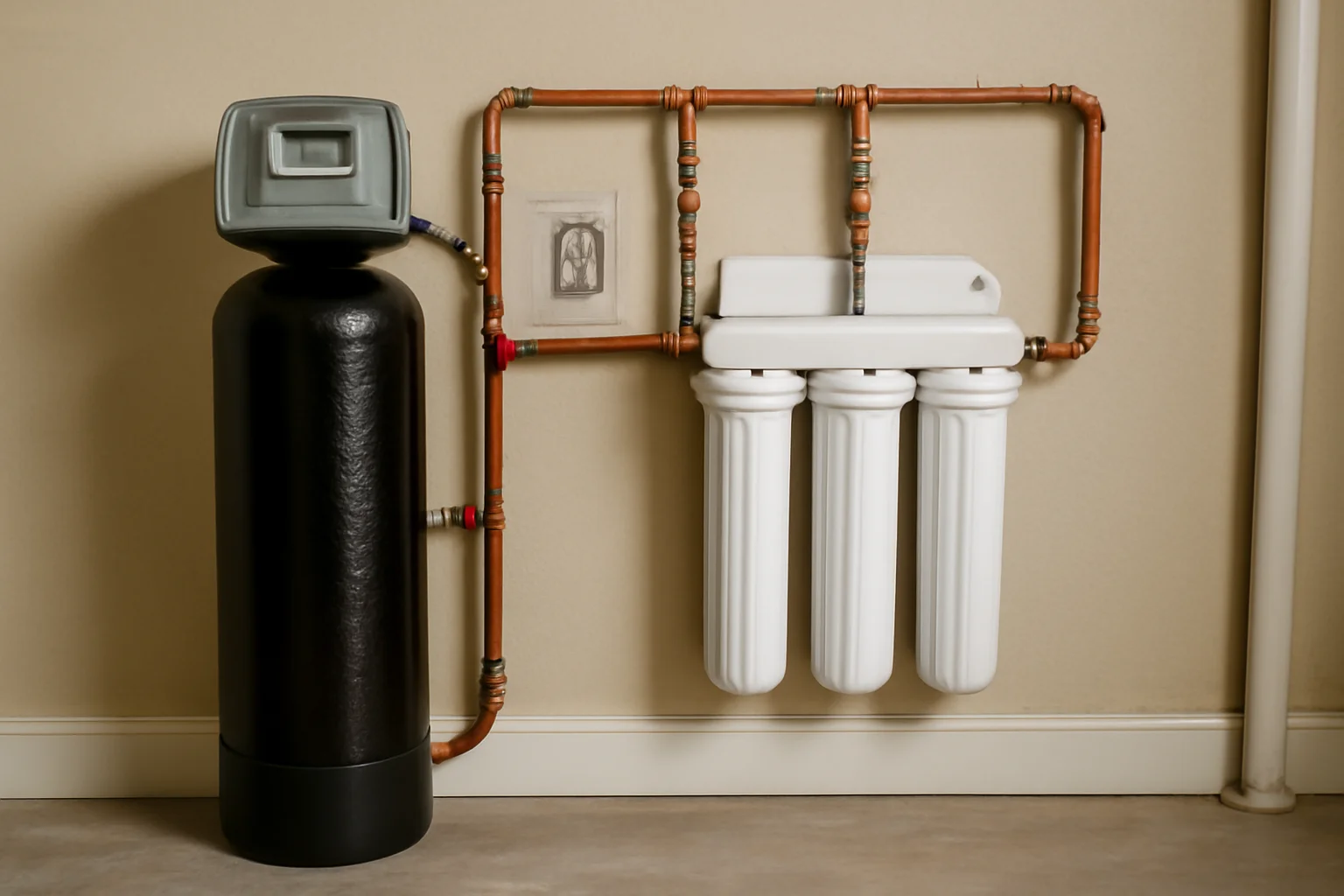
If you are comparing options like water softeners, reverse osmosis, and whole home water filtration, it helps to think in layers. Many families choose whole home water filtration to protect fixtures and improve overall water quality, then use reverse osmosis for drinking and cooking. Others choose an AO Smith water softener to reduce scale and improve bathing and laundry results, paired with filtration for taste and odor.
If you are working through a water quality puzzle, these related reads may help:
- Cleaner Water, Fewer Plumbing Surprises: A Bluewater Bay Guide to Home Purification
- Staying Ahead of Plumbing Problems in Bluewater Bay Homes
- Why Commercial Plumbing Matters for Bluewater Bay Homes and Properties
Water treatment is part of protecting your home. When you keep your clean water system performing, you reduce the strain on plumbing and appliances and make the everyday routine more pleasant.
Quick self-check you can do this week
Before you schedule service, take a few minutes to observe what is happening in your home. These quick checks can help you describe the issue clearly:
- Look at a glass and a faucet after a recent use. Do you see hard water spots?
- Check the showerhead for scale buildup.
- Fill an ice tray and compare clarity after freezing.
- Notice the taste of drinking water and whether coffee tastes different.
- Think about how your skin and hair feel after bathing.
Then, connect those observations to your system. If you have whole home water filtration, consider whether the cartridge schedule is current. If you have reverse osmosis, check whether the system is delivering consistently. If you have an AO Smith water filtration or AO Smith water softener, verify that maintenance steps have been completed.
With the right clean water system for your Bluewater Bay home, you can keep water cleaner for everyday life and protect the appliances and fixtures your family depends on.
Find Clean Water Systems in Bluewater Bay, FL
If you need Clean Water Systems in Bluewater Bay, FL, visit our local service page or contact A Superior Mechanical today.
For a broader look at whole-home water filtration, reverse osmosis, and water softener options, visit our water filtration, RO, and water softener page.
Map of Bluewater Bay, FL
Frequently Asked Questions
How can I tell if my clean water system is failing in my Bluewater Bay home?
Common clues include hard water spots on glass and fixtures, scale buildup on faucets and showerheads, dry skin or dull hair after bathing, metallic or chlorinated taste, cloudy ice cubes, and visible sediment or discoloration. If these show up or worsen, your system may need service or filter replacement.
Does reverse osmosis help with bad taste and cloudy ice cubes?
Reverse osmosis can improve drinking water taste and clarity, and it often reduces issues that lead to cloudy ice cubes. If RO starts tasting off again, the cause is frequently overdue filters, membrane wear, or changes in water pressure. A professional can test performance and recommend the right service.
Is water softening enough, or do I still need whole home water filtration in Bluewater Bay?
Many homes benefit from both. Water softening targets minerals that cause scale buildup and dry skin from hard water. Whole home water filtration helps with sediment in household water, odor concerns, and overall water quality. The best setup depends on your water conditions and goals, such as better drinking water and cleaner fixtures.
How often should filters be changed for clean water systems and AO Smith water filtration?
Change intervals vary by water quality, household usage, and the specific model. A Superior Mechanical can review your system and recommend a schedule. Even if water looks clear, filters can become overloaded, which is why staying consistent with maintenance matters.
What should I do if I notice sediment or discoloration after installing a new system?
It can happen if older plumbing releases trapped material or if there were recent repairs. In many cases, quality improves with time, but persistent visible sediment or odor concerns should be evaluated. A technician can help determine whether the issue is plumbing-related, filtration performance, or both.
Related Articles
Photo Gallery