In 30A, FL, a standby generator is more than a convenience. Between coastal storms, summer heat, and the electrical demands of modern homes, it can be the difference between staying comfortable and losing power to critical circuits. But generator projects do not go wrong only because of the unit itself. They often run into trouble because of the electrical details around it.
At A Superior Mechanical, we see the same pattern in Walton County homes, vacation rentals, and small commercial buildings. The generator may be sized correctly on paper, but the installation, transfer equipment, grounding, or maintenance schedule is where problems start. If you are planning power generator installation and maintenance in 30A, FL, it helps to know what local homeowners often overlook before the first outage hits.
Coastal weather changes the electrical picture
30A homes deal with salt air, humidity, wind, and storm-related outages that do not look like the electrical issues found inland. Coastal weather can speed up corrosion on outdoor disconnects, conduit, meter bases, and generator connections. Even when the generator itself is high quality, weak outdoor components can shorten its life or create intermittent faults.
That matters in neighborhoods across 30A, especially where homes sit close to the water or spend part of the year vacant. Vacation properties can go longer between visual checks, so small issues like moisture in a junction box or rust on a breaker enclosure can become bigger repairs by the time the next storm rolls through.
Salt air and moisture can damage more than the generator
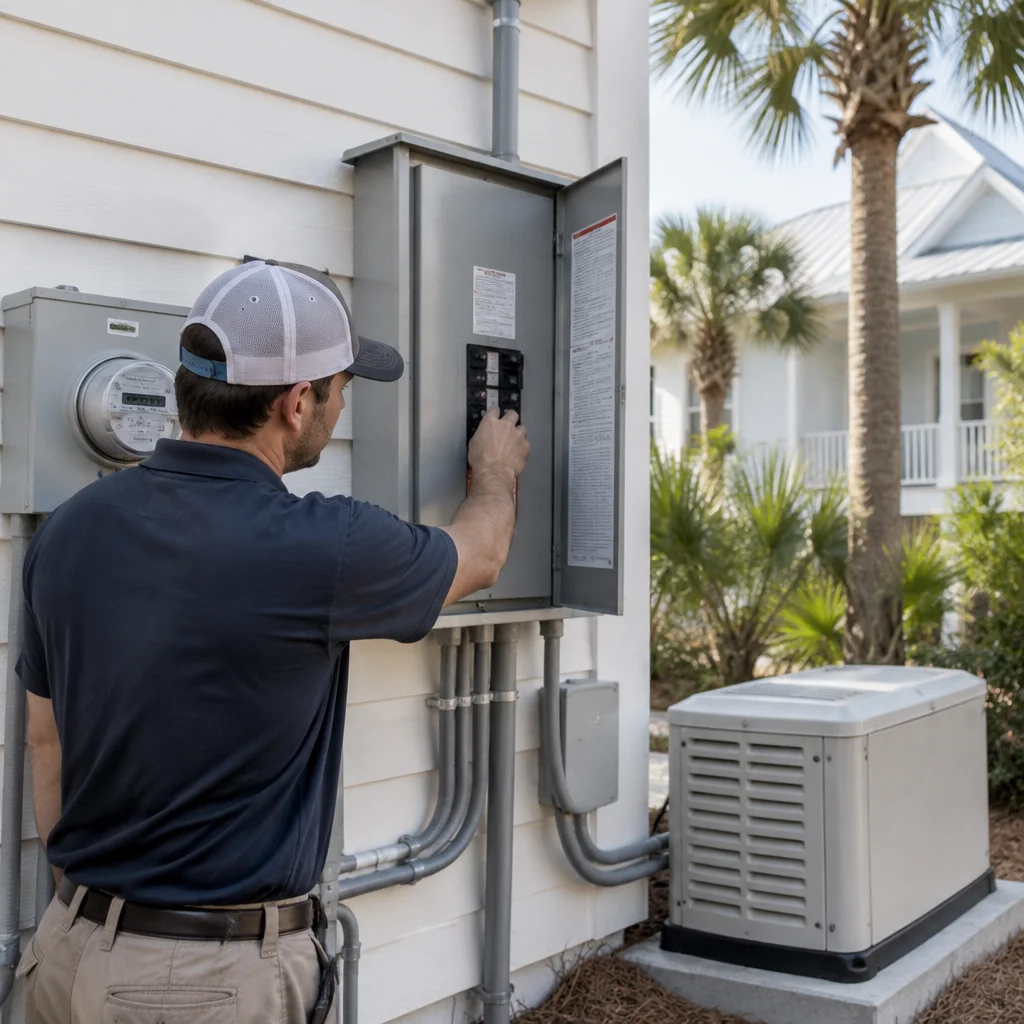
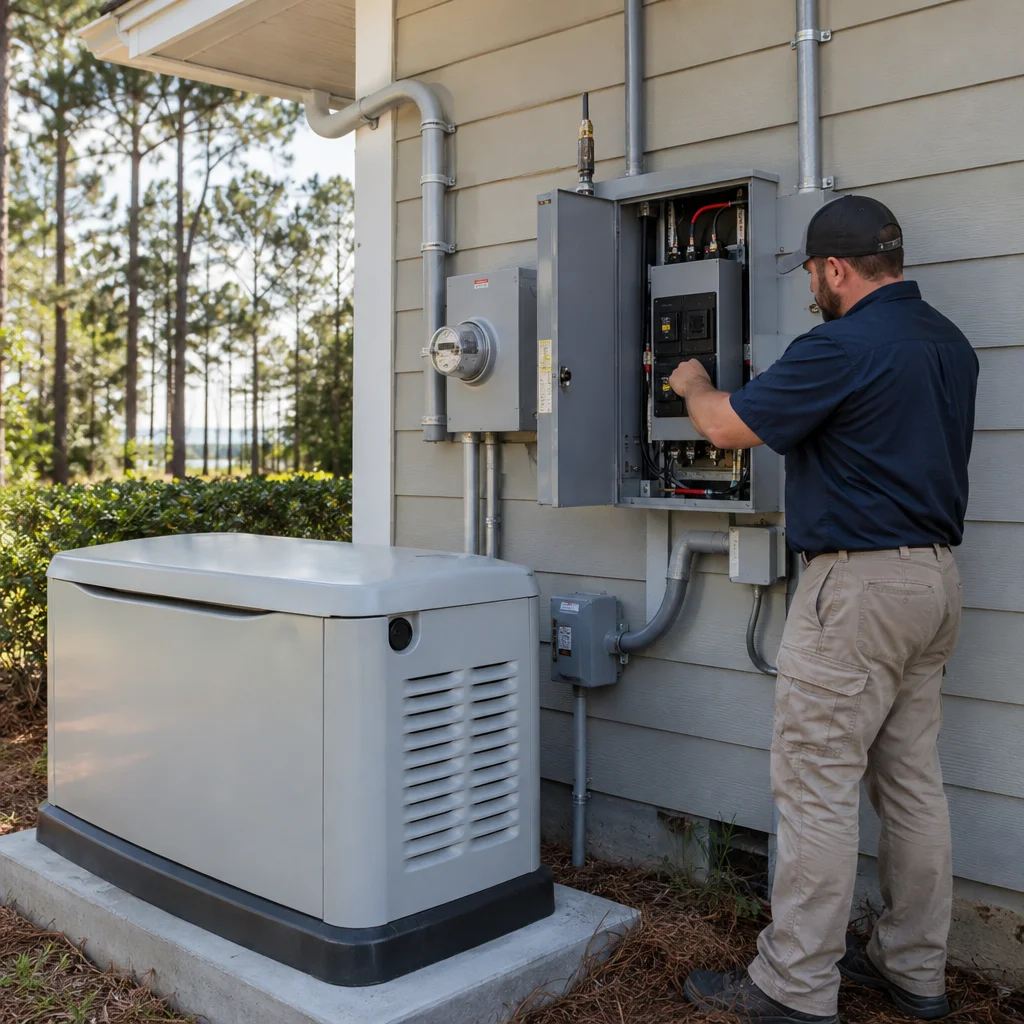
Many homeowners focus on the unit outside and forget the rest of the electrical path. A standby system depends on the transfer switch, service equipment, grounding, bonding, and the panel feeding the protected circuits. If one part is undersized or corroded, the generator may fail to transfer power cleanly, trip breakers, or leave the home with unstable voltage.
That is why generator work should be evaluated alongside the broader electrical system, not treated like an isolated appliance install.
Load calculations are often the first missed step
One of the most common mistakes is assuming a generator can handle everything in the house because the unit is “big enough.” In reality, the electrical load has to be calculated based on the circuits that matter most. HVAC equipment, refrigerators, well pumps, lighting, outlets, garage doors, security systems, and internet equipment all add up quickly.
Homes in 30A vary widely. Some are older beach cottages with limited panel space. Others are newer builds with more electronics, larger appliances, and added features like smart thermostats, ceiling fans, and EV charging. Remodels and additions can make the load even harder to predict. If the panel has already been pushed close to capacity, a generator installation may reveal the need for a sub panel installation, a dedicated circuit, or a broader electrical panel upgrade.
Why panel capacity matters before generator installation
A generator cannot solve an overloaded panel. If breakers are already tripping, lights flicker when appliances start, or you have been searching for breaker repair or electrical repair near me, the system may need correction before the generator is added. In some homes, a 200 amp panel upgrade near me search is really pointing to a service capacity issue, not just a backup power problem.
That same logic applies to homes with planned upgrades like EV charging, new kitchen circuits, or added living space. A generator should fit the electrical system you have now and the one you are likely to need later.
Transfer switches, grounding, and code compliance are not optional details
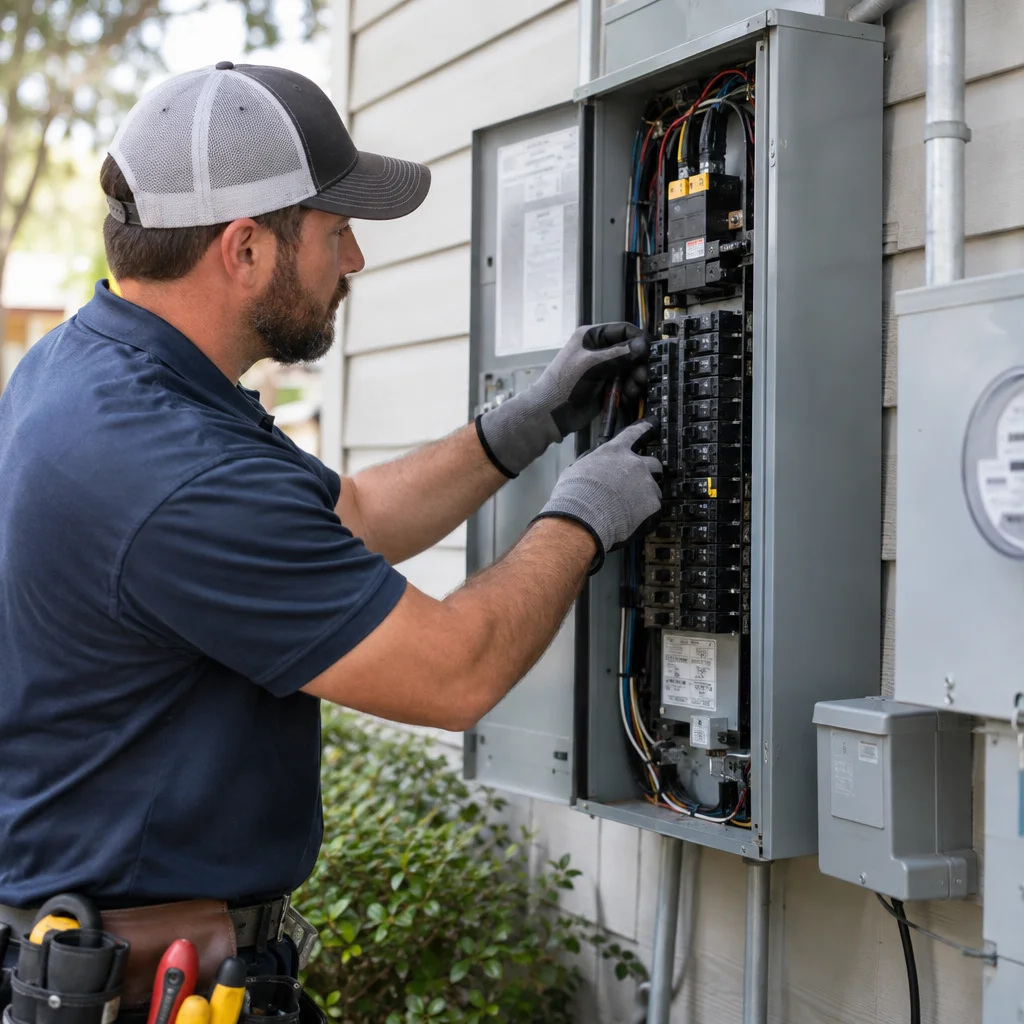
Generator installations rely on safe switching between utility power and backup power. If the transfer switch is not installed correctly, the system can backfeed power, damage appliances, or create a serious hazard for line workers and occupants. Grounding and bonding also matter because they help stabilize the system and reduce the risk of electrical faults during storms or utility interruptions.
In coastal Florida, code compliance is especially important. Outdoor equipment must withstand weather exposure, and the installation needs to meet current electrical standards. Older homes may have outdated service equipment, aluminum wiring, or even knob and tube wiring replacement near me concerns that need to be addressed before a generator is connected. Newer homes may still need code corrections if previous work was done during a fast-paced remodel or addition.
If you are already planning other electrical improvements, such as outlet installation near me, lighting installation near me, or ceiling fan wiring near me, it can make sense to have the whole system inspected together so the generator ties into a safe and compliant setup.
Older homes and newer homes fail in different ways
In older 30A homes, the issue is often capacity. Panels may be undersized, circuits may be crowded, and grounding may not match modern expectations. A homeowner searching for aluminum wiring repair near me or service mast repair near me is often already dealing with infrastructure that needs attention before backup power can be added safely.
In newer homes, the challenge is usually complexity. Smart home devices, security systems, multiple refrigerators, pool equipment, and level 2 EV charger installation near me requests can create a heavier and more varied load than homeowners expect. A generator that is not matched to that real-world demand may protect some circuits but leave others out.
Homes that have been remodeled can have both problems at once. Additions, kitchen upgrades, detached spaces, and new outdoor living areas may have been wired at different times by different crews. That is where an electrical contractor near me search should lead to a full inspection, not just a quick generator quote.
Maintenance is where many generator systems lose reliability
Even a proper installation needs regular care. Generators sit outside in heat, humidity, and salt air. Batteries weaken, oil degrades, filters clog, and transfer equipment can wear over time. If a generator is only checked after a storm warning, the system may already be overdue for service.
Homeowners in 30A often overlook the maintenance side because the generator seems idle most of the year. But standby systems are designed to start automatically and carry load instantly. That only works if the system is tested, cleaned, and inspected on a schedule.
Small maintenance issues can become emergency electrical concerns
A weak battery can keep the generator from starting. A loose connection can create heat at the transfer switch. A worn breaker can trip when the load transfers. A dirty enclosure can hold moisture and accelerate corrosion. These are the kinds of issues that can show up as flickering lights repair near me searches, repeated breaker trips, or a burning smell electrical repair near me call after a storm event.
If you notice hot equipment, buzzing, repeated transfer failures, or lights dimming when the generator starts, that is not normal wear. It is a sign the system needs a licensed electrician near me who understands generator circuits and the rest of the home’s electrical infrastructure.
Dedicated circuits and surge protection matter more than many homeowners think
A generator protects against outages, but it does not automatically protect sensitive electronics. Many 30A homes have televisions, routers, smart home hubs, security systems, and appliances that can be damaged by utility fluctuations or lightning-related surges. Whole-home surge protection is a smart companion to generator installation, especially in storm-prone coastal areas.
Dedicated circuits are just as important. High-demand appliances and equipment should not share circuits in ways that create nuisance trips or overloads. If the home needs appliance circuit installation near me support, outlet repair near me work, or a dedicated line for a freezer or home office, those upgrades should be reviewed before generator sizing is finalized.
For homeowners adding automation or remote monitoring, smart home integration can also help the generator communicate with other systems more reliably. That is especially useful in homes with vacation rental turnover, where the property may need alerts about outages or system faults while no one is on site.
Vacation rentals and commercial spaces have their own risks
In 30A, many properties are second homes or rentals, which means the electrical system may sit unused between visits. That creates a maintenance gap. A generator that is not tested regularly may fail the first time it is needed during a storm or peak season outage. For rental homes, that can mean lost bookings, guest complaints, and avoidable emergency calls.
Commercial spaces have another layer of complexity. Load needs can change based on occupancy, equipment, and business hours. If a property is expanding or being built out, commercial electric new construction services may need to coordinate with generator design, panel capacity, and emergency lighting so the building stays functional and code compliant.
For properties with security systems, generator planning should also account for security system wiring so cameras, alarms, and access controls stay powered during outages.
What homeowners can check before storm season
You do not need to open the generator enclosure to catch some of the most common issues. Start with a visual check of the area around the unit. Look for corrosion, standing water, loose conduit, damaged insulation, or debris blocking airflow. Inside the home, test GFCI protection, make sure smoke detector installation is current, and pay attention to any outlets or switches that feel warm, look discolored, or stop working consistently.
It is also a good time to think about the rest of the system. If you have been meaning to schedule electrical inspections, breaker box replacement near me service, or meter base repair near me help, do that before storm season, not after. A generator is only one part of a resilient electrical setup.
A simple maintenance checklist for 30A homeowners
Have the generator exercised under load, not just idling.
Confirm the transfer switch operates properly.
Check batteries, filters, and fluid levels on the recommended schedule.
Inspect outdoor connections for corrosion or moisture intrusion.
Test critical circuits, including lighting, refrigeration, internet, and safety equipment.
Review the panel for signs of overheating, loose breakers, or overloaded circuits.
Schedule service before storm season rather than after the first outage.
When a generator issue is really an electrical system issue
Sometimes the generator gets blamed for a problem that starts elsewhere. A home with repeated breaker trips, loose outlets, outdated wiring, or a failing service connection may struggle even with a properly installed generator. That is why homeowners searching for residential electrician near me or affordable electrician near me should look for a team that can evaluate the full system, not only the backup equipment.
If the generator will support a kitchen upgrade, new HVAC controls, a home office, or an EV charger, the electrical design has to account for those loads together. A generator consultation is often the best time to address panel upgrades, dedicated circuits, grounding corrections, and any wiring issues that could cause trouble later.
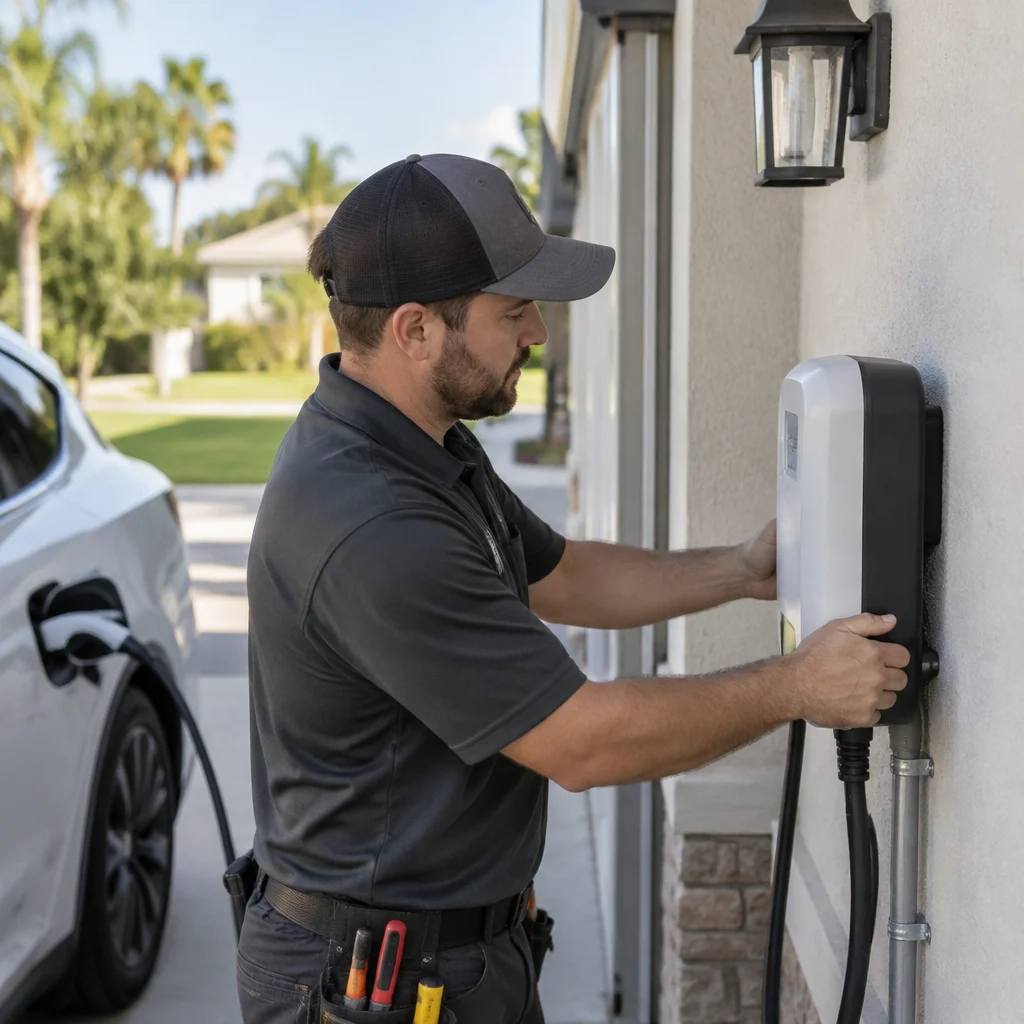
For homeowners thinking beyond backup power, related work like EV charger installation or other electrical improvements can be planned at the same time so the home is ready for both daily use and storm-related outages.
When the electrical system is designed and maintained with 30A conditions in mind, generator ownership becomes much simpler. That means fewer surprises during storms, better protection for appliances and electronics, and a safer setup for homes, rentals, and businesses across Walton County.
Find Power Generator Installation and Maintenance in 30A, FL
If you need Power Generator Installation and Maintenance in 30A, FL, visit our local service page or contact A Superior Mechanical today.
Map of 30A, FL
Frequently Asked Questions
Do 30A homes need special considerations for generator installation?
Yes. Coastal weather, salt air, storm outages, and a mix of older and newer homes all affect generator planning in 30A, FL. The installation should account for panel capacity, grounding, transfer equipment, and the circuits you actually want to keep running.
How often should a standby generator be serviced?
Most systems should be inspected and maintained at least once a year, and more often if the property is a rental, sits vacant for long periods, or is exposed to harsh coastal conditions. Regular testing helps catch battery, fuel, transfer switch, and corrosion issues early.
Can a generator be added to an older electrical panel?
Sometimes, but not always without upgrades. Older panels may need breaker replacement, sub panel installation, service mast repair, or a full electrical panel upgrade before a generator can be connected safely and in code-compliant fashion.
What electrical problems should make me call a professional right away?
Call for help if you notice a burning smell, repeated breaker trips, flickering lights, corrosion on outdoor equipment, transfer switch problems, or a generator that will not start during testing. Those can point to a larger electrical repair issue.
Related Articles
- How Professional Electrical Service Makes Smart Home Integration Work Better in 30A, FL
- Keeping 30A Commercial Spaces Comfortable Before HVAC Trouble Spreads
- Keeping a 30A Home Comfortable Starts With the Right Air Conditioning System
- Why Preventive HVAC Service Pays Off for Air Conditioning Repair in 30A, FL
Photo Gallery