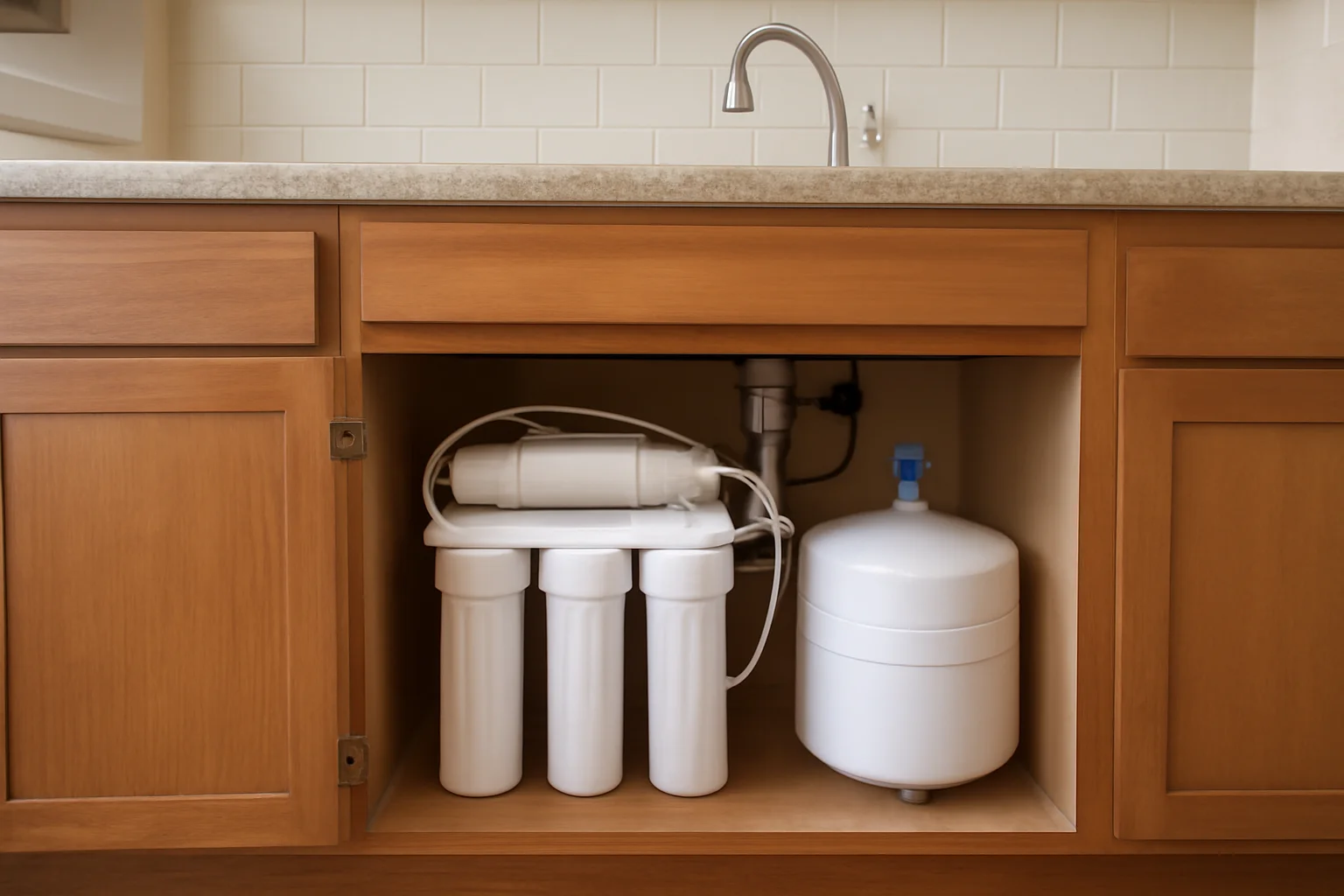
Seaside, FL is beautiful, but the water challenges that come with coastal living can be sneaky. A reverse osmosis (RO) system is designed to deliver cleaner, better-tasting drinking water, yet RO performance can drift over time when the water chemistry, the home plumbing, or the system itself is not kept in balance.
If you have noticed hard water spots on glass, scale buildup on faucets and showerheads, dry skin or dull hair after bathing, or metallic or chlorinated taste in drinking water, your RO system may be doing part of the job and struggling with the rest. The good news is that many causes are preventable with routine maintenance and the right approach to local water treatment service.
RO systems are sensitive to what comes in first
Reverse osmosis is a membrane process. Water passes through a semi-permeable membrane that removes contaminants, including sediment and many dissolved impurities. But the membrane depends on the rest of the system working properly, including pre-filters and any added treatment steps.
In Seaside, the combination of Gulf proximity, seasonal changes, and local water conditions means incoming water can vary. Some homes also pull water through plumbing that can contribute sediment, scale, and changes in taste. When that incoming water is harder or more mineral-heavy than expected, an RO system can foul faster.
Hardness and scale can choke the RO membrane
One of the most common overlooked causes of RO problems is scale buildup. Even if your RO system is producing drinking water, hardness minerals can accumulate at the membrane surface and inside the system. This can reduce flow rate, make the water taste less fresh, and lead to cloudy or inconsistent output.
You may see the same minerals showing up elsewhere in the home as:
- Hard water spots on glass, especially after the dishwasher or quick hand rinses
- Scale around faucets and mineral film on showerheads
- Soap that does not lather well and feels like it never fully rinses
- Dry skin from hard water and hair that feels dull after bathing
When hardness is high, the RO system may need a better pretreatment strategy, not just more frequent filter changes. Many homeowners focus only on the drinking water side, but protecting the whole clean water system helps the RO run cleaner and longer.
Visible sediment, discoloration, and odor concerns can overwhelm filters
Another cause that often gets missed is what homeowners do not see. If you ever notice sediment in household water, a temporary discoloration, or an odor concern that seems to come and go, that can affect RO performance. Sediment loads can clog pre-filters, which then increases pressure on the membrane and reduces water quality.
Even if your RO is installed under the kitchen sink, the system still relies on the incoming line. That is why homeowners looking for water filtration near me sometimes need a more complete plan than a single RO unit.
Filter and membrane aging is not just “time,” it is usage
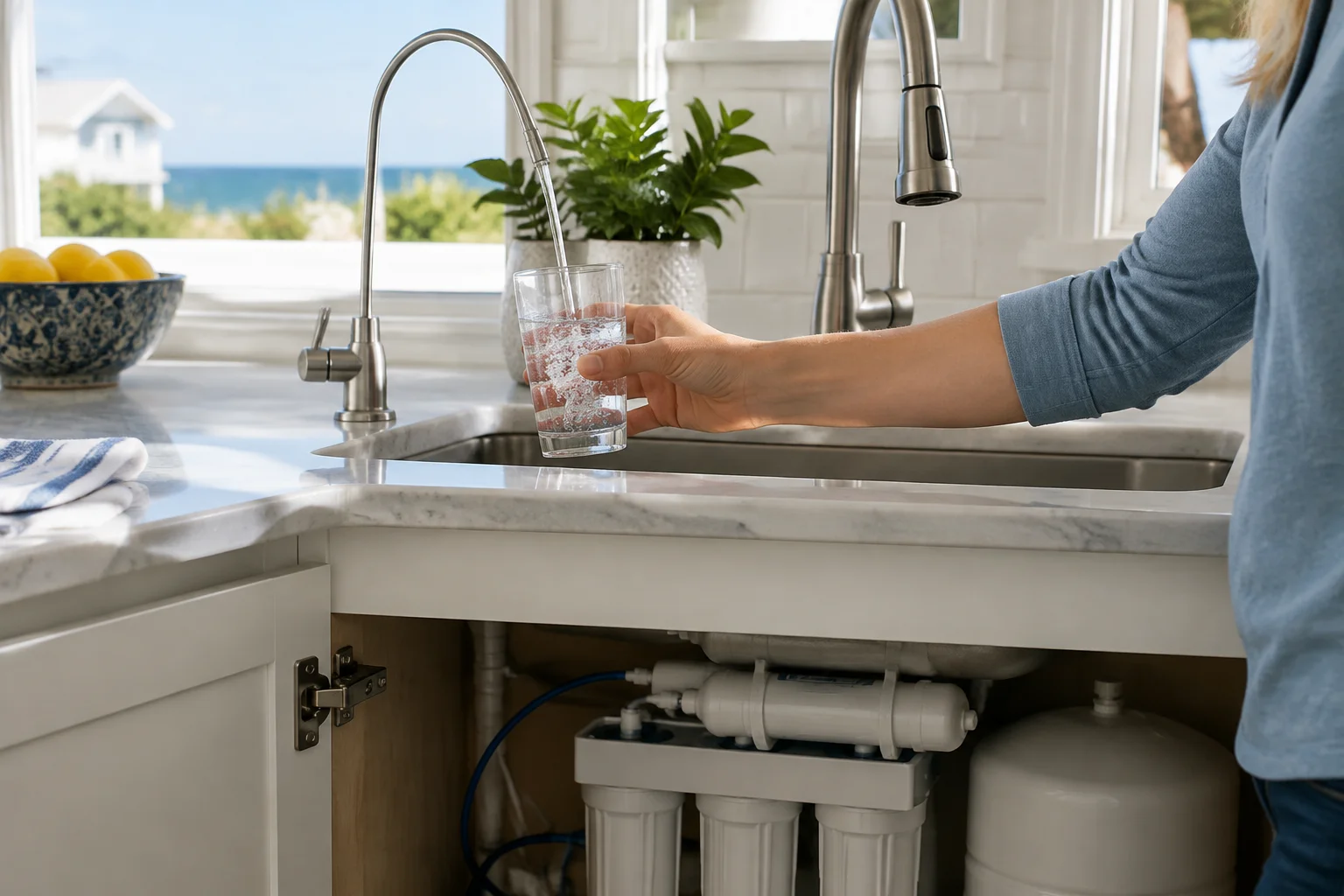
RO systems typically include sediment and carbon stages before the membrane, plus an RO membrane and a post-filter. Maintenance schedules are important, but so is real household demand.
In Seaside, many homes and vacation rentals have changing occupancy. A system that runs lightly for weeks and then suddenly serves a full schedule of cooking, coffee, and drinking can wear components faster than a steady household would.
Clogged carbon filters can lead to metallic or chlorinated taste
Carbon filtration helps reduce chlorine taste in water and improves overall flavor. When carbon filters are exhausted, you may notice:
- Metallic tasting water
- Chlorine taste in water or a noticeable odor
- Less pleasant drinking water for the whole family
Kitchen scenes can reveal the issue quickly. Maybe the kids turn up their noses at water, or your coffee tastes “off” compared to what it used to. Poor tasting coffee and cooking water is a common RO complaint when the system is overdue for service.
Low flow rate can mean the RO is fouled or the system is restricted
When RO output slows down, it can be tempting to keep using it anyway. But reduced flow can signal membrane fouling, a clogged pre-filter, or pressure problems. Over time, that can cause:
- Slower filling of the kettle or ice tray
- Water that seems inconsistent from day to day
- Appliances wearing out faster due to scale and sediment
Some homeowners also notice cloudy ice cubes. Cloudiness can come from mineral content, dissolved gases, or a system that is not filtering consistently. If you have ever filled an ice tray and thought it looked “milky,” it is worth having the RO checked.
Installation issues and plumbing details matter more than people think
RO systems are small, but they are not magic. Plumbing configuration, shutoff valves, and how the system is connected can affect performance. Even a properly selected RO unit can underperform if key details are off.
Pressure and water temperature swings can affect production
Coastal homes in Walton County can experience temperature swings through the year. RO membranes and flow rates respond to pressure and temperature. If your system is producing less water in the summer or struggling during colder months, it may not be “just the filters.” It can be a sign of pressure or system balance that needs professional evaluation.
Backflow, leaks, and loose connections can create quality problems
A slow leak under the sink can be more than a nuisance. It can reduce system effectiveness and waste water. Loose connections can also introduce contamination or cause pressure changes that affect the RO drinking water system.
If you see wetness under the cabinet, hear unusual water cycling, or notice the RO holding tank is not behaving normally, do not ignore it. Quality and efficiency both depend on tight, correct connections.
Hard water and RO do not always solve the whole problem
Many homeowners install RO to improve drinking water, but then they still deal with hard water effects on the rest of the home. That is because RO and water softening work on different parts of water quality.
RO helps drinking water, while water softening helps the rest of the home
If you have scale buildup around faucets, showerheads, and plumbing, you are likely dealing with hardness throughout the house. RO alone may not prevent scale buildup on faucets or the mineral film that makes glassware look spotty.
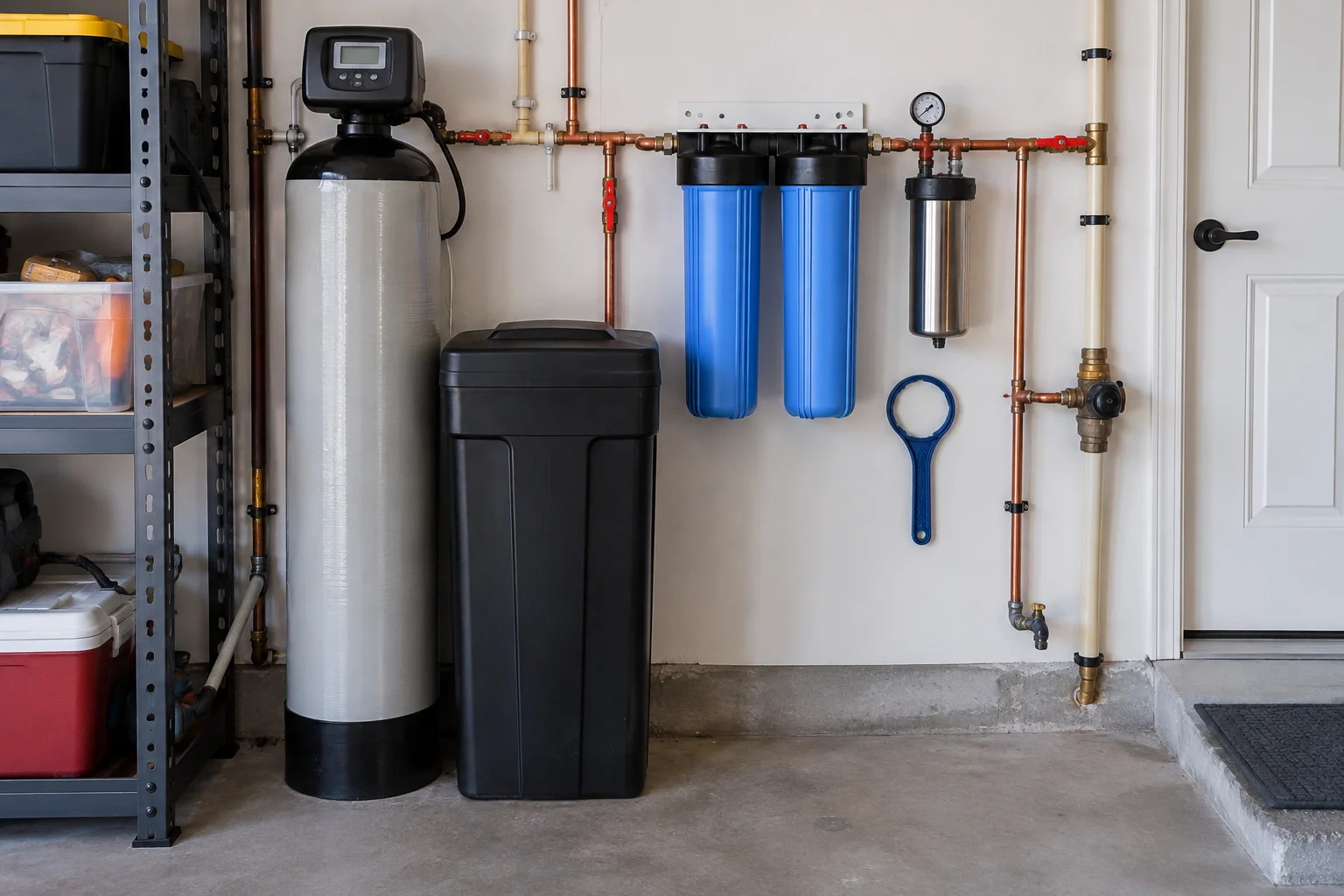
That is why water softening and properly designed whole home water treatment are often paired with RO in homes that want both clean drinking water and better daily living. If you are searching for hard water treatment or whole home water filtration near me, it is worth asking how your water treatment plan fits together.
Whole home water filtration can reduce sediment and protect appliances
RO is great for kitchen drinking water, but whole home water filtration can reduce sediment and other issues that show up across the house. When you reduce the load upstream, you often see benefits like:
- Less visible sediment and discoloration concerns
- Cleaner fixtures and fewer mineral scum issues
- Appliances wearing out faster less often
- Improved laundry results and less residue on fabrics
For homeowners comparing options like AO Smith water filtration, it helps to think beyond the kitchen and consider how treatment choices affect your shower, laundry, and cleaning routines.
What homeowners often overlook: “small” symptoms that add up
RO problems do not always arrive with dramatic changes. Often, they show up as a gradual decline that only becomes obvious when you compare to how things used to be.
Soap that does not lather or rinse well
Even if your RO drinking water tastes fine, hard water can still cause soap to struggle. If you notice soap that does not lather or rinse well, it can be a sign that hardness is impacting the rest of your water lines. That can also contribute to dry skin from hard water during bathing.
Poor tasting coffee and cooking water
Kitchen tastes are a reliable indicator. If you switch to RO for drinking water but coffee still tastes flat, bitter, or metallic, it can point to carbon depletion, membrane decline, or inconsistent output. Homeowners often assume it is “just the coffee,” but water quality plays a big role in flavor extraction.
Cooking water matters too. Rice, pasta, and soups can pick up off flavors if there is an odor or taste issue from chlorine, chlorinated byproducts, or other dissolved contaminants.
Cloudy ice cubes and residue in glasses
Cloudy ice cubes can be a clue that your RO system is not filtering as consistently as it should. It can also be related to minerals that remain in the line. If you see residue on glassware or notice ice that does not look clear, consider having your RO output tested.
Scale buildup around fixtures that never seems to fully come clean
When you keep scrubbing and the spots return quickly, it can be more than “just cleaning.” Mineral scale buildup on faucets, showerheads, and nearby plumbing can indicate hardness issues that require the right treatment approach.
For many Seaside homeowners, this is where the conversation expands from RO to a fuller clean water system, especially if you want better results for bathing, laundry, and appliance longevity.
Coastal living adds extra pressure on water systems
Seaside and the broader Walton County coastline can bring unique stresses to plumbing and water treatment. Moisture, salt air, and seasonal occupancy patterns can influence maintenance habits and how quickly systems are noticed.
Vacation rentals are a major example. A system that sits unused for weeks may not experience normal flow patterns, and then it can be heavily used during peak weeks. That can make filter and membrane performance feel inconsistent.
Coastal homes also tend to have more attention on appearance. Spotty glass and mineral film show up quickly in bright Florida light, and homeowners notice them right away. When you are paying attention to those visual clues, you can catch RO and water treatment issues earlier.
How AO Smith RO systems and smart maintenance reduce problems
Many homeowners choose RO solutions from reputable brands, including AO Smith water filtration systems. Regardless of brand, the key to dependable RO drinking water is matching the system to your home and keeping up with service.
Use the right pretreatment approach for your water
Before the RO membrane, the system typically includes sediment filtration and carbon filtration. In homes with hardness and scale concerns, pretreatment may need to be more robust. The goal is to reduce fouling so the membrane stays clean and can produce consistent RO drinking water system output.
Follow maintenance that reflects your household and occupancy
Maintenance schedules should account for how much water you use, how often the system runs, and whether it sits idle. If you have a busy kitchen, frequent coffee making, or a family that drinks more water, service intervals may need adjustment.
Professional service can also include checking system pressure, inspecting connections, verifying filter condition, and confirming the membrane is performing as expected.
When to call A Superior Mechanical for reverse osmosis service
Homeowners in Seaside often wait until water quality becomes obvious. But the earlier you address RO issues, the easier it is to protect the membrane and maintain better drinking water.
Call a professional when you notice any of the following:
- Metallic tasting water or chlorine taste in water returning
- Cloudy ice cubes or visible discoloration in RO output
- Reduced RO flow rate or the system struggles to keep up
- Visible sediment or odor concerns in drinking water
- Repeated scale buildup on fixtures even after cleaning
- Appliances like coffee makers or water-using devices wearing out faster
If you are also dealing with hard water spots on glass and soap scum, it may be time to discuss a combined approach that includes water softening and, when appropriate, whole home water filtration. You can explore RO drinking water options and local service details on our reverse osmosis systems page: /service-areas/walton-county/seaside/reverse-osmosis-systems-ssfl.
For a broader look at system options across the region, start with /water-filtration-ro-water-softeners. If you want to understand the service area context, the Seaside page is here: /service-areas/walton-county/seaside, and you can also browse Walton County coverage at /service-areas/walton-county.
Simple prevention habits that protect RO performance
Some RO issues are unavoidable, but homeowners can reduce the odds of problems with a few practical habits.
Keep an eye on taste and ice clarity
When you notice metallic or chlorinated taste in water, do not “wait it out.” Taste is often the earliest sign that carbon filtration or membrane performance is slipping. Similarly, cloudy ice cubes can be a quick visual check for consistency.
Use the system regularly or request guidance for seasonal use
If your Seaside home is a vacation rental or a seasonal residence, ask about best practices for systems that sit idle. Smart maintenance can help prevent stagnation and reduce the chance of sediment or odors affecting RO output after downtime.
Do not ignore the rest of the plumbing symptoms
Hard water spots on glass, scale buildup around faucets, and dry skin from hard water are clues that your overall water treatment may need attention. If RO is only addressing drinking water while hardness continues to affect the rest of the home, everyday life can still feel harder than it should.
If you want more local guidance on water and fixtures in coastal conditions, read /news/practical-plumbing-advice-for-seaside-homeowners-living-near-the-coast and /news/cleaner-water-clearer-living-in-seaside-how-better-treatment-helps-with-spots-scale-taste-and-odor.
RO and whole home water treatment work best as a team
Many Seaside households want the same thing: water that tastes clean for drinking, produces better ice and coffee, and does not leave the bathroom and kitchen looking dull or spotty. Achieving that usually requires more than one part of the system.
RO focuses on drinking water quality. Whole home water filtration and water softening help reduce hardness effects, protect fixtures, and improve how soap and shampoo perform. When these pieces align, you often see fewer problems across the board: better bathing comfort, easier cleaning, and appliances that do not wear out as quickly.
If you are comparing strategies for a coastal home, the learning does not have to be overwhelming. Start with the RO system page for Seaside service and then expand into the broader options on our water filtration and water softeners landing page. For households that want practical RO routines, these reads can help: /news/smart-plumbing-habits-for-reverse-osmosis-systems-in-30a-homes and /news/cleaner-drinking-water-and-healthier-plumbing-a-rosemary-beach-homeowner’s-guide-to-reverse-osmosis-systems.
Find Reverse Osmosis Systems in Seaside, FL
If you need Reverse Osmosis Systems in Seaside, FL, visit our local service page or contact A Superior Mechanical today.
For a broader look at whole-home water filtration, reverse osmosis, and water softener options, visit our water filtration, RO, and water softener page.
Map of Seaside, FL
Frequently Asked Questions
Why does my reverse osmosis water taste metallic or chlorinated in Seaside, FL?
Metallic or chlorinated taste often points to depleted carbon filtration or a membrane that is no longer performing consistently. In some homes, changes in incoming water quality can also increase the load on the system. A professional inspection can confirm which stage needs service.
Can hard water cause problems with a reverse osmosis system?
Yes. Hardness minerals can contribute to scale buildup that fouls the RO membrane and reduces flow rate. That is why many homeowners pair RO with water softening or other pretreatment to protect the membrane and improve overall water quality.
What does cloudy ice in my kitchen mean for my RO drinking water system?
Cloudy ice cubes can indicate inconsistent RO output, mineral presence, or changes in filtration performance. If the ice looks milky or becomes cloudy quickly, it is a good time to have the system checked.
How often should an RO system be serviced for better drinking water?
Most RO systems need filter changes on a schedule, but household usage and seasonal occupancy can change how quickly parts wear out. A technician can review your system, check pressure and performance, and recommend maintenance intervals that fit your Seaside home.
Is RO enough if I still have scale buildup on faucets and showerheads?
RO is mainly for drinking water. If you still see scale buildup around faucets and showerheads, that usually means hardness is affecting the rest of the plumbing. Many homeowners benefit from whole home water filtration and water softener installation near me to address scale and improve bathing and laundry.
Related Articles
- Practical Plumbing Advice for Seaside Homeowners Living Near the Coast
- Smart Plumbing Habits for Reverse Osmosis Systems in 30A Homes
- Cleaner Drinking Water and Healthier Plumbing: A Rosemary Beach Homeowner’s Guide to Reverse Osmosis Systems
- Cleaner Water, Clearer Living in Seaside: How Better Treatment Helps With Spots, Scale, Taste, and Odor
Photo Gallery