Camp Creek families want water that feels good on skin, keeps glassware clear, and protects plumbing and appliances. Yet even with a water softener, problems can show up fast. You may still see hard water spots on glass, notice scale buildup around faucets and showerheads, or deal with laundry that never feels fully clean. When this happens, it is usually not because water softening is “bad.” It is because something is interfering with how the system works, or because the home needs a more complete water treatment approach.
If you are searching for water treatment near me or water filtration near me in Camp Creek, FL, this guide covers the local issues homeowners often overlook. It also explains how water softening, whole home water filtration, and systems like AO Smith water filtration and reverse osmosis can work together for better drinking water, cooking water, bathing water, and cleaner laundry.
Hard water symptoms that suggest softening is not working the way you think
It is easy to assume the softener is functioning because water “feels” different. But scale and taste issues are hard to ignore. Watch for these common household clues around Camp Creek homes:
Glassware, fixtures, and shower doors still show spots
When softened water is doing its job, you should see fewer hard water spots on glass and less white residue on chrome, tile, and faucets. If you keep wiping away spots after every few uses, you may be dealing with incomplete softening, bypass flow, or incorrect settings.
Scale buildup on faucets and showerheads
Look closely at aerators, showerheads, and the base of fixtures. Scale buildup around faucets and mineral crust on showerheads often points to hardness minerals that are not being removed consistently. Over time, that scale can also clog plumbing components and reduce water flow.
Skin feels dry and hair looks dull after bathing
Families notice this most in the bathroom. If you are seeing dry skin or dull hair after bathing, the water may still be hard enough to interfere with soap and shampoo performance. Softening helps reduce mineral buildup that can make hair feel coated and soap feel less effective.
Soap that does not lather or rinse well
If soap seems to “sit” on skin or clothes, or if you need more detergent than usual, hard water is often the culprit. Even if you have a softener, a system that is not regenerating properly or is undersized for household demand can leave minerals behind.
Water tastes metallic, chlorinated, or unpleasant
Some families notice a metallic, chlorinated, or unpleasant taste even when water looks clear. That can be separate from hardness. Chlorine taste, odor concerns, and certain contaminants may require whole home water filtration or targeted treatment.
Cloudy ice cubes and odd cooking water
Cloudy cubes can happen when there is taste, odor, or dissolved particles in the water. If you are seeing cloudy ice cubes, you may be dealing with contaminants that a basic softener alone does not address. The same issue can affect poor tasting coffee and cooking water.
Visible sediment, discoloration, and odor concerns
Discoloration or sediment can also point to issues beyond hardness. If you see particles, notice an odor change, or deal with discoloration that comes and goes, it is important to confirm what is in your water and whether your filtration is keeping up.
Common causes of water softening problems in Camp Creek homes
Homeowners often focus on the water source and ignore the system details. But softening performance depends on more than having a softener installed. Here are the causes that show up most in real households across Walton County.
Salt issues, bridging, or the wrong salt type
Most water softeners rely on salt to regenerate resin. If the salt level is low, the system can run out of brine before it completes regeneration. Even with salt present, you can get salt bridging, where a crust forms and blocks water from contacting the salt. Some homes also use salt that is not ideal for their unit.
When regeneration is incomplete, hardness can slip through. That is when you start seeing scale buildup on faucets, soap scum, and spots that never fully go away.
Wrong settings for household size and water hardness
A softener should be sized and set for your home’s hardness level and water usage. If the settings are off, the system may regenerate too late, too early, or not long enough. Changes in family size, new appliances, more laundry, or seasonal irrigation can raise demand and overwhelm a system that worked in the past.
Camp Creek homes can also experience water chemistry shifts over time. When that happens, the softener may still be calibrated for older conditions. The result is classic “it used to work” symptoms.
Clogged filters or dirty components that reduce flow
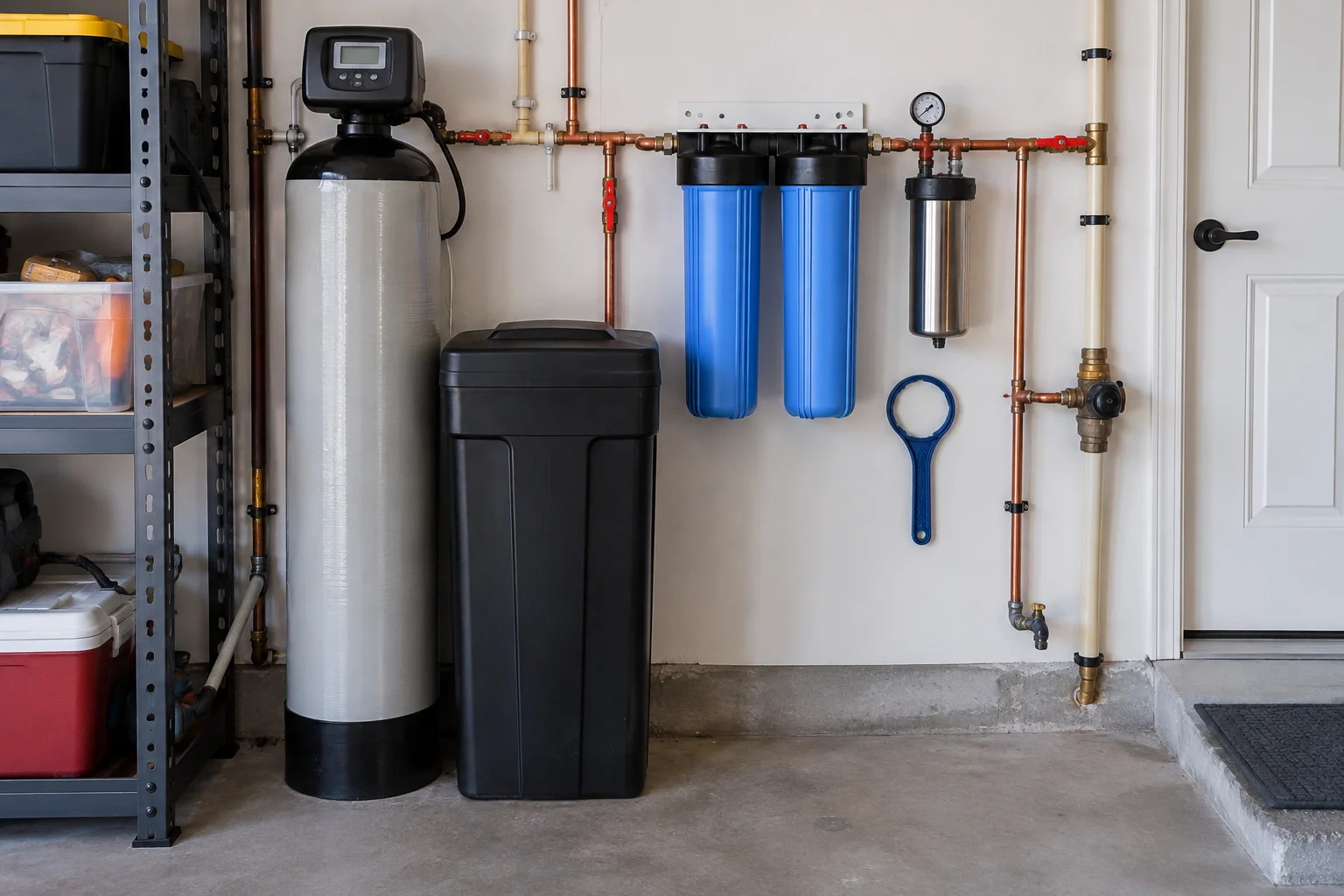
Many systems include prefilters or sediment control to protect the softener. If those components become clogged, water may not flow through the softening process as intended. A softener starved for flow can reduce effectiveness while still giving the illusion that “water is running normally.”
Visible sediment, odor concerns, or inconsistent taste can also point to filtration needs that are not being met.
Bypass valves, plumbing mixing, or incorrect installation flow
Some homes have valves that allow maintenance or emergency bypass. If a bypass position is accidentally left open, softened water may not reach the fixtures you use every day. Plumbing mixing can also occur if the system is not configured to treat all relevant lines.
If you notice that some bathrooms feel softer than others, or kitchen water behaves differently, it can be a strong clue that water treatment is not reaching the whole home as expected. For homeowners looking for water treatment near me, this is one of the most common “overlooked” causes because it is not always obvious.
Regeneration schedule problems and water usage patterns
Softener regeneration is designed around predictable demand. If your household uses water in bursts, runs a lot of laundry on certain days, or has a high-demand season, the schedule may not match reality. A system that regenerates too infrequently can allow hardness to accumulate between cycles.
On the other hand, some homes regenerate too often due to setting issues. That can lead to inefficiency and may contribute to other water quality concerns if the system is not balanced.
Hardness is not the only issue, and a softener alone cannot fix taste and odor
Water hardness is only one piece of water quality. If you are dealing with metallic taste, chlorine taste in water, or odor concerns, softening will not remove those issues. That is where whole home water filtration comes in.
Families often want cleaner drinking water for daily kitchen routines. Think of a busy Camp Creek morning: coffee brewing, kids filling cups, and cooking water used for pasta and rice. If you are noticing poor tasting coffee water or cloudy ice cubes, you may need additional filtration beyond softening. Many homeowners choose solutions such as AO Smith water filtration paired with softening, or they add a dedicated reverse osmosis system for drinking water.
How local conditions in Camp Creek can affect water treatment performance
Camp Creek sits in Walton County, FL, where homes may rely on local water conditions that can vary with source, season, and distribution changes. Even when the water source is consistent, the water chemistry can shift enough to change how quickly scale forms and how noticeable hardness becomes.
In humid climates, mineral deposits can be especially obvious because hard water residue dries quickly on fixtures. You may see mineral film around shower doors, faucet handles, and sinks even when you rinse after use. That makes it easier to spot problems, but it also means homeowners need properly tuned systems that keep up.
Because water treatment service matters locally, it is worth working with a provider that understands the water realities in your area. If you are looking for a water softener service in Camp Creek, you can start with A Superior Mechanical water softening in Camp Creek. For broader options, explore water filtration and RO or water softeners, and if you want to compare service coverage, visit the Camp Creek service area page or Walton County service areas.
Why families notice problems first in the kitchen and bathroom
Softening issues show up where water is used most, and where people judge quality by feel and taste.
Drinking water and cooking water
When hardness and other contaminants are present, you might notice a metallic or off taste. That can carry into cooking water, broth, and even the flavor of vegetables. If you are using water for boiling and steaming, mineral content can affect taste and sometimes leave residue in kettles.
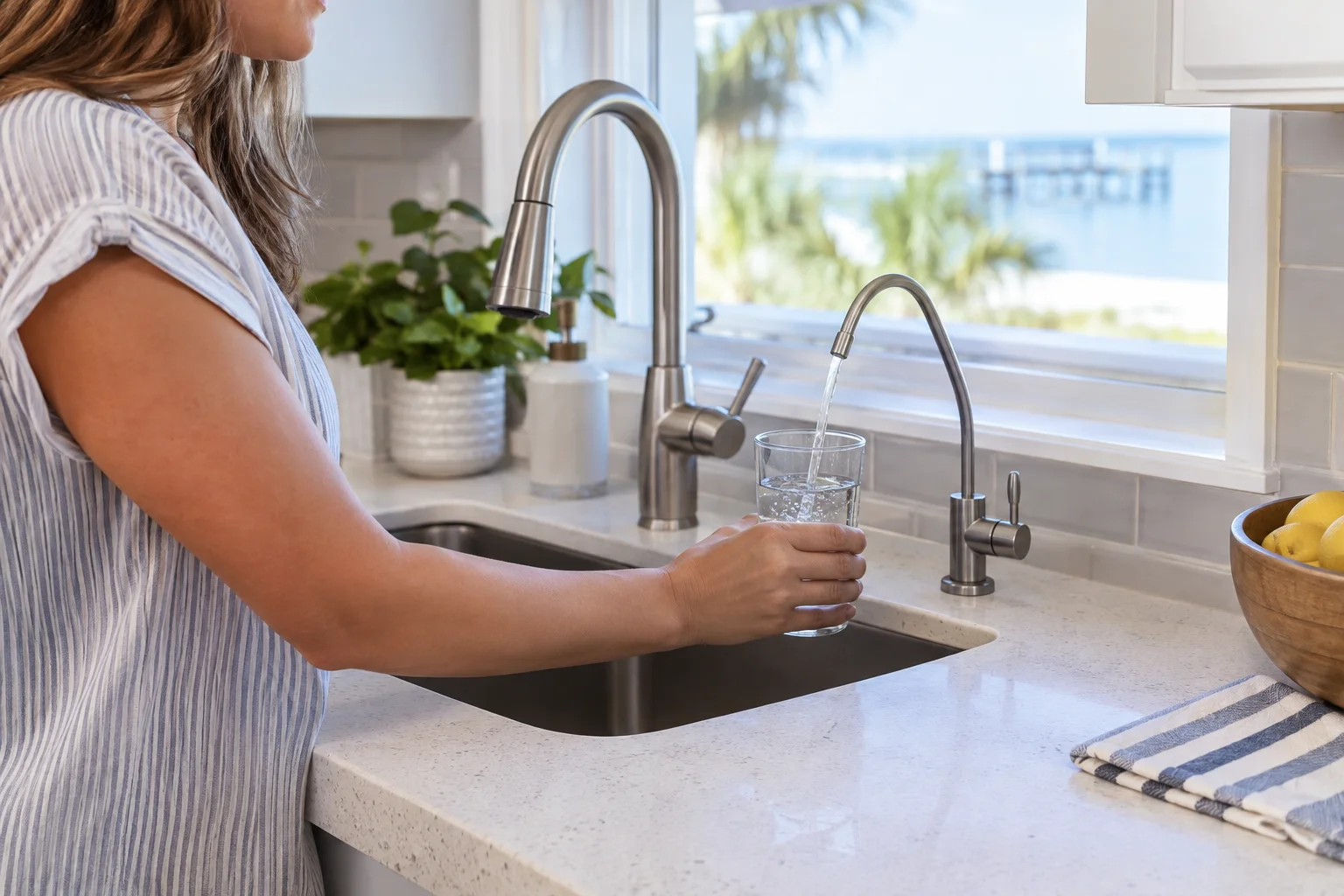
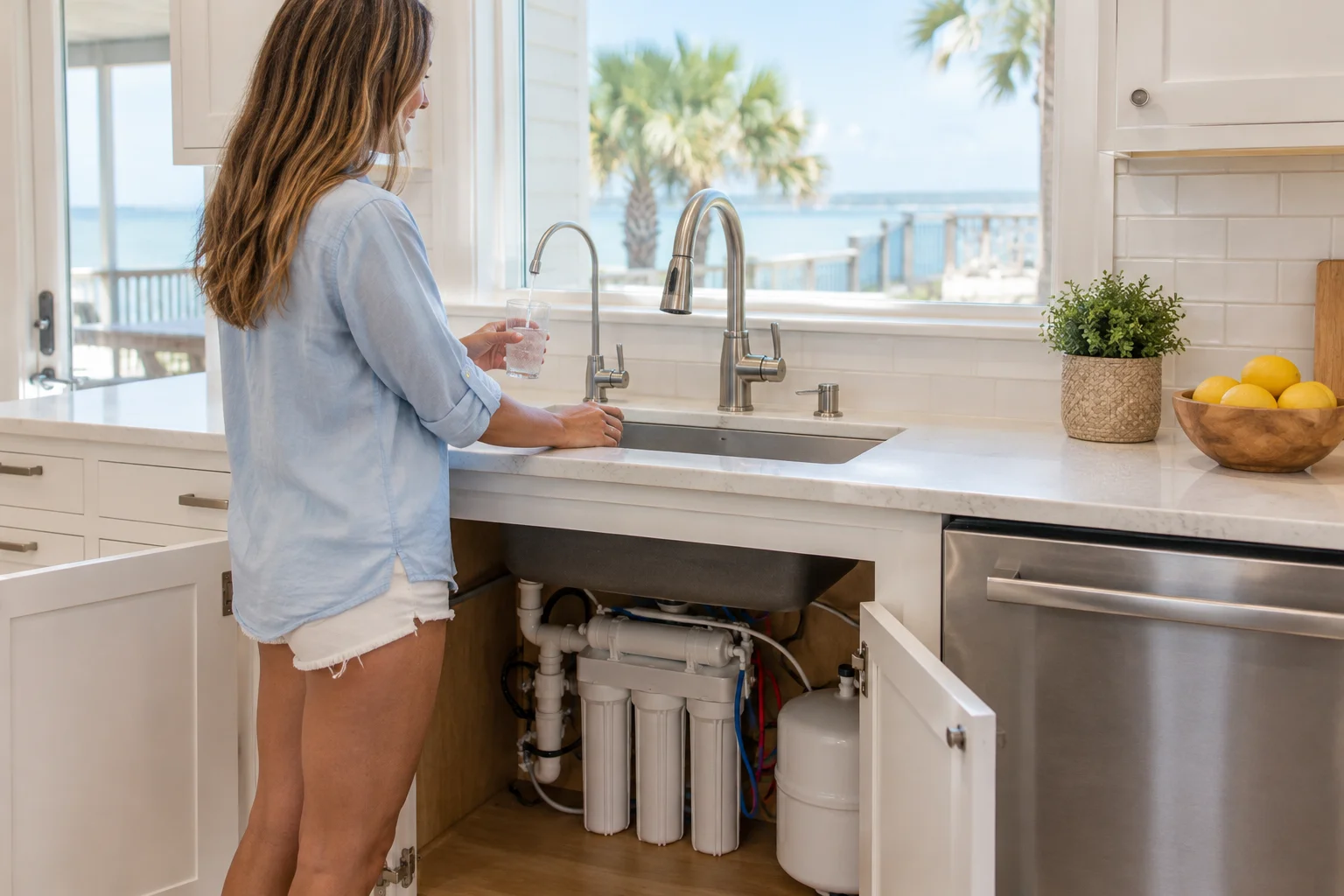
For households that want the best results for drinking and cooking, many homeowners add reverse osmosis. RO is commonly used for drinking water lines or kitchen taps so families get cleaner water for daily meals. For whole home taste and odor improvements, whole home water filtration can help reduce chlorine taste in water and help with overall water clarity.
Bathing, hair, and laundry
Hard minerals can make soap work harder. You may need more detergent, and clothes can feel less fresh even after washing. In the shower, the same minerals can contribute to dryness and dull hair. Families sometimes blame shampoo or skin products, but the water is often the missing variable.
When water softening is properly maintained, you should see fewer spots on shower fixtures and more consistent lather and rinse. That is why homeowners looking for water filtration near me often end up with a softening plus filtration plan instead of a single “one size fits all” solution.
Fixtures and appliances
Scale does not just look bad. It builds up inside plumbing, reduces flow at fixtures, and can shorten appliance life. When scale buildup is constant, appliances may wear out faster because heating elements and internal pathways work harder to move and heat water.
If your dishwasher leaves spots, your kettle takes longer to heat, or your hot water system seems to struggle, scale may be part of the story. Pairing softening with proper filtration can reduce the mineral load that causes these problems.
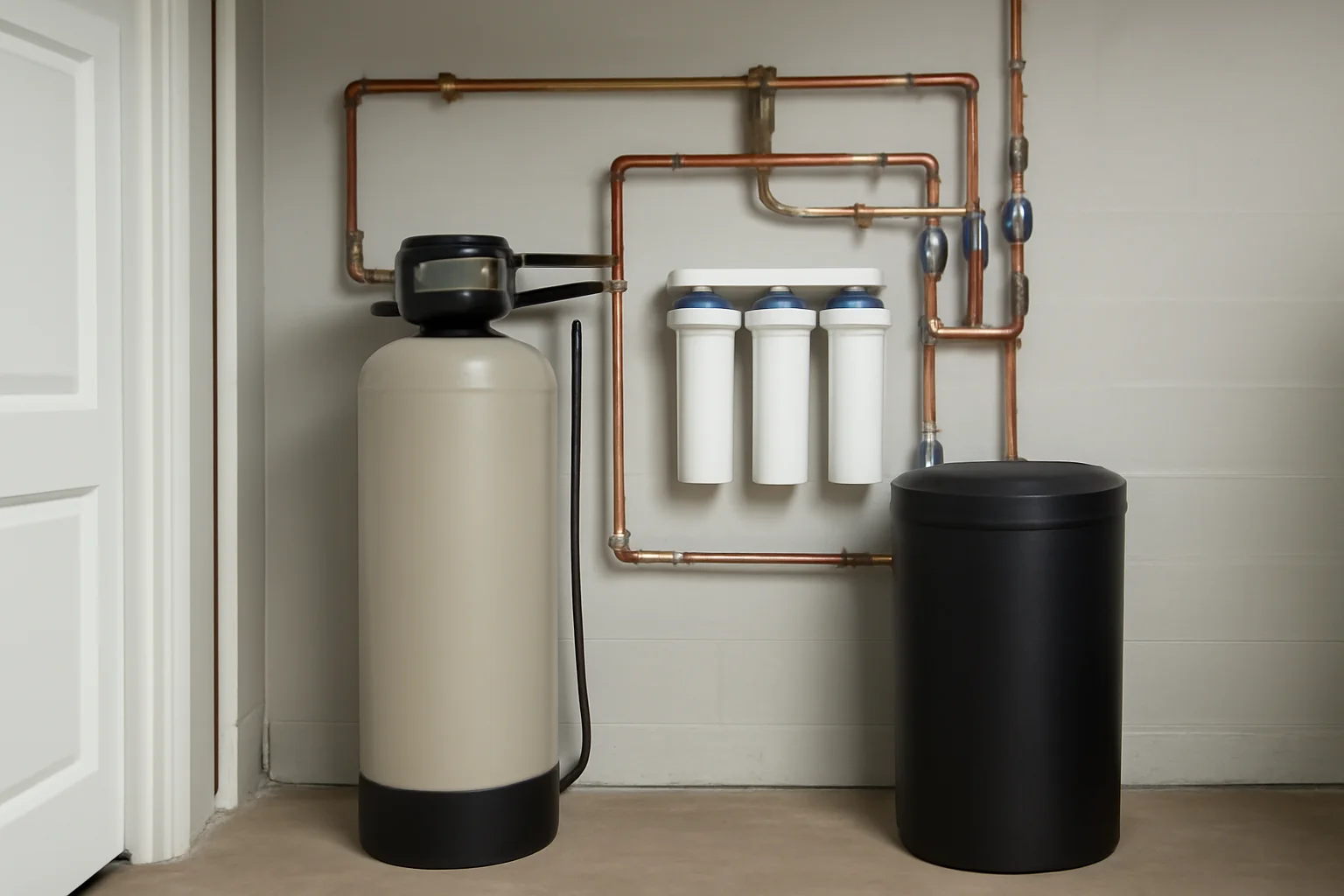
Reverse osmosis, whole home filtration, and AO Smith systems: how they fit together
Many homeowners ask whether they should prioritize softening, RO, or whole home filtration. The best answer usually depends on what problems you see.
Water softening targets hardness and scale
Water softening focuses on reducing hardness minerals that cause scale buildup around faucets, spots on glass, and soap performance issues. It is the right foundation for homes dealing with hard water treatment needs and fixture protection.
Whole home water filtration improves taste, odor, and overall cleanliness
Whole home water filtration helps address contaminants that softeners do not remove, including taste and odor concerns. If you have metallic, chlorinated, or unpleasant taste, odor concerns, or visible sediment and discoloration, filtration can make a big difference throughout the house.
AO Smith water filtration options are often chosen for whole home improvements because they support consistent water quality for bathing, laundry, and everyday use.
Reverse osmosis is often the choice for drinking water
Reverse osmosis installation is frequently used to deliver cleaner drinking water for the kitchen. Families notice the difference in coffee, ice, and cooking. If you are dealing with cloudy ice cubes or poor tasting coffee and cooking water, RO can be a targeted way to improve the water you consume most.
Many Camp Creek homes choose a combined approach: softening for scale control, whole home filtration for better overall water feel and taste, and RO for drinking and cooking.
Maintenance habits that prevent softening failures
Even the best system can lose performance without routine care. These steps help prevent the problems families notice in daily life.
Check salt levels and look for bridging
Make it a quick habit to check salt at least once a month. If the salt forms a crust, the system may not pull brine correctly. Keeping the brine tank properly maintained helps prevent hardness from breaking through.
Pay attention to regeneration timing
If you notice new scale suddenly, it can coincide with a schedule change or a pattern shift in household water use. A professional can verify whether the regeneration cycle matches your current demand.
Watch for early signs before scale takes over
Small changes are easier to fix than full-scale mineral buildup. If you start seeing new spots on glass, increasing residue on fixtures, or soap that rinses poorly, treat it as a signal to investigate rather than waiting for the problem to get worse.
Keep filters clean and protected
Prefilters and sediment control components protect your softener and help it perform as intended. When those parts get neglected, flow drops and softening performance can decline.
When to call a professional water treatment team in Camp Creek
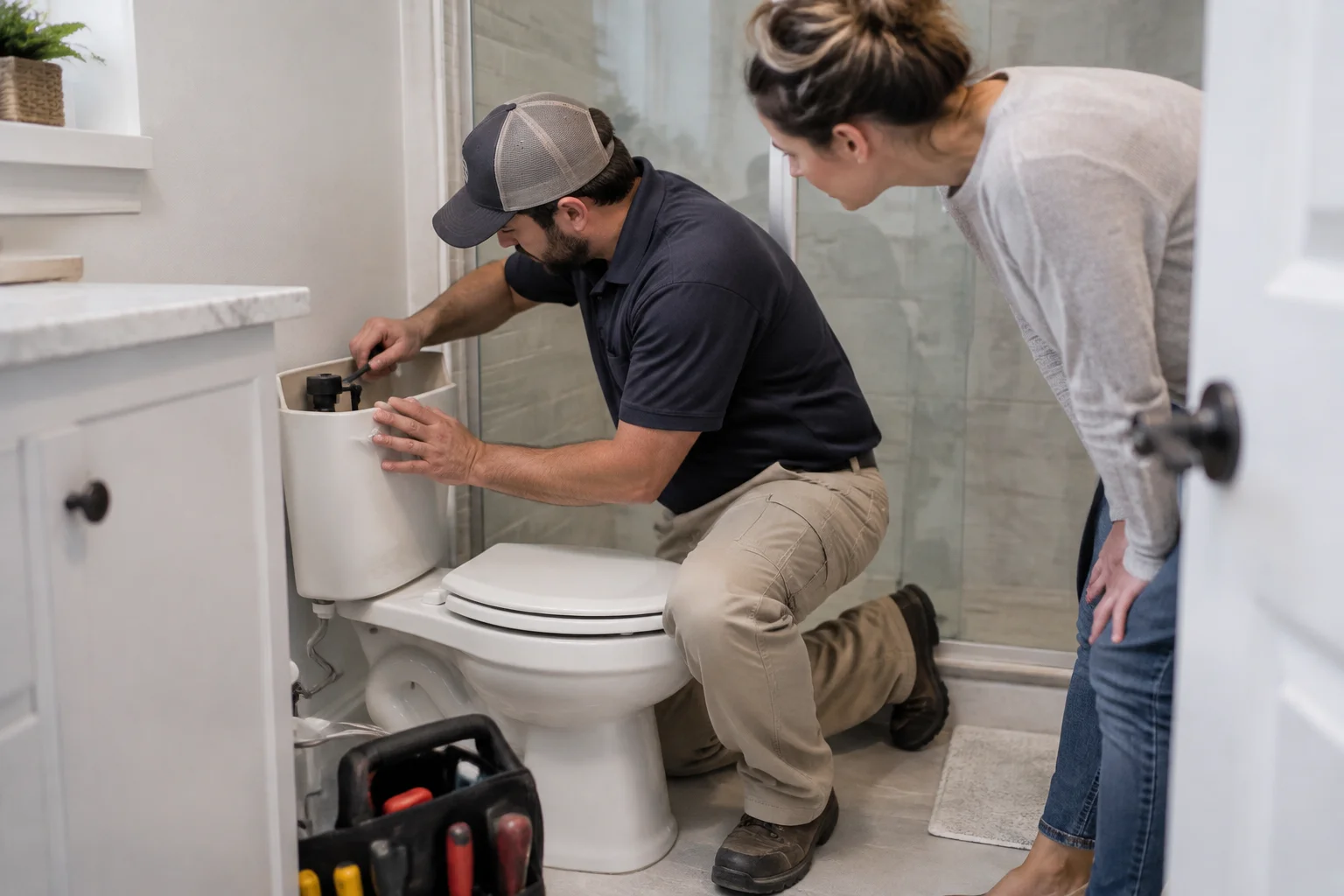
Homeowners can handle basic checks, but water treatment problems often require testing and system diagnostics. Call a professional when you see multiple symptoms at once, such as:
- Persistent hard water spots on glass and ongoing scale buildup around faucets
- Dry skin or dull hair after bathing even though a softener is installed
- Metallic or chlorinated taste, odor concerns, or cloudy ice cubes
- Visible sediment, discoloration, or inconsistent water quality
- Appliances wearing out faster or reduced hot water performance that suggests scale inside the system
Testing helps confirm whether the issue is hardness, chlorine and taste, sediment, or a combination. It also verifies that the softener is regenerating correctly and that the system is sized for the household.
If you want to connect water quality to appliance life, you may also find this helpful: A Practical Guide to Water Heater Replacement in Camp Creek, FL and the Plumbing Problems That Shorten System Life. For broader plumbing performance protection, see How Better Plumbing Management Protects Camp Creek Homes.
For homeowners who are planning updates or renovations, it can also pay to review installation details. This post explains what people miss during setup: What Camp Creek Homeowners Often Miss During Plumbing Installation.
How better water softening changes everyday life in Camp Creek
When softening and filtration are properly matched to a home, the difference shows up in ordinary moments. A family fills the coffee maker and notices the taste is cleaner. Ice cubes stay clearer. Kids do not complain about skin feeling tight after showers. Laundry feels fresher and rinses better. Faucets and showerheads require less scrubbing because mineral scale builds up more slowly.
If you are curious about how these changes play out in real Camp Creek routines, read How Better Water Softening Changes Daily Life in Camp Creek Homes.
Water softening is not just about “soft water.” It is about protecting plumbing, improving appliance efficiency, and making daily kitchen, bath, and laundry tasks easier. When you spot the overlooked causes of softening failure, you can get back to the kind of water your household expects.
If your home is showing signs of hard water and you are looking for water treatment near me in Camp Creek, A Superior Mechanical can help you evaluate what you have, what you need, and how to protect your home with the right mix of softening and filtration. Start with water softening service for Camp Creek, then explore water filtration, reverse osmosis, and water softeners to build a complete clean water system.
Find Water Softening in Camp Creek, FL
If you need Water Softening in Camp Creek, FL, visit our local service page or contact A Superior Mechanical today.
For a broader look at whole-home water filtration, reverse osmosis, and water softener options, visit our water filtration, RO, and water softener page.
Map of Camp Creek, FL
Frequently Asked Questions
Can a water softener fail even if salt is in the tank?
Yes. Salt can bridge and form a crust, preventing proper brine contact with the resin. A softener can also be mis-set or undersized, or a filter can clog and restrict flow. A technician can check salt draw, regeneration, and system performance.
Why do I still have hard water spots on glass with a softener installed?
Common causes include incorrect settings, incomplete regeneration, a bypass valve left open, or plumbing flow that prevents softened water from reaching certain fixtures. Scale can also persist if the system is not sized for current household demand.
Does water softening fix chlorine taste in water or metallic taste?
No. Softening targets hardness minerals that cause scale. Chlorine taste, metallic or unpleasant taste, odor concerns, and sediment issues usually require whole home water filtration or targeted treatment like reverse osmosis for drinking water.
Is reverse osmosis worth it for cloudy ice cubes and poor tasting coffee water?
Often, yes. Cloudy ice cubes and poor tasting coffee water can be related to dissolved contaminants that a softener does not remove. RO can improve drinking water quality at the kitchen tap, especially when paired with whole home filtration.
How often should a Camp Creek water softener be serviced?
Most systems benefit from periodic inspection and performance checks, especially if you notice new scale buildup, changes in taste or odor, or soap no longer lathers well. If symptoms appear, scheduling service sooner helps prevent appliance and plumbing wear.
Related Articles
- How Better Water Softening Changes Daily Life in Camp Creek Homes
- A Practical Guide to Water Heater Replacement in Camp Creek, FL and the Plumbing Problems That Shorten System Life
- How Better Plumbing Management Protects Camp Creek Homes
- What Camp Creek Homeowners Often Miss During Plumbing Installation
Photo Gallery