If your water softener is not delivering that smooth, clean feel you expected, it is usually not “mystical.” In Hammock Bay, FL, local water conditions, household demand, and system maintenance all play a role. When softening starts to struggle, homeowners often notice scale buildup around faucets and showerheads, hard water spots on glass and dishes, and changes in odor or taste.
This guide breaks down common causes of water softening problems in Hammock Bay and Walton County, what they look like in everyday life, and how to reduce sediment, odor, and chlorine concerns. If you are comparing options like water softening, reverse osmosis, and whole home water filtration, you will also find practical tips for choosing the right approach for drinking water and bathing comfort.
What water softening is supposed to do in Hammock Bay
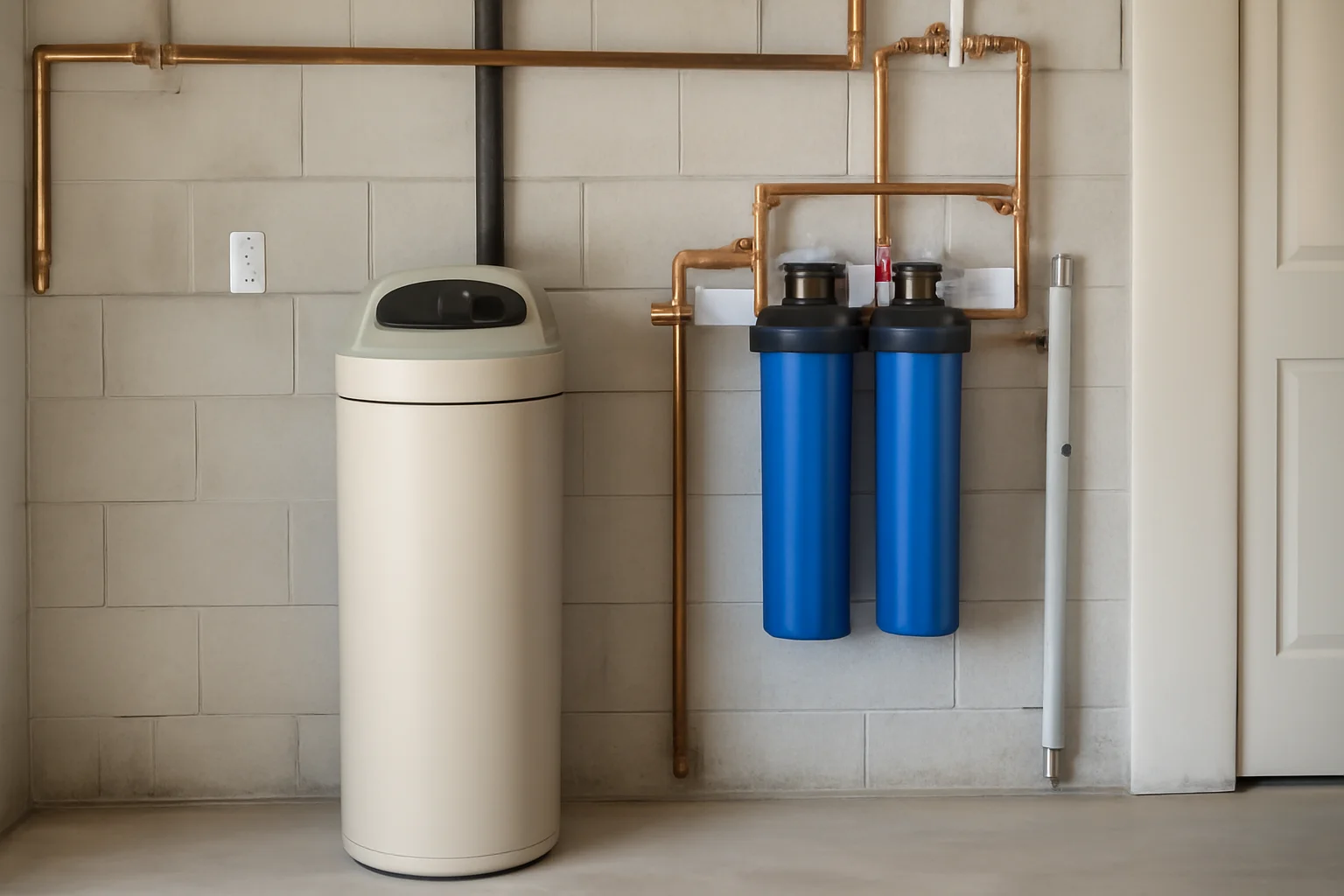
Water softeners are designed to reduce hardness minerals, mainly calcium and magnesium, that cause scale. When the system is working well, you should see fewer hard water spots on glass and dishes, less mineral film on fixtures, and improved comfort when bathing and laundering.
In a coastal climate like Hammock Bay, moisture levels and seasonal changes can increase the chance that plumbing systems, fixtures, and water treatment components accumulate deposits over time. Even if your main issue is not corrosion, hardness buildup can still contribute to reduced appliance efficiency and faster wear on water heaters and other equipment.
Common signs your softener is not handling hardness and sediment well
Water problems rarely show up as one symptom. Most Hammock Bay households see a combination of these:
- Hard water spots on glass, dishes, and fixtures that return quickly after cleaning.
- Scale buildup around faucets, showerheads, and plumbing, including stubborn white film and reduced water flow.
- Dry skin or dull hair after bathing, often described as “my skin feels tight” or “my hair does not look as good.”
- Visible sediment, discoloration, and odor concerns, especially after the system sits between regeneration cycles.
- Soap that does not lather or rinse well, with soap scum that seems to cling to sinks and tubs.
- Metallic, chlorinated, or unpleasant taste in drinking and cooking water.
- Cloudy ice cubes, which can happen when water has dissolved solids or trapped air and fines.
- Poor tasting coffee and cooking water, even when you use good beans and fresh ingredients.
- Appliances wearing out faster, including scale-related efficiency losses in water heaters and shortened life in some household equipment.
What can cause problems with water softening in Hammock Bay
1) Salt issues: wrong type, low salt, or poor brine formation
Many homeowners assume water softening is “set it and forget it,” but the softener still needs the right salt and the right amount of brine to regenerate effectively. If the brine tank runs low, salt is bridged or clumped, or the wrong product is used, the system may not fully regenerate. That can lead to lingering hardness and scale buildup around faucets and showerheads.
Brine problems can also contribute to sediment and odor concerns. When regeneration is incomplete, you may notice discoloration or a musty smell at certain times of day, especially when household water use changes.
For homeowners searching for an AO Smith water softener solution, it still matters that the system is matched to your household demand and that the brine process is working as designed. A Superior Mechanical can help confirm your settings and salt management habits so you get consistent performance.
2) Hardness and water demand spikes that outpace your settings
Even a correctly installed softener can struggle when water use changes. In Hammock Bay, seasonal occupancy, guest stays, and irrigation patterns can shift hardness load and regeneration frequency. If your softener’s control settings do not match your actual usage, the resin bed may become exhausted sooner than expected. The result can look like:
- Hard water spots on glass returning sooner than usual
- Soap that does not lather or rinse well
- Scale buildup around faucets and showerheads
When hardness is not controlled, laundry can feel rough, hair may look dull, and appliances can accumulate mineral deposits faster. Over time, that can mean more frequent maintenance and earlier replacement costs.
3) Sediment in household water that the softener cannot fully handle
Softening primarily targets hardness minerals. It is not always the best tool for heavy sediment, fine particles, or certain contaminants that show up as visible discoloration or odor. If your well or local supply experiences changes, or if plumbing has accumulated deposits, sediment can travel through your system.
Common household clues include:
- Visible sediment in household water
- Cloudy ice cubes
- Water that looks slightly discolored after the softener regenerates
In these situations, a whole house water filter or a sediment pre-treatment stage can be essential. Many homeowners consider water filtration near me services because they need more than hardness control to protect fixtures, appliances, and drinking water quality.
4) Chlorine taste in water and disinfection byproducts
Some Hammock Bay homes experience noticeable chlorine taste in water, particularly at certain times or when water flows through the home plumbing for longer periods. A softener may reduce hardness, but it does not automatically remove chlorine taste.
If you notice metallic, chlorinated, or unpleasant taste, you might also see:
- Poor tasting coffee and cooking water
- Ice cubes that look cloudy
- Odor that is stronger for drinking than for washing
To improve drinking and cooking water, many families use reverse osmosis for point-of-use drinking water or pair softening with whole home filtration. A reverse osmosis system near me search often reflects the same reality: homeowners want cleaner water at the tap for drinking and food preparation.
5) Resin bed fouling and iron or manganese interference
When water contains iron, manganese, or other compounds, the softener resin can foul. This can reduce efficiency and cause odor or discoloration. You might see water that looks slightly yellowish or smells “earthy” or metallic at times.
Even if you do not see obvious staining, iron and manganese can still contribute to:
- Visible sediment, discoloration, and odor concerns
- Scale buildup that feels different from typical hard water film
- Appliances wearing out faster due to mineral buildup
Testing is important here. If the water has iron or manganese, the solution might include pre-filtration, different media, or an updated treatment plan that works alongside water softening rather than competing with it.
6) Clogged filters, worn parts, and missed maintenance
A softener is a mechanical system with moving parts and filters. Brine lines can clog, screens can collect debris, and valves can wear. Without routine checks, performance can drift. That is why homeowners who ask about water softener service often find they need more than a salt refill.
Maintenance issues can cause inconsistent regeneration, reduced flow, and the kind of “it used to be fine” feeling. If you are seeing persistent scale buildup around faucets and showerheads, or if soap does not lather as well as it used to, it may be time for a professional inspection.
How to reduce sediment, odor, and chlorine concerns in your Hammock Bay home
Reducing these issues usually means matching the right treatment stage to the right problem. Hardness control, sediment reduction, and taste and odor improvement are connected, but they are not the same.
Step 1: Get the right water tests before changing everything
The fastest way to avoid guessing is to test your water and review how your current system is operating. A professional water treatment evaluation can check for hardness, sediment, iron or manganese, and indicators that chlorine taste in water is present. For homeowners searching for home water purification near me, this is where a local team can save you time and money.
Testing also helps confirm whether your softener settings need adjustment based on household size and usage patterns.
Step 2: Keep hard water under control with water softening
If you are dealing with hard water spots on glass, scale buildup around faucets, and dry skin from hard water, water softening is the foundation. When it is working correctly, you should notice:
- Cleaner shower glass and fewer mineral streaks
- Better lather and rinsing in showers and laundry
- Less buildup in plumbing fixtures
Many Hammock Bay homeowners choose AO Smith water softener systems for reliable hardness reduction, especially when paired with proper maintenance and correct settings.
If you are wondering about water softening in Hammock Bay, it is a good idea to ask how your system will be sized for your household and how regeneration settings will be verified during service.
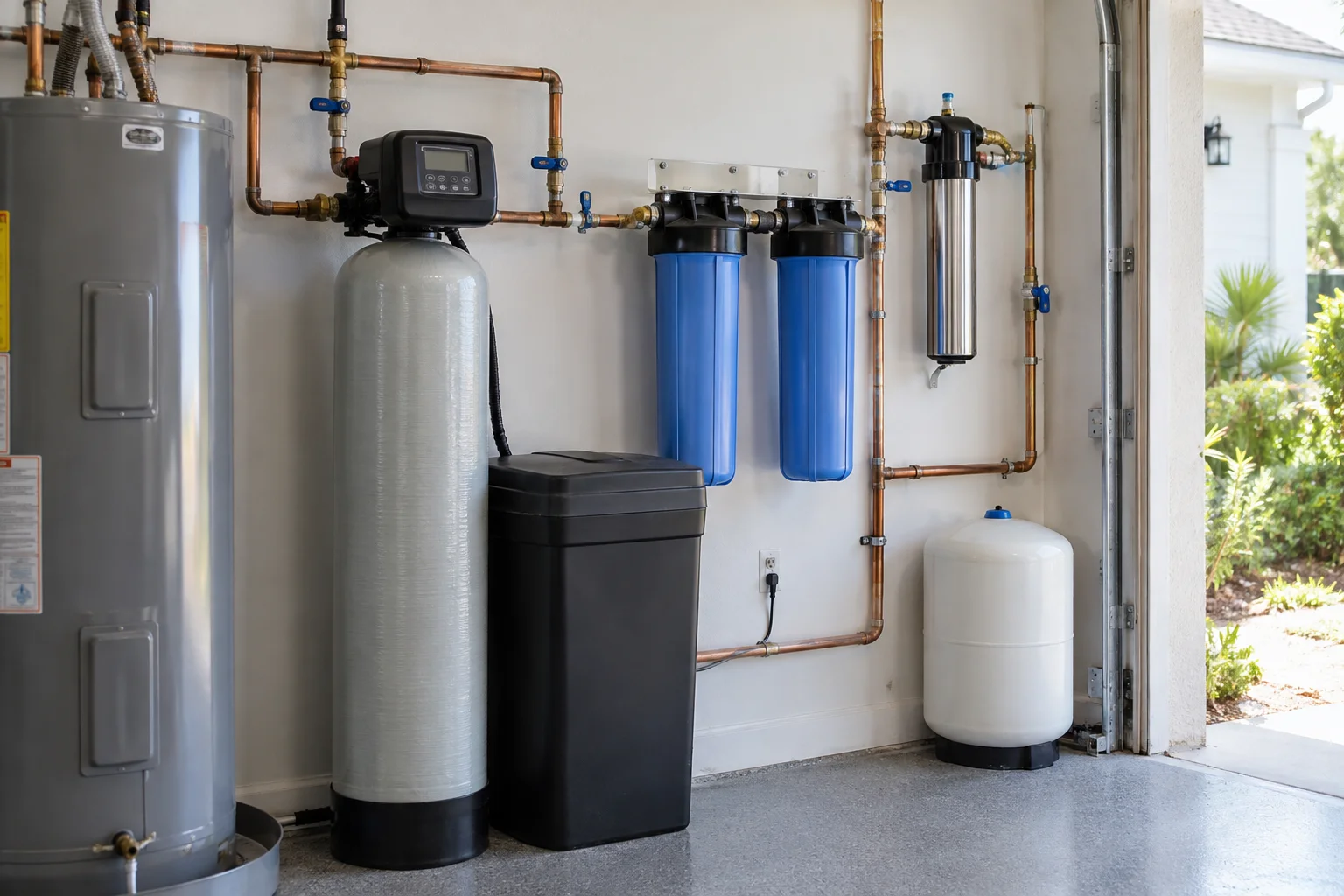
Step 3: Add whole home filtration to address sediment and fines
When you see visible sediment in household water or cloudy ice cubes, consider a whole house water filter approach. This can reduce particles before they reach fixtures and appliances. It can also help your softener work more efficiently by keeping the system cleaner.
Whole home filtration is often a strong match for homeowners who want better drinking water and cleaner water throughout the home, not just at one sink.
If you are comparing options, you can explore the broader system selection here: water filtration and reverse osmosis solutions.
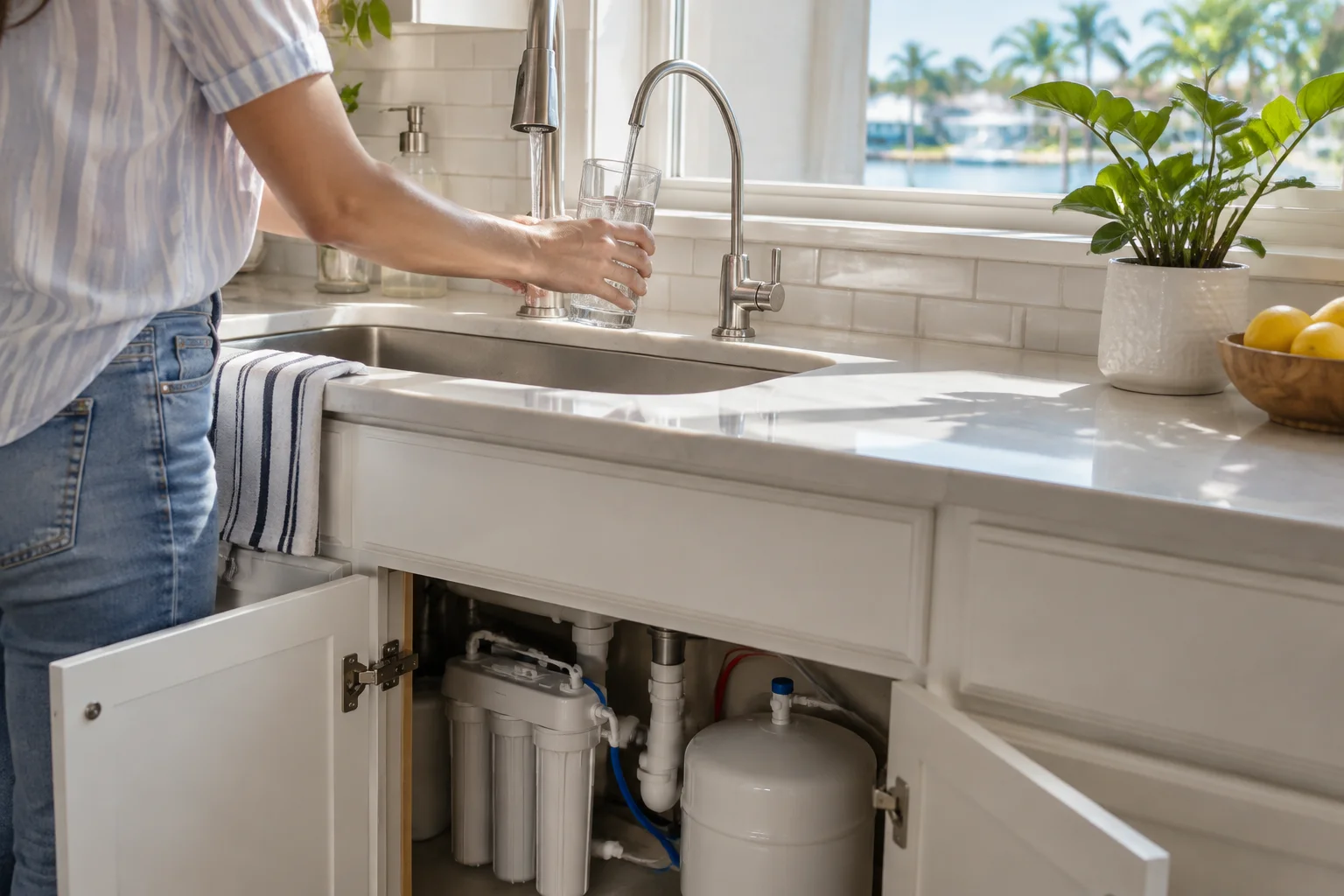
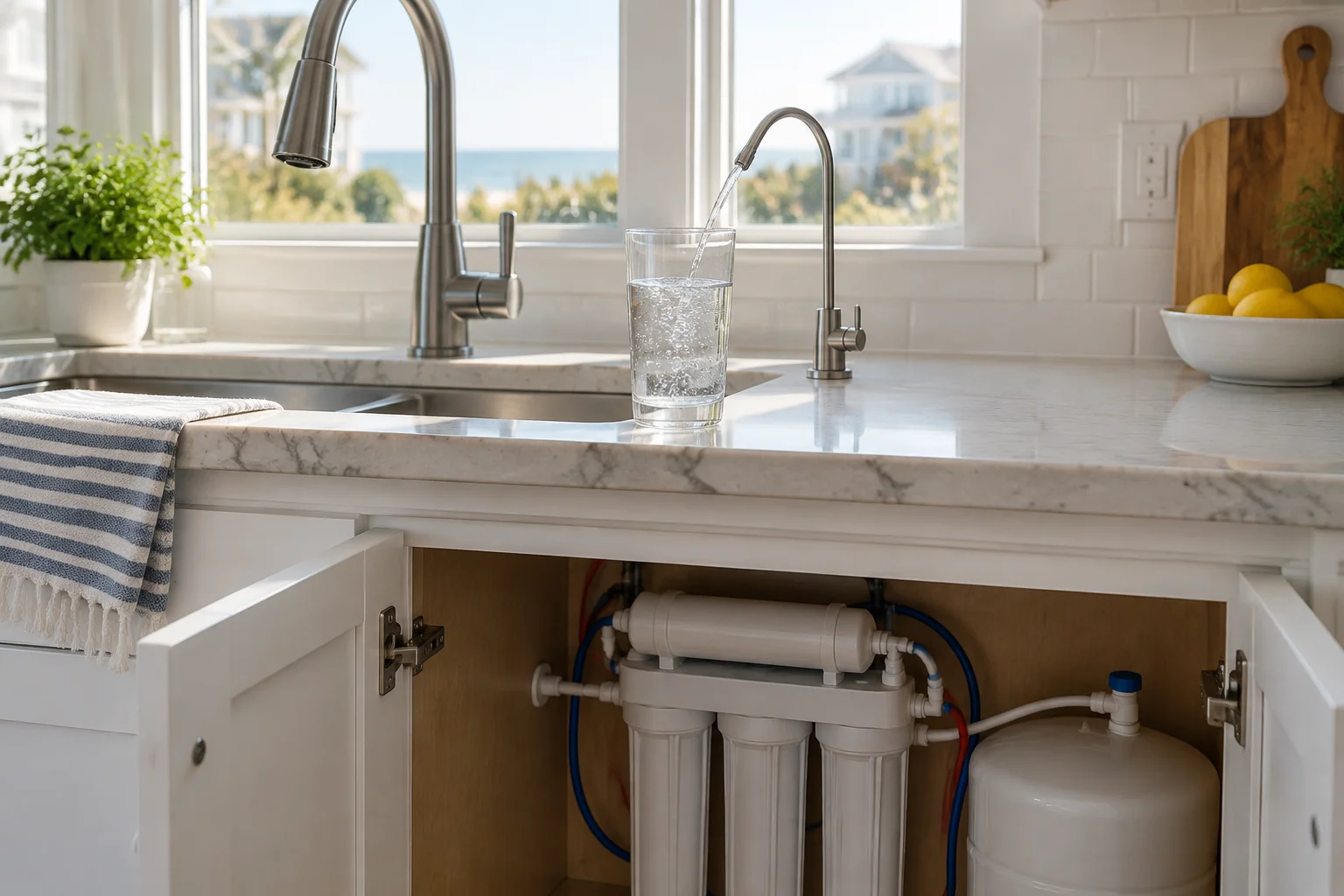
Step 4: Use reverse osmosis for drinking and cooking water
For metallic tasting water, chlorinated taste, and poor tasting coffee and cooking water, reverse osmosis can be a practical next step. Many families in Hammock Bay want a clean, consistent source for drinking water, ice, and food prep.
A reverse osmosis system can be installed as a dedicated drinking water line or integrated into a broader setup. This is a common way to reduce chlorine taste in water for daily use while still softening water for showers and laundry.
If you like a step-by-step approach, read A Practical Guide to Reverse Osmosis Systems for Hammock Bay Homes.
Step 5: Consider AO Smith water filtration for a coordinated setup
Some homeowners choose to coordinate components for smoother performance, especially when they want both hardness protection and improved water quality. AO Smith water filtration options can complement softening by targeting sediment and taste and odor concerns, depending on the system design.
The goal is not to add equipment for the sake of it. The goal is a clean water system that matches what your water is doing in Hammock Bay and Walton County.
Everyday life improvements you can expect with better water
When water treatment is tuned correctly, changes show up in ordinary routines. Picture a typical Hammock Bay morning:
Kitchen and drinking water: Better water for drinking and cooking means clearer ice cubes, less metallic or chlorinated taste, and coffee that actually tastes like your beans. When the water quality is consistent, recipes behave more predictably too.
Bathing and comfort: With proper softening, you should see less dry skin from hard water and less dullness in hair after showers. You may also notice that soap and shampoo rinse more cleanly.
Laundry day: When hardness is controlled, detergent works better. Clothes can feel softer, and you may see fewer mineral residues that can make fabrics look less vibrant.
Fixtures and appliances: Scale buildup around faucets and showerheads slows down. That means less scrubbing and fewer “why is this surface always cloudy?” moments. Appliances can also run more efficiently because mineral deposits form more slowly.
Prevention and maintenance tips that reduce future softening problems
Even the best system needs basic care. Here are homeowner-friendly steps that often prevent repeat issues:
- Monitor salt levels and avoid letting the brine tank run low.
- Break up salt bridges if you notice clumping that prevents brine from forming properly.
- Keep an eye on flow and soap performance. If lathering drops suddenly, it can be a sign the system is not regenerating effectively.
- Watch for odor changes around regeneration times. Odor that appears at specific intervals can point to a maintenance or fouling issue.
- Inspect showerheads and faucet aerators for early scale buildup. Catching deposits early can prevent bigger flow problems.
- Schedule water treatment service rather than waiting for a dramatic failure. Routine checks can catch worn parts, clogs, and setting drift.
If you want a planning approach, these reads pair well with water softening and filtration maintenance: Planning Ahead for Plumbing Maintenance in Hammock Bay Homes and Planning Ahead for Cleaner Water and Fewer Plumbing Surprises in Hammock Bay.
Why local service matters in Hammock Bay and Walton County
Water treatment is not one-size-fits-all. In Hammock Bay, local water conditions, household usage patterns, and the way your home plumbing is laid out all influence how a softener and filtration system performs. That is why homeowners benefit from a local team that understands the area and can evaluate your setup with real-world context.
For example, if you are protecting fixtures and appliances from scale buildup around faucets and showerheads, the right hardness control matters. If your household is also dealing with sediment in household water, cloudy ice cubes, or chlorine taste in water, you likely need an additional filtration layer. If you are trying to improve drinking water and cooking water quality, reverse osmosis may be the missing piece.
To explore water softening options tailored to your home, visit /service-areas/walton-county/hammock-bay/water-softening-hbfl. For broader coverage across the area, see /service-areas/walton-county/hammock-bay and /service-areas/walton-county.
When to call a professional water treatment team
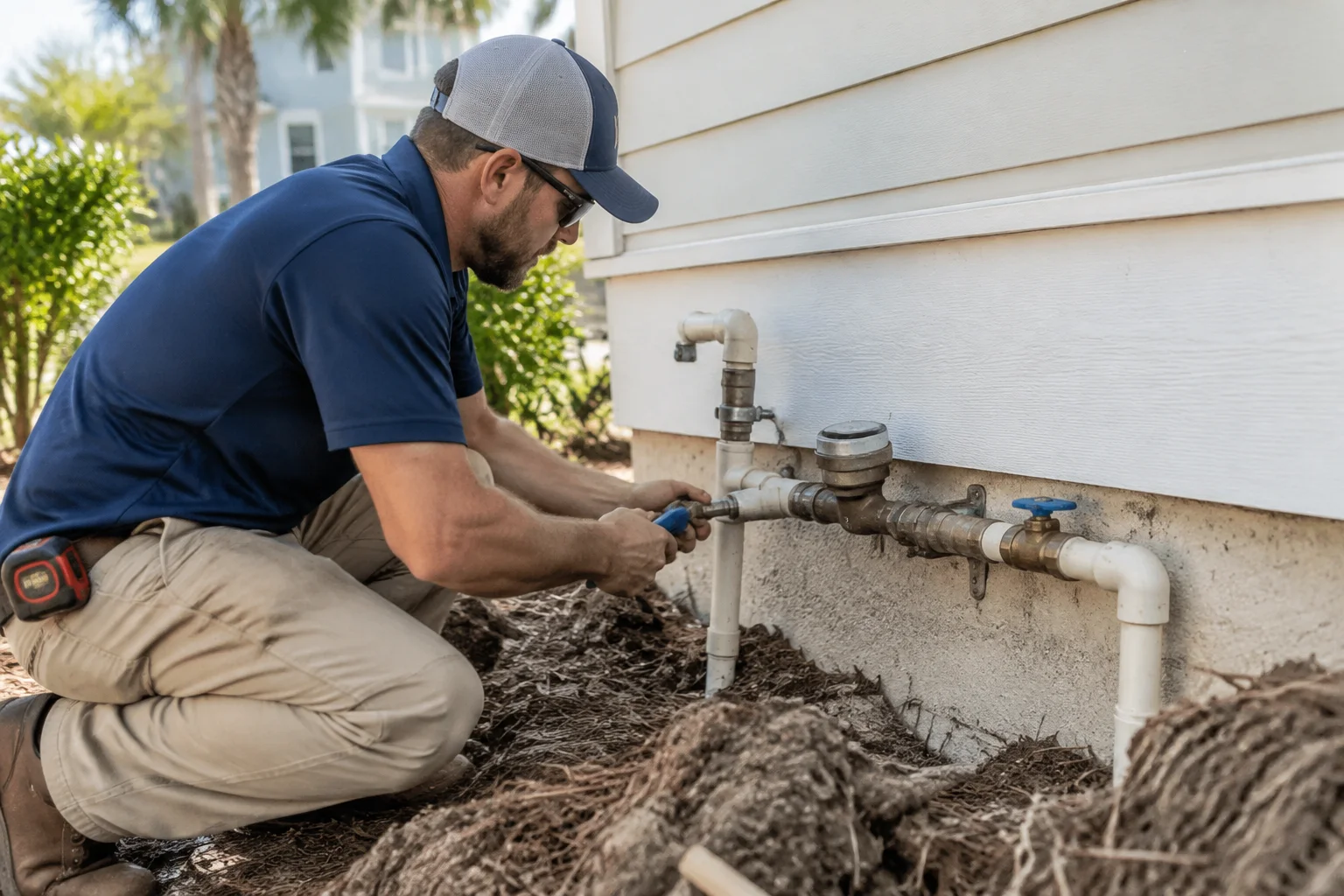
It is smart to contact A Superior Mechanical when you notice persistent symptoms or when quick fixes do not solve the problem. Call for service if:
- Hard water spots on glass and dishes keep coming back quickly
- Scale buildup around faucets or showerheads is increasing despite normal cleaning
- You see visible sediment, discoloration, or odor concerns that repeat
- Drinking water has metallic tasting water or chlorine taste in water
- Soap does not lather or rinse well even after detergent changes
- Appliances appear to be wearing out faster than expected
Professional service can confirm whether the softener needs adjustment, whether sediment reduction is required, and whether reverse osmosis or whole home filtration should be part of your home water purification plan. If you want a related perspective on long-term protection, read How Water Softening Protects Rosemary Beach Plumbing from Costly Water Damage.
Find Water Softening in Hammock Bay, FL
If you need Water Softening in Hammock Bay, FL, visit our local service page or contact A Superior Mechanical today.
For a broader look at whole-home water filtration, reverse osmosis, and water softener options, visit our water filtration, RO, and water softener page.
Map of Hammock Bay, FL
Frequently Asked Questions
Why does my water still leave hard water spots even though I have a water softener?
Hard water spots on glass and dishes usually mean hardness is not being controlled consistently. Common causes include low or improperly bridged salt, incorrect regeneration settings, a fouled resin bed, or sediment interfering with performance. A water test and system inspection can confirm what is happening.
Can a water softener fix chlorine taste in water or metallic tasting water?
Usually not. Water softening targets hardness minerals, not chlorine taste or many taste and odor issues. For chlorine taste in water, many Hammock Bay homeowners use whole house filtration and/or reverse osmosis for drinking and cooking water.
What causes cloudy ice cubes in a home with softened water?
Cloudy ice cubes can be caused by dissolved solids, trapped air, or sediment and fine particles moving through the plumbing. If sediment in household water or discoloration is present, adding whole home filtration and verifying your softener performance can help.
How do I know if I need reverse osmosis or whole home water filtration?
If you notice poor tasting coffee and cooking water, chlorine taste in water, or metallic or unpleasant taste, reverse osmosis is often used for drinking water. If you also see visible sediment, discoloration, or cloudy ice throughout the home, whole home water filtration may be the better fit.
Related Articles
Photo Gallery