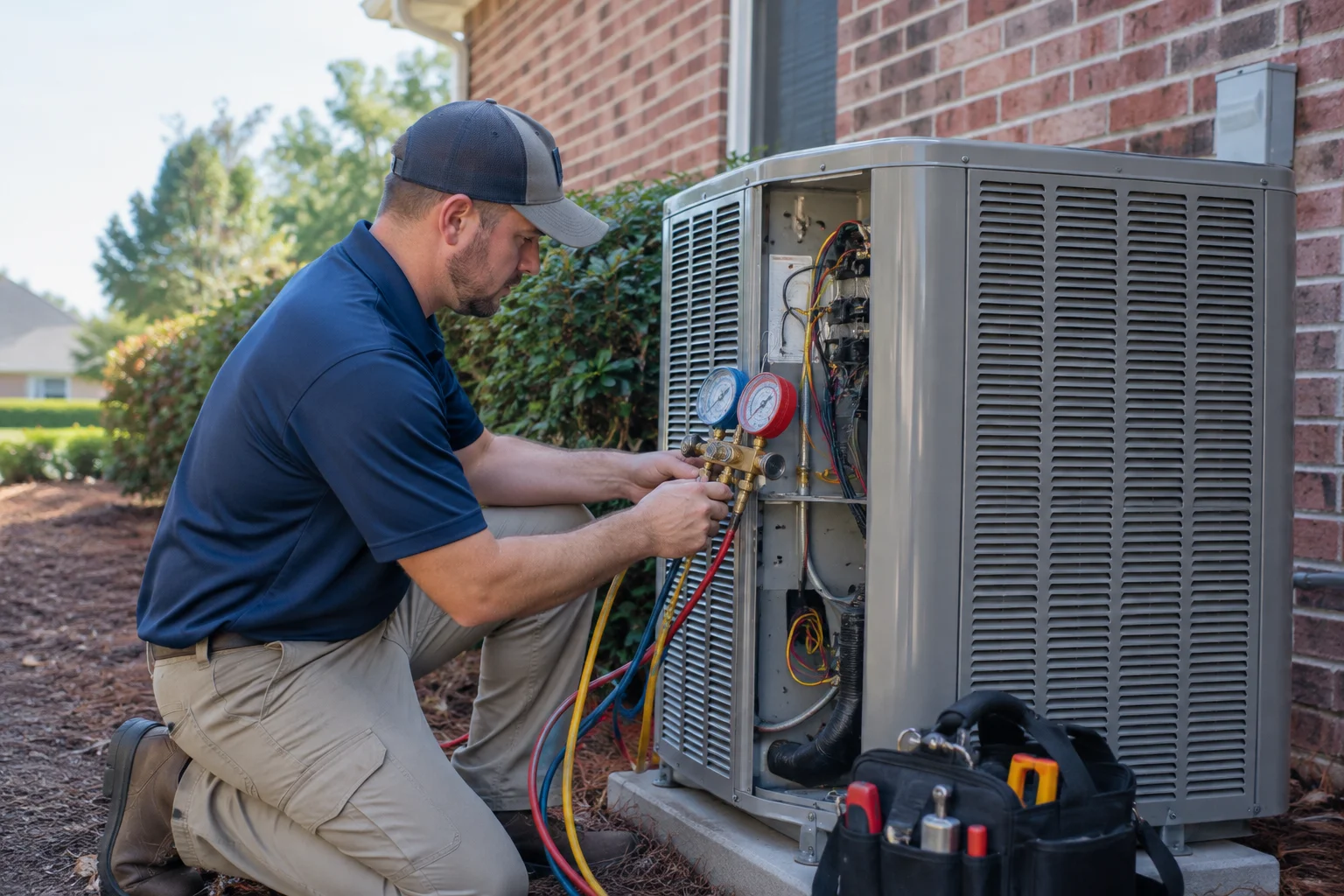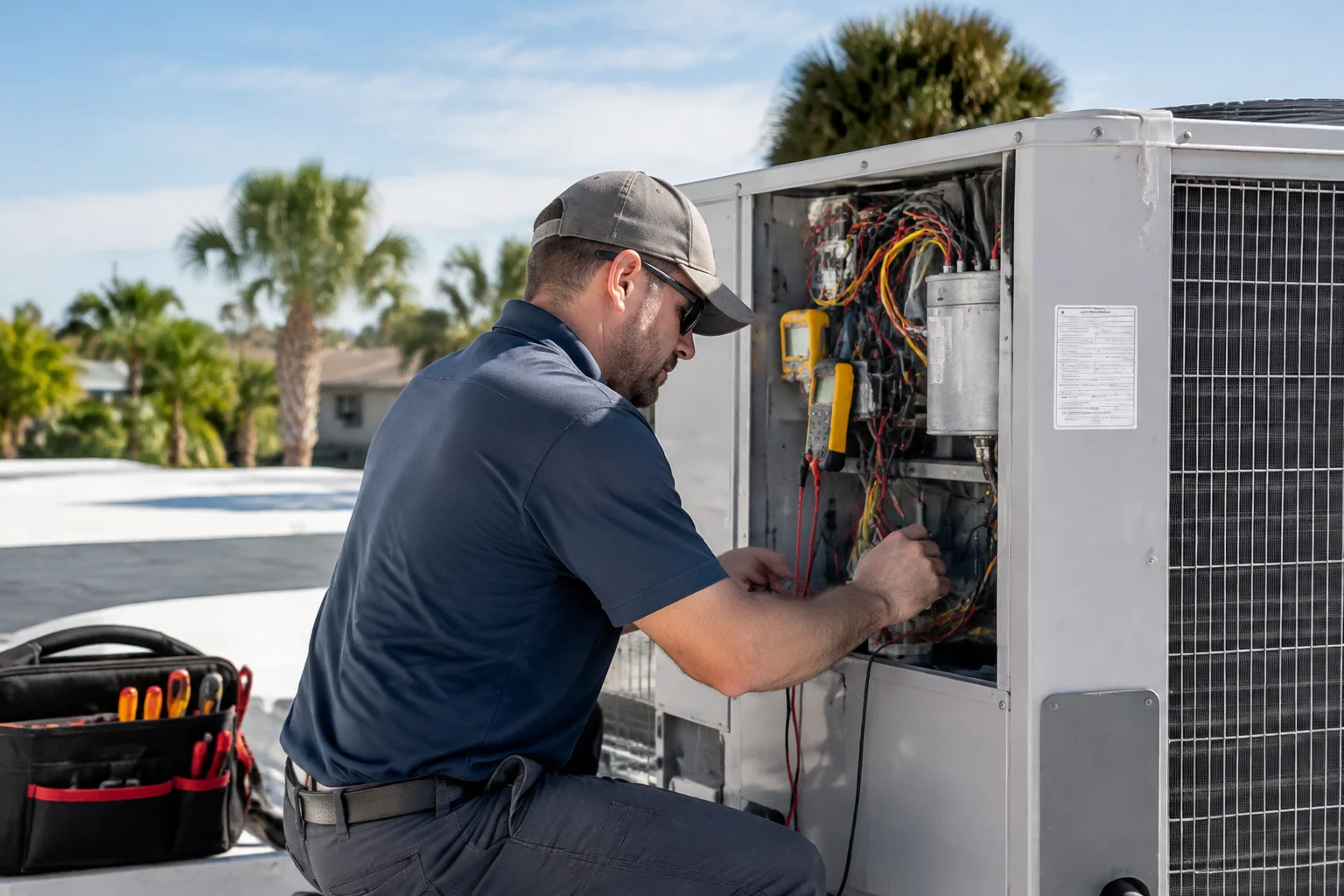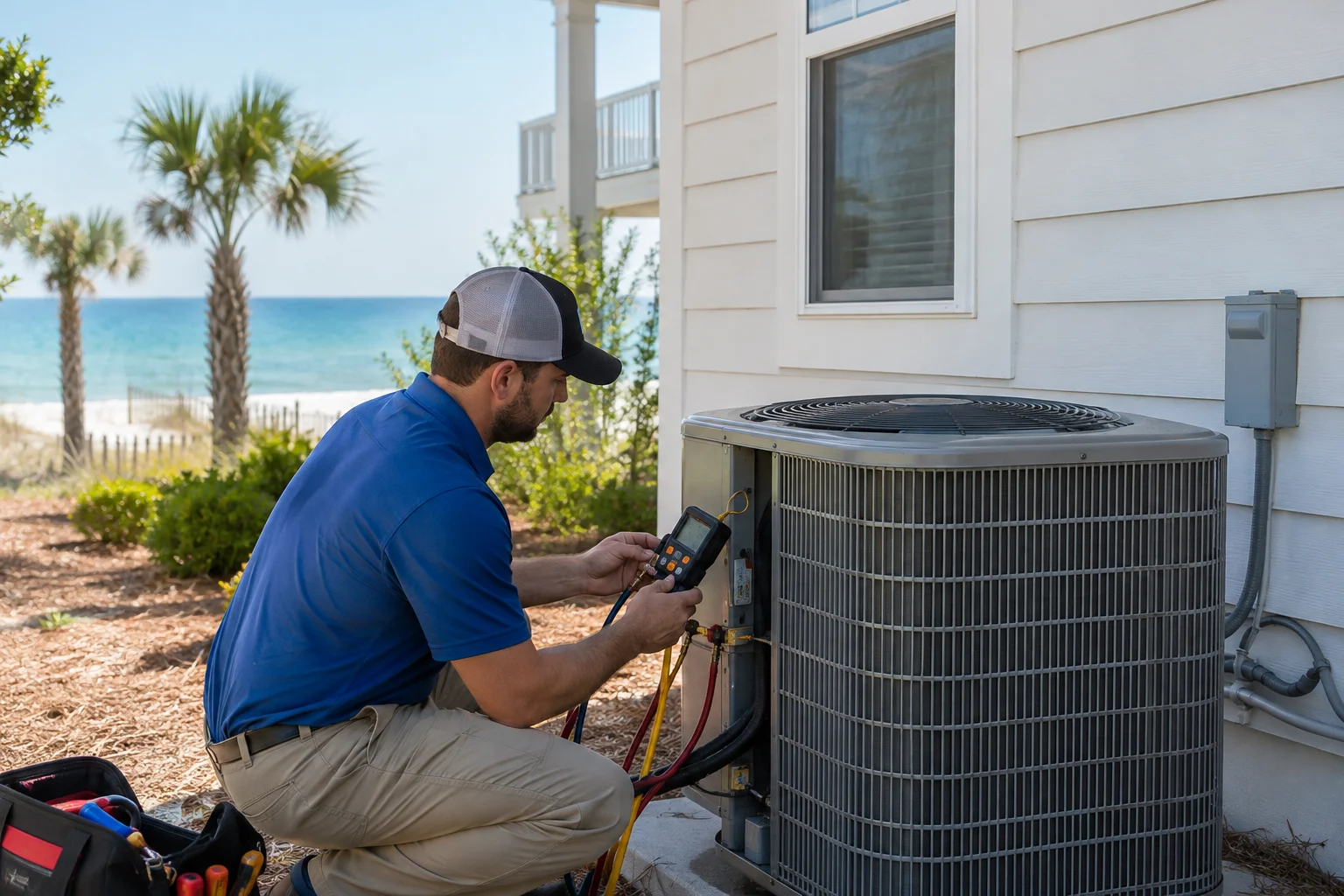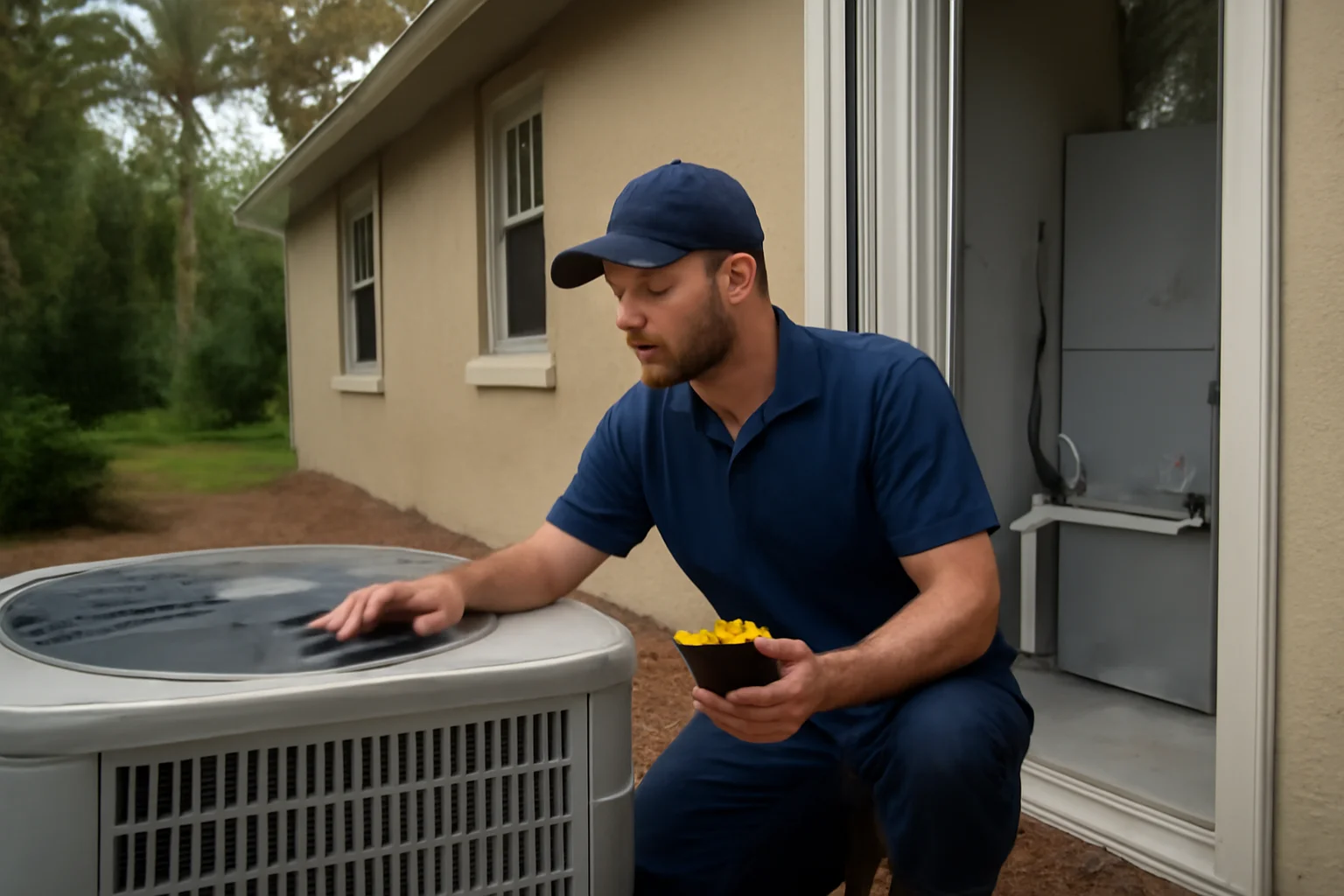
30A homes live with a unique mix of heat, humidity, and salt air. When your air conditioner is working hard every day, small issues can quietly build into a cooling failure at the worst time. A well-planned air conditioning inspection in 30A, FL helps you avoid emergency cooling calls by catching the problems that usually show up first: weak airflow, moisture and humidity control failures, condensate drainage issues, and refrigerant system concerns.
A Superior Mechanical provides detailed system evaluations for homes, vacation rentals, and commercial properties throughout Walton County. If you are searching for air conditioning inspection near me or trying to reduce the odds of emergency AC repair near me, this guide explains what to watch for and why a professional inspection matters in the coastal conditions around 30A.
Why 30A AC breakdowns turn into emergencies
In the Florida Panhandle, summer can feel relentless. Even when the temperature is “only” in the 90s, humidity can make indoor comfort harder to maintain. Salt air can also contribute to corrosion on outdoor components and faster wear on parts that are exposed to the elements.
Most emergency HVAC situations are not random. They are the result of a system running outside its normal comfort range. When an AC system cannot move enough air, cannot remove moisture effectively, or cannot maintain stable refrigerant operation, it may still start up. But it can fail sooner, run longer, or trip protective controls.
That is why preventive HVAC maintenance and an inspection focused on your air conditioning service needs are so important. The goal is to catch early warning signs before they become a no-cool situation.
What a real air conditioning inspection should cover
Homeowners often think an inspection is just a quick look at the thermostat and a glance at the outdoor unit. A quality inspection should evaluate the whole cooling system, including airflow, humidity control, condensate drainage, and refrigerant system performance. It should also consider ductwork and indoor air quality, since comfort problems often start there.
Airflow and ductwork performance
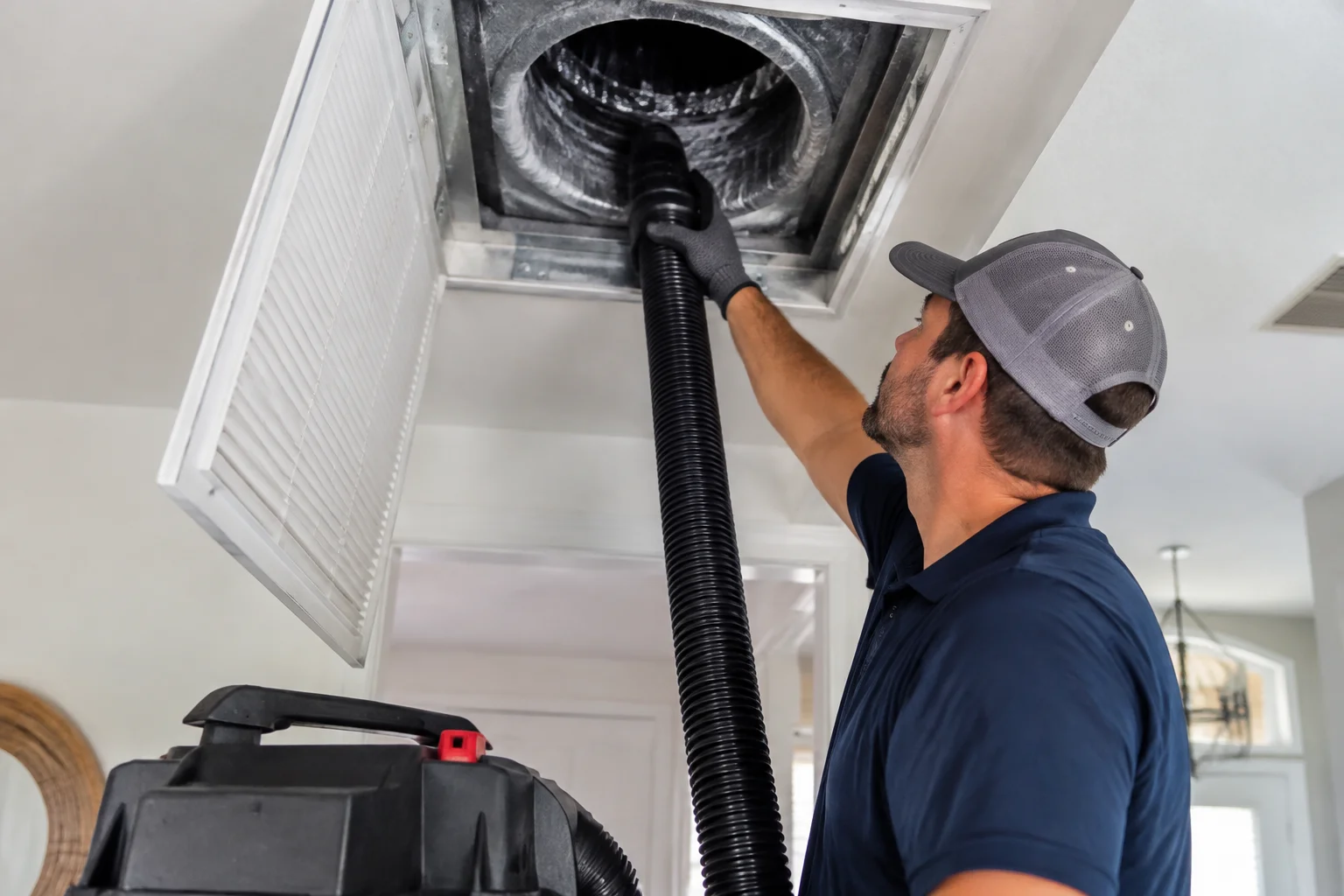
Airflow problems are one of the most common reasons AC systems struggle in coastal Florida. Dust, debris, and aging ductwork can restrict airflow. When airflow is restricted, the system can run hotter, work harder, and move less cool air into the home.
During an inspection, a technician should assess airflow across the system, including supply and return pathways. If you are searching for duct inspection near me because rooms feel warm or uneven, this is exactly the type of issue an inspection should help uncover.
If your home needs ductwork services, you can explore Ductwork Services in the 30A area.
Humidity control and indoor air quality
In 30A humidity, comfort is not only about temperature. Your AC should also remove moisture. When moisture is not removed well, you may notice:
- Air that feels clammy even when the thermostat is set correctly
- Musty odors
- Condensation near vents or on nearby surfaces
- Increased dust or allergy flare-ups
An inspection should evaluate how well the system controls humidity and how air distribution affects indoor air quality. This is also where filter condition, airflow balance, and system cleanliness can play a role.
For homeowners focused on comfort and health, it helps to connect indoor air quality goals to your AC system performance, not just to “filter changes.”
Condensate drainage and moisture management
AC systems remove moisture as they cool. That moisture typically drains through condensate lines and a drain pan. If condensate drainage is partially blocked, the system can experience water-related problems, increased corrosion risk, and protective shutdowns.
In Florida’s humidity, condensate issues can become more noticeable quickly. During an inspection, a technician should check condensate drainage pathways and look for signs of overflow risk. This is a major prevention point for avoiding emergency calls.
Thermostat settings, operation, and control behavior
The thermostat is the control center for your cooling system. If it is misreading room conditions, has incorrect settings, or is not communicating properly, your AC may cycle inefficiently or fail to respond as expected.
During an inspection, the technician should review thermostat operation and confirm that the system is responding correctly to cooling demands. If you have a programmable thermostat or smart thermostat, the inspection should also consider how scheduling and setpoints affect run times and comfort.
Refrigerant system indicators and cooling performance
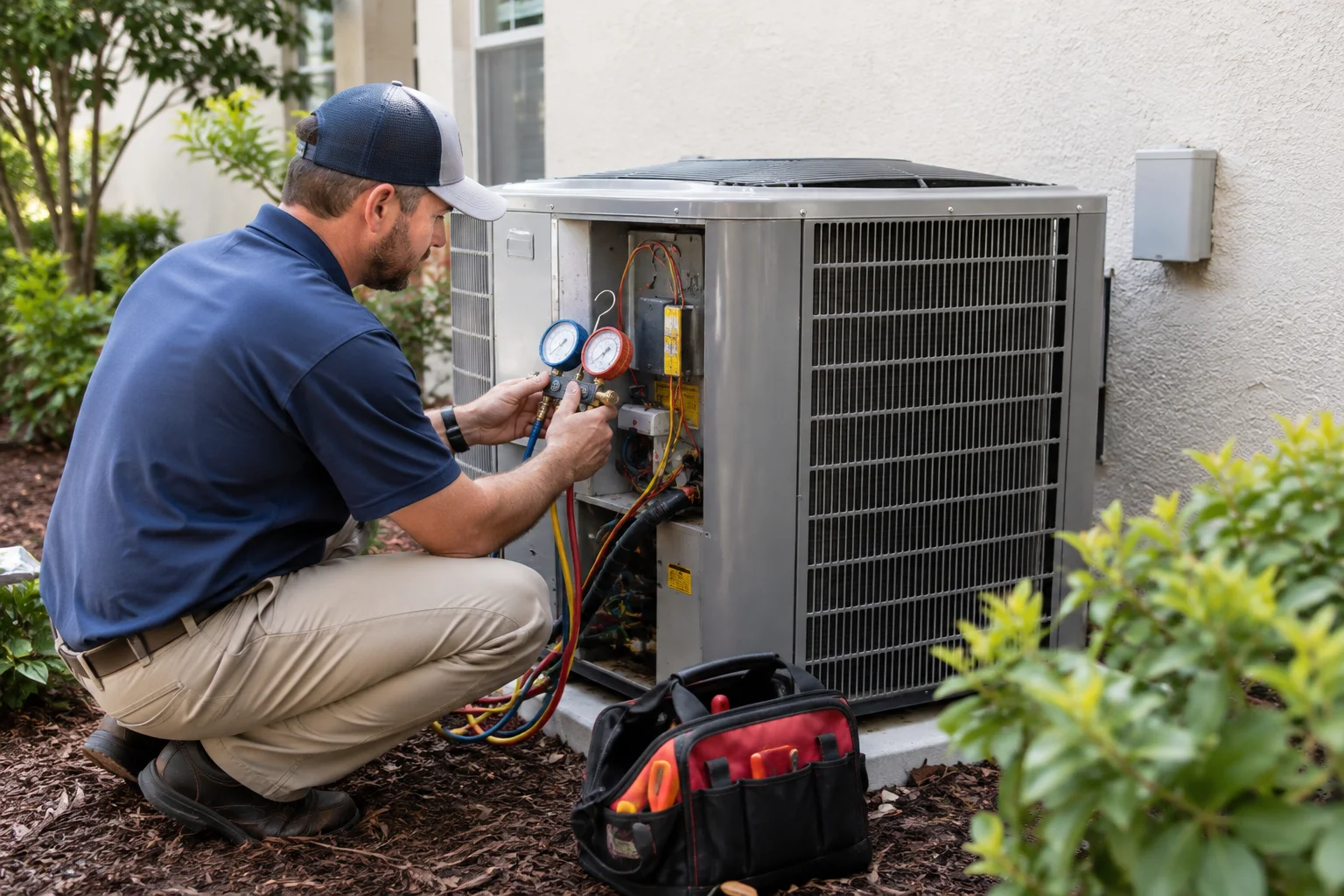
Refrigerant systems are designed to operate within specific ranges. In a coastal environment, corrosion and wear can contribute to performance issues over time. Refrigerant-related problems can also show up when airflow or humidity control is not functioning properly.
It is important to note that refrigerant diagnosis is not something homeowners should attempt on their own. A professional should evaluate cooling performance during an in-person inspection. If refrigerant concerns arise, the technician can explain what they observed and what next steps are appropriate after the system is assessed.
If you are experiencing air conditioning repair near me concerns, a thorough inspection often clarifies whether the issue is airflow, drainage, thermostat behavior, or a refrigerant system performance concern.
Early warning signs that usually precede emergency AC repair
Emergency cooling problems are often preceded by small changes. Pay attention to patterns, not just one-off events.
Cooling feels uneven across rooms
If some rooms are consistently warmer than others, it can point to ductwork restrictions, airflow imbalance, or return airflow problems. Uneven airflow makes the system work longer, which increases the chance of a breakdown during peak heat.
The system runs longer but does not cool as expected
Continuous long run times can indicate restricted airflow, humidity control failure, or performance issues within the refrigerant system. In 30A humidity, these symptoms can become more obvious because the system needs to remove moisture while also keeping temperature steady.
More indoor humidity or “clammy” air
When humidity rises, comfort drops fast in coastal Florida. If the air feels damp or you notice condensation indoors, it can be tied to drainage or cooling performance. Waiting too long can lead to larger failures and higher risk for emergency cooling concerns.
Strange noises, unusual cycling, or frequent trips
Short cycling, rattling, grinding, or frequent startup and shutdown can mean the system is struggling to maintain stable operation. These behaviors are worth addressing through preventive HVAC maintenance rather than waiting for a full failure.
Musty smells or signs of moisture
Odors and moisture can connect to condensate drainage, coil cleanliness, or airflow issues. Because moisture problems can accelerate wear on components, catching them early helps protect both comfort and system reliability.
How preventive maintenance reduces emergency risk in 30A conditions
In Walton County, AC systems are exposed to a combination of high humidity, intense summer heat, and salt air. Preventive maintenance is how you reduce the odds that your system reaches the point of failure during peak demand.
Preventive HVAC maintenance is not only about “cleaning.” It is about aligning system operation with real-world conditions inside your home. That includes:
- Confirming airflow paths and ductwork performance
- Supporting humidity control and indoor air quality goals
- Checking condensate drainage and moisture management
- Reviewing thermostat operation and cooling demand behavior
- Assessing system performance so issues are addressed before they escalate
If you want a deeper look at the value of inspection and maintenance, read Why Preventive HVAC Service Pays Off for Air Conditioning Repair in 30A, FL.
Seasonal timing: schedule inspections before the hottest weeks
Many homeowners wait until the system struggles. In 30A, that can be a costly approach because the highest humidity and peak cooling loads can arrive quickly.
A practical strategy is to plan your air conditioning inspection when the system is least stressed, then keep up with seasonal maintenance so the system is ready for summer demand. For vacation rentals, this timing matters even more. Guests do not care that a system is “due for maintenance.” They just expect consistent cooling.
If you are preparing a property for the season, you can also review how inspection and protection help coastal homes. See Protecting 30A Homes Starts With a Better Air Conditioning Inspection.
Common causes of AC emergencies in 30A homes
While every system is different, these are frequent contributing factors to emergency cooling calls in the 30A area.
Restricted airflow from dirty filters and blocked pathways
Filters and airflow pathways can become clogged over time. When airflow is restricted, the system can overwork and fail to remove moisture properly. That can lead to comfort complaints and, eventually, component strain.
Condensate drainage problems during humid stretches
When condensate drainage is slow or blocked, the system can develop shutdown behavior or moisture-related issues. In coastal humidity, the system may produce more condensate and make the issue more obvious.
Ductwork limitations and poor air distribution
Many 30A homes include older ductwork layouts, tight spaces, or renovations that changed airflow. If return air is inadequate or supply air does not reach certain rooms effectively, the system can struggle to maintain comfort.
If you suspect ductwork issues, consider ductwork services and ask for an inspection that evaluates air distribution and airflow balance.
Thermostat confusion and incorrect setpoint behavior
Smart thermostats and multi-stage systems can behave differently than older controls. If you notice the system running oddly or failing to meet comfort expectations, the thermostat settings and operation should be reviewed as part of an inspection.
Refrigerant system performance concerns influenced by airflow
Refrigerant system issues can be triggered or worsened by airflow problems. That is why a complete inspection matters. A technician should evaluate the system as a whole rather than jumping straight to refrigerant assumptions.
When ductless and heat pumps come up
Not every 30A home uses a traditional central air system. Some homeowners choose heat pumps for efficient heating and cooling, while others use ductless systems like mini split units.
If you are considering or maintaining a heat pump or ductless system, inspections still matter. Humidity control, airflow, and indoor air quality concerns do not disappear. For homeowners searching for heat pump installation near me or ductless mini split installation near me, it is smart to ask how inspections will be handled after installation and how comfort will be verified across the home.
Also remember that emergency cooling concerns can happen with ductless systems too. A system that is not performing well can still struggle during high humidity periods.
What to do between inspections to prevent emergencies
You can reduce risk between professional visits with a few practical habits that support system reliability.
Keep thermostat settings realistic and consistent
Setpoints that are far too aggressive can increase run time and humidity issues. If you are constantly adjusting the thermostat, you may be masking a deeper system performance problem. Consistent settings make it easier for a technician to understand how the system responds during an inspection.
Replace filters on schedule and use the right type
Use the filter type recommended for your system and change it regularly. A clogged filter reduces airflow and can worsen humidity control, which can lead to discomfort and more strain.
Watch indoor humidity trends
If you have a hygrometer or smart home humidity readouts, track humidity during peak summer. If indoor humidity rises when the AC runs, it can indicate airflow or moisture removal issues that should be evaluated.
Keep outdoor units clear of debris
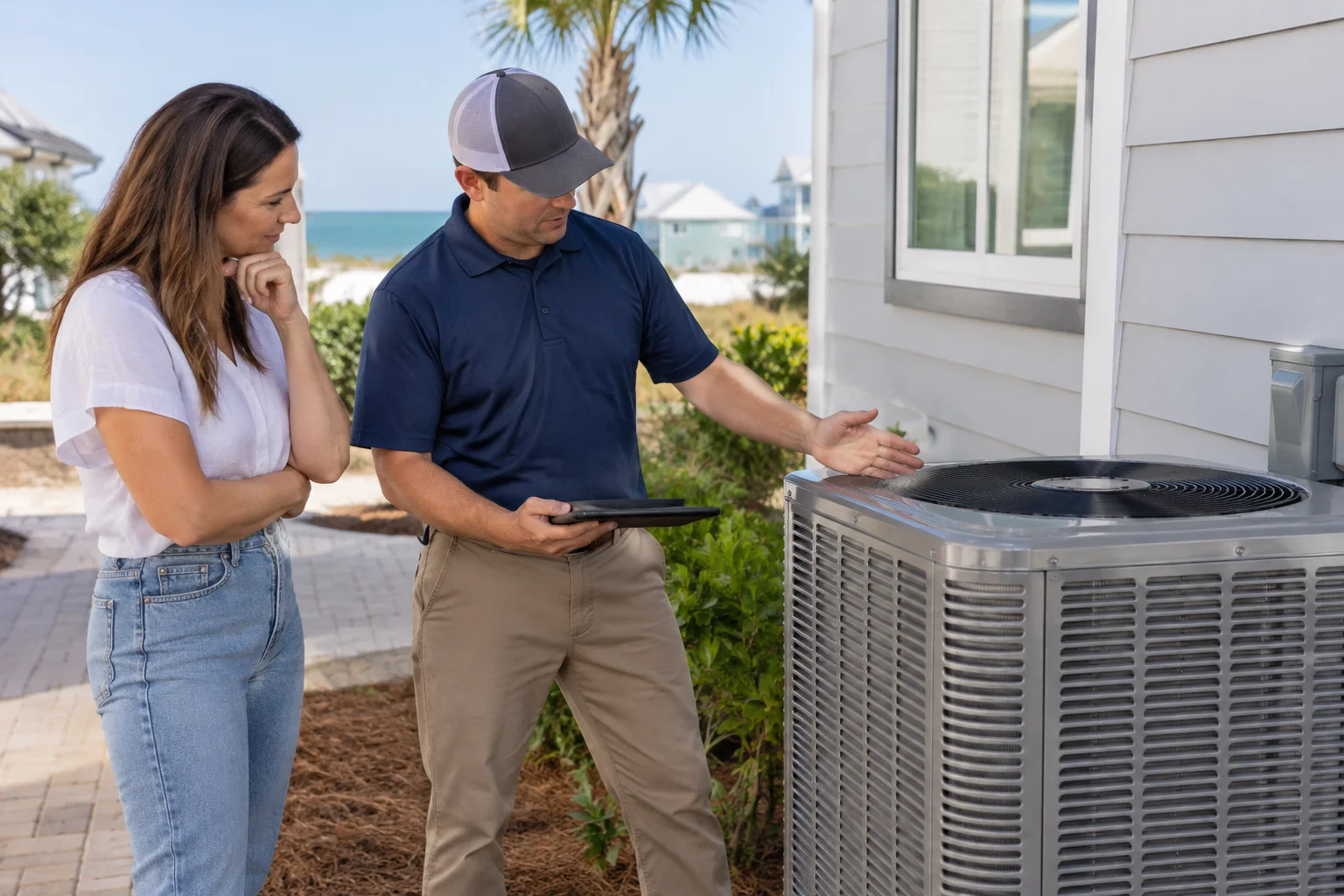
Coastal yards can collect sand, plant debris, and pollen. Make sure airflow around the outdoor unit is not blocked. If you are unsure what is safe to do, ask a technician during an inspection.
How to choose the right HVAC company for AC inspection in 30A
When you search for HVAC company near me or residential HVAC service near me, focus on how the company explains the inspection process and how they connect comfort issues to system performance.
Choose a licensed HVAC contractor who can evaluate airflow, indoor air quality factors, condensate drainage, thermostat operation, and refrigerant system performance through appropriate in-person assessment. Avoid contractors who rely only on phone troubleshooting or guesses.
If you are comparing options, you can also explore broader service coverage through the 30A service area and learn more about the county region at /service-areas/walton-county.
Get an air conditioning inspection planned around your home
If you are looking for air conditioning inspection near me in the 30A area, start with a service visit that evaluates your specific cooling needs. You can schedule directly for Air Conditioning Inspection for 30A, FL. This is the step that helps prevent emergency cooling situations by addressing the root causes that show up first in Florida heat and humidity.
For homeowners who are also thinking ahead about system longevity, it can help to review how inspection supports long-term decisions. If replacement is ever discussed, you can explore Air Conditioning Replacement to understand how professionals approach system evaluation when performance no longer meets comfort needs.
And if you manage a property with tenants or guests, it may help to review comfort planning for shared spaces. See Keeping 30A Commercial Spaces Comfortable Before HVAC Trouble Spreads.
When cooling reliability matters, an inspection should not feel like a guess. It should feel like a plan based on how your home is built, how air moves through your ductwork, how humidity behaves indoors, and how your refrigerant system performs under real load. That is the best way to avoid emergency HVAC calls and keep 30A comfort steady through the hottest stretches.
If financing is part of your planning, you can also read Keeping HVAC Financing on Track in 30A, FL Homes to help you coordinate timing and maintenance decisions.
Find Air Conditioning Inspection in 30A, FL
If you need Air Conditioning Inspection in 30A, FL, visit our local service page or contact A Superior Mechanical today.
Map of 30A, FL
Frequently Asked Questions
How often should 30A homeowners schedule an air conditioning inspection?
Many homeowners schedule an inspection before the hottest months so the system is ready for Florida heat and humidity. If your home has older ductwork, frequent comfort issues, or a vacation rental schedule, an inspection plan can be tailored more closely to your usage patterns.
What does an AC inspection check for besides checking the thermostat?
A professional inspection should evaluate airflow and distribution through ductwork, indoor humidity control and indoor air quality factors, condensate drainage and moisture management, and overall cooling performance. Refrigerant system concerns should only be assessed through an in-person evaluation.
Can ductwork problems really cause an AC emergency?
Yes. Restricted airflow from ductwork limitations can cause the system to run longer, struggle to remove humidity, and operate outside comfortable conditions. Over time, that increases the likelihood of shutdowns and failures during peak cooling demand.
Why is condensate drainage such a big deal in coastal Florida?
Florida humidity increases condensate production during cooling. If drainage is partially blocked or slow, moisture can build up and trigger protective shutdowns or moisture related issues. Checking drainage during an inspection is a key prevention step.
If my AC is blowing cold air but the home feels humid, what should I do?
Humid indoor air can point to moisture removal or airflow issues, not just temperature. Schedule an air conditioning inspection so a technician can evaluate humidity control, airflow, and condensate drainage in your specific home.
Related Articles
Photo Gallery