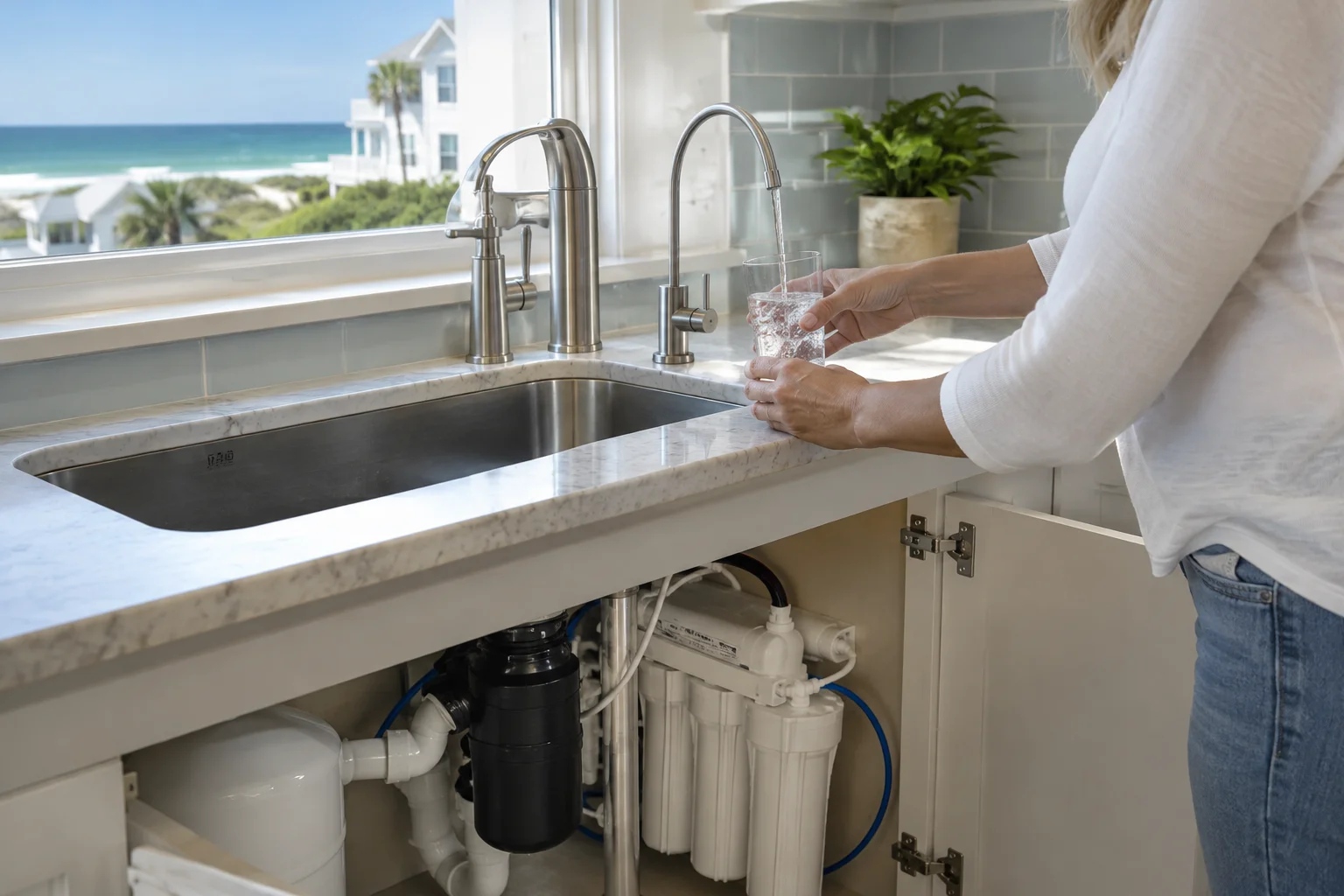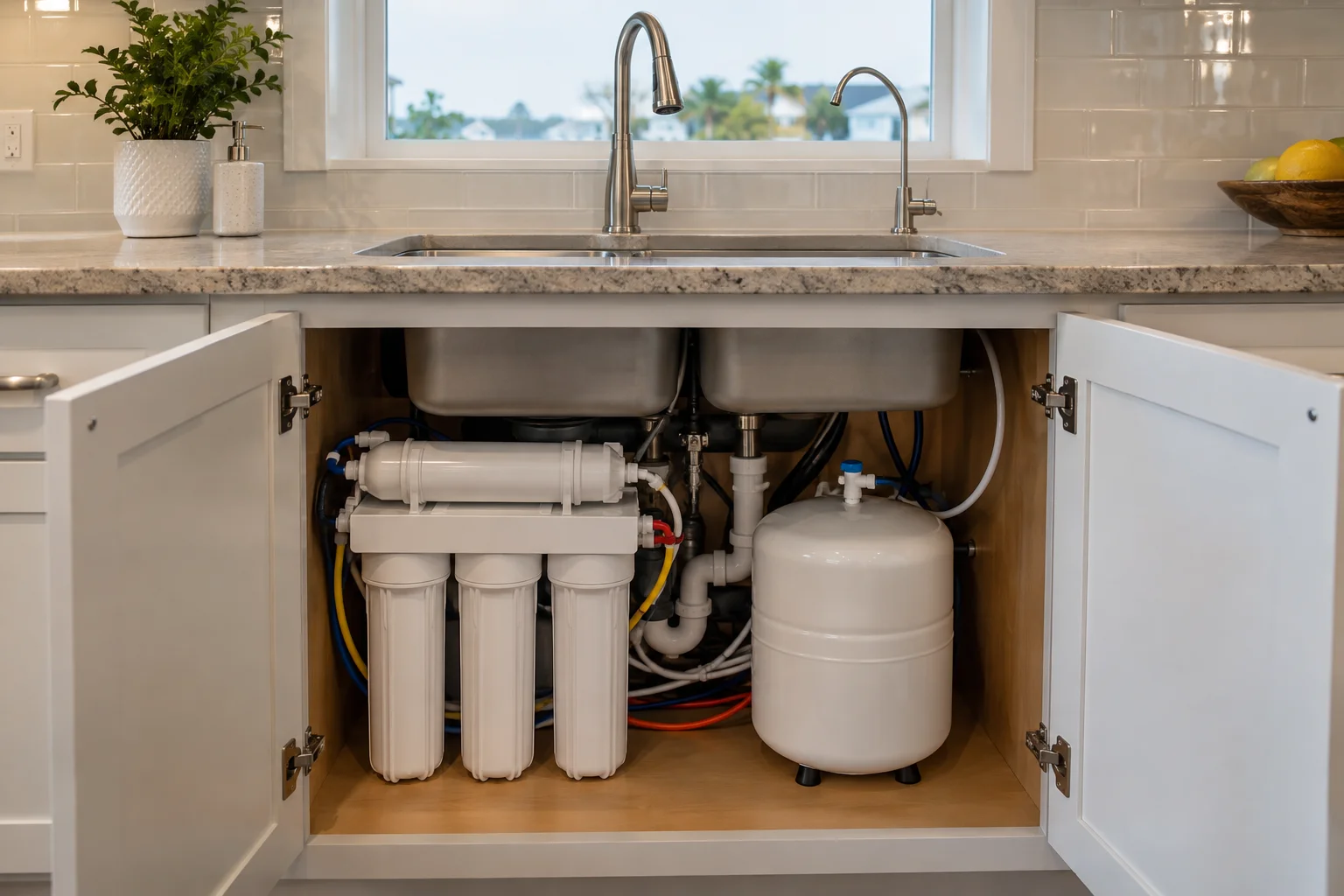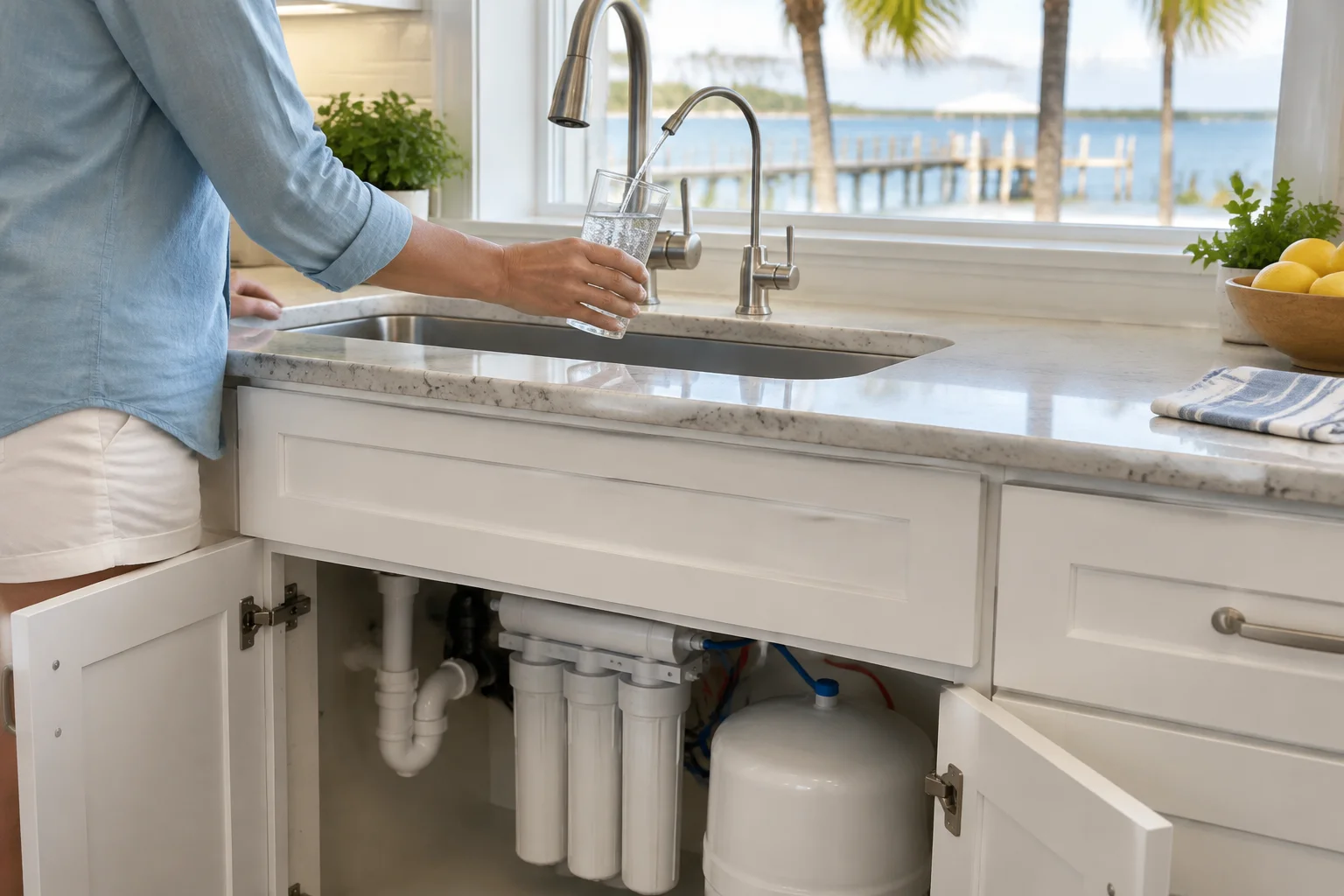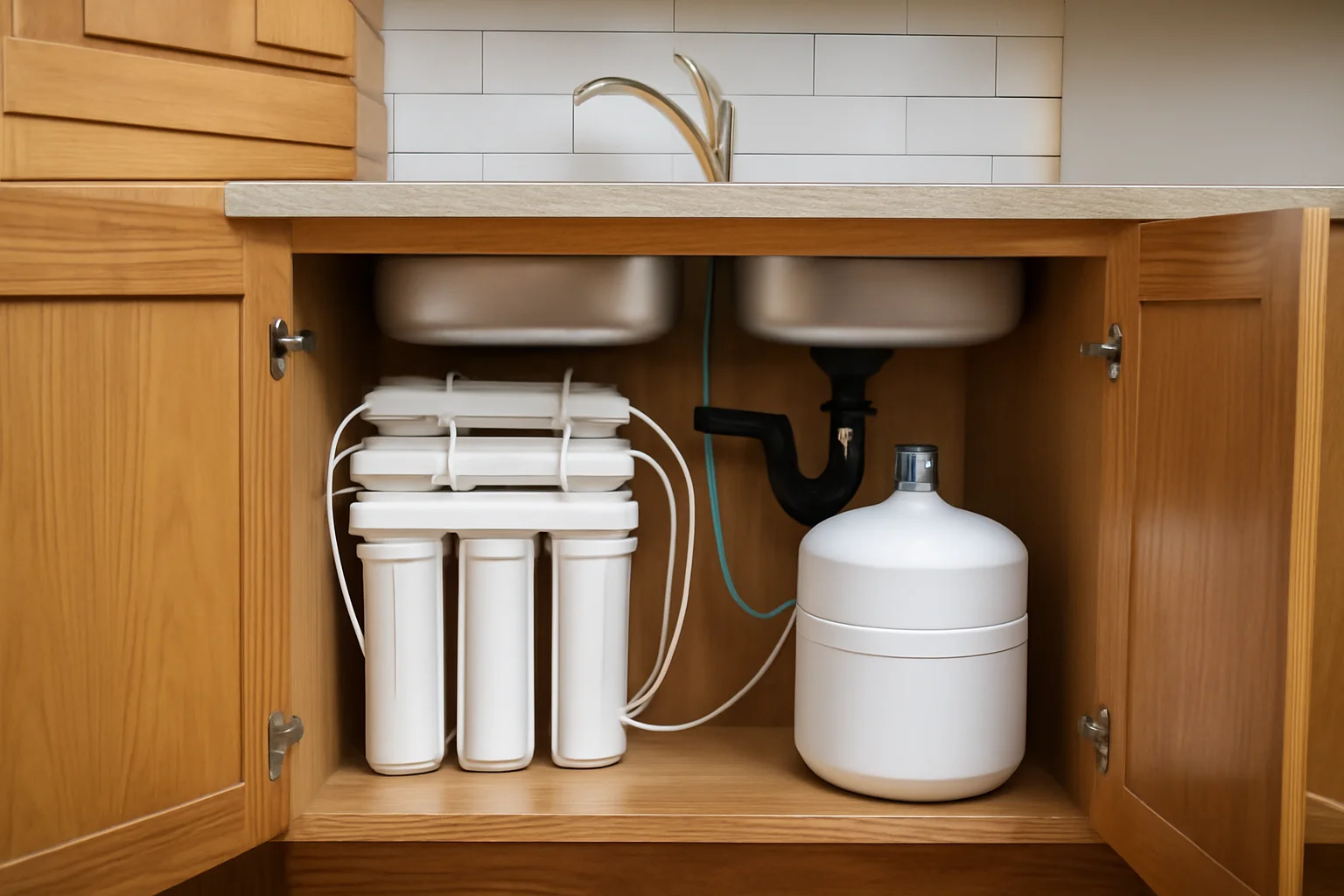
If you are a homeowner in Ocean City, FL, you already know our coastal lifestyle comes with real-world water challenges. Hard water spots on glass, scale around faucets, and that slightly off taste in drinking water can show up quickly, especially in homes that rely on older plumbing. A well-designed reverse osmosis (RO) system can help you enjoy better drinking water and cooking water, but the system has to be set up correctly to reduce scale and prevent premature wear.
This guide focuses on practical ways to get better performance from reverse osmosis systems for local property owners in Ocean City and across Okaloosa County. You will see how scale forms, why it matters, and what you can do with pre-filtration, water softening, system maintenance, and upgrades like AO Smith water filtration solutions.
Why Ocean City water can stress reverse osmosis systems
Reverse osmosis works by pushing water through a semi-permeable membrane that removes dissolved contaminants. The same process that gives you cleaner water can also concentrate minerals on one side of the membrane. When your source water has high hardness, minerals can form deposits, which leads to scale buildup.
In Ocean City homes, scale shows up where water repeatedly evaporates or dries: around faucets, on showerheads, and on plumbing fixtures. You may notice hard water spots on glass shower doors, cloudy residue on fixtures, and scale rings near sink drains. Over time, you can also see visible sediment, discoloration, and odor concerns in household water, even if the water looks “mostly fine” at first.
When scale builds in or near an RO unit, it can reduce flow rate, lower system efficiency, and shorten membrane life. That means appliances and fixtures can wear faster, and you may end up replacing components sooner than expected. For families, the impact is not just technical. It shows up in everyday routines like bathing, laundry, and coffee making.
Everyday signs your water treatment needs improvement
Many homeowners recognize water quality issues through daily friction points. If you are seeing multiple items below, it is a strong sign that your RO system needs better support or that your overall water treatment plan needs adjustment.
Scale and residue you can see
Look for scale buildup on faucets, showerheads, and plumbing connections. Hard water spots on glass and dull buildup on fixtures are common. If ice cubes look cloudy, that can also point to mineral and sediment content that affects both taste and appearance.
Water that feels rough on skin and hair
Dry skin or dull hair after bathing is a frequent complaint when mineral content is high or when soap does not rinse clean. You might also notice soap that does not lather well, then leaves a film that is harder to rinse off.
Taste and odor concerns
Metallic tasting water, chlorinated or unpleasant taste, and poor tasting coffee and cooking water are often linked to dissolved minerals, sediment, and water treatment chemistry. Even with a drinking water filter, the wrong setup can leave you with an RO system that is not performing at its peak.
Appliances and plumbing that seem to age too fast
If appliances wear out faster, it can be tied to mineral scale. Water heaters, dishwashers, and coffee makers may show efficiency loss and extra buildup. In homes with RO, scaling can also reduce membrane life and increase the frequency of filter changes.
How RO scale forms and what it does to your system
Scale forms when hardness minerals, mainly calcium and magnesium, concentrate and precipitate. In a typical RO setup, a portion of water becomes concentrated brine while the rest becomes permeate, the cleaner water. If you do not control hardness and sediment upstream, minerals can deposit on the membrane surface or in the drain line components.
What you experience may include slower production, a drop in pressure, or changes in water taste. Over time, the membrane becomes less efficient, and the system may require more frequent maintenance. The result is a cycle that is expensive and frustrating for families who just want reliable drinking water from the kitchen tap.
Start with the right pre-filtration plan
One of the most effective ways to reduce scale and protect an RO membrane is to ensure the system has proper pre-filtration. Think of pre-filters as the “first line of defense” for sediment and chlorine, so the RO membrane is not forced to work harder than it has to.
Use sediment filtration to prevent clogging
Visible sediment, discoloration, and odor concerns can indicate the need for better upstream filtration. A sediment filter helps prevent particles from fouling the RO membrane. This can also improve overall system stability and reduce strain on the membrane.
Address chlorine and taste issues before RO
Chlorine can damage RO membranes and also affects taste. Many RO systems include carbon filtration to reduce chlorine and improve taste. If you are dealing with metallic tasting water or chlorinated taste, confirm your setup includes appropriate carbon stages and that cartridges are replaced on schedule.
Match filter sizes and maintenance to local water conditions
Ocean City homes can see changes in water quality depending on supply conditions and plumbing age. A reverse osmosis system near you should be tuned for real usage. That means you should not rely on “set it and forget it” timelines alone. If you see hard water spots on glass or scale buildup on faucets, it may be time to check whether your pre-filters are doing enough.
Hard water treatment and RO: softening can be a game changer
Hard water treatment becomes part of protecting fixtures and appliances when you are trying to keep scale under control. For many homes, combining RO with water softening or other scale management strategies leads to better long-term performance.
When an AO Smith water softener makes sense
If your household water hardness is high, an AO Smith water softener can reduce the amount of calcium and magnesium entering the RO process. Less hardness entering the system typically means less scaling pressure on the membrane.
Homeowners often notice the difference quickly in bathing, laundry, and spot-free performance on fixtures. Better lathering, easier rinsing, and less buildup around showerheads are common wins. When you pair that with an RO system for drinking and cooking, you can protect both the membrane and your broader plumbing network.
Whole home water filtration for a smoother, cleaner baseline
Many families do not want to treat only the kitchen sink. Whole home water filtration can reduce sediment and improve water quality throughout the home. That can mean fewer surprises in laundry, showers, and even dishwasher performance.
For homeowners searching for water filtration near me, this approach often addresses multiple concerns at once: visible sediment, odor, and the mineral-driven residue that leads to cloudy glass and scale buildup.
If you are considering whole house water filter options, ask your installer how it will integrate with your RO unit. The goal is a coordinated system where each stage supports the next.
Dial in your RO system settings and components
Even a quality RO system can underperform if it is not configured correctly for your household. Professional installation matters because it affects pressure stability, flow rates, and how the system handles waste water.
Verify membrane type and capacity for your household
Households with heavy use for drinking water, ice, and cooking water may require a system sized for demand. If the unit is undersized, you can end up with slower production and more cycling. That increases the chance of scale-related performance drop over time.
Check storage tank and pressure regulation
A reverse osmosis system uses a storage tank to deliver treated water on demand. If the tank pressure is incorrect or the system is not properly regulating pressure, you can see inconsistent water quality and flow. That is also where taste and odor issues can show up even if the membrane is still in good condition.
Make sure drain flow is correct
RO systems flush concentrated minerals to the drain. If drain flow is restricted or plumbing is not correctly set up, scaling risk can increase. This is one reason why homeowners benefit from professional reverse osmosis installation in Ocean City, FL rather than relying on a generic setup.
Maintenance routines that reduce scale and extend membrane life
RO maintenance is not complicated, but it does require consistency. The best systems are maintained before performance drops, not after.
Replace filters on schedule, and adjust based on real conditions
Pre-filters protect the membrane. If sediment filtration or carbon filtration is overdue, you can see problems like metallic tasting water, faster fouling, or changes in taste. When you notice clouds in ice cubes or a shift in coffee and cooking water taste, it can be a clue that filters are not keeping up.
Monitor water output and taste
Consistent output matters. If your RO water flow slows noticeably, or if you start to notice an unpleasant taste again, schedule a check. Scale can build gradually, and early detection is usually less expensive than replacing worn components.
Sanitize and inspect as recommended
Systems that sit unused for periods, like seasonal beach-home use, may require inspection and sanitization. A dormant unit can develop issues that affect taste and odor, especially once water starts moving again.
Keep an eye on the rest of the plumbing
Even if your RO unit is working, hard water spots on glass and scale around showerheads can continue to affect the home. That is where combining RO with water softening and/or whole home filtration can reduce strain across the entire plumbing system.
Ocean City lifestyle examples: where better water shows up fast
Home water treatment is not just a technical purchase. It affects how families live day to day. Here are a few realistic scenarios Ocean City property owners often relate to.
Morning coffee and the kitchen sink routine
Imagine making coffee on a busy morning. If your water has mineral content or sediment, you may notice poor tasting coffee water and inconsistent flavor. When you have a properly maintained reverse osmosis system, better tasting drinking water becomes part of the routine, not a special occasion.
Cooking water matters too. When you boil pasta, brew tea, or make rice, mineral content can change how ingredients behave and can leave a slightly “off” taste. Better water for drinking and cooking starts with a well-supported RO setup.
Bath time and everyday comfort
After a day at the beach, showers are part of recovery. If you are dealing with dry skin or dull hair after bathing, hard water scale and soap residue can be part of the problem. A coordinated water treatment plan that includes hard water treatment and a quality RO system can help improve how water rinses off the skin and leaves hair feeling cleaner.
Ice cubes, glassware, and entertaining
Cloudy ice cubes are a common clue that minerals and suspended particles are affecting how water freezes. For homeowners who host friends or family, clearer ice and cleaner-tasting water make a noticeable difference. It is a small change that feels big when you are serving drinks.
Laundry and dishwasher performance
Soap that does not lather or rinse well can lead to rewash cycles and dull fabrics. Scale buildup on fixtures can also show up as spots on dishes. When you reduce hardness and sediment, laundry and dish performance often improves, and appliances can last longer.
Choosing AO Smith water filtration options for cleaner, dependable results
A system designed for Ocean City conditions should focus on both water quality and long-term reliability. AO Smith water filtration solutions are commonly used because they are built for real household needs, including drinking water quality and whole home support.
Depending on your water, a professional may recommend combining reverse osmosis with whole home water filtration and water softening. This helps reduce scale risk at the source, protects RO components, and improves water feel throughout the home.
If you are searching for a drinking water filter near me or a reverse osmosis system near me, look for a provider that can evaluate your water and recommend a plan rather than pushing a one-size-fits-all approach.
Why professional reverse osmosis installation matters in Ocean City, FL
Ocean City homes range from older properties with legacy plumbing to newer builds where water systems are integrated differently. Installation details like pressure regulation, correct filter housing setup, and proper drain line routing affect how well an RO system controls scaling and maintains consistent water production.
Professional installation also helps you avoid common mistakes that can lead to faster wear, including incorrect component order, inadequate pre-filtration, or missing protections for chlorine and sediment. If you want a reverse osmosis system near me, it is worth choosing a team that understands local water treatment service needs across Okaloosa County.
You can explore A Superior Mechanical’s specific service coverage here: reverse-osmosis-systems-ocofl. If you want to compare different approaches, start with the bigger picture at /water-filtration-ro-water-softeners. For service coverage across the region, visit /service-areas/okaloosa-county/ocean-city and /service-areas/okaloosa-county.
Prevention checklist you can use before scale becomes a bigger problem
Watch for hard water spots on glass, scale buildup on faucets, and residue around showerheads.
Check ice quality. If you see cloudy ice cubes, investigate sediment or pre-filter performance.
Pay attention to metallic tasting water, chlorinated or unpleasant taste, and changes in coffee and cooking water flavor.
Notice laundry and bathing effects. Dry skin or dull hair after bathing can point to mineral and residue issues.
Look at your appliances. If appliances wear out faster, it may be a sign that scale is reaching beyond the RO unit.
Keep filter replacement current and schedule inspections, especially for seasonal or rental properties.
More helpful reading for Ocean City homeowners
If you are planning a broader water treatment upgrade, these related articles can help you connect the dots between daily habits, system performance, and plumbing protection:
Even though this guide is focused on reverse osmosis and water treatment, water quality affects how plumbing performs across the home. When you reduce scale and manage sediment, you protect not only your RO components but the fixtures and appliances you rely on every day.
When it is time to call a professional for your RO system
Consider scheduling service if you notice a combination of the following:
Slower RO output or inconsistent flow from the drinking water tap.
Return of metallic tasting water, chlorinated taste, or unpleasant odors.
Visible sediment or discoloration in treated water.
Ongoing hard water spots on glass and scale buildup on faucets despite having filtration.
Appliances wearing out faster or signs of scale in areas the RO does not directly serve.
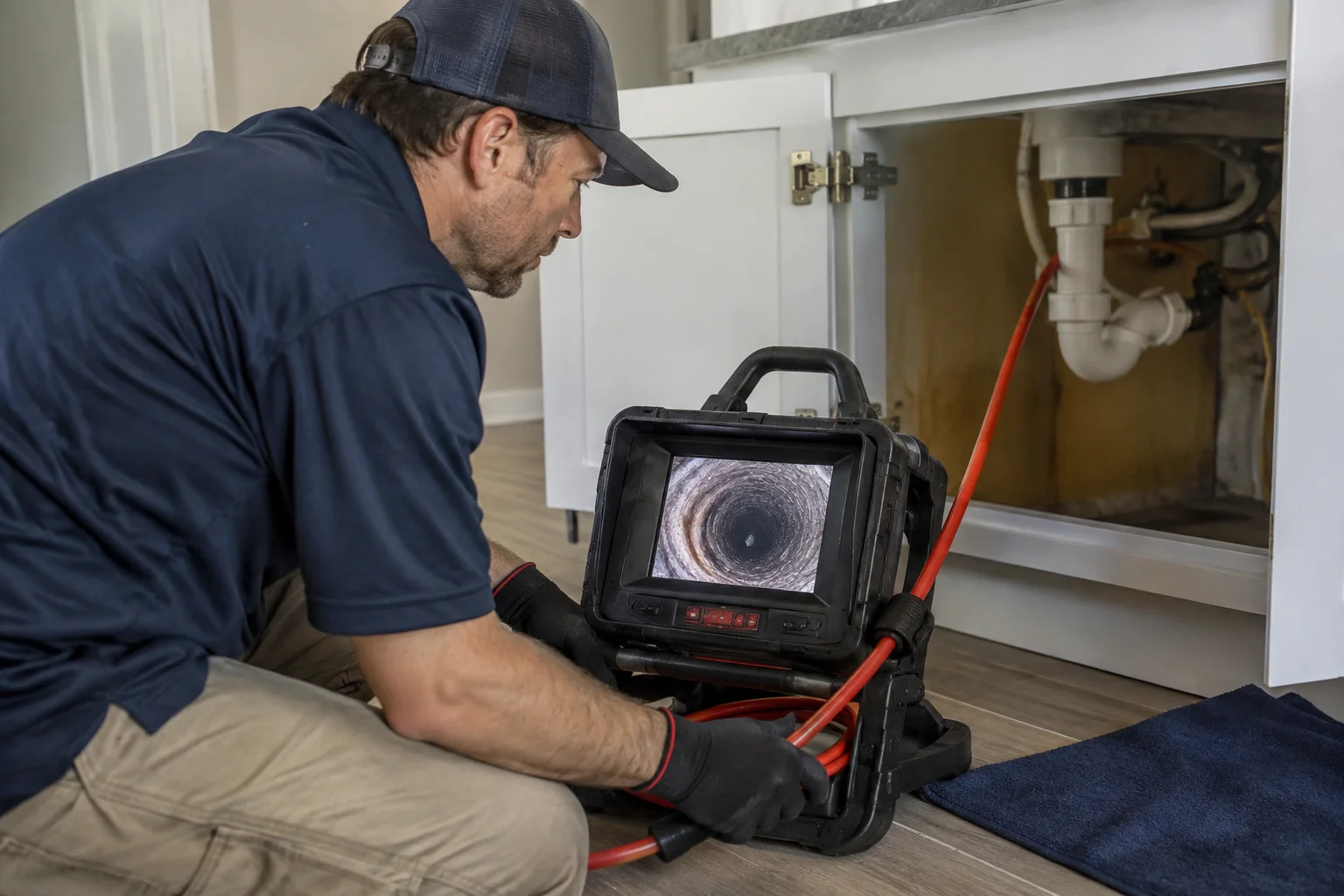
Professional troubleshooting can identify whether the issue is pre-filtration, membrane wear, hardness loading, or installation and plumbing integration. That matters because the best fix depends on the root cause, not just the symptom.
Find Reverse Osmosis Systems in Ocean City, FL
If you need Reverse Osmosis Systems in Ocean City, FL, visit our local service page or contact A Superior Mechanical today.
For a broader look at whole-home water filtration, reverse osmosis, and water softener options, visit our water filtration, RO, and water softener page.
Map of Ocean City, FL
Frequently Asked Questions
How can I reduce scale buildup in my reverse osmosis system in Ocean City?
Scale reduction usually starts upstream. Proper sediment filtration, carbon filtration for chlorine control, and a hardness strategy such as water softening can reduce mineral loading on the RO membrane. Regular maintenance and timely filter changes also help prevent scale from building to the point where output and taste decline.
What are the signs my RO system is not performing well?
Common signs include slower water production, a change in taste (metallic, chlorinated, or unpleasant), cloudy ice cubes, visible sediment or discoloration, and recurring hard water spots on glass and fixtures. If you also notice appliances wearing out faster, it can indicate scale is affecting more of your plumbing than expected.
Should Ocean City homeowners soften water if they already have RO for drinking water?
Many do, especially if hardness is high. Softening can reduce calcium and magnesium that contribute to scale buildup. Pairing water softening with reverse osmosis often protects the membrane and can also improve bathing, laundry, and fixture performance across the home.
How often should RO filters be replaced?
It depends on your household usage and local water conditions. Pre-filters typically require more frequent replacement than the membrane. A water treatment professional can recommend a schedule based on your system type, filter ratings, and what you are seeing at the tap, in ice, and on fixtures.
Can whole home water filtration help with the issues I see around faucets and showerheads?
Yes. Whole home water filtration helps reduce sediment and improve water quality throughout the plumbing system. That often means less buildup on faucets and showerheads, better soap performance, and more consistent water for laundry and dishwashing. For drinking water, RO can still provide an extra layer of cleaning when properly maintained.
Related Articles
- Commercial Plumbing in Ocean City, FL: Small Issues That Turn Costly for Local Families and Property Owners
- Smart Plumbing Habits for Reverse Osmosis Systems in 30A Homes
- Cleaner Drinking Water and Healthier Plumbing: A Rosemary Beach Homeowner’s Guide to Reverse Osmosis Systems
- Why Commercial HVAC Service Matters in Ocean City Homes and Mixed-Use Properties
Photo Gallery