Camp Creek, FL homes rely on steady water for everything from morning coffee to family showers. When water quality slips, you notice it fast. Glasses look cloudy, soap feels like it does not rinse, and ice cubes can look hazy. Some households also describe a metallic or chlorinated taste, or they see discoloration after the water sits. If you are dealing with sediment, odor, or chlorine concerns, a properly designed reverse osmosis system can be a practical upgrade for better drinking water and cleaner cooking water.
This guide explains how reverse osmosis works, what to look for in a system for Camp Creek homes, and how to pair RO with other water treatment steps like hard water treatment, filtration, and whole home water filtration when needed. If you are searching for reverse osmosis systems near Camp Creek, FL, this will help you ask the right questions before installation.
Why Camp Creek water quality issues show up in everyday life
Water problems rarely stay “in the pipes.” They show up in the kitchen, the bathroom, and the laundry room. Homeowners in Camp Creek often notice a pattern:
- Hard water spots on glass, dishes, and fixtures, especially after rinsing or drying.
- Scale buildup around faucets, showerheads, and plumbing, which can reduce water flow over time.
- Dry skin or dull hair after bathing, which can be worse when soap does not lather well.
- Metallic, chlorinated, or unpleasant taste in drinking water and cooking water.
- Cloudy ice cubes that look off, even when the water seems “clear.”
- Poor tasting coffee and cooking water that makes food taste flatter.
- Appliances wearing out faster, including water heaters, dishwashers, and coffee makers, due to mineral scale.
- Soap that does not lather or rinse well, which can leave residue on skin and laundry.
- Visible sediment, discoloration, and odor concerns that show up in certain fixtures or after the water has been unused.
Camp Creek sits in Walton County, and local conditions can influence how water behaves through the home’s plumbing. Seasonal changes, water demand shifts, and the condition of nearby infrastructure can all affect sediment and taste issues. That is why homeowners searching for water filtration near me often need a system that is matched to their specific water and plumbing layout, not a one-size-fits-all setup.
What reverse osmosis actually does for drinking water
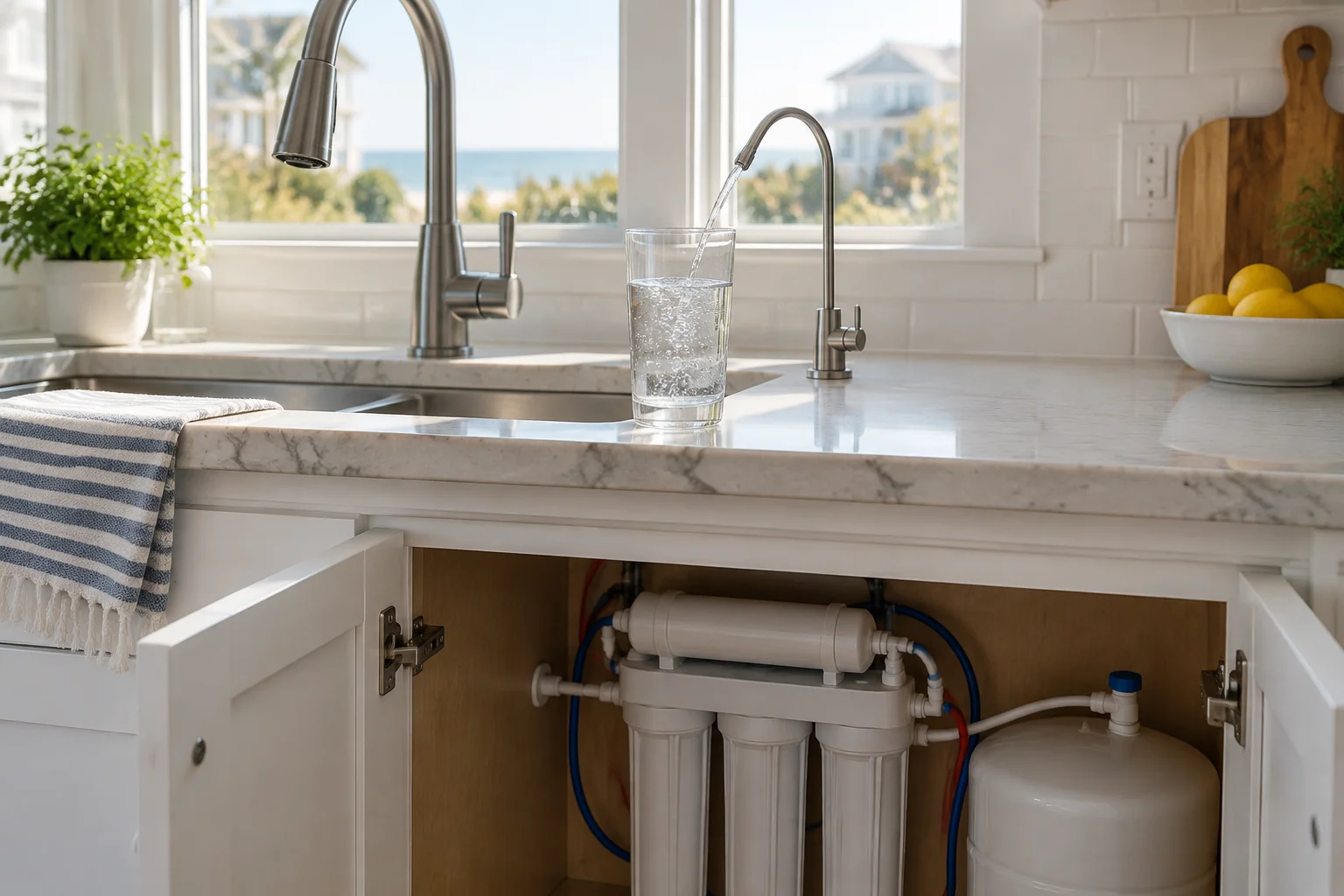
Reverse osmosis, often called RO, is a water purification process that pushes water through a semi-permeable membrane. The membrane helps separate dissolved impurities from the water used for drinking and cooking.
In a well-designed RO drinking water system, the process typically includes:
- Pre-filtration to reduce sediment and protect the membrane.
- RO filtration to improve taste and reduce many dissolved contaminants.
- Post-filtration and storage so the water delivered to your drinking faucet tastes clean and consistent.
For homeowners dealing with chlorine taste in water, odor, and unpleasant flavors, RO can be a strong step toward better tasting drinking water. It also helps when you see cloudy ice cubes or notice that your family’s coffee and cooking water does not taste right.
Sediment and odor: the “pre-filters” matter as much as the membrane
If you have visible sediment, discoloration, or a noticeable odor, the RO system’s pre-filtration stage becomes critical. Sediment can clog membranes and shorten filter life. That is why many homeowners benefit from sediment-focused filtration before RO.
Look for an RO system that includes:
- Appropriate sediment filtration for your water conditions.
- Carbon filtration where needed to help with taste and odor concerns.
- Clear maintenance schedules for filter changes and membrane performance.
When the pre-filters are sized and maintained correctly, the system stays efficient. Your water tastes better for longer, and the RO unit does not have to work harder than it should.
Chlorine concerns and the difference between “taste” and “treatment”
Many people describe chlorine taste in water or a mild chemical odor. RO can help with taste and odor, but it is important to understand that chlorine and other disinfectants behave differently than sediment and scale.
In many homes, the best results come from combining steps. For example:
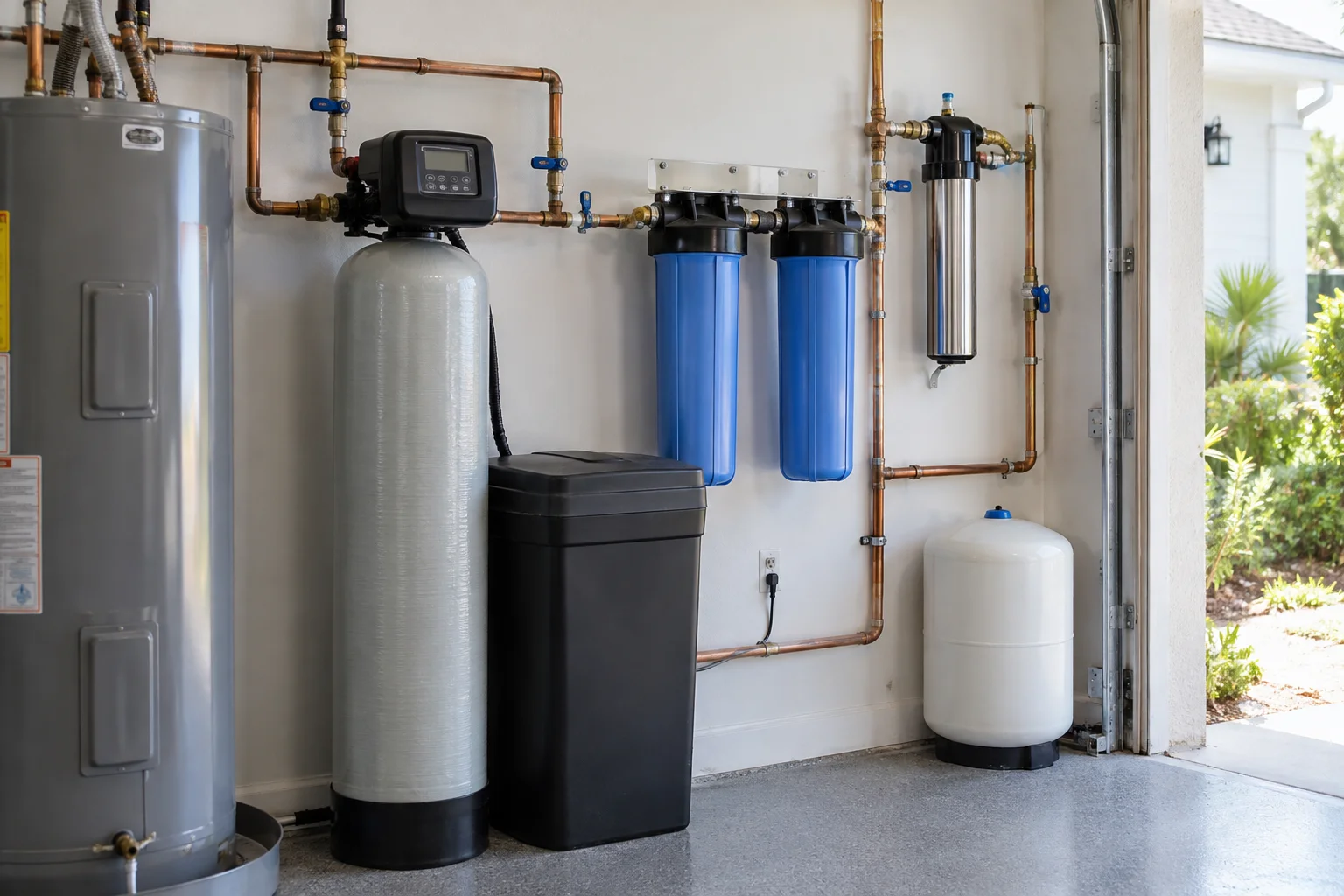
- Use whole home water filtration or point-of-entry filtration to address general water concerns throughout the house.
- Use reverse osmosis at the kitchen tap for high-quality drinking water and cooking water.
- Use hard water treatment when scale buildup is a recurring issue.
That combination helps you solve the “kitchen water” problem and the “fixtures and appliances” problem at the same time.
Hard water, scale, and why RO alone may not stop spots and buildup
It is common for Camp Creek homeowners to have two different categories of water concerns:
- Water quality for drinking and cooking, where taste, odor, and certain dissolved impurities matter.
- Mineral scale for bathing, laundry, and plumbing, where calcium and magnesium create hard water spots on glass and scale buildup around faucets and showerheads.
RO is excellent for improving drinking water, but it is not the primary tool for stopping hard water scale on showerheads and fixtures across the entire home. If you are seeing scale buildup around faucets and showerheads, you likely need hard water treatment as part of your overall plan.
That is where water softening and whole home filtration can complement your RO system. When hard water is reduced, you often notice:
- Soap lathering and rinsing better
- Cleaner laundry
- Fewer hard water spots on glass and dishes
- Less scale around plumbing and appliance connections
For families, it can be the difference between “scrubbing to get it clean” and simply rinsing and moving on with your day.
Whole home water filtration vs. RO for the kitchen
Many homeowners start with RO because it delivers noticeable improvements in drinking water. That is understandable. You can taste the difference in water for drinking, cooking, and ice.
But whole home water filtration can address the rest of the home, including fixtures, bathing, and laundry. If you are dealing with sediment, odor, or chlorine concerns across multiple taps, a whole house approach may reduce the problem before it reaches your appliances.
A common setup for Camp Creek homes includes:
- Whole home filtration to protect plumbing and improve overall water quality
- RO drinking water system at the kitchen sink for the cleanest water for drinking and cooking
- Water softener service or water softener installation when hard water scale is a recurring issue
If you are exploring options, you can also review the broader selection at /water-filtration-ro-water-softeners. That landing page covers how RO systems and water softeners work together for home water purification.
How AO Smith systems can fit into a better water plan
Some homeowners prefer proven equipment from trusted brands. AO Smith is a well-known name in water filtration and water softening, and AO Smith water softener and filtration products can be part of a Camp Creek home’s hard water treatment strategy.
In practical terms, AO Smith water softener solutions may help reduce scale buildup around faucets, showerheads, and plumbing. When scale is controlled, fixtures stay cleaner longer and appliances can run with less mineral stress. That supports better long-term performance for items like water heaters and dishwashers.
RO drinking water systems and AO Smith water softener approaches can work together. RO focuses on the quality of water at the tap for drinking and cooking, while softening focuses on minerals that cause scale and spot problems throughout the home.
Choosing the right RO system for a Camp Creek home
Homeowners searching for reverse osmosis installation near me often assume any RO system will work. In reality, performance depends on your water and how the system is configured.
Here are the key factors to consider:
1) Your water test results
A water test helps identify sediment levels, taste and odor issues, and whether scale forming minerals are present in meaningful amounts. If you are seeing visible sediment, discoloration, or odor concerns, a professional test can guide the pre-filtration stage.
2) Proper pre-filtration and system protection
Ask what filters are included before the membrane, and how often they should be changed. Sediment and carbon stages should match the conditions in your home.
3) Storage and recovery rate
Family routines matter. If multiple people drink water, make coffee, and fill pitchers, you want a system that can keep up. Recovery rate and storage capacity can affect how consistently the water tastes fresh.
4) Faucet placement and daily use
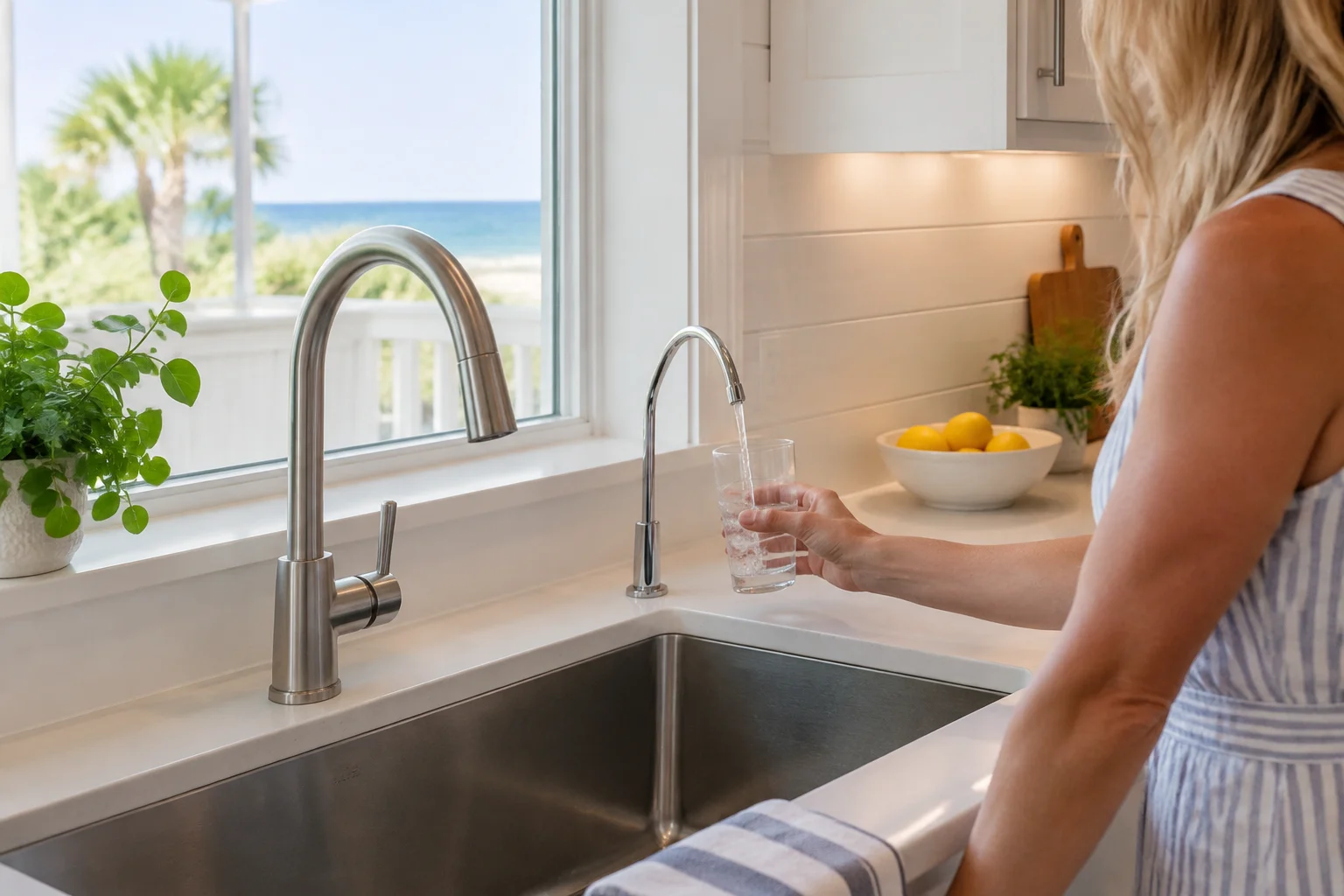
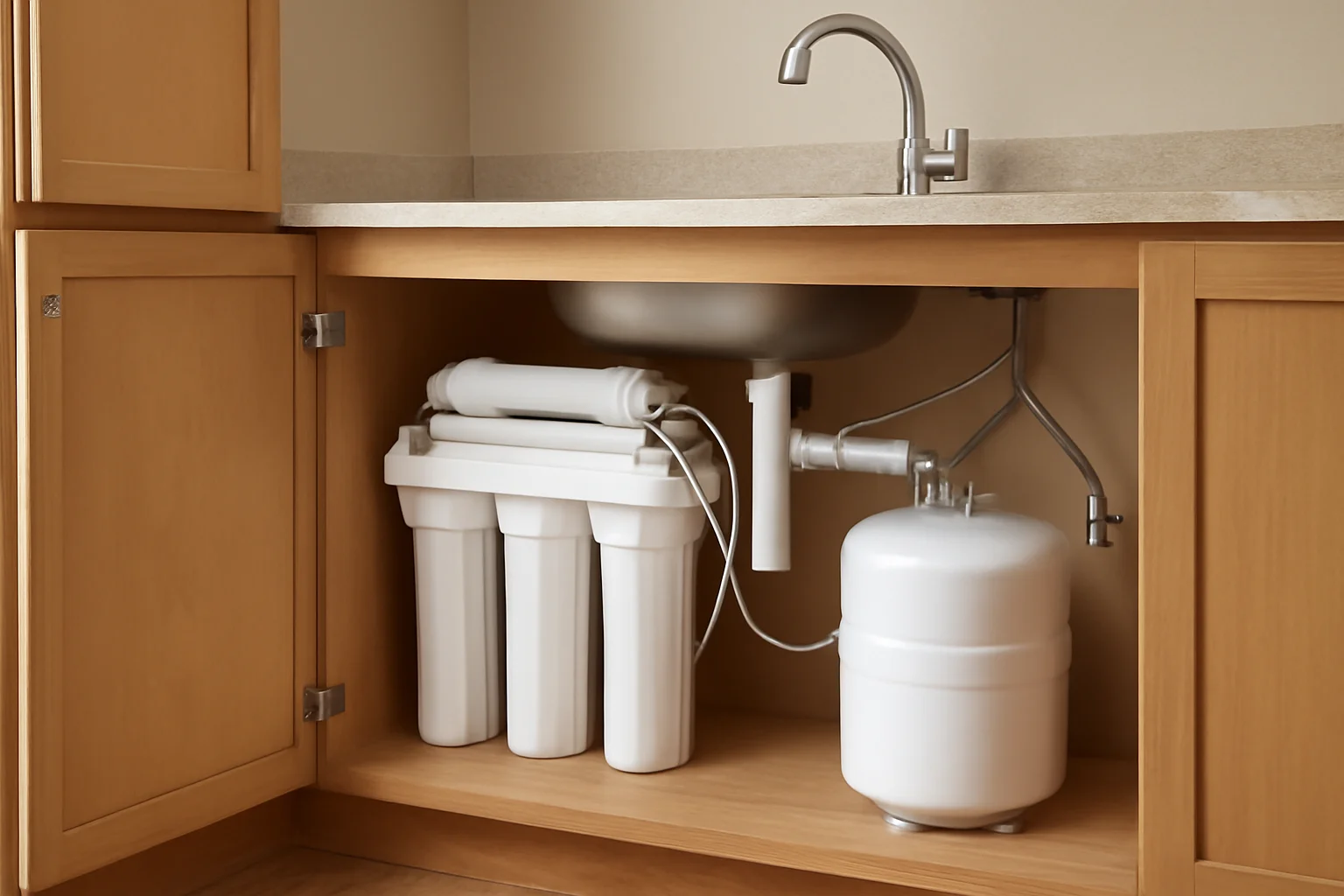
RO systems are typically installed under the sink with a dedicated drinking water faucet. Consider kitchen layout, how you use ice, and whether you want filtered water for cooking water and beverage prep.
5) Maintenance plan
Filter changes and membrane replacements are part of ownership. A clear maintenance schedule helps protect taste and prevents performance drop-off.
Signs your RO system needs service or a system upgrade
Even good systems can lose performance over time. Watch for these common signals:
- Chlorine taste in water returns or the odor becomes noticeable again.
- Cloudy ice cubes start appearing more often.
- Water tastes “off”, affecting coffee and cooking water.
- Reduced flow from the RO faucet or longer wait times.
- Visible sediment where it was not present before.
- Appliances seem to wear faster, suggesting hard water scale may not be addressed elsewhere in the home.
If you are noticing these issues, you may need filter replacement, membrane evaluation, or a redesigned approach that includes whole home water filtration and hard water treatment.
Maintenance that homeowners can do between service visits
You do not need to be a technician to protect your investment. Simple habits can reduce problems:
- Replace filters on schedule based on your system’s recommendations.
- Keep the RO faucet clean and check for leaks under the sink.
- Monitor taste and odor changes. If coffee tastes different, pay attention.
- Use the system consistently. If water sits unused for long stretches, it can affect taste at the tap.
- Address hard water separately if you still see scale buildup around faucets and showerheads.
Camp Creek’s humid coastal environment can also influence how quickly you notice spots and buildup on fixtures. Even when your kitchen water tastes better, you may still see scale if hard water treatment is not part of the full plan.
When to call a professional for Camp Creek reverse osmosis systems
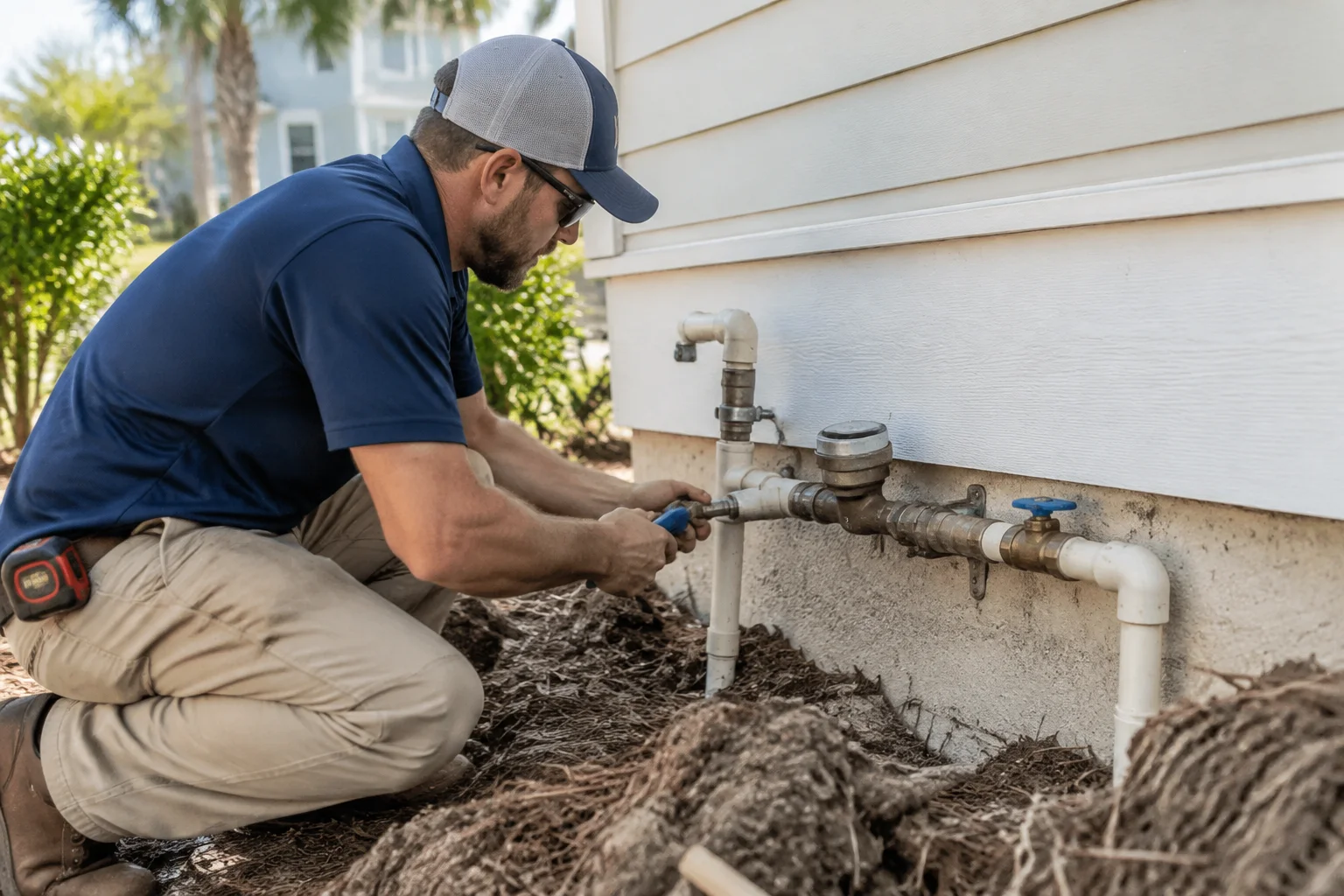
Professional help is especially important when:
- You have visible sediment, discoloration, or persistent odor concerns.
- Hard water spots and scale buildup are ongoing despite cleaning.
- You are planning reverse osmosis installation near me and want it sized correctly for your household.
- You want to connect RO with whole house water filter options for cleaner water across the home.
- You suspect your plumbing layout or water pressure needs evaluation for safe, efficient system operation.
If you want to understand how plumbing condition and maintenance affect water treatment performance, these reads can help: What Camp Creek Homeowners Often Miss During Plumbing Installation and How Better Plumbing Management Protects Camp Creek Homes. They are not RO-specific, but they explain why the “behind the scenes” details matter for clean water systems.
And if you are thinking about a broader home upgrade plan, you can also explore A Practical Guide to Water Heater Replacement in Camp Creek, FL and the Plumbing Problems That Shorten System Life.
Building a clean water routine for your kitchen, bath, and laundry
It is easier to stick with a water treatment plan when it fits real life. Picture a typical Camp Creek day:
- Breakfast: the family refills a pitcher for drinking water. Coffee tastes cleaner because the water for coffee and cooking is not carrying a chlorine edge.
- Lunch: filtered water makes cooking water taste more consistent. Ice cubes stay clearer, and the taste does not change mid-day.
- After school: kids rinse hands at the kitchen sink. Soap feels like it rinses better when the home has appropriate hard water treatment.
- Evening showers: less scale means showerheads and fixtures stay cleaner. Dry skin concerns can improve when minerals are controlled and soap rinses more effectively.
- Weekend laundry: clothes look better and feel less stiff when soap performs as intended.
RO systems are often the “kitchen upgrade” that homeowners notice first. Whole home water filtration and water softening are what make the rest of the home feel better, with fewer hard water spots on glass, dishes, and fixtures, and less scale buildup around faucets and showerheads.
If you want to explore local options, A Superior Mechanical serves Camp Creek and the surrounding Walton County area. You can also see our service area overview at /service-areas/walton-county/camp-creek and review reverse osmosis details at /service-areas/walton-county/camp-creek/reverse-osmosis-systems-ccfl.
How whole home planning can prevent faster appliance wear
When mineral scale builds up, it does not just affect appearance. It can reduce efficiency and shorten the life of appliances that heat water or pass water through narrow pathways. Homeowners often notice:
- Dishwashers leaving spots or spotting on glass
- Water heaters working harder
- Less consistent water flow from fixtures
- Soap residue and film that is harder to rinse
That is why many homeowners choose a layered approach. Reverse osmosis improves drinking water quality, while hard water treatment and whole home filtration help reduce scale and protect equipment. If you are weighing priorities, it can help to review Why Plumbing Replacement Should Move Up the Priority List in Camp Creek Homes, especially if your home is older or you have recurring water quality complaints.
Quick checklist: what to ask before RO installation
If you are comparing options for water filtration near me or home water purification near me, use this checklist:
- What pre-filters are included to reduce sediment and protect the membrane?
- How will you address chlorine taste in water and odor concerns?
- Do you recommend whole home water filtration for broader protection?
- Do I also need hard water treatment to reduce scale buildup around faucets and showerheads?
- What is the maintenance schedule for filters and membrane?
- What size and storage capacity fits my household’s drinking and cooking habits?
- Can you explain how the system will be installed for safe, reliable performance?
For homeowners in Walton County, local water treatment service matters because it connects your system to real conditions in your home. A professional approach helps you reduce sediment, improve odor and taste, and protect the fixtures and appliances that make daily routines run smoothly.
For more information about service coverage across the county, visit /service-areas/walton-county.
Find Reverse Osmosis Systems in Camp Creek, FL
If you need Reverse Osmosis Systems in Camp Creek, FL, visit our local service page or contact A Superior Mechanical today.
For a broader look at whole-home water filtration, reverse osmosis, and water softener options, visit our water filtration, RO, and water softener page.
Map of Camp Creek, FL
Frequently Asked Questions
Will a reverse osmosis system remove sediment and improve cloudy ice?
Yes, often. RO systems typically include pre-filtration to reduce sediment and a membrane process that improves clarity and taste. If you have cloudy ice cubes, a properly maintained RO system can help, especially when sediment and dissolved impurities are part of the issue.
Does reverse osmosis fix hard water spots and scale on showerheads?
Usually not by itself. RO is designed for high-quality drinking and cooking water. Hard water spots on glass, dishes, and fixtures, plus scale buildup around faucets and showerheads, are usually mineral scale issues that are better addressed with hard water treatment such as water softening and, in some cases, whole home filtration.
How do I know if my problem is chlorine taste in water versus something else?
Pay attention to patterns. If taste and odor are most noticeable at the kitchen tap and you see improvement after running water, it may be related to disinfectant taste or carbon performance. If you also see discoloration, sediment, or odors across multiple fixtures, you may benefit from whole home water filtration and a system designed with the right pre-filters.
How often do RO filters and membranes need service?
Schedules vary by water conditions and system design, but filter replacements are typically performed on a routine interval to protect taste and flow. A service plan from a local water treatment professional helps you avoid performance drop-off and ensures your RO drinking water system stays consistent.
Related Articles
- A Practical Guide to Water Heater Replacement in Camp Creek, FL and the Plumbing Problems That Shorten System Life
- How Better Plumbing Management Protects Camp Creek Homes
- What Camp Creek Homeowners Often Miss During Plumbing Installation
- Why Plumbing Replacement Should Move Up the Priority List in Camp Creek Homes
Photo Gallery