Inlet Beach is beautiful, but the climate is demanding on HVAC systems. Florida heat, high humidity, and salt air can stress air conditioners and heat pumps faster than homeowners expect. A professional air conditioning inspection in Inlet Beach, FL is one of the most practical ways to keep comfort steady and avoid “surprise” repairs that tend to show up mid-summer.
This guide walks through what a real inspection typically checks, why certain issues are common in the area, and how to recognize when it is time to schedule AC repair or broader HVAC service. If you are searching for air conditioning inspection near me or HVAC service near me, this will help you understand what to ask for and what good troubleshooting looks like.
Why inspections matter in Inlet Beach’s humid, coastal climate
Air conditioning is not just about cooling. It controls humidity, supports proper airflow, and keeps refrigerant systems operating within safe performance ranges. In Inlet Beach, the combination of warm Gulf air and salt exposure can contribute to corrosion, clogged components, and drainage problems that reduce efficiency and shorten equipment life.
When an AC system is not performing as designed, homeowners often notice:
- Air feels cool at first, then turns weak
- Humidity lingers indoors, especially on muggy days
- Higher energy use compared to previous seasons
- Unusual sounds from the outdoor unit or indoor air handler
- Frequent thermostat cycling or inconsistent temperatures
An inspection helps catch the underlying causes before they become expensive. That is especially important for older systems, homes with long duct runs, and properties where coastal conditions accelerate wear.
What a professional air conditioning inspection actually checks
Every home is different, but a thorough air conditioning inspection should look at the whole system: outdoor equipment, indoor components, airflow pathways, and controls. For homeowners, the goal is to understand whether the system is cooling, dehumidifying, and circulating air as intended.
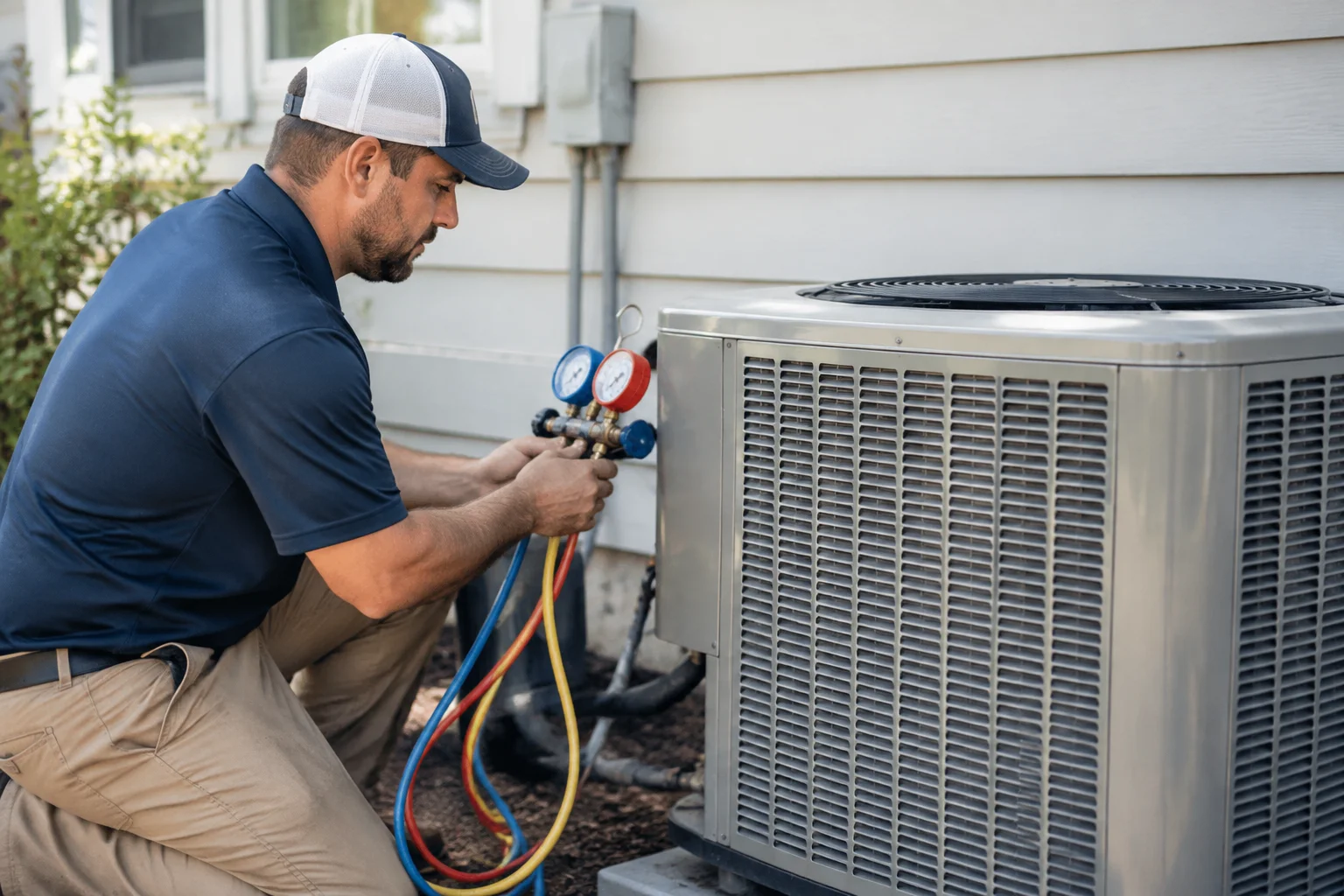
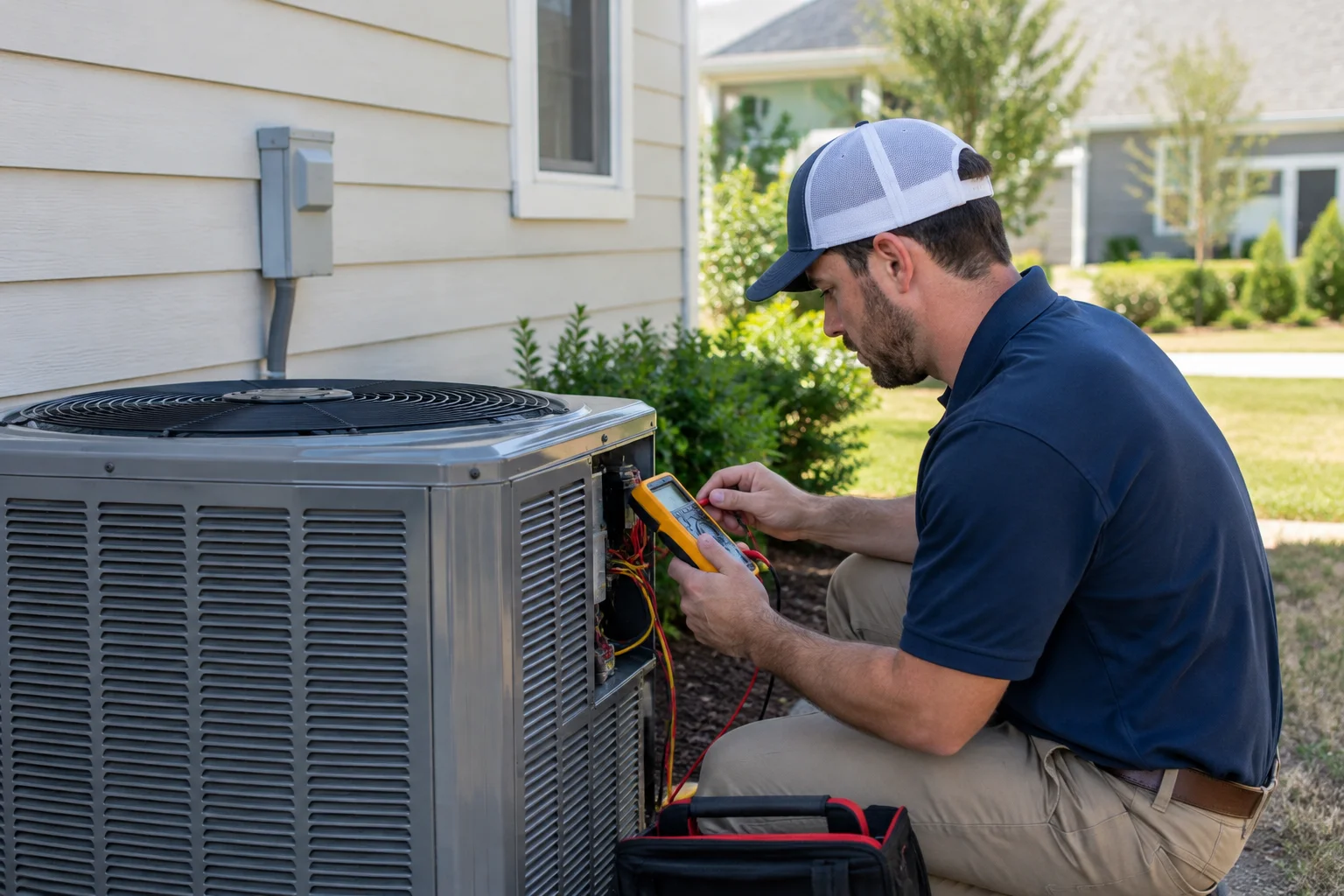
1) Outdoor condenser and refrigerant system performance basics
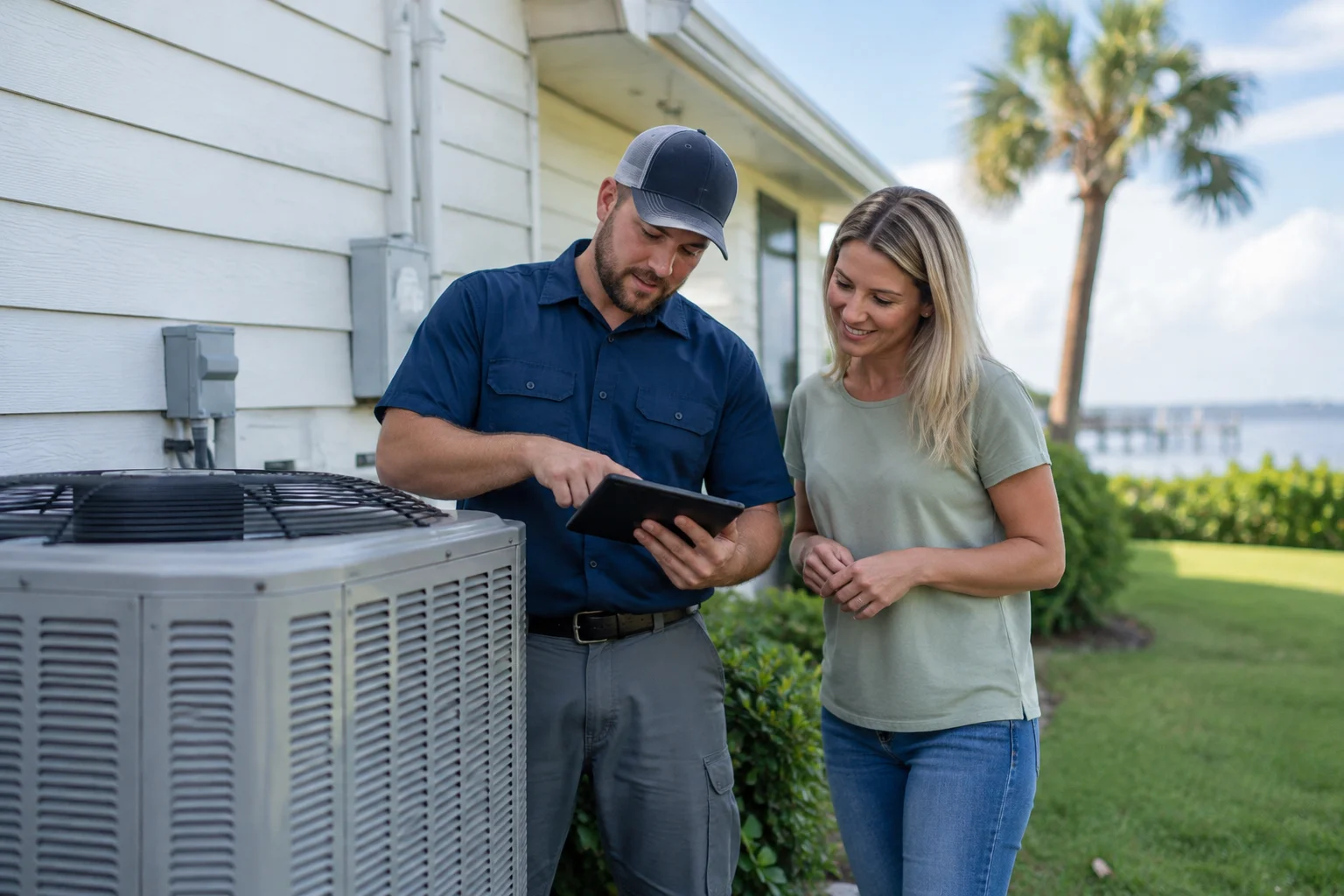
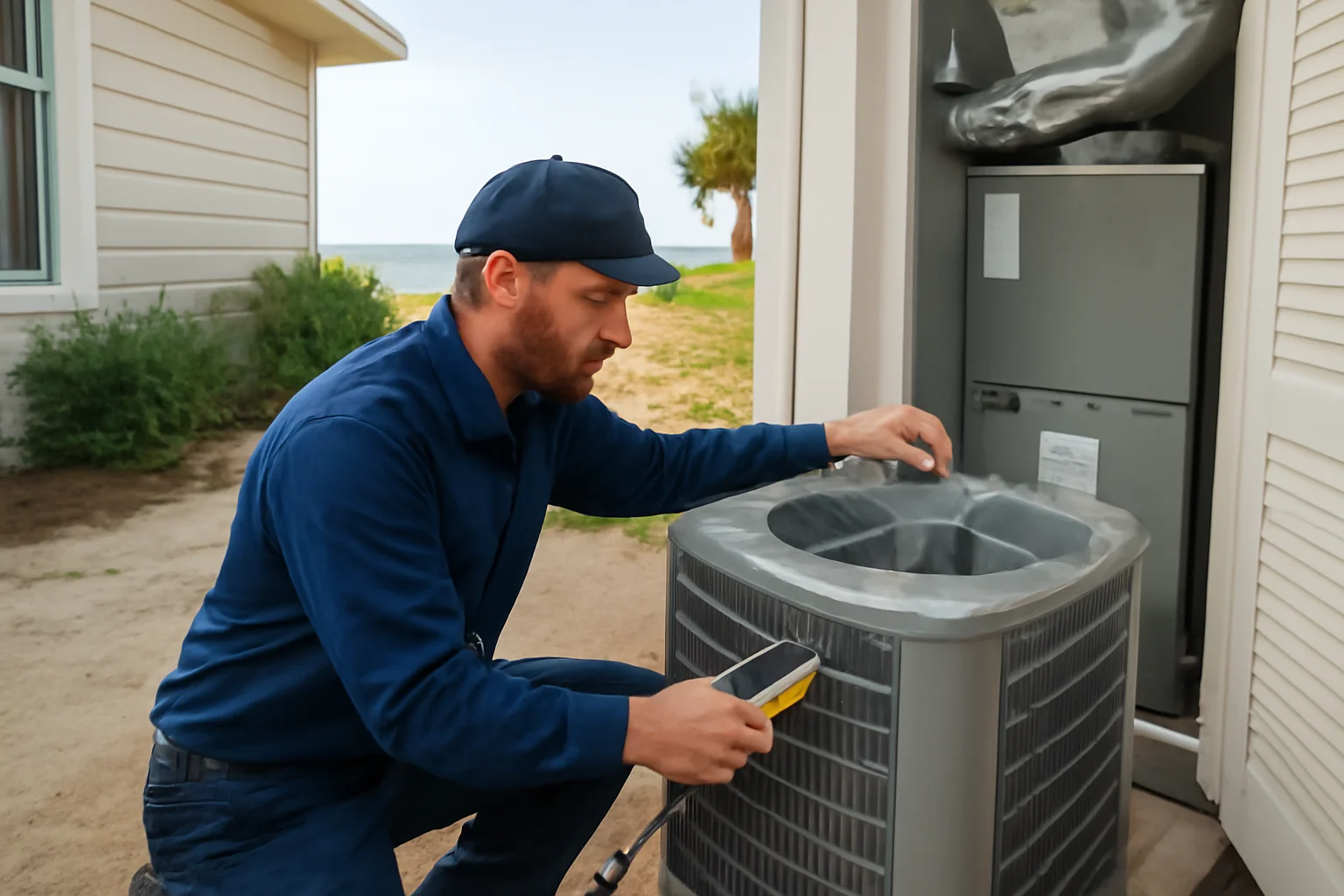
Technicians typically inspect the outdoor unit for airflow restrictions and signs of corrosion or damage. Salt air can contribute to buildup and deterioration over time, which can affect heat transfer and system efficiency.
During an inspection, a technician may review:
- Condition of the cabinet and coil area
- Clearance around the unit and evidence of airflow blockage
- Fan operation and general mechanical condition
- Visible signs of refrigerant system issues, such as residue or abnormal wear
Important note: homeowners should not try to self-diagnose refrigerant problems. Refrigerant system issues require in-person evaluation and proper tools. A professional can determine whether a component needs service based on observed performance, not guesses.
2) Indoor air handler, evaporator coil, and condensate drainage
In humid climates, evaporator coil performance and condensate drainage are central to comfort and indoor air quality. If the coil is not removing moisture effectively, the home may feel clammy even when the thermostat is set correctly.
A quality inspection commonly includes:
- Coil inspection for cleanliness and airflow across the surface
- Assessment of condensate drainage and drain line condition
- Checking for signs of moisture where it should not be
Condensate drainage problems can lead to water overflow, musty odors, and increased humidity. Over time, moisture can also affect indoor components and contribute to comfort complaints that prompt unnecessary air conditioning repair attempts.
3) Airflow, ductwork condition, and pressure balance
Even a well-maintained AC unit cannot cool properly if airflow is restricted. Inlet Beach homes can have a mix of older ductwork, varying attic insulation, and duct runs that are impacted by humidity and temperature swings. That is why duct inspection matters.
An inspection may focus on:
- Supply air and return air balance
- Signs of duct leakage or poor connections
- Filter condition and whether the system is receiving proper airflow
- Airflow consistency across rooms
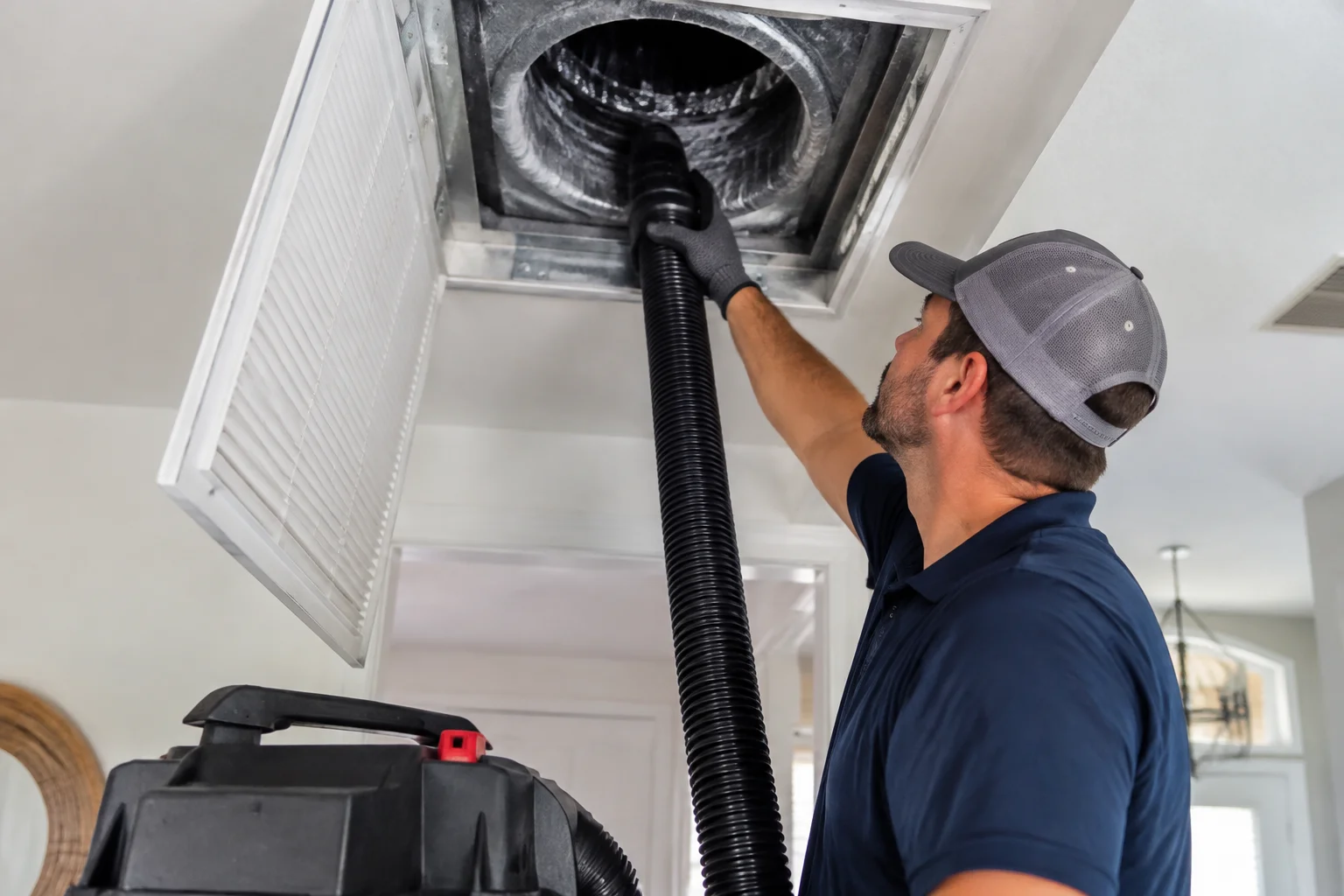
If you are searching for duct inspection near me or considering duct cleaning, remember that airflow problems can have multiple causes. A technician can help determine whether cleaning, sealing, filter changes, or other HVAC maintenance would address the issue most effectively.
4) Thermostat and control checks
Thermostats influence how the system cycles, how it maintains temperature, and how it supports humidity control. In Florida heat, small control problems can feel major because the system runs more often.
During an inspection, professionals often verify:
- Thermostat operation and scheduling settings
- Compatibility with the system type (including heat pump operation, if applicable)
- Whether the system is responding correctly to cooling calls
If you notice short cycling, inconsistent cooling, or the system running without reaching comfort, thermostat and control verification may be part of the troubleshooting plan. For some homes, thermostat installation near me or thermostat adjustments can be part of improving reliability.
5) Electrical safety and system protection checks
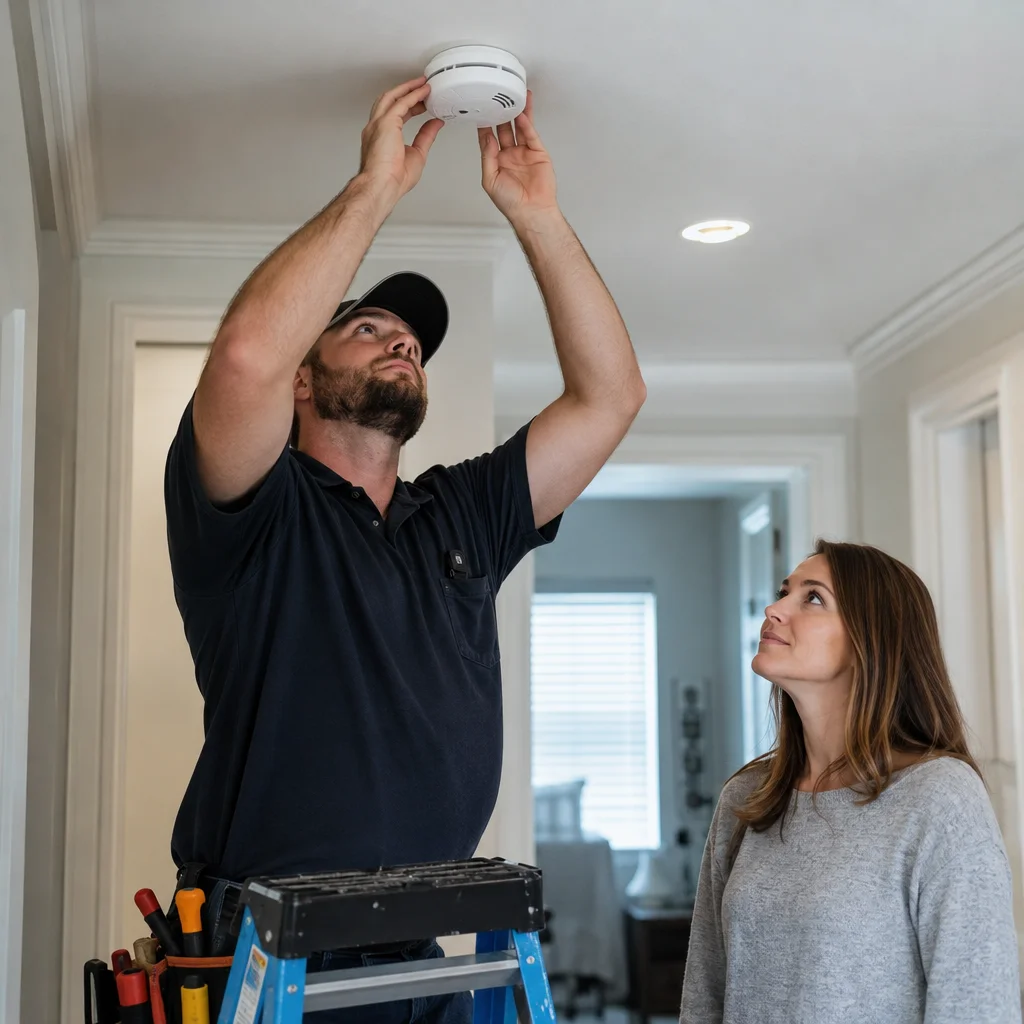
Air conditioners rely on electrical components and safety controls to operate reliably. While homeowners should not attempt electrical diagnosis, a technician can inspect for signs of wear, loose connections, and component condition that can affect performance and safety.
These checks support emergency cooling concerns too. When an AC system fails during a hot spell, the risk is not only discomfort but also the stress that a malfunctioning system can place on components.
Common Inlet Beach AC problems that show up before they become expensive
Homeowners often call for AC repair near me after the system starts acting up. The most expensive repairs typically follow a period of reduced performance and neglected maintenance. Here are several issues that are common in Inlet Beach and around Walton County, FL.
Humidity that feels “stuck” despite cooling
If your home stays damp, the system may not be dehumidifying well. That can be caused by restricted airflow, coil cleanliness issues, or condensate drainage problems. When humidity remains high, comfort drops and indoor air quality can suffer, especially for people sensitive to allergens.
Professional inspection can help identify whether the issue is airflow, coil performance, drainage, or control settings.
Weak airflow, hot rooms, and uneven cooling
Florida heat can exaggerate airflow problems. A system that runs but does not move enough air may struggle to cool consistently. Ductwork leaks, dirty filters, or blocked returns can create pressure imbalances that make the system work harder.
In many homes, addressing duct issues and airflow pathways can improve comfort and energy use without immediately jumping to system replacement.
Coil and drainage problems from coastal conditions
Salt air can accelerate corrosion and contribute to buildup on outdoor and indoor components. When coils or drainage paths are affected, the system may struggle to transfer heat and remove moisture efficiently.
These are often the issues homeowners notice first as reduced cooling capacity or water-related concerns.
Thermostat cycling and temperature swings
Some systems cycle too frequently or fail to maintain stable temperatures. This can increase wear on components and raise energy use. A thermostat that is misconfigured, incorrectly communicating with the system, or failing to read indoor conditions accurately can contribute to repeated calls for cooling.
An inspection can help verify operation and determine whether the thermostat, airflow, or system performance is the primary driver.
How preventive HVAC maintenance reduces the odds of mid-summer breakdowns
Preventive maintenance is not about “doing everything” at once. It is about keeping the system clean, moving air correctly, and ensuring components can perform under Florida’s heat and humidity. For many homeowners, the best time to schedule is before peak summer demand.
A strong maintenance approach often includes:
- Seasonal inspection of indoor and outdoor components
- Verification of airflow, filter setup, and duct-related concerns
- Coil and condensate drainage checks
- Thermostat performance review
- Cleaning or servicing components as needed based on observed condition
When an HVAC maintenance near me search is used with a proactive mindset, it can prevent a mid-summer breakdown by addressing small performance issues early.
Energy use and comfort: what inspections help you protect
Inlet Beach homes often rely on air conditioning for long stretches of the year. When systems run inefficiently, homeowners may notice:
- Higher monthly energy use
- Longer run times to reach set temperatures
- More frequent cycling
- Comfort complaints that vary by room
Inspections focus on performance drivers like airflow, coil function, humidity control, and system operation. That is how technicians support both comfort and energy efficiency goals.
Even if the system is still cooling, reduced performance can mean the system is working harder than necessary. Over time, that extra stress can contribute to component wear.
Indoor air quality connections homeowners often miss
Air conditioning is also part of indoor air quality. When airflow is restricted, filters are neglected, or coil conditions are poor, the air circulating through the home can carry more dust and moisture-related issues.
If you are concerned about indoor comfort and air cleanliness, consider pairing inspection with targeted improvements like:
- Proper air filtration and maintenance of filters
- Whole-home air cleaning options, depending on your system and needs
You can also explore indoor air quality testing for guidance on what is actually in the air. For homeowners dealing with coastal humidity and airborne contaminants, air filtration and purifiers with air scrubbers may be considered alongside HVAC maintenance.
When to call for air conditioning inspection or AC repair
Some problems are obvious, but others build quietly. A professional inspection can be appropriate when you notice any of the following:
- The system struggles to cool during the hottest hours
- Humidity feels excessive even when temperatures are comfortable
- Airflow is weak from vents or inconsistent across rooms
- The system cycles on and off more often than it used to
- You see water near the indoor unit or notice musty odors
- The thermostat settings do not seem to match what is happening indoors
If your AC system is failing completely during a heat wave, prioritize emergency AC repair near me so you can restore cooling safely and reduce the risk of additional damage from prolonged operation under abnormal conditions.
Inspections vs. repairs vs. system replacement: knowing the difference
Homeowners sometimes assume that any problem means replacement. That is not always the case. Many issues are resolved through inspection-driven repairs, component service, airflow corrections, or ductwork adjustments.
In some situations, a technician may recommend HVAC replacement near me based on the condition of the system and how it performs. Replacement decisions should be based on an in-person evaluation, observed system behavior, and the home’s needs.
If you are exploring options for a new system, you can review air conditioning installation and talk through what type of system best fits your home. If your home uses a ductless approach, see ductless mini-splits for comfort and humidity considerations.
For homes with heat pumps, inspection is just as important. If performance issues point toward the heat pump needing service, homeowners often search for heat pump repair near me. The right next step depends on what the inspection reveals.
Questions to ask your HVAC contractor before the inspection
If you want a more confident experience, use these questions when scheduling air conditioning inspection near Inlet Beach:
- Will you inspect both the indoor and outdoor sides of the system?
- How do you evaluate airflow and ductwork concerns?
- Will you check condensate drainage and signs of moisture?
- Do you review thermostat operation and system control behavior?
- How do you document findings and recommend next steps?
These questions help ensure you get a complete picture instead of a quick glance. They also make it easier to compare service providers if you are looking for an HVAC contractor near me.
Why A Superior Mechanical is a smart fit for Inlet Beach homeowners
Local service matters because coastal conditions, home layouts, and common system issues vary by region. Inlet Beach homes face a mix of Florida heat, humidity, and salt air that can affect refrigerant systems, coil performance, condensate drainage, and ductwork over time.
A professional team focused on air conditioning inspection understands how to look beyond surface symptoms. If you would like to schedule, start with our air conditioning inspection page. You can also explore the broader Inlet Beach service area and Walton County coverage to see how we support homeowners across the region.
If you have already noticed performance issues, you may also want to review air conditioning repair so you can match the right service to the symptoms you are seeing.
Local comfort clues you can compare
Homeowners often describe similar symptoms in nearby areas. If you want more examples of what comfort changes can signal, read Seagrove Beach comfort clues. It can help you connect the dots between what you feel at home and what a technician typically checks during an inspection.
Find Air Conditioning Inspection in Inlet Beach, FL
If you need Air Conditioning Inspection in Inlet Beach, FL, visit our local service page or contact A Superior Mechanical today.
Map of Inlet Beach, FL
Frequently Asked Questions
How often should Inlet Beach homeowners schedule an air conditioning inspection?
Most homeowners benefit from seasonal inspections, especially before peak summer demand. If your system struggles during hot, humid weeks, schedule sooner so airflow, humidity control, and drainage can be evaluated before performance drops.
Can a dirty filter or blocked return cause problems that look like refrigerant trouble?
Yes. Restricted airflow can reduce cooling capacity and affect how the system operates. A professional inspection checks airflow and related components first, because airflow issues can mimic other symptoms. Refrigerant problems require in-person evaluation and proper testing.
What does condensate drainage have to do with comfort and indoor air quality?
When condensate drainage is restricted or failing, moisture can build up. That can increase humidity indoors, contribute to musty odors, and affect indoor air quality. An inspection should include checking drainage condition and signs of moisture.
If my AC runs but does not cool well, is ductwork always the cause?
No. Weak cooling can come from multiple factors, including airflow restrictions, coil cleanliness, thermostat control behavior, or outdoor unit performance. A technician should evaluate the system as a whole, including ductwork and indoor components.
When should I request emergency AC repair?
Request emergency service when your system fails to cool during a hot period, especially if the indoor temperature rises quickly. A technician can help restore cooling and reduce the risk of additional stress on system components.
Related Articles
- Indoor Air Quality Testing That Helps Inlet Beach Homes Stay Comfortable Longer
- Ductless Mini-Splits in Inlet Beach Homes: Comfort, Airflow, and Coastal Humidity
- Seagrove Beach Comfort Clues That Point to a Better Air Conditioning Inspection
- What to Expect From Air Conditioning Inspection in Parker, FL
Photo Gallery