Florida weather moves fast, and Lynn Haven homes feel it indoors. Between summer heat, high humidity, salt air, and long cooling seasons, indoor air quality can drift without anyone noticing right away. Planning ahead for indoor air quality testing helps you catch ventilation and airflow problems early, so your air conditioner service, ductwork, and filtration setup can work the way they are supposed to.
A Superior Mechanical offers indoor air quality testing in Lynn Haven, FL for homeowners and businesses dealing with humidity, odors, allergens, and comfort concerns. This guide focuses on how local property owners can prepare, what to watch for, and how to coordinate testing with HVAC maintenance and repairs.
Start with the local climate: humidity, salt air, and airflow
Lynn Haven sits in a humid part of Florida where cooling systems run longer than many homeowners expect. When humidity stays high indoors, it can affect comfort and also change how your HVAC system behaves. Moisture can increase the chance of musty smells, condensation on cooler surfaces, and trouble with condensate drainage.
Salt air from the region can also influence how systems age. Over time, outdoor air conditions and indoor exposure can contribute to fouling in ducts, returns, and air handling components. That is why indoor air quality testing should not be treated like a one-time event. It is more like a check-in that aligns with seasonal HVAC demands.
Know what indoor air quality testing can help clarify
Homeowners often think indoor air quality is only about odors or visible mold. Testing is broader than that. A professional evaluation can help identify issues connected to HVAC operation and indoor conditions, such as:
- Humidity control problems that make rooms feel sticky even when the thermostat is calling for cooling
- Airflow and ventilation concerns, including uneven comfort from room to room
- Filtration performance and whether indoor particles are being managed effectively
- Contamination or irritants that may be linked to ductwork, returns, or building airflow patterns
- Moisture-related risks connected to condensate drainage and system operation
If you are searching for indoor air quality services near me, it helps to choose a provider that coordinates testing with the HVAC realities of your home, not just a generic lab-style report. That means the testing process should consider how your refrigerant system is functioning from a comfort standpoint, how condensate drainage is behaving, and how your thermostat and airflow setup are influencing results.
Pick the right time to schedule testing in Lynn Haven
The best time to plan testing is usually when your HVAC system is actively working, not when it is sitting idle. For Lynn Haven homeowners, that typically means scheduling during a period when cooling is needed and humidity is present. If you wait until the air feels unbearable or you smell something unusual, you may end up troubleshooting multiple problems at once.
Consider these planning windows:
- Early summer: helps you set a baseline before peak humidity and long run times
- After a major HVAC change: if you had an air conditioner service, a thermostat change, or ductwork work, testing can verify the indoor balance
- After a water event: even minor leaks can change indoor air quality and should be assessed promptly
- Before a long rental season: for landlords, planning supports consistent comfort and reduces tenant complaints
If you are dealing with emergency cooling concerns, do not delay basic comfort and safety fixes. You can still plan follow-up indoor air quality testing once the system is stable. For guidance, see what Lynn Haven homeowners should know about 24/7 emergency HVAC service.
Use a simple home checklist before the technician arrives
Preparation can improve the usefulness of indoor air quality testing. You do not need to guess causes, but you can gather details that help your HVAC company connect indoor symptoms to system conditions.
Track symptoms for one to two weeks
Write down what you notice and when:
- Rooms that feel warmer or colder than others
- Sticky humidity or condensation on windows
- Musty, stale, or “wet basement” type odors
- Allergy flare-ups, coughing, or eye irritation
- Frequent cycling or long run times from your AC
Confirm thermostat settings and behavior
Before testing, note your thermostat mode and typical settings. If you have Wi-Fi scheduling, write down the schedule you use. If the thermostat was recently replaced, mention that. Thermostats influence run time and how well the system maintains comfort and humidity control.
Check vents and returns you can access safely
You do not need to dismantle anything. Just check:
- Supply vents that are blocked by furniture or curtains
- Returns that are obstructed by rugs, doors, or storage
- Any visible dust buildup around registers
Document HVAC maintenance history
Bring the basics to the appointment: when the last filter change was done, when the system was last serviced, and whether any ductwork work has been completed. If you are trying to decide between HVAC company options, this helps you compare approaches.
Coordinate testing with ductwork and HVAC maintenance
Indoor air quality and ductwork are connected because the HVAC system moves air through the home. If airflow is restricted or uneven, air can linger where you do not want it and bypass where you do. That can affect humidity distribution, filtration effectiveness, and the overall “feel” of the home.
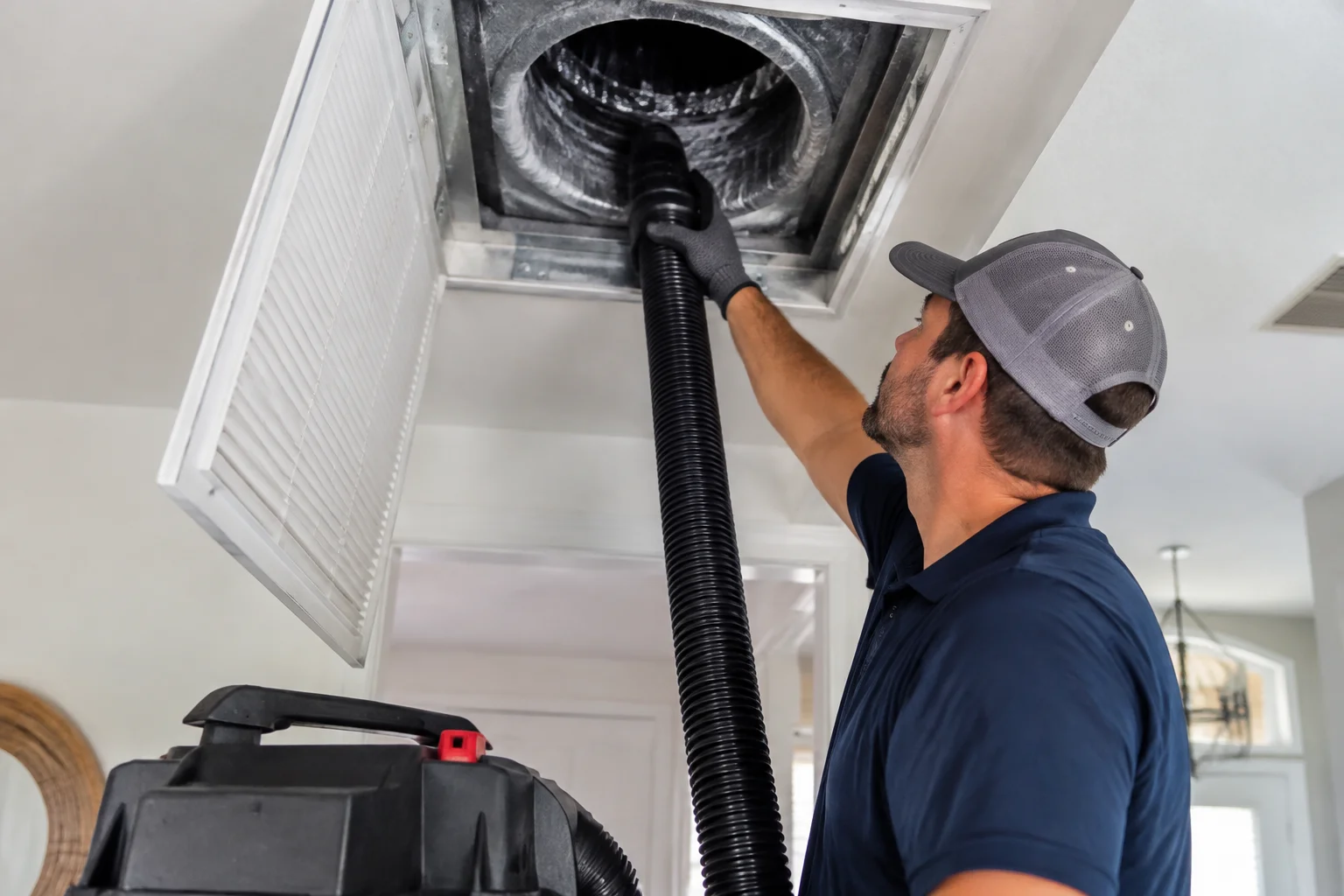
If your home has never had a duct inspection, or if you have seen dust buildup, consider pairing testing with duct inspection in Lynn Haven, FL. If ductwork damage or ongoing issues are found, you may also explore duct replacement as part of a broader plan.
Better maintenance can also make duct inspection more useful. Read why better HVAC maintenance makes duct inspection more useful for Lynn Haven homes for practical context.
Understand moisture and condensate drainage as an indoor air quality factor
During cooling season, air conditioning removes moisture from indoor air. That moisture should drain through the condensate drainage path. When condensate drainage is slow, blocked, or poorly routed, moisture can build around components and increase the likelihood of odors and indoor comfort problems.
Homeowners can help by keeping the area around the air handler accessible and by noting any signs of:
- Water stains near the indoor unit or drain line location
- Unusual dampness in closets or utility areas
- Clogging-related shutdowns or recurring “overflow” style concerns
Testing is not the same as diagnosing a specific leak or mechanical fault. A licensed HVAC professional should inspect the system in person to evaluate any condensate drainage concerns and recommend repairs if needed.
Plan for filtration and air cleaning without jumping to assumptions
Many homeowners respond to indoor air quality concerns by changing filters or buying portable air cleaners. Those steps can help, but they are most effective when they align with the home’s airflow and humidity needs.
If you are searching for whole home air purifier near me or asking about air cleaning options, plan to discuss how your HVAC system is set up. Indoor air quality testing can provide a clearer direction for whether whole-home approaches make sense, and how ductwork airflow and thermostat runtime affect results.
Also remember that filtration and air cleaning do not replace addressing root causes like blocked returns, poor ventilation balance, or moisture issues. Planning ahead means treating indoor air quality as a system outcome, not a single product purchase.
Consider energy use and comfort together
In Lynn Haven, energy use and comfort often move together. When humidity is high or airflow is off, homeowners may run the air conditioner longer and still feel uncomfortable. That extra runtime can increase wear on components and raise operating costs.
Indoor air quality testing can support better decision-making by helping you connect comfort complaints to the HVAC side of the equation. That might include verifying airflow patterns, evaluating filtration behavior, and reviewing whether your system is maintaining indoor conditions as expected.
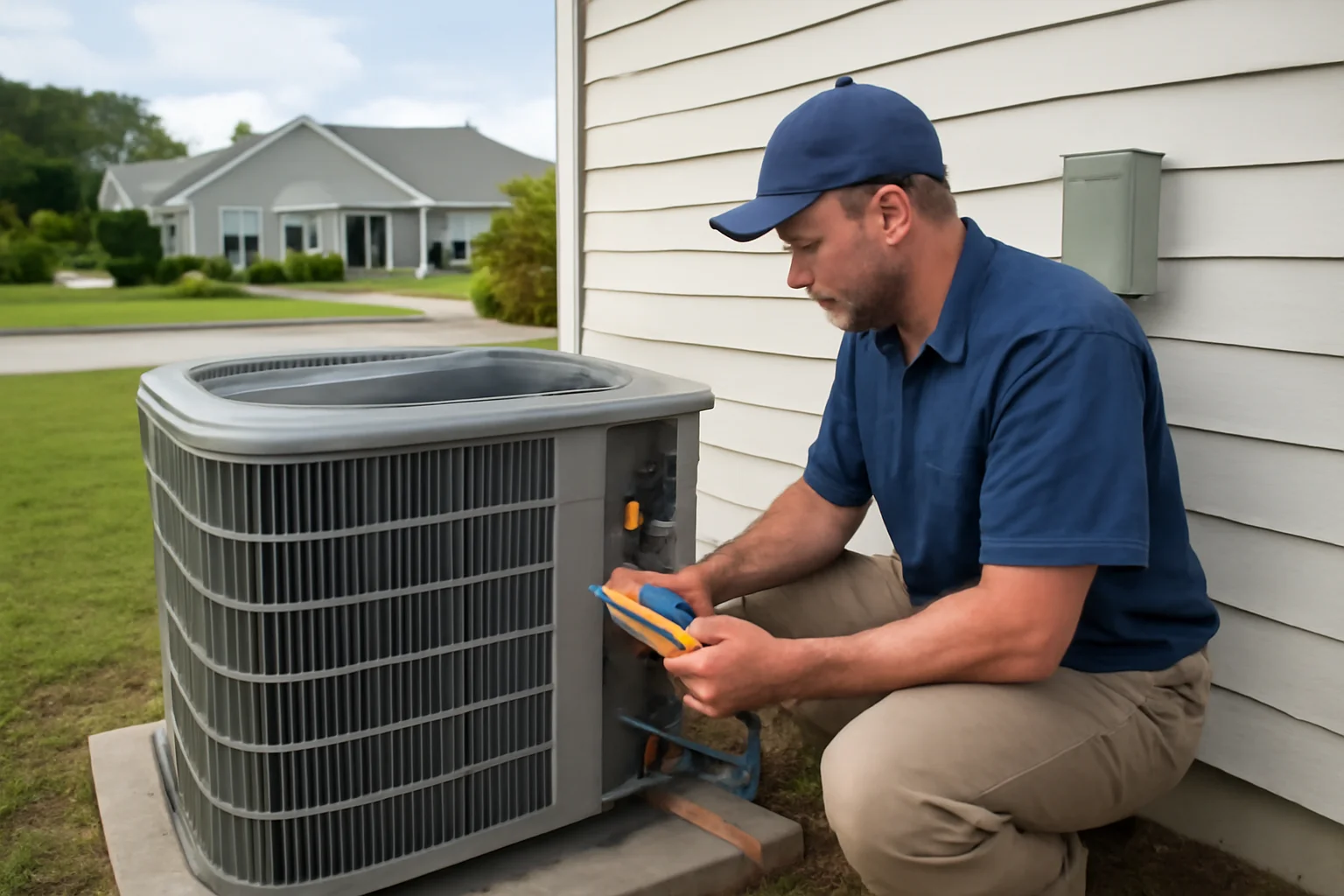
For homeowners focused on improving performance, preventive HVAC maintenance can also reduce the chance of mid-season surprises. If you are comparing options for AC tune up near me or looking for a long-term plan with a local licensed HVAC contractor near me, ask how maintenance schedules and indoor air quality checks can work together.
How to avoid common planning mistakes
When local homeowners schedule testing, a few issues can make results less useful. Avoid these common pitfalls:
- Testing during a time when the system is not running: indoor conditions may not reflect peak humidity behavior
- Changing filters or airflow settings right before the appointment: you can make it harder to interpret what was happening
- Ignoring ductwork airflow clues: uneven comfort and dusty vents often point to distribution problems
- Assuming odors mean one specific cause: odors can come from multiple sources including moisture, airflow patterns, and contaminants
- Delaying action after water intrusion: indoor air quality risks increase when moisture is left unaddressed
If you are unsure what to keep consistent before the appointment, ask the technician during scheduling. A good HVAC company near me will guide you through preparation so the testing reflects real conditions.
What to discuss during the appointment
When you meet with A Superior Mechanical for indoor air quality testing, come prepared with your notes and questions. Helpful topics include:
- How your home’s humidity control is behaving during typical daytime and nighttime schedules
- Whether airflow seems uneven and how supply and return paths influence comfort
- Any concerns about condensate drainage and system moisture management
- Whether duct inspection near me makes sense based on your symptoms and home layout
- What changes, if any, should be made to filtration or thermostat operation
It is also reasonable to ask how testing results connect to practical next steps like maintenance, repairs, or system adjustments. However, avoid expecting a professional to diagnose a refrigerant system, electrical issue, or need for replacement based on testing alone. Those decisions require an in-person evaluation and appropriate HVAC checks.
Plan follow-up steps based on results, not guesses
After testing, the goal is a plan that addresses both comfort and indoor air quality. Depending on findings, follow-up may include:
- Scheduling preventive HVAC maintenance to improve system stability
- Addressing ductwork airflow issues through inspection and targeted repairs
- Reviewing thermostat programming and airflow runtime behavior
- Discussing filtration and air cleaning options that fit your system and home layout
For some property owners, duct cleaning becomes a question. If you are considering duct cleaning near me, treat it as a decision that should be supported by inspection findings and indoor air quality evaluation. Not every dusty vent indicates a need for cleaning, and the best approach depends on what is actually happening inside your ductwork.
If your system is aging and you are weighing HVAC replacement near me, indoor air quality testing can help you understand what issues are tied to airflow distribution, humidity control, and system performance. Replacement decisions should still be based on an on-site assessment of your refrigerant system, airflow, condensate drainage, and overall equipment condition.
For rentals and commercial properties: plan like you manage risk
Indoor air quality matters for tenants, customers, and staff. In commercial spaces and multi-occupancy rentals, humidity, odors, and ventilation imbalance can become recurring complaints. Testing scheduled ahead of peak humidity can reduce churn and prevent emergency cooling concerns.
If you manage a business or rental property in Lynn Haven, consider pairing indoor air quality testing with ongoing maintenance planning. You can also explore commercial HVAC maintenance for a structured approach.
Use local resources to build a maintenance rhythm
Indoor air quality testing works best when it is part of a repeatable rhythm. Homeowners can build that rhythm by combining testing with preventive HVAC maintenance and duct inspection when needed.
For more context on why testing matters and how to get better long-term results, see why indoor air quality testing matters in Lynn Haven homes and getting better long term results from indoor air quality testing in Lynn Haven homes. If you want to browse the broader local service options, visit our Lynn Haven service area and the Indoor Air Quality Services page.
When you should call A Superior Mechanical sooner
Planning ahead is smart, but some situations do not wait for a scheduled check-in. Call a professional indoor air quality and HVAC service provider when you notice:
- Strong, persistent odors that return after the HVAC runs
- Visible condensation or dampness associated with cooling
- New or worsening allergy symptoms indoors
- Rooms that stay humid even when the thermostat is set for cooling
- Comfort changes after ductwork modifications or system repairs
For homeowners searching for air conditioner service near me or a HVAC contractor near me to support both comfort and indoor air quality, the key is coordinated HVAC evaluation. Testing plus on-site HVAC checks helps you avoid guesswork and move toward a plan that fits Lynn Haven homes and the Bay County climate.
If you are ready to plan your appointment, start with indoor air quality testing in Lynn Haven and share what you have noticed. That preparation, combined with professional evaluation, gives you the clearest path to healthier indoor comfort through Florida’s humidity season.
Find Indoor Air Quality Testing in Lynn Haven, FL
If you need Indoor Air Quality Testing in Lynn Haven, FL, visit our local service page or contact A Superior Mechanical today.
Map of Lynn Haven, FL
Frequently Asked Questions
How far in advance should Lynn Haven homeowners schedule indoor air quality testing?
If possible, schedule during a time when your AC is actively running, often early summer or any period of sustained humidity. If you are noticing odors, condensation, or uneven comfort, you do not need to wait. Contact A Superior Mechanical to coordinate testing with your current HVAC conditions.
Will indoor air quality testing replace HVAC maintenance or duct inspection?
No. Indoor air quality testing helps clarify what is happening inside, but it works best alongside HVAC maintenance and, when appropriate, duct inspection. A professional evaluation connects indoor symptoms to airflow, filtration, humidity control, and moisture management.
What should I do with my thermostat and filters before the appointment?
Keep your normal thermostat settings and filter setup consistent leading up to the appointment when you can. If you recently changed filters or thermostat schedules, mention it to the technician so the results reflect your actual conditions.
Can indoor air quality issues be caused by condensate drainage problems?
Yes. During cooling in humid Florida weather, condensate drainage is part of moisture control. Slow or blocked drainage can contribute to damp areas and odors. An in-person HVAC inspection is needed to evaluate condensate drainage concerns and recommend appropriate repairs.
Do I need to worry about refrigerant or electrical problems before testing?
Indoor air quality testing is not the same as diagnosing refrigerant or electrical issues. If your system shows signs of refrigerant or electrical trouble, a licensed HVAC professional should inspect the equipment in person. Testing can still help with comfort and airflow-related indoor air quality planning.
Related Articles
Photo Gallery