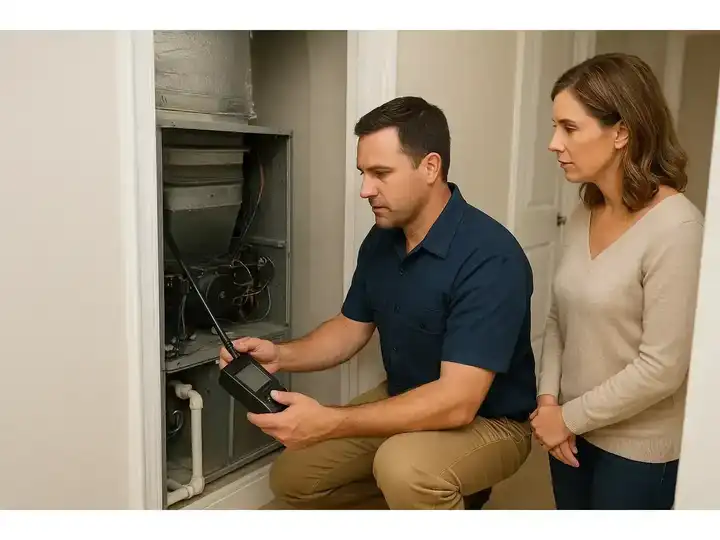
In Lynn Haven, indoor air quality is shaped by more than just what is happening inside the house. Gulf Coast humidity, long cooling seasons, pollen, and the way homes are built and sealed all play a role in how air feels and how it affects the people living there. That is why proactive indoor air quality testing in Lynn Haven, FL can be such a practical step for homeowners. It helps identify problems early, before they turn into persistent odors, allergy flare ups, or HVAC strain.
A Superior Mechanical provides indoor air quality testing in Lynn Haven, FL to help homeowners and businesses understand what is happening in their air. The goal is not to guess. It is to measure humidity, airflow, filtration, and possible contamination so the right fix can be recommended for the property and the conditions Bay County residents deal with every day.
Why Lynn Haven homes need a closer look at indoor air
Lynn Haven sits in a climate where heat and moisture are part of life for much of the year. That matters because warm, humid air can find its way into homes through small leaks, frequent door opening, attic connections, and poorly balanced HVAC systems. Once moisture gets trapped indoors, it can create a setting where musty odors, dust mites, mold growth, and poor comfort become more likely.
Many homes in the area also spend a lot of time closed up with the air conditioning running. That keeps temperatures manageable, but it can also recirculate particles if filtration is weak or if the system is not moving air evenly. In older homes, renovations, attic work, or changes in insulation can further affect ventilation. In newer homes, tighter construction can hold in pollutants if fresh air exchange is not addressed properly.
That is why local service matters. A team that works in Lynn Haven and across Bay County understands the climate, the common construction styles, and the kinds of issues homeowners usually notice first. A one size fits all approach rarely works here.
What proactive testing actually looks like
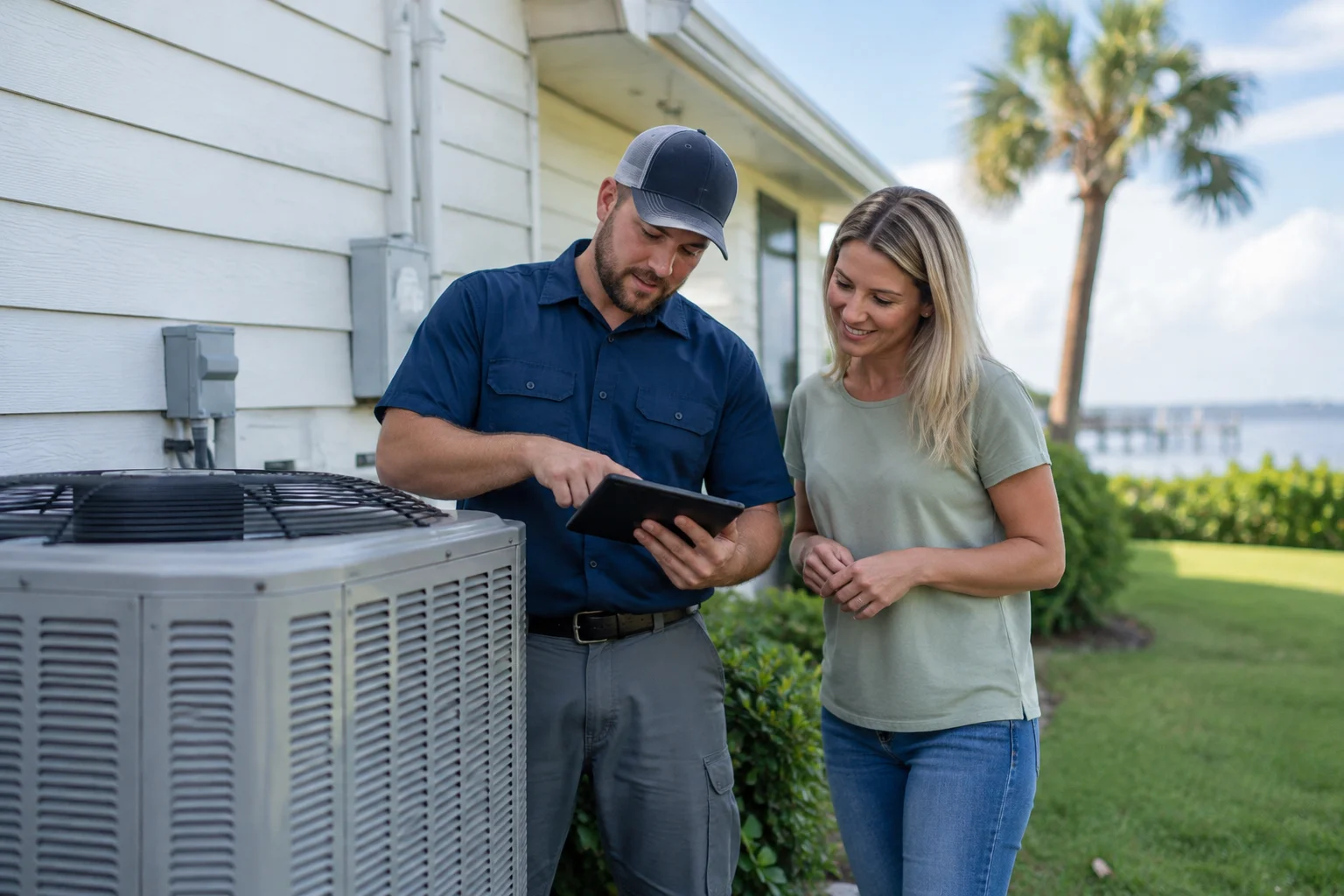
Proactive indoor air quality testing is a structured process, not a quick glance at a thermostat or a filter. It starts with understanding the symptoms the homeowner is noticing and how the home behaves throughout the day. Are odors stronger when the AC starts? Does one room feel damp or stuffy? Are allergies worse at night? Does the system seem to run constantly without making the home feel comfortable?
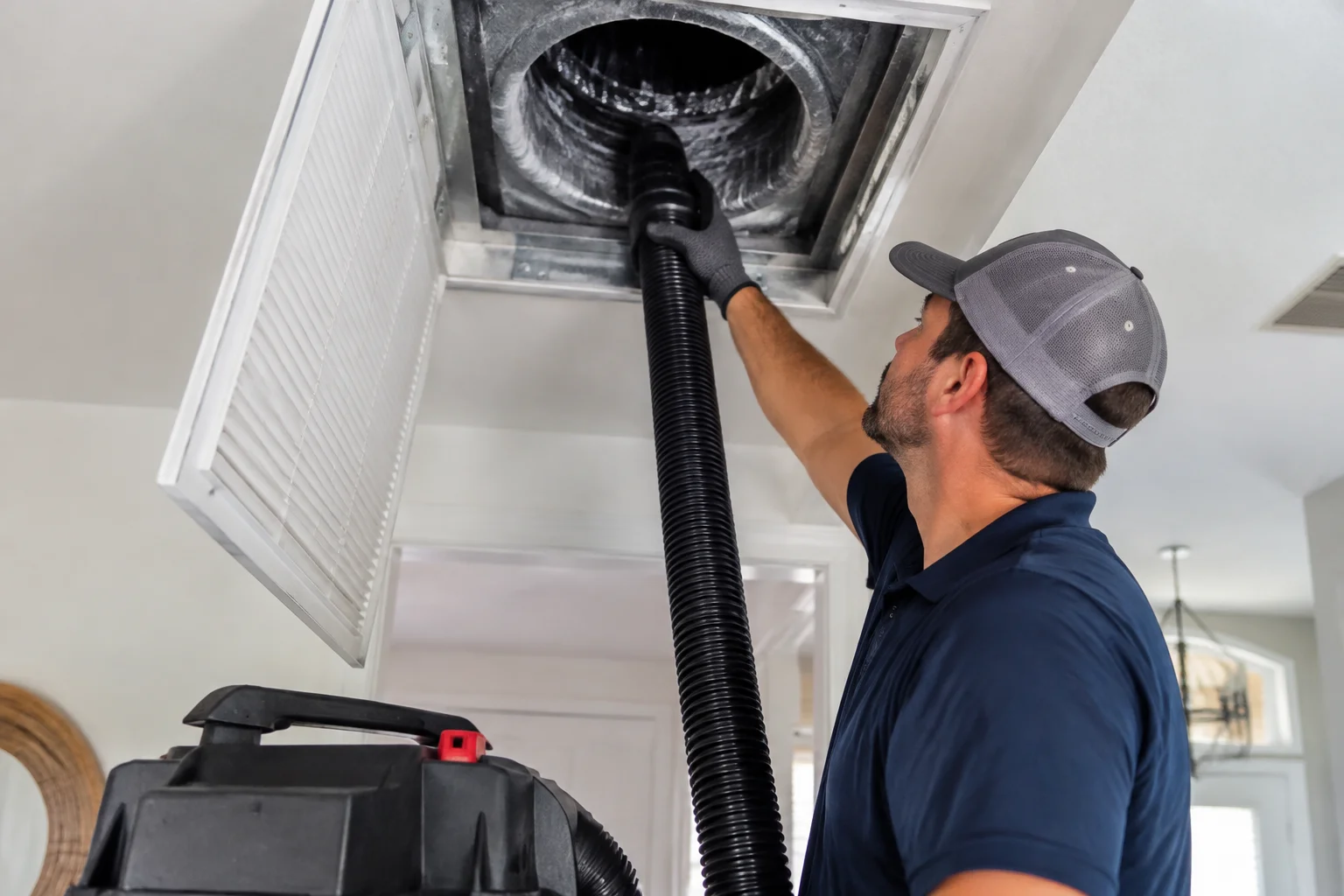
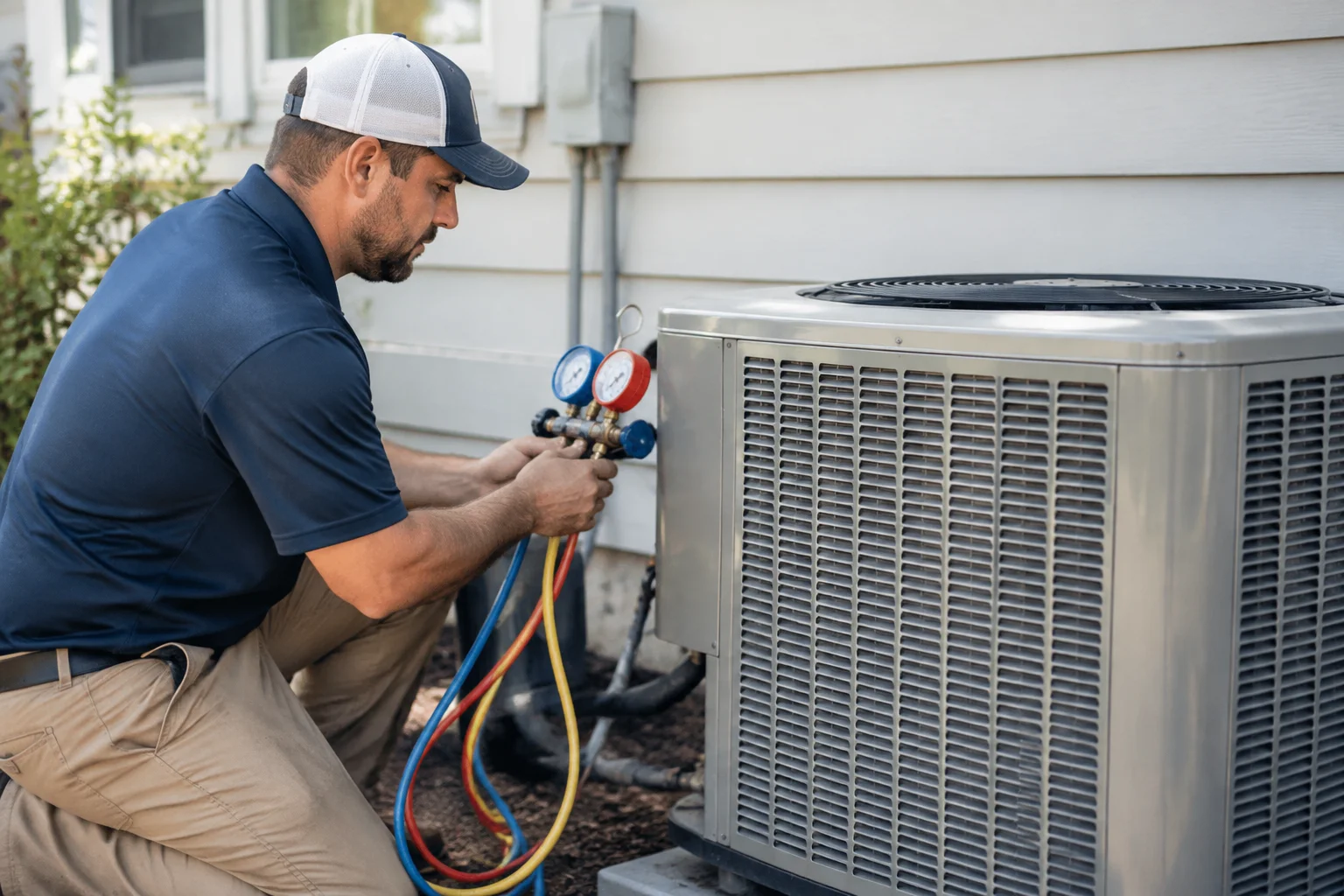
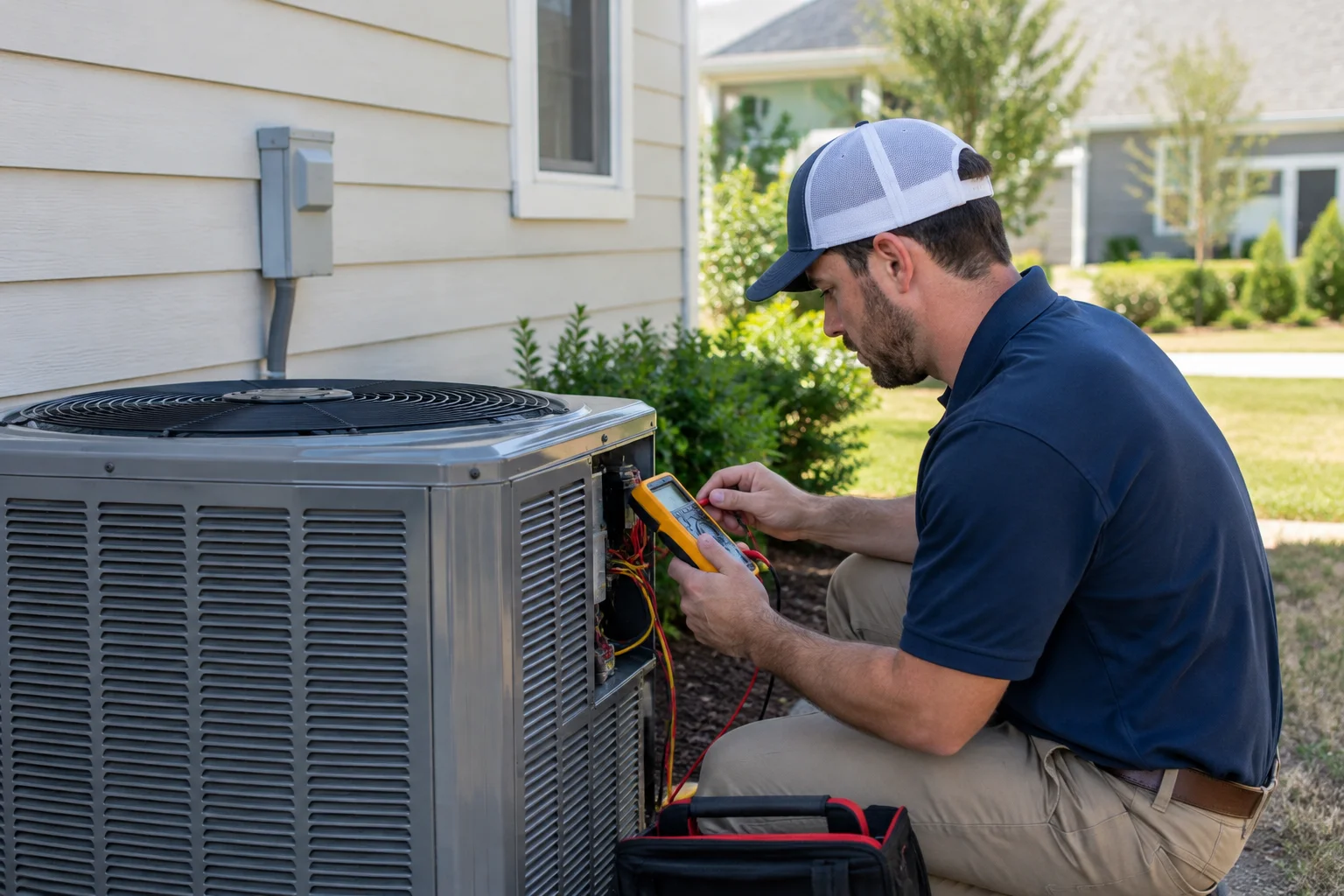
From there, a technician may evaluate humidity levels, temperature differences, airflow, and the condition of the HVAC system. Depending on the concern, testing may also include checking for elevated particulate levels, signs of biological growth, or evidence that the home is not ventilating properly. The point is to connect the complaint to a measurable cause.
This is especially helpful in homes where the problem is subtle. A homeowner may notice that the house feels sticky, the air smells stale, or dust builds up quickly, but the root cause is not obvious. Testing can show whether the issue is coming from excess humidity, a filtration gap, duct leakage, poor return air, or something else entirely.
Common signs that testing is worth doing
Homeowners often wait until a problem becomes disruptive, but indoor air quality issues usually give off smaller clues first. In Lynn Haven, those clues often include:
Persistent musty or stale odors that return after cleaning
Rooms that feel damp, muggy, or unevenly cooled
Frequent allergy symptoms indoors, especially when the AC runs
Visible dust buildup around vents, returns, or furniture
Condensation on windows or supply registers
HVAC systems that seem to short cycle, run too long, or struggle to keep up
Spikes in humidity after rain or during heavy summer weather
These are not always signs of a major failure, but they do suggest the indoor environment deserves a closer look. In a humid coastal climate, small issues can become bigger ones quickly.
What testing can reveal in a Gulf Coast home
Indoor air quality testing can uncover a wide range of issues that affect both comfort and system performance. One of the most common is excess humidity. If indoor moisture stays too high, the home can feel warmer than the thermostat says, and biological growth can become more likely in hidden spaces, closets, or ductwork.
Testing can also reveal poor airflow. When supply and return air are not balanced, some rooms may feel stagnant while others overcool. That can make the HVAC system work harder and leave air pollutants hanging around longer than they should.
Filtration problems are another common finding. A filter that is too restrictive, too basic, or not changed often enough can limit air movement or fail to capture fine particles. In homes with pets, heavy traffic in and out, or nearby construction, that can lead to more dust and irritation indoors.
Sometimes the issue is ventilation. A home may be sealed tightly enough to hold conditioned air, but not exchange enough indoor and outdoor air to dilute odors and pollutants. In other cases, a ventilation problem may be tied to kitchen exhaust, bath fans, attic pressure, or duct design.
Testing can also point to contamination sources that are not HVAC related at all. Water intrusion, plumbing leaks, crawl space moisture, or sewer gas concerns can all affect indoor air. If the issue turns out to involve drainage or waste line problems, a related service such as Sewer and Drain Services or Sewer Repair and Maintenance may be part of the solution. In homes where plumbing problems are contributing to moisture or odors, it helps to address the source rather than masking the symptom.
Why a proactive approach saves trouble later
Indoor air issues often grow slowly. A little extra humidity today can become mold growth later. A weak return air setup can turn into uneven cooling and higher energy use. A filter that is not right for the system can shorten equipment life or leave the house feeling dusty even when the AC is working.
Testing early can help homeowners avoid guesswork and unnecessary purchases. Instead of replacing equipment based on a hunch, they can make targeted improvements such as adjusting filtration, sealing duct leaks, improving ventilation, or controlling humidity. That usually means a better result and less wasted money.
It also helps protect HVAC performance. Air conditioners in Lynn Haven already work hard through long hot seasons. If the system is fighting excess moisture, poor airflow, or dirty indoor conditions, wear and tear can build faster. For homeowners who want to stay ahead of problems, pairing IAQ testing with routine maintenance can make a noticeable difference. Businesses can benefit from that same mindset, especially those that rely on stable comfort and clean air for employees and customers. For commercial properties, related reading like Commercial HVAC Maintenance in Lynn Haven, FL: The Small Problems That Turn Into Big Disruptions and Keeping Lynn Haven Commercial HVAC Systems Running Smoothly in a Gulf Coast Climate shows how small issues can affect larger systems over time.
How homeowners can reduce indoor air problems between tests
Testing is the best way to understand what is actually happening indoors, but there are a few habits that can help keep air quality in better shape between visits. The first is staying on top of HVAC filter changes. In a humid area like Lynn Haven, filters can load up faster than many homeowners expect, especially during peak cooling months.
It also helps to use exhaust fans during showers and cooking, and to make sure those fans vent properly. Bathrooms and kitchens are two of the biggest moisture and odor sources in the home. If fans are weak, noisy, or rarely used, indoor humidity can creep up.
Keeping an eye on drainage matters too. A clogged condensate line, a failing drain pan, or standing water near the air handler can create odors and moisture problems that show up as air quality complaints. If drainage issues are part of the picture, homeowners may need help beyond HVAC service alone. That is one reason local companies that handle both comfort and plumbing related concerns can be helpful. In some cases, a homeowner looking at indoor air quality may also need services like Water Heater Replacement if a failing unit is affecting indoor moisture, odors, or utility room conditions.
Another useful step is paying attention to rooms that stay closed off. Guest rooms, bonus rooms, and additions often have airflow issues because they were not designed with the same return air strategy as the rest of the house. If one room always feels different, that is worth noting during testing.
What local service should include
Good indoor air quality testing should give homeowners more than a vague report. It should explain what was measured, what the results mean, and which changes are most likely to improve the home. That might include humidity control, duct repairs, better filtration, airflow adjustments, or ventilation improvements. In some homes, the solution may be simple. In others, it may take a combination of steps to get the air where it should be.
Local service also matters because Lynn Haven homes face local realities. Summer humidity, storm season, coastal air, and long AC run times all affect what a technician should look for. A provider familiar with the area can better identify whether a problem is normal for the season or a sign of a deeper issue. That kind of context is hard to get from a remote or generic service approach.
For businesses, the same principle applies. Buildings with heavy foot traffic, shared air, and long operating hours can develop comfort and air quality issues that affect productivity and customer experience. Commercial properties often benefit from coordinated HVAC care, including Commercial HVAC Maintenance, especially when the building is trying to stay comfortable through a Gulf Coast climate. Business owners who want a broader look at the long game can also find helpful guidance in A Smarter Way to Handle Commercial HVAC Repair in Lynn Haven, FL and A Smarter Way to Pay for HVAC Upgrades in Lynn Haven.
Why homeowners choose testing before they replace equipment
It is easy to assume that indoor discomfort means the HVAC system is failing. Sometimes that is true. But in many homes, the real issue is air quality, not equipment size or age. A system can be mechanically sound and still leave the house feeling sticky, dusty, or stale if the humidity control, airflow, or ventilation is off.
That is why testing is such a smart first step. It helps homeowners avoid buying a larger system, a new thermostat, or a pile of accessories that do not address the actual problem. It also creates a baseline. If changes are made later, the homeowner can compare results and see whether the indoor environment truly improved.
For Lynn Haven residents, that can mean better comfort through long summers, fewer odor complaints after storms, and a healthier environment for children, older adults, and anyone sensitive to humidity or allergens. Proactive testing is not just about solving today’s issue. It is about making the home easier to live in year round.
If you are noticing persistent odors, stubborn humidity, or indoor air that never quite feels clean, indoor air quality testing in Lynn Haven, FL can help identify what is happening and what to do next. A Superior Mechanical serves homeowners and businesses across the area with practical solutions that fit local conditions and real household needs.
Find Indoor Air Quality Testing in Lynn Haven, FL
If you need Indoor Air Quality Testing in Lynn Haven, FL, visit our local service page or contact A Superior Mechanical today.
Map of Lynn Haven, FL
Frequently Asked Questions
How often should indoor air quality testing be done in Lynn Haven?
Many homeowners schedule testing when they notice odors, humidity, or allergy issues, but it can also be helpful after water intrusion, renovations, or HVAC changes. In a humid Gulf Coast climate, periodic testing is a smart way to catch problems early.
Can indoor air quality testing find mold problems?
Testing can identify conditions that support mold growth, such as high humidity, poor airflow, or moisture intrusion. If there are visible signs or strong musty odors, testing can help narrow down the source and guide next steps.
What indoor air quality issues are most common in Bay County homes?
Humidity, dust, pollen, stale air, and moisture related odors are common in Bay County. Homes near the coast or homes with weak ventilation can also have issues with condensation and uneven cooling.
Is indoor air quality testing useful for commercial buildings too?
Yes. Offices, retail spaces, and other commercial buildings can develop airflow, humidity, and filtration problems that affect comfort and equipment performance. Testing helps identify issues before they interrupt business operations.
Related Articles
Photo Gallery