Grayton Beach homeowners know the rhythm of coastal life: salt air, busy kitchens, beach showers, and the constant need for dependable home systems. Water quality plays into that every day, from the taste of drinking water and coffee to the way soap rinses off in the shower. If you are dealing with hard water, you may already see the effects on glass, dishes, and fixtures. Planning ahead for a reverse osmosis (RO) system can reduce those headaches by pairing the right equipment with the right maintenance schedule.
This guide is designed for Walton County homes and vacation rentals, where water use can spike during peak seasons. It covers what to address before installation, how to think about hard water treatment, and how to keep your RO system running for cleaner, better tasting drinking water.
Start with what Grayton Beach water is doing to your home
Even when your water looks “fine,” hard water and water chemistry can show up in small, annoying ways. In Grayton Beach, many households notice scale and taste issues that become more obvious over time.
Everyday signs that hard water is getting the upper hand
Look for these clues in your kitchen and bathrooms:
- Hard water spots on glass, dishes, and shower doors, especially after the water dries
- Scale buildup around faucets, showerheads, and plumbing, including reduced water flow over time
- Dry skin or dull hair after bathing, even when you use your usual shampoo and soap
- Metallic, chlorinated, or unpleasant taste in drinking water, plus a chlorine taste in water that lingers in coffee and cooking
- Cloudy ice cubes, which often point to dissolved minerals and filtration gaps
- Poor tasting coffee and cooking water when compared to bottled water
- Soap that does not lather or rinse well, leaving residue in sinks and tubs
- Visible sediment, discoloration, and odor concerns that show up in certain fixtures or at certain times
- Appliances wearing out faster, including water heaters, dishwashers, and coffee makers
When these issues are already showing up, RO can help with taste and drinking water quality, but it still works best when you plan for the mineral side of the problem.
Why planning ahead matters for reverse osmosis systems
A reverse osmosis system is a precision water filtration process. It pushes water through a semi-permeable membrane to remove a wide range of dissolved solids. The system can deliver better water for drinking and cooking, but hard water minerals can also create extra stress on components if you do not address them early.
Planning ahead means you do not just install an RO drinking water system and hope for the best. You build a whole water treatment approach that fits your household and your water chemistry.
What happens when hard water meets RO
Hard water contains minerals like calcium and magnesium. Over time, those minerals can contribute to scale. On RO systems, scale can reduce membrane performance, raise maintenance needs, and lead to inconsistent results. That can show up as:
- Water that does not taste as clean or as consistent as expected
- More frequent filter changes than you planned for
- Reduced flow to the RO faucet
- Cloudiness or unexpected changes in ice
By planning for hard water treatment alongside RO, you help protect the RO membrane and keep filtered water for coffee and cooking tasting its best.
Design the system for your lifestyle: kitchens, baths, laundry, and rentals
Grayton Beach homes tend to be busy. Families come back from the beach, kids rinse off sand, and the kitchen becomes the center of the day. Vacation rentals also bring heavy, changing water demand. Your RO planning should reflect how your water is actually used.
Think beyond the RO faucet
Many homeowners start with the question, “Where will the RO water go?” That matters, but it also helps to think about how your whole routine interacts with water quality:
- Kitchen scenes: more cooking water, more coffee, more ice. Better water for drinking and cooking can improve flavor and reduce that metallic or chlorinated taste.
- Bath and showers: dry skin from hard water can be frustrating. While RO primarily supports drinking water, protecting the broader system through hard water treatment can help reduce scale and improve rinse feel.
- Dishwashing: hard water spots on dishes are often a sign your dishwasher is working harder than it should. Better water chemistry can help.
- Laundry: mineral buildup can make towels feel less fresh and can dull colors over time.
- Appliances: scale contributes to wear. When hard water treatment becomes part of protecting fixtures and appliances, you can stretch service intervals.
Planning ahead also means choosing the right capacity and schedule for your peak use. A system that works well for one household member may not keep up during summer guest stays.
Choose the right pre-treatment before RO installation
For most homes, the RO system is only one piece of the puzzle. The pre-treatment stages often determine whether your RO system runs smoothly.
Prefilters that prevent sediment and protect the membrane
If you have visible sediment, discoloration, or odor concerns, prefiltration is essential. Sediment can clog RO components and reduce performance. A properly planned RO drinking water system typically includes sediment filtration and other steps that keep the membrane cleaner.
Hard water and RO: consider water softening and whole home filtration
When hard water is producing scale buildup around faucets, showerheads, and plumbing, you may need additional treatment beyond RO.
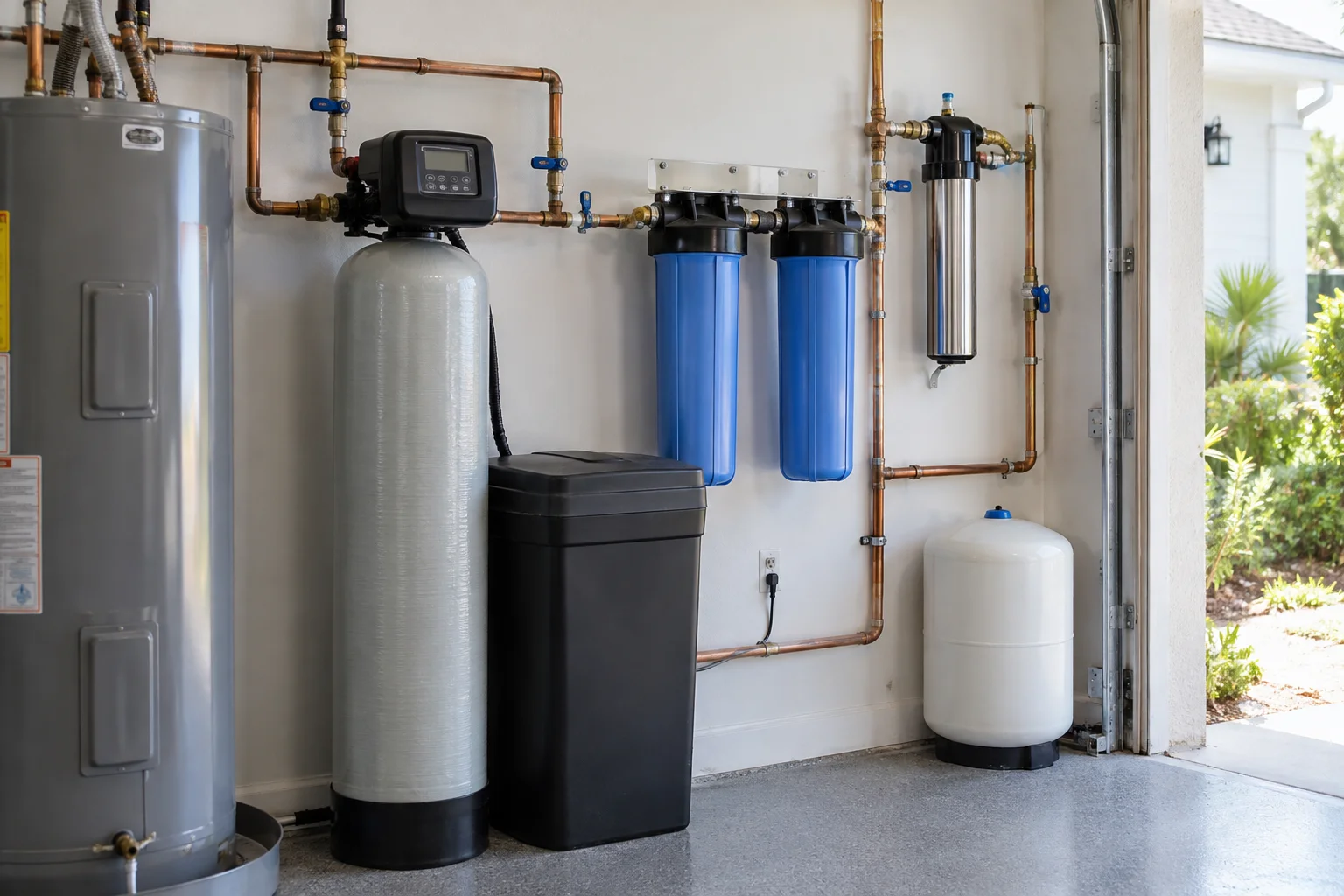
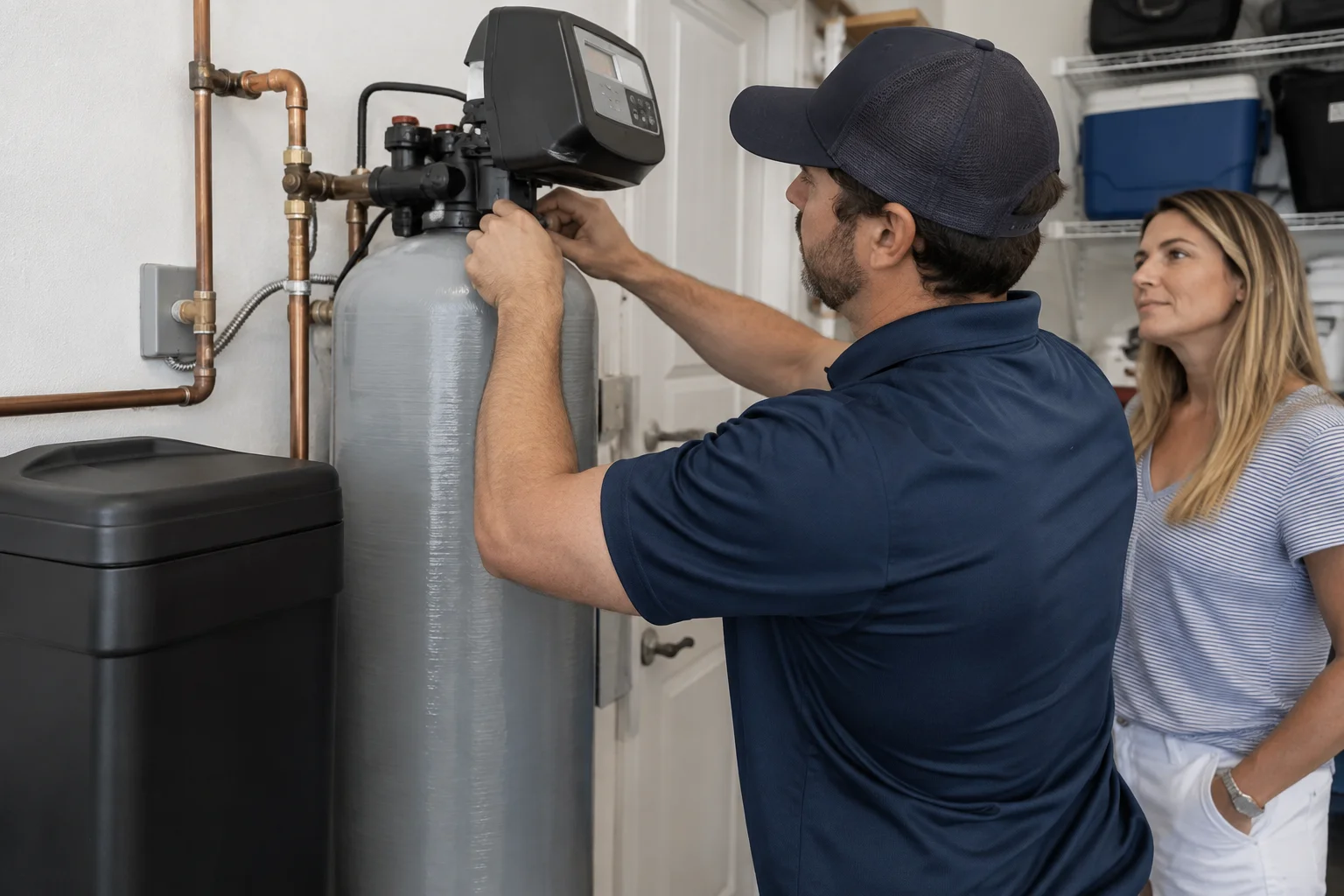
- Water softening helps reduce scale formation by addressing hardness minerals. Many homeowners consider an AO Smith water softener as part of an overall plan.
- Whole home water filtration can improve water consistency for bathing, laundry, and appliances by reducing sediment and other contaminants before they reach fixtures.
- Whole home clean water systems can reduce the “mystery” issues that show up across the house, like cloudy ice cubes and soap residue.
This is where planning ahead pays off. You can target RO for drinking water and combine it with water softening and whole home water filtration so the rest of the plumbing is not fighting the same mineral battle.
Plan your maintenance schedule like part of home ownership
RO systems are not “set it and forget it.” Filters and membranes have service lives, and coastal conditions can accelerate wear if the system is not maintained. Planning ahead keeps your drinking water tasting great and reduces surprises.
Know what needs replacing and why
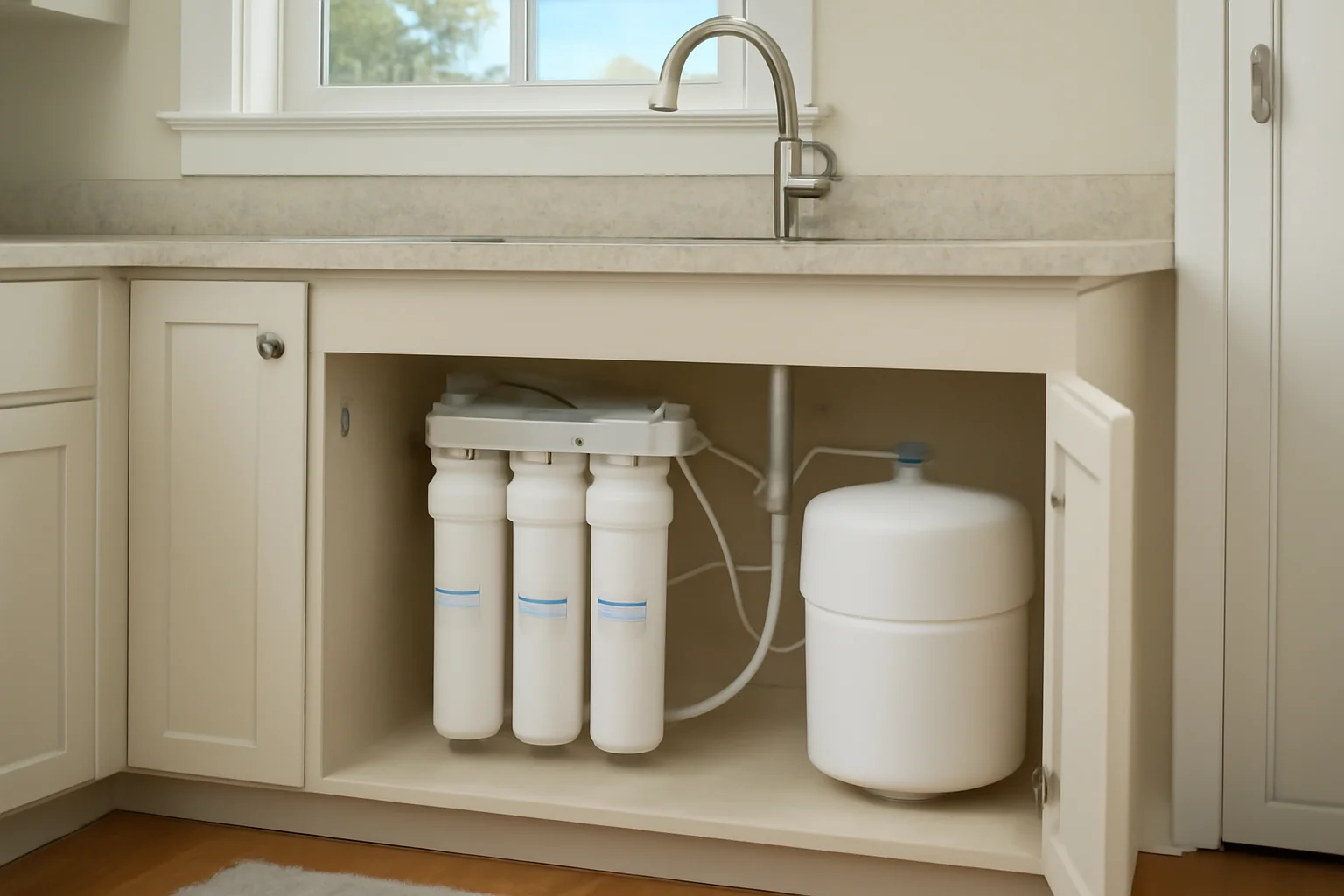
Most RO setups include stages such as:
- Sediment and carbon prefilters to protect the membrane and improve taste
- RO membrane for dissolved solids reduction
- Post-filters to polish taste and odor
- Sanitization at intervals based on use and water conditions
In Grayton Beach, where homeowners may also face seasonal changes in water use, maintenance timing matters. A vacation rental that runs heavy during spring break may need a different schedule than a year-round home.
Track performance indicators
Instead of waiting for problems, plan for simple checks:
- Does drinking water taste consistent, or does metallic or chlorinated taste return?
- Are ice cubes becoming cloudy again?
- Do you notice slower flow from the RO faucet?
- Is there any sign of odor concerns returning in kitchen water?
If you notice changes, it is often a sign filters are due or pre-treatment needs attention.
Get the water testing right so your system matches your water
Planning ahead starts with knowing what you are working with. Water chemistry affects everything: prefilter selection, whether you need water softening, and how the RO system is tuned for your home.
What a good assessment should include
Ask about testing that covers:
- Hardness levels that contribute to scale buildup around faucets and showerheads
- Contaminants that affect taste and odor, including chlorine taste in water
- Sediment indicators related to visible sediment or discoloration
- General water quality parameters that influence RO performance
When you are aiming for better tasting drinking water and clean water systems, testing helps you avoid overbuying or under-building.
Plan installation details that keep the system serviceable
Even a well-designed RO system can underperform if it is installed without service access in mind. For homeowners, the “small stuff” becomes important once filters need changes.
Where the system goes and how it is maintained
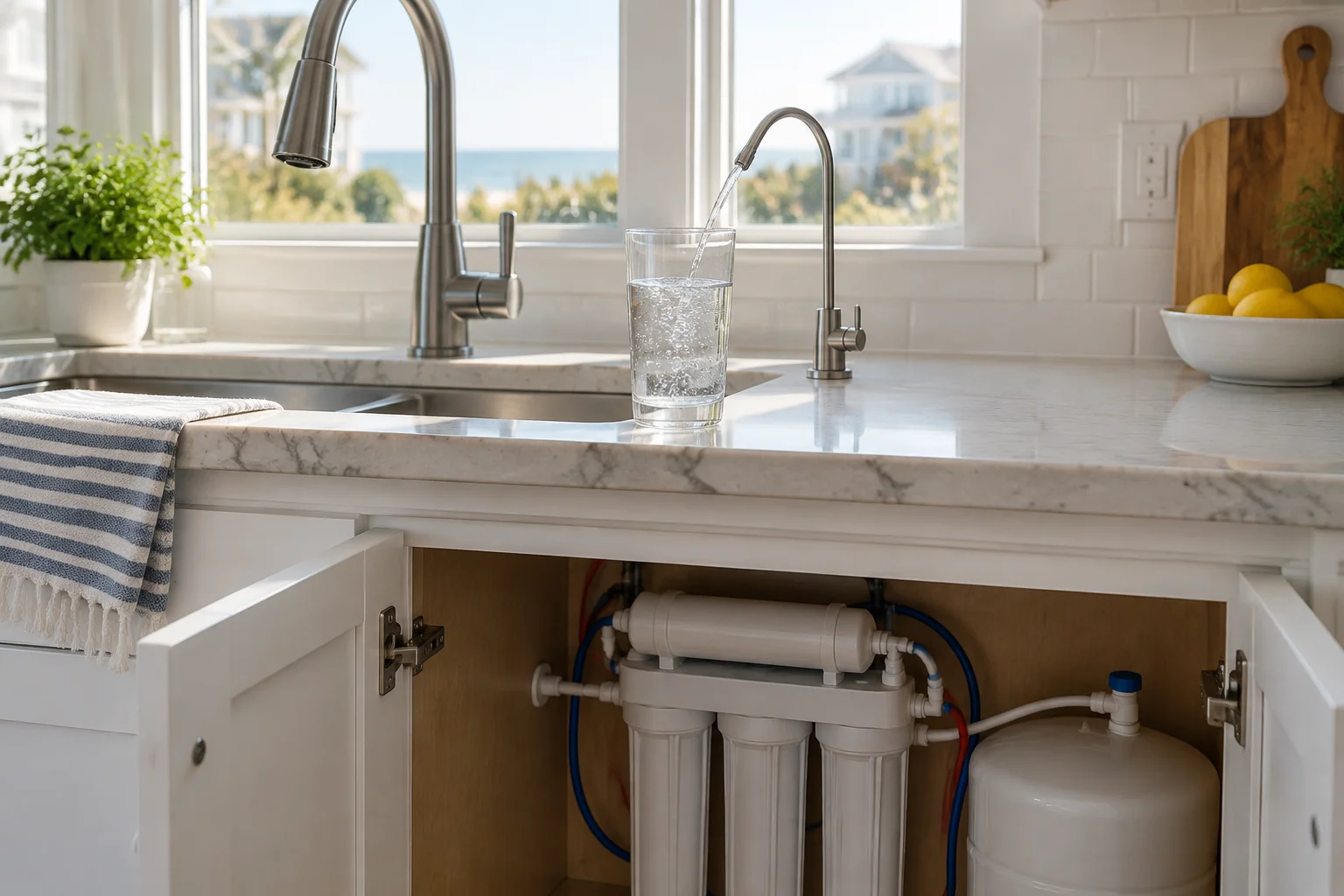
Most RO systems are installed under a kitchen sink or near the point of use. Planning ahead helps ensure:
- There is enough space to replace filters without removing cabinetry
- Drain connections are correct so the system operates safely
- Shutoff valves are accessible for routine service
- Lines are routed to reduce kinks or stress
For families, that means you are not disrupting daily routines when maintenance is due. For rentals, it means shorter downtime between guest stays.
Set up a whole home strategy for fewer hard water headaches
If you only address drinking water, you may still see hard water spots on glass, scale buildup around showerheads, and dry skin or dull hair after bathing. A better plan coordinates RO with hard water treatment and, when needed, whole home water filtration.
How RO and water softening work together
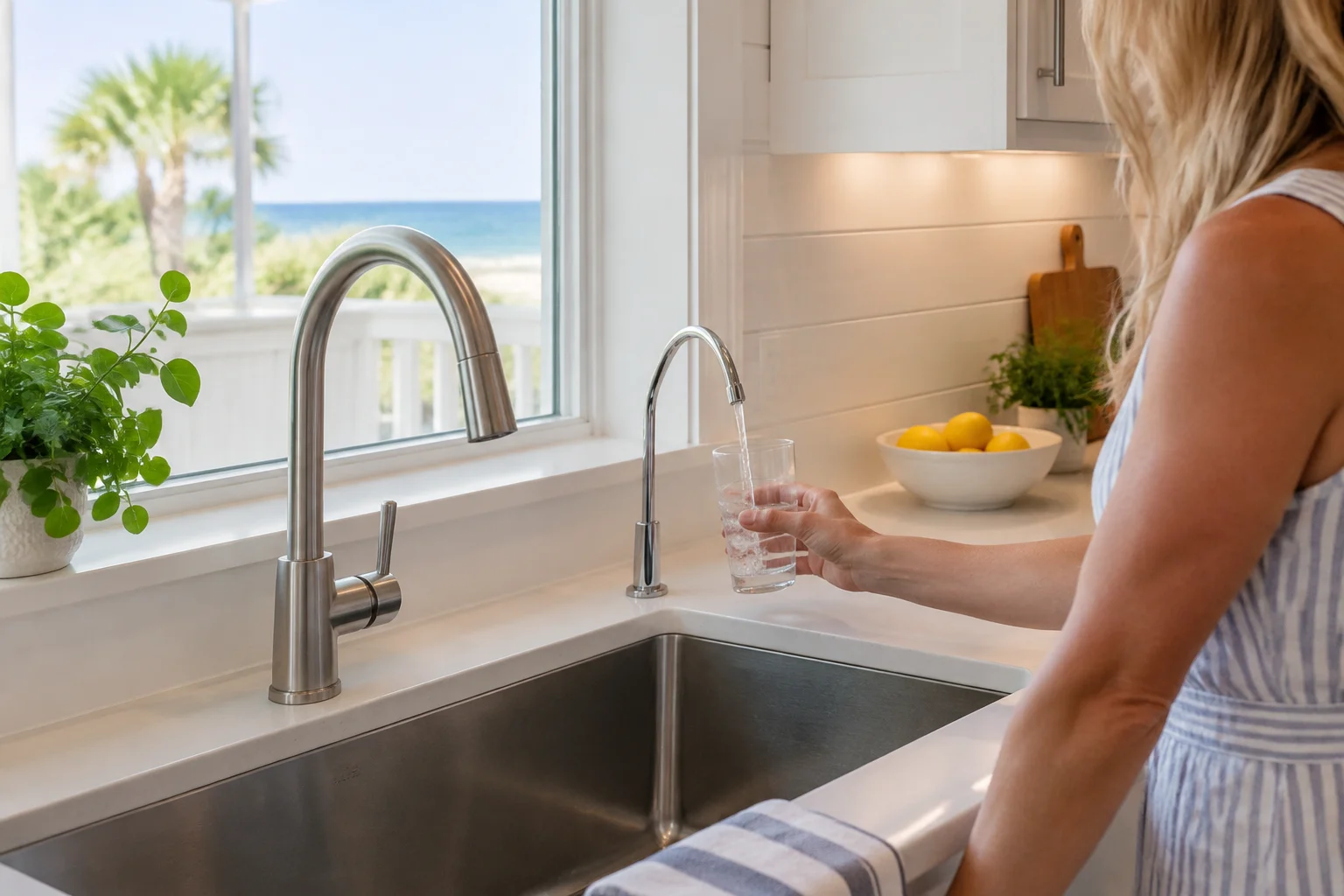
RO focuses on drinking water and kitchen use, delivering an RO drinking water system that can improve taste and support clean water for drinking water filter needs at the sink. Water softening reduces hardness-related scale throughout the home. Together, they can help with:
- Less scale buildup around faucets and plumbing
- Soap that lathers and rinses better
- More consistent performance from appliances exposed to mineral water
- Cleaner, clearer ice cubes and better tasting coffee and cooking water
Many homeowners also explore whole home water filtration to reduce sediment and improve water consistency across bathrooms and laundry.
Seasonal realities in Walton County: plan for changes in demand
Grayton Beach is coastal, and that means homes often experience seasonal swings. Summer and holiday periods can bring higher hot water demand, more showering, and heavy kitchen use. Even if your water source stays the same, your system is working harder.
That is why planning ahead is not only about what you install, but also about when you service it. A reverse osmosis system near me search often makes sense when you want fast help, but the best results come from proactive scheduling before peak use.
When to call a professional for RO planning and service
Some homeowners try to troubleshoot RO issues on their own. That can work for very minor problems, but water treatment is a safety and performance matter. Call a professional when you are seeing any of the following:
- Your drinking water taste changes, including metallic or chlorinated taste in water
- You notice cloudy ice cubes or a sudden decline in water clarity
- Your RO faucet flow slows significantly
- You see visible sediment or discoloration concerns returning
- You are seeing ongoing hard water spots on glass and scale buildup despite cleaning
- You suspect your system needs a sanitation or filter reset
If you are also dealing with dry skin from hard water, planning for an AO Smith water softener or whole home water filtration alongside RO may be the faster path to relief.
Where to start in Grayton Beach
If you are planning reverse osmosis system installation and want to reduce hard water headaches from day one, start by reviewing the service options for your area. You can read more about reverse osmosis systems in Grayton Beach, FL and how A Superior Mechanical approaches clean water systems for local homes, rentals, and businesses.
For homeowners also exploring whole home solutions, browse water filtration, RO, and water softeners to compare approaches that target both drinking water and scale prevention. If you want broader context on local service coverage, visit Grayton Beach service areas and Walton County.
For more reading that connects water treatment to everyday life, check Cleaner Everyday Water Starts With Reverse Osmosis Systems in Grayton Beach, FL and How Reverse Osmosis Systems Fit Into Life in Grayton Beach, FL. If you are also dealing with plumbing issues tied to mineral buildup, these guides may help: A Homeowner’s Guide to Plumbing Repair in Grayton Beach and Keeping Grayton Beach Plumbing Ahead of the Next Emergency.
Find Reverse Osmosis Systems in Grayton Beach, FL
If you need Reverse Osmosis Systems in Grayton Beach, FL, visit our local service page or contact A Superior Mechanical today.
For a broader look at whole-home water filtration, reverse osmosis, and water softener options, visit our water filtration, RO, and water softener page.
Map of Grayton Beach, FL
Frequently Asked Questions
Will a reverse osmosis system fix hard water spots on glass and scale on faucets?
RO can improve drinking water taste and clarity, but it does not usually stop hard water scale throughout the whole house. Hard water scale buildup around faucets, showerheads, and plumbing is typically addressed with hard water treatment such as water softening and, in some cases, whole home water filtration. Pairing RO with an AO Smith water softener or whole home filtration often reduces the full set of headaches.
How often do reverse osmosis filters need to be changed in Grayton Beach?
Filter schedules depend on your water chemistry, sediment levels, and household usage. Homes with visible sediment, odor concerns, or strong hardness typically need more frequent prefilter changes to protect the RO membrane. A technician can set a maintenance plan based on testing and real performance, especially helpful for vacation rentals with seasonal peaks.
Why do my ice cubes look cloudy even after I run the kitchen tap?
Cloudy ice cubes often happen when minerals and dissolved solids are forming air bubbles or when water has taste or filtration issues. RO drinking water systems can improve the clarity and taste of water used for ice. If cloudiness returns quickly, it can be a sign pre-treatment or filter replacement is due.
Do I need whole home water filtration if I already install RO for drinking water?
Not every home needs whole home filtration, but many do when they also have soap that does not lather well, dry skin from hard water, and scale buildup around fixtures. Whole home filtration can help reduce sediment and improve water consistency for bathing, laundry, and appliances, while RO focuses on better tasting drinking water for cooking and coffee.
What is the best way to plan for a reverse osmosis system installation before problems start?
Plan around water testing, pre-treatment, and a maintenance schedule. Address hardness and sediment first, then design an RO setup for your point of use. For many Grayton Beach households, coordinating RO with water softening and whole home water filtration helps protect fixtures and appliances, reduce unpleasant taste, and keep your RO system performing reliably.
Related Articles
Photo Gallery