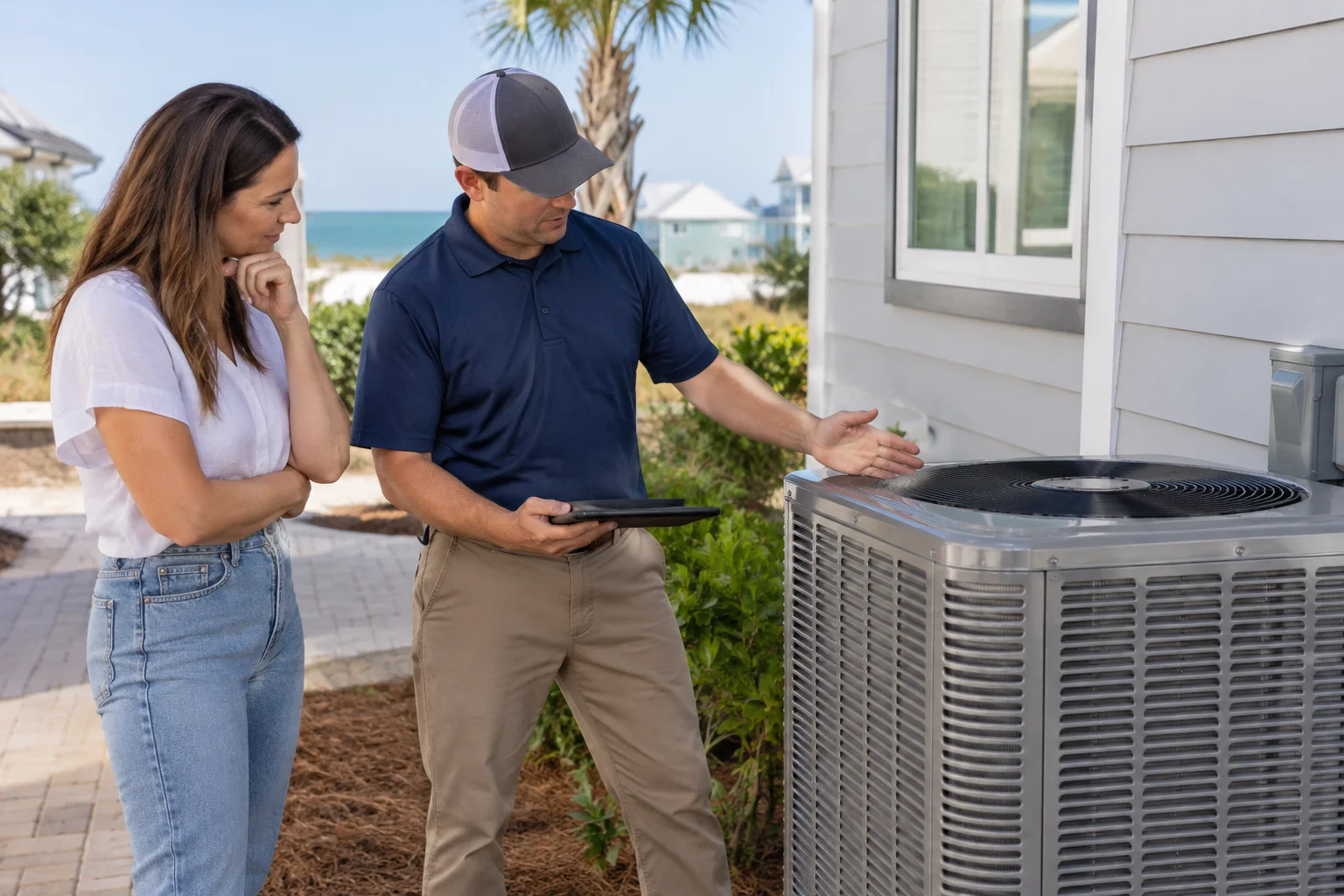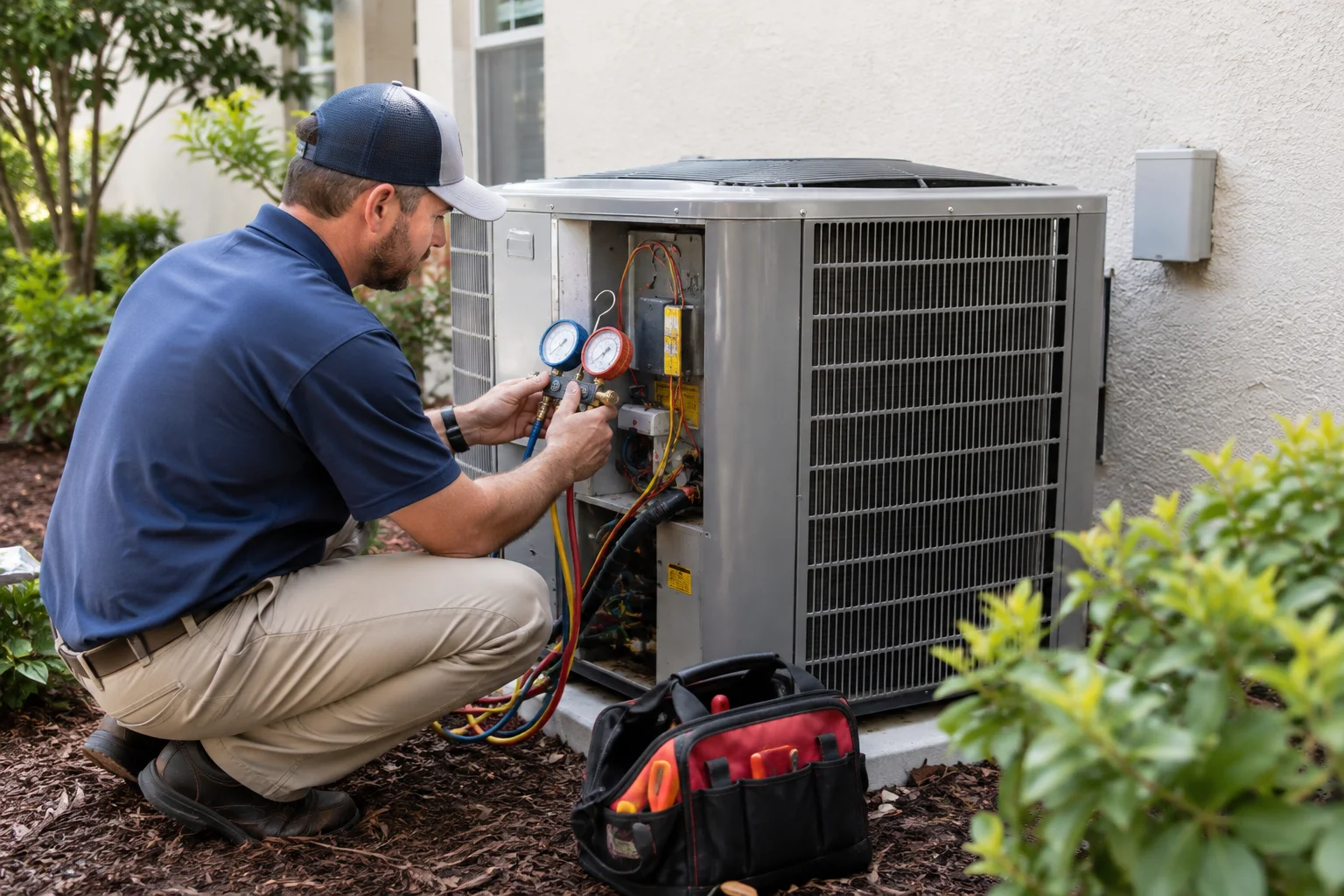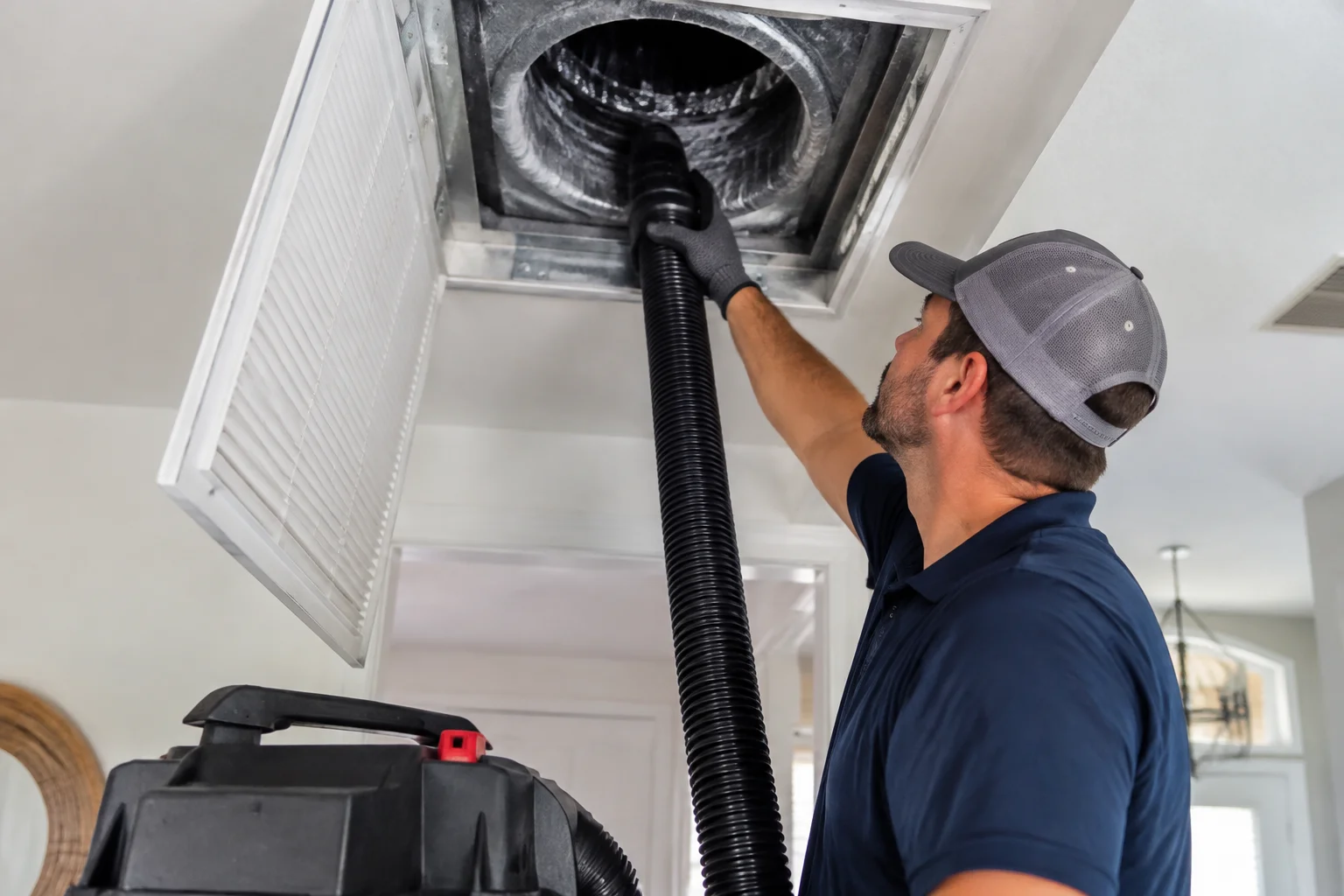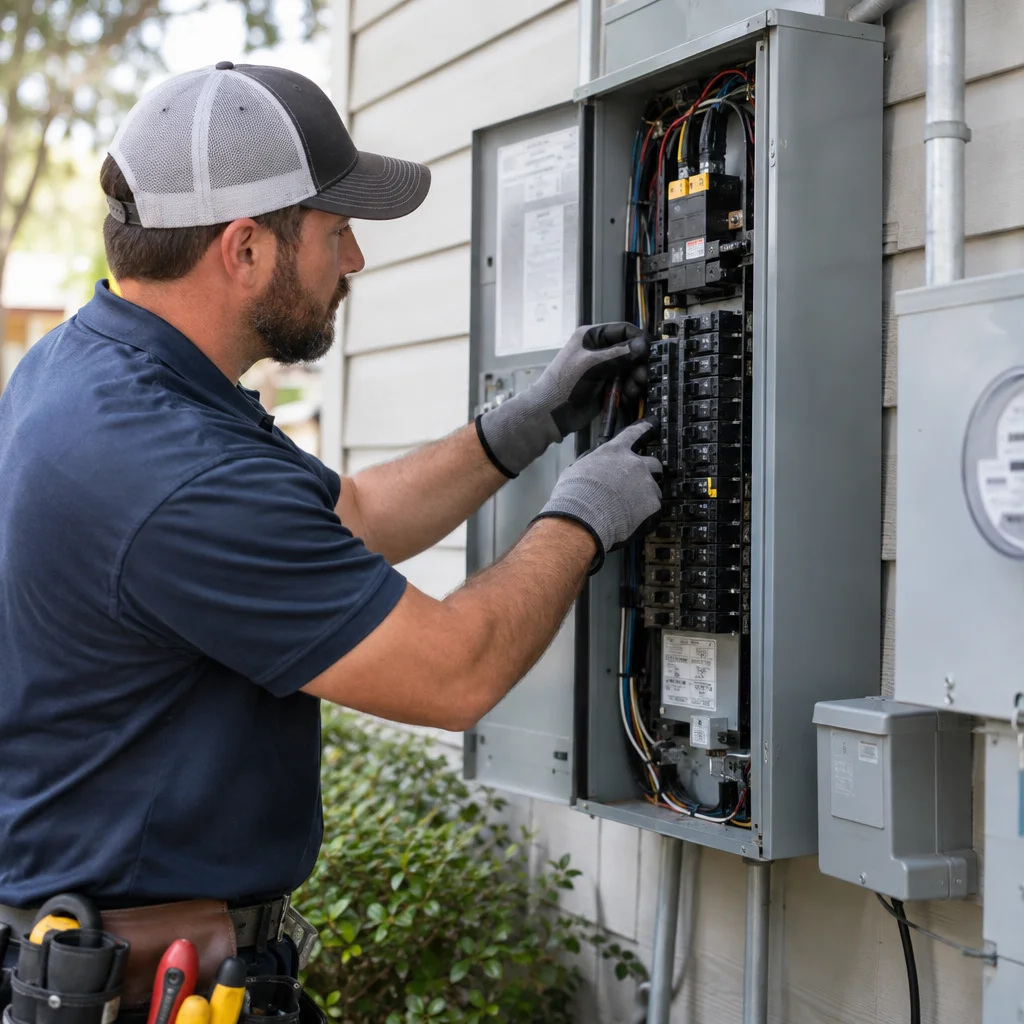
Smart thermostats can make it easier to manage comfort when you are away, adjust schedules, and keep heating and cooling running smoothly. But in Bid-A-Wee, FL, the HVAC system behind the thermostat lives a tough life. Florida heat, high humidity, salt air near the coast, and long cooling seasons all contribute to normal wear and tear that can show up as thermostat glitches, comfort swings, or unexpected energy use.
Why smart thermostats feel the effects of HVAC wear and tear
A smart thermostat does not cool or heat by itself. It relies on the HVAC system to deliver the right temperature at the right time. When the furnace, air conditioner, heat pump, blower, ductwork, or refrigerant system starts to drift out of peak condition, the thermostat may still be “correct” in its settings, but the system cannot respond the way it should.
That is when homeowners notice symptoms like:
- Schedules that used to work now causing rooms to run too hot or too cold.
- Frequent cycling, longer run times, or the system not reaching setpoints.
- Wi-Fi or app notifications tied to heating and cooling performance.
- Temperature readings that seem off compared to what you feel on the thermostat location.
- Inconsistent airflow from vents, which can make the thermostat appear “wrong.”
In Bid-A-Wee homes, these issues are often tied to airflow, condensate drainage, ductwork leakage, aging outdoor units, or refrigerant system strain. Salt air and coastal exposure can also accelerate corrosion on outdoor components, which can quietly affect performance over time.
Florida heat and humidity stress the cooling system, then the thermostat
Humidity and condensate drainage problems
Air conditioning is not only about temperature. It also manages humidity. When humidity is high, the evaporator coil works harder, and condensate drainage becomes more important. If condensate drainage is restricted, the system can struggle to remove moisture effectively.
Homeowners may see symptoms that connect to smart thermostat behavior, such as:
- Cooling cycles that do not feel as effective, even though the thermostat indicates cooling is running.
- Musty odors or damp air, which can make the house feel hotter than the thermostat reading.
- Short cycling or repeated starts as the system tries to stabilize.
Smart thermostats may also respond to the environment by changing blower or fan behavior. If the HVAC system cannot dehumidify properly, comfort can remain uneven, and the thermostat may keep calling for cooling longer than expected.
Refrigerant system strain and performance drift
Wear and tear in the refrigerant system can affect how efficiently heat is moved. Over time, components can degrade, and the system can lose performance. The thermostat then has to “work harder” to reach the setpoint, which can increase energy use and create a cycle of longer run times and more frequent adjustments.
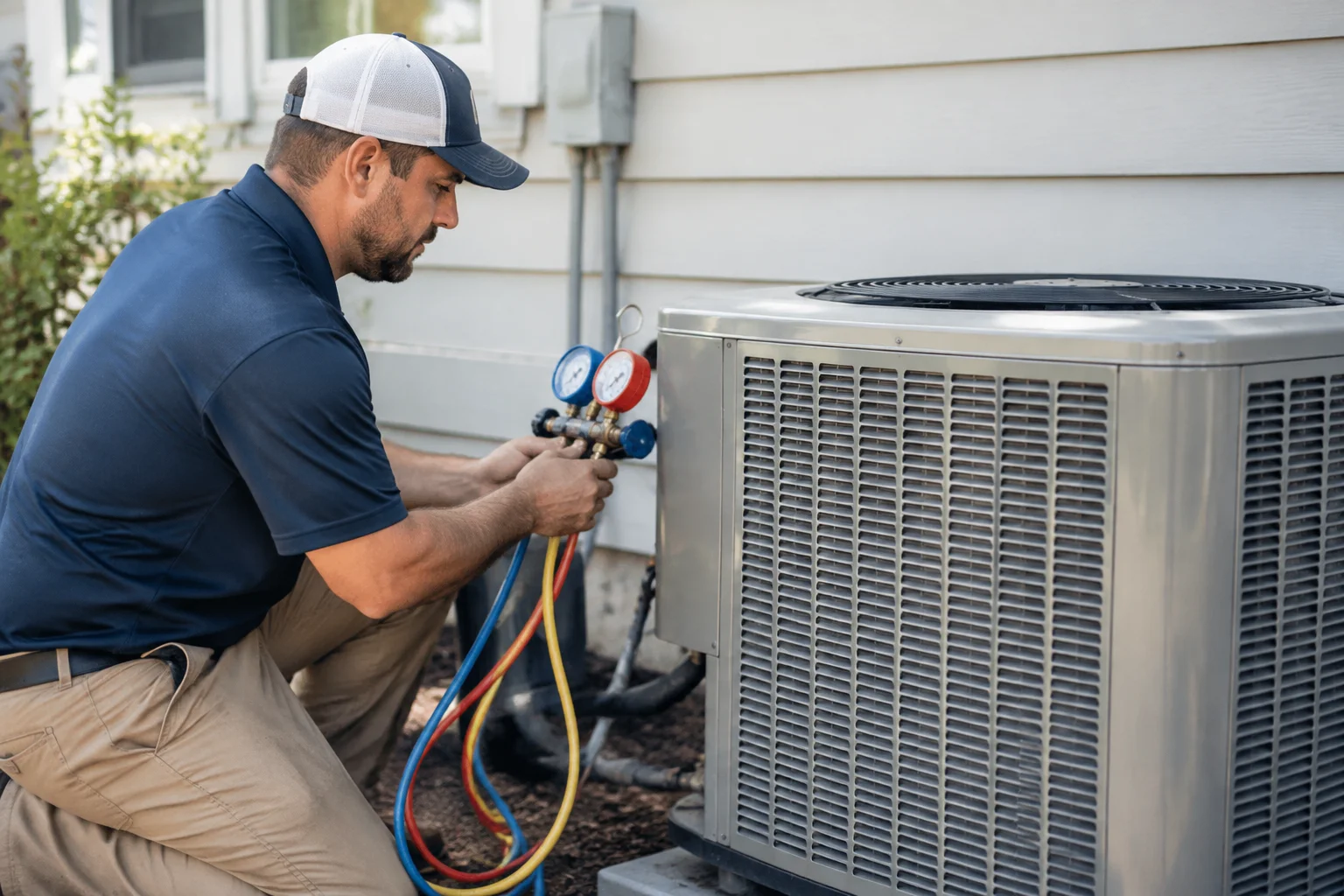
It is important to note that refrigerant issues require an in-person professional evaluation. A thermostat cannot confirm refrigerant conditions, and guessing can lead to delays. If you suspect refrigerant system problems, an HVAC company near me can inspect the system, verify airflow, and assess cooling performance before recommending any next steps.
Airflow problems make smart thermostats look inaccurate
Smart thermostats measure temperature, but they cannot fix poor airflow. In many Bid-A-Wee homes, the HVAC system must push conditioned air through ductwork that may be aging, leaky, or poorly balanced. When airflow is restricted, the temperature at the thermostat location can change slowly, and the system may never reach setpoints as expected.
Common airflow-related causes include:
- Dirty air filters that reduce airflow and make the blower work harder.
- Build-up on indoor coil surfaces that reduces heat transfer.
- Blocked returns or supply vents, sometimes caused by furniture placement or seasonal storage.
- Leaky or poorly insulated ductwork that loses air before it reaches the rooms.
- Blower motor wear that changes fan speed or airflow patterns.
When airflow is inconsistent, smart thermostat temperature readings can be misleading. For example, a thermostat may be set to a comfortable temperature, but rooms at the far end of the house may lag behind. That can lead to repeated adjustments, unnecessary energy use, and frustration.
If you are searching for air conditioning inspection near me or HVAC maintenance near me, ask about airflow verification and ductwork condition during your visit. Those checks help ensure your smart thermostat is controlling an HVAC system that can actually deliver the comfort it promises.
Wear on outdoor and indoor components can trigger thermostat “behavior” issues
Outdoor unit aging and salt air corrosion
Bid-A-Wee is in Bay County, where many homes experience salt air exposure depending on proximity to the coast. Salt air can accelerate corrosion on outdoor unit components. Over time, corrosion can contribute to reduced performance, noisier operation, or parts that do not respond as quickly.
Smart thermostats may then show:
- Longer cooling or heating cycles to reach setpoints.
- More frequent on-off behavior as the system tries to stabilize.
- Comfort complaints even when the thermostat schedule seems correct.
These are not always “thermostat problems.” Often, the thermostat is reacting to a system that is struggling.
Indoor coil and blower wear
Indoor components like the evaporator coil, blower, and condensate drainage pathways take repeated cycles of cooling and heating. Dust, humidity, and normal aging can cause gradual decline. When the coil is dirty or airflow is restricted, the thermostat may keep requesting operation longer to overcome the reduced capacity.
If you see a pattern of the system running longer than usual, it is a strong reason to schedule professional HVAC service. That is also the type of issue homeowners can miss when they only look at thermostat settings.
Thermostat wiring and HVAC control compatibility matter
Smart thermostat performance depends on proper wiring and correct compatibility with your HVAC controls. Even if the thermostat itself is new, wear and tear in the HVAC control wiring, loose connections, or changes in system operation can create confusing results.
For example, if the HVAC system has intermittent control signals due to a loose connection or worn control board components, a smart thermostat may:
- Show incorrect mode status (cooling vs. heating).
- Cycle the system more than expected.
- Trigger alerts or require frequent app re-checks.
Professional thermostat installation and HVAC controls service matters here. A technician can confirm thermostat wiring, verify that the system is responding correctly, and ensure the smart thermostat is configured for your equipment type and control setup.
If you are considering upgrades, explore smart thermostats in Bid-A-Wee for local installation and configuration guidance.
How ductwork and indoor air quality affect comfort and thermostat readings
Smart thermostats are often purchased to improve comfort and reduce energy waste. In Bid-A-Wee, comfort is tightly linked to indoor air quality and airflow distribution. If ductwork is poorly sealed or the system is not delivering air evenly, rooms can feel uncomfortable regardless of thermostat settings.
Indoor air quality can also influence how “hot” or “cool” a home feels. Higher humidity can reduce perceived comfort, and poor air distribution can create temperature stratification. That can make the thermostat seem like it is failing when the issue is actually the environment and airflow.
Homeowners looking for HVAC support sometimes start with the thermostat because it is visible. But it can help to pair smart control with preventative HVAC maintenance that supports cleaner indoor air. You can read more about that here: How Preventive HVAC Service Supports Cleaner Indoor Air in Bid-A-Wee.
Energy use increases when the system cannot respond to smart control
Smart thermostats can optimize schedules, but they cannot compensate for reduced HVAC performance. When wear and tear causes:
- Lower cooling capacity during Florida heat
- Reduced airflow through ductwork
- Humidity removal problems
- Longer run times to reach setpoints
energy use can climb. The thermostat may also “chase” the temperature, especially if the home has uneven airflow. Homeowners might then think the smart thermostat is inefficient, when the real issue is the HVAC system’s ability to deliver comfort.
This is one reason a good HVAC contractor near me does not just install the thermostat. They also evaluate the system so the thermostat controls an HVAC setup that is healthy enough to respond quickly and consistently.
Signs your smart thermostat issues are really HVAC wear and tear
If you own a smart thermostat in a Bid-A-Wee home, these signs point beyond simple thermostat settings:
- Comfort drift across rooms: The thermostat reads one temperature, but some rooms never catch up.
- Long run times: Cooling or heating continues longer than it used to, even when outdoor conditions are not extreme.
- Frequent cycling: The system turns on and off repeatedly, especially during high humidity.
- Weak airflow from vents: Air feels thin or inconsistent, even when the fan is running.
- Condensate drainage concerns: Water pooling near the indoor unit or dampness that should not be there.
- Unusual noises or odors: Musty smells or new sounds can indicate coil, drainage, or airflow problems.
- Smart alerts that do not match your expectations: If the app shows system activity but comfort does not improve, the issue may be system performance.
These patterns are also the kind of issues homeowners often look up as “thermostat repair near me.” The faster you get a professional HVAC evaluation, the sooner you can separate actual thermostat concerns from HVAC wear and tear.
Preventive maintenance helps smart thermostats keep doing their job
Preventive HVAC maintenance is the best way to reduce the chance that wear and tear will undermine smart thermostat performance. With Florida heat, humidity, and long cooling seasons, maintenance is not just a seasonal task. It is how you protect performance, airflow, and indoor comfort.
During an appropriate service visit, a technician may focus on areas like:
- Checking and replacing air filters as needed for proper airflow
- Inspecting indoor coil condition and airflow pathways
- Assessing condensate drainage for moisture control
- Evaluating ductwork for airflow distribution concerns
- Reviewing HVAC controls so the thermostat can communicate correctly
- Verifying overall heating and cooling performance under local conditions
For homeowners who want to stay ahead, it also helps to understand how thermostat behavior can change as systems age. Related reading can help you spot patterns earlier: Smart Thermostats and Fewer HVAC Surprises in Panama City Homes and Smart Thermostats in Panama City Beach: Small Problems That Can Turn Into Bigger HVAC Headaches.
Emergency cooling concerns: what to do when the system will not keep up
Bid-A-Wee summers can feel punishing when humidity is high. If your smart thermostat is calling for cooling but the home is not getting comfortable, treat it as a priority. Waiting too long can turn a manageable issue into a larger problem, especially when the system is already working hard.
For emergency cooling concerns, look for emergency AC repair near me and be ready to share:
- What the thermostat is set to and what the app shows
- When the issue started
- Whether airflow is weak or normal
- Any condensate drainage or water concerns
- Any unusual sounds or odors
A professional visit can help determine whether the problem is related to airflow, condensate drainage, refrigerant system performance, or control communication. Smart thermostats are useful, but they are not a replacement for a full HVAC diagnosis.
Smart thermostat upgrades that pair well with HVAC system health
If you are upgrading your thermostat, you can set yourself up for fewer surprises by pairing installation with HVAC controls service and system evaluation. Smart thermostat installation near me searches are common, but the best results come when the installer also verifies that the HVAC system can respond properly.
Depending on your home and existing equipment, you may also want to discuss related options like:
- Heating Control Systems to improve comfort during cooler periods
- VRF Multi-Zone Systems if you have multiple zones and want more even control
- Geothermal Energy Systems if you are planning long-term HVAC strategy
- Air Conditioning Installation if your system needs replacement planning
Wear and tear does not always mean replacement is necessary. But if your system has recurring performance issues, a local technician can help you understand whether the next step is maintenance, repair, or system replacement planning based on an in-person assessment.
Why local HVAC service matters in Bid-A-Wee and Bay County
Smart thermostats are designed to work across climates, but your HVAC system still has to handle Bid-A-Wee conditions. Florida heat and humidity increase cooling demand, salt air can affect outdoor components, and ductwork in older homes can create airflow challenges that impact comfort.
That is why working with a local HVAC team matters. A Superior Mechanical understands Bid-A-Wee homes and can help homeowners connect thermostat settings to real HVAC performance. If you are searching for HVAC service near me, thermostat installation near me, or HVAC maintenance near me, it helps to choose a company that treats the thermostat as part of the whole system, not a standalone device.
To learn more about smart thermostat installation and support in your area, visit our Bid-A-Wee service area and the smart thermostats service page.
Find Smart Thermostats in Bid-A-Wee, FL
If you need Smart Thermostats in Bid-A-Wee, FL, visit our local service page or contact A Superior Mechanical today.
Map of Bid-A-Wee, FL
Frequently Asked Questions
Can HVAC wear and tear make my smart thermostat read the wrong temperature?
Yes. Smart thermostats measure air temperature at the thermostat location, but poor airflow, ductwork issues, dirty coils, or humidity problems can make other rooms feel very different. The thermostat may look “wrong” because the HVAC system cannot distribute comfort evenly.
Why does my AC run longer than it used to after installing a smart thermostat?
Smart thermostats may follow schedules more precisely, which can expose existing performance problems. If the system has airflow restrictions, condensate drainage issues, coil buildup, or refrigerant system strain, it may need longer run times to reach setpoints. An in-person HVAC inspection is the safest way to confirm the cause.
What should I check first if my smart thermostat alerts keep coming up?
Start with basic items like filter condition and whether vents and returns are blocked. Then schedule an air conditioning inspection near me or HVAC service near me so a technician can verify thermostat wiring, HVAC controls communication, airflow, and system performance. Avoid guessing on refrigerant or electrical issues.
How does humidity in Bid-A-Wee affect thermostat comfort settings?
Humidity affects how warm or cool your home feels. If condensate drainage is restricted or the system cannot dehumidify well, your home may feel hotter than the thermostat reading indicates. That can lead to longer cooling cycles and more thermostat adjustments.
Related Articles
- How Preventive HVAC Service Supports Cleaner Indoor Air in Bid-A-Wee
- Smart Thermostats in Panama City Beach: Small Problems That Can Turn Into Bigger HVAC Headaches
- Smart Thermostats and Smoother Comfort in Destin Homes: Staying Ahead of HVAC Problems Before They Grow
- Smart Thermostats and Fewer HVAC Surprises in Panama City Homes
Photo Gallery