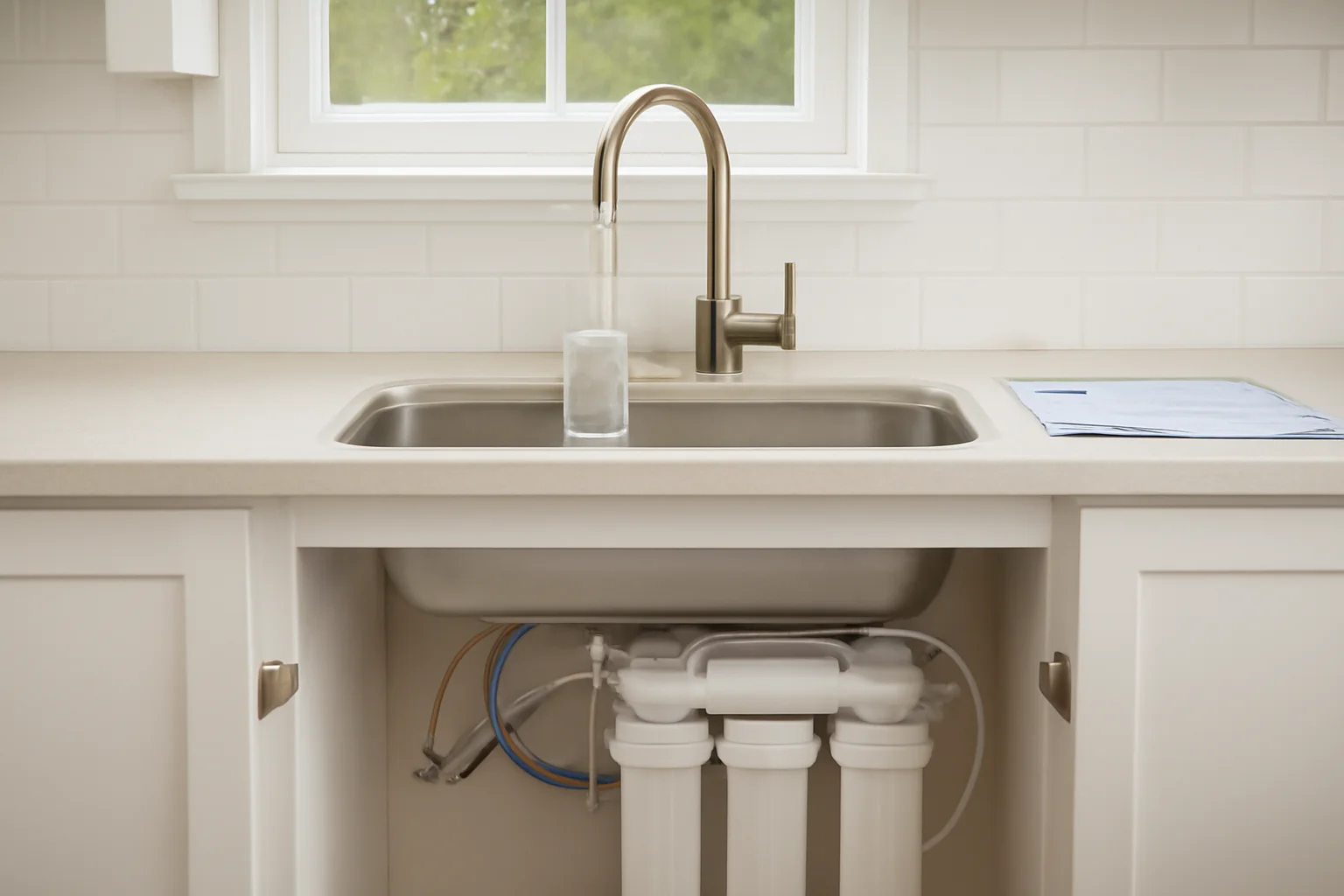
Living near the Gulf means enjoying salt air, coastal breezes, and beach days. It also means many Blue Mountain Beach homes deal with water that is harder than it should be, especially when water quality changes across the region. If you have ever noticed hard water spots on glass, scale buildup around faucets, or soap that does not lather or rinse well, you already know what hard water can do to everyday life. Softer, cleaner water is not just a comfort upgrade. It helps protect plumbing, improves laundry and bathing, and supports better drinking and cooking water.
This guide walks you through how water softening works, why it matters in Blue Mountain Beach, and how to pair it with filtration like reverse osmosis and whole home water filtration for the clean water systems homeowners want.
Why Blue Mountain Beach homes notice hard water problems
Hard water is usually caused by high mineral content, most often calcium and magnesium. When you heat and use that water, minerals do not disappear. They build up. In coastal climates like Walton County, homeowners may see frequent changes in how water behaves depending on supply conditions, home plumbing age, and how water is managed through the neighborhood. Over time, those minerals can show up as:
- Hard water spots on glass after showers and dishwashing
- Scale buildup around faucets, showerheads, and plumbing connections
- Dry skin or dull hair after bathing due to residue and reduced soap performance
- Soap that does not lather well and feels like it never fully rinses
- Appliances wearing out faster because mineral scale reduces efficiency
Hard water can also combine with other water quality issues. Some households notice metallic, chlorinated, or unpleasant taste, cloudy ice cubes, or visible sediment and discoloration. When that happens, the problem is not only scale. It is also about what you and your family are drinking and cooking with.
What water softening does, and what it does not
A water softener focuses on the minerals that cause scale. Most systems use a process called ion exchange. In plain terms, the softener swaps the minerals that form scale with sodium or potassium ions that do not build up in the same way. The result is water that behaves better with soap, detergents, and appliances.
With proper water softening, you should see improvements like:
- Less buildup on fixtures and showerheads
- Cleaner rinsing in laundry
- Better soap performance, which can help with the feeling of bathwater and skin
- Reduced mineral scale inside water heaters and hot water lines
Water softeners can make a big difference in comfort and protection, but they are not the same thing as a drinking water filtration system. If you are dealing with chlorine taste in water, odor concerns, or you want crystal-clear drinking and cooking water, you will likely benefit from combining softening with additional filtration.
Everyday signs your home needs better water treatment
Hard water is often easiest to spot because it shows up in places you use every day. Here are the most common household clues that water softening and filtration may be worth upgrading.
Glass, dishes, and fixtures look “frosted”
If you wipe a shower door or a drinking glass and it still looks hazy, that is frequently a sign of mineral residue. Homeowners often describe this as hard water spots on glass or a film that returns quickly. In the kitchen, you might notice dishes that do not feel fully clean or spotty cookware after washing.
Scale buildup around faucets and showerheads
Look at the aerators on faucets, the inside of showerheads, and the edges of plumbing connections. Scale buildup around faucets can restrict flow and make cleaning more frequent. Over time, scale can contribute to reduced performance in fixtures and wear inside plumbing.
Bathing leaves skin and hair feeling dull
Many homeowners report dry skin from hard water and hair that feels rough or looks less vibrant. When soap does not lather the way it should, residue can cling to skin. That is why softer water can feel like a noticeable improvement rather than a minor change.
Ice looks cloudy and drinking water tastes off
When you fill a glass, do you see cloudiness or sediment? Some households notice cloudy ice cubes or a tint that disappears after the ice melts. If you also notice metallic, chlorinated, or unpleasant taste, you may want a drinking water filter or reverse osmosis for the kitchen tap.
Coffee and cooking water do not taste right
Even small water differences can affect flavor. Homeowners often notice poor tasting coffee and cooking water when water has minerals or chlorine. If your coffee tastes flat or bitter in a way that seems inconsistent, water quality may be the hidden variable.
Soap and detergent feel like they are “working less”
If laundry comes out stiff, or you have to use more detergent than you used to, hard water may be the reason. When soap does not lather or rinse well, it can leave residue on fabric and fixtures. That is also why softening can reduce the amount of product you need for the same results.
Appliances and hot water performance decline
Scale affects how heat moves and how water flows. That can mean your water heater works harder, shower flow feels weaker, and appliances may wear faster. Over time, mineral buildup can contribute to repair calls and higher energy costs.
Choosing the right solution: softening, filtration, or both
Not every home needs the same approach. Many Blue Mountain Beach households benefit from a layered strategy: soften the water to protect plumbing and improve daily use, then filter water where taste and drinking quality matter most.
Water softener systems for whole home comfort
A properly sized water softener treats the water throughout the home. That means showers feel better, laundry rinses cleaner, and scale buildup slows down on fixtures. If you are searching for water softener service near me because you are seeing scale and residue, the first step is usually a water test to confirm hardness levels and determine the best system size and settings.
Whole home water filtration for cleaner water systems
Some homeowners want whole home water filtration near me because they want consistent improvement across every faucet and shower. Whole home filtration can help address sediment, reduce certain contaminants, and improve overall water clarity. It also pairs well with softening because it targets different parts of the water quality equation.
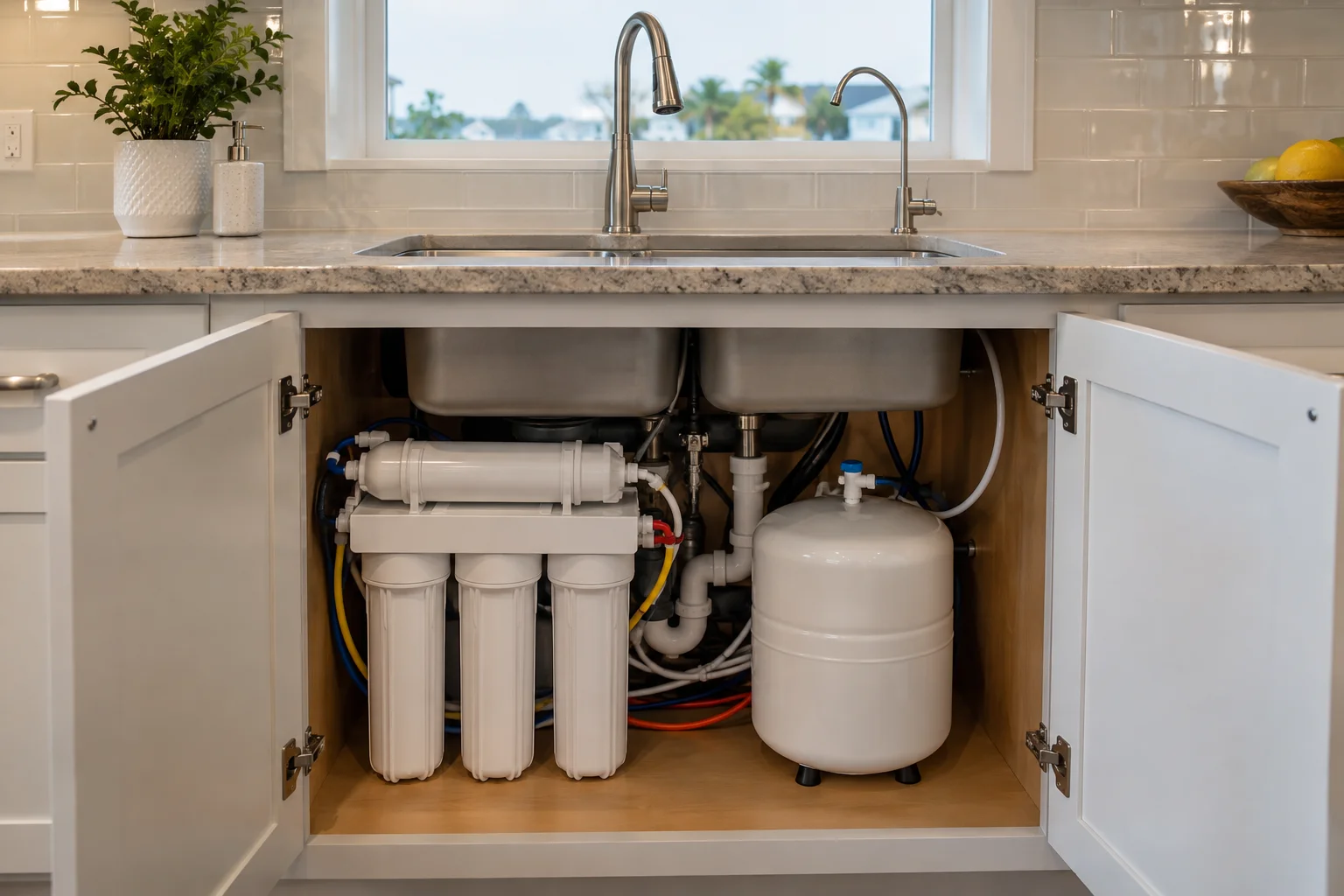
Reverse osmosis for drinking and cooking water
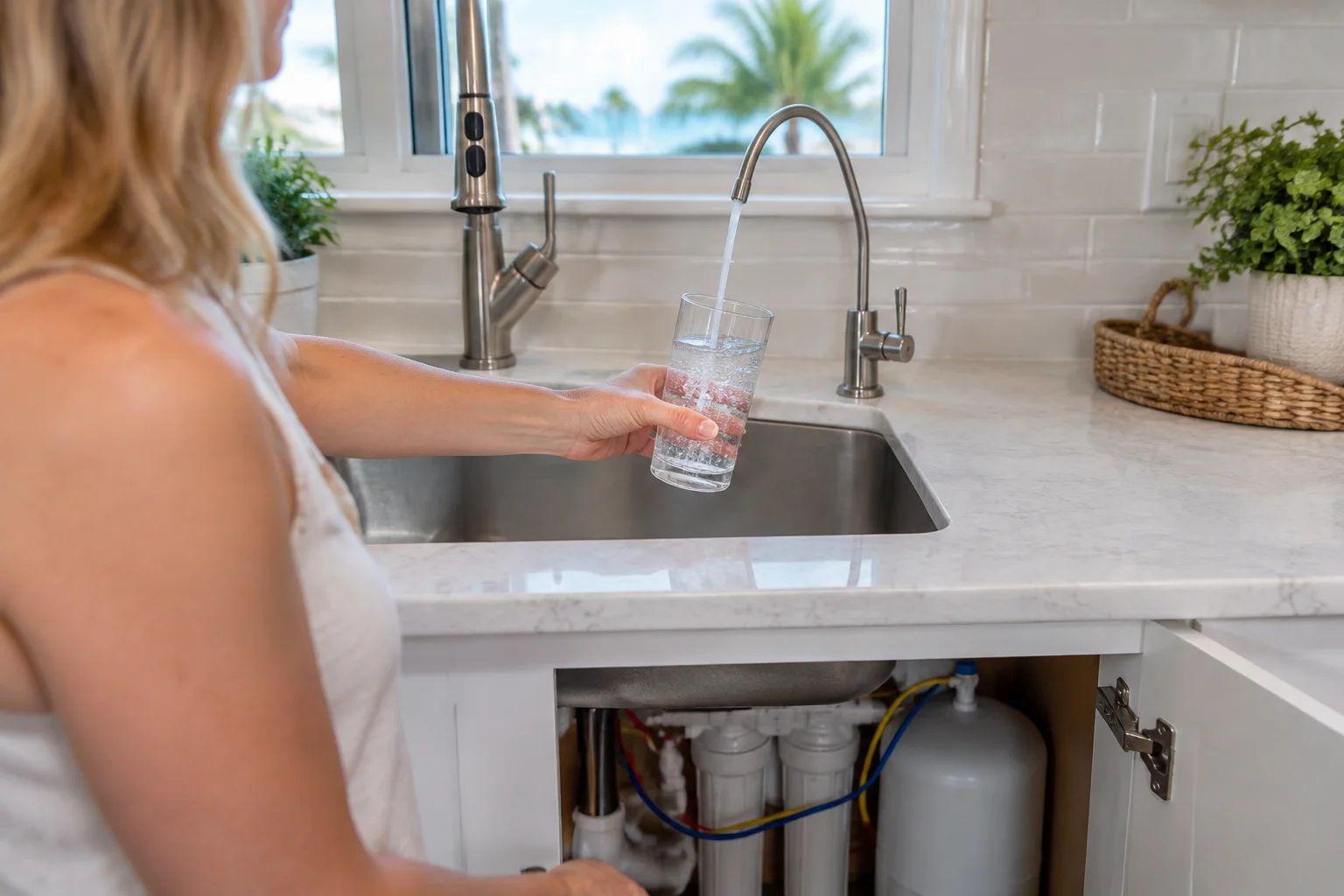
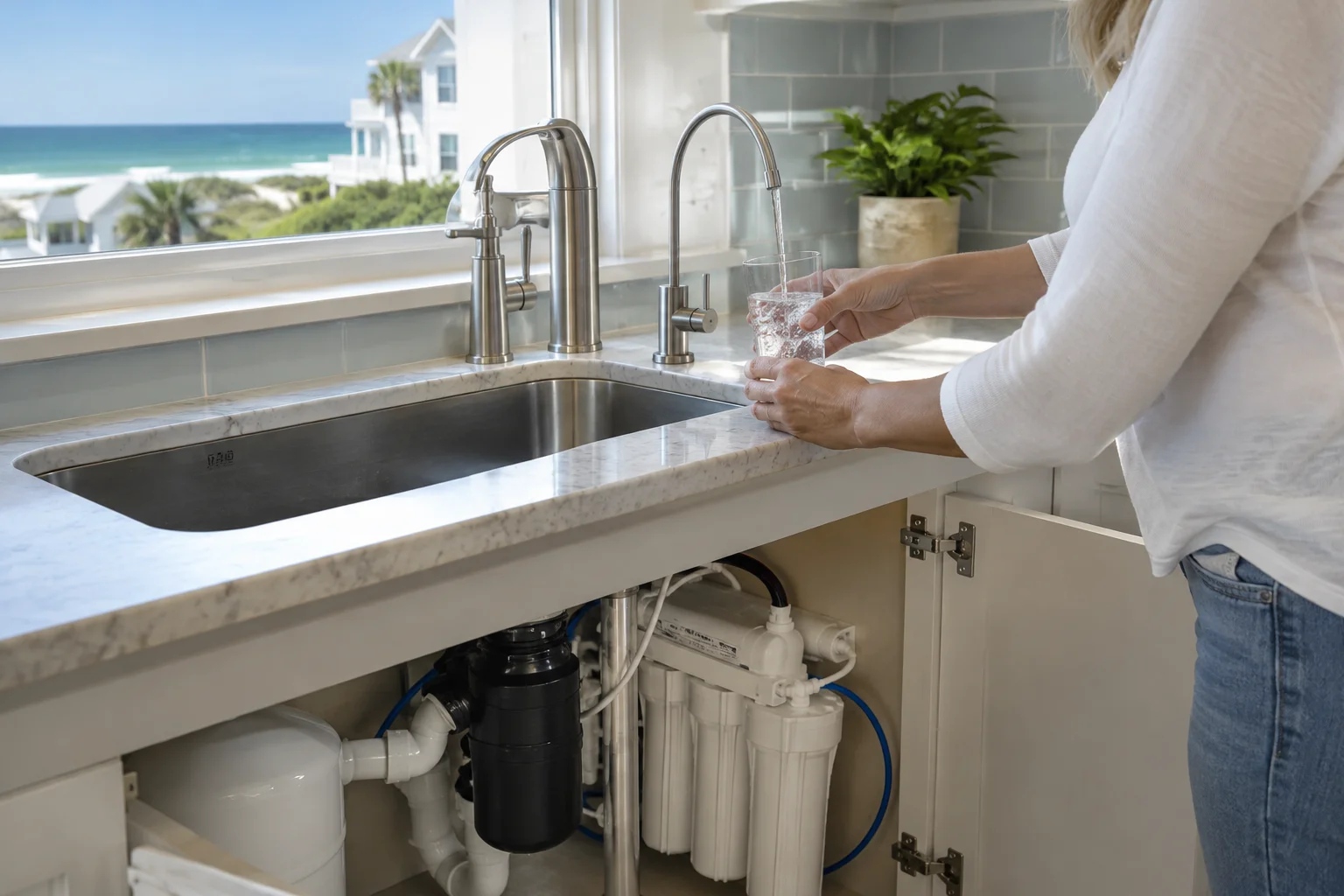
If your main goal is better drinking water, reverse osmosis is a popular choice for the kitchen. Reverse osmosis installation near you is often requested when homeowners notice chlorine taste in water, unpleasant odors, cloudy ice, or sediment concerns. Many families set up reverse osmosis to serve the drinking water and cooking water line, while the rest of the home continues to benefit from softening and whole home filtration.
AO Smith water filtration and system pairing
Many homeowners ask about AO Smith water filtration because of its strong reputation in the water treatment market. AO Smith products can be part of a complete home strategy, depending on your water test results and the specific issues you are trying to solve. In many homes, softening handles scale, while filtration handles taste, odor, and particulate concerns.
When you combine systems correctly, you get the best of both worlds: fewer minerals that cause scale and better water quality for drinking and daily use.
How better water changes real family routines in Blue Mountain Beach
Water treatment is not just about technical performance. It shows up in the moments families care about.
Kitchen mornings: drinking water and cooking water that tastes clean
Picture a family kitchen scene in Walton County. Someone fills a glass for breakfast, another person grabs the kettle for coffee, and you rinse produce before cooking. When water has a mineral-heavy profile or lingering chlorine taste, the flavor can feel off. With the right setup, you can enjoy better water for drinking and cooking and make coffee and meals taste more like you expect.
Shower time: less residue, more comfort
In a coastal home, humidity and salt air can make you want to feel refreshed, not coated. Softer water can help reduce the “dry after the shower” feeling and makes it easier for shampoo and body wash to rinse clean. Many homeowners describe the difference as hair that looks better and skin that feels less tight.
Laundry days: cleaner rinsing with less effort
On laundry day, soap and detergent performance matters. When hard water is high, you may notice detergent buildup or stiffness. Softer water helps detergents work as intended, so clothes come out cleaner and rinsing feels more complete.
Maintenance in the bathrooms: fewer scrubbing sessions
Anyone who has tried to remove stubborn mineral scale from tile edges knows how time-consuming it can be. With better water treatment, you spend less time chasing that white film on fixtures. That means more time for beach plans and less time with cleaning chemicals.
Local factors: why Blue Mountain Beach service matters
Blue Mountain Beach is part of Walton County, and local water conditions can vary based on the supply source, seasonal changes, and neighborhood distribution. Homes in the area may also have different plumbing ages and water usage patterns. That is why water treatment should be based on testing, not guesswork.
When homeowners search for water treatment near me, they are usually looking for a service team that understands local water quality and can recommend a practical system layout. A good provider will help you:
- Confirm hardness and identify other water quality concerns
- Select the right softener size and settings for your household
- Recommend filtration based on taste, odor, sediment, and clarity goals
- Explain where reverse osmosis makes the most sense in your home
If you are looking for professional water softening services in Blue Mountain Beach, you can review options here: water softening in Blue Mountain Beach. For broader system choices, browse the filtration overview on water filtration and reverse osmosis water softeners. You can also explore service coverage by visiting the Blue Mountain Beach service area page or Walton County service area.
Maintenance that keeps soft water working the way it should
Even the best water softener needs routine care. The goal is consistent performance, not waiting until problems show up.
Start with correct sizing and installation
A system that is undersized can struggle during peak use. Oversizing can waste resources. Proper installation also helps ensure the system is configured for your home’s layout and plumbing.
Stay on top of salt levels and regeneration settings
Most softeners require salt or a specific media setup. Monitoring salt levels and confirming regeneration schedules keeps the system from running out of capacity or cycling inefficiently.
Plan filter and media changes
If you add whole home filtration or reverse osmosis, those components also need replacement schedules. A provider should help you understand which parts change and how often based on your water test and actual usage.
Watch for performance drift
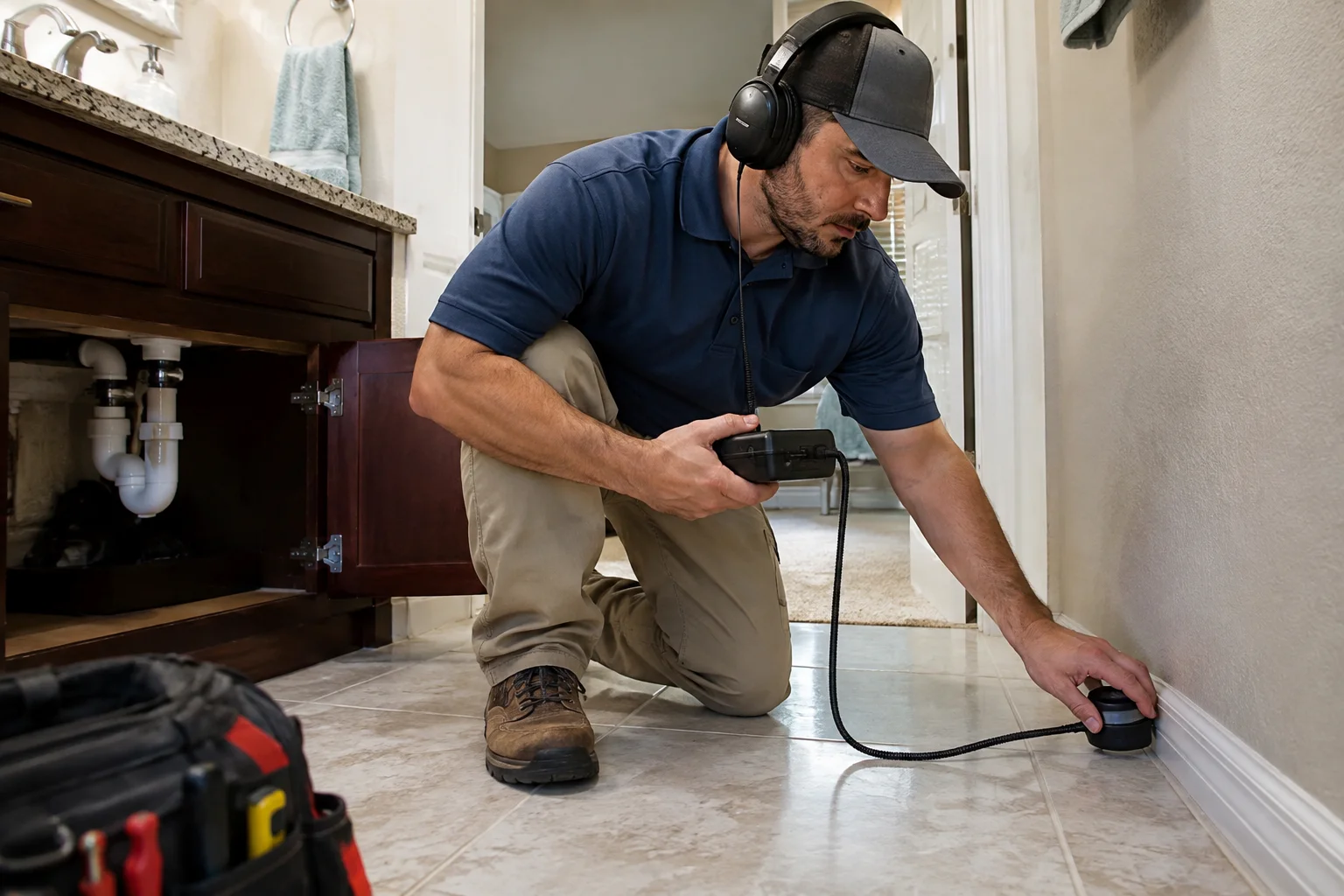
When you see scale buildup around faucets increasing again, soap starting to feel less effective, or water taste changing, it is a sign the system may need service. Catching issues early can prevent bigger problems.
How to talk to a water treatment professional
If you are scheduling water softener service near you, come prepared with observations. The best conversations start with specifics you can describe.
Take note of:
- Where you see hard water spots on glass
- Whether you have dry skin from hard water or dull hair after bathing
- Any chlorine taste in water or cloudy ice cubes
- Whether coffee and cooking water taste off
- Any visible sediment, discoloration, or odor concerns
Then ask for a water test and system recommendations that match your goals. If the issue is mostly scale, a softener may be the core solution. If you are also dealing with taste, odor, or particulates, a combination of softening plus whole home filtration and kitchen reverse osmosis is often the most satisfying path.
Related water treatment and home protection reads
If you are interested in how water quality affects the rest of your home, these guides can help:
- How Water Softening Protects Rosemary Beach Plumbing from Costly Water Damage
- How everyday plumbing wear and tear shapes sewer and drain problems in Blue Mountain Beach
And if you are doing broader home planning, you may also find these useful for staying ahead of other home issues in the area:
- Keeping Blue Mountain Beach Homes Ahead of Electrical Trouble
- A Practical Guide to Commercial Electric New Construction in Blue Mountain Beach, FL: Panels, Wiring, Outlets, and Prevention
What to do if you are unsure whether you need softening or reverse osmosis
Many homeowners start with a visible issue like scale or soap that does not rinse well, and they are right to focus there. If your main complaints are scale buildup around faucets and residue, water softening is usually the first major step. If you also have chlorine taste in water, cloudy ice cubes, or you are chasing better water for drinking and cooking, reverse osmosis and whole home filtration may be the missing piece.
A professional water treatment plan helps you avoid buying the wrong system. Instead of guessing, you get testing, recommendations, and a clear path to cleaner water systems that work for your household.
If you want a local provider who can help you compare solutions for water softening, whole home filtration, and kitchen drinking water upgrades, A Superior Mechanical serves homeowners in Blue Mountain Beach and Walton County. You can explore the service options here: water softening for Blue Mountain Beach.
Find Water Softening in Blue Mountain Beach, FL
If you need Water Softening in Blue Mountain Beach, FL, visit our local service page or contact A Superior Mechanical today.
For a broader look at whole-home water filtration, reverse osmosis, and water softener options, visit our water filtration, RO, and water softener page.
Map of Blue Mountain Beach, FL
Frequently Asked Questions
Will a water softener remove chlorine taste and odors from drinking water?
Most traditional water softeners are designed to reduce hardness minerals that cause scale. They are not the same as drinking water filtration. If you notice chlorine taste in water, unpleasant taste, or odor concerns, you may need additional filtration such as whole home filtration or reverse osmosis for the kitchen tap.
How can I tell if I have hard water in my Blue Mountain Beach home?
Common clues include hard water spots on glass, scale buildup around faucets and showerheads, soap that does not lather well, and dry skin or dull hair after bathing. If you also have cloudy ice cubes or sediment, you may have additional water quality issues beyond hardness.
Do I need whole home water filtration if I already have a softener?
Often, yes, if your goals include improved water clarity, reduced sediment, or better taste and odor. A softener targets hardness. Whole home filtration can address other concerns throughout the house. Many homeowners pair softening with whole home filtration and use reverse osmosis for drinking and cooking water.
How often do water softeners and filters need maintenance?
Maintenance depends on your system type, household water use, and your local water conditions. Salt and regeneration settings should be monitored regularly, and filters and reverse osmosis components typically require periodic replacement. A professional service plan helps you stay on schedule.
Is reverse osmosis installation worth it for a kitchen in Walton County?
Many homeowners choose reverse osmosis when they want cleaner tasting drinking water and cooking water, especially if they notice metallic or chlorinated taste, cloudy ice cubes, or discoloration. It is a targeted solution for the tap you use most.
Related Articles
- How everyday plumbing wear and tear shapes sewer and drain problems in Blue Mountain Beach
- How Water Softening Protects Rosemary Beach Plumbing from Costly Water Damage
- Keeping Blue Mountain Beach Homes Ahead of Electrical Trouble
- A Practical Guide to Commercial Electric New Construction in Blue Mountain Beach, FL: Panels, Wiring, Outlets, and Prevention
Photo Gallery