Hammock Bay homes get plenty of sun, salt air, and outdoor water use. Inside, the water you rely on for drinking, cooking, bathing, and laundry has to work hard too. When that water is high in hardness minerals, everyday routines start to show the strain. The good news is that hard water problems often leave clear clues early, and the right water softening plan can help families catch those issues before they turn into expensive repairs, worn-out appliances, or ongoing water quality complaints.
This guide focuses on how to protect your home from hard water problems with water softening and complementary water filtration. If you are searching for water treatment near me in Hammock Bay, FL, you will also see practical steps for monitoring water quality, choosing system options like AO Smith water filtration and reverse osmosis, and knowing when to call a professional.
What hard water is doing behind the scenes
Hard water contains dissolved minerals, most commonly calcium and magnesium. When heated water evaporates or when water sits in plumbing and appliances, those minerals can precipitate out. That is where the visible buildup comes from and why hard water often causes a mix of water quality and performance issues.
In a Hammock Bay household, the signs show up in the kitchen and bathroom first because those areas see frequent hot water use and regular cleaning. Over time, scale buildup can accumulate around faucets, showerheads, and plumbing runs. It can also interfere with how well soap cleans and can leave minerals behind on glassware and fixtures.
Early warning signs your water needs softening
Hard water problems tend to announce themselves in everyday moments. Pay attention to patterns across the home, not just one sink or one bathroom.
Hard water spots on glass, dishes, and fixtures
Look closely at shower doors, drinking glasses, and recently washed dishes. Hard water spots on glass often look like cloudy streaks or white marks that do not wipe away easily. On dishes, you may notice a film after the dishwasher runs, even when detergent is fresh.
In the bathroom, scale buildup on fixtures can make chrome and brushed finishes look dull. If you have ever scrubbed and still seen recurring marks, that is a common hard water indicator.
Scale buildup around faucets and showerheads
Check for crusty deposits at faucet aerators and around showerheads. Over time, those mineral deposits can restrict flow and change spray patterns. You may also notice that hot water seems to run less strongly from certain fixtures.
Dry skin or dull hair after bathing
Families often notice how water feels long before they see plumbing damage. If you are dealing with dry skin, tightness, or dull hair after bathing, hard water can be a contributing factor. Minerals can interfere with soap and shampoo rinsing, leaving a residue that makes hair feel coated and skin feel less comfortable.
Soap that does not lather or rinse well
Another household clue is lather behavior. With harder water, soap can become less effective, meaning you may use more product to get the same cleaning results. You might also see residue on countertops or notice that laundry feels rough unless you use extra detergent.
Cloudy ice cubes and sediment concerns
Cloudy ice cubes can point to mineral content and other water quality issues. If you are also seeing visible sediment, discoloration, or persistent odor concerns in taps, that is a sign to test water and consider a targeted clean water system. Cloudy ice is a simple visual reminder that the water entering your home is not as clean as it should be.
Metallic, chlorinated, or unpleasant taste
Taste and odor matter for families who drink from the tap, make coffee, and cook with water. If you notice a metallic, chlorinated, or unpleasant taste, it can affect better water for drinking and cooking. Even if hardness is the main issue, taste and odor can indicate the need for additional filtration.
Poor tasting coffee and cooking water
If your coffee tastes off or your cooking water affects the flavor of soups and pasta, the water source may be carrying minerals, chlorine, or sediment. Many homeowners find that whole home improvements plus a dedicated drinking water setup make a noticeable difference at the kitchen sink.
Appliances wearing out faster
Hard water can shorten the life of water heaters, dishwashers, and washing machines by forcing scale buildup to form inside heating elements and internal plumbing. When appliances struggle to heat water efficiently or require more maintenance, water hardness is often part of the story.
Why Hammock Bay homes need local water softening attention
Water conditions can vary by area and even by neighborhood, and Hammock Bay residents know the region can bring its own mix of demands. With Florida humidity, frequent showers, and steady household hot water use, scale can build faster than people expect. Homes that also use more laundry, run sprinklers, or have multiple bathrooms can see hard water impact sooner.
Local water treatment service matters because the right system depends on what is happening in your water supply. A professional water analysis looks at hardness and can also evaluate other factors like sediment, taste, and odor. That is how you avoid guessing and instead build a clean water plan that fits your household.
If you are comparing water filtration near me options, look for a provider that discusses how softening works alongside filtration, rather than treating the problem as one-size-fits-all.
How water softening protects plumbing and family comfort
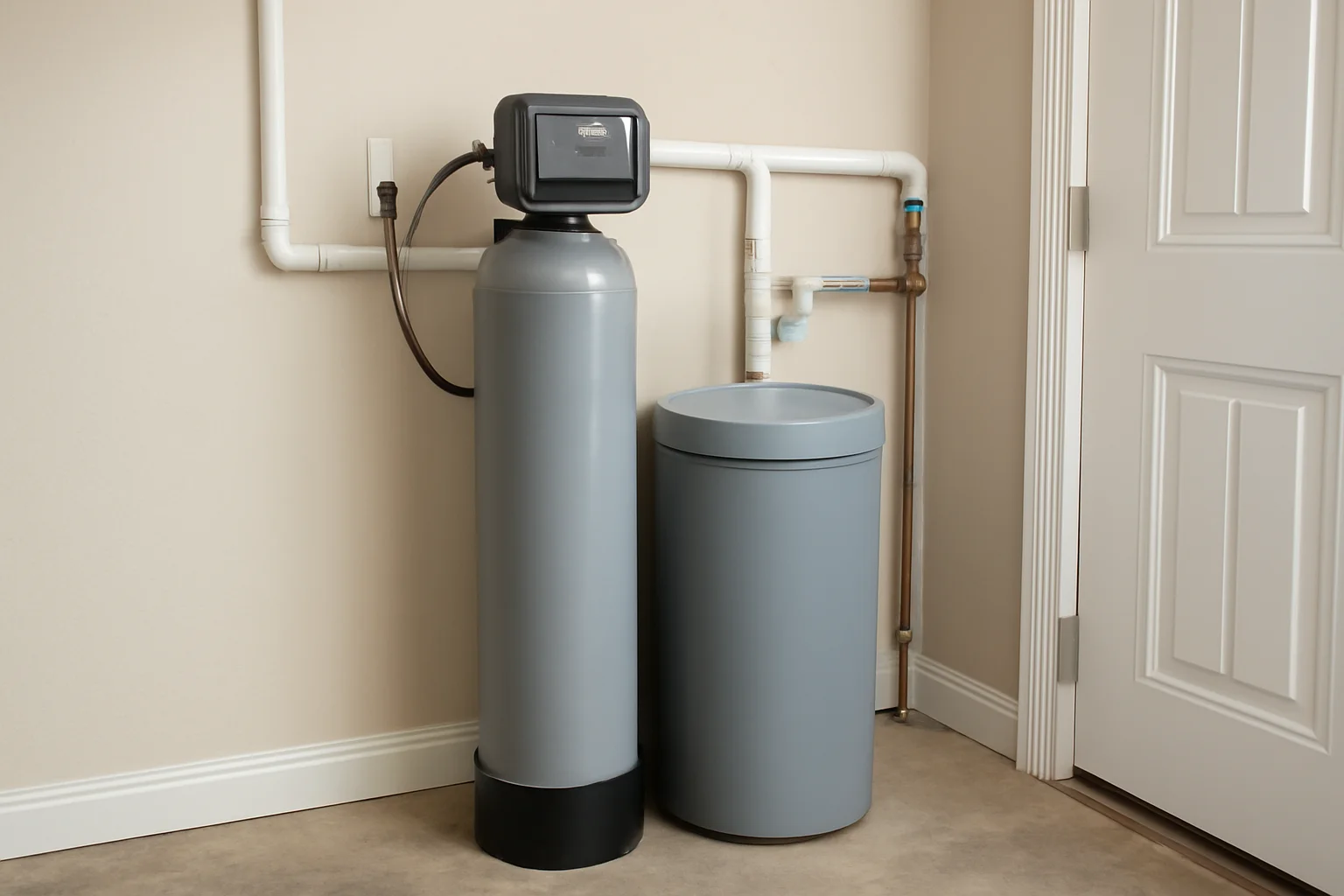
Water softening works by addressing the hardness minerals that create scale. In many homes, a water softener replaces calcium and magnesium with sodium or potassium ions using a resin bed and regeneration cycle. The result is water that is less likely to form scale buildup on faucets, showerheads, and inside pipes.
For a family, that means:
- Cleaner looking fixtures with fewer recurring hard water spots
- Better soap performance, including more effective lather and easier rinsing
- Improved bathing feel, which can support more comfortable skin and hair
- Reduced mineral scale inside appliances, helping them run more efficiently
For homeowners searching for water treatment near me, the goal is not only to reduce visible spots. It is also to protect the hidden surfaces where scale can reduce flow, interfere with heating, and drive premature wear.
Choosing the right system: AO Smith water filtration, softening, and beyond
Many households need more than one layer of treatment. Hardness control is the foundation for scale prevention, but other water quality concerns might require additional filtration.
AO Smith water softener and filtration options
AO Smith systems are commonly used in homes that want reliable water softening and clean water support. Depending on your water analysis, your plan may include an AO Smith water softener paired with filtration that targets sediment, taste, and odor. This combination can help you get better water for drinking and cooking without sacrificing whole home comfort.
If you are looking into an AO Smith water softener installation in Hammock Bay, a professional assessment helps match the system size and setup to your family size and water use.
Whole home water filtration for cleaner everyday water
Whole house water filtration can help reduce sediment and improve overall water clarity and taste. For families, that often translates to fewer maintenance issues, cleaner laundry, and more consistent water performance throughout the home.
If your household has visible sediment, discoloration, or odor concerns, whole home water filtration can be a strong starting point. You can also explore water filtration and reverse osmosis options to build a more complete clean water system.
Reverse osmosis for drinking and cooking water
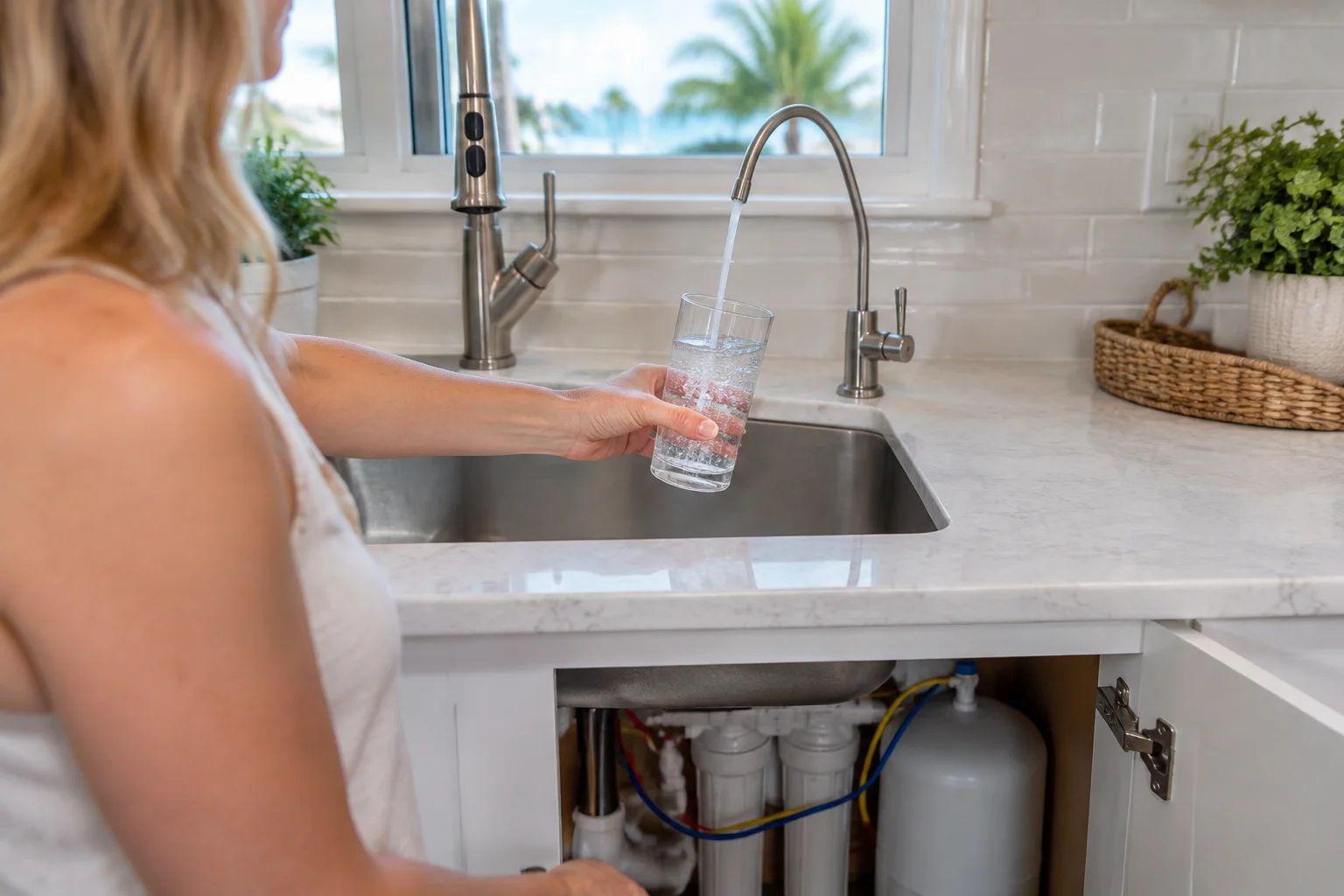
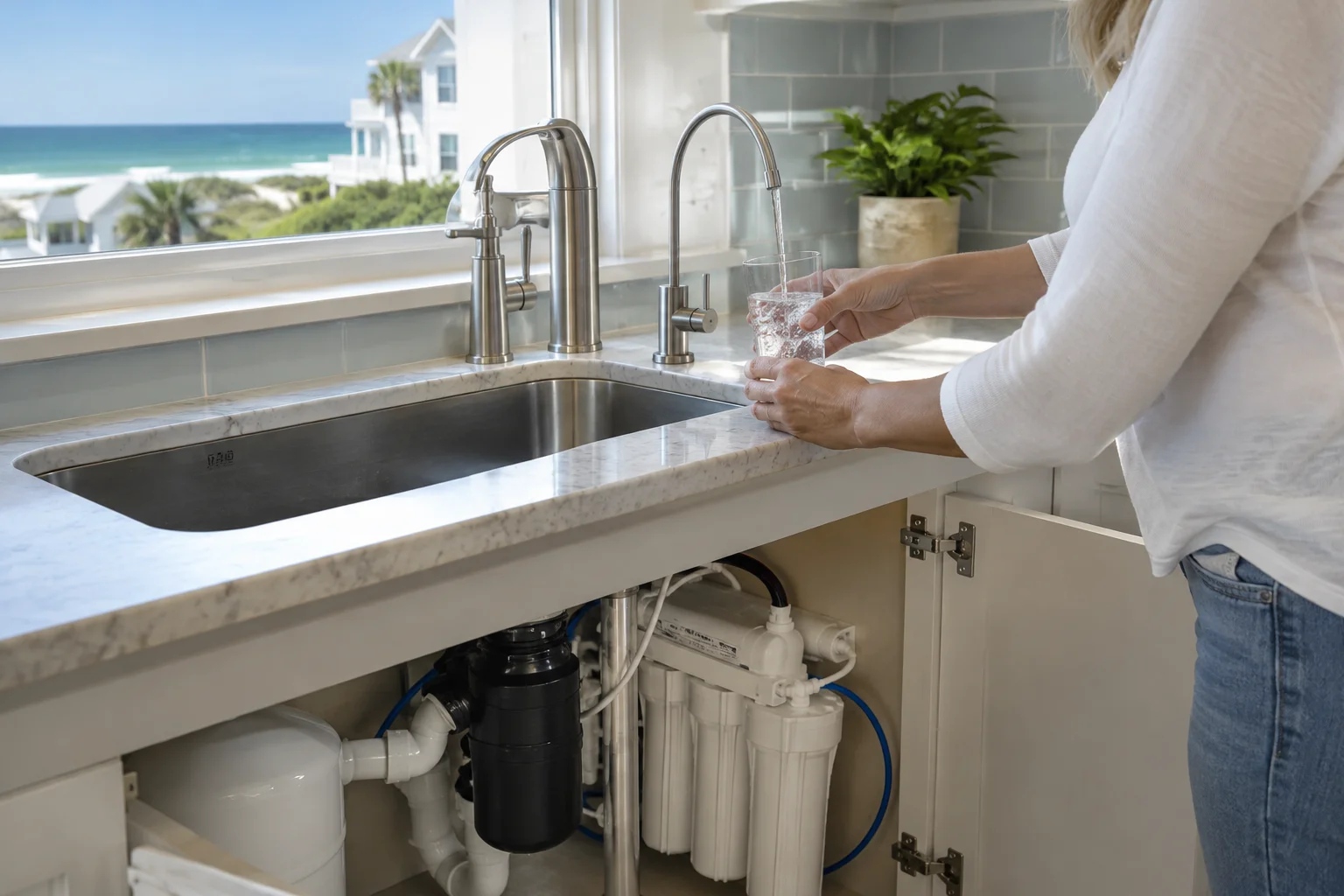
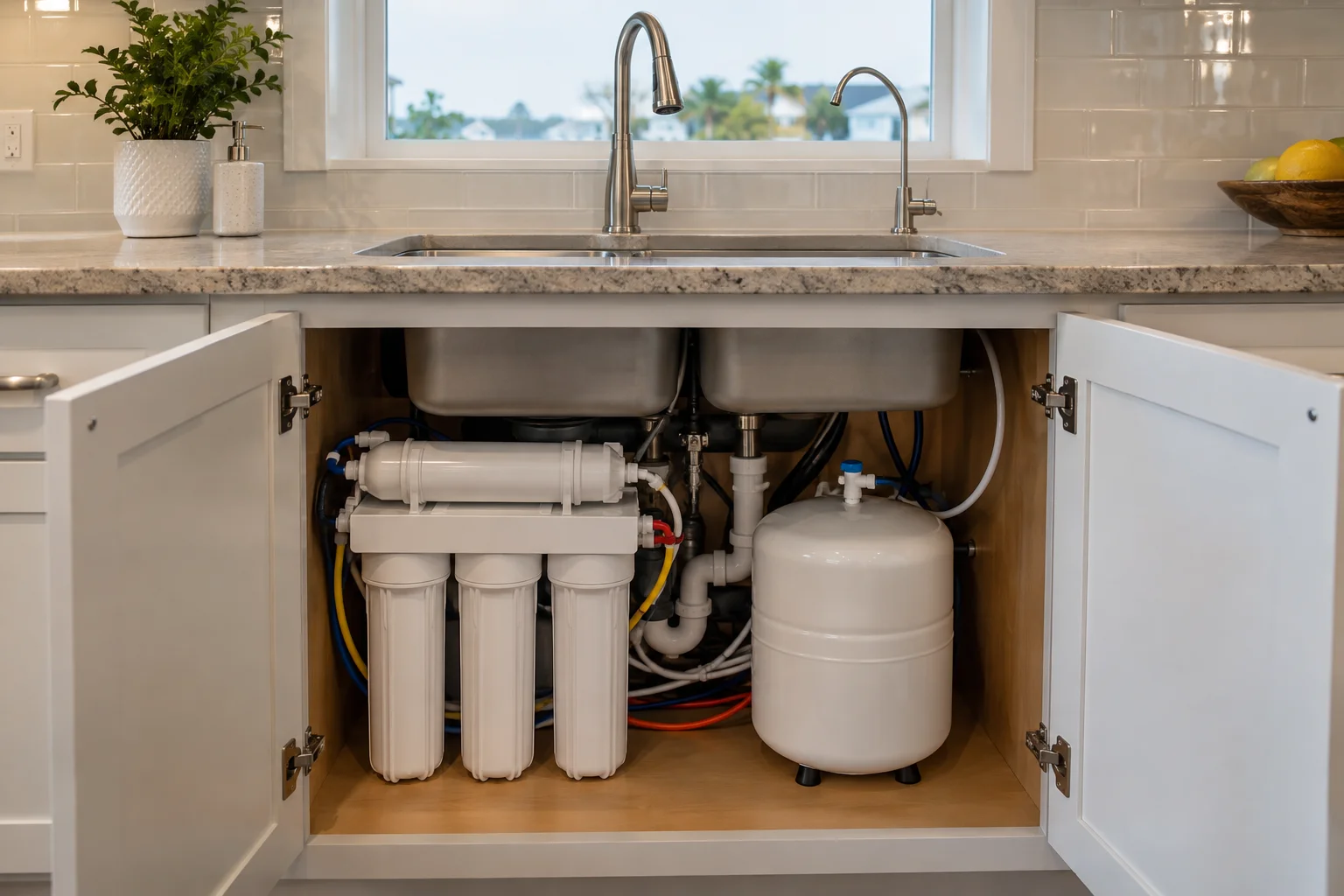
Reverse osmosis is often the best match for kitchen drinking water when taste, odor, and dissolved contaminants are part of the concern. It can also complement water softening by focusing on the water you drink and use for ice.
If you want a dedicated approach, homeowners often ask about reverse osmosis installation near me. The key is to coordinate the system with your softening setup so your kitchen water tastes clean while the rest of the home stays protected from scale.
For a deeper walkthrough of how this fits into Hammock Bay homes, see A Practical Guide to Reverse Osmosis Systems for Hammock Bay Homes.
Kitchen and bathroom routines: what changes after softening
Hard water does not just affect fixtures. It affects the daily rhythm of family life. When water softening works correctly, you often see improvements right away.
Drinking water and ice: clearer, cleaner, more consistent
If you have noticed cloudy ice cubes, treating hardness and improving filtration can help you get ice that looks better and tastes better. Families who fill cups straight from the fridge or use ice for parties often notice the difference quickly.
Better drinking water and cooking water
When minerals are reduced, coffee can taste less harsh and more balanced. Cooking water can also behave more predictably, especially for pasta and rice where water quality impacts texture and flavor.
Many homeowners pair whole home water filtration with a drinking water system for the best results. That is a practical approach for households that want both plumbing protection and better drinking water.
Bathing: easier rinsing and more comfortable skin feel
After softening, soap and shampoo often rinse more completely. That can reduce the residue that makes hair feel dull or skin feel dry. If you have teenagers, guests, or a busy household where everyone showers back to back, improved rinse performance can make the bathrooms feel noticeably different.
Laundry: less buildup and softer results
Hard water can leave mineral residue in laundry. With softened water, detergents often perform better and clothes may feel cleaner and softer. You may also see fewer mineral streaks on whites and less buildup on washing machine components.
Preventing costly scale damage with maintenance habits
Even the best water softening system benefits from routine attention. A few homeowner habits can help you catch issues early.
Watch for “spot return” after cleaning
If you deep clean a shower or wipe down fixtures and the hard water spots return quickly, that can indicate untreated hardness, a system that is not regenerating properly, or a need to adjust settings.
Check dishwasher performance and water temperature behavior
Notice whether dishes come out with a film. Also pay attention to whether hot water seems less effective at heating quickly. Scale can interfere with heating efficiency.
Monitor taste and odor changes
If you suddenly notice more chlorine taste in water or a metallic note, that can be a sign that filtration performance has changed. It is a good time to schedule a water check rather than waiting for the problem to get worse.
Keep an eye on appliances that heat water
Water heaters and other heating appliances can suffer when scale buildup on internal surfaces grows. If you see more frequent maintenance, longer heating cycles, or unusual performance, it is worth investigating your water treatment.
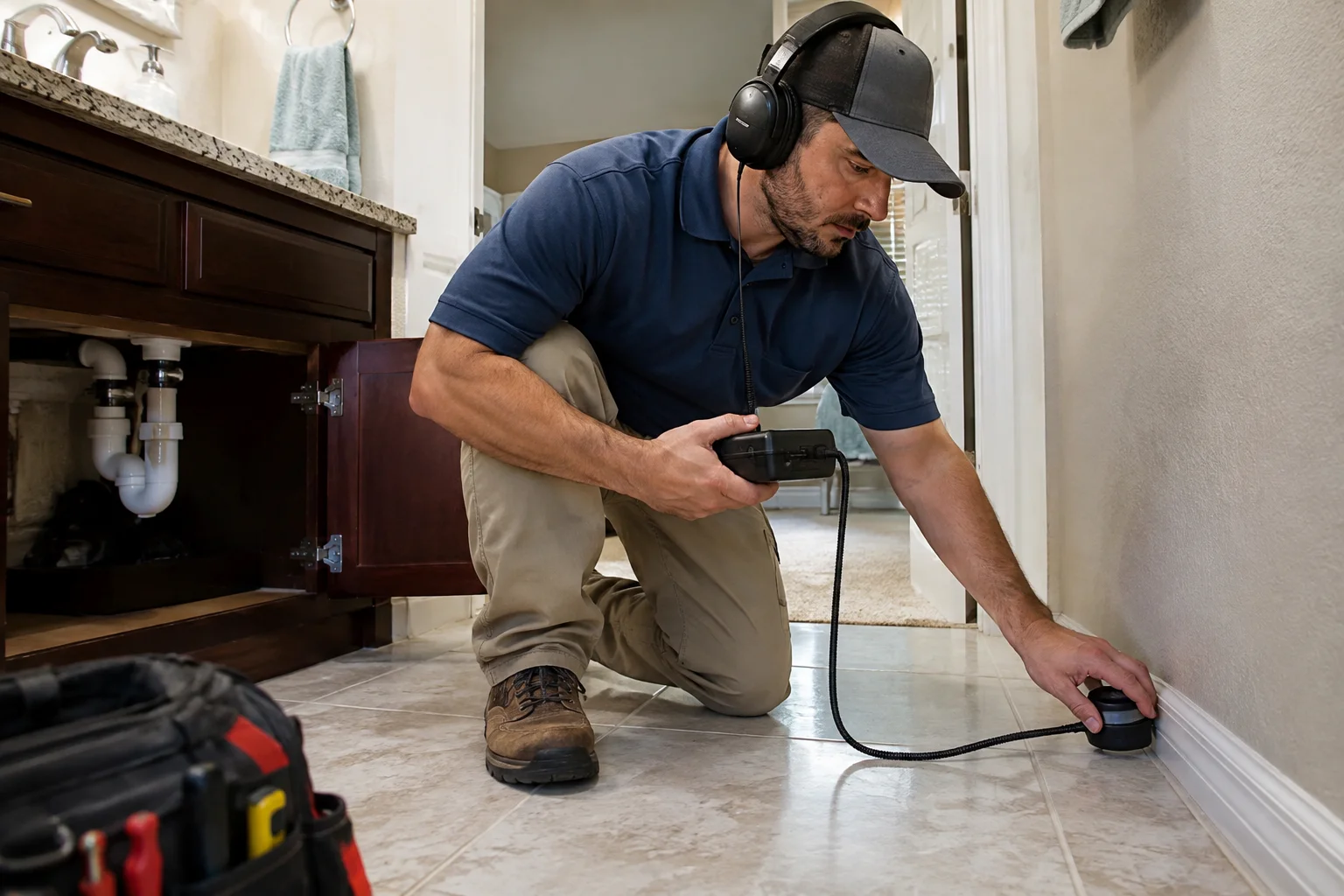
When to call a professional for water softener service
Some homeowners try to manage hard water with store-bought cleaners and descalers. Those products can help with appearance, but they do not stop the mineral buildup inside plumbing and appliances. A professional water softener service is the right move when you want prevention, not just cleanup.
Call A Superior Mechanical when you notice:
- Persistent hard water spots on glass and fixtures despite regular cleaning
- Scale buildup around faucets and showerheads that keeps returning
- Dry skin or dull hair that seems tied to bathing
- Cloudy ice cubes, visible sediment, or ongoing odor and discoloration concerns
- Appliances wearing out faster, reduced hot water performance, or signs of mineral buildup
If you are planning ahead for long-term protection, you can also read Planning Ahead for Plumbing Maintenance in Hammock Bay Homes and Planning Ahead for Cleaner Water and Fewer Plumbing Surprises in Hammock Bay.
Building a clean water system that fits your home
The best results usually come from matching the treatment approach to the household. Some families need water softening first because hardness is driving scale buildup on faucets, showerheads, and plumbing. Others also need whole house water filter support for sediment, odor concerns, or cloudy ice cubes. Many choose reverse osmosis for drinking and cooking water to improve taste and reduce unpleasant flavor notes.
Because Hammock Bay sits within Walton County, your service plan may also be guided by broader local considerations. If you want to explore options across the region, visit our Walton County service area. For residents in the city, the Hammock Bay water treatment area page can help you find the right fit for your home.
When hard water treatment becomes part of protecting fixtures and appliances, your home feels better day to day. Soap works the way it should. Coffee tastes more like coffee. Shower cleanup takes less time. And plumbing and water heating systems are less likely to suffer from mineral scale that slowly builds with every use.
If you are searching for water filtration near me and want a coordinated approach, start with water softening and a professional water assessment. From there, options like AO Smith water filtration, whole home water filter systems, and reverse osmosis can be selected to match your specific water quality needs.
To learn more about installation and service for local households, review water softening in Hammock Bay, and explore how clean water systems can work together across your home with water filtration and reverse osmosis.
Find Water Softening in Hammock Bay, FL
If you need Water Softening in Hammock Bay, FL, visit our local service page or contact A Superior Mechanical today.
For a broader look at whole-home water filtration, reverse osmosis, and water softener options, visit our water filtration, RO, and water softener page.
Map of Hammock Bay, FL
Frequently Asked Questions
How can I tell if my Hammock Bay home has hard water?
Look for hard water spots on glass and dishes, scale buildup around faucets and showerheads, dry skin or dull hair after bathing, soap that does not lather well, and cloudy ice cubes. If you also notice sediment, discoloration, or persistent odor, testing can confirm what treatment you need.
Will water softening fix dry skin and dull hair?
It often helps when hard water is interfering with soap and shampoo rinsing. Many families notice better comfort after switching to softened water, especially when scale buildup is reduced throughout the home.
Do I need whole home water filtration if I already plan to soften my water?
Not always, but many homes benefit from a layered approach. Softening primarily targets hardness and scale. Whole home water filtration can help with sediment and overall water clarity, while reverse osmosis can improve drinking and cooking water taste.
What is the difference between reverse osmosis and a water softener?
A water softener reduces hardness minerals that cause scale. Reverse osmosis is designed for drinking and cooking water by reducing dissolved contaminants and improving taste. Many households use both, with softening protecting plumbing and RO supporting better drinking water.
How do I know whether to repair or replace my existing water softener?
If you see spot return, reduced performance, or recurring scale buildup, it can indicate settings issues, regeneration problems, or resin wear. A water test and system inspection can determine whether water softener service or replacement is the best path.
Related Articles
Photo Gallery