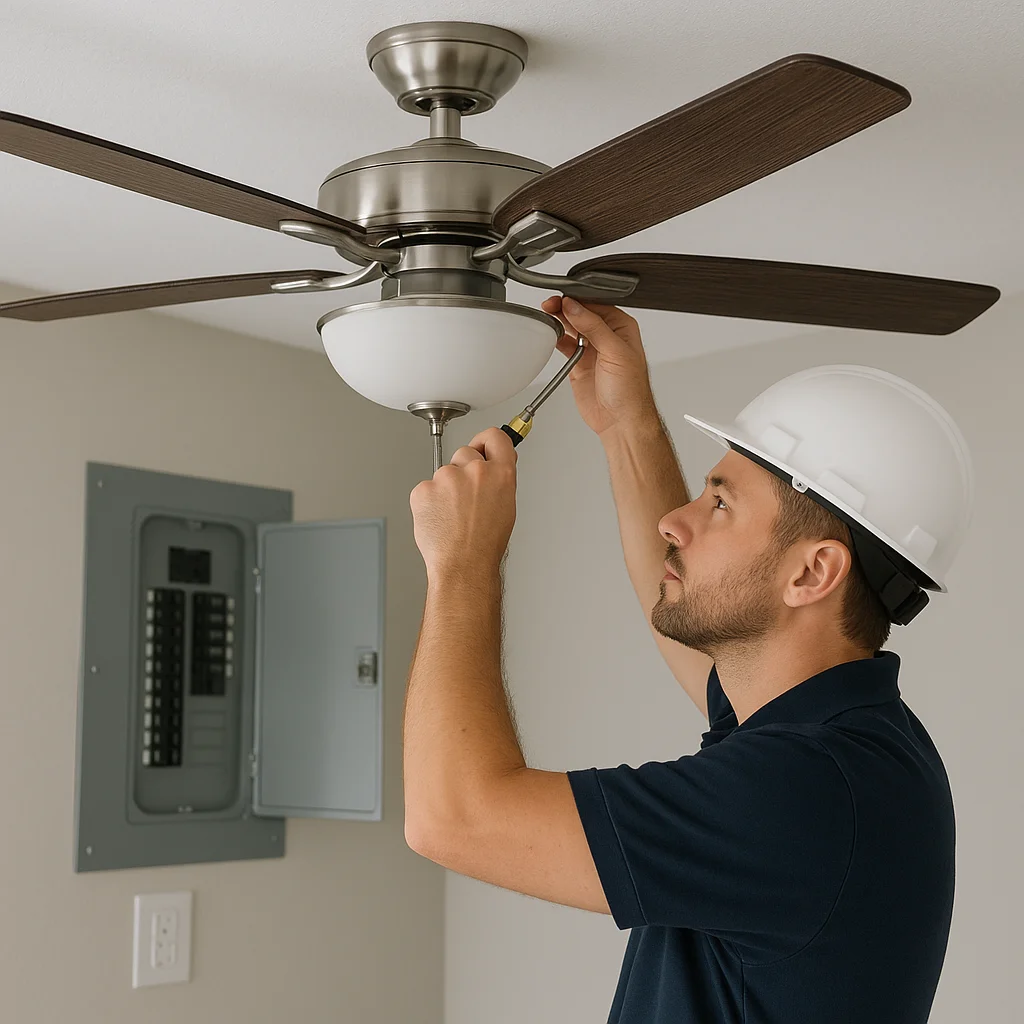
Ceiling fans are easy to overlook until they start wobbling, humming, or tripping a breaker. In Upper Grand Lagoon, FL, that matters more than many homeowners realize. Coastal humidity, storm season, older wiring, and busy electrical systems can turn a small fan issue into a safety concern. Professional ceiling fan services in Upper Grand Lagoon, FL help protect comfort, reduce fire risk, and keep the electrical system working the way it should.
For many homes in Bay County, a ceiling fan is part of daily life. It helps move air in bedrooms, living rooms, enclosed porches, and rental properties where airflow matters year round. But the fan is only as safe as the box, wiring, switch, and circuit supporting it. That is why local electrical service matters, especially when a fan is installed in a home with older wiring, a remodel addition, or a panel that is already carrying a heavy load.
Why ceiling fan safety is more than a comfort issue
A ceiling fan that is loose, noisy, or improperly mounted can create heat, vibration, and strain on electrical parts. That may sound minor, but repeated stress can damage the fan motor, loosen connections, or arc at the wiring. In a coastal climate like Upper Grand Lagoon, moisture and corrosion can make those problems worse over time.
Fire prevention starts with the basics. A fan should be mounted to a box rated for ceiling fan support, wired correctly, and matched to the circuit it is on. If the fan was installed during a remodel or by a previous owner, there is no guarantee the box, wiring, or switch is correct. A quick visual check can miss hidden issues inside the ceiling.
Homeowners searching for electrical inspections and code updates often find that ceiling fan problems are part of a bigger pattern. Loose connections, outdated fixtures, or poor grounding can affect more than one room. That is especially true in older homes where outlets, switches, and branch circuits were never designed for the amount of power modern households use.
Common fan problems that can point to electrical trouble
Wobbling, buzzing, or humming
A fan that shakes or buzzes may have loose mounting hardware, an unbalanced blade set, or a motor issue. It can also point to a poor electrical connection in the box or switch. If the sound changes when the fan speed changes, the problem may be electrical instead of mechanical.
Flickering lights or a warm switch
When a fan includes a light kit, flickering bulbs or a warm wall switch can signal a wiring problem, a failing dimmer, or a circuit that is carrying too much load. Homeowners searching for electrical installation help often need a safer switch setup, not just a new fixture.
Breaker trips and intermittent power
If a ceiling fan trips a breaker, the circuit may be overloaded or there may be a fault in the fan, switch, or wiring. Repeated tripping should never be ignored. It can be a sign that the breaker, panel, or branch circuit needs attention. In some cases, a homeowner looking for electrical panels and upgrades is actually dealing with a ceiling fan circuit that is revealing a larger system issue.
Slow start, reverse issues, or dead controls
Fans that respond slowly, fail to reverse, or stop working at the wall switch may have a worn capacitor, a bad remote receiver, a failing switch, or damaged wiring. If the controls are inconsistent, it is worth scheduling electrical troubleshooting instead of guessing at the cause.
How poor installation increases fire risk
Ceiling fans must be supported by the right electrical box and mounted securely to framing or a fan-rated brace. A standard light fixture box is not always enough. When a fan hangs from a weak box, movement can loosen conductors and create heat at the connection points. Over time, that can damage insulation and increase the chance of arcing.
Another common problem is using the wrong wire size or leaving splices inside the ceiling without proper protection. In older homes, it is not unusual to find outdated connections, brittle insulation, or ungrounded wiring. If a homeowner has been searching for code correction help, ceiling fan wiring is often one of the first places to look.
Upper Grand Lagoon also has homes that have been expanded over time. Additions, enclosed patios, and remodeled rooms may have been tied into existing circuits without enough planning. A fan added to one of those spaces can expose weak spots in the system, especially if the circuit also feeds outlets, lighting, or other appliances.
Repair planning helps prevent bigger electrical problems
Good repair planning starts with a full look at the fan, the switch, the wiring, and the circuit feeding it. That includes checking whether the fan needs a dedicated circuit, whether the box is fan rated, and whether the breaker is the right size for the load. It also means looking for signs of corrosion or heat damage in a coastal home.
For homeowners searching for Upper Grand Lagoon electrical service, repair planning can save time and reduce repeat service calls. If the fan needs replacement, the electrician can recommend a model that fits the room size, ceiling height, and control type. If the problem is wiring, the repair can be handled before it affects nearby lights or outlets.
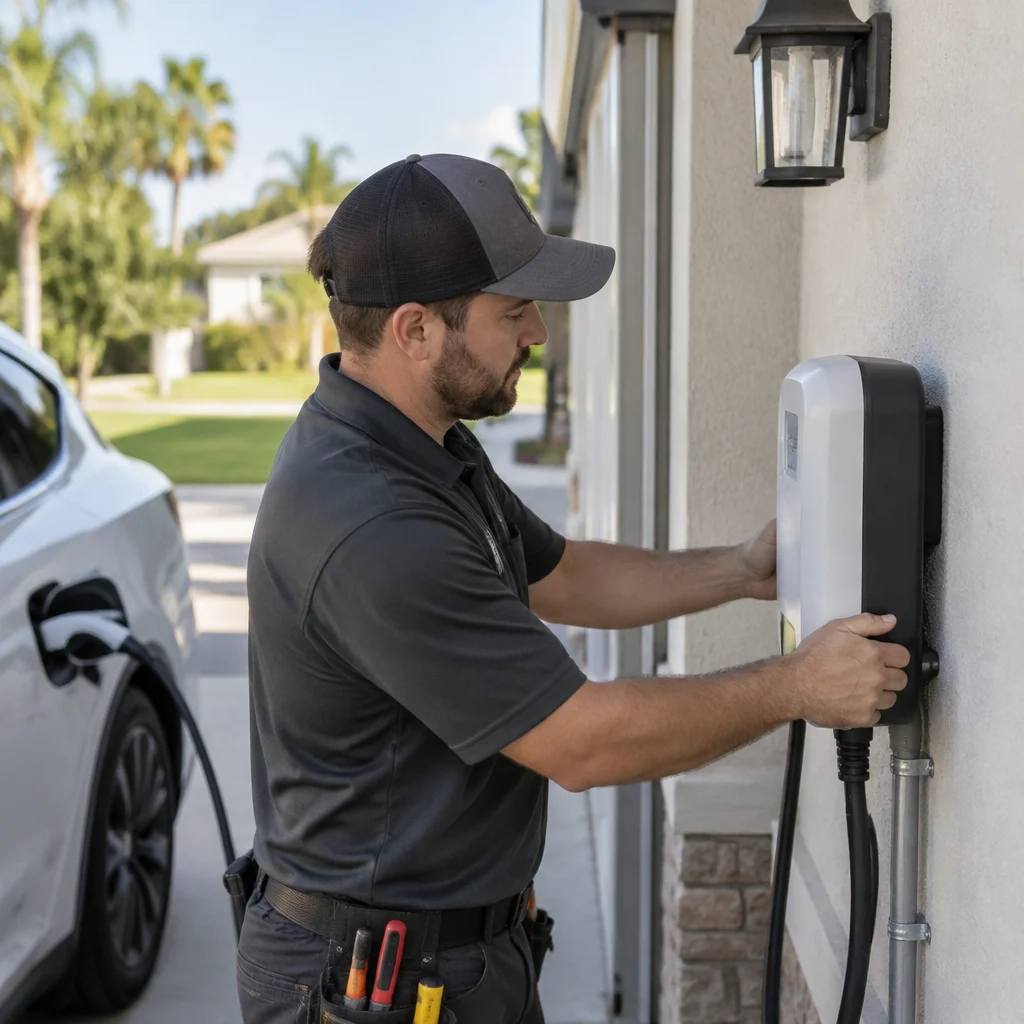
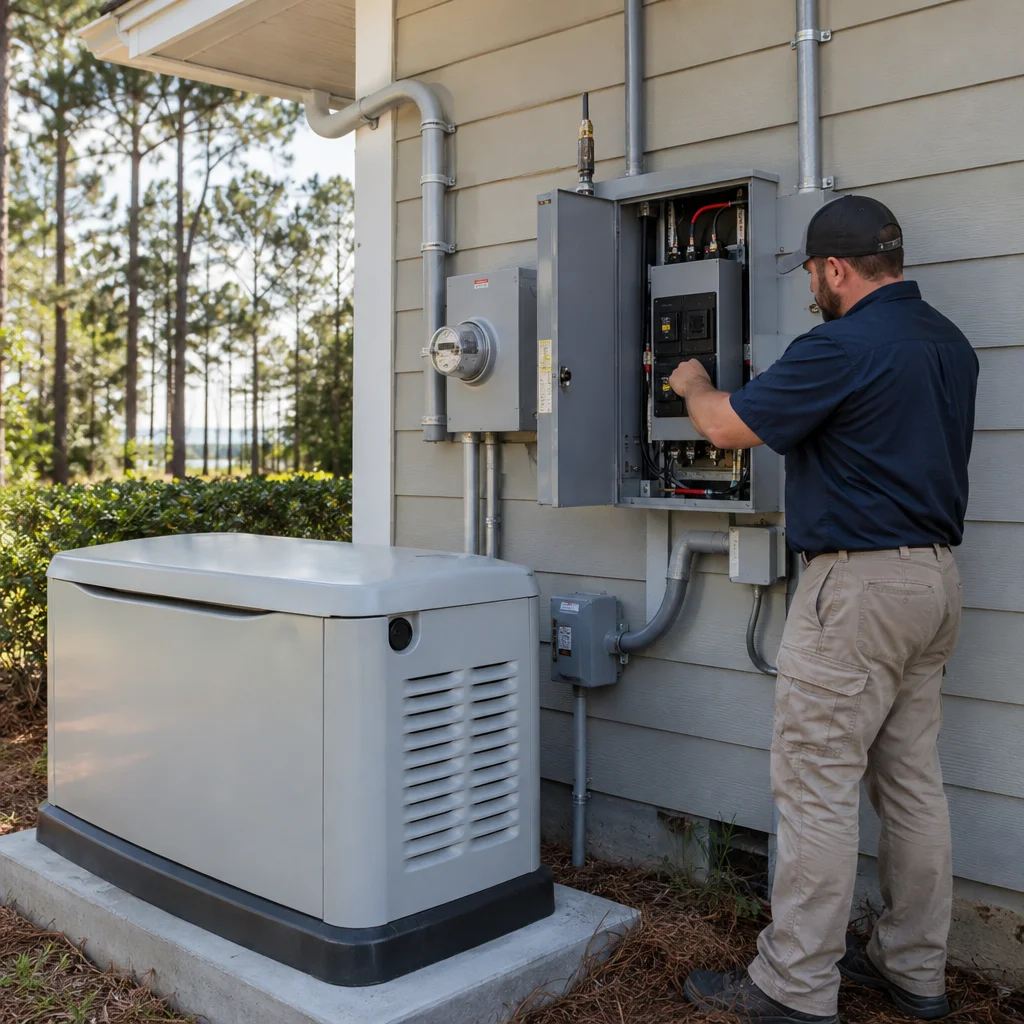
That matters in homes with modern features like EV chargers, appliance upgrades, or backup power systems. Adding more demand to an already stressed panel can make small fan issues harder to ignore. When a homeowner is already considering EV charger installation or battery backup systems, a ceiling fan inspection can be part of a broader safety check.
What local conditions in Upper Grand Lagoon change the picture
Upper Grand Lagoon homes deal with salty air, humidity, summer storms, and occasional power disturbances. Those conditions can shorten the life of electrical components. A fan that works fine inland may corrode faster near the coast, especially if it is installed in a covered porch, sunroom, or room with frequent moisture exposure.
Storms can also reveal hidden problems. After a surge or outage, a fan may still spin but have a damaged control board, a weak capacitor, or a loose connection. If a storm knocked out other devices too, homeowners searching for a power outage electrician near me may need more than a reset. The issue could involve the breaker panel, grounding, or surge protection.
That is one reason many local homeowners also ask about battery backup systems and whole home surge protection. A ceiling fan is a small load, but its controls and motor can still be damaged by unstable power. Protecting the whole electrical system helps protect the smaller parts too.
Fan service and the rest of the electrical system
Ceiling fan work often connects to other electrical needs in the home. A bad switch may lead to switch repair or dimmer switch installation. A loose connection may point to a larger wiring issue. A tripping breaker may require electrical panel replacement or breaker repair. In some homes, the ceiling fan shares a circuit with lighting or outlets that should be separated for safer operation.
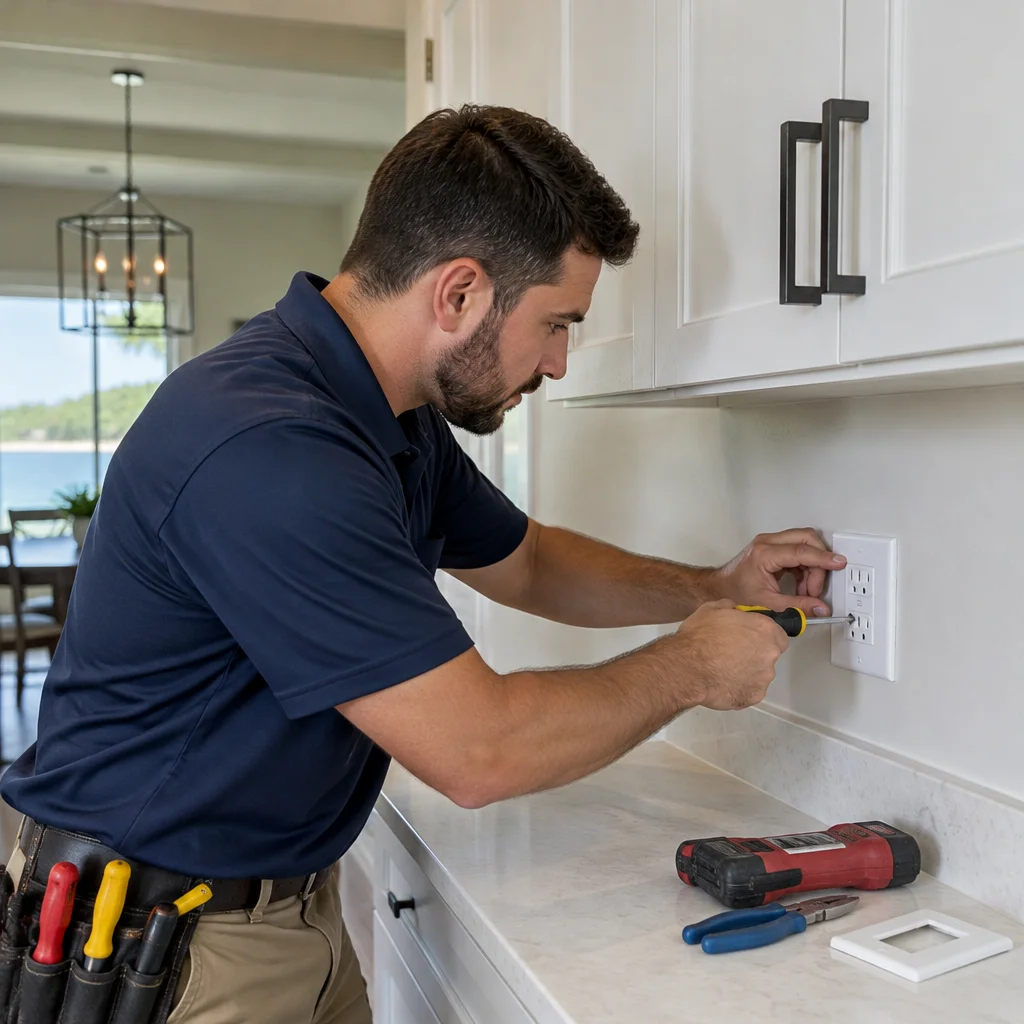
That is also where local electrical maintenance becomes useful. A homeowner may start with a fan repair, then discover a need for GFCI outlet installation, grounding improvements, or a dedicated circuit for a room addition. If the home has a garage, workshop, or updated kitchen, a related service like appliance circuit installation or range outlet installation may also come into play.
For older properties, an electrician may recommend electrical inspections and code updates before installing a new fan. That is especially smart if the home still has outdated wiring, ungrounded outlets, or a panel that has been patched over the years. Some homeowners searching for breaker box replacement near me or electrical panel replacement near me discover the issue when a new fan or light kit starts overloading an old circuit.
Where ceiling fan service helps most in local homes
Ceiling fan service is useful in bedrooms, living rooms, enclosed lanais, rental properties, and remodeled spaces where airflow and lighting both matter. It is also helpful in homes with higher ceilings, where the wrong box or mounting method can create a safety issue that is not obvious from the floor.
In newer homes, the concern is often less about old wiring and more about overloaded circuits, builder-grade parts, or poor fan placement. In older homes, the concern may be outdated wiring, weak grounding, or a switch leg that was never meant to support a modern fan with a remote receiver and light kit.
When homeowners search for an electrician near me or ask for ceiling fan replacement, they often want a quick fix. The better approach is a safe one. That means checking the fan box, wiring, switch, breaker, and nearby fixtures so the repair lasts.
How to keep ceiling fans safer year round
Homeowners can help by cleaning blades, watching for wobble, and avoiding repeated switch flickering or breaker trips. Fans should not be allowed to rattle loose, and light kits should use bulbs and controls rated for the fixture. If a fan begins making new noises after a storm or outage, it is worth scheduling an inspection before the issue spreads.
It is also smart to review the rest of the electrical system during the same visit. A home that needs fan work may also need GFCI outlet repair near me, GFCI outlet installation, smoke detector installation, or whole home surge protection. If the property is older, a look at electrical code compliance can help catch issues before they become emergency electrical concerns.
For businesses, rentals, and larger properties, ceiling fan service may also tie into a broader maintenance schedule with a commercial electrician near me approach, especially when occupancy, lighting, and safety standards all matter. A coordinated plan keeps small issues from turning into downtime or tenant complaints.
Upper Grand Lagoon homeowners who want safer, cleaner, and more reliable fan performance can rely on local electrical help that understands the area’s weather, housing stock, and power demands. Whether the job is a simple replacement or part of a larger repair plan, ceiling fan service is one of the easiest ways to improve safety and comfort at the same time.
For related local home maintenance topics, some homeowners also read about Why Water Softening Matters for Upper Grand Lagoon Homes, Choosing the Right Time for Plumbing Fixture Replacement in Upper Grand Lagoon, and Keeping a Coastal Home Comfortable With Heat Pump Service in Upper Grand Lagoon. Those topics are different trades, but they share the same idea: local homes need service that fits local conditions.
Find Ceiling Fan Services in Upper Grand Lagoon, FL
If you need Ceiling Fan Services in Upper Grand Lagoon, FL, visit our local service page or contact A Superior Mechanical today.
Map of Upper Grand Lagoon, FL
Frequently Asked Questions
Why do ceiling fans need professional electrical service in Upper Grand Lagoon?
Ceiling fans depend on the right box, wiring, switch, and circuit. In Upper Grand Lagoon, humidity, storms, and older wiring can create extra wear, so professional service helps reduce fire risk and keeps the fan mounted safely.
Can a ceiling fan cause a breaker to trip?
Yes. A tripping breaker can point to an overloaded circuit, a faulty fan motor, a bad switch, or loose wiring. If it happens more than once, the circuit and panel should be checked by an electrician.
Do I need a fan-rated box for every ceiling fan?
Yes. A ceiling fan should be mounted to a box rated for fan support. A standard light fixture box may not hold the weight or movement of a fan safely.
Can ceiling fan problems be part of a bigger wiring issue?
They can. A loose fan, flickering light, or warm switch may point to damaged wiring, grounding issues, or a panel problem. That is why ceiling fan service often overlaps with electrical inspections, outlet repair, and panel upgrades.
Related Articles
Photo Gallery