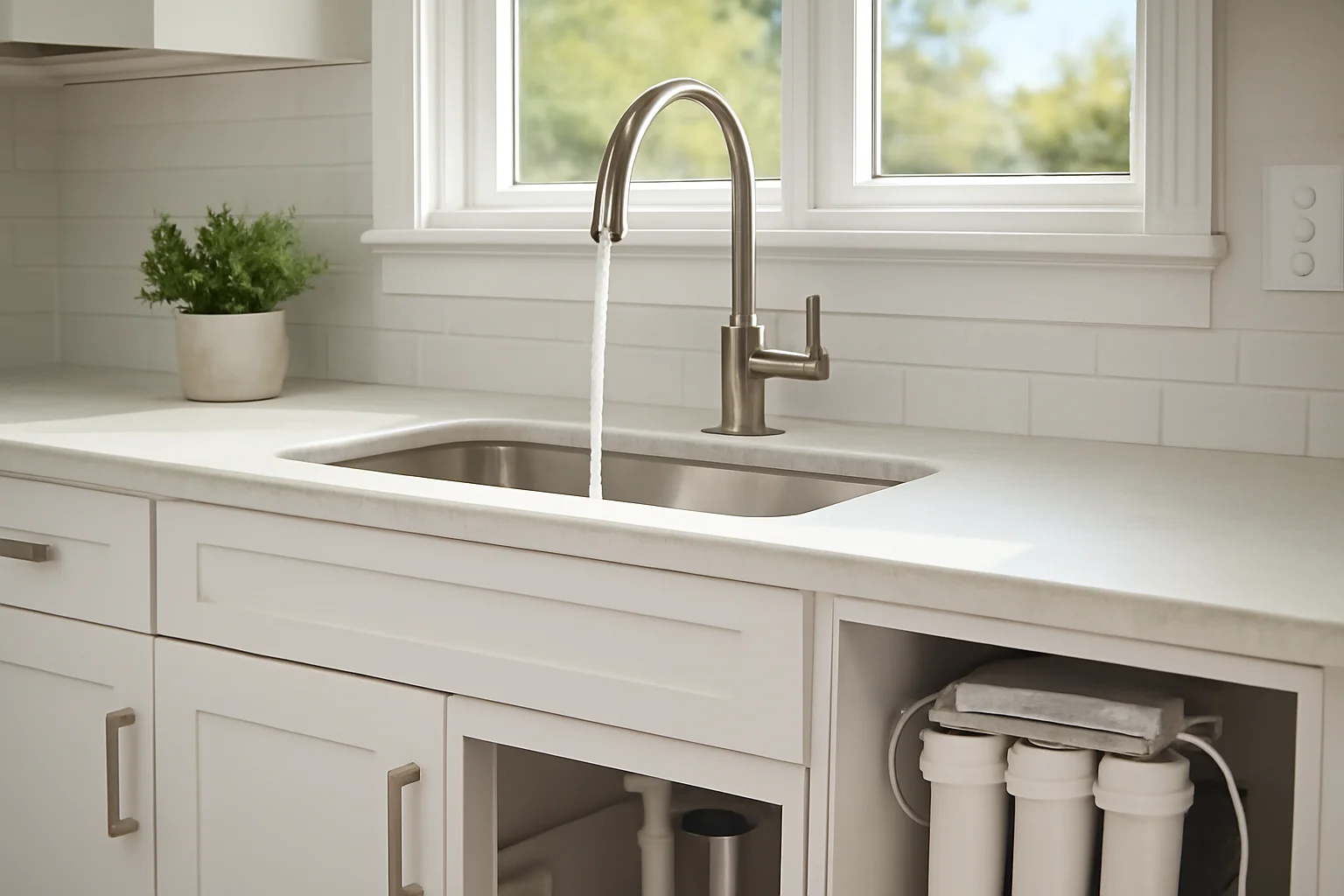
Living in Freeport, FL means you get coastal humidity, warm weather, and plenty of outdoor activity. It also means many homes deal with hard water challenges that show up every day, from hard water spots on glass to scale buildup around faucets and showerheads. When water is high in minerals like calcium and magnesium, it can leave residue, affect soap performance, and shorten the life of appliances that use water.
A Superior Mechanical helps homeowners across Walton County address these issues with water softening services and complementary clean water systems. This guide breaks down how water treatment works, what to look for in your home, and how the right setup can protect coffee, ice, cooking water, bathing comfort, laundry results, fixtures, and appliances.
Why Freeport homes need water softening and better drinking water
Hard water forms when water picks up minerals as it moves through natural sources. In many areas of Walton County, these minerals can be noticeable in everyday life. You might see white spots on shower glass, chalky buildup around faucets, or mineral scale on the inside of plumbing. Over time, that scale can reduce efficiency and make maintenance more frequent.
In a household, water is used constantly. It is in the kitchen for drinking, coffee, cooking, and ice. It is in the bathroom for bathing. It is in the laundry room for washing clothes and towels. It is also inside water heaters, dishwashers, washing machines, and other appliances. When hard water is untreated, the minerals can build up where heat and water flow are most active.
If you are searching for water filtration and RO water softeners or water softening services in Freeport, the goal is the same: reduce mineral scale, improve how water tastes and feels, and protect your home’s investments.
What hard water looks like around the house
Hard water is often easier to spot than people expect. Here are common signs Freeport homeowners notice, especially in kitchens and bathrooms.
Hard water spots on glass, dishes, and fixtures
Glassware can come out with a hazy film. Dishes may look dull even after running the dishwasher. Fixtures might show white or gray residue, especially around the faucet and handles. These hard water spots can be more than cosmetic. They are mineral deposits that keep accumulating if water is not treated.
Scale buildup around faucets, showerheads, and plumbing
Scale buildup around faucets and showerheads is a classic hard water clue. You may also notice reduced water flow from showerheads or a rough feel on metal surfaces. Inside plumbing, scale can build up where water heats up or where flow is restricted, which can lead to higher energy use and more wear over time.
Dry skin or dull hair after bathing
Many people describe dry skin from hard water, along with hair that feels less soft and looks dull. Hard water can interfere with how soap and shampoo lather and rinse. That leaves residue on skin and hair, which can be especially noticeable in households with kids or anyone with sensitive skin.
Soap that does not lather or rinse well
If it feels like you need more soap to get the same clean, or if towels and clothing do not feel fully rinsed, hard water could be part of the problem. When minerals react with soap, you can end up using more product and still not get the clean feel you want.
Metallic, chlorinated, or unpleasant taste
Some homes also notice chlorine taste in water or a metallic note. Taste issues are not always only about hardness. Depending on your local water conditions, you may need additional filtration for better drinking water. That is where whole home water filtration and systems like AO Smith water filtration can help.
Cloudy ice cubes and poor tasting coffee and cooking water
Cloudy ice cubes can be a sign of dissolved minerals and other water components that affect clarity. If your coffee tastes flat or bitter, or cooking water does not perform the way you expect, treating water can make a noticeable difference. Better water helps food taste more like the ingredients, not like the water.
Appliances wearing out faster and visible sediment
When hard water is untreated, appliances that heat water can accumulate scale. Over time, that can mean shortened appliance life, reduced efficiency, and more frequent service. You might also see visible sediment, discoloration, and odor concerns in hot water or at the ends of water lines.
How water softeners actually protect fixtures and appliances
A water softener is designed to reduce the hardness minerals in your water. Instead of letting calcium and magnesium build up in plumbing and appliances, a softener changes those minerals so they are less likely to form scale.
In practical terms, this is how it helps across the home:
- Fixtures and shower surfaces: Fewer scale deposits mean fewer hard water spots on glass and less white buildup around faucets and showerheads.
- Skin and hair: Better soap performance can lead to less residue and a more comfortable feel after bathing, which many homeowners describe as relief from dry skin from hard water.
- Kitchen performance: When scale is reduced, appliances that use hot water, like kettles and coffee makers, can perform more consistently.
- Appliances: Water heaters, dishwashers, and washing machines are less likely to clog with mineral scale, which can support longer service life.
For homeowners searching for water treatment near me, this is the key idea: softening is about protecting what you use daily. You can see the benefits quickly on glass and fixtures, and you can often feel the difference in bathing and laundry.
Where reverse osmosis and whole home filtration fit in
Water softening is not the only piece of clean water systems. Many households want both mineral control and improved taste and odor. That is where reverse osmosis and whole home water filtration come into the picture.
Reverse osmosis for drinking water, ice, and cooking
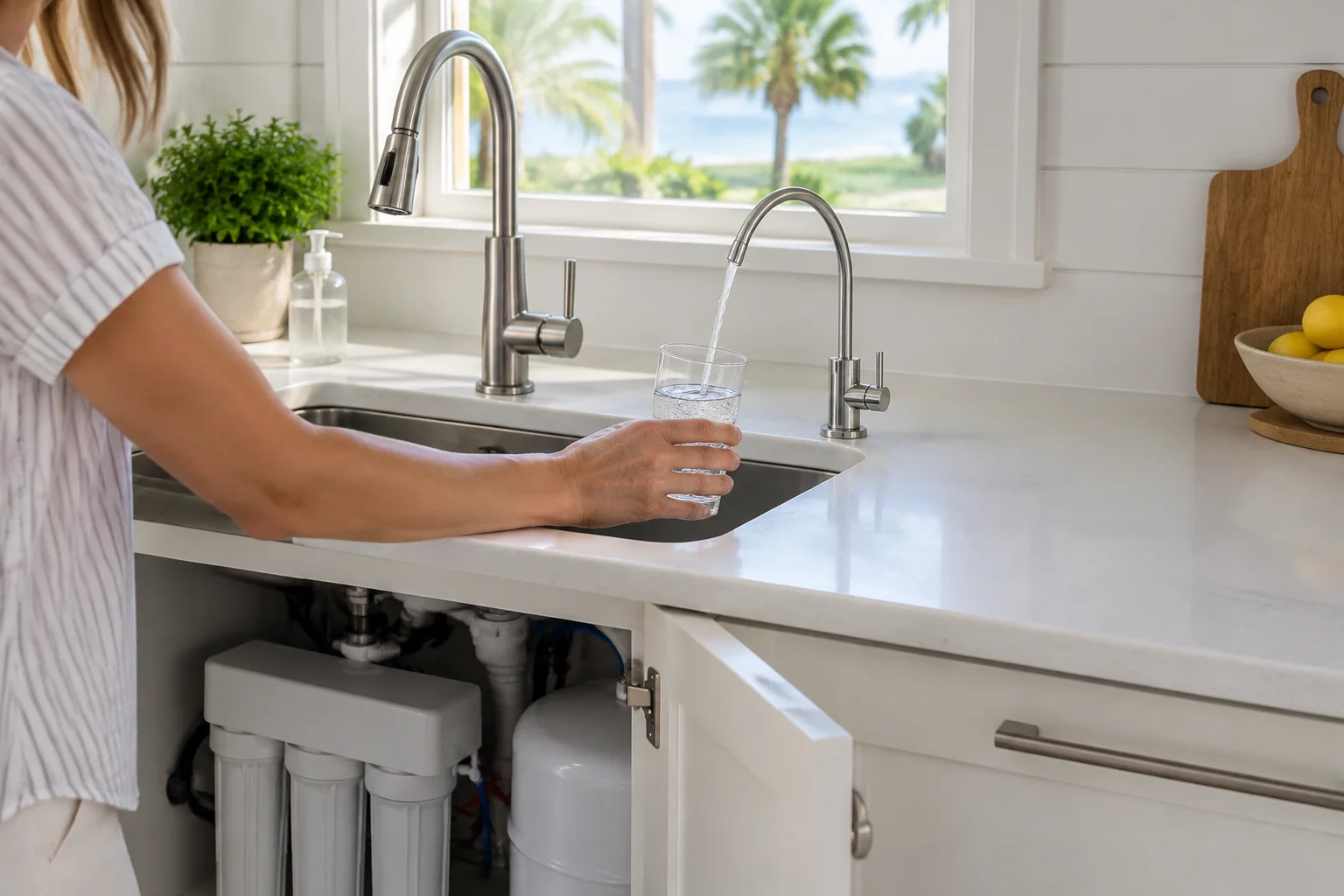
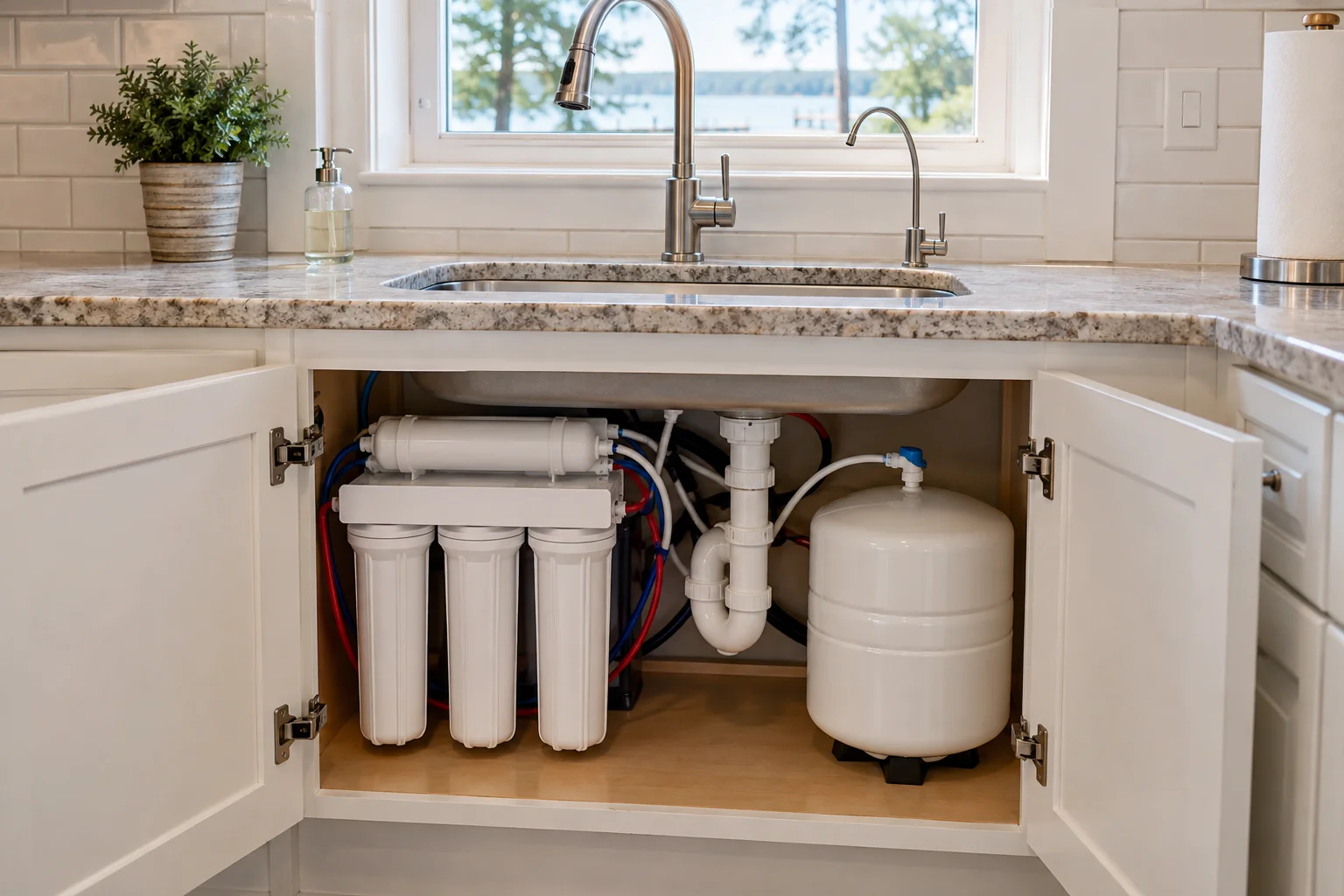
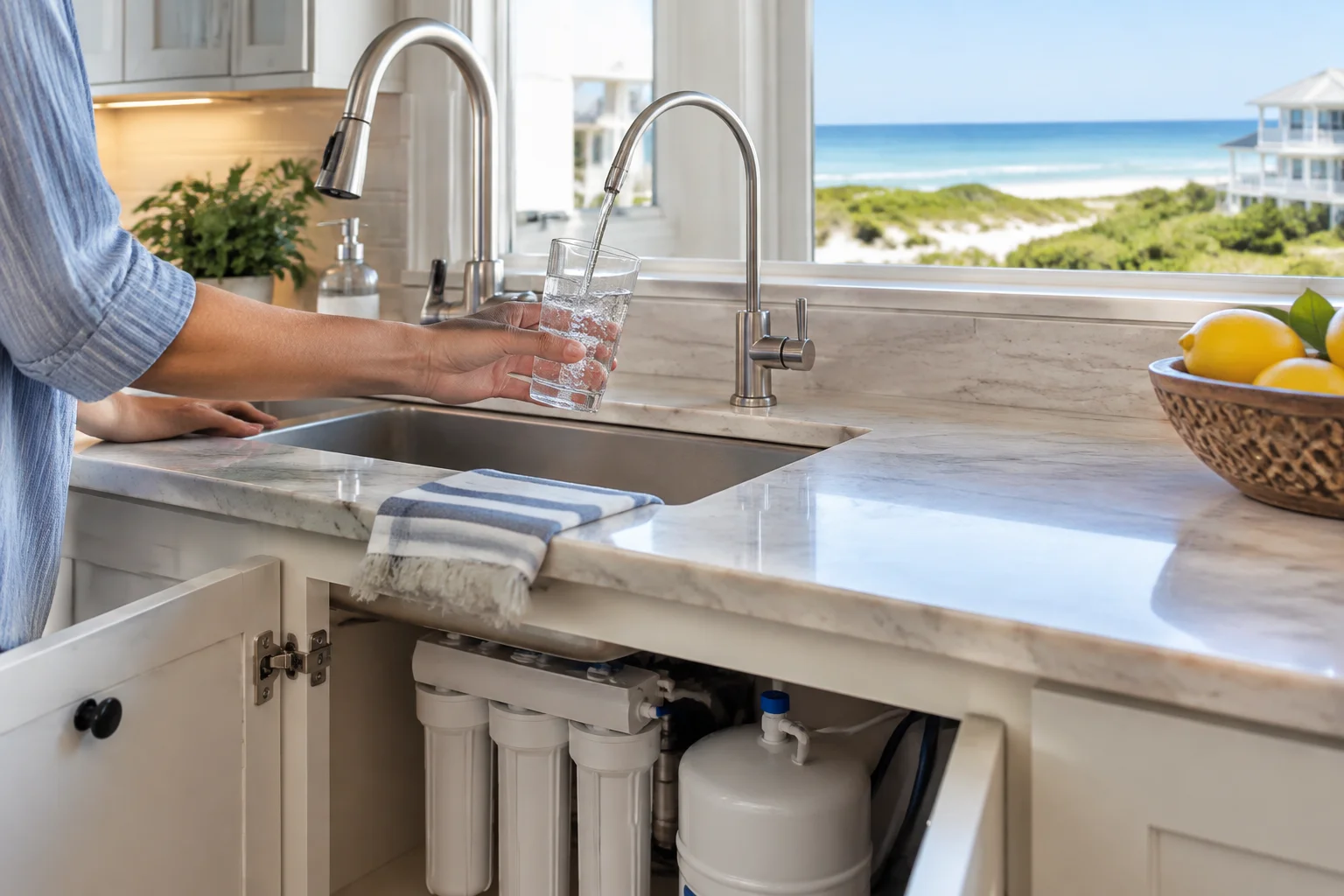
A reverse osmosis system near me search usually comes from one main goal: better drinking water. RO can reduce dissolved solids and help address taste and odor concerns. If you have cloudy ice cubes or poor tasting coffee, RO can be a strong match for kitchen needs.
Many Freeport families like a setup that combines:
- Water softening to protect the plumbing and appliances that heat and use water.
- RO for drinking water to improve what you consume, including water used for coffee, tea, cooking, and ice.
This approach supports both everyday comfort and kitchen quality.
Whole home water filtration for consistent quality
Whole house water filter systems are designed to treat water before it reaches every faucet, shower, and appliance. That can be helpful if you want to reduce sediment, improve overall water cleanliness, and support better drinking water systems.
Whole home filtration can also reduce how often you need to clean fixtures and can complement an AO Smith water filtration plan, depending on your water profile.
AO Smith water filtration and system matching
AO Smith is known for water treatment equipment used in many homes. A Superior Mechanical can help you choose the right configuration based on your household needs, including whether you need water softening, whole home filtration, or RO for drinking water and ice.
Matching the system matters. Some homes primarily need hardness control. Others need filtration for taste, odor, or sediment. Many benefit from a combination.
Everyday kitchen scenarios: coffee, ice, and cooking water
Hard water and untreated water quality can show up fast in the kitchen. It is not just about taste. It is about performance.
Better coffee starts with water that does not fight your brewer
When you brew coffee with hard water, mineral scale can build up in coffee makers and kettles. That can affect flavor and performance over time. Homeowners often notice that treated water makes coffee taste cleaner and more consistent.
Clearer ice cubes and less “off” flavor
Cloudy ice cubes are common when water contains minerals and other dissolved components. If you have ever thrown away a tray because the ice looked strange or tasted odd, it is a sign your water could benefit from reverse osmosis or filtration.
Cooking water that behaves the way recipes expect
Pasta, rice, soups, and vegetables can taste different depending on water chemistry. Some homeowners describe better cooking water after treatment as more “true to the ingredients.” It can also reduce residue in kettles and cookware that see frequent hot water use.
Bathing comfort: what changes when hardness is controlled
Bathing is where water treatment becomes personal. When water is softened, soap and shampoo can lather and rinse more effectively. That can reduce the buildup that contributes to dry skin from hard water and dull hair after bathing.
In Freeport homes, the warm, humid climate can make skin sensitivity more noticeable for some people. Treated water can help your routine feel better, especially for families with kids, frequent swimmers, or anyone who spends more time in the shower.
Showerheads and faucets stay cleaner
With fewer mineral deposits, you can often spend less time scrubbing scale buildup around showerheads and faucets. That means less time on maintenance and more time enjoying your home.
Laundry and household cleaning: less residue, better results
Hard water can make laundry harder. You may notice that clothes feel stiff, towels do not feel as absorbent, or colors look dull faster. Soap that does not lather or rinse well can also lead to a film that builds up over time.
Softened water can improve how detergents work, which often leads to cleaner, fresher laundry. For homeowners searching for clean water systems near me, this is one of the most satisfying day to day changes.
Protecting appliances in Freeport: water heater, dishwasher, and more
Appliances that heat water are especially vulnerable to mineral scale. In hard water homes, scale can form inside heating elements and reduce heat transfer. That can make appliances run longer, use more energy, and wear out faster.
Common appliance impacts include:
- Water heaters: More scale can reduce efficiency and shorten service life.
- Dishwashers: Mineral buildup can leave spotting and affect cleaning performance.
- Washing machines: Scale can contribute to residue and reduce effectiveness.
- Hot water lines: Sediment and discoloration can appear with time.
If you are planning appliance upgrades or already noticing reduced performance, it is worth treating the water source, not just replacing parts. For related guidance, homeowners often find these posts helpful: How Water Softening Services Hold Up in Freeport Homes Over Time and What Freeport Homeowners Often Miss During Plumbing Service Visits.
Choosing the right water treatment setup for your home
No two Freeport households have the exact same water needs. The best approach is based on your water chemistry, your household size, and how you use water. A Superior Mechanical can help you evaluate options like:
- Water softener installation near me: Ideal if you see scale buildup around faucets, showerheads, and plumbing, plus hard water spots on dishes and glass.
- Whole house water filter: Helpful if you want consistent filtration throughout the home and better overall water cleanliness.
- Reverse osmosis system: Great for drinking water, ice, and coffee, especially when you notice chlorine taste in water or cloudy ice cubes.
- Combined systems: Common for households that want both mineral protection and improved taste and odor.
Because Freeport homes experience heat and humidity, water usage patterns can be higher during parts of the year. That makes sizing and system design important. Treatment that is too small may not keep up, and treatment that is mismatched can waste resources.
Maintenance that keeps your system working
Water treatment systems are built to run reliably, but they still need routine service. Maintenance helps your system stay efficient and keeps water quality consistent.
Here are practical maintenance items homeowners can watch for:
- Monitor salt and regenerate cycles on a water softener.
- Check for changes in taste or odor that can signal filtration media needs attention.
- Look for a return of hard water spots on glass and fixtures.
- Watch for sediment or discoloration that could indicate a filtration or plumbing issue.
If you notice soap scum returning, cloudy ice cubes getting worse, or appliances not performing like they used to, it may be time for a professional water softener service or system inspection.
When to call A Superior Mechanical for water softening and filtration
Homeowners in Freeport typically call when the signs are no longer just annoying but start affecting daily life and appliance performance. Reach out if you notice:
- Hard water spots on dishes and glass that do not improve with cleaning
- Visible scale buildup around faucets, showerheads, and plumbing
- Dry skin from hard water or dull hair after bathing
- Metallic, chlorinated, or unpleasant taste in drinking water
- Cloudy ice cubes
- Poor tasting coffee and cooking water
- Appliances wearing out faster or showing signs of sediment
For many homeowners searching for water treatment near me or whole home water filtration near me, the best first step is a local consultation and water evaluation. From there, you can decide on water softening, reverse osmosis, AO Smith water filtration options, or a combined clean water system.
You can also explore our service area details for installation and service support here: water softening services in Freeport, FL. If you are located elsewhere in Walton County, you can review coverage here as well: Walton County water treatment services.
Preventing water line issues and protecting plumbing long term
While water softening focuses on mineral control, it also supports the bigger goal of keeping plumbing and water lines healthier. Scale buildup can contribute to restricted flow and higher stress on parts over time. If you have concerns about your water lines, pairing water treatment with professional plumbing assessment can be a smart move.
Some homeowners also review related guidance like Staying Ahead of Water Line Problems in Freeport Homes and Why Professional Pipe Replacement Matters for Freeport Homes to understand how water quality and plumbing condition connect.
A home routine that benefits from clean water systems
Think about a typical day in a Freeport household. Someone starts the morning shower. A family member makes coffee. Kids grab a glass of water. Dinner includes pasta or rice cooked in hot water. Towels and clothes get washed. All of that relies on the same water source.
When you invest in water softening services and the right filtration, you are protecting more than equipment. You are improving the feel of bathing, the performance of laundry, and the taste of drinking water. You also reduce the visible buildup that steals time and attention.
For many homeowners, that is the real value of clean water systems: fewer headaches, better results, and appliances that last longer because the water they rely on is treated.
If you want help choosing the right setup for your home, A Superior Mechanical serves Freeport and surrounding areas across Walton County. Learn more at our Freeport service area, or explore water treatment options through water filtration and RO water softeners.
Find Water Softening Services in Freeport, FL
If you need Water Softening Services in Freeport, FL, visit our local service page or contact A Superior Mechanical today.
For a broader look at whole-home water filtration, reverse osmosis, and water softener options, visit our water filtration, RO, and water softener page.
Map of Freeport, FL
Frequently Asked Questions
Will a water softener remove chlorine taste in water?
A standard water softener mainly addresses hardness minerals. If you taste chlorine or notice unpleasant odor, you may need additional filtration, such as whole home filtration or reverse osmosis for drinking water.
How do I know if my cloudy ice cubes are from hard water or something else?
Cloudy ice cubes can happen when dissolved minerals and other components are present. Hardness can contribute, but taste and clarity issues can also indicate the need for filtration or reverse osmosis. Testing your water helps determine the right solution.
What is the difference between water softening and whole home water filtration?
Water softening reduces calcium and magnesium to help prevent scale buildup. Whole home water filtration improves water quality throughout the house by reducing sediment and other contaminants. Many Freeport homes benefit from both.
Is reverse osmosis worth it for coffee and cooking water?
For many households, yes. Reverse osmosis can improve drinking water taste and can support clearer ice cubes. When used for drinking water and kitchen prep, it often leads to better coffee and more consistent cooking results.
Related Articles
Photo Gallery