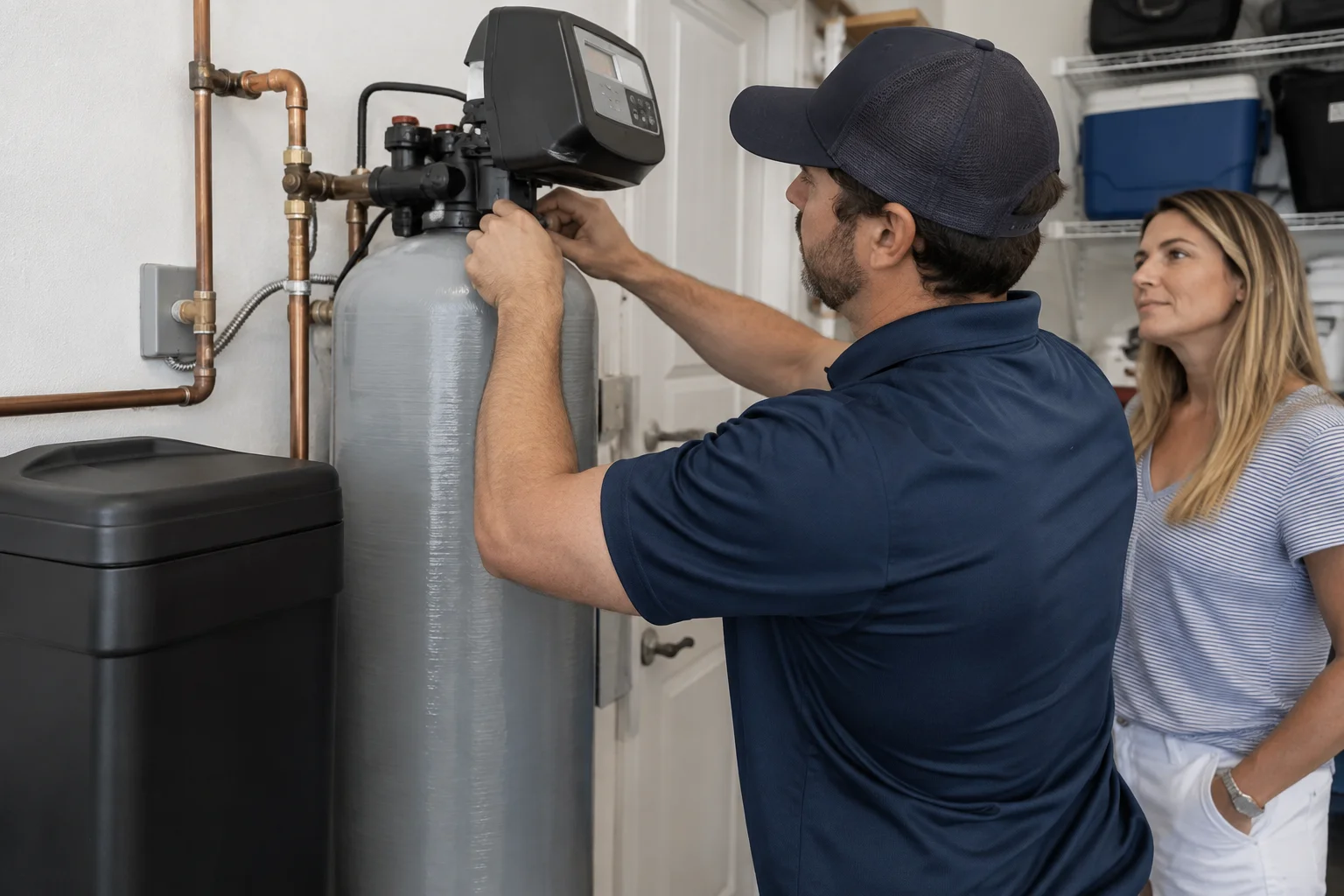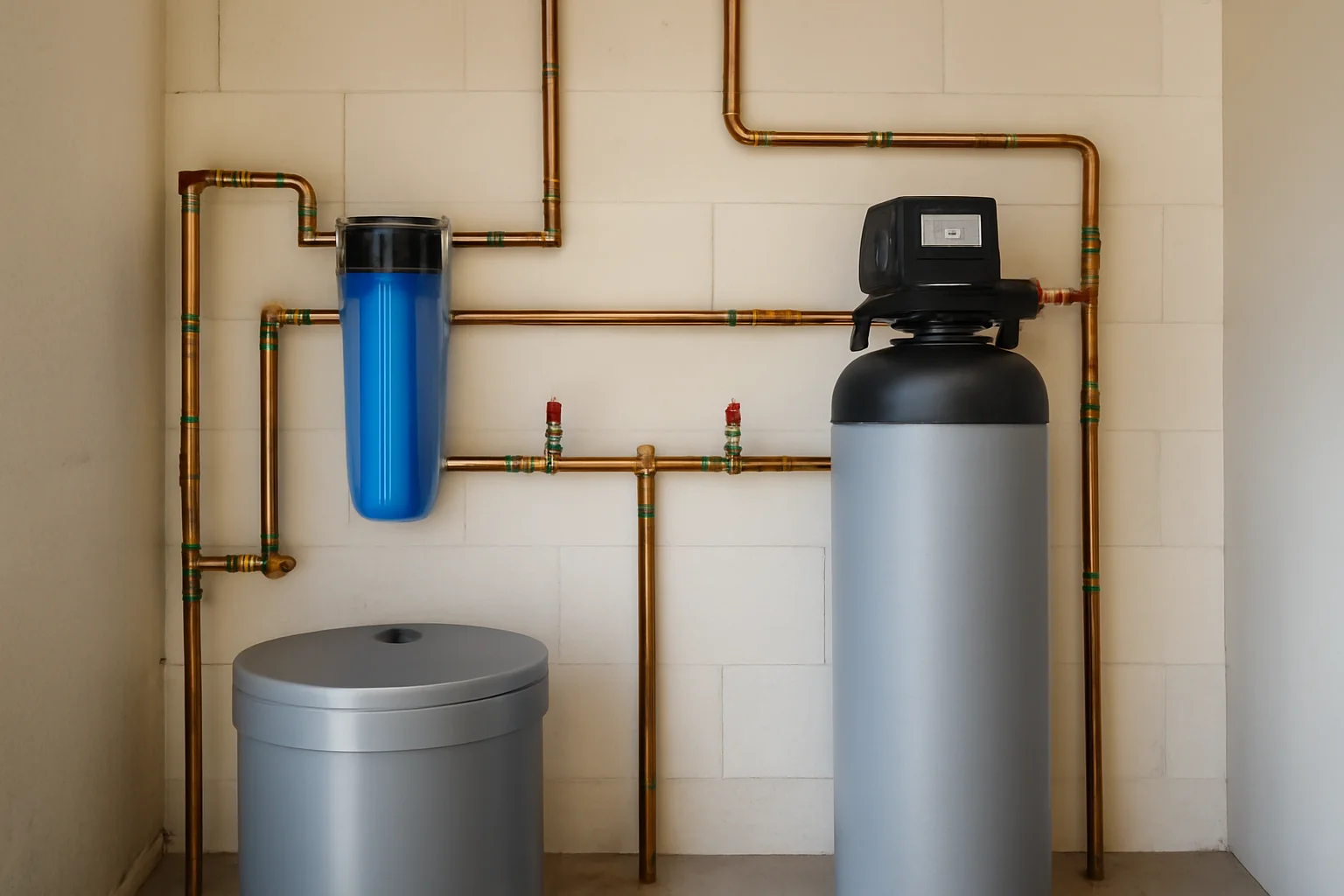
Seagrove Beach homeowners often notice water quality before they can even explain it. Glassware can look dull, faucets may develop stubborn scale, and laundry sometimes feels less fresh. In a coastal area where homes run dishwashers, showers, irrigation, and appliances all year, those small water issues add up. Water softening is one of the most practical ways to protect fixtures and appliances while improving everyday comfort, especially for families who care about clean water for drinking, cooking, bathing, and laundry.
If you are searching for water treatment near me, water softener service near me, or water filtration near me, this guide covers what hard water does in Seagrove Beach, what to watch for, and how solutions like water softening, whole home water filtration, and reverse osmosis fit together.
What hard water does to a Seagrove Beach home
Hard water is water with high levels of dissolved minerals, most commonly calcium and magnesium. When you heat water, these minerals can separate out and cling to surfaces. Over time, you see the results everywhere: on glass, on showerheads, inside pipes, and in appliances that rely on hot water.
Seagrove Beach homes are in Walton County, FL, and many households experience water that behaves like hard water. Coastal water systems can vary, and in some areas mineral content and treatment effectiveness can fluctuate. That is why it is smart to evaluate your home’s water rather than assume your neighbor’s experience is identical to yours.
The visible signs show up quickly
Hard water spots on glass are often the first clue. You may notice:
- Hard water spots on glass that look like cloudy streaks, especially after the dishwasher runs
- Soap that does not lather or rinse well in the shower
- Scale buildup around faucets and showerheads, including rough buildup that feels gritty
- Visible sediment, discoloration, and odor concerns, particularly when water sits or when hot water is used after a period of nonuse
In the kitchen, hard water can show up as poor tasting cooking water. Coffee can taste off, and cooking may not taste as consistent as it should. Some households also notice a chlorine taste in water or metallic tasting water, which can be a separate water quality issue that pairs well with the right filtration strategy.
Skin, hair, and the feel of bathing water
Hard water affects more than surfaces. Many residents notice dry skin or dull hair after bathing. If your family uses bar soap, shampoo, and conditioner daily, the minerals can interfere with how products rinse. The result can be that “clean” feeling does not last as long, and hair may look less vibrant.
When you soften water, you reduce the mineral buildup that makes soap feel less effective. That often improves how skin feels after a shower and how hair behaves when you rinse, especially in homes where the water is consistently hard.
Cloudy ice cubes and the taste test
Cloudy ice cubes can be a harmless temperature effect, but when they appear alongside other issues, they can point to mineral content and dissolved solids. If you are noticing cloudy ice cubes, poor tasting coffee water, or a chlorine taste in water, it is worth considering whole home water filtration and, for drinking water, reverse osmosis.
A simple kitchen check can help you decide what to address first: taste your cold drinking water, check the odor, and compare it to water after it has been filtered. If your water tastes metallic or chlorinated, filtration becomes more important than just scale control.
Why scale buildup is more than an eyesore
Scale buildup is the mineral residue that forms when hard water evaporates or heats. It is stubborn, and it tends to collect in areas where water is heated or where flow is restricted. That includes water heater components, the insides of pipes, and appliance heating elements.
Faucets, showerheads, and plumbing lines
Over time, scale buildup on faucets and showerheads can reduce water flow and create uneven spray patterns. You may also notice:
- Faucet aerators clogging more often
- Showerheads that require frequent descaling
- Plumbing that drains more slowly after years of use
Because scale forms inside plumbing too, it can narrow passages and increase stress on your water system. Even when you cannot see it, hard water treatment matters for protecting fixtures and maintaining reliable performance.
Appliances wear out faster
Dishwashers, washing machines, water heaters, and other appliances rely on hot water and heating elements. Mineral deposits act like insulation. That means appliances often work harder, run longer, and heat less efficiently.
Homeowners may see earlier-than-expected appliance replacement or repairs. In rental properties, where tenants rotate in and out and appliances run constantly, the wear can be even more noticeable. Softening and filtration can help extend service life and reduce maintenance calls.
Laundry, soap, and everyday cleaning
If soap does not lather, it is usually because the minerals react with soap and prevent suds formation. That can lead to higher detergent usage, dull-looking fabrics, and laundry that does not feel as clean. You may also see a film on towels or a residue around sinks.
Softened water helps soap and detergent work the way they are designed to work. That can improve how laundry rinses and can make cleaning feel less labor intensive.
How water softening helps Seagrove Beach families
Water softening is designed to reduce the minerals that cause scale. The most common approach uses a water softener system that replaces calcium and magnesium with sodium or potassium ions, depending on the setup. The result is water that is gentler on plumbing and easier on soap and detergents.
For Seagrove Beach households, softening can make everyday routines feel better. Think about the kitchen scene: rinsing dishes, making a pot of coffee, and filling the ice tray. Think about the bathroom scene: quick showers after a day at the beach and towels that feel fresh. Think about the laundry scene: consistent results across loads and fewer cleaning products used to fight buildup.
What improved water looks like at home
- Less scale buildup around faucets, showerheads, and sink fixtures
- Cleaner-looking glassware and fewer hard water spots on glass
- Soap that lathers and rinses more easily
- Better bathing comfort, with fewer complaints about dry skin from hard water
- More consistent cooking water and better taste for tea and coffee when paired with drinking water filtration
Softening is not the same as filtering out taste and odor. Many homeowners benefit from combining softening with whole home water filtration and, where needed, reverse osmosis for drinking water.
Softening vs. filtration: pairing solutions for better results
When you hear “water softening,” it is easy to assume it covers everything. It helps with scale-causing minerals, but other water quality concerns may involve sediment, chlorine taste in water, metallic tasting water, or odor. That is where water filtration and clean water systems come into the picture.
Many Seagrove Beach homes benefit from a layered approach:
- Water softening to reduce scale buildup on plumbing and fixtures
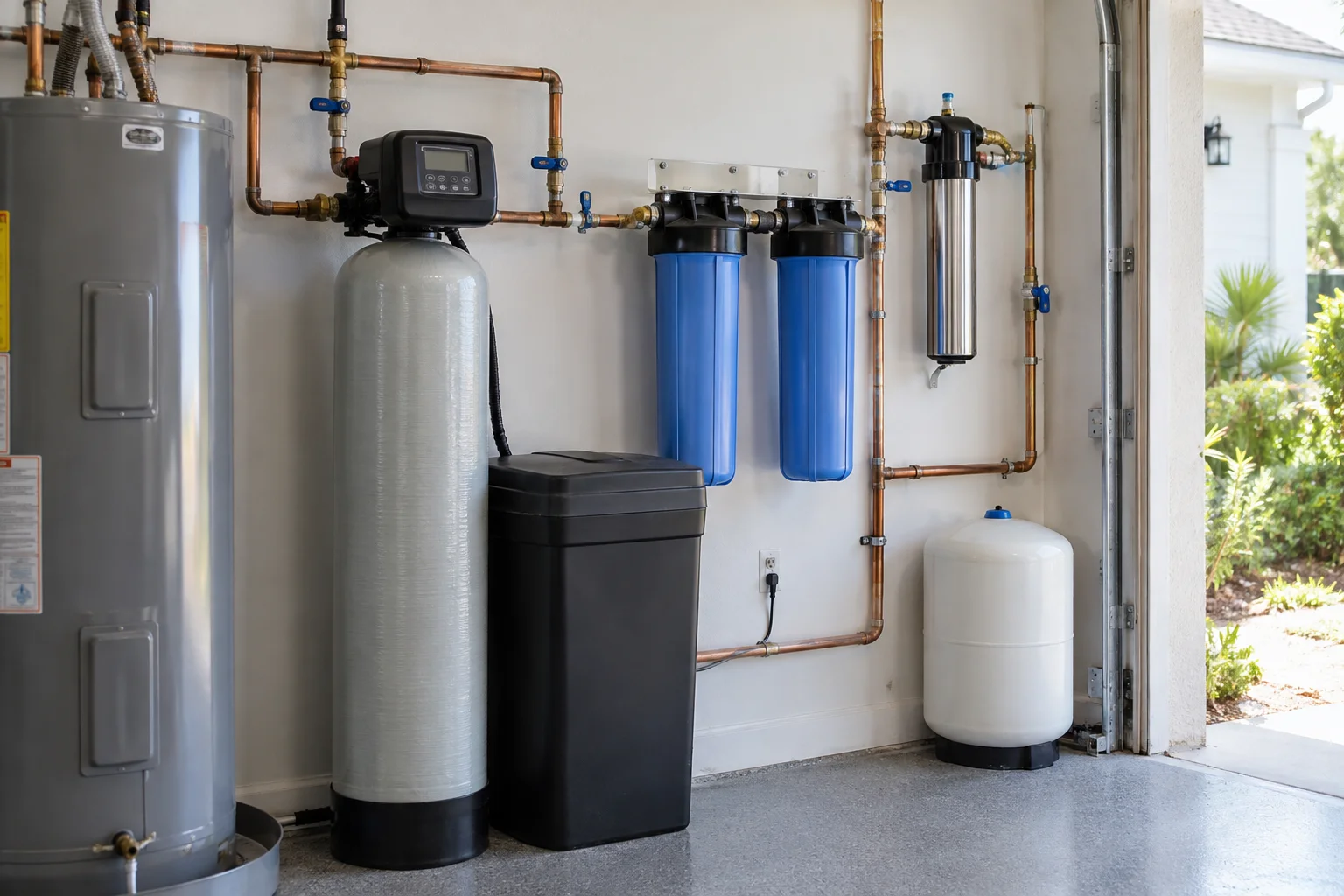
- Whole home water filtration to reduce particles and improve overall water quality across the home
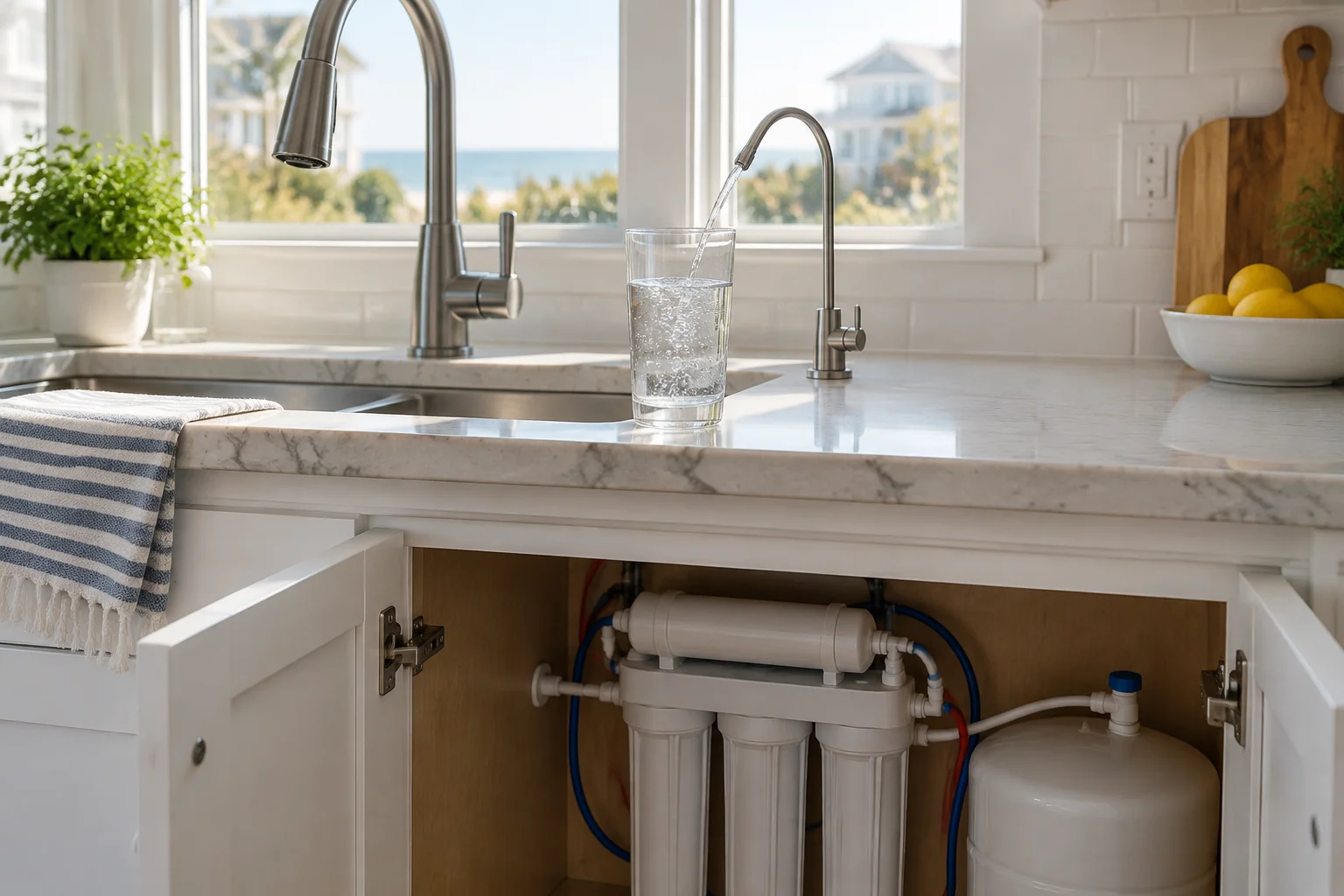
- Reverse osmosis for drinking water and cooking water, especially when taste and odor matter most
Whole home water filtration for cleaner water throughout the house
Whole home water filtration can improve day-to-day water quality for showers, laundry, and cleaning. It can also help address concerns like visible sediment, discoloration, and odor concerns that affect water used throughout the home.
If you are shopping for an AO Smith water filtration solution, ask about whole home options that match your home’s needs. AO Smith is a well-known brand in the water treatment space, and the right system can support cleaner water for your entire household.
For homeowners looking at water softener service near me or water filtration near me, it helps to choose a provider who can evaluate both scale issues and taste and odor concerns so you do not buy equipment that only addresses part of the problem.
Reverse osmosis for drinking water and cooking water
For many families, the biggest priority is what they drink and cook with. Reverse osmosis systems near me are often requested when homeowners notice unpleasant taste, chlorine taste in water, or metallic tasting water. Reverse osmosis can provide cleaner drinking water and better water for drinking and cooking.
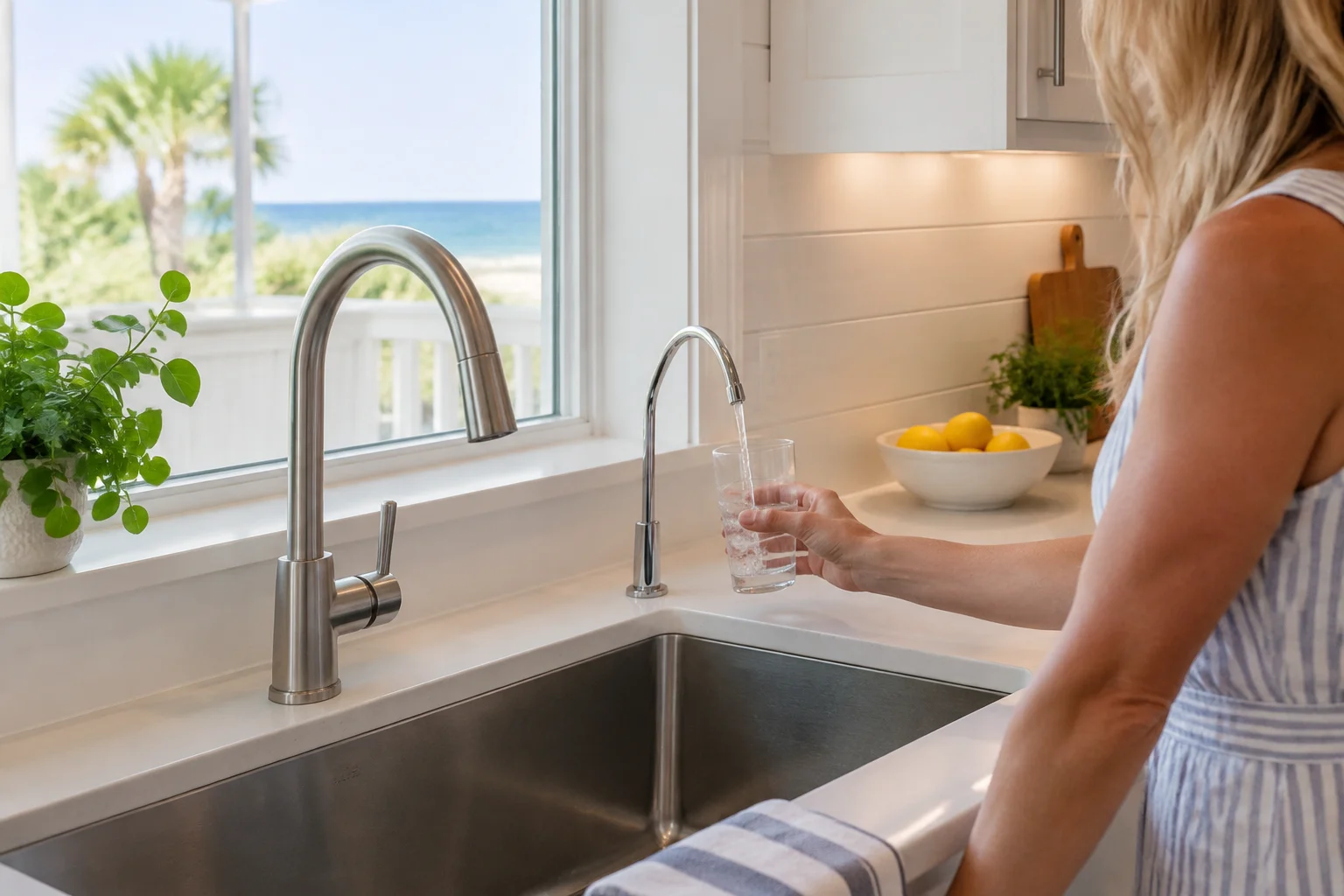
In the kitchen, this can change the feel of daily life. Coffee can taste more like coffee. Cooking water can taste more neutral. Ice cubes can look clearer, and drinking water can feel fresher.
If you want a straightforward way to explore options, you can review the filtration and softener approach on our page /water-filtration-ro-water-softeners.
Local climate and why timing matters in Walton County
Seagrove Beach experiences warm, humid stretches and seasonal changes that influence water usage patterns. During peak beach season, many homes and rentals see higher hot water demand from showers, laundry, and dishwashing. That increased demand can make scale and water quality issues more noticeable because appliances run more frequently.
In humid coastal conditions, mineral residue can build up faster on fixtures, and cleaning becomes a regular task. Softening and filtration can reduce the effort required to keep fixtures looking good and help appliances maintain efficiency.
Preventing problems: maintenance and water treatment habits
Water treatment is not a “set it and forget it” decision. Your system needs the right settings, timely maintenance, and monitoring so it continues protecting plumbing and appliances.
Watch for performance changes
Even if you already have a system, changes can signal that it needs service. Watch for:
- Scale buildup returning on faucets and showerheads
- Soap does not lather as well as it used to
- Appliances running longer or not cleaning as effectively
- Drinking water taste drifting back toward chlorine taste in water or metallic tasting water
- Cloudy ice cubes becoming more frequent
Plan for filter and system upkeep
Whole home filtration and reverse osmosis systems rely on components that need replacement. A qualified water treatment service can help you stay current with maintenance schedules based on your household’s water use and local conditions.
Who should consider water softening in Seagrove Beach?
Water softening is a strong fit for many households, including:
- Families who notice dry skin or dull hair after bathing
- Homeowners who regularly see hard water spots on glass
- Rentals where appliances and fixtures see heavy use
- Busy households that want fewer cleaning tasks and more consistent results from soap and detergent
- Anyone concerned about appliance wear and efficiency over time
If you also have taste and odor concerns, softening can be paired with whole home water filtration and reverse osmosis for drinking water and cooking water.
Signs it is time to schedule professional water treatment service
Some signs are clear enough to act on right away. Consider calling a professional for water softener service near me if you notice:
- Scale buildup around faucets, showerheads, and plumbing connections
- Soap does not lather or rinse well
- Metallic tasting water, chlorine taste in water, or unpleasant odor concerns
- Cloudy ice cubes and poor tasting coffee water
- Visible sediment or discoloration
- Appliances wearing out faster than expected
Professional service typically includes evaluating your water, checking current equipment performance, and recommending the right treatment combination for your home. That can include water softening, whole home water filtration, and reverse osmosis, depending on what your water test reveals.
Local service that understands Seagrove Beach water needs
Choosing a provider who works in Seagrove Beach means you get recommendations shaped by Walton County realities, not generic advice. If you want to explore water softening options for your home, you can read more on our service page /service-areas/walton-county/seagrove-beach/water-softening-fwbmb. It is also helpful to see our broader Seagrove Beach coverage on /service-areas/walton-county/seagrove-beach, and you can browse more Walton County options on /service-areas/walton-county.
Homeowners who want a deeper look at how water and plumbing systems interact may also find these reads useful: /news/what-seagrove-beach-homes-reveal-about-their-water and /news/the-water-clues-seagrove-beach-homes-should-not-ignore.
For additional context on protecting systems, review /news/how-water-softening-protects-rosemary-beach-plumbing-from-costly-water-damage and how smart installation can prevent future headaches in /news/how-smart-plumbing-installation-helps-seagrove-beach-homes-avoid-bigger-problems.
How the right system changes daily life
When water softening and filtration are matched to your home, the benefits show up in small, repeatable moments. Dishes come out cleaner. Shower spray feels better. Laundry feels fresher. Coffee tastes more consistent. You spend less time scrubbing scale off fixtures and more time enjoying your home.
In Seagrove Beach, where homes are used intensely during warm months and where fixtures are exposed to constant water flow, protecting plumbing and appliances is a smart long-term move. Water softening matters because it reduces scale at the source, helping your home keep running smoothly while supporting better drinking water, cooking water, and bathing comfort.
Find Water Softening in Seagrove Beach, FL
If you need Water Softening in Seagrove Beach, FL, visit our local service page or contact A Superior Mechanical today.
For a broader look at whole-home water filtration, reverse osmosis, and water softener options, visit our water filtration, RO, and water softener page.
Map of Seagrove Beach, FL
Frequently Asked Questions
What is the difference between water softening and whole home water filtration?
Water softening targets minerals like calcium and magnesium that cause scale buildup on faucets, showerheads, and inside plumbing. Whole home water filtration focuses on improving water quality across the house, which can include reducing sediment and helping with taste and odor concerns. Many Seagrove Beach homes benefit from both.
Will a water softener fix chlorine taste in water or metallic tasting water?
Not usually. Water softeners are mainly for scale-causing minerals. If you notice chlorine taste in water, metallic tasting water, or odor concerns, you may need whole home water filtration and, for drinking water, a reverse osmosis system.
How do I know if my Seagrove Beach home needs hard water treatment?
Look for hard water spots on glass, scale buildup around faucets and showerheads, soap that does not lather or rinse well, dry skin or dull hair after bathing, cloudy ice cubes, poor tasting coffee water, visible sediment or discoloration, and appliances wearing out faster. A professional water test can confirm the best treatment approach.
Is reverse osmosis worth it for drinking water and cooking water?
Many homeowners choose reverse osmosis because it can improve drinking water taste and quality, especially when they notice chlorine taste in water, metallic or unpleasant flavors, or odor concerns. It is a popular option for better water for drinking and cooking when paired with softening.
Related Articles
Photo Gallery