If your Wright, FL home has ever felt like the water is “almost fine” but not quite right, you are not alone. Many homeowners notice hard water effects that build slowly over time, then show up everywhere: glassware, showerheads, laundry, and even how skin and hair feel after a bath. The good news is that year round home protection is possible with the right water softening services and clean water system design.
This guide breaks down what water softening does, how local conditions in Okaloosa County can affect your water, and how to choose the right solution for better drinking water, cleaner fixtures, and longer appliance life. If you are searching for water softening services in Wright, FL, the details below will help you understand what to ask for and what results to expect.
Why Wright, FL homeowners keep running into hard water problems
Hard water is common in many parts of Florida, and Wright homes are no exception. When water has high mineral content, especially calcium and magnesium, it does not just “feel” different. It changes how water behaves as it heats, dries, and passes through plumbing and appliances.
In everyday life, hard water shows up as:
Hard water spots on dishes and film on glassware that does not wipe away easily
Scale buildup around faucets, showerheads, and plumbing connections
Soap that does not lather or rinse well, leaving residue in showers and on laundry
Dry skin from hard water and dull hair after bathing
Metallic, chlorinated, or unpleasant taste in drinking water
Cloudy ice cubes and water that looks less clear than you expect
Poor tasting coffee and cooking water that can affect flavor
Appliances wearing out faster because scale acts like an insulator
Visible sediment, discoloration, and odor concerns that make you question what is in the water
Florida weather adds its own pressure. Warm temperatures, seasonal humidity, and frequent water use mean scale can build quickly in hot water lines and fixtures. When hard water treatment is missing, the problem tends to get worse rather than better.
What water softening actually does for your home
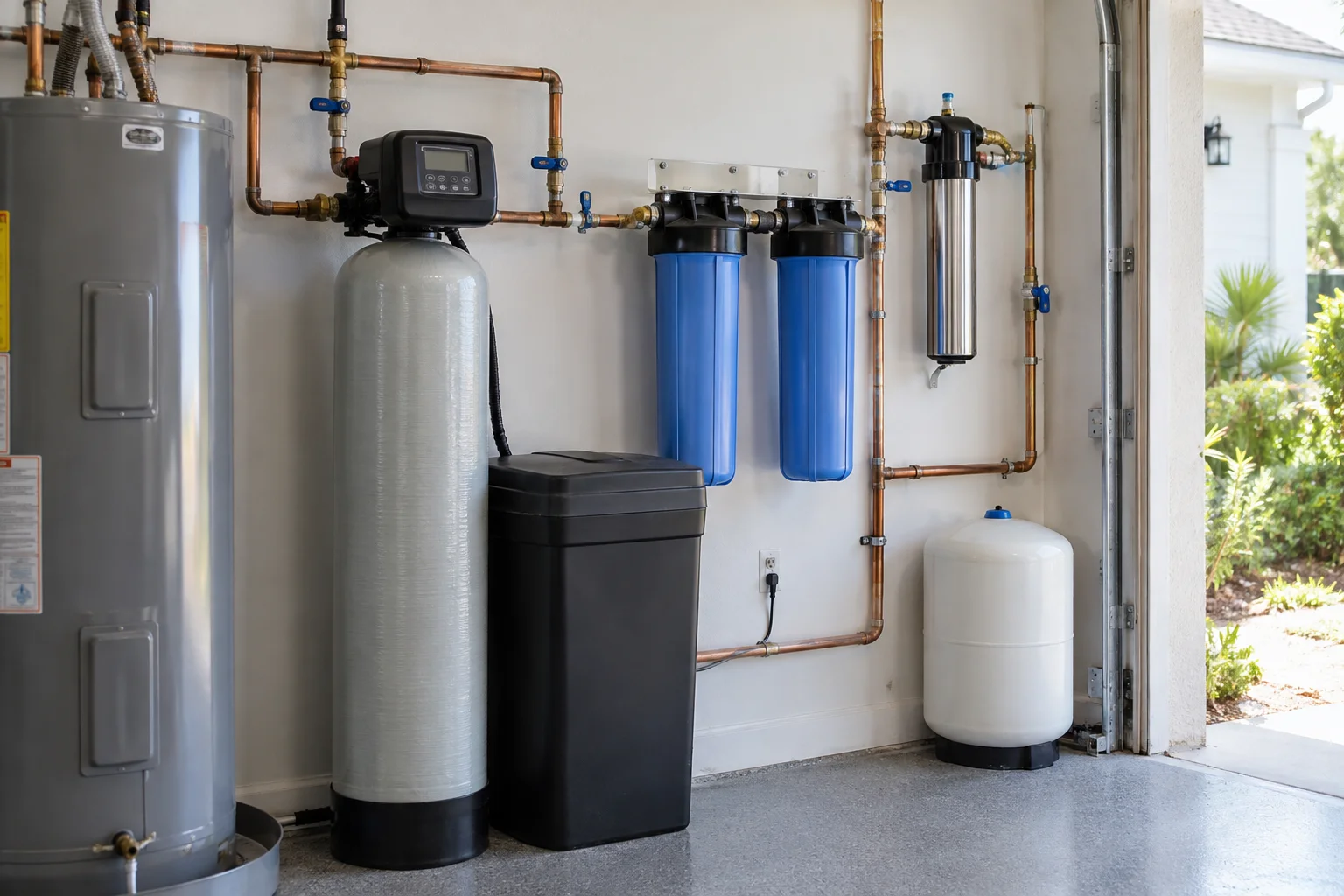
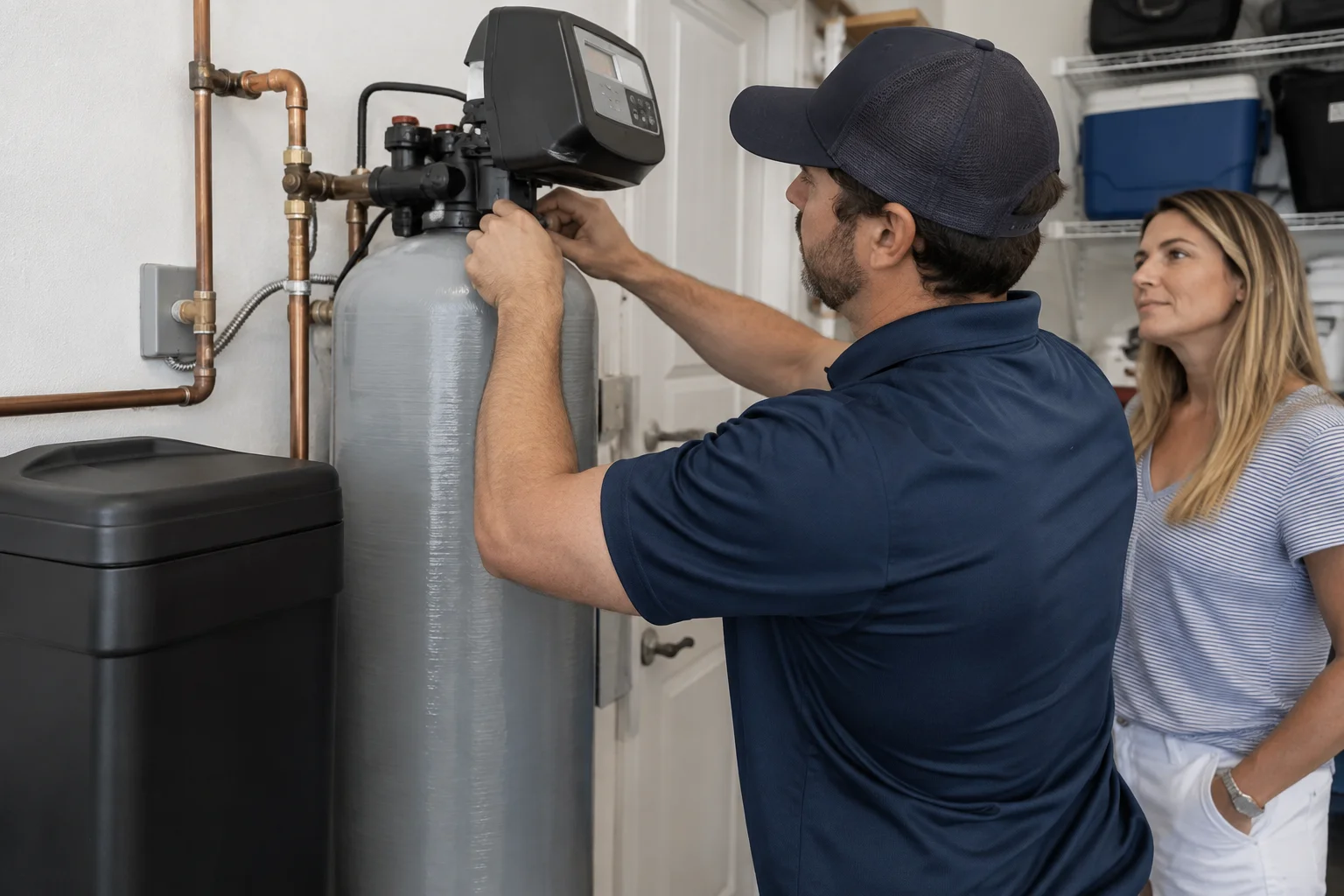
Water softening is designed to reduce the minerals that cause scale. In most homes, a properly sized softener replaces calcium and magnesium with sodium or another ion so the water forms less scale as it heats and evaporates.
That matters for year round protection because scale is more than cosmetic. It can clog small passages, reduce water heater efficiency, restrict water flow, and shorten the life of water-using appliances. Over time, homeowners often see:
Faster wear on water heaters and boilers
More frequent maintenance for fixtures and valves
Higher energy use because scale insulates heating surfaces
Cleaning becoming a constant chore instead of an occasional task
When you combine softening with clean water filtration, you can also address taste, odor, and sediment concerns that soften-only systems may not fully resolve.
How clean water systems improve daily life in Wright homes
Picture a typical Wright morning. Someone fills a kettle for coffee. Kids rinse bottles and sports gear. You take a shower, then toss towels and sheets into the laundry. Later, the dinner cleanup happens and you notice that glassware still has a faint spotty film.
With the right water softening services and filtration, those moments feel noticeably different:
Kitchen scenes: better drinking water and cooking water
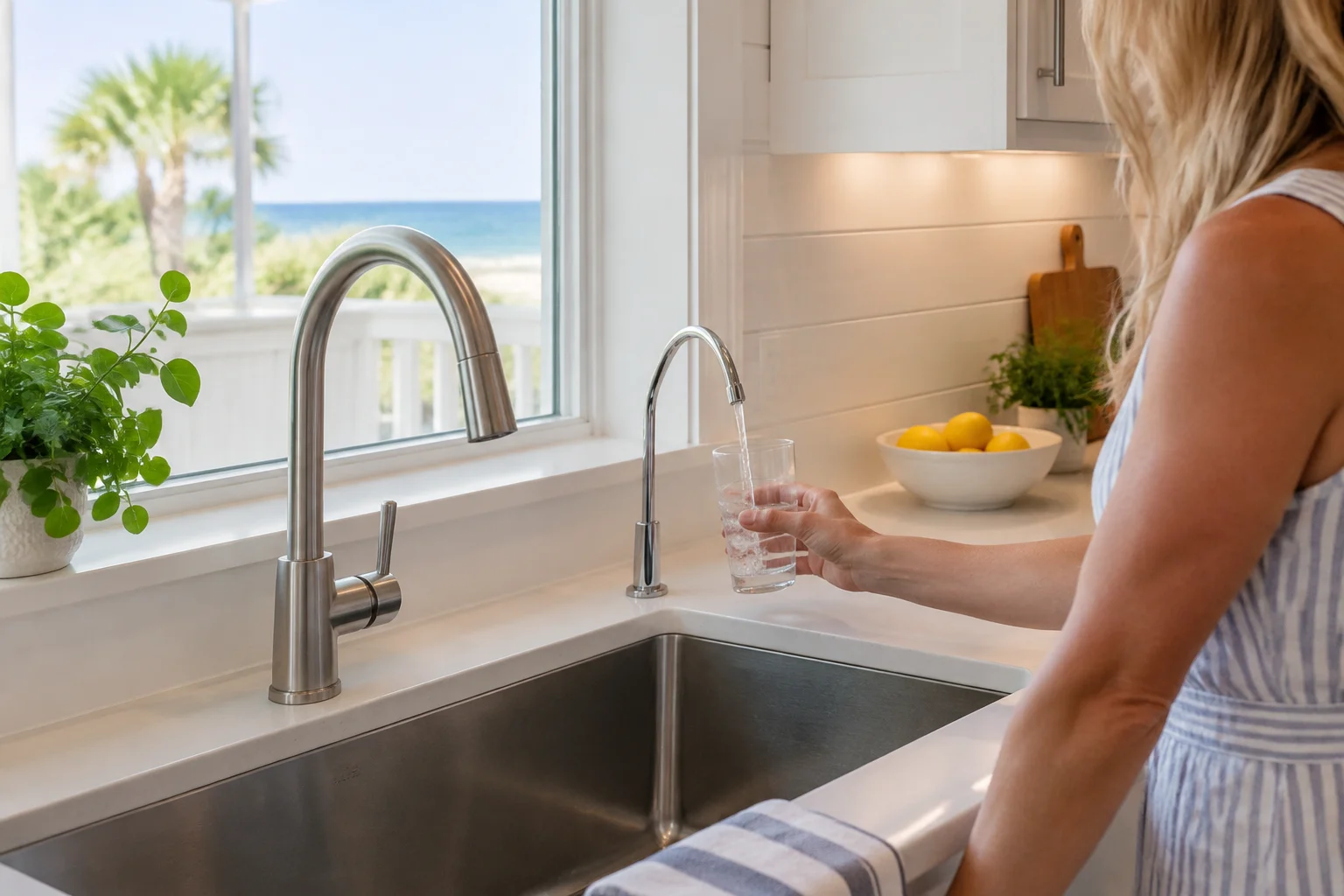
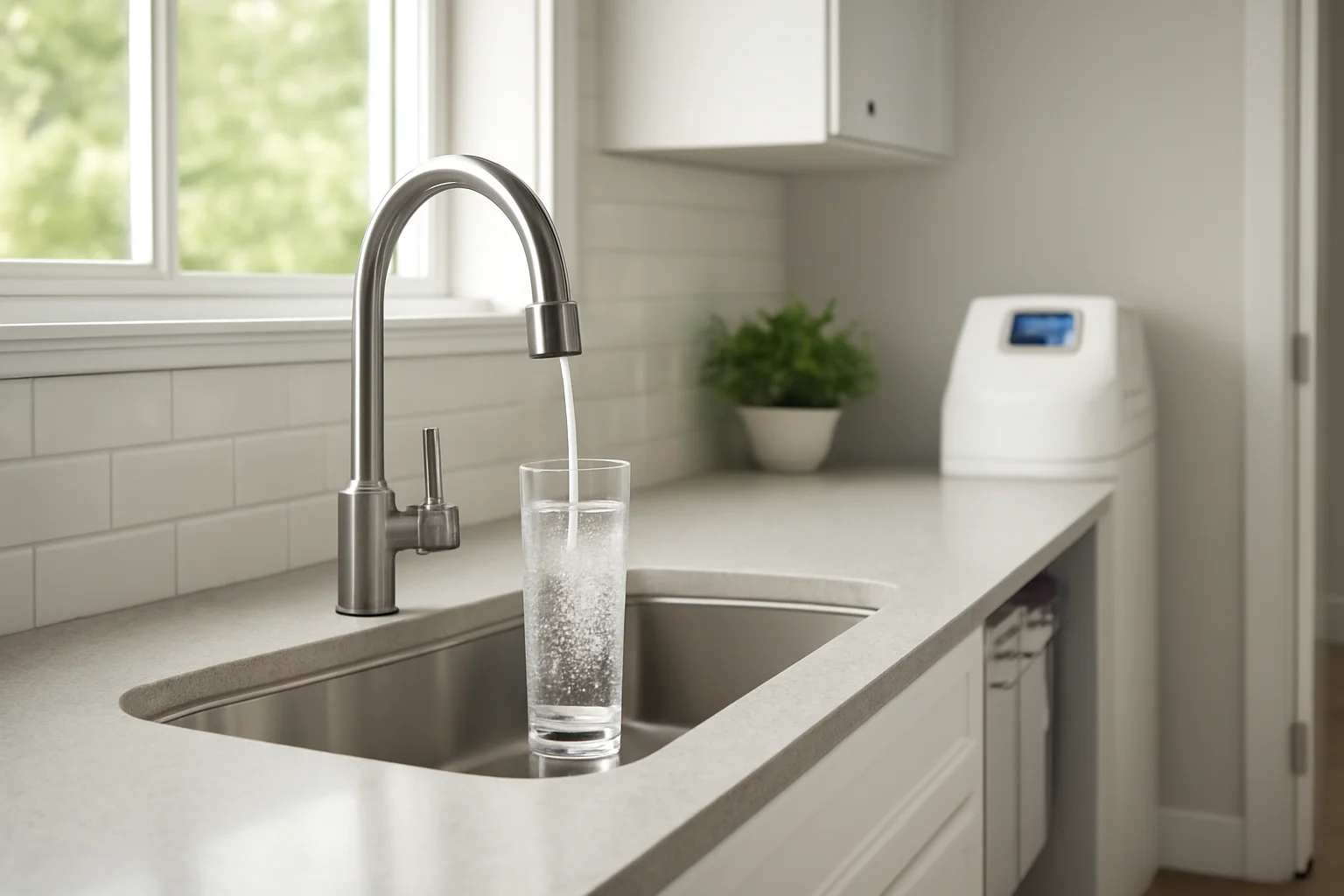
Hard water minerals can affect taste and leave residue that shows up in ice and on cookware. Many homeowners also notice cloudy ice cubes and a metallic or chlorinated flavor. A clean water approach can help by reducing sediment and improving water clarity.
For people who love home cooking, water quality can influence how flavors come through. That is why homeowners searching for water filtration near me often want both softening and filtration, especially if coffee tastes off or cooking water leaves mineral film on pots.
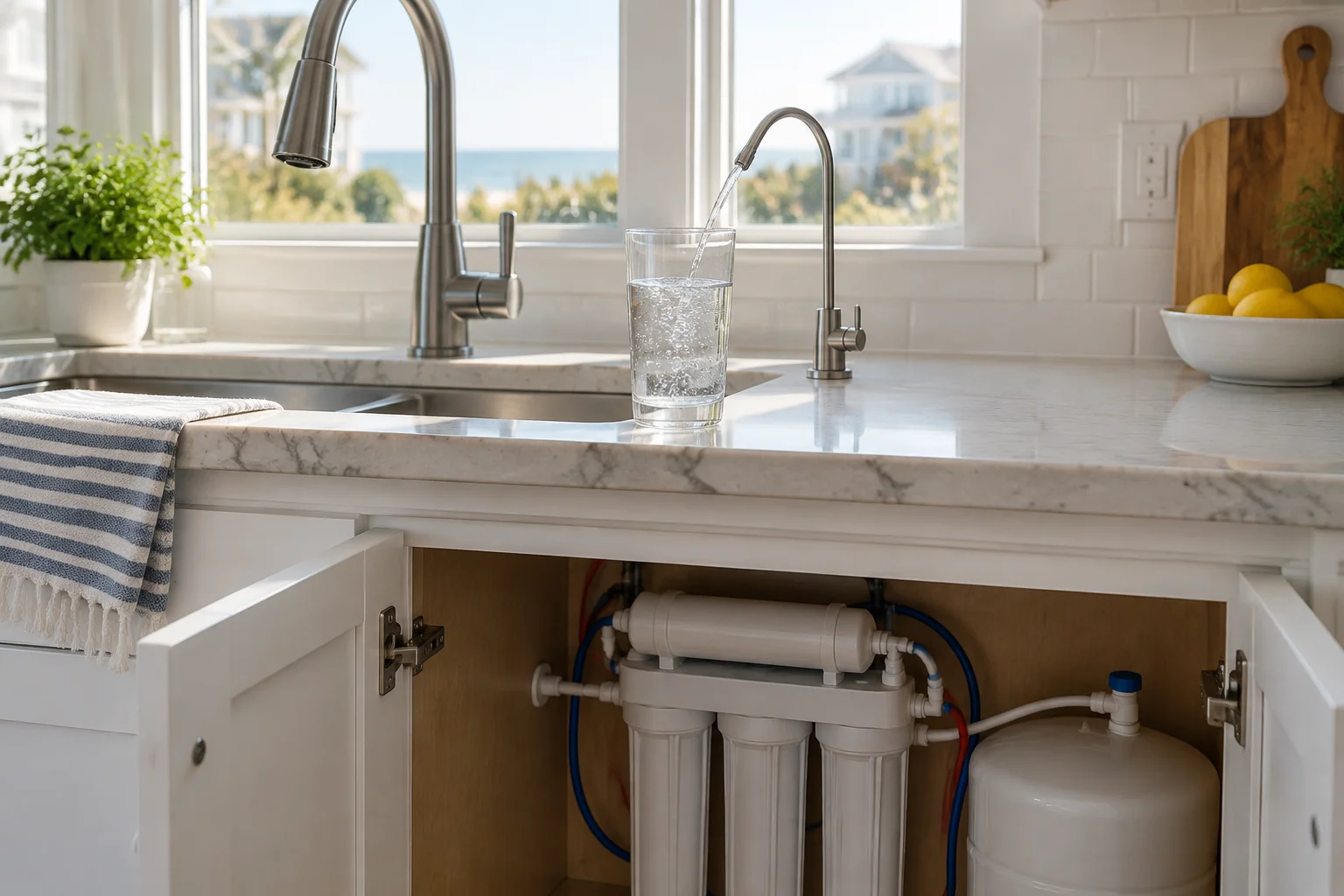
If you are considering reverse osmosis installation near me for drinking water, it can be a great option for the kitchen sink and refrigerator line. Reverse osmosis systems focus on producing high quality drinking water for direct consumption while whole home systems handle mineral and water quality protection across the house.
Bath time: comfort you can feel
Hard water can make skin feel dry and hair look dull. When soap does not lather well, you may use more product and still feel like residue remains after rinsing. Softened water helps soap work the way it is meant to, which can improve the feel of bathing and reduce the “tight” feeling after a shower.
For families with sensitive skin, this is one of the most noticeable benefits of year round home protection.
Laundry and fixtures: less scrubbing and fewer replacements
Scale buildup is not just on visible surfaces. It can accumulate inside plumbing, water heater components, and appliance lines. Over time, homeowners see:
Spotty laundry that looks faded or feels less fresh
Scale buildup on faucets and showerheads that requires frequent cleaning
Soap scum that is harder to remove
Appliances wearing out faster because mineral deposits reduce efficiency
That is why many homeowners choose both water softening and whole home water filtration. It is a practical way to protect fixtures and appliances while also supporting cleaner, better tasting water for everyday use.
Choosing the right system: softener, whole home filtration, or reverse osmosis?
Not every home needs the same combination. The best approach depends on what you are seeing and what your water test shows. A Superior Mechanical can help you match the system to local water conditions in Wright and your household habits.
Water softening services for scale control
If your main concerns are hard water spots on dishes, scale buildup around faucets, and dry skin from hard water, a water softener is often the core solution. The goal is to reduce scale-forming minerals so your plumbing and appliances stay cleaner longer.
Whole home water filtration for sediment, odor, and clarity
Whole home filtration is designed to protect the entire plumbing system and improve water quality throughout the house. Homeowners often notice visible sediment, discoloration, or odor concerns. Filtration can help reduce those issues before water reaches showers, laundry, and kitchen fixtures.
If you are searching for whole home water filtration near me, it is worth considering as part of a clean water system plan, especially if your household wants water that looks and smells better everywhere.
Reverse osmosis for concentrated drinking water needs
Reverse osmosis is commonly used for kitchen drinking water because it produces a high level of purification at the point of use. Many homeowners choose reverse osmosis for direct drinking and cooking water, particularly when they notice cloudy ice cubes, unpleasant taste, or water that makes coffee and cooking less enjoyable.
If you are in the “I want the best water for the kitchen” camp, ask about whether reverse osmosis installation near me makes sense alongside a whole home softening and filtration system.
You can explore the options at /water-filtration-ro-water-softeners to see how reverse osmosis and water softeners are often paired for complete clean water systems.
Where AO Smith water filtration can fit into your plan
Many homeowners look for reputable filtration brands when they want consistent performance and long term value. AO Smith water filtration is a common choice because it is built for dependable home water treatment.
In real Wright homes, AO Smith water filtration can be part of a broader setup that includes water softening for scale control and filtration for taste, odor, and sediment concerns. Your exact configuration should follow your water test results and the specific issues you are trying to solve.
If you are comparing options, the most helpful question is not only “Which brand?” but also “What contaminants and minerals are we targeting?” A quality service approach will connect system selection to your water’s needs, not guesswork.
Signs your current water treatment is not keeping up
Water treatment is not a one time purchase. Systems can need service, adjustments, or upgrades as household usage changes or as water conditions vary. Here are common signs that hard water treatment is no longer doing enough.
Scale shows up in new places
If you see scale buildup on faucets or scale buildup around faucets that seems to return faster than it used to, it can mean your softening capacity is falling short or the system is not regenerating correctly.
Showerheads are another giveaway. When mineral deposits build quickly, it usually means scale-forming minerals are still reaching fixtures.
Soap performance feels worse
Soap that used to lather now feels like it just spreads and rinses slowly. That is a classic hard water sign. It can also contribute to residue on skin and laundry.
Drinking water looks or tastes off
Notice metallic, chlorinated, or unpleasant taste, odor concerns, or cloudy ice cubes? That points to filtration needs beyond softening alone. Sediment and taste issues can also affect cooking water, including coffee.
Appliances age sooner than expected
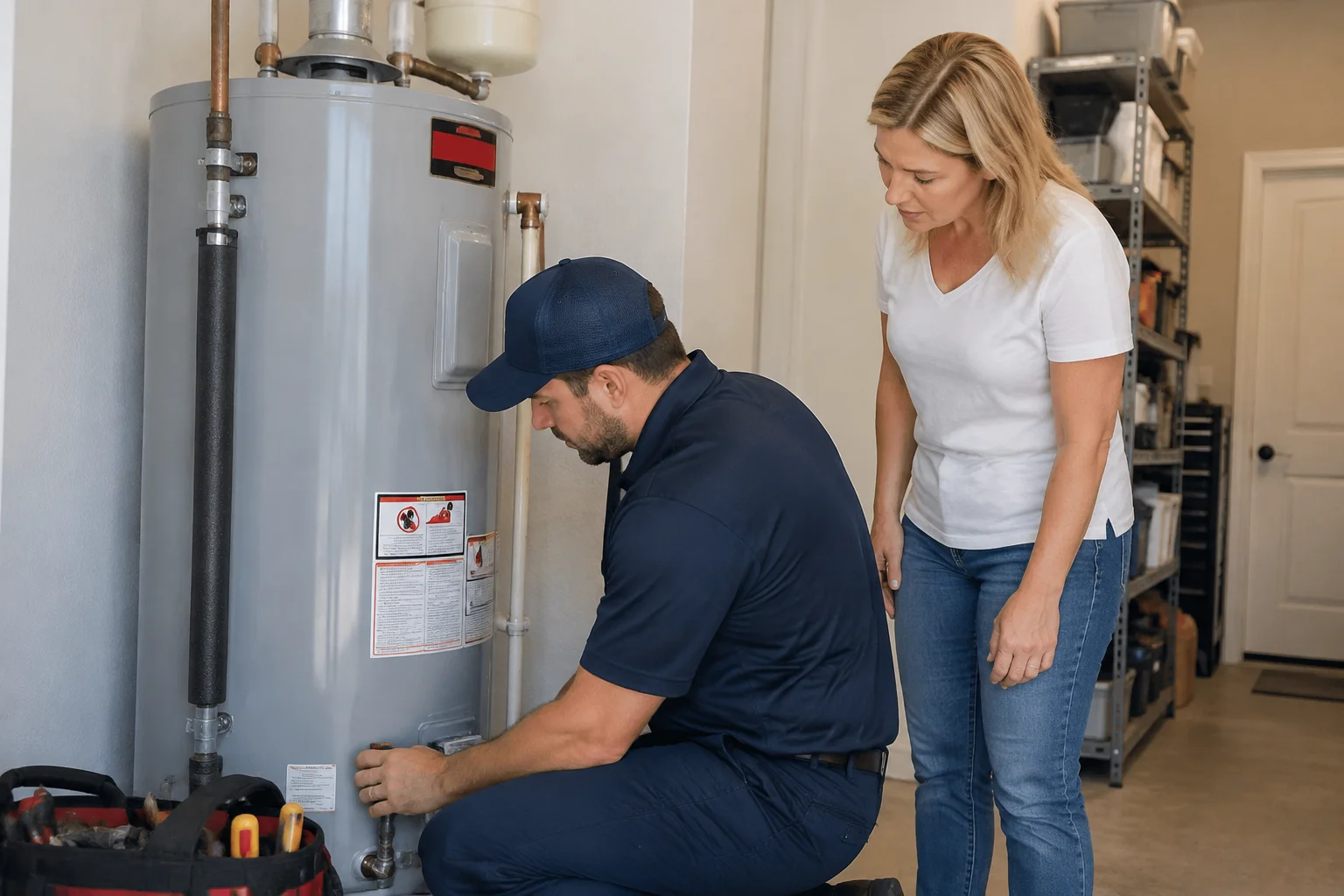
When scale builds inside water heaters, dishwashers, and other water-using equipment, it can reduce efficiency and shorten lifespan. If your appliances seem to wear out faster than they should, it is worth evaluating your water treatment plan.
Visible sediment or discoloration
Any time you see sediment, discoloration, or odor concerns that are more than occasional, it is a strong indicator to test your water and review the filtration and softening setup.
Maintenance and prevention: what homeowners can do between services
Even the best system needs basic care. While the exact tasks depend on your equipment, these steps help protect performance.
Watch for early changes in spotting, lathering, and taste. Small shifts often show up before major scale problems.
Keep an eye on salt levels if your home uses a salt-based softener. Running too low can reduce effectiveness.
Replace filters on schedule for whole home filtration and reverse osmosis. Filters that are overdue can reduce water quality.
Use clean water habits in the kitchen. If you are using a reverse osmosis system, follow the recommended maintenance schedule so drinking water stays consistent.
Schedule professional service when you see persistent scale buildup, taste changes, or cloudy ice.
For many Wright homeowners, the best prevention is an annual review of the system plus periodic testing of water quality. That approach keeps your clean water systems performing as intended.
Why local water treatment service matters in Wright and Okaloosa County
Homeowners often search for water treatment near me because they want a local team that understands regional water realities. In Wright, that means working with a provider familiar with local plumbing setups, common household concerns, and how water treatment affects everyday use.
When you choose a service partner who works in your area, you also get more accurate system sizing and better guidance on whether you need water softening services, whole home water filtration, reverse osmosis, or a combination.
You can explore service options across the region at /service-areas/okaloosa-county/wright and the broader county area at /service-areas/okaloosa-county.
How to talk to a water treatment technician about your home
Before a visit, it helps to note what you are seeing around the house. A quick checklist can make the consultation more efficient.
Where is scale showing up? Glass, showerheads, faucets, or plumbing connections
What does the water look and smell like? Cloudy ice cubes, odor concerns, discoloration
How does it affect daily routines? Dry skin from hard water, poor tasting coffee water, soap that does not lather
Which appliances are you noticing? Water heater, dishwasher, laundry performance
Then ask questions that connect symptoms to solutions. For example: “Do we need water softening, whole home filtration, reverse osmosis, or all three?” “Which system protects our plumbing and appliances the most?” “What maintenance schedule will keep it working year round?”
Related reading for Wright homeowners
If you are also thinking about fixture upgrades or protecting your plumbing investments, these resources can help:
Daily Water, Better Results: Water Softening Services for Wright, FL Homes
A Smarter Way to Handle Plumbing Fixture Replacement in Wright, FL
How Professional Plumbing Service Helps Wright Homes Avoid Costly Water Damage
If you want to start with a clear, local path, review the service page for water softening services in Wright, FL and ask for a plan that fits your household needs and your clean water goals.
Find Water Softening Services in Wright, FL
If you need Water Softening Services in Wright, FL, visit our local service page or contact A Superior Mechanical today.
For a broader look at whole-home water filtration, reverse osmosis, and water softener options, visit our water filtration, RO, and water softener page.
Map of Wright, FL
Frequently Asked Questions
Does a water softener remove taste and odor problems too?
Water softeners mainly target scale-forming minerals like calcium and magnesium. If you also notice metallic, chlorinated, or unpleasant taste, cloudy ice cubes, or odor concerns, you may need whole home water filtration and, for drinking water, reverse osmosis or another point-of-use filtration option.
Will water softening help with dry skin and dull hair?
Many homeowners report improvements when hard water is reduced. Softened water helps soap lather and rinse more effectively, which can reduce the residue that often contributes to dry skin from hard water and dull hair after bathing.
How do I know whether I need whole home filtration or reverse osmosis?
If you are seeing sediment, discoloration, or water quality issues throughout the home, whole home water filtration can help. If your main goal is the best drinking and cooking water, reverse osmosis installation is commonly used for the kitchen sink or drinking line, often alongside softening for whole home protection.
How often should water softening and filtration systems be serviced in Wright, FL?
Service needs depend on the system type and household water use. A common approach is to schedule periodic inspections and follow manufacturer maintenance schedules for filters and regeneration performance. If you notice new scale buildup on faucets, soap performance changes, or cloudy ice cubes, it is a good time to have the system checked.
Related Articles
Photo Gallery