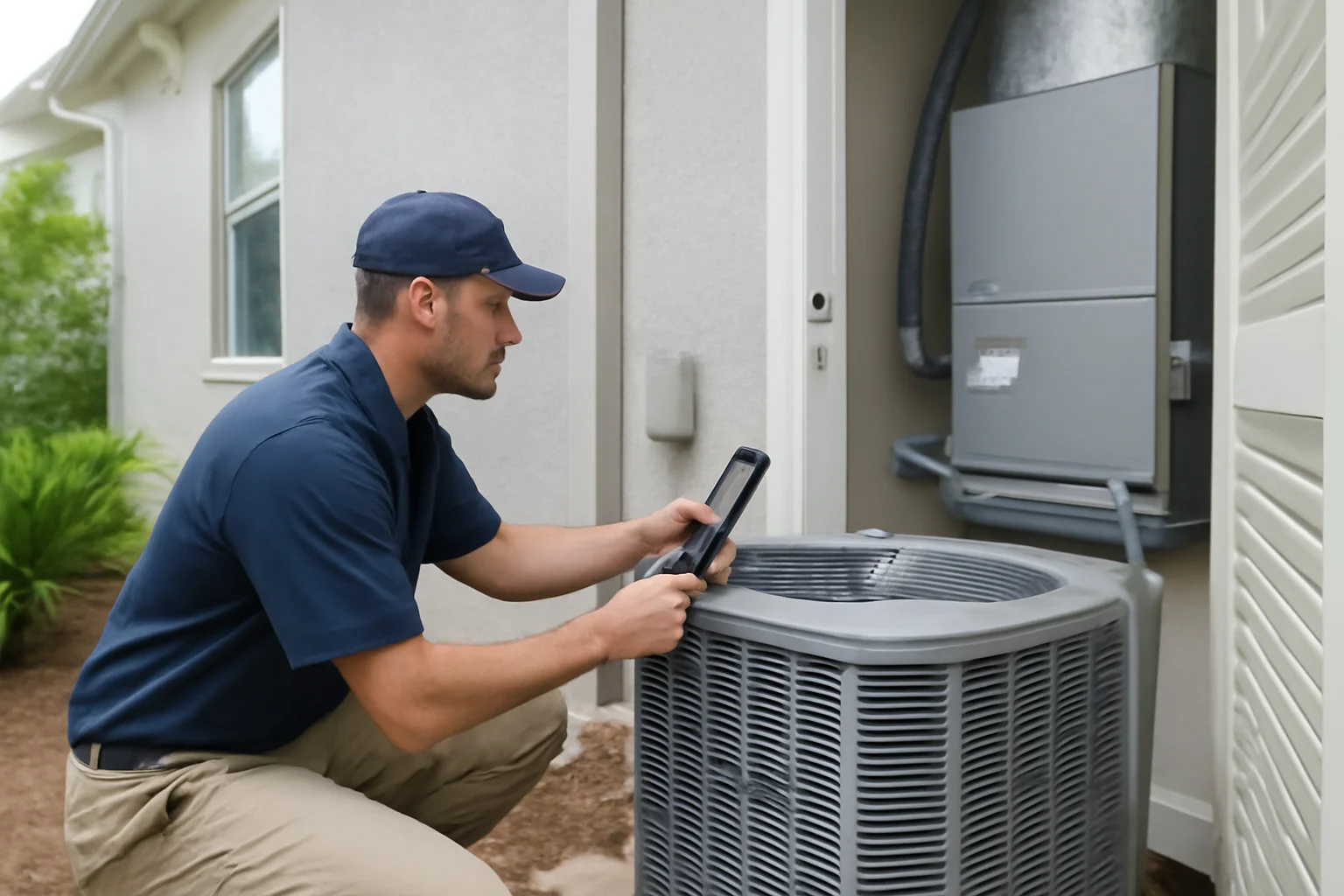
Alys Beach homes are built for coastal living, with open layouts, large windows, and plenty of time spent indoors during hot, humid stretches. That comfort depends on more than a properly sized air conditioner. When indoor air quality slips, you can feel it as stale air, uneven cooling, lingering odors, or allergy-like symptoms that seem to flare up right when the AC runs most.
Indoor air quality testing helps homeowners understand what is happening in the air and how your HVAC system is influencing it. For Alys Beach residents, that can mean addressing humidity control, airborne particles, mold concerns, and ventilation and airflow issues that are common in Florida’s salt air and coastal conditions. If you are searching for indoor air quality testing in Alys Beach, FL, this guide will help you know what the process is really looking for and how it supports better HVAC performance.
Why indoor air quality matters in Alys Beach’s humidity and salt air
Florida weather does not just raise the temperature. It also loads homes with moisture. In Alys Beach and nearby Walton County communities, air conditioners work hard to remove humidity, while breezes and coastal air can introduce salt-laden particles and outdoor contaminants. Even well-maintained systems can struggle if ductwork, airflow paths, condensate drainage, or filtration are not doing their part.
When indoor air quality is off, the effects often show up in everyday comfort:
- Air feels muggy even when the thermostat setpoint looks reasonable.
- Allergy symptoms rise during peak AC season.
- Musty or “wet basement” smells appear after heavy rain or when the system cycles.
- Rooms cool unevenly because airflow is restricted or imbalanced.
- Dust settles quickly on surfaces, especially near return vents.
Indoor air quality testing gives you a clearer picture of what is contributing to these problems, including how humidity, airborne particles, and common HVAC-related air quality concerns are interacting inside your home.
What indoor air quality testing typically evaluates
Every home is different, but professional indoor air quality testing for HVAC comfort usually focuses on a few key categories. A Superior Mechanical’s approach is designed to help identify issues that affect comfort, health, and system efficiency, not just surface-level symptoms.
Humidity levels and moisture risk
High indoor humidity can make the air feel warmer than it is, reduce comfort, and encourage mold growth. It can also increase the workload on refrigerant systems as the AC cycles to manage moisture. Testing helps confirm whether your system is removing moisture effectively and whether there are moisture pathways that may not be obvious.
Humidity control is especially important in coastal areas where outdoor moisture loads are high. If humidity is persistently elevated, it can point to airflow restrictions, condensate drainage concerns, or a cooling system that is not operating the way it should.
Airborne particles, allergens, and filtration performance
Airborne particles can include dust, pollen, and other contaminants that circulate through ductwork and return pathways. Indoor air quality services often look at the conditions that allow these particles to accumulate and how filtration and airflow are handling them.
This is also where homeowners may notice that air conditioning inspection alone does not always uncover the full comfort picture. A well-run system can still circulate contaminants if ductwork airflow is off, filters are not matched to the home, or air handling is not balanced.
Potential mold concerns and musty odors
In humid climates, mold concerns are not always obvious. Testing can help identify conditions that support mold growth and can guide further investigation if there are signs of moisture problems. Because mold growth often ties back to moisture and HVAC operation, it is important to treat the root cause, not only the odor.
Volatile organic compounds (VOCs) and indoor odors
Indoor air can contain VOCs from everyday sources such as cleaning products, paints, furnishings, and some building materials. In a coastal home, odors can also be influenced by ventilation habits and how the HVAC system is bringing outdoor air in. Testing helps identify whether indoor air quality issues may be related to these airborne compounds and how your ventilation and filtration strategy should be adjusted.
How airflow and ductwork affect what you breathe
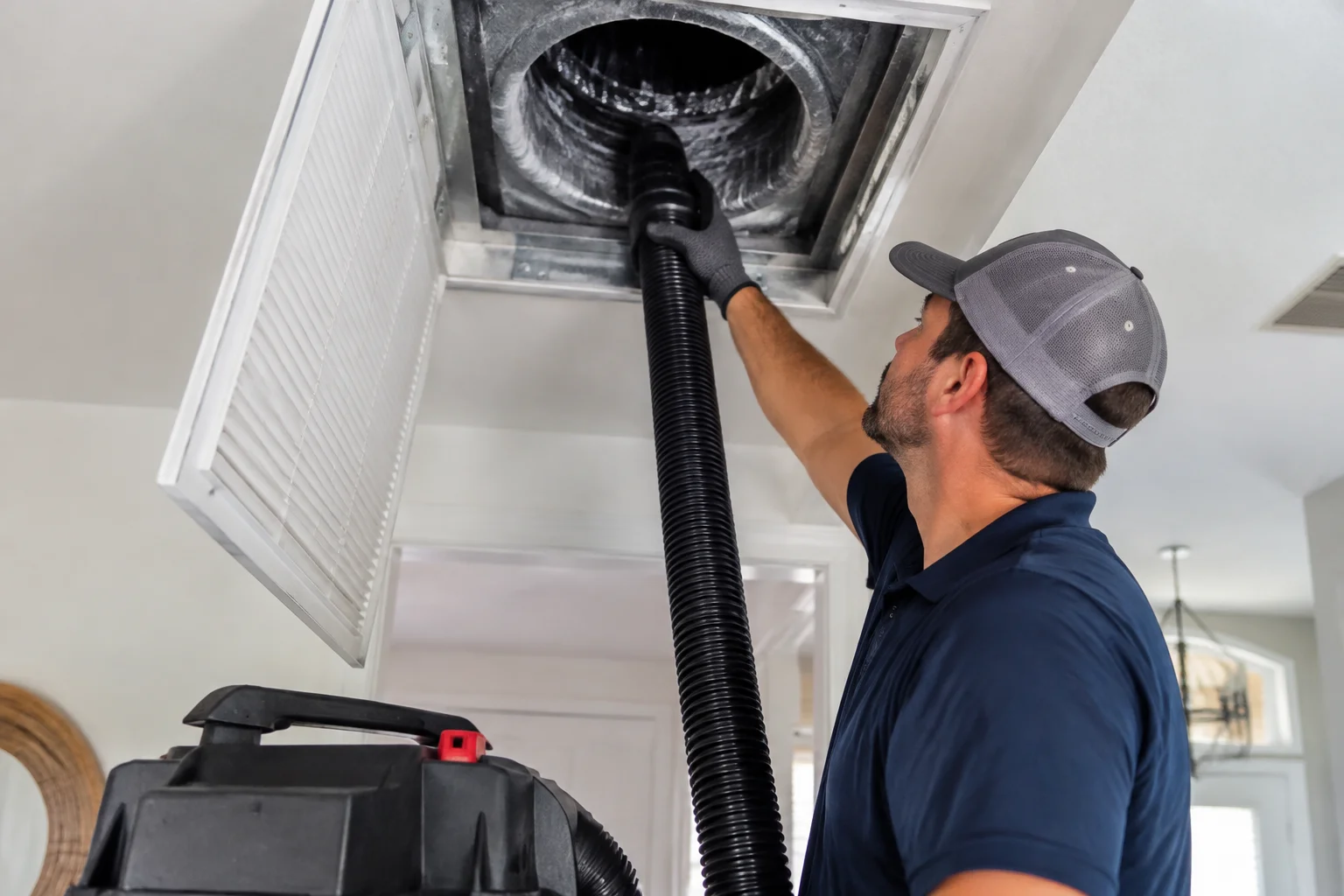
Airflow is the bridge between your HVAC system and your indoor air quality. If supply air does not reach rooms consistently, if returns are blocked, or if ducts have leaks or buildup, your home can end up with pockets of stale air. That can make humidity control harder and can worsen the distribution of airborne particles.
If you suspect airflow issues, pairing indoor air quality testing with duct evaluation is often a practical step. For additional guidance, see A Practical Guide to Duct Cleaning in Alys Beach, FL for Better Comfort and Airflow.
How indoor air quality testing connects to HVAC performance
It is easy to think of indoor air quality as a separate issue from HVAC repair or maintenance. In reality, your heating and cooling system is one of the main ways air is moved, filtered, dehumidified, and distributed. Testing helps connect the dots.
Refrigerant systems and cooling performance
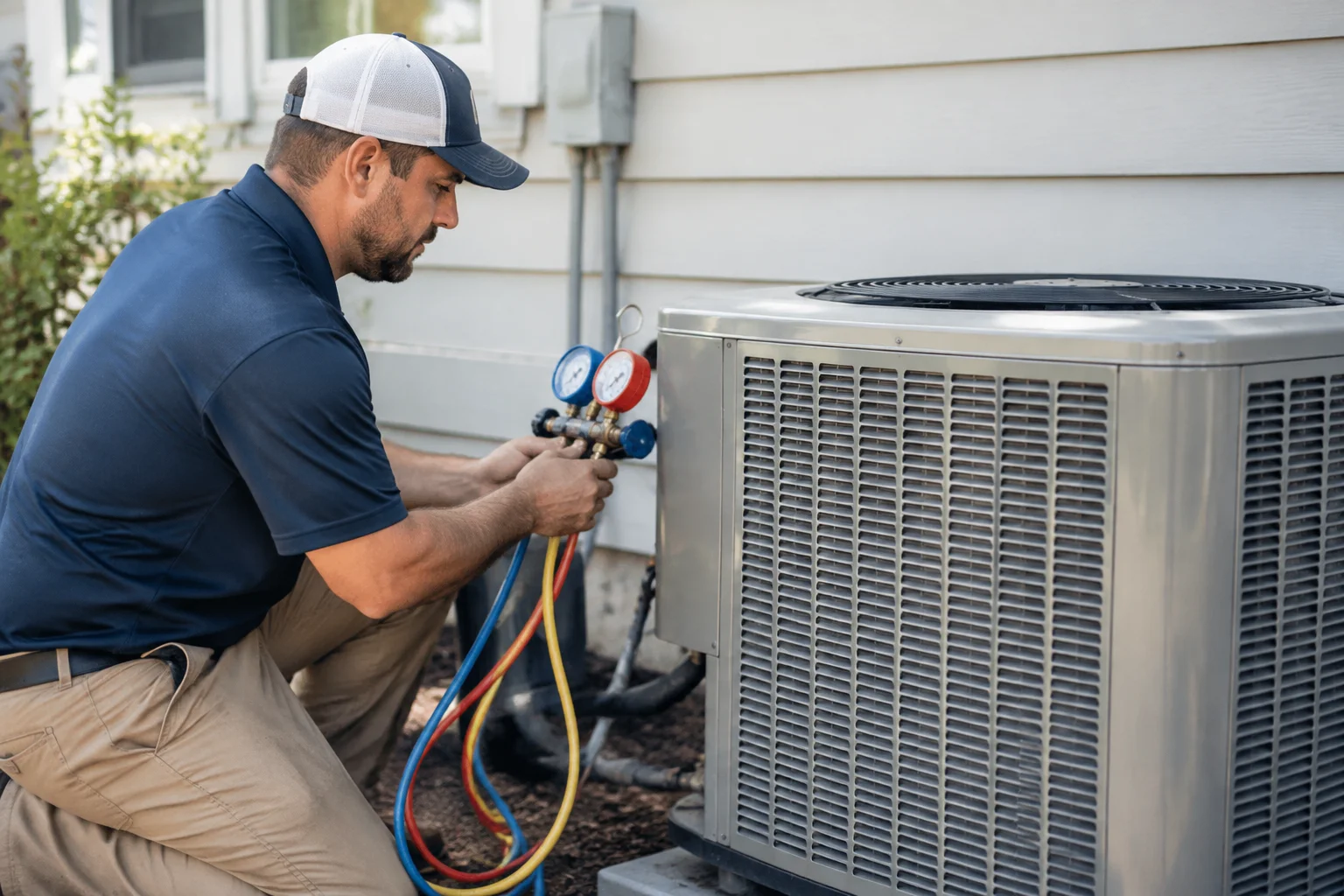
Cooling systems rely on proper refrigerant operation and steady airflow. If airflow is restricted, the system can struggle to remove moisture. If the system short-cycles, it may not run long enough to dehumidify effectively. Indoor air quality testing can reveal comfort problems that are consistent with cooling performance issues, but it should not be used to make a refrigerant diagnosis without an in-person evaluation.
A Superior Mechanical can review test results alongside system performance and operation, which is the safer way to determine whether AC repair or a broader maintenance adjustment is needed.
Condensate drainage and moisture control
When air conditioners cool air, they remove moisture. That moisture drains through a condensate drainage path. If drainage is restricted, the system may not handle moisture properly. Over time, that can contribute to musty odors and higher humidity.
Testing can highlight moisture conditions, and a professional technician can inspect the condensate drainage and related components during service.
Thermostats and comfort settings
Thermostats play a role in both comfort and indoor air quality because they control how often the system runs and how it cycles. For example, fan settings and temperature scheduling can affect air mixing and humidity removal. If you are using a thermostat that does not match your home’s needs, you may see higher humidity or uneven comfort.
Indoor air quality testing can help clarify whether comfort issues align with how the system is operating, including thermostat behavior.
Energy use and system efficiency
When humidity control is weak or airflow is off, your AC may run longer to achieve comfort. That can raise energy use and increase wear on components. Testing supports more targeted troubleshooting, which can help prevent the cycle of repeated adjustments without addressing the underlying air quality and airflow factors.
If you are also thinking about preventive HVAC maintenance, you can connect indoor air quality improvements with comfort and efficiency. For heat pump homeowners, these reads can be helpful: Why Better HVAC Maintenance Matters for Heat Pump Comfort in Alys Beach and How Better HVAC Maintenance Supports Heating Control Systems in Alys Beach.
Common indoor air quality problems Alys Beach homeowners notice
Homeowners in the area often report similar patterns, especially during Florida’s warm, humid months and after storms or extended rain.
“The AC runs, but it still feels humid”
This is a frequent comfort complaint. High indoor humidity can be caused by airflow issues, condensate drainage problems, or a system that is not dehumidifying effectively. Indoor air quality testing can confirm humidity conditions and help guide professional troubleshooting.
Dust and particles that seem to multiply
If dust accumulates quickly, it can mean filtration is not capturing particles effectively or that airflow is distributing contaminants through the home. It can also be connected to ductwork leakage or uneven return airflow. A duct evaluation paired with air quality testing can provide more clarity than guessing.
Musty smells after rain or when the system cycles
Coastal humidity and storm exposure can increase moisture within building materials. If your HVAC system is also moving air through spaces with moisture, you may notice odors during cooling cycles. Testing helps evaluate the indoor conditions that support odor and moisture concerns.
Rooms that feel stuffy or cooler than expected
Uneven airflow can create areas with stagnant air. That can impact comfort and air quality because contaminants can remain concentrated in certain zones. Testing can help identify whether airflow and air mixing conditions are contributing to the problem.
How professional testing helps you choose the right next step
Homeowners often ask what “good” indoor air quality testing looks like. The best results come from pairing test findings with HVAC expertise. A Superior Mechanical can help interpret results in the context of your home’s system, including your ductwork layout, cooling and heating operation, and humidity control behavior.
That matters because the right solution depends on the cause. For example:
- If humidity is elevated, the next step may involve addressing condensate drainage, airflow, or cooling performance concerns.
- If airborne particles are high, the focus may shift to filtration strategy and airflow balance.
- If VOC-related concerns appear consistent with indoor sources, ventilation and filtration adjustments can be considered alongside HVAC operation.
It is also why you should be cautious about trying to self-diagnose with test results alone. Refrigerant system issues and electrical concerns require safe, in-person evaluation. Testing should point you toward the right professional inspection, not replace it.
Prevention starts with HVAC maintenance and smart airflow habits
Indoor air quality testing is a strong starting point, but long-term results depend on preventive HVAC maintenance and good system habits. In Alys Beach, that means staying ahead of humidity and airflow challenges.
Keep up with AC tune ups and air conditioning inspection
During an AC tune up near me or an air conditioning inspection near me appointment, a technician can check system operation, airflow, and the health of components that influence indoor air quality. This is especially useful before the hottest weeks when emergency cooling concerns can become more likely.
Scheduling air conditioner service near me before peak season can reduce the odds of a mid-summer breakdown, and it also helps your system run as it was designed to run.
Watch condensate drainage and moisture behavior
If you notice water around the indoor unit, recurring dampness, or unusual smells, address it promptly. Moisture issues can worsen indoor air quality quickly in Florida’s humidity.
Use filtration and air filtration planning that fits your home
Filtration is not one-size-fits-all. The best approach depends on your system’s airflow, ductwork design, and the contaminants you are most concerned about. If you are considering HVAC air filtration, ask a licensed HVAC contractor to help you match filtration to your equipment.
Some homeowners also explore air scrubber installation as part of broader indoor air quality strategy. A Superior Mechanical can discuss options after reviewing testing results and system operation. If you are comparing solutions, you can also read Coastal Comfort Starts With Cleaner Air in Alys Beach Homes.
Consider duct inspection when airflow feels off
Blocked or poorly flowing ducts can increase humidity and reduce comfort. If you suspect ductwork issues, duct inspection can be a practical companion to indoor air quality testing. For homeowners who want a deeper look at airflow and duct cleaning decisions, the local guide at /news/a-practical-guide-to-duct-cleaning-in-alys-beach-fl-for-better-comfort-and-airflow can help you understand what is worth checking.
When to call A Superior Mechanical for indoor air quality testing
Indoor air quality testing can be a smart move when your home’s comfort does not match your thermostat settings, or when you want to protect health during high-humidity stretches. Call a licensed HVAC contractor and request indoor air quality services when you notice:
- Persistent humidity control problems, especially during peak Florida heat.
- Allergy symptoms that worsen when the AC is running.
- Musty odors, dampness, or concerns after storms and heavy rain.
- Uneven cooling and airflow complaints that suggest ductwork or system balance issues.
- Repeated AC repair near me visits without a lasting comfort improvement.
Testing is also helpful for homeowners preparing for system replacement decisions. If your current system cannot manage humidity and airflow well, the best path forward may involve repair, upgrades, or a replacement plan based on an in-person evaluation.
If you are worried about emergency cooling concerns, do not wait for a full breakdown. A Superior Mechanical can help you plan ahead with preventive HVAC maintenance and inspection, which is often the difference between a controlled repair and an urgent situation.
Local resources for Alys Beach homeowners
If you are ready to explore indoor air quality testing, you can start with the service page for this area: Indoor Air Quality Testing in Alys Beach. For broader HVAC options across the city, visit A Superior Mechanical in Alys Beach. For homeowners comparing services across Walton County, the county overview at /service-areas/walton-county can help you find the right fit.
Many indoor air quality concerns connect directly to HVAC service categories, including:
Choosing the right HVAC air quality approach is easier when you can connect testing results to the service that addresses the cause, whether that involves airflow, humidity control, or system operation.
What to ask during your indoor air quality testing appointment
If you want to get the most value from testing, come prepared with a few questions. A good conversation helps your technician connect indoor air quality findings to your HVAC setup.
- Which indoor air quality factors are most likely in coastal humidity conditions for my home?
- How does my current ductwork and airflow affect humidity control and air distribution?
- Are there any signs of condensate drainage issues that could be influencing moisture and air quality?
- What HVAC air filtration options make sense based on my results and system airflow?
- Should we pair testing with a duct inspection or an air conditioning inspection?
These questions help ensure the testing leads to actionable, HVAC-focused next steps, not just a report that is hard to apply.
Keeping your home running better starts with measured indoor air quality
Alys Beach’s warm seasons can make indoor air feel heavy, even when your AC is on. Indoor air quality testing helps homeowners move from guesswork to clarity by evaluating humidity, airborne particles, mold concerns, VOC-related issues, and how airflow through ductwork and HVAC operation affects what you breathe.
When you combine testing with preventive HVAC maintenance, proper airflow attention, and professional HVAC inspection, you are more likely to enjoy consistent cooling, healthier indoor air, and fewer surprise problems during Florida’s hottest stretches.
Find Indoor Air Quality Testing in Alys Beach, FL
If you need Indoor Air Quality Testing in Alys Beach, FL, visit our local service page or contact A Superior Mechanical today.
Map of Alys Beach, FL
Frequently Asked Questions
Is indoor air quality testing in Alys Beach only for people with allergies?
No. Indoor air quality testing can help with humidity control, musty odors, uneven cooling, and airborne particle concerns, even if you do not have obvious allergy symptoms. It is also useful when comfort problems persist during peak AC season.
How does humidity affect HVAC performance in a coastal Florida home?
In humid conditions, your air conditioner must remove moisture from the air. If airflow is restricted or condensate drainage is not working properly, indoor humidity can stay high. That can make your home feel warmer, increase energy use, and worsen comfort.
Will indoor air quality testing replace an air conditioning inspection or AC repair diagnosis?
Testing does not replace an in-person HVAC evaluation. Indoor air quality results can point to likely causes, but refrigerant system issues, electrical concerns, and equipment faults require professional inspection before any repair or replacement decisions are made.
Should I test the air or also inspect ductwork for airflow problems?
Often both are helpful. If you notice uneven cooling, dusty rooms, or stale-air pockets, ductwork and airflow can be part of the indoor air quality story. Pairing indoor air quality services with duct inspection can provide better guidance.
What if my home has a heat pump instead of central AC?
Indoor air quality testing can still be valuable. Heat pumps still manage airflow, humidity, and filtration performance. Testing helps evaluate how your system is affecting indoor air conditions so you can address comfort issues with the right heat pump service.
Related Articles
Photo Gallery