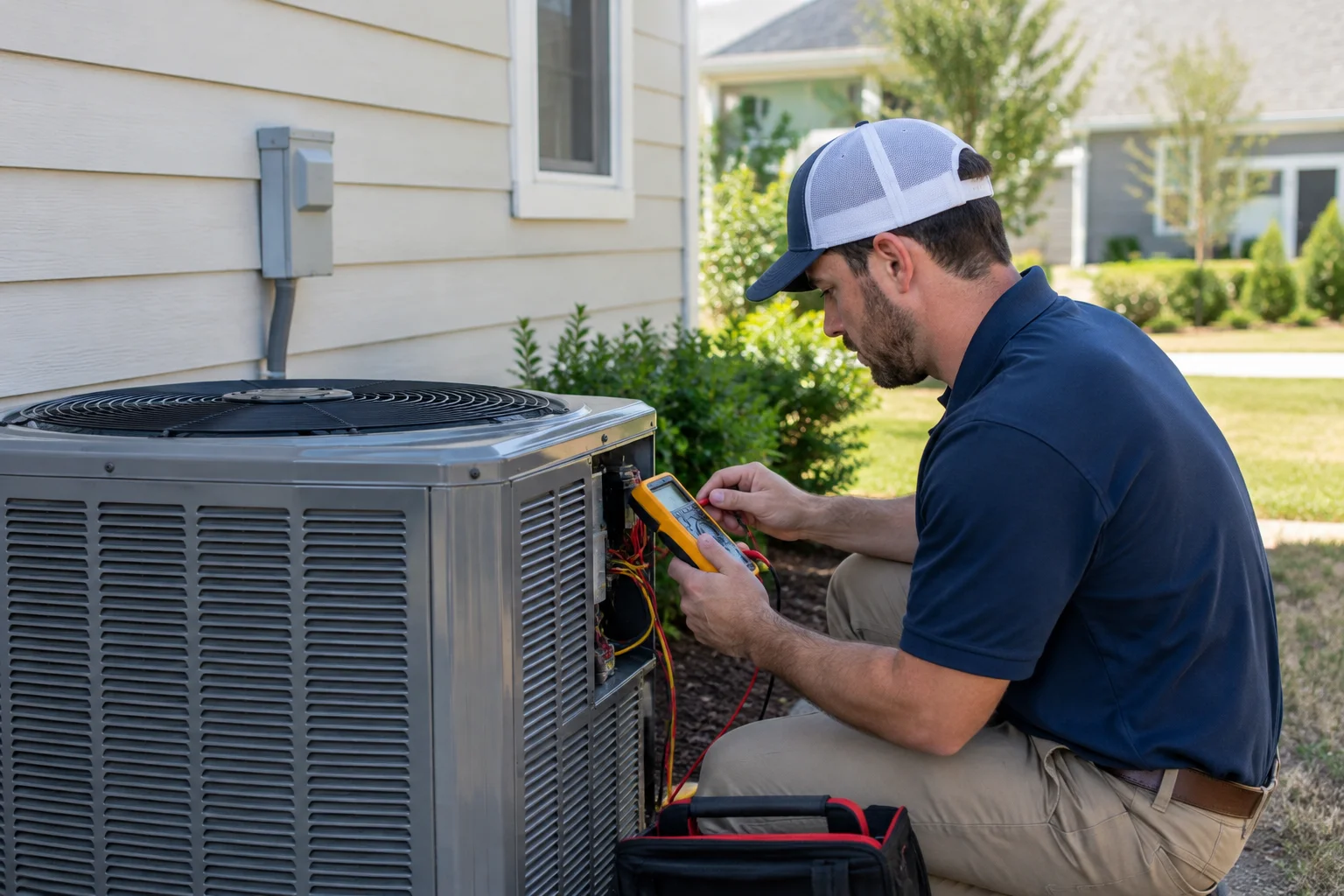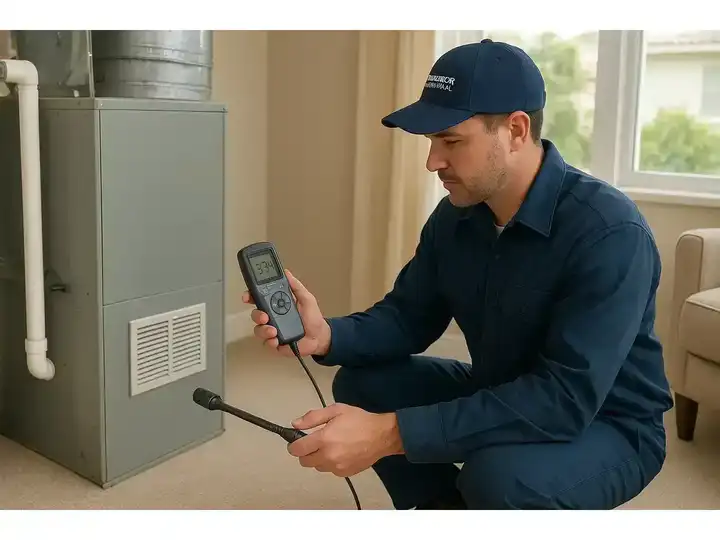
Laguna Beach homeowners often notice the same thing: the air inside can feel just as challenging as the air outside. Coastal humidity, salty breezes, and long cooling seasons all put pressure on HVAC systems and the spaces they serve. That is why indoor air quality testing in Laguna Beach, FL is more than a comfort upgrade. It is a practical way to protect your home, reduce strain on equipment, and create a healthier living environment over time.
For many homes in Bay County, indoor air problems build slowly. A slight musty smell, a room that never feels quite dry, dust that seems to settle too fast, or allergy symptoms that flare up indoors can all point to bigger issues. Testing helps identify the source instead of guessing. In a place like Laguna Beach, where humidity and HVAC runtime are part of daily life, that matters for long term efficiency as much as it does for comfort.
Why indoor air quality is such a local issue in Laguna Beach
Laguna Beach sits in a coastal climate that creates a few common air quality challenges. Warm temperatures mean air conditioners run often, and when systems run for long stretches, they need to manage both cooling and moisture control. If the home is not sealed well or the ductwork has leaks, outside air can bring in extra humidity, pollen, and salt laden moisture.
Many homes in the area also deal with older construction, vacation property turnover, or rooms that are closed up for parts of the year. That can lead to stale air, dust buildup, and hidden moisture problems. In some cases, plumbing leaks or slab leaks can raise indoor humidity before anyone notices visible damage. If you suspect a moisture issue, it may also be worth reviewing Leak Detection and Slab Leak Services and Plumbing Maintenance to reduce the chance of recurring indoor air problems.
Because of these local conditions, homeowners in Laguna Beach and across Bay County benefit from testing that looks at the whole indoor environment, not just the thermostat setting. A home can feel cool and still have poor air quality if humidity, filtration, or ventilation are not working together.
What indoor air quality testing can uncover
Indoor air quality testing gives homeowners a clearer picture of what is happening inside the home. A Superior Mechanical provides professional testing in Upper Laguna Beach, FL to identify allergens, humidity issues, mold concerns, and airborne pollutants in homes, rentals, and commercial spaces. That can include:
Humidity levels that support mold growth
High indoor humidity is one of the most common problems in coastal Florida homes. Even if you do not see mold, excess moisture can create the conditions for it to grow behind walls, around vents, or in closets and storage areas. Testing helps determine whether the home is staying within a healthier humidity range.
Airborne particles and allergens
Dust, pollen, pet dander, and other particles can circulate through the home and trigger symptoms like sneezing, coughing, or irritated eyes. If the home feels dusty soon after cleaning, testing may point to filtration issues, duct leakage, or poor return air flow.
Mold related concerns
Musty odors and recurring damp spots often suggest a moisture problem that needs attention. Testing can help identify whether mold concerns are likely and whether the issue is tied to condensation, leaks, or ventilation gaps.
Ventilation and circulation problems
Some homes do not exchange indoor and outdoor air properly. That can trap odors, cleaning product fumes, and moisture inside. In vacation homes or rental properties, inconsistent occupancy can make these problems more noticeable. If your property is managed remotely or sees frequent guest turnover, Property Management HVAC Services can help keep systems running consistently between visits.
How to improve indoor air quality testing at home
Good testing starts before the equipment is even turned on. Homeowners can get better results by paying attention to the conditions that affect indoor air day to day. That makes the testing more useful and the recommendations more accurate.
Start with a full home walkthrough
Before testing, note the rooms that feel humid, smell musty, collect dust quickly, or cause allergy symptoms. In Laguna Beach homes, the problem is often not the entire house. It may be one bedroom near the coast side of the home, a closed hallway, a bathroom without proper exhaust, or a room above a garage. Sharing those details helps pinpoint where to test and what to look for.
Check humidity before and after HVAC use
Humidity can change throughout the day, especially during rainy stretches or when the AC cycles less often. Testing at different times can show whether the system is controlling moisture consistently. If humidity climbs when the system is off for a few hours, that may point to ventilation or sealing issues.
Inspect filters and airflow paths
Dirty filters and blocked returns can make indoor air quality worse even if the system is cooling properly. Replace filters on schedule and make sure vents are not covered by furniture, rugs, or storage. If airflow seems uneven, ductwork may need attention. In many homes, Duct Sealing & Aeroseal Services can reduce leakage that pulls in dusty or humid air from unconditioned spaces.
Look for moisture sources around the home
Testing is more effective when possible moisture sources are addressed. Check under sinks, around tubs, near water heaters, and along baseboards for dampness or staining. In coastal homes, condensation on supply vents and windows can also signal that humidity is too high. Catching those issues early helps prevent repeat air quality problems.
Pay attention to odors that come and go
Smells are often the first clue. A sour or musty odor can suggest moisture. A sharp chemical smell may point to cleaning products, stored materials, or poor ventilation. If odors change when the AC starts or stops, the HVAC system may be moving contaminants through the home.
Why testing supports long term efficiency
Indoor air quality and energy efficiency are tied together more closely than many homeowners realize. A system that struggles with humidity, leaky ducts, or poor filtration often runs longer to reach the same comfort level. That means more wear on equipment, higher utility costs, and less consistent indoor comfort.
When testing reveals the root cause, homeowners can make smarter improvements instead of guessing. For example, sealing ducts may reduce the amount of humid air entering the system. Better filtration may reduce dust on coils and improve airflow. Fixing a moisture source may help the AC control the home more effectively without overworking.
If you have been reading about smarter home comfort strategies, the ideas in Keeping Laguna Beach Properties Reliable with Smarter HVAC Management connect well with indoor air testing. Reliable HVAC performance depends on more than equipment age. It also depends on clean airflow, balanced humidity, and a home that is not fighting its own environment.
Common local situations that make testing worth it
Laguna Beach homes and properties often share a few patterns that make indoor air quality testing especially useful:
Vacation rentals that sit empty between guests can develop stale air, dust buildup, or moisture issues that go unnoticed until someone checks in. Homes near the water may experience more humidity intrusion and salt influenced corrosion, which can affect HVAC components over time. Older homes may have duct leaks, insufficient ventilation, or insulation gaps that make indoor air harder to manage. Even well maintained homes can struggle after heavy rain, prolonged humidity, or a plumbing issue that adds moisture behind the scenes.
For property owners who need dependable comfort and quick response, it also helps to read Why Laguna Beach Property Owners Should Pay Closer Attention to 24/7 Emergency HVAC Service. Air quality issues and HVAC problems often show up together, especially when a system is under stress.
Maintenance steps that help keep air cleaner after testing
Testing gives you a baseline, but long term results depend on maintenance. Small habits can make a real difference in how the home feels and how hard the HVAC system has to work.
Replace filters on a regular schedule
Use the filter type recommended for your system and change it before it becomes overloaded. In homes with pets, allergy concerns, or high dust levels, filters may need to be checked more often.
Keep drains and coils clean
Condensate drains and indoor coils can collect moisture and debris. If they clog or get dirty, indoor humidity can rise and odors can develop. Routine HVAC care helps prevent those problems from spreading through the home.
Use exhaust fans in bathrooms and kitchens
Ventilation matters in Florida homes. Run bathroom fans during and after showers, and use kitchen ventilation when cooking. These simple habits reduce moisture and particles before they circulate through the rest of the house.
Seal leaks and improve insulation where needed
Air leaks around windows, doors, and ducts can bring in more humidity and outdoor contaminants. Addressing these gaps can improve both comfort and efficiency. If your home has persistent hot spots or dusty rooms, the issue may be more than airflow. It may be a combination of sealing, insulation, and duct performance.
When professional testing makes the most sense
Home test kits can offer a starting point, but they usually do not provide the full picture. Professional testing is the better choice when symptoms keep returning, when odors do not go away, or when you suspect mold or moisture problems that are not visible. It is also the right move if your HVAC system seems to run constantly without keeping the home comfortable.
Professional testing is especially valuable after water intrusion, during a humid season, or before listing a home for sale or rental. If the home has had repeated comfort issues, it may also be time to look at the bigger HVAC picture. Some homeowners find that better indoor air quality testing leads to smarter upgrades, from duct improvements to system replacement planning. For those evaluating larger comfort investments, Why HVAC Financing Matters More Than Most Laguna Beach Homeowners Realize can help frame the decision.
For homes that need a broader system upgrade, some owners also review A Homeowner’s Guide to Commercial HVAC Installation for More Reliable Home Systems in Laguna Beach, FL when looking for more durable solutions in larger properties or mixed use spaces.
Why local service matters for Laguna Beach homeowners
Indoor air quality testing is most useful when the recommendations fit the local environment. A technician who understands Laguna Beach, Bay County, and the surrounding coastal conditions can interpret the results with humidity, salt air, and seasonal weather in mind. That local knowledge matters because the same reading can mean different things in a dry inland area than it does near the coast.
Working with a local company also makes follow up easier. If testing points to duct sealing, moisture control, or HVAC adjustments, the next step can happen without delay. A Superior Mechanical helps homeowners connect the findings to practical fixes that support better air, better comfort, and better system performance.
If you are noticing stale air, moisture concerns, or allergy symptoms that seem worse at home, indoor air quality testing can give you a clearer path forward. In Laguna Beach, where the climate puts constant pressure on homes and HVAC systems, that kind of clarity can save money and prevent larger repairs later.
Find Indoor Air Quality Testing in Laguna Beach, FL
If you need Indoor Air Quality Testing in Laguna Beach, FL, visit our local service page or contact A Superior Mechanical today.
Map of Laguna Beach, FL
Frequently Asked Questions
How often should indoor air quality testing be done in Laguna Beach homes?
Most homeowners should test whenever symptoms, odors, humidity issues, or moisture concerns appear. In coastal homes, annual testing is a smart way to stay ahead of problems, especially if the home is older or used as a rental.
What problems are most common in Laguna Beach indoor air quality testing?
Humidity, mold concerns, dust, poor filtration, and ventilation issues are common in coastal Bay County homes. Salt air and long AC runtimes can also make air quality problems show up faster.
Can indoor air quality testing help lower energy bills?
Yes. Testing can reveal duct leaks, airflow issues, and humidity problems that make HVAC systems work harder. Fixing those issues can improve comfort and reduce wasted energy.
Should I test the air if my home smells musty but I do not see mold?
Yes. Musty odors often point to hidden moisture or mold growth behind walls, under flooring, or near ducts. Testing helps identify the source before the issue spreads.
Related Articles
- Keeping Laguna Beach Properties Reliable with Smarter HVAC Management
- Why Laguna Beach Property Owners Should Pay Closer Attention to 24/7 Emergency HVAC Service
- Why HVAC Financing Matters More Than Most Laguna Beach Homeowners Realize
- A Homeowner’s Guide to Commercial HVAC Installation for More Reliable Home Systems in Laguna Beach, FL
Photo Gallery