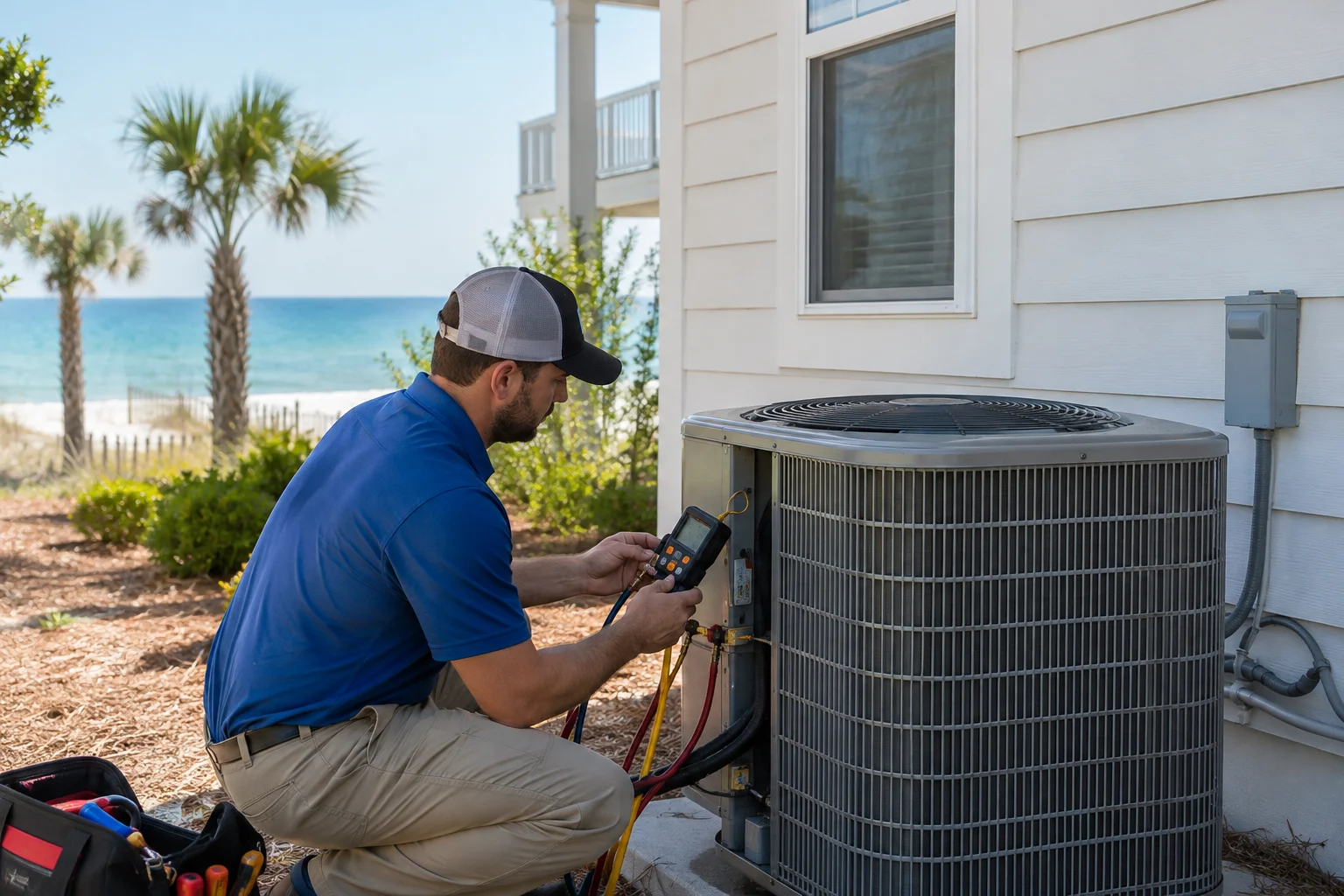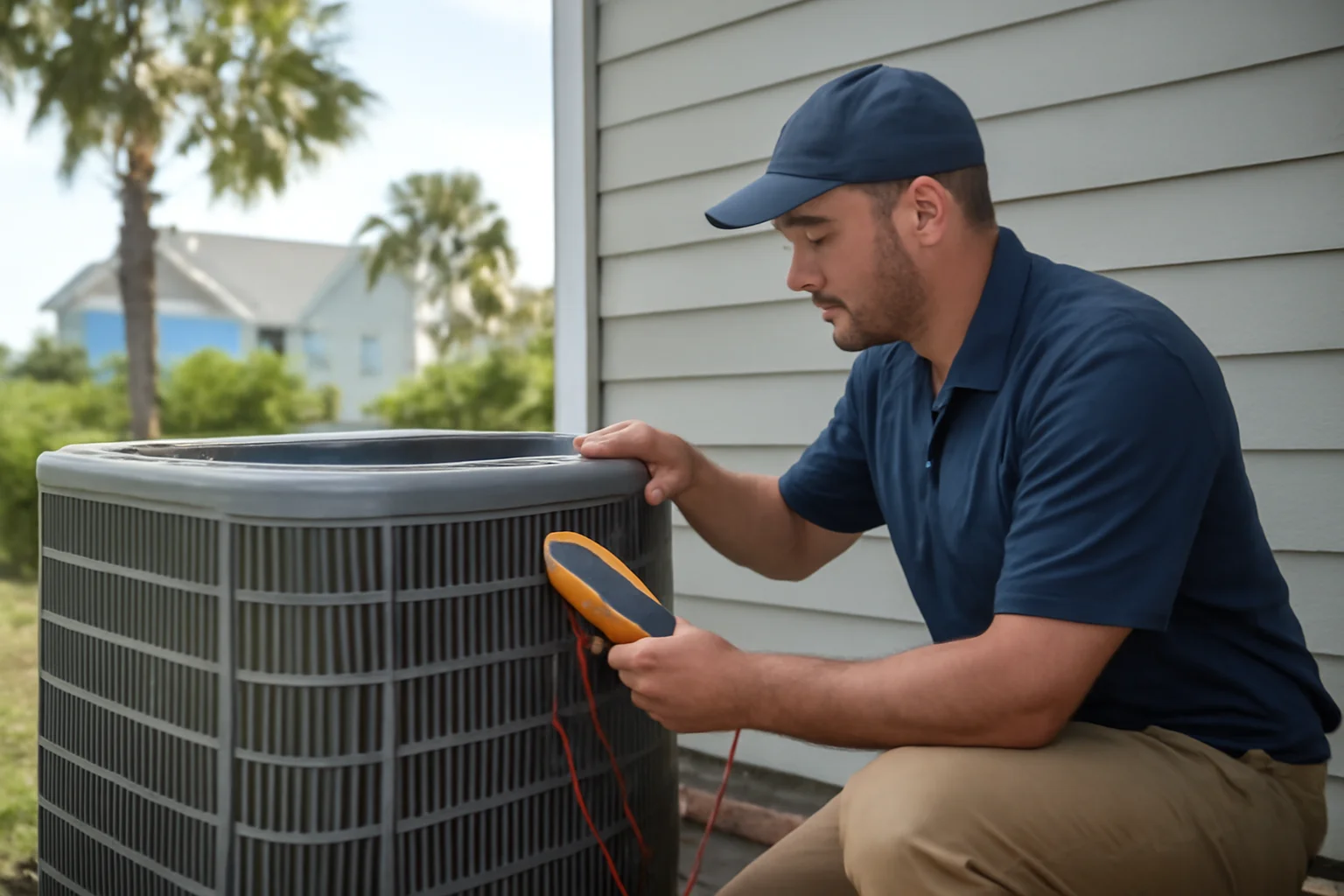
Living on 30A is a treat, but the climate is hard on HVAC systems. Gulf humidity, salt air, and long stretches of hot weather push air conditioners, heat pumps, ductwork, and thermostats to perform day after day. That is why an air conditioning inspection in 30A, FL is one of the most practical ways local property owners can protect their comfort and avoid emergency cooling concerns.
This guide focuses on what many homeowners overlook. It also explains what a thorough inspection should cover so you know what you are getting from an HVAC contractor near me.
Why 30A climate makes AC issues more likely
Air conditioning systems in Walton County do not just handle heat. They also manage humidity. In the 30A area, that means your AC has to remove moisture from indoor air while still delivering enough cool air through the ductwork.
Several local factors can increase the chance of HVAC trouble:
- Humidity load: When indoor humidity stays high, comfort drops and strain increases on the cooling process.
- Salt air exposure: Coastal air can accelerate corrosion on metal components and contribute to buildup on outdoor units.
- Airflow challenges: Dirty filters, blocked return vents, or ductwork issues can cause the system to work harder to achieve cooling.
- Refrigerant system sensitivity: Refrigerant systems rely on proper operation and airflow. If airflow is restricted or components are not performing as expected, cooling performance can suffer.
- Condensate drainage: When condensate drainage is not working correctly, moisture can build up around equipment and increase the risk of indoor air quality problems.
These issues can show up as inconsistent cooling, short cycling, higher energy use, or a system that seems fine until the hottest days hit.
The inspection homeowners often skip: airflow, not just temperature
Many people evaluate their AC by how cold the air feels at a single vent. That is understandable, especially during peak summer. But a real inspection goes deeper, because cooling comfort depends on airflow across the whole system.
What to look for during an air conditioning inspection
A good inspection should include checks that relate to airflow and system performance, such as:
- Filter condition and airflow restriction: A clogged or improperly sized filter can reduce airflow and increase strain on the system.
- Supply and return airflow balance: If returns are blocked or undersized, the system may not circulate air effectively.
- Vent and duct obstructions: Furniture, landscaping, or construction debris can affect airflow around the outdoor unit and indoor registers.
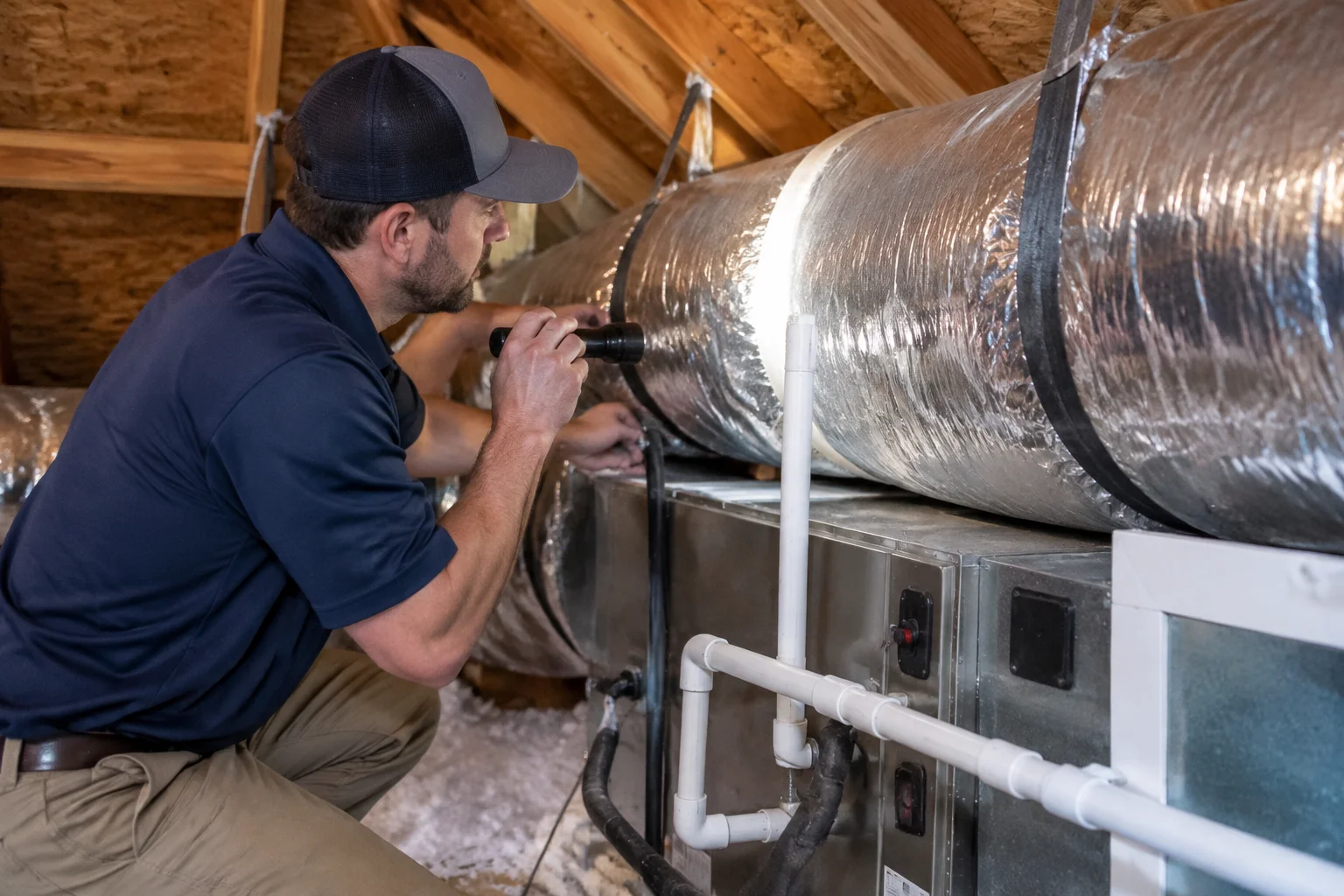
- Evidence of ductwork leakage or poor distribution: Even if the outdoor unit runs, ductwork problems can prevent consistent cooling room to room.
If you have ever searched for “duct inspection near me” after noticing hot rooms, weak airflow, or uneven temperatures, you are not alone. Airflow issues are one of the most overlooked drivers of HVAC problems.
Humidity control: the hidden comfort and indoor air quality factor
In 30A’s humid conditions, your AC is doing more than lowering the temperature. It is removing moisture. When humidity control is off, you may notice:
- Clammy indoor air even when the thermostat is set to a comfortable temperature
- Condensation around vents or on nearby surfaces
- Musty odors or increased dust
- Higher risk of indoor air quality problems
Why humidity issues can start long before breakdowns
Humidity management depends on correct operation of the cooling process and proper condensate drainage. If the system is struggling, it might still cool, but it may not dehumidify effectively. That can leave you feeling uncomfortable and can contribute to longer run times and higher energy use.
Condensate drainage: small problem, big consequences
Most homeowners notice condensate problems only after something becomes obvious, such as water where it should not be. But condensate drainage issues can develop quietly. They can also be harder to spot in coastal homes where humidity is already high.
Inspection items that matter
During an air conditioning inspection, a technician should look for signs that condensate drainage is functioning properly, including:
- Proper drainage from the drain line and components
- Signs of moisture buildup around equipment
- Clogs or conditions that can reduce drainage performance
- Whether the indoor equipment area is staying dry as it should
When condensate drainage does not work as intended, it can affect indoor air quality and comfort, and it can create conditions that lead to additional HVAC repairs.
Refrigerant system performance: what an inspection can confirm and what it cannot
Refrigerant systems are central to cooling, but homeowners should avoid assuming they can diagnose refrigerant problems from symptoms alone. Cooling performance issues can overlap with airflow restrictions, dirty coils, thermostat settings, or ductwork problems.
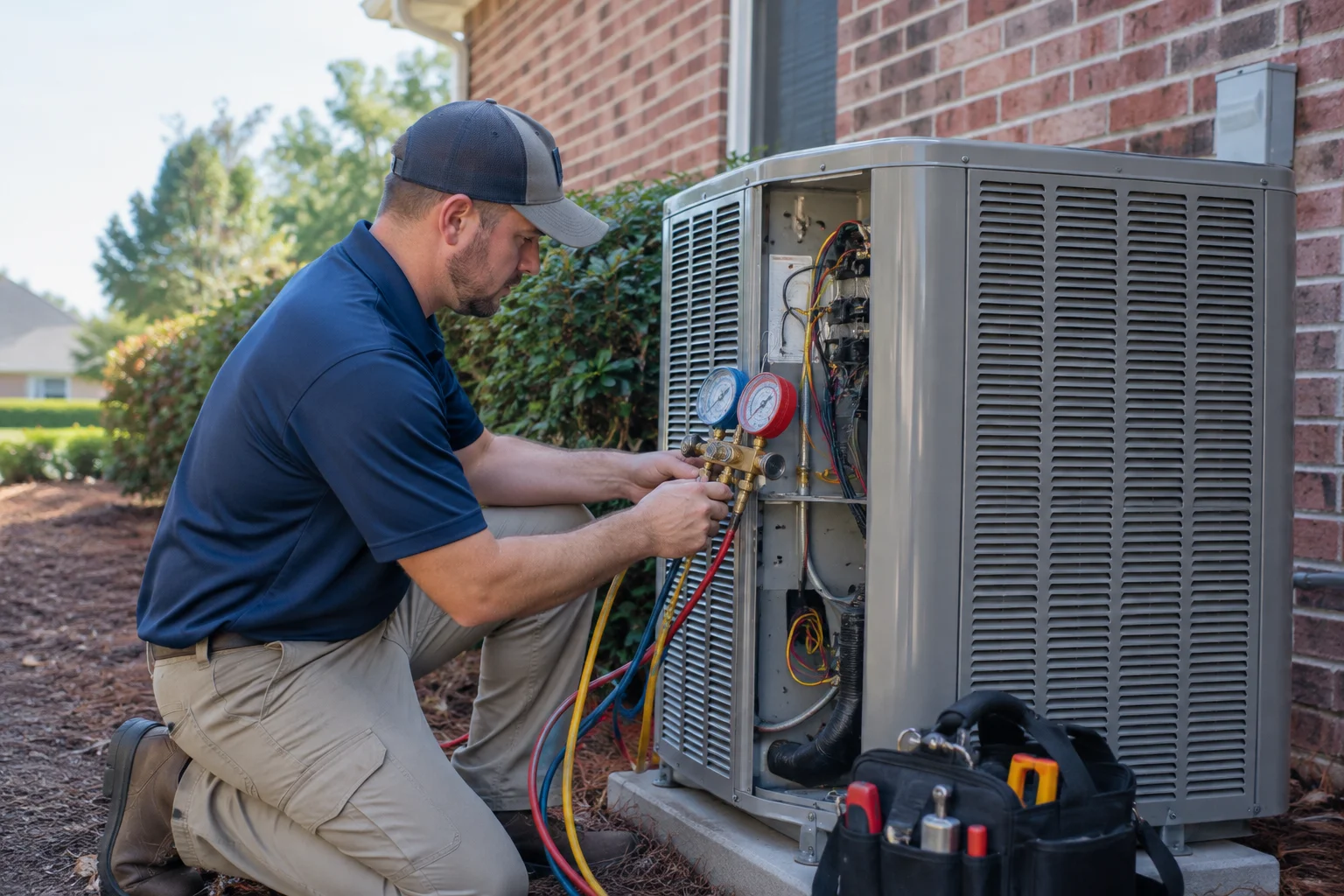
A professional inspection can evaluate system operation and look for indicators that point to a refrigerant system performance issue. However, a refrigerant diagnosis should not be guessed. It requires in-person evaluation using appropriate tools and procedures.
If you suspect “AC issues” because the system runs but does not cool well, the most helpful next step is scheduling an inspection rather than making assumptions. This is especially true in 30A homes where humidity and airflow challenges can mimic other problems.
Thermostats and controls: small settings that cause big discomfort
Thermostats control how your system cycles and how it responds to indoor conditions. In many households, thermostat settings are adjusted seasonally, guests arrive, vacation rentals change occupancy schedules, or smart thermostat features get enabled without fully understanding how they interact with HVAC performance.
Common inspection-related thermostat oversights
- Incorrect thermostat settings for humidity comfort needs
- Schedule settings that do not match occupancy patterns
- Calibration or placement issues that affect temperature readings
- Smart thermostat setup that does not reflect how the system is actually behaving
If you are considering upgrades, you may also want to review options like smart thermostats designed for comfort and sensible control. Installation should be done by a licensed HVAC contractor to ensure proper operation with your specific system.
Outdoor unit care in salt air: what gets missed
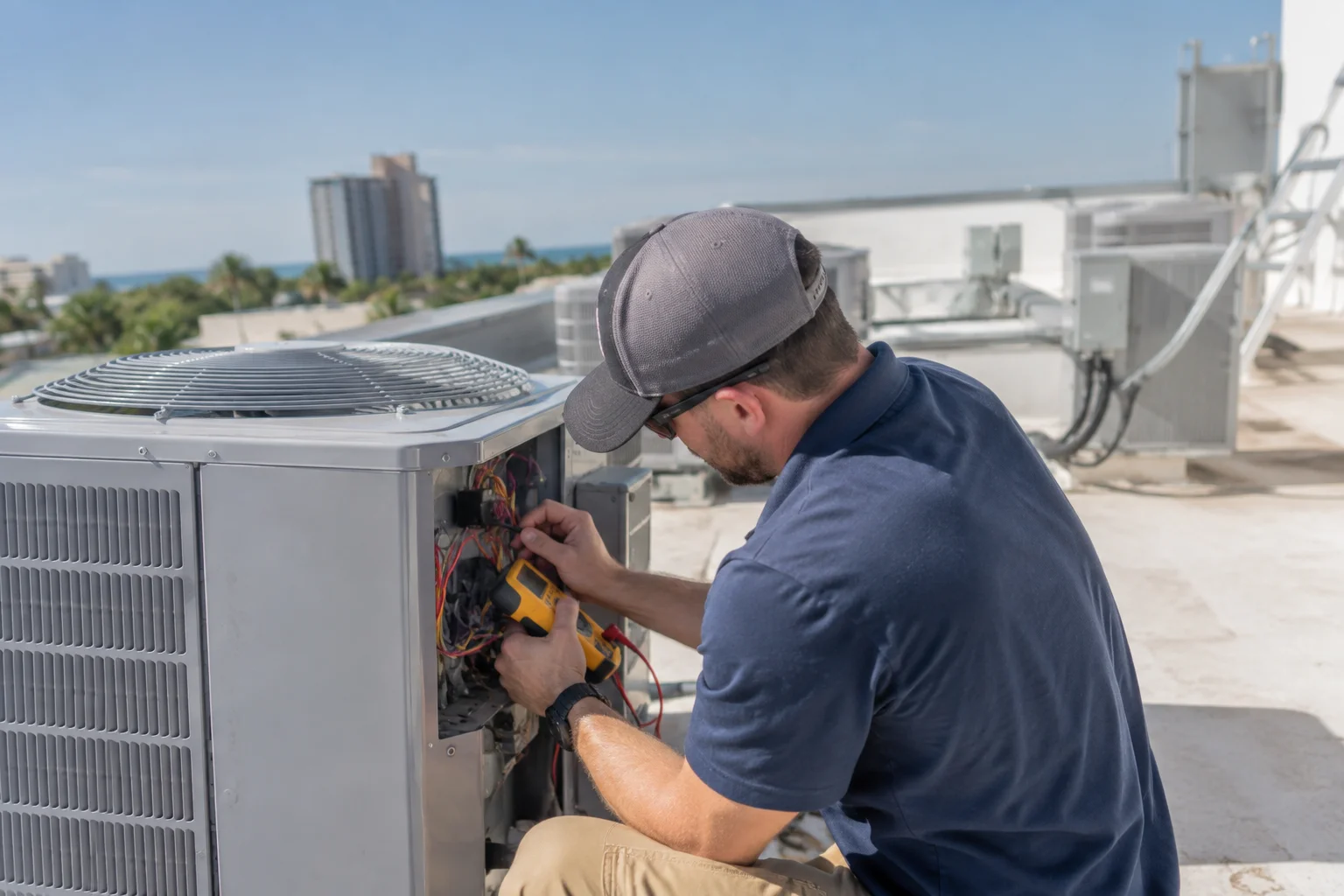
On 30A, the outdoor unit is exposed to salt air and coastal weather. Over time, that exposure can contribute to corrosion and buildup. Even if the system still runs, performance can degrade.
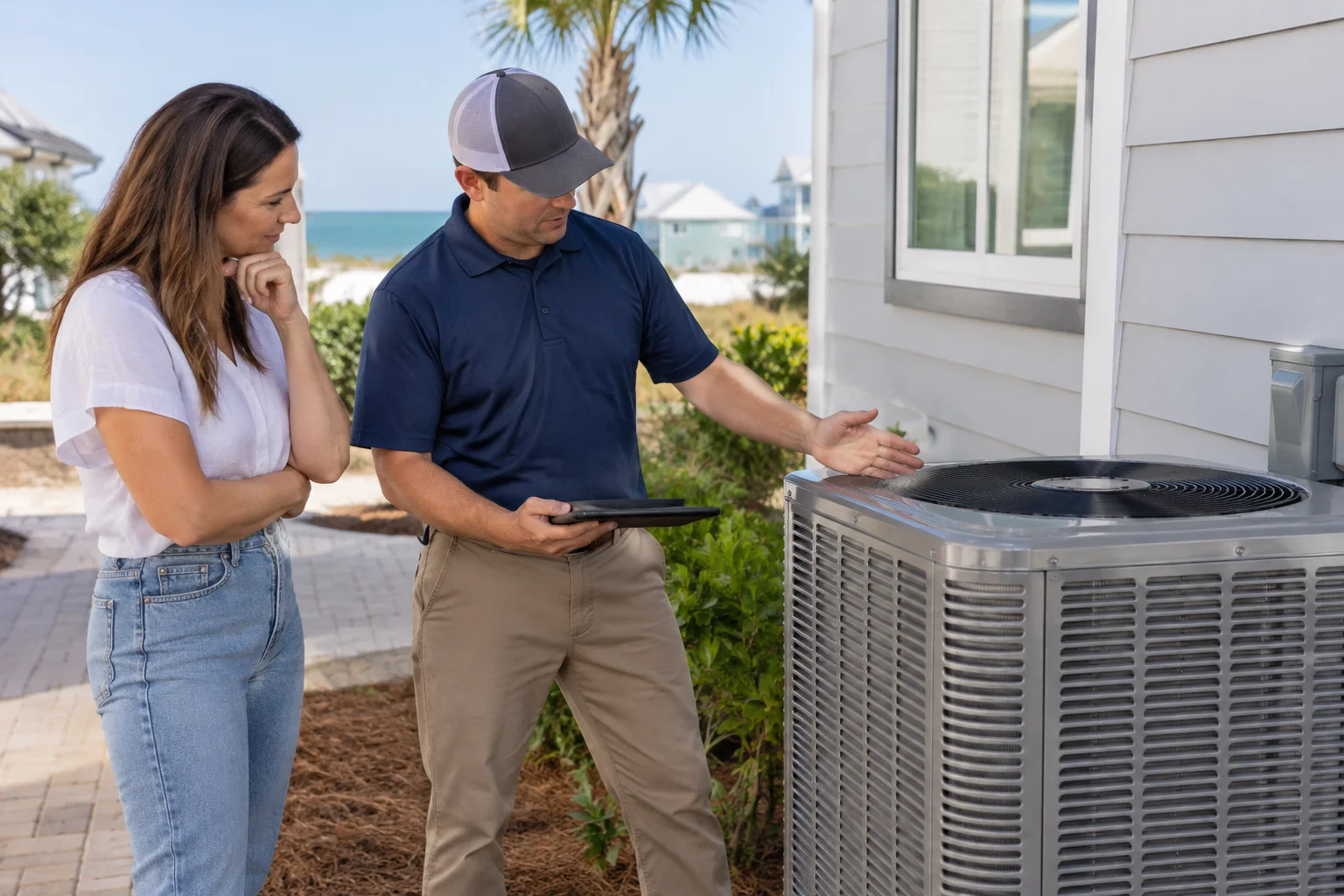
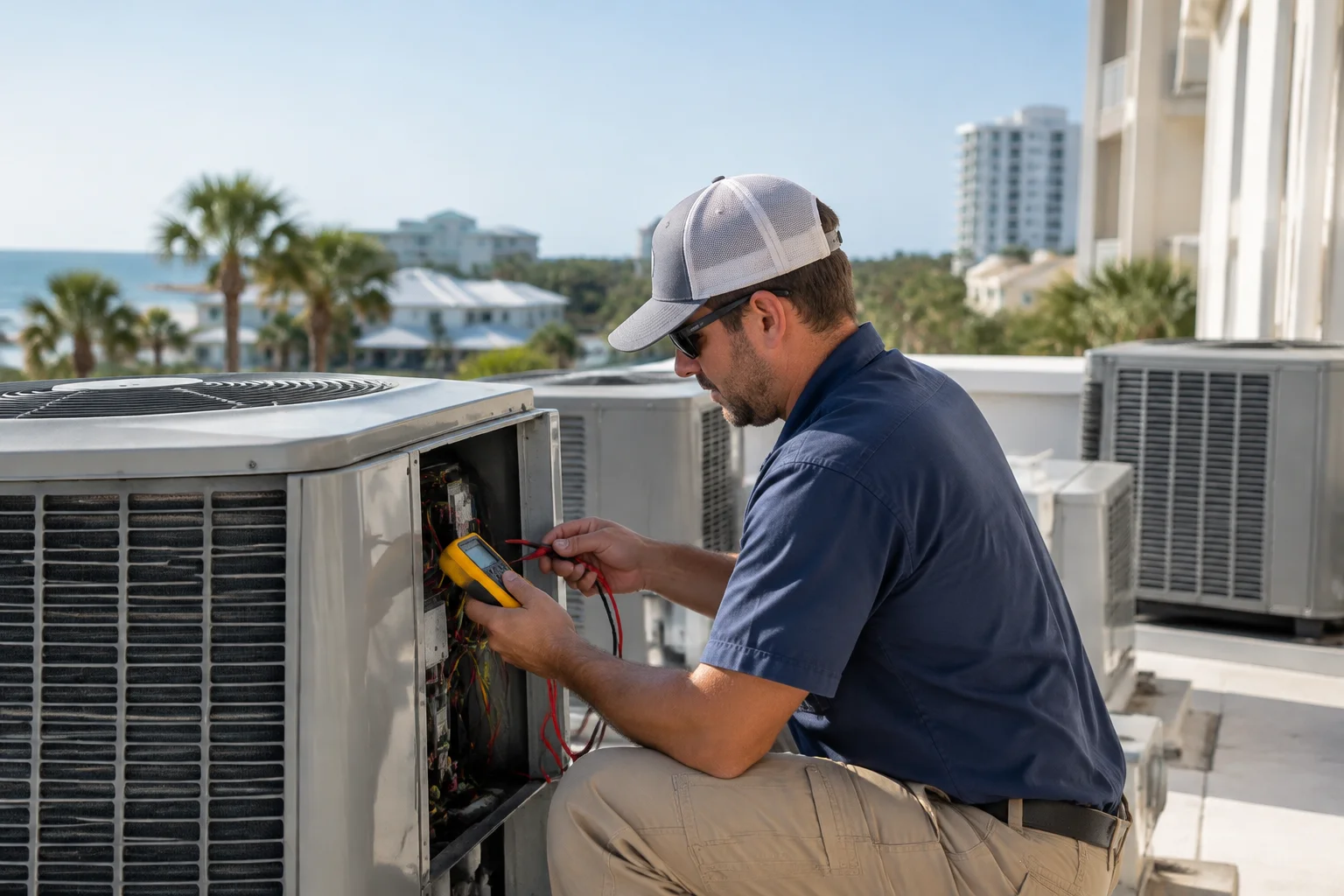
An air conditioning inspection should include a visual and operational review of the outdoor unit and surrounding conditions. Homeowners can also help by keeping the area around the unit clear and ensuring airflow is not blocked by landscaping or debris.
For homes that use ductless systems, the same principle applies. If you have a ductless mini split, you may want to ask about inspection considerations for those components as well. For related service options, see ductless mini splits.
How preventive HVAC maintenance reduces emergency cooling concerns
When the hottest days hit, a cooling failure can quickly become an emergency cooling concern. That is not just about convenience. It can also affect indoor air quality, especially for homes with vulnerable occupants or vacation rental turnover.
Preventive HVAC maintenance helps by catching issues before they become failures. A thorough inspection can identify problems that often lead to AC repair calls, such as restricted airflow, drainage concerns, control issues, or signs of component wear.
For more on this approach, read Why Preventive HVAC Service Pays Off for Air Conditioning Repair in 30A, FL.
Signs your system needs more than a thermostat adjustment
Some problems start as “it seems off” rather than a clear failure. Here are signs that homeowners in 30A often notice before they end up searching for “HVAC repair near me” or “air conditioning repair near me”:
- Uneven room temperatures: Some rooms feel warmer or do not cool consistently.
- Weak airflow: Vents blow air but not with the normal strength.
- Short cycling: The system turns on and off more frequently than usual.
- Higher energy use: The system runs longer, but comfort does not improve.
- Humidity feels worse: Indoor air feels clammy or sticky.
- Condensate drainage concerns: Water appears near indoor equipment or odors develop.
- Strange noises or odors: Unusual sounds or musty smells can point to airflow, moisture, or component issues.
If you are seeing these patterns, it is a strong time to schedule an air conditioning inspection in 30A, FL rather than waiting for a full shutdown.
Why ductwork and airflow checks matter for homeowners
Many 30A homes rely on ductwork that can develop issues over time. Duct inspection and airflow evaluation are crucial because even a well-functioning outdoor unit cannot cool a home effectively if air distribution is compromised.
Common ductwork-related contributors
- Leaks that reduce delivered airflow
- Disconnected or damaged sections
- Restricted returns that prevent proper circulation
- Build-up that affects airflow paths
If you suspect ductwork is part of the problem, an inspection can help determine whether the issue is distribution, airflow balance, or equipment operation. This is also where homeowners searching for “duct inspection near me” can benefit from choosing a contractor that approaches airflow as a system, not a single vent.
Heat pumps and multi-zone systems: inspections still matter
Some homes in Walton County use heat pumps or multi-zone setups. Heat pumps still depend on airflow, humidity management, and correct system operation during hot and humid periods. Multi-zone systems add complexity because different zones can create different load patterns.
A professional inspection should consider how your system performs under real local conditions. If you have a multi-zone setup, you can explore VRF multi-zone systems to understand what service and inspection considerations may apply to your configuration.
For homeowners managing comfort while also planning repairs, it can help to understand that heat pump issues often overlap with airflow and humidity concerns. If you need service, look for Air Conditioning Repair and ask whether your system type affects the inspection approach.
Vacation rentals and coastal homes: inspection timing that makes sense
30A properties often have changing occupancy schedules. That can make HVAC performance harder to track because comfort complaints may be brief, and issues can appear after a guest arrives or after the AC has been off for a period.
Instead of waiting for the first complaint, many property owners schedule inspections before peak season and after long periods of inactivity. That is when airflow, humidity control, drainage, and control behavior are most likely to show whether the system is ready.
If you manage a commercial property or mixed-use space, comfort maintenance has its own challenges. You can also read Keeping 30A Commercial Spaces Comfortable Before HVAC Trouble Spreads for additional scheduling and maintenance ideas.
What to ask during your air conditioning inspection
You do not need to be an HVAC expert to have a productive inspection. Asking the right questions helps you confirm that the inspection covers the parts of the system that drive comfort and energy use.
- How is airflow across the system? Ask about supply and return airflow and whether any rooms are likely to underperform.
- How is humidity control? Ask what the system is doing to remove moisture in humid conditions.
- Is condensate drainage working correctly? Ask for signs that moisture is being managed as designed.
- Are there signs of buildup or corrosion? Coastal exposure can matter, so ask what was found around coils and the outdoor unit.
- Do thermostat settings support comfort goals? Ask whether the current setup is aligned with how the system cycles.
- Are there ductwork concerns? If you have uneven temperatures, ask whether duct inspection is part of the plan.
If you are searching for “HVAC maintenance near me” or “licensed HVAC contractor near me,” these questions help you compare contractors. A professional will explain findings in plain language and recommend next steps based on what they observe in person.
When to call for professional help right away
Some situations should not wait for “later this week.” Call a local HVAC team promptly if you notice:
- No cooling: The system runs but does not cool.
- Frequent cycling: The system turns on and off repeatedly.
- Water issues: Condensate drainage problems that cause water to accumulate.
- Strong musty odors: Possible moisture or indoor air quality concerns.
- Thermostat or control failures: The system does not respond correctly.
Homeowners often search “emergency AC repair near me” when they reach the point of no cooling or unsafe indoor conditions. Scheduling an air conditioning inspection earlier is the better path because it reduces the chance of being stuck during peak heat.
Planning for repairs and system replacement without guessing
Sometimes an inspection reveals that repairs are needed. Other times, it may suggest that ongoing performance issues point toward considering system replacement. Either way, decisions should be based on an in-person evaluation, not assumptions.
If you are balancing maintenance with longer-term planning, it can also help to think about how comfort goals and cooling demand affect equipment choices. If you are navigating financing decisions alongside HVAC needs, you may find Keeping HVAC Financing on Track in 30A, FL Homes useful.
For local homeowners and property owners across Walton County and the 30A area, professional service matters because HVAC performance is a system. Airflow, humidity control, condensate drainage, refrigerant system operation, ductwork distribution, and thermostat control all interact. A thorough air conditioning inspection is the best way to start addressing those interactions before they become costly or inconvenient.
If you want a detailed evaluation designed for 30A homes, schedule your inspection through A Superior Mechanical’s air conditioning inspection service in 30A, FL.
For additional HVAC service options in the area, you can also explore the broader service coverage on our 30A service area page.
Find Air Conditioning Inspection in 30A, FL
If you need Air Conditioning Inspection in 30A, FL, visit our local service page or contact A Superior Mechanical today.
Map of 30A, FL
Frequently Asked Questions
How is an air conditioning inspection different from basic maintenance?
Basic maintenance focuses on routine upkeep, while an air conditioning inspection is a deeper system evaluation. It looks at comfort drivers like airflow, humidity control, condensate drainage, thermostat behavior, and overall operation so issues can be found before they become AC repair needs.
What AC problems do 30A homeowners often overlook?
Many homeowners focus on temperature alone and miss airflow balance, duct distribution issues, humidity that feels worse than expected, and early condensate drainage concerns. In coastal conditions, salt air exposure and moisture can also accelerate corrosion and buildup.
Can I schedule an inspection for a vacation rental before guests arrive?
Yes. Many property owners schedule inspections before peak season and after periods of inactivity. That helps confirm the system is ready for real cooling demand and supports indoor air quality and comfort expectations for incoming guests.
If my AC runs but does not cool well, should I assume it is a refrigerant problem?
Not automatically. Cooling performance can be affected by airflow restrictions, ductwork problems, thermostat settings, and other system issues. A professional, in-person evaluation is needed before any refrigerant-related conclusions are made.
How often should I get an HVAC inspection in Walton County?
For many homes, scheduling an inspection before the hottest part of the year helps ensure the system is ready for humidity and peak cooling demand. If you notice uneven cooling, poor humidity control, or rising energy use, an inspection sooner can prevent a breakdown during the hottest days.
Related Articles
Photo Gallery