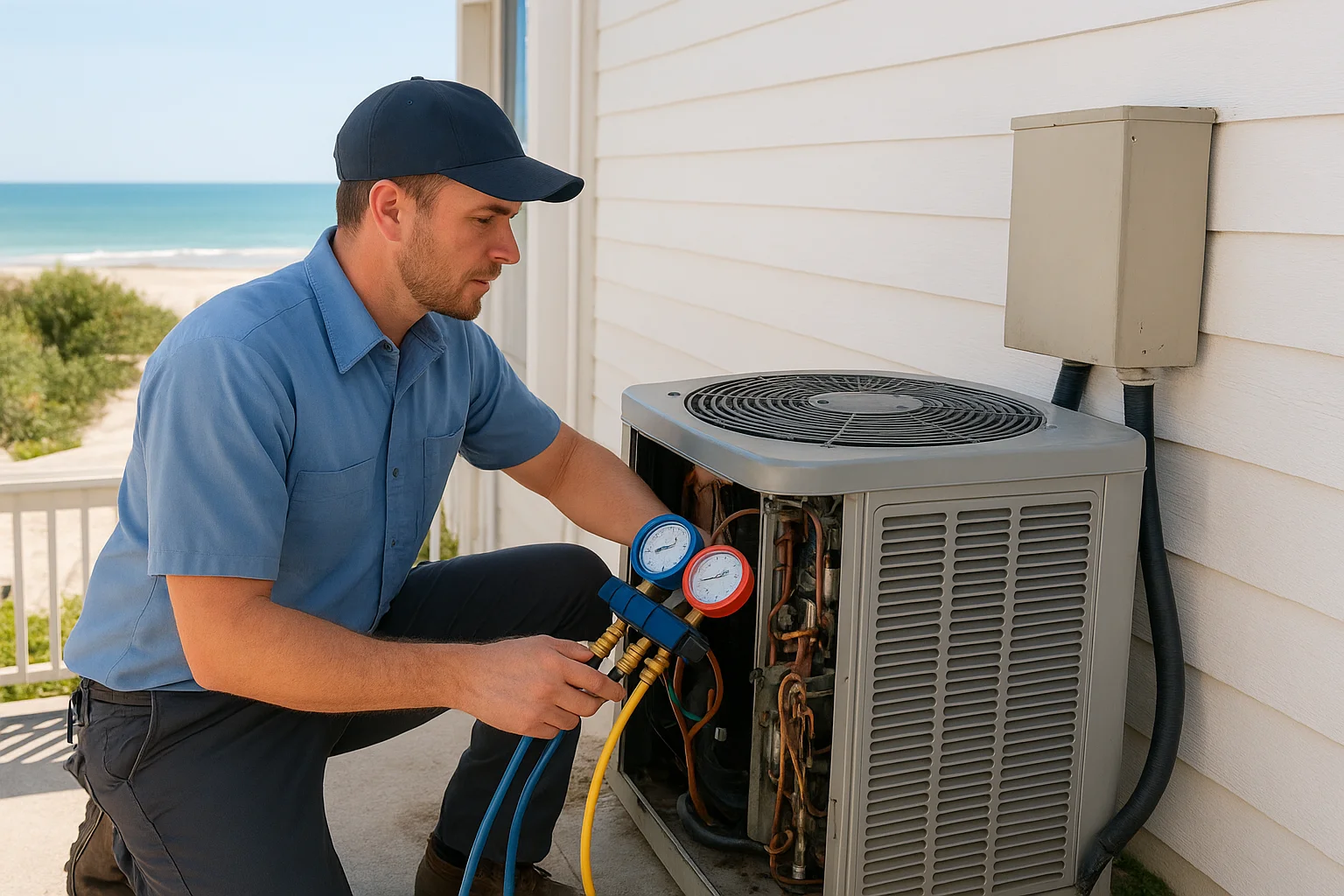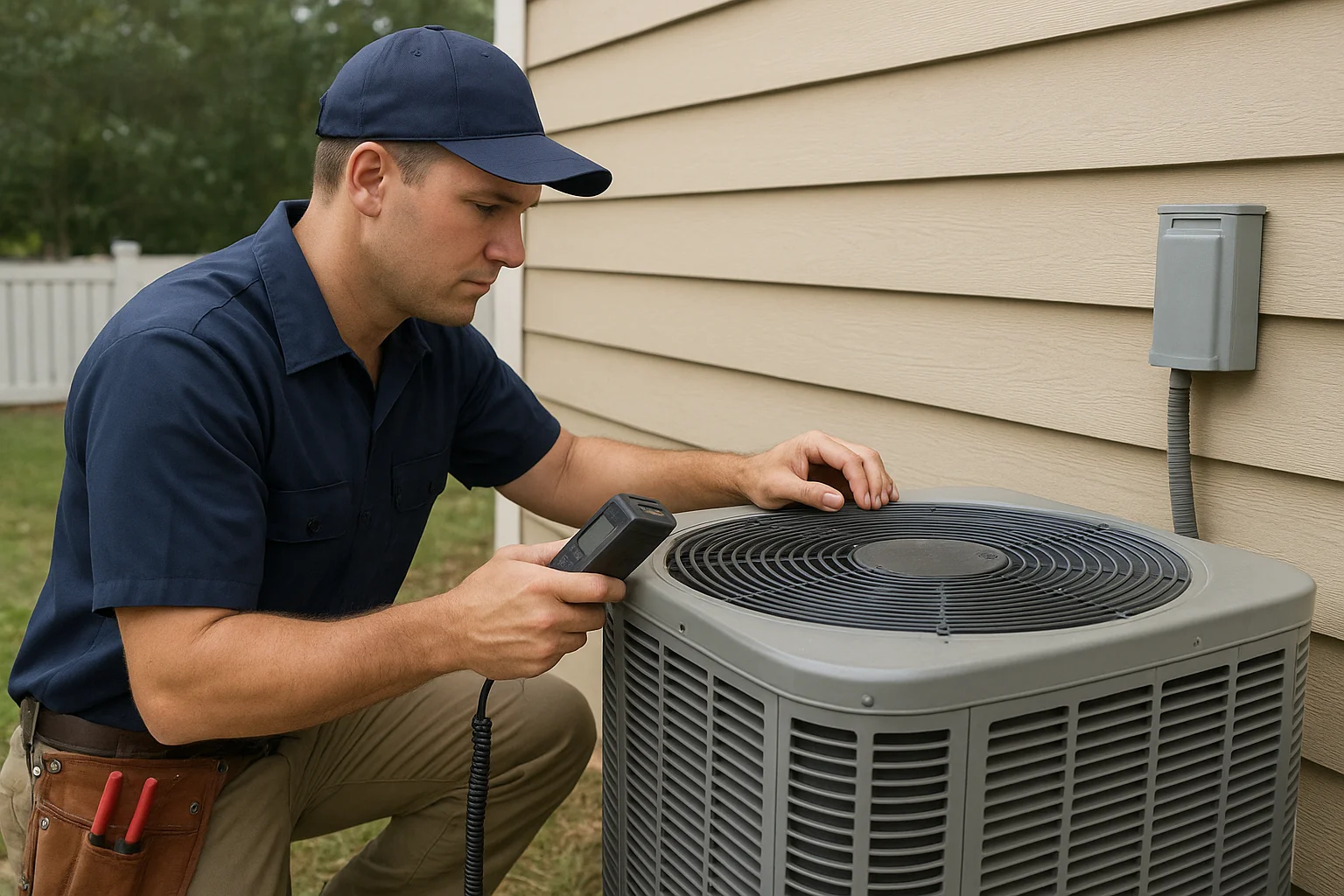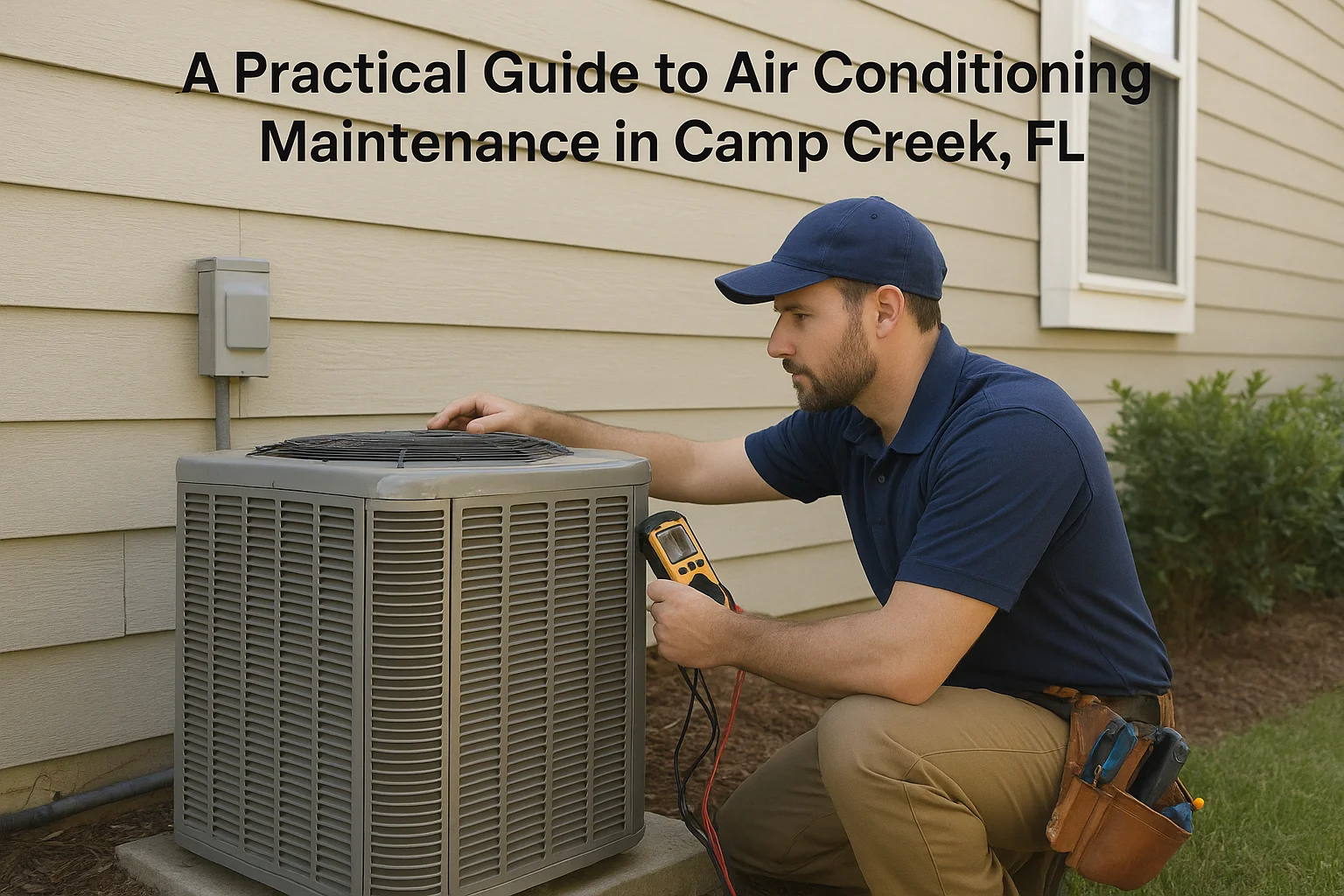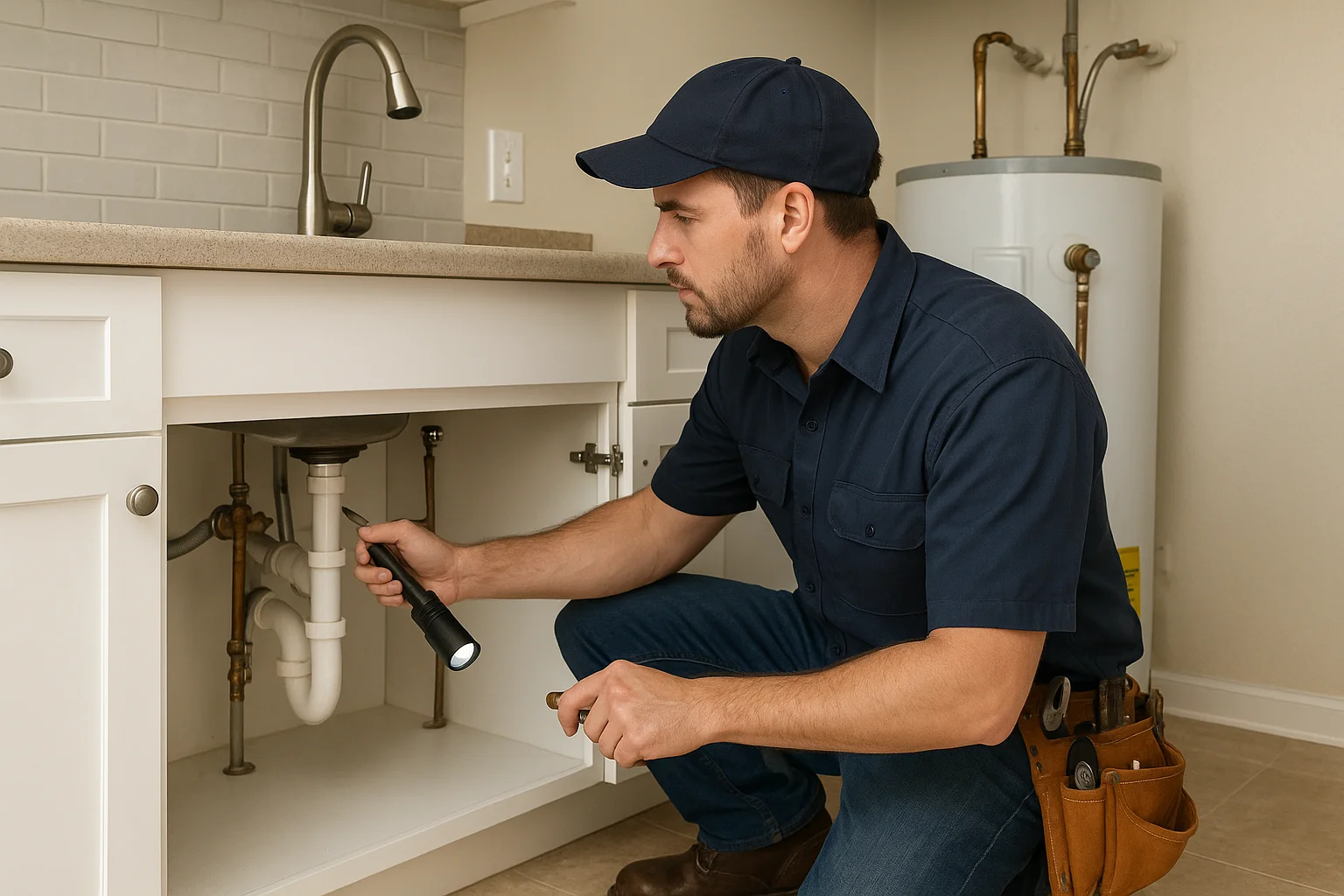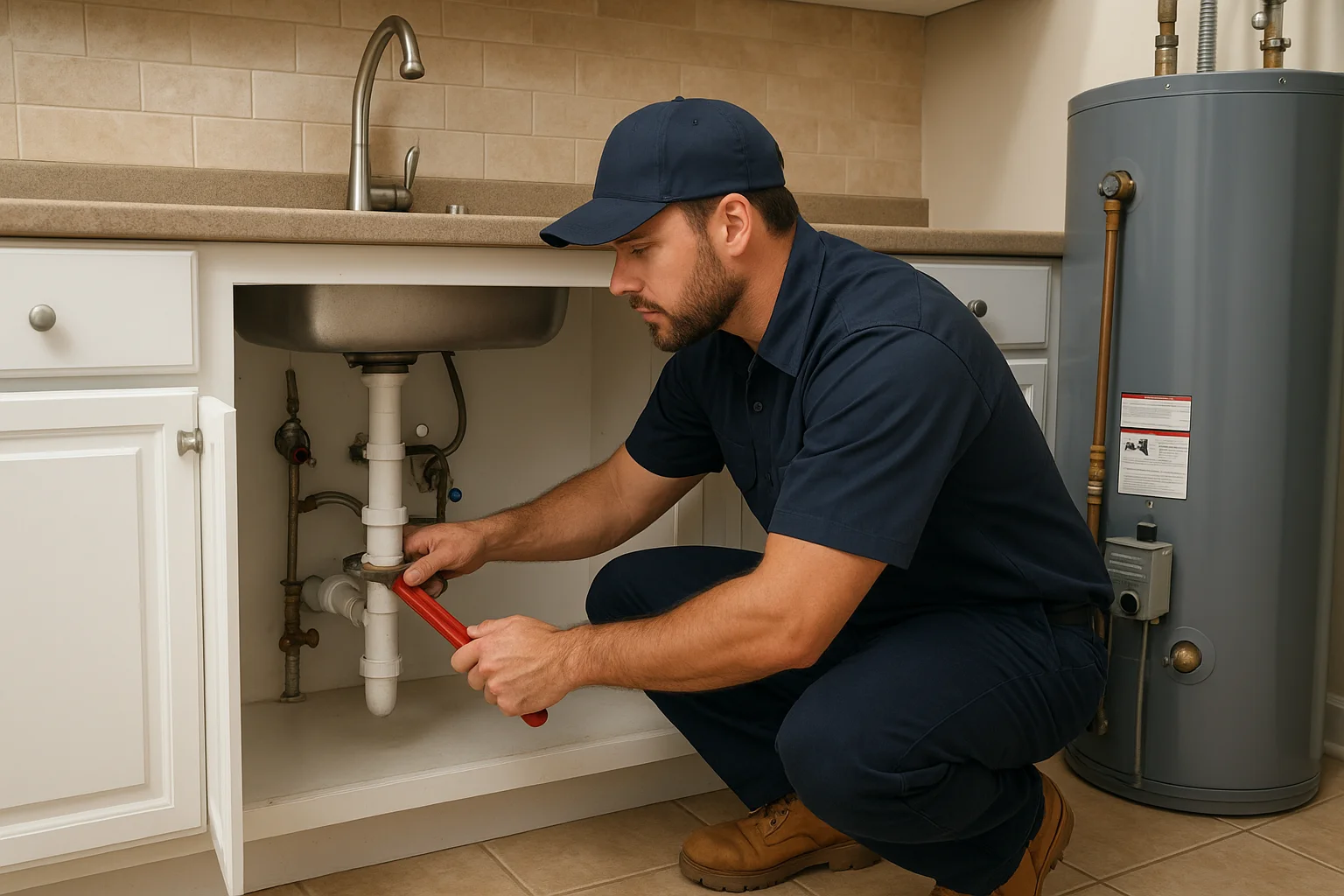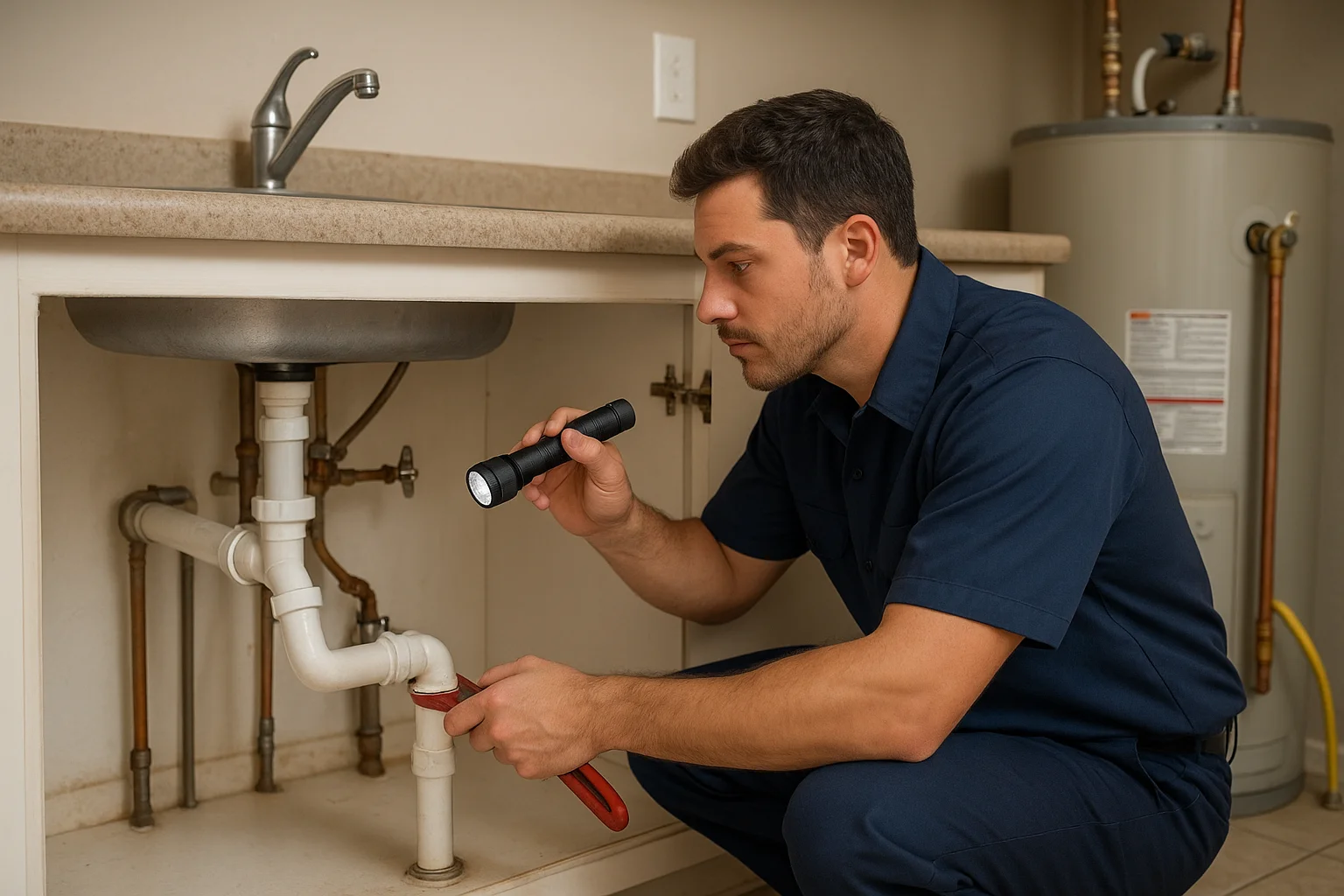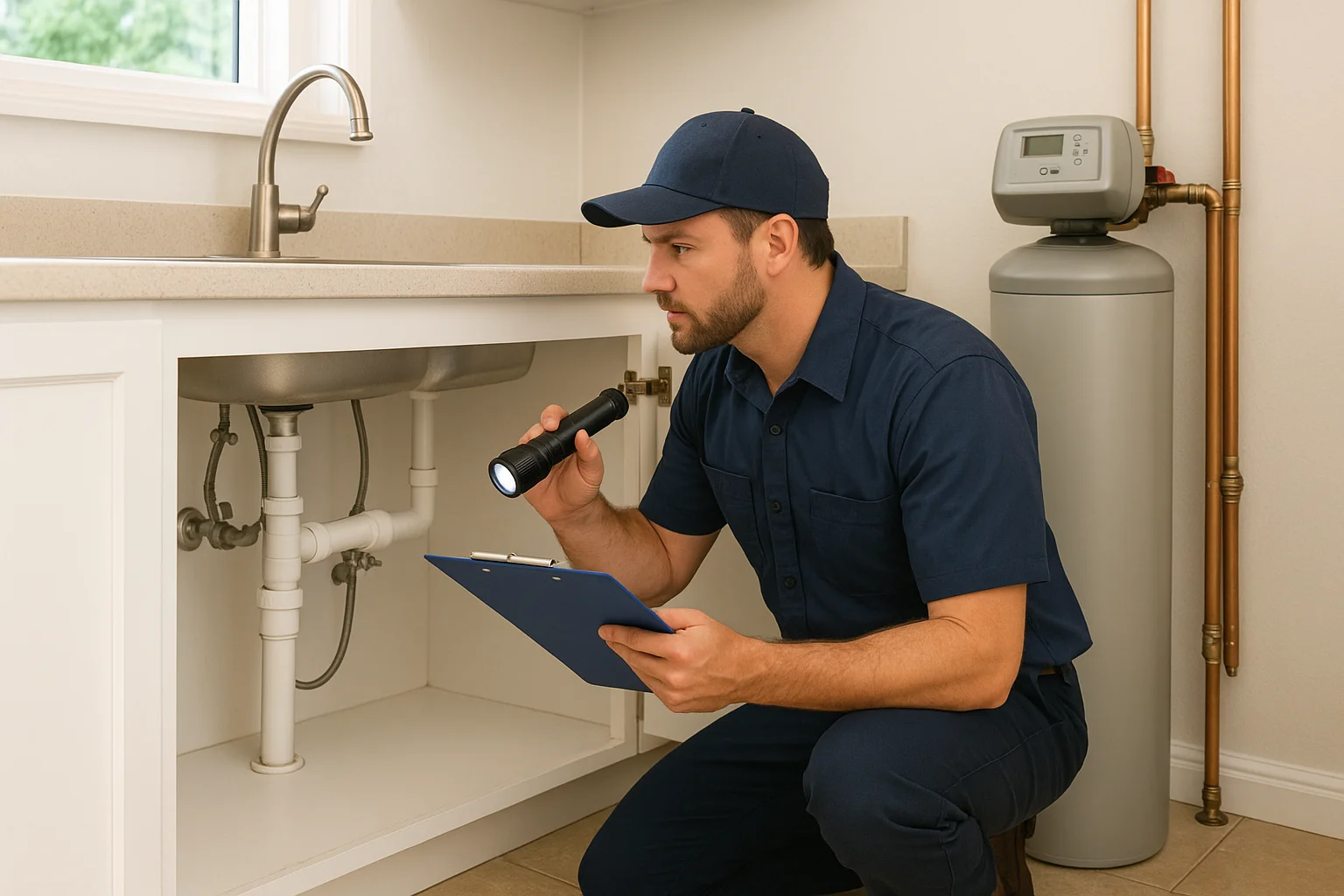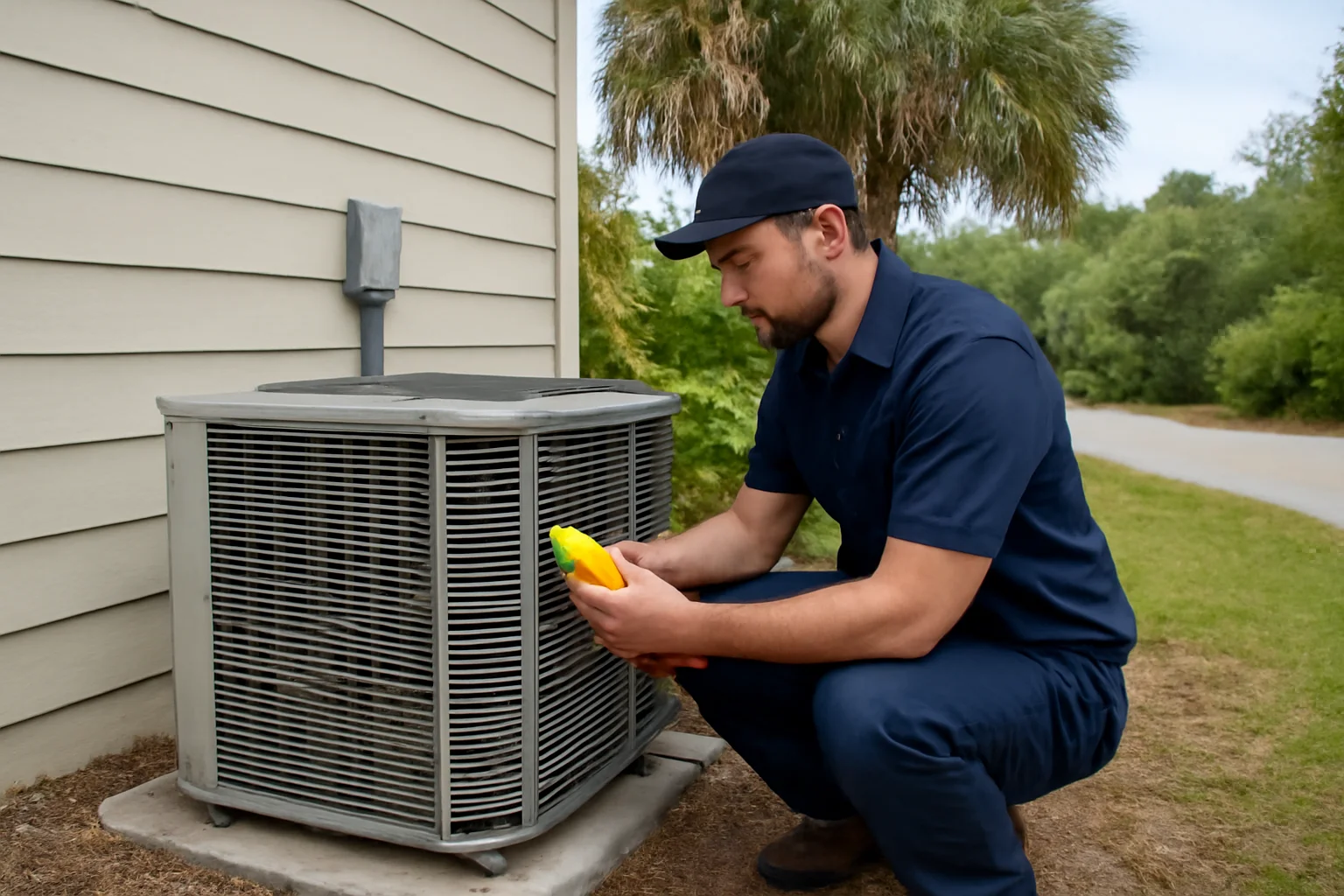
Living in Seagrove Beach means your air conditioning system works harder than it does in many other parts of Florida. Salt air, heavy humidity, and frequent coastal storms can stress refrigerant systems, condensate drainage, ductwork, and indoor air quality. The good news is that many costly problems leave warning signs. If you catch them early, you can often prevent a mid-summer breakdown and reduce the chance of needing major repairs or an HVAC replacement.
If you are looking for an air conditioning systems service in Seagrove Beach, A Superior Mechanical can help you troubleshoot symptoms, improve airflow, and set up a preventive HVAC maintenance plan suited to coastal conditions. Homeowners searching for HVAC contractor near me often find that the fastest path to relief starts with identifying what your AC is telling you.
Why coastal Florida turns small AC issues into expensive repairs
In Seagrove Beach, your AC system is constantly managing heat and moisture. Summer days can feel oppressive, and indoor comfort depends on more than just temperature. Your system must remove humidity, maintain stable airflow, and keep refrigerant circulating correctly. When airflow drops or condensate drainage is restricted, the system can struggle to cool and dehumidify. Over time, that strain can increase wear on key components and raise the risk of refrigerant system problems.
Salt air adds another layer. It can accelerate corrosion on outdoor units and affect how well components perform. Ductwork can also be impacted by humidity and air leakage, leading to uneven cooling and higher energy use. That is why homeowners often benefit from proactive HVAC maintenance that accounts for the local climate.
HVAC warning signs connected to air conditioning systems
Below are AC-focused warning signs that commonly show up in Seagrove Beach homes. Some are obvious, like warm air. Others are subtle, like rising humidity or musty odors. Any one of these can be a clue that your system is not operating as it should.
1) Your home feels cool, but humidity stays high
You might notice condensation on windows, damp clothing smells, or rooms that feel sticky even when the thermostat shows a reasonable temperature. This often points to an air conditioning system that is not removing moisture effectively. Causes can include reduced airflow across the indoor coil, dirty filters, blocked return air pathways, or issues that interfere with normal condensate drainage.
Coastal humidity makes this symptom more common. If humidity remains high, your AC may run longer than expected, which increases energy use and can contribute to premature wear. Addressing the airflow and condensate side early is one of the most practical steps homeowners can take.
2) Weak airflow from vents or strong airflow changes by room
Airflow problems are a frequent root cause behind many AC complaints. You may feel weak airflow from supply vents, hear rattling in the ductwork, or notice certain rooms never reach the thermostat setting. In a coastal home, ductwork can develop leaks, and humidity can contribute to dust buildup that restricts airflow.
Before you assume the system is “too small,” have a professional evaluate airflow balance, ductwork condition, and filter setup. If you are searching for duct repair near me or duct cleaning near me, it is worth pairing that with an AC performance check. Cleaning alone may not solve the issue if airflow is being limited by other factors.
3) AC runs constantly, but the temperature does not hold
Short cycling and continuous run cycles can both be signs of trouble. If your system starts and stops too frequently, it may not reach stable operating conditions. If it runs for long stretches without achieving cooling, airflow or refrigerant system performance could be off. The thermostat settings, indoor load, and ductwork play a role, but so do system components.
In Seagrove Beach, the outdoor environment can add load. When the system cannot keep up, energy use climbs and indoor comfort declines. A licensed HVAC technician can assess system performance and identify what is driving the constant cycling or long run time.
4) Condensate drainage issues: water where it should not be
Most air conditioning systems produce condensate as they cool. That water should drain through a properly routed condensate line or drain pan. If you see water near an indoor unit, notice a wet smell, or find that a drain line appears clogged, the system may be backing up moisture.
When condensate drainage is restricted, the indoor coil area can stay too wet, which can contribute to indoor air quality issues and can increase the risk of water damage. For homeowners, it is especially important to address drainage problems promptly because humidity is already high in the coastal environment.
5) Ice buildup on the indoor coil or refrigerant lines
Ice on the coil is a strong warning sign tied to air conditioning operation. Common contributors include restricted airflow, dirty filters, issues with airflow pathways, and performance problems that affect heat transfer. If you see frost or ice, do not keep running the system in hopes it will “clear up.”
Ice can indicate that the system is not absorbing heat correctly. That can lead to further damage if the underlying cause is not corrected. A Superior Mechanical can inspect system airflow and performance at the component level during an on-site visit.
6) Unusual noises: banging, grinding, or repeated rattling
Some sounds are normal, but persistent banging, grinding, or repeated rattling deserves attention. Noises can come from blower components, fan motors, loose panels, or ductwork that is vibrating. In humid coastal air, metal parts can corrode over time, which can change how components move and sound.
If the noise started after a storm, heavy humidity period, or after filter changes, mention that to your HVAC technician. The history can help narrow down what is likely happening.
7) Musty odors or increased dust and allergy symptoms
When indoor air quality declines, it often shows up as musty odors, more visible dust, or worsening allergy symptoms. HVAC systems influence indoor air quality by filtering air, controlling humidity, and circulating conditioned air through ducts. If filters are clogged or if the system is not dehumidifying properly, indoor air can become stale.
For homeowners who want to improve indoor air quality services near me, it helps to start with the AC system performance and airflow. If you suspect mold growth or persistent odor, an on-site evaluation is important. You may also want to review whether your ductwork and filtration strategy match how your home is being used as a primary residence or a rental.
If you are also considering upgrades, a helpful read is A Practical Plan for Cleaner Air and More Reliable HVAC in Seagrove Beach.
8) Thermostat behavior that seems “off”
Sometimes the warning sign is not the AC itself but the thermostat and how it is controlling the system. If the thermostat display is inaccurate, if temperature readings do not match what you feel, or if the system does not respond consistently to setpoints, you may be dealing with thermostat issues, sensor placement problems, or control wiring concerns that affect HVAC operation.
Homeowners often search for thermostat installation near me when they want better comfort control. A professional can verify whether the thermostat setup is appropriate for your home and whether the HVAC system is actually responding as it should.
Common causes behind these warning signs in Seagrove Beach homes
Warning signs are symptoms. The causes often fall into a few categories that show up frequently in coastal Florida air conditioning systems.
Airflow restrictions and filter issues
Dirty filters, blocked returns, and duct restrictions can reduce airflow across indoor coils. That can lead to poor cooling, higher humidity, ice buildup, and increased energy use. In humid coastal areas, dust and moisture can combine and make buildup more noticeable.
Ductwork leakage and poor airflow balance
Leaky ducts and imbalanced airflow can cause rooms to be too warm, too cold, or inconsistent. Ductwork can also contribute to indoor air quality problems by allowing unconditioned air or contaminants to move through the system.
Condensate drainage clogs or improper routing
When condensate drainage is blocked, the system can struggle to remove moisture. That can worsen humidity and contribute to musty odors. Drain pan issues and condensate line problems are also more likely to show up in homes where the system runs frequently.
Coastal corrosion and outdoor unit strain
Salt air can accelerate corrosion. Outdoor units can also accumulate debris after coastal weather events. Corrosion and buildup can affect airflow across the outdoor coil and can contribute to performance problems that show up as warm air, long run times, or noisy operation.
Refrigerant system problems tied to performance
Refrigerant systems are designed to move heat efficiently. When refrigerant system performance is off, the AC may not cool properly, may run longer, or may develop icing. While homeowners can observe symptoms like warm air or frost, refrigerant diagnosis requires an in-person professional evaluation. Trying to handle refrigerant issues without training can be unsafe and can lead to further damage.
How preventive HVAC maintenance helps avoid costly repairs
Preventive HVAC maintenance is not just about “keeping the system clean.” In Seagrove Beach, it is about keeping airflow steady, humidity control reliable, and system components protected from the strain of coastal conditions.
What a seasonal maintenance visit should cover
While the exact scope depends on your equipment and home layout, a quality maintenance visit for air conditioning systems typically includes checks of:
- Airflow paths, including return and supply airflow balance
- Filter condition and guidance on appropriate filtration for indoor air quality
- Indoor coil and condensate drainage operation
- Outdoor unit condition and airflow around the unit
- Thermostat operation and system control behavior
- Visible signs of corrosion or component wear
If you have a rental property, frequent turnover and variable occupancy can change indoor air quality and humidity patterns. For homeowners searching for HVAC maintenance near me, a maintenance plan that accounts for how the home is used can reduce surprise failures.
Energy use and comfort go together
When airflow is restricted or ductwork is leaking, the system often runs longer. That increases energy use and can make the cooling cycle less effective. In coastal Florida, where the temperature and humidity load is constant, small inefficiencies can add up.
Regular service can help you catch issues before they become obvious. It also helps you maintain comfort during peak periods when emergency cooling concerns are more likely.
When you should call for AC repair in Seagrove Beach
Some problems can wait for a scheduled appointment. Others should be addressed quickly to protect the system and your home.
Call promptly if you notice any of the following
- Ice buildup on the indoor coil or refrigerant lines
- Water leaking from the indoor unit area or signs of condensate backup
- Persistent warm air or rapidly worsening cooling performance
- Strong musty odors that suggest moisture issues indoors
- Repeated thermostat and cycling behavior that does not match setpoints
- Unusual noises that continue after basic checks like filter replacement
For urgent comfort needs, consider 24/7 Emergency HVAC Services. Coastal storms and power fluctuations can make cooling problems show up at the worst time.
Do not try to self-diagnose refrigerant or electrical controls
It is tempting to troubleshoot refrigerant system issues or electrical components when the symptoms look clear. However, refrigerant diagnosis and any electrical diagnosis should be handled by a professional. A trained HVAC technician can inspect the system safely, identify the actual cause, and recommend repair options based on what is found in person.
Consider upgrades when repairs are no longer the best fit
Sometimes AC repair is the right move. Other times, homeowners in Seagrove Beach may benefit from planning for HVAC replacement because the system is aging, efficiency has dropped, or recurring repairs are becoming more frequent.
If you are comparing options, focus on comfort and reliability for coastal conditions. A professional can help you evaluate whether a replacement is appropriate for your specific home, including ductwork considerations and indoor air quality goals. You can also explore equipment approaches like ductless mini splits if your layout benefits from zoned cooling.
Better reliability starts with the right installation and airflow design
Even the best equipment can struggle if it was not installed with airflow and ductwork in mind. Many Seagrove Beach homes are built with layouts that create uneven air distribution. Humidity control depends on how the system handles moisture while maintaining airflow.
If you are planning new installation or replacement, read Building Better HVAC Reliability for Seagrove Beach Businesses Starts With the Installation for the kind of attention to detail that also matters for homeowners. Reliability is built into the installation, not just the equipment label.
Preventive habits homeowners can do between service visits
Routine homeowner actions are not a substitute for professional HVAC maintenance, but they can reduce risk and improve performance.
Keep filters clean and airflow paths open
Check filters regularly and replace them when they are dirty. Make sure returns are not blocked by furniture, curtains, or storage. If you have pets or the home is frequently occupied by guests, filter checks may need to be more frequent.
Watch condensate drainage and indoor humidity
During humid weeks, pay attention to window condensation, musty smells, and any signs of water near indoor units. If you see changes, schedule service rather than waiting for the problem to “go away.”
Use thermostat settings intentionally
Setpoints that are too aggressive can cause the system to run longer. Use reasonable temperature settings and avoid rapid changes that can contribute to cycling. If the thermostat seems inaccurate, have it evaluated. For some homes, indoor air quality testing can also help confirm whether comfort issues are tied to humidity and filtration.
Keep outdoor units clear and protected
After storms, check for debris around the outdoor unit. Do not block airflow with landscaping. Keep the area around the unit clear so the system can move air effectively across the coils.
How A Superior Mechanical supports Seagrove Beach homeowners
When you contact an HVAC company near me for air conditioning systems in Seagrove Beach, you want more than a quick fix. You want a technician who can connect symptoms to the actual AC system behavior, including airflow, humidity control, condensate drainage, thermostat operation, and ductwork impacts.
A Superior Mechanical provides air conditioning repair support, preventive HVAC maintenance, and guidance on HVAC replacement when it makes sense for your home. If you have a home that needs consistent comfort for renters or frequent visitors, you may also want to discuss maintenance planning that supports indoor air quality and system reliability.
For homeowners who also manage business properties, it can help to understand how maintenance priorities differ. If you run a rental office, storefront, or other space that shares similar coastal stressors, How Better Commercial HVAC Repair Helps Seagrove Beach Homes Stay Protected explains the value of performance-focused service.
If you want help selecting the right approach for your home, start with the service page for air conditioning systems in Seagrove Beach and Fort Walton Beach. You can also browse information for the broader area at Seagrove Beach and Walton County.
Find Air Conditioning Systems in Seagrove Beach, FL
If you need Air Conditioning Systems in Seagrove Beach, FL, visit our local service page or contact A Superior Mechanical today.
Map of Seagrove Beach, FL
Frequently Asked Questions
Why does my Seagrove Beach AC run a lot but still feel humid inside?
High humidity with continued AC run time is often linked to airflow restrictions, poor moisture removal at the indoor coil, or condensate drainage problems. A technician can inspect airflow pathways, indoor coil conditions, and condensate drainage during an on-site visit.
Is ice on the AC coil something I can ignore until it thaws?
No. Ice buildup is a warning sign that the system is not transferring heat properly, commonly due to restricted airflow or other performance issues. Keep the system off and schedule AC repair so the cause can be corrected safely.
How can I tell if my ductwork is causing uneven cooling in different rooms?
Look for weak airflow, rooms that never reach the thermostat setting, and noticeable temperature differences between areas. Duct leaks and airflow imbalance can contribute, so it helps to have a professional evaluate ductwork performance as part of air conditioning service.
What indoor air quality problems are connected to air conditioning systems?
AC systems influence indoor air quality through filtration, humidity control, and airflow. Musty odors, dust buildup, and allergy flare-ups can be connected to clogged filters, poor humidity removal, or moisture-related issues. Indoor air quality services can help confirm what is driving symptoms.
When should I plan for HVAC replacement instead of repeated repairs?
If repairs are becoming frequent, efficiency has dropped, or the system struggles to maintain comfort despite service, it may be time to evaluate replacement options. An on-site professional assessment is needed to determine the most cost-effective path for your home.
Related Articles
- How Seagrove Beach’s Climate Changes Air Conditioning Systems Over Time
- Building Better HVAC Reliability for Seagrove Beach Businesses Starts With the Installation
- A Practical Plan for Cleaner Air and More Reliable HVAC in Seagrove Beach
- How Better Commercial HVAC Repair Helps Seagrove Beach Homes Stay Protected
Photo Gallery