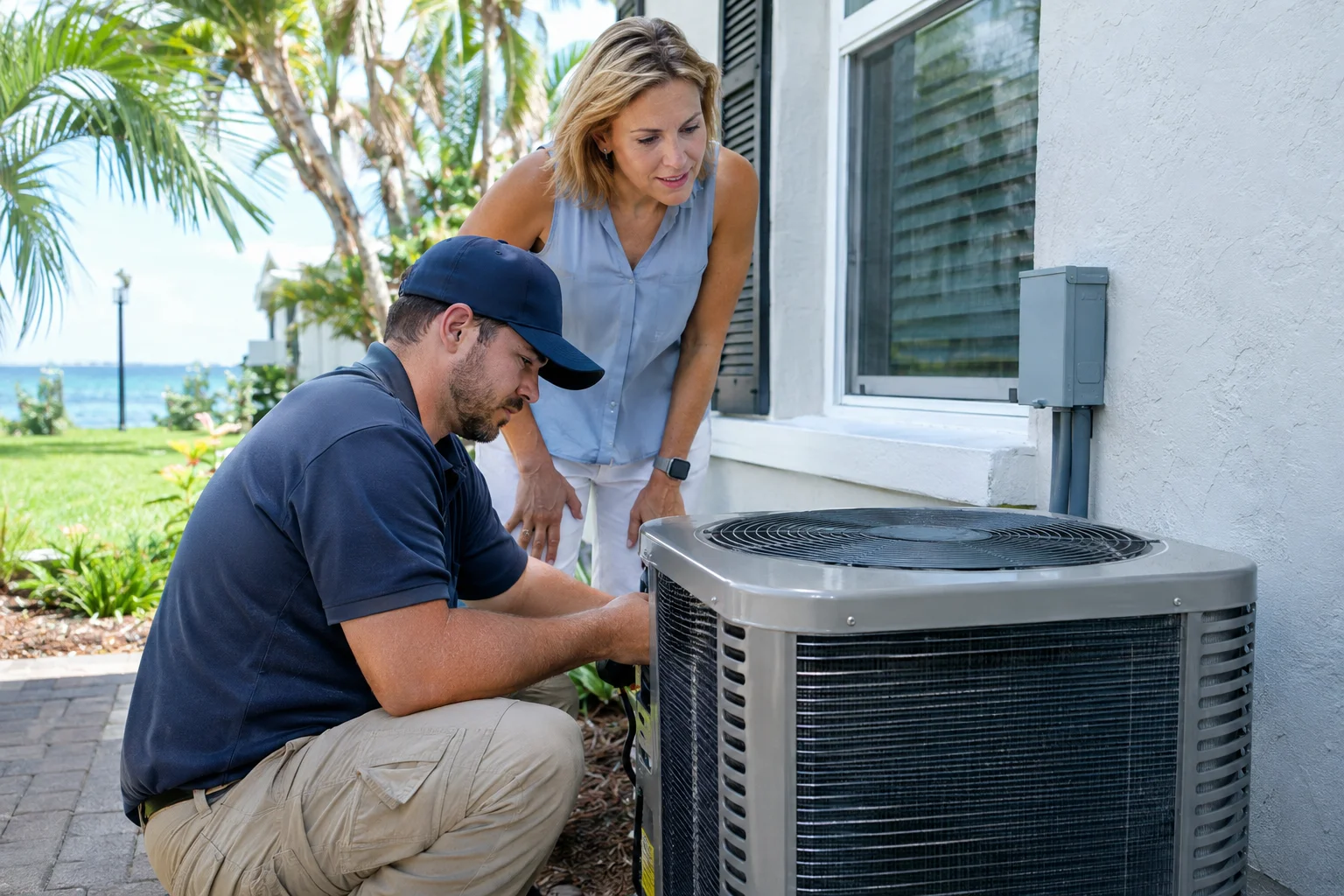
An air conditioner can blow cold air and still leave a Laguna Beach home uncomfortable. One bedroom stays warm, the hallway feels chilly, and towels never seem to dry. Along the Bay County coast, good cooling depends on more than the temperature at a vent. Airflow, moisture removal, equipment condition, and the building itself all matter.
For homeowners planning air conditioning services in Laguna Beach, FL, the best approach starts with the whole system. A Superior Mechanical helps homeowners address repairs, maintenance, and replacement needs with coastal conditions in mind, including properties in Upper Laguna Beach.
Coastal Comfort Requires a Different Kind of Planning
Laguna Beach has long stretches of hot, humid weather, but peak afternoon heat is only part of the challenge. Mild, damp days can leave a house feeling sticky even when the thermostat barely calls for cooling. Frequent door openings in vacation rentals and busy family homes add another moisture load.
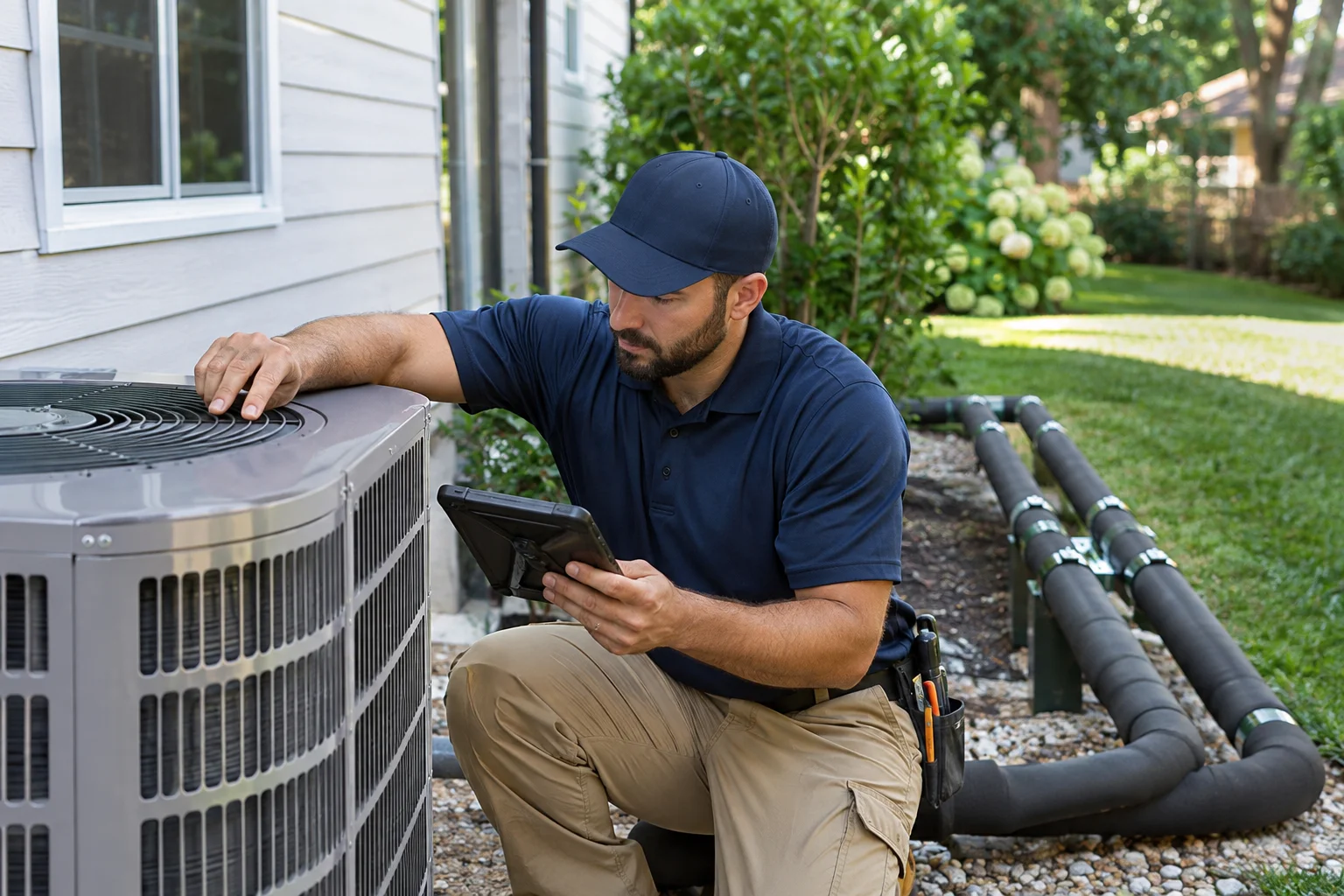
Salt air can accelerate corrosion on outdoor units, including condenser coils and exposed components. Windblown debris and storms create additional maintenance concerns. Local HVAC service matters because equipment placement, drainage, corrosion exposure, and seasonal operating patterns deserve attention alongside standard mechanical checks.
Older homes may have leaky ducts or insulation gaps. Newer homes can have low sensible cooling loads that make moisture control especially important. Neither age nor a recently installed system guarantees balanced comfort.
Start With the Pattern, Not a Guess About the Part
Before scheduling service, note when the problem happens. Does the AC struggle only in late afternoon? Does it run constantly without reaching the setpoint? Is one room uncomfortable, or does the entire house feel warm? These details help a technician separate equipment trouble from airflow or building issues.
Useful observations to share
Record thermostat settings, approximate indoor humidity, unusual noises, and any water around the air handler. Mention recent filter changes, remodeling, power interruptions, or increases in utility use. If cooling stopped suddenly, describe whether the indoor blower and outdoor unit still operate.
Homeowners searching for AC repair near me often suspect a failed compressor. Similar symptoms can come from restricted airflow, electrical controls, a dirty coil, or a refrigerant problem. Testing should come before replacing expensive components.
Airflow Is the Connection Between Equipment and Comfort
Your blower must move the right amount of air across the evaporator coil and through the ductwork. A clogged filter, dirty blower wheel, undersized return, crushed flex duct, or closed register can interfere with that process. Low airflow may reduce cooling, increase operating strain, and contribute to coil icing.
Check the simple things safely
Keep supply vents open and make sure furniture, rugs, and curtains do not block registers or returns. Check the filter against the manufacturer's recommended type and replacement schedule. During heavy cooling use, inspect it monthly and replace it when dirty rather than assuming a fixed interval fits every home.
If bedrooms become uncomfortable with doors closed, the return air pathway may be inadequate. A professional can measure static pressure and room airflow before recommending changes. For an airflow balancing near me search, look for an assessment that includes ducts and returns, not just adjustments to supply registers.
Duct Leaks Waste Cooling and Invite Moisture Problems
Many coastal homes have ductwork running through hot attics or other unconditioned spaces. Supply leaks can lose cooled air before it reaches a room. Return leaks can pull hot, humid, dusty air into the system. Damaged insulation can also allow condensation on cold duct surfaces.
Uneven temperatures, dusty rooms, and rising energy use justify a duct inspection, although none proves a leak by itself. The technician should look for disconnected sections, deteriorated connections, crushed runs, and insulation damage. Ductwork repair may be more important than increasing equipment size.
Duct sealing and Aeroseal services may help when testing identifies leakage. Sealing cannot fix every design problem, and disconnected or badly damaged sections generally need physical repairs first. Remodeling and additions also warrant a fresh look at duct capacity.
Humidity Control Should Be Measured, Not Guessed
Clammy rooms, condensation, and persistent musty odors deserve attention even if the temperature looks normal. A basic hygrometer can help track indoor relative humidity. Many homes feel comfortable around 40 to 50 percent, while keeping humidity below 60 percent helps limit conditions favorable to mold growth.
An oversized air conditioner may satisfy the thermostat quickly without running long enough to remove adequate moisture. Other causes include air leakage, return duct leaks, inappropriate blower settings, and frequent outdoor air entry. Simply lowering the thermostat can make the house colder without solving the underlying issue.
Coordinate cooling and dehumidification
Keep the thermostat fan on AUTO unless the system's design or your technician calls for another setting. Continuous fan operation can re-evaporate moisture from a wet coil in some systems. Use bathroom and kitchen exhaust appropriately, and keep windows closed while cooling.
For persistent moisture problems, whole home dehumidifiers can provide humidity control independently of cooling demand. They should be sized and integrated correctly. Musty odors also warrant checking for water intrusion or contaminated materials because HVAC adjustments alone cannot resolve every moisture source.
Repair Decisions Need Coil, Refrigerant, and Drain Checks
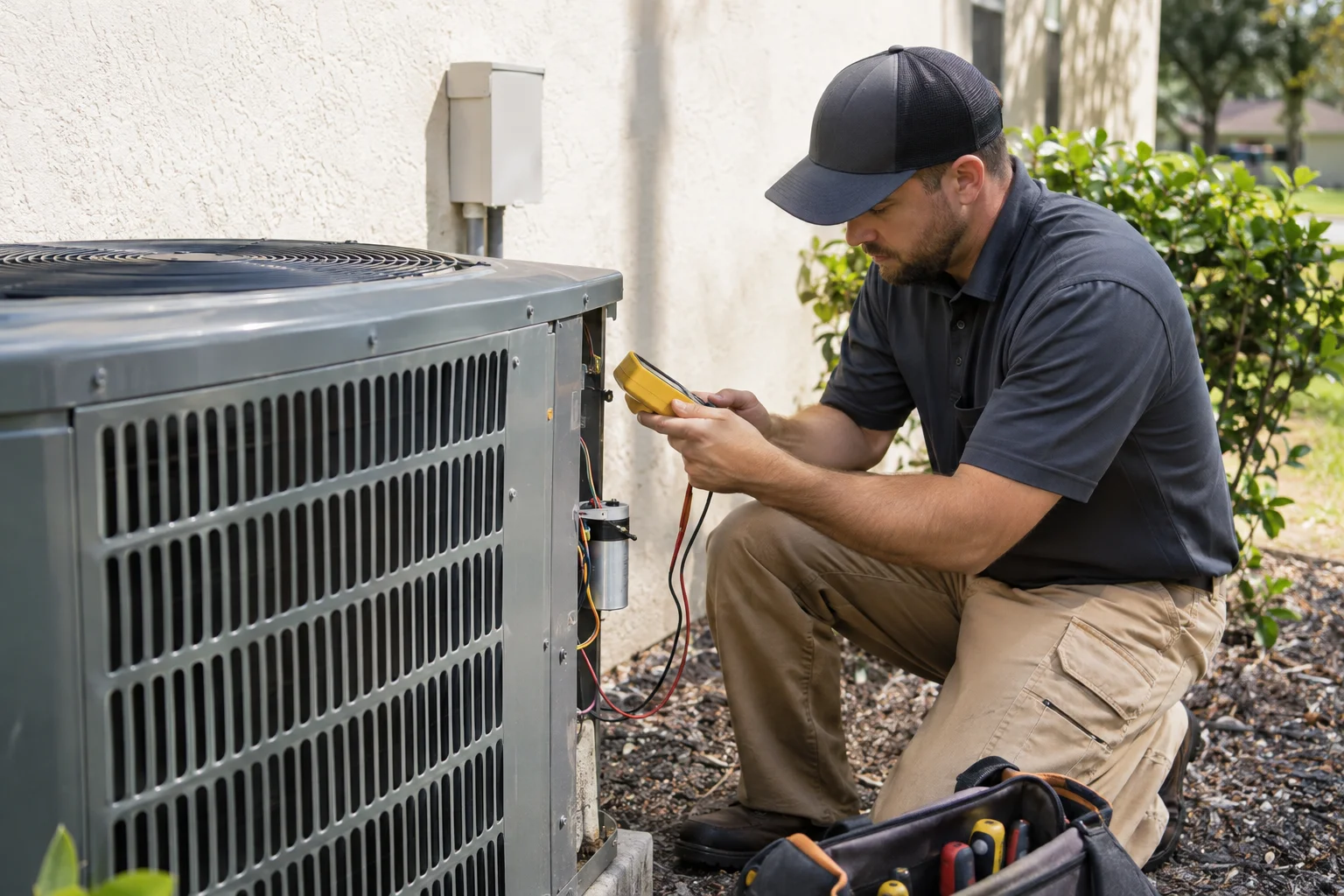
The outdoor condenser releases heat collected indoors, while the evaporator coil absorbs heat and removes moisture. Dirt or corrosion can interfere with that heat transfer. A useful service visit evaluates coil condition, blower performance, electrical components, and refrigerant operation as the symptoms require.
Refrigerant is not normally consumed during operation. A low charge can indicate a leak or an earlier charging error. Repeatedly adding refrigerant without investigating the cause leaves the homeowner paying for an unresolved problem. Leak repair options depend on location, accessibility, equipment condition, and refrigerant type.
Condensate drain lines deserve equal attention. Blockages can cause water damage or trigger a safety switch that stops cooling. If water appears around the air handler, stop cooling and arrange service. Do not bypass an overflow switch or attempt to handle refrigerant yourself.
Maintenance Works Best Before the Summer Rush
Scheduling an AC check before sustained hot weather provides time to address worn parts, dirty coils, and drainage problems before seasonal demand rises. Coastal exposure, pets, rental turnover, and heavy use may justify more frequent attention. The right schedule depends on the equipment and property, not a universal checklist.
A thorough maintenance visit may include checking electrical connections, controls, blower operation, coils, condensate drainage, thermostat response, and system performance. Refrigerant testing should follow manufacturer procedures and operating conditions. Ask for findings and recommended repairs rather than assuming every tune-up includes the same work.
Between visits, keep vegetation and debris away from the outdoor unit while maintaining manufacturer-required clearances. Avoid pressure washing coils or applying household chemicals. For rental owners, the scheduling principles in this Laguna Beach HVAC maintenance article also offer useful perspective on planning around busy occupancy periods.
Replacement Planning Starts With the House
If repairs are becoming frequent, compare repair costs, equipment condition, efficiency, and comfort performance before deciding to replace. Age matters, but it should not be the only factor. An estimate for a new air conditioning system should account for the home's actual cooling needs.
A load calculation considers factors such as windows, insulation, orientation, air leakage, and floor area. Homeowners searching for HVAC installation near me should ask how sizing was determined. Replacing an oversized unit with the same capacity can preserve short cycling and humidity problems.
Account for remodels and additions
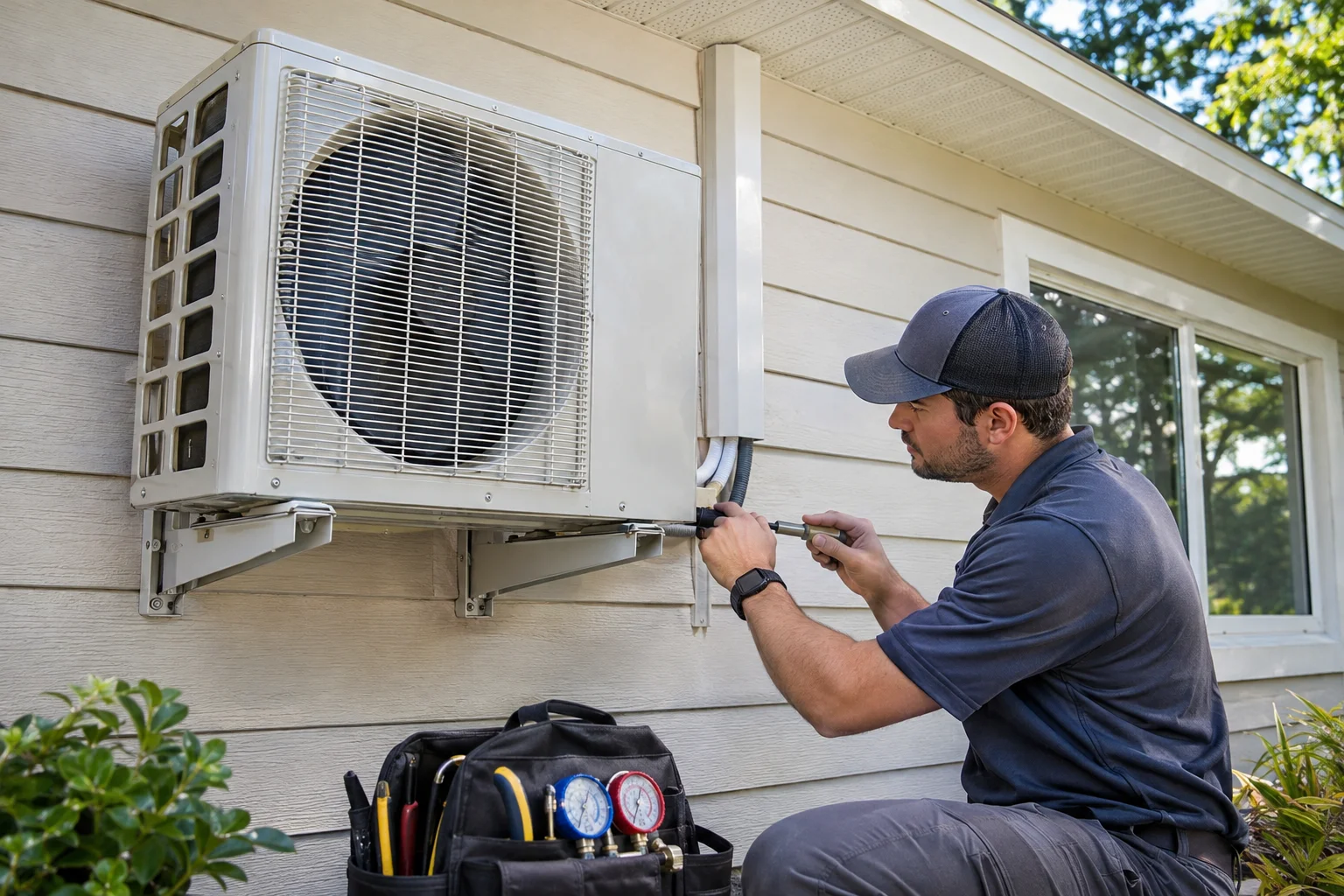
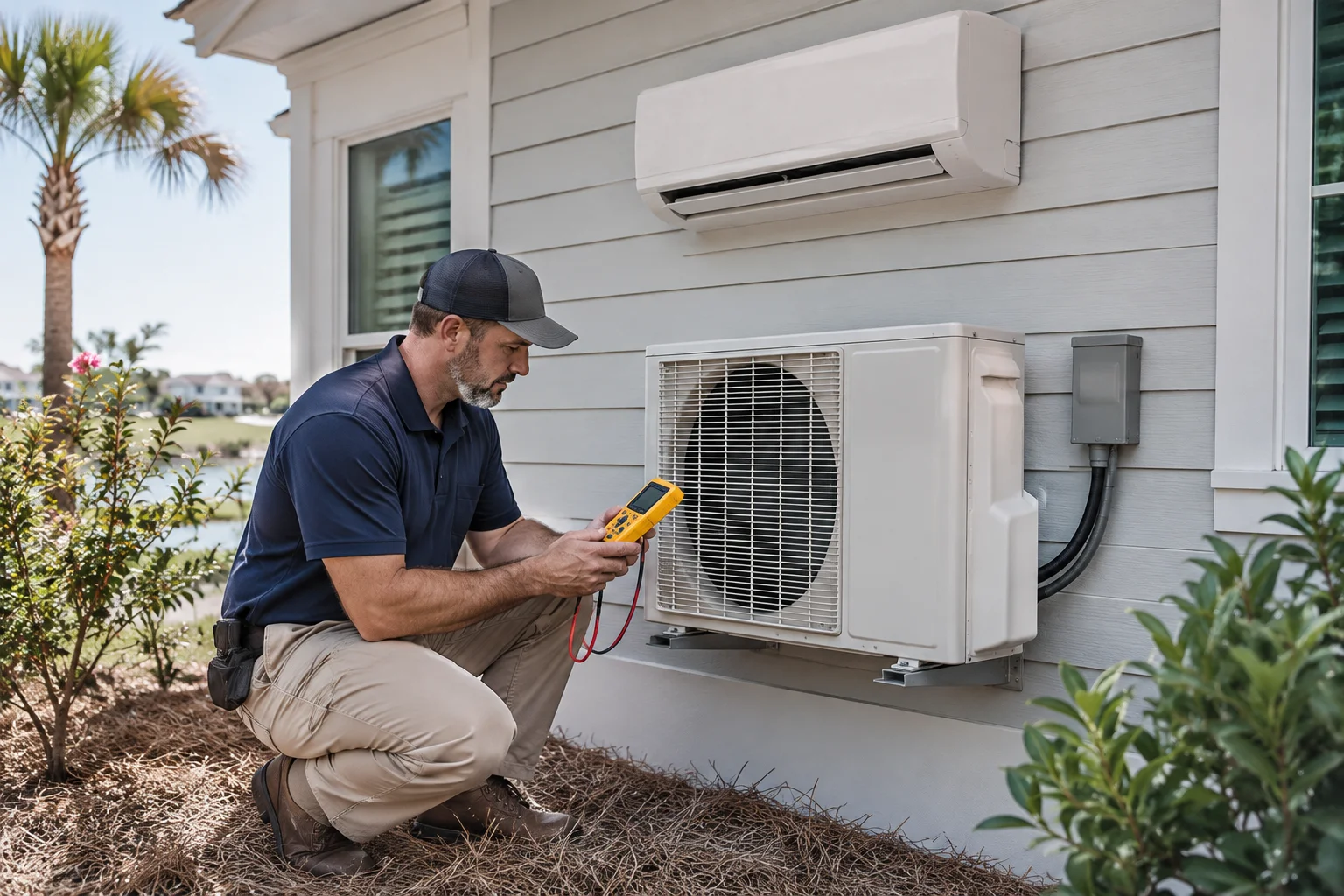
An enclosed porch, sunroom, or converted garage can change the cooling load significantly. Ductless mini splits may suit spaces that existing ducts cannot serve effectively. They still require proper sizing, drainage, placement, and maintenance. Zoning can also help some homes, but dampers and controls must work within the equipment's airflow requirements.
Thermostats and Air Quality Upgrades Need Compatibility Checks
A thermostat installation can improve scheduling and convenience, but it will not fix leaking ducts or a dirty coil. Heat pumps, variable-capacity equipment, zoning, and dehumidification controls may have specific compatibility requirements. Confirm those requirements before buying a smart thermostat.
For indoor air quality, begin with moisture control, source reduction, and filtration. A higher-efficiency filter or media air cleaner may capture more particles, but excessive resistance can hurt airflow. Have the system's filter capacity evaluated rather than automatically choosing the highest available rating.
Ceiling fans can improve perceived comfort and allow a modestly higher cooling setpoint while people are present. They do not remove humidity or lower room temperature. This guide to ceiling fans in Laguna Beach homes discusses practical placement and installation considerations.
Heat Pumps Still Need Attention During Cooler Weather
Many Florida homes rely on heat pumps for both cooling and heating. A system that cools acceptably can still develop heating-mode control, reversing valve, or auxiliary heat problems. Schedule a heating check before cooler weather rather than discovering trouble during the first cold spell.
Homes with furnaces need equipment-specific furnace service, including combustion and venting checks where applicable. Heating repair and heat pump repair require different diagnostic approaches. Unusual odors, repeated shutdowns, or persistently poor heating warrant professional evaluation, not repeated thermostat resets.
Know Which Cooling Problems Cannot Wait
Smoke, sparking, a burning electrical smell, or repeated breaker trips require prompt attention. Turn the system off if safe and do not repeatedly reset a breaker. Leave the home and contact emergency services for smoke, fire, a suspected gas leak, or a carbon monoxide alarm.
Ice on refrigerant lines, water near electrical components, and complete cooling loss during dangerous heat also call for urgent assessment. Turn cooling off if the coil is frozen and do not chip away the ice. Check on vulnerable household members and arrange a cooler location if indoor conditions become unsafe.
24/7 emergency HVAC services in Laguna Beach provide an option for urgent breakdowns. After storm flooding, leave affected equipment off until qualified professionals assess it.
Build a Service Plan Around Your Home's Priorities
When an ac service near me search leads to an appointment, ask for a clear diagnosis, repair options, and maintenance priorities. Share whether your main concern is one warm bedroom, high humidity, repeated breakdowns, or replacement planning.
A Superior Mechanical provides HVAC help in Laguna Beach and serves homeowners throughout Bay County. Start with the concern that affects daily comfort most, then use inspection findings to plan practical improvements without replacing equipment unnecessarily.
Find Air Conditioning Services in Laguna Beach, FL
If you need Air Conditioning Services in Laguna Beach, FL, visit our local service page or contact A Superior Mechanical today.
Map of Laguna Beach, FL
Frequently Asked Questions
Why does my Laguna Beach home feel humid even when the AC is cooling?
Possible causes include short cooling cycles, oversized equipment, return duct leaks, outdoor air infiltration, or incorrect blower settings. Have a technician check indoor humidity, airflow, drainage, and equipment operation before lowering the thermostat further. Some homes benefit from a whole home dehumidifier after underlying problems are addressed.
How often should a coastal home's air conditioner receive maintenance?
Schedule professional cooling maintenance at least annually, ideally before heavy summer use. Heat pumps also benefit from a heating-season check. Salt exposure, heavy runtime, pets, and rental occupancy may justify additional attention. Inspect filters monthly during heavy use and follow the equipment manufacturer's maintenance guidance.
Should I replace my AC if one room never gets cool?
Not necessarily. A single uncomfortable room may have a blocked vent, damaged duct, inadequate return pathway, insulation problem, or extra solar heat gain. An airflow and load assessment can identify whether duct repair, balancing, building improvements, or a properly sized mini split would be more appropriate than replacing the main system.
Related Articles
Photo Gallery