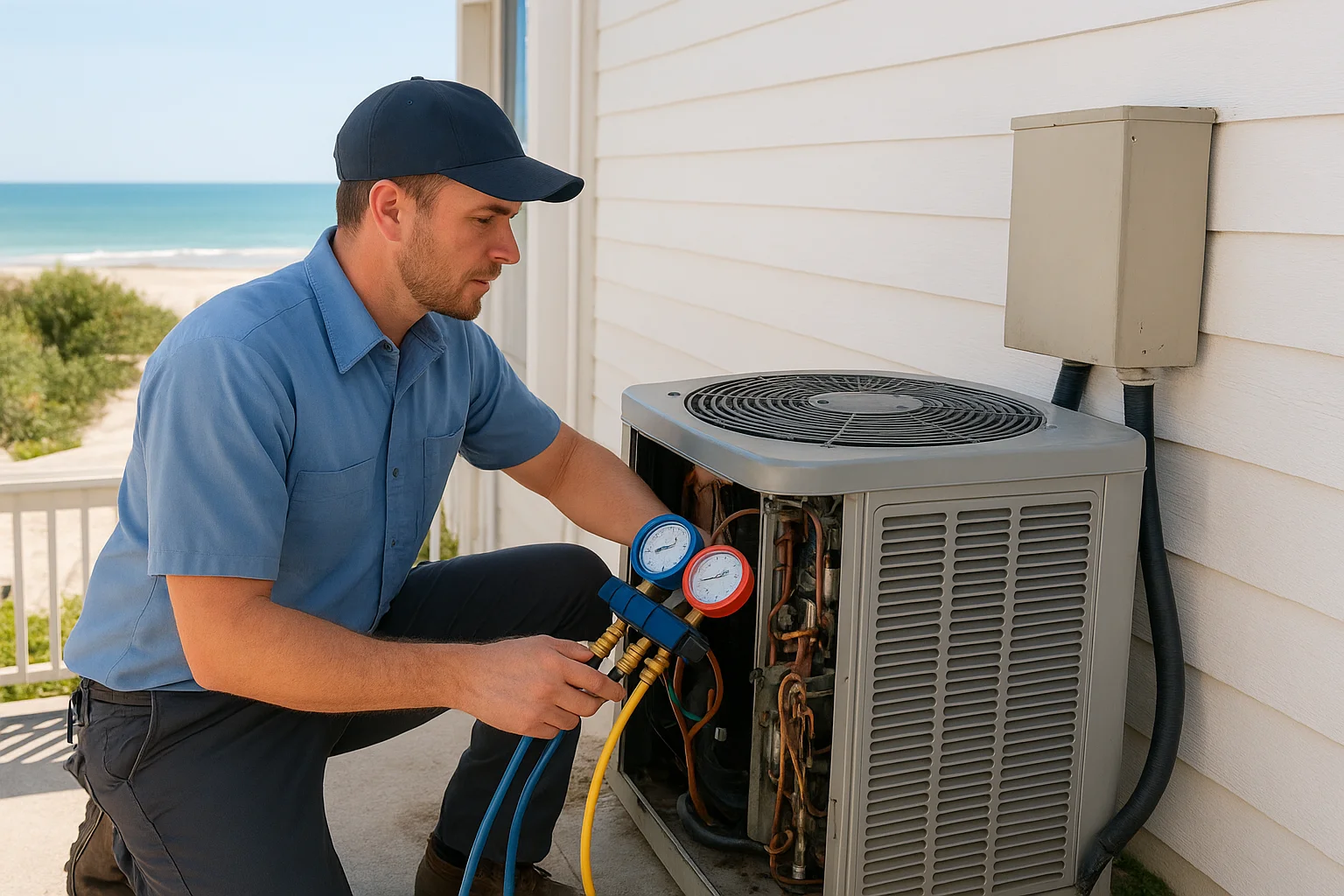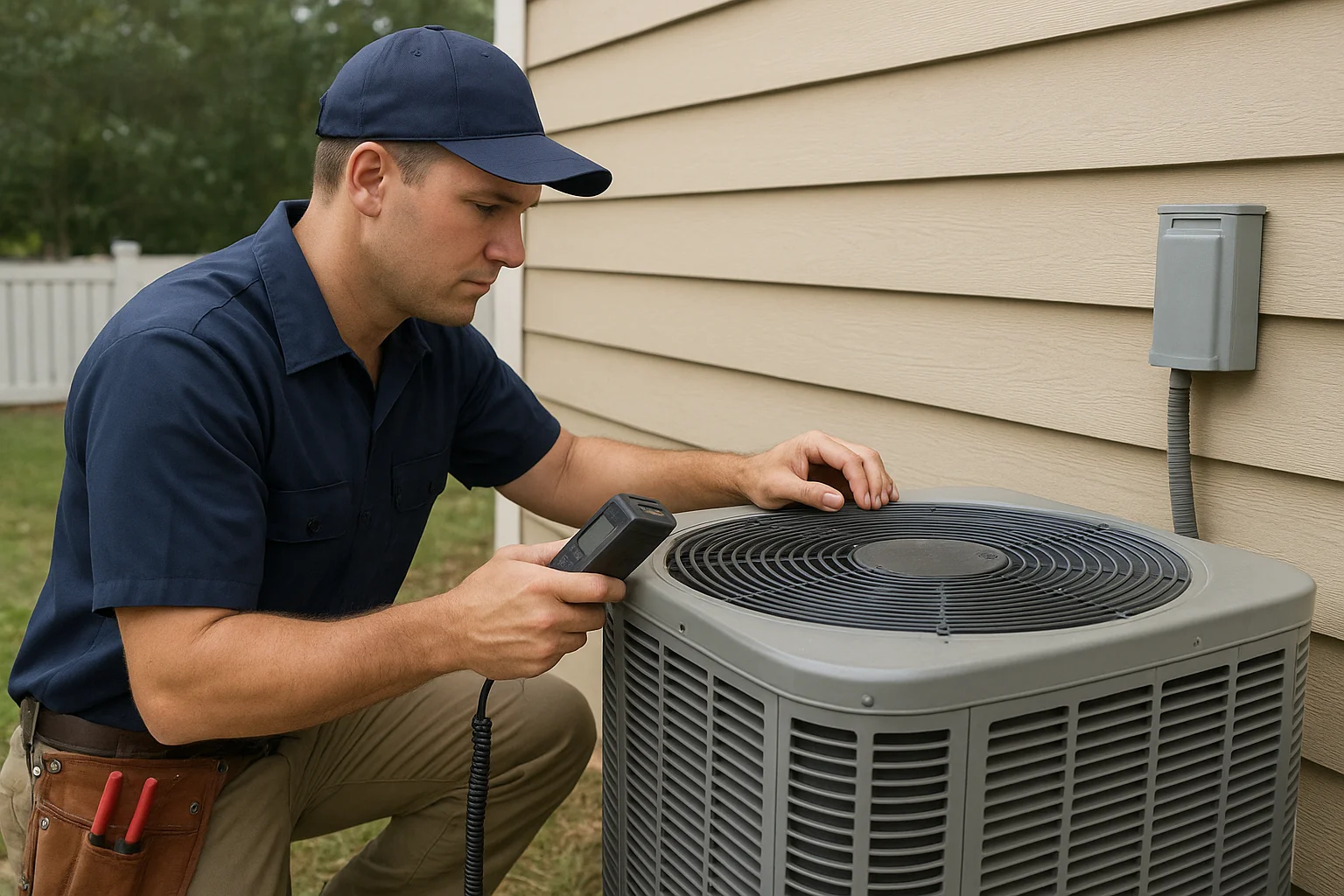
Fort Walton Beach businesses do not get a break from cooling. Between Gulf Coast humidity, sudden summer storms, and salty air that can ride on coastal breezes, commercial HVAC equipment is asked to perform for long stretches. When a system is installed with the wrong airflow balance, the wrong ductwork approach, or controls that do not match the building, the stress shows up as warning signs. Some of those signs look like “AC repair” issues, but they can trace back to the commercial HVAC installation itself.
This guide connects common HVAC warning signs to installation factors local property owners can control. It also covers what preventive HVAC maintenance should address, how airflow and condensate drainage matter in Florida heat, and why working with a local HVAC company near me that understands Okaloosa County conditions reduces emergency cooling concerns.
Why Fort Walton Beach cooling seasons stress commercial HVAC systems
In Fort Walton Beach, cooling is not just a seasonal need. Many commercial spaces run year-round or for extended schedules because indoor comfort, humidity control, and process needs require consistent air conditioning. The Gulf Coast climate adds three pressures:
- Humidity load: Warm, moist air increases the work your air conditioner must do to remove moisture. That affects airflow, coil performance, and condensate drainage.
- Salt air and corrosion risk: Coastal exposure can accelerate wear on outdoor components and contribute to dirt buildup that impacts heat transfer.
- High cooling demand and variable occupancy: Restaurants, retail, and medical facilities can see spikes in door openings, equipment heat, and occupant density. Systems installed without proper zoning, duct sizing, and controls can struggle to keep up.
When an HVAC system is installed correctly, it can handle this workload. When installation details are off, the system may still cool, but it often does it at the expense of efficiency, comfort, and long-term reliability.
HVAC warning signs that can point back to installation issues
Below are common warning signs homeowners and commercial property managers notice. Some are normal wear indicators, but repeated patterns can suggest a connection to commercial HVAC installation choices like ductwork design, airflow setup, refrigerant system configuration, thermostat placement, condensate drainage routing, and commissioning.
1) Rooms feel cold in one area and muggy in another
Uneven temperatures often point to airflow distribution problems. If ductwork is undersized, poorly routed, or balanced incorrectly, parts of the building may receive insufficient air or the system may short cycle to compensate. In humid climates like Fort Walton Beach, that can also lead to comfort problems because humidity removal depends on proper coil airflow.
Installation-related causes to consider include:
- Supply and return airflow imbalance
- Leaky duct connections or duct runs that lose pressure
- Improper diffuser placement
- Insufficient return air paths that create pressure imbalances
If you are searching for duct cleaning near me or duct inspection because “air feels weak,” make sure the inspection includes airflow measurement and ductwork condition, not just surface cleaning.
2) The system runs longer than expected to reach setpoints
When a commercial AC system struggles to satisfy thermostat setpoints, energy use climbs and equipment stress rises. In many cases, the root cause is airflow or control setup. If the system is installed with incorrect airflow targets or if the thermostat strategy does not match the building’s zones, the system may keep operating without achieving stable indoor conditions.
Installation factors that can contribute include:
- Air handler fan speed or airflow settings not matching the design
- Thermostat location too close to supply air, doors, or direct sun
- Zone dampers or control sequences that do not open when expected
- Dirty filters and duct restrictions that were not accounted for in the design
This is also where preventive HVAC maintenance matters. If maintenance has been inconsistent, airflow can degrade over time. Still, if the baseline airflow was wrong at installation, the system may reach failure sooner.
3) Condensate drainage issues, wet spots, or recurring water on ceilings
In Florida humidity, condensate drainage is not optional. An air conditioner’s cooling process creates condensate, and the system must remove it safely through properly installed condensate drainage lines, pans, and drain routing. If drainage was installed incorrectly, you may see warning signs like:
- Water pooling around the air handler or indoor unit
- Musty odors near mechanical rooms
- Frequent shutoffs tied to drain safety switches
- Moisture damage that returns after “temporary” fixes
Because condensate systems are part of the installation package, the solution usually requires a professional evaluation of the drain slope, trap setup, and whether the unit is draining as designed. It is not the same as a simple “clean the drain” routine when the underlying routing or airflow causes are still present.
4) Refrigerant system symptoms like frosting or repeated high head pressure
Some warning signs can involve the refrigerant system, but they must be evaluated in person. For example, you might notice:
- Frosting on parts of the indoor coil or abnormal ice buildup
- Outdoor unit performance that looks strained during peak heat
- Frequent trips or operating anomalies
These can be caused by refrigerant charge issues, airflow restrictions, or other installation and setup factors. However, attempting a refrigerant diagnosis or adjusting refrigerant without measurement is not appropriate. A Superior Mechanical would assess the system’s operation, airflow, and controls before recommending any change. For owners, the key takeaway is that installation and commissioning influence how the refrigerant system performs under local humidity and airflow demands.
5) Indoor air quality complaints that worsen during heavy cooling
When commercial HVAC installation is not matched to ductwork design, filtration approach, and airflow, indoor air quality problems can become more noticeable during peak cooling. Warning signs include:
- Higher dust levels
- Smells that seem tied to the air handler running
- Dry eyes or throat irritation among occupants
- Humidity that feels sticky even when temperatures are “on target”
Florida humidity makes humidity control a core part of indoor air quality. If airflow is too low, coils may not dehumidify effectively. If filtration is not properly sized or installed, particles can circulate. If ductwork leakage exists, return air contamination can enter the system.
If you are considering indoor air quality testing in Fort Walton Beach, pair it with an HVAC assessment focused on airflow and moisture control, not only air sampling.
6) Unusual noises, vibration, or short cycling that starts after installation or remodel
Noise and short cycling can be more than “normal.” After commercial HVAC installation, these issues can point to:
- Loose duct connections or improper mounting
- Airflow restrictions that cause rapid temperature changes at the thermostat
- Incorrect thermostat settings or control sequences
- Oversized equipment paired with poor zoning or distribution
Short cycling increases wear because components do not reach stable operating conditions. If the problem started soon after installation, commissioning and balancing should be part of the investigation.
How installation details influence airflow, energy use, and equipment stress
Commercial HVAC systems are engineered systems. The installation is where design becomes reality. In Fort Walton Beach, airflow and moisture management determine whether the system can cool efficiently through long cooling seasons.
Ductwork design and balance
Ductwork is often the difference between “it runs” and “it performs.” Poor duct sealing, mismatched duct sizing, or duct routes that do not account for pressure drops can reduce airflow. Reduced airflow can lead to coil performance problems, comfort complaints, and higher energy use. Owners sometimes search for duct cleaning near me when the real need is duct inspection and balancing to confirm airflow pathways.
For buildings with known duct issues, a duct inspection can help identify whether the system is distributing air as intended. In some cases, duct replacement is the long-term fix, especially when ducts are undersized, damaged, or difficult to seal.
Thermostats and control strategy
Thermostats are not just temperature buttons. In commercial settings, control decisions affect cycling rate, humidity control, and comfort stability. Thermostat placement can also matter. If a thermostat senses supply air, sun, or drafts, it may call for cooling when the space is already close to target, which can increase run time variability and stress.
Control wiring, sensor settings, and zone logic should be verified during commissioning. If the system was installed without careful control setup, the warning signs may appear during the hottest weeks, when the building load is highest.
Condensate drainage setup
In humid Gulf Coast conditions, condensate removal must keep up. Drain lines should be routed to avoid traps and flow restrictions. The drain pan and condensate safety devices should be installed and tested so water does not overflow or recirculate moisture back into the building.
Because condensate issues can also affect indoor air quality through moisture and microbial growth risk, drainage should be evaluated whenever wet spots, odors, or repeated shutdowns appear.
Refrigerant system performance under local conditions
The refrigerant system is designed to move heat based on airflow and operating pressures. Installation setup and commissioning influence how the refrigerant system performs. However, refrigerant-related warning signs require in-person evaluation. A professional will check system operation, airflow, and component performance before making any adjustments.
Owners should not treat symptoms like frost, noise, or frequent cycling as a “DIY refrigerant fix.” In Florida heat and humidity, small installation or airflow issues can create large performance problems quickly.
Common commercial HVAC installation scenarios in Fort Walton Beach that trigger later problems
Not every building is the same, and Fort Walton Beach property types vary. Here are a few situations that often reveal installation-related weaknesses over time.
Retail and restaurants with high internal heat and uneven airflow
Cooking equipment, lighting, and frequent door openings create load spikes. If ductwork distribution does not match those patterns, some areas may feel too warm or too humid. That leads to complaints that appear during peak hours, followed by longer run times and higher energy use.
Medical offices and facilities with comfort and air quality expectations
These buildings often need stable humidity control and consistent airflow. If filtration was not installed or sized appropriately, or if supply and return airflow paths were not balanced, indoor air quality issues can emerge during heavy cooling.
Warehouses and larger open spaces with long duct runs
Long duct runs can increase pressure drops. If the system was designed without accounting for these losses, airflow may degrade. That can trigger coil performance issues and uneven comfort.
Older buildings retrofitted with new equipment
When a system replacement is combined with partial upgrades, the ductwork and controls may not be fully adapted to the new equipment’s operating needs. That mismatch can create warning signs even when the equipment itself is new.
Preventive maintenance that directly reduces “installation-linked” failures
Preventive HVAC maintenance is not just filter changes. For commercial systems, it should include checks that protect airflow, moisture control, and control stability. Owners can ask their HVAC company about the following maintenance priorities.
Airflow verification and ductwork checks
Maintenance should include inspection of filters, assessment of airflow pathways, and verification that the system is distributing air as designed. If you suspect airflow problems, start with duct inspection rather than assuming cleaning alone solves the issue.
Condensate drainage inspection during humid months
In Florida humidity, drains can become obstructed. A maintenance visit should check drainage routing, pans, and safety devices. Catching early drainage issues helps prevent equipment shutdowns and indoor air quality problems.
Thermostat and control sequence review
Controls should be verified to ensure the system responds correctly to occupancy schedules and zone calls. If comfort complaints spike during the hottest days, it can be a control logic mismatch, not just a “tune-up” issue.
Coil cleaning and moisture management
Dirt buildup reduces heat transfer, which can increase run time and stress components. Coastal exposure can add to buildup, so coil cleaning and inspection should be planned around local conditions.
For owners who want to understand how maintenance affects performance, this related read can help: What Fort Walton Beach Homes Can Learn From Commercial HVAC Maintenance.
When to treat it as an emergency cooling concern
Some warning signs should be handled as urgent because Florida heat can escalate problems quickly. Treat the situation as an emergency cooling concern if you notice:
- The system stops cooling during peak hours
- Repeated drain overflow or active water damage
- Burning smells, strong electrical-like odors, or major component failure indicators
- Severe temperature swings that affect operations or safety
In those cases, emergency AC repair near me searching can point you toward availability, but the best outcome still comes from a contractor that can assess the system’s installation-related factors. A Superior Mechanical can help evaluate what is happening and whether the issue is tied to airflow, condensate drainage, controls, or refrigerant system performance.
Choosing the right team for commercial HVAC installation in Fort Walton Beach
Commercial HVAC installation is where long-term reliability is built. Local conditions in Okaloosa County matter, from humidity load to salt air exposure and the way buildings are used day to day. A quality installation includes:
- Engineered airflow and ductwork planning
- Proper condensate drainage design and testing
- Thermostat and control setup aligned with the building’s zones
- Commissioning that verifies the system performs as intended
If you are planning a new build, a tenant improvement, or a system replacement that must hold up through long cooling seasons, start with commercial HVAC installation in Fort Walton Beach. You can also browse the broader Fort Walton Beach HVAC services page and the Okaloosa County service area coverage.
Related issues that often show up alongside installation warning signs
When warning signs start, property owners sometimes focus only on the immediate failure. It helps to consider connected problems that can grow over time. These reads can support better troubleshooting and planning:
- Commercial HVAC Installation in Fort Walton Beach Homes: Problems Local Property Owners Should Not Overlook
- Commercial HVAC Repair in Fort Walton Beach: What Property Owners Should Pay Attention To Before Small Problems Grow
- Fort Walton Beach Homeowners and the HVAC Problems That Can’t Wait
What to do right now if you suspect installation-linked stress
If you are seeing recurring warning signs, gather a few details before scheduling HVAC service near me or commercial HVAC service near me. This makes the first visit more productive:
- When the symptoms happen (time of day, occupancy changes, weather patterns)
- Which zones or rooms are affected
- Whether condensate drainage issues appear during certain conditions
- Any recent changes like renovations, filter changes, thermostat adjustments, or ductwork work
Then schedule a professional evaluation. Avoid guessing at refrigerant or electrical causes. An on-site technician can verify airflow, check moisture management, inspect ductwork and condensate drainage, and confirm thermostat and control operation. That approach is especially important when the warning signs appear during the hottest weeks of the year.
For owners planning HVAC replacement near me or system upgrades, it is also smart to ask how the proposed installation handles ductwork, airflow balancing, condensate drainage, and indoor air quality. Those are the foundation points that reduce stress during Fort Walton Beach cooling seasons.
If your building uses heat pump systems, pay attention to comfort and humidity control issues during the cooling season as well. Heat pump repair near me searches often start after comfort complaints, but the best long-term solution includes confirming airflow and control performance, not only treating symptoms.
Find Commercial HVAC Installation in Fort Walton Beach, FL
If you need Commercial HVAC Installation in Fort Walton Beach, FL, visit our local service page or contact A Superior Mechanical today.
Map of Fort Walton Beach, FL
Frequently Asked Questions
Can uneven cooling in my commercial building be caused by the way the HVAC was installed?
Yes. Uneven temperatures often connect to ductwork airflow balance, return air paths, and diffuser placement. If the system was installed without proper commissioning and airflow verification, some zones may run muggy while others feel too cold.
What condensate drainage problems are most common in Fort Walton Beach humidity?
Wet spots, recurring odors, and drain-related shutdowns are common when condensate lines are routed incorrectly, drainage slope is inadequate, or safety devices are not functioning as intended. A professional inspection should confirm the full drainage setup, not just clean the visible drain.
Do refrigerant issues always mean the refrigerant charge is wrong after installation?
Not necessarily. Refrigerant system symptoms can be influenced by airflow restrictions, dirty coils, or control and operating conditions. A technician should evaluate system operation in person before concluding anything about refrigerant charge or making adjustments.
How does indoor air quality get worse when the cooling season gets intense?
In humid climates, poor airflow and inadequate moisture removal can leave indoor humidity higher, which affects comfort and can worsen dust and odor complaints. Filtration installation, duct leakage, and coil performance also matter, especially during long cooling runs.
What should commercial HVAC preventive maintenance include for long Gulf Coast cooling seasons?
Look for maintenance that checks airflow and duct conditions, inspects condensate drainage and safety devices, verifies thermostat and control sequences, and addresses coil cleanliness. These items help prevent the same warning signs from returning each summer.
Related Articles
- Commercial HVAC Installation in Fort Walton Beach Homes: Problems Local Property Owners Should Not Overlook
- What Fort Walton Beach Homes Can Learn From Commercial HVAC Maintenance
- Commercial HVAC Repair in Fort Walton Beach: What Property Owners Should Pay Attention To Before Small Problems Grow
- Fort Walton Beach Homeowners and the HVAC Problems That Can’t Wait
Photo Gallery