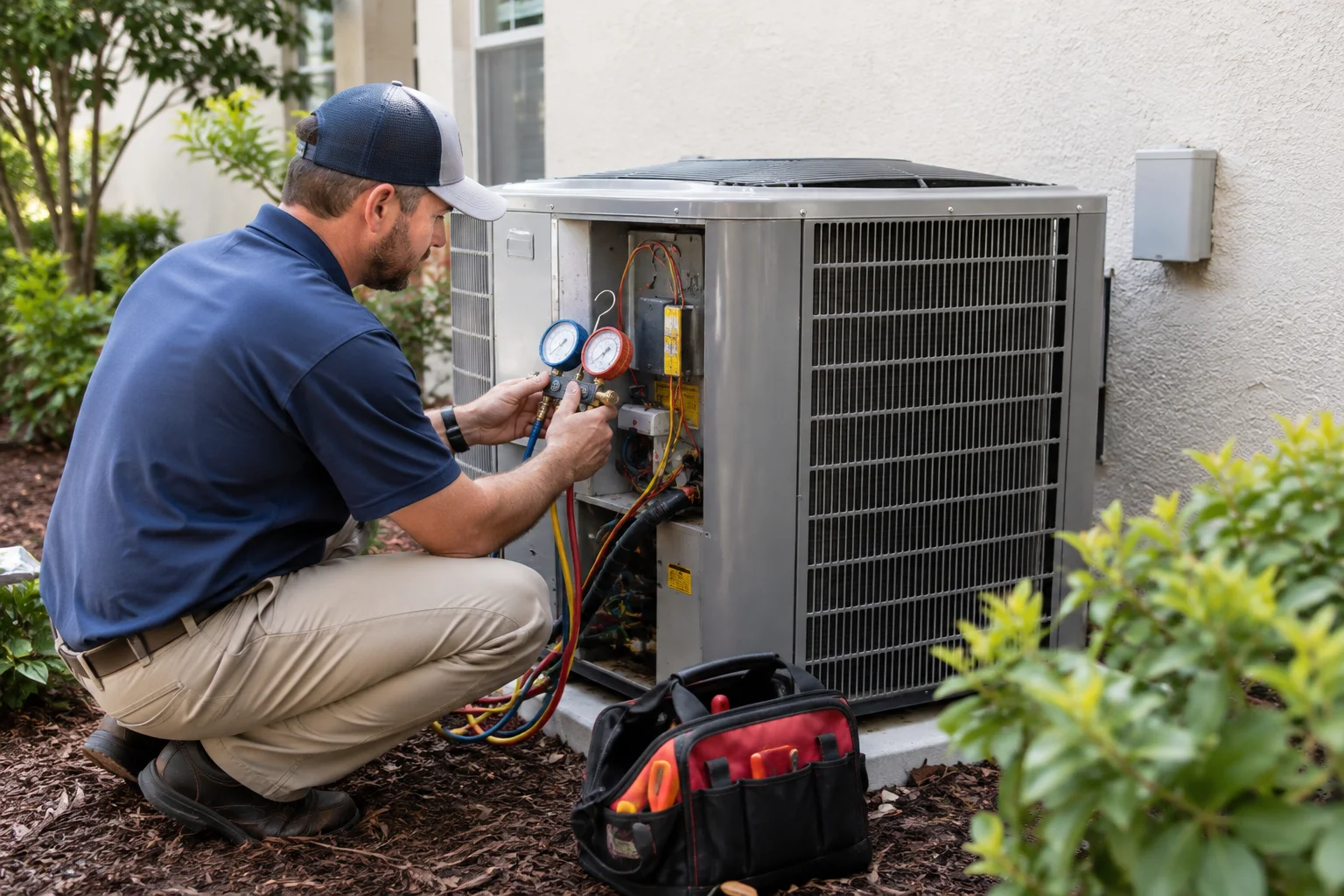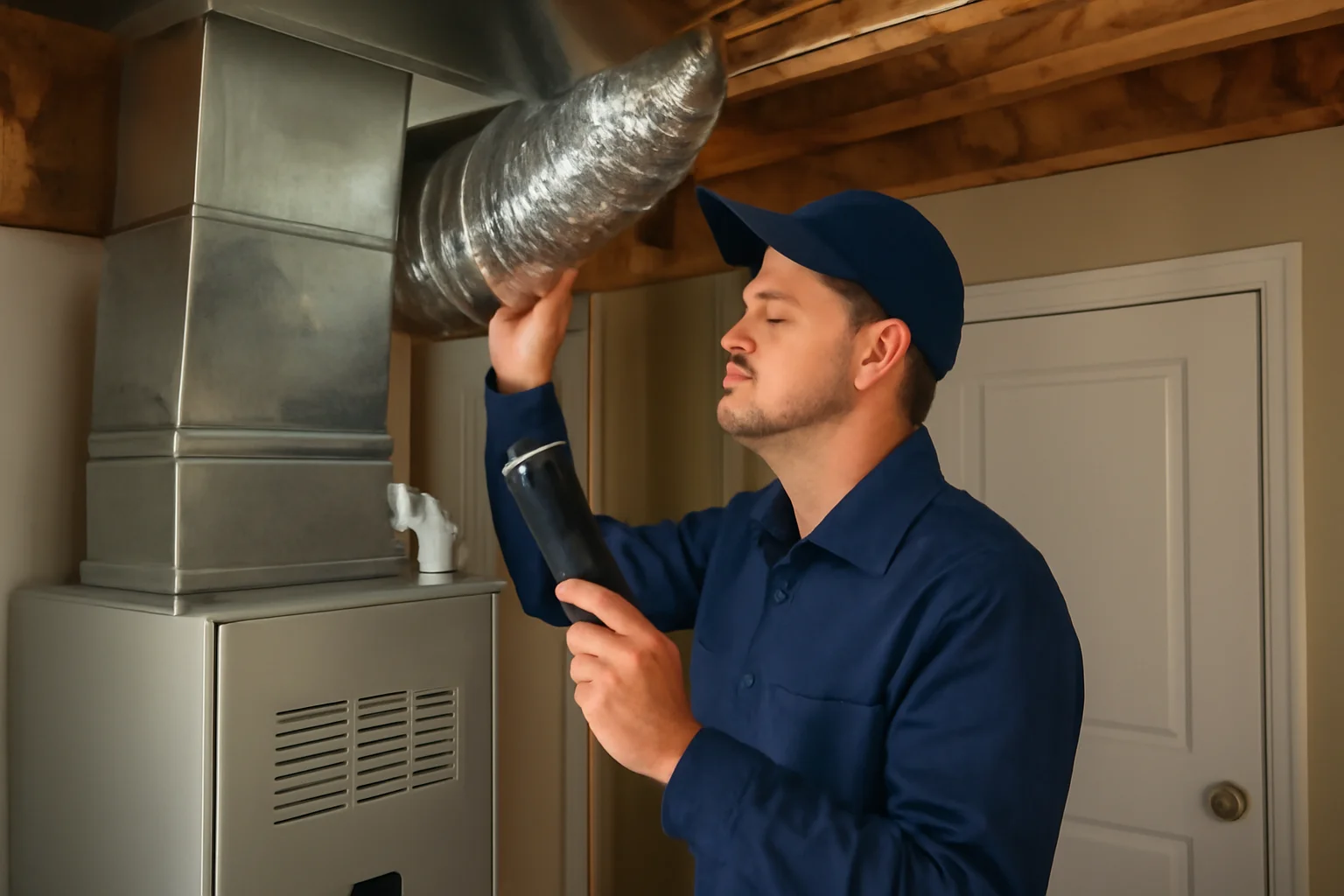
Parker, FL summers bring high heat, frequent humidity, and long stretches of air conditioning run time. When ducts are leaking, poorly connected, or restricted, your HVAC system works harder to cool and dehumidify, yet comfort can still feel uneven. A proper duct inspection helps homeowners catch hidden ductwork problems before they turn into emergency cooling concerns.
If you are searching for duct inspection near me in Parker, you are likely trying to protect airflow, reduce moisture trouble, and keep indoor air quality steady. This guide explains what to look for, what commonly goes wrong in Bay County homes, and how professional inspection supports better heat and humidity management.
Why duct inspection matters in Parker’s humid, coastal-feeling climate
Parker homes are designed for Florida weather, but HVAC systems still have to fight the conditions. Warm, moist outdoor air increases the workload on air conditioners and heat pumps. At the same time, duct systems can be affected by:
- Humidity load: When airflow is restricted or ducts leak, the air that reaches rooms may not be dehumidified effectively.
- Salt air exposure: Coastal and near-coastal environments can accelerate corrosion on some metal components over time.
- Attic and crawlspace heat: Ducts in hot spaces can lose temperature and contribute to moisture movement.
- Air leakage: Leaky duct seams and connections can pull conditioned air away from living spaces.
Those issues can show up as higher energy use, rooms that feel muggy, and systems that cycle more often. A professional inspection is the best way to identify where the airflow and moisture problems begin.
Common duct problems that worsen comfort and humidity
Homeowners often notice symptoms first. Duct inspection helps connect those symptoms to the actual cause inside the ductwork.
1) Leaks at seams, joints, and transitions
Small gaps around duct joints, flex connections, and transitions can bleed conditioned air into attics or crawlspaces. In humid Florida weather, that leakage can also change the humidity profile in the home, leading to:
- Hot spots or cold spots that never fully even out
- Longer run times for air conditioning service
- Higher energy use because the system keeps trying to reach thermostat targets
2) Airflow restrictions from crushed or poorly sized ductwork
Over time, ducts can sag, become partially crushed, or be blocked by construction debris, insulation intrusion, or improper routing. When airflow is restricted, the refrigerant system still has to operate, but the system’s overall performance can suffer. This can contribute to:
- Weak or inconsistent airflow from vents
- Rooms staying warmer or more humid than expected
- Thermostat behavior that seems “off” because the air is not being delivered properly
3) Moisture issues tied to ductwork and condensate drainage
Air conditioners and heat pumps remove moisture during cooling. When airflow is poor or ductwork is exposed to humid air in attics or crawlspaces, condensation and moisture movement can become a bigger problem. Duct inspection can help identify conditions that affect moisture, including:
- Signs of damp insulation or discoloration near ducts
- Potential condensate drainage concerns around indoor equipment
- Areas where supply or return air paths may be pulling in unwanted humidity
Moisture trouble can also affect indoor air quality by supporting microbial growth. If you are considering Indoor Air Quality Testing, duct inspection is often a helpful companion step.
4) Ducts that are disconnected, undersupplied, or missing sections
Older installations, renovations, or prior repairs can leave gaps in the duct path. Sometimes ducts are not connected as intended, or balancing has drifted. The result can be uneven airflow, which makes it harder for your HVAC maintenance plan to deliver consistent comfort.
Signs your ducts need inspection before humidity becomes a bigger issue
Use these as practical “checkpoints” for homeowners. Any of them can point to ductwork problems, and duct inspection can confirm what is happening.
- Rooms feel humid even when the thermostat is set correctly
- Some vents blow cold air while others barely move air
- Airflow seems to weaken after the system runs for a while
- Musty odors increase during the cooling season
- You notice frequent cycling or the system running longer than usual
If you suspect duct problems but you are also dealing with symptoms like refrigerant system performance concerns, it is important that an HVAC professional evaluate the whole system in person. Duct inspection can explain airflow issues, but it does not replace a full comfort and equipment assessment.
How a professional duct inspection works in Parker homes
Homeowners get the most value when inspection is thorough and methodical. While every job differs, a quality duct inspection typically focuses on airflow delivery, leakage risks, and moisture-related conditions.
Step 1: Review comfort history and thermostat behavior
A technician will ask about issues like uneven temperatures, humidity levels, and how often your air conditioner or heat pump runs. They may also discuss how your thermostat is set and whether the system responds as expected.
Step 2: Check visible ductwork and access points
Attics, closets, utility rooms, and crawlspaces can reveal disconnected sections, insulation gaps, or damaged ductwork. In Parker, where attics can run hot, even small failures can affect airflow and moisture movement.
Step 3: Evaluate airflow paths and return air performance
Return air matters as much as supply air. If returns are undersized or blocked, the system may struggle to circulate air evenly. That can affect dehumidification performance, comfort, and energy use.
Step 4: Identify leakage and restriction risks
Inspection may include measurements and diagnostic tools to locate likely leak points and airflow restrictions. If leakage is found, the technician can recommend appropriate ductwork repairs or duct sealing options.
Step 5: Discuss next steps for indoor air quality
If duct issues are contributing to humidity or air quality problems, the plan may include duct sealing, improved filtration, or Air Filtration & Purifiers. In some cases, Duct Replacement is the right long-term solution when ductwork is too damaged to repair effectively.
Preventive duct inspection habits homeowners can keep all year
You do not need to become a duct technician to protect your system. Small habits can reduce the chance that duct problems turn into major HVAC repair needs during peak humidity.
Check vents and registers during the cooling season
Walk through your home and compare airflow at multiple vents. If one area consistently feels weaker, that can indicate duct restrictions, balancing issues, or return air problems. Take note of which rooms are affected so you can share details with your HVAC contractor.
Watch for moisture clues around supply runs
During humid periods, inspect accessible areas for signs like damp insulation, staining, or a lingering musty smell. These can point to moisture movement that makes indoor air quality worse.
Keep filters clean and properly sized
Filters do not replace duct inspection, but they do affect airflow. A clogged filter can make it seem like ductwork has a restriction when the real issue is filtration. If you are scheduling HVAC maintenance near me, ask your technician to confirm filter condition and airflow performance.
Pay attention to thermostat patterns
If your thermostat shows frequent cycling, never fully reaches setpoints, or seems to “hunt” for temperature, it can be a sign of airflow problems, duct leakage, or other system performance issues. A professional inspection can help sort out what is driving the behavior.
Plan ductwork improvements before the hottest weeks
If you are already thinking about duct sealing, timing matters. For Parker homeowners, it is often smarter to address ductwork before the summer humidity push. You can read more about planning airflow improvements here: Planning Duct Sealing and Aeroseal Work Before Parker Heat and Humidity Push Your HVAC Harder.
How duct issues affect refrigerant systems, condensate drainage, and dehumidification
Ductwork problems do not just change airflow. They can also influence how the refrigerant system operates and how moisture is managed during cooling.
Airflow affects system performance
Air conditioners and heat pumps rely on proper airflow to move heat out of the home. When ducts leak or are restricted, the indoor coil and air handler may not receive or deliver air as intended. That can lead to inconsistent cooling and higher energy use as the system tries to compensate.
Moisture management depends on correct airflow
During cooling, condensate drains from the indoor unit. If the system cannot circulate air properly, humidity control can suffer. Poor airflow can also contribute to temperature differences that affect condensation behavior in ducts and registers.
Condensate drainage and comfort are connected
If condensate drainage is not functioning as it should, moisture can accumulate around equipment and potentially create indoor comfort issues. A duct inspection can reveal contributing airflow factors, but an HVAC professional should evaluate condensate drainage and the indoor equipment in person.
Energy use and uneven cooling: why duct inspection is an efficiency step
When ducts leak, the system has to work longer to deliver cooled air to the right places. That increased runtime can raise energy use, especially during Parker’s long cooling season. Uneven cooling also makes it tempting to adjust thermostats frequently, which can add to wear on the system.
A structured duct inspection can help you understand whether your comfort issues are primarily duct-related, equipment-related, or a combination. That is also why duct inspection often pairs well with broader preventive HVAC maintenance.
How to choose the right HVAC contractor for duct inspection in Parker
Not every duct inspection is equally helpful. Homeowners should look for a contractor that treats ductwork as part of the whole HVAC system, not a standalone task.
What to ask before scheduling duct inspection
- Will the inspection review both supply and return air paths?
- How will the technician document airflow or leakage concerns?
- Will the findings connect to comfort and humidity control, not just ductwork appearance?
- How do you handle situations where equipment or refrigerant system concerns may also be involved?
These questions help ensure you get actionable results. If you are dealing with persistent humidity problems, it is also smart to compare duct inspection findings with your current filtration approach and indoor air quality goals.
When duct inspection should be part of your repair or replacement plan
Duct inspection is not only for “routine checkups.” It can be a key part of troubleshooting and planning.
AC repair and air conditioning service that never fully fixes comfort
If you have had AC repair or air conditioning service but some rooms still feel muggy or airflow remains uneven, duct inspection can reveal whether ductwork is undermining the repair.
Heat pump service and humidity control
Heat pumps can provide efficient heating and cooling, but humidity management still depends on airflow and coil performance. If you are searching for heat pump repair near me because cooling feels weak or humidity stays high, duct inspection may help identify whether the issue is delivery, returns, or duct leakage.
System replacement planning
If you are considering system replacement, ducts can influence whether a new system will perform as expected. Before you invest, ask how ductwork condition will be evaluated as part of the overall plan. You can explore duct replacement options here: Duct Replacement.
Emergency cooling concerns: why prevention beats last-minute troubleshooting
Florida summers do not pause for equipment problems. When ductwork problems combine with equipment issues, the system may struggle to keep up, which can escalate into emergency cooling concerns. Homeowners should not wait for the hottest day to discover that airflow is restricted or ducts are leaking.
If you are searching for emergency AC repair near me, the goal is to restore comfort quickly. The better path is to reduce the chance of duct-related comfort failures by scheduling HVAC maintenance near me and addressing ductwork issues early.
Explore local HVAC guidance for Parker and Bay County
Duct inspection is one piece of a larger comfort strategy. If you want more HVAC help for Parker homes, these reads can connect the dots between ductwork, airflow, and cooling performance:
- Keeping Parker Homes Cooler, Longer: Smart Ways to Manage Air Conditioning Service in Bay County
- Keeping Commercial HVAC Problems Small in Parker, FL
- Keeping Commercial HVAC Projects on Track in Parker, FL
For homeowners and businesses, the right ductwork and airflow plan can help the HVAC system handle Parker’s heat and humidity with less stress.
Schedule duct inspection with A Superior Mechanical
A Superior Mechanical provides professional duct inspection in Parker, FL to uncover leaks, airflow restrictions, moisture issues, and hidden duct damage that can affect comfort, air quality, and energy efficiency. If you are looking for duct inspection in Parker, FL, our team can evaluate your system and recommend next steps based on what we find.
You can also explore our broader coverage across the area at Parker, FL and Bay County. For households planning improvements alongside ductwork, consider reviewing Heat Pump Services or Air Filtration & Purifiers.
Find Duct Inspection in Parker, FL
If you need Duct Inspection in Parker, FL, visit our local service page or contact A Superior Mechanical today.
Map of Parker, FL
Frequently Asked Questions
How does duct inspection help with humidity control in Parker, FL?
Duct inspection can identify leaks, restrictions, and return air problems that reduce effective dehumidification. When airflow is uneven, the system may cool rooms without removing moisture as efficiently, leaving spaces feeling muggy.
Can duct problems increase my energy use?
Yes. Leaky or restricted ductwork can cause the HVAC system to run longer to deliver conditioned air. That extra runtime often leads to higher energy use during Parker’s hot, humid months.
What are common duct inspection red flags homeowners can notice?
Look for weak airflow at certain vents, persistent musty odors, uneven room temperatures, and signs of damp insulation near ducts. These can point to duct leaks, restrictions, or moisture movement that a professional inspection can confirm.
Should I get duct inspection before AC repair or heat pump service?
Often, yes. If you have already had AC repair but comfort and humidity issues persist, duct inspection can reveal whether ductwork is undermining performance. A technician should evaluate the whole system in person to avoid missing equipment or condensate drainage concerns.
Do ducts need to be replaced or can they usually be repaired?
It depends on the duct condition. Some issues are best handled with duct sealing or duct repair, while damaged ductwork may require duct replacement. A Superior Mechanical can recommend the right approach after an in-person inspection of your ductwork and airflow paths.
Related Articles
Photo Gallery