Sandestin homes are built for comfort, but everyday water quality can quietly change over time. When the water is too hard, you may notice the effects first in the bathroom and kitchen, then later in the way your appliances run and how your skin feels after bathing. Catching those early clues matters because hard water scale buildup is not just cosmetic. It can reduce efficiency, shorten appliance life, and make it harder to keep fixtures and plumbing clean.
Below is a homeowner friendly guide to water softening for Sandestin, FL, including what to watch for, what usually causes the problem, and how the right water treatment plan can support better drinking water, better cooking water, and cleaner daily routines. If you are searching for water softening in Sandestin, this is the kind of early detection approach you want from a local provider.
Why Sandestin homeowners start noticing hard water effects
Hard water is common in many parts of Florida, and Sandestin is no exception. Even when your tap water looks clear, mineral content can still be high. Those minerals, especially calcium and magnesium, can react with heat and soap. The result is the familiar pattern: scale buildup around faucets and showerheads, stubborn spots on glass, and water that never quite feels “clean and soft” on skin.
Sandestin’s coastal lifestyle also changes how water is used and noticed. More outdoor rinsing, more showers after beach days, and lots of family kitchen activity mean you see the effects quickly. When hard water is present, it can show up as:
Hard water spots on glass (cloudy film on shower doors, drinking glasses, and windows)
Scale buildup around faucets and showerheads
Dry skin or dull hair after bathing, even if you are using good products
Metallic, chlorinated, or unpleasant taste and odor concerns
Cloudy ice cubes that look different from what you expect
Poor tasting coffee and cooking water
Soap that does not lather or rinses poorly
Over time, you may also notice that appliances wearing out faster and laundry not feeling as clean. That is often when homeowners begin looking for water filtration and water softeners that can address the full picture, not just one symptom.
Early warning signs: the everyday clues you should not ignore
Hard water problems are easiest to solve when you catch them early. Here are the most common signs Sandestin homeowners can spot in daily life, along with why they happen.
1) Glassware and shower doors look “dirty” even after cleaning
If you wipe a mirror or shower door and still see a cloudy film, you are likely dealing with mineral scale. Hard water spots on glass can build quickly, especially in bathrooms where water repeatedly evaporates and leaves behind residue.
2) Faucets, showerheads, and drains show crusty buildup
Scale buildup around faucets and showerheads is one of the clearest indicators that water softening may be needed. Over time, scale can clog small openings, reduce flow, and make fixtures harder to maintain. It can also affect how water moves through plumbing, which is why scale is more than a cosmetic issue.
3) Bathing does not feel right, even with quality soap and shampoo
Many people connect dry skin or dull hair to weather or product choice. Hard water can also be a factor. When minerals react with soap, you may get soap residue that does not rinse away well. That can leave skin feeling tight or hair looking less vibrant.
If you have ever noticed that your shower feels “slick” after rinsing, or that you need more product than usual, that can be part of the hard water story. Searching for water treatment near me often starts when people realize the issue is consistent across routines.
4) Drinking water taste and cooking water quality change
Some homeowners describe metallic tasting water, chlorine taste in water, or an unpleasant odor that shows up in kitchen use. You might notice it most when making coffee, tea, or cooking water for pasta and rice.
Cloudy ice cubes can also be a clue. While ice clarity can depend on freezer conditions, persistent cloudiness can point to particles or water chemistry issues. If you are seeing visible sediment, discoloration, and odor concerns, it is worth testing and evaluating a treatment approach.
5) Laundry and dishes do not come out the way they used to
Soap does not lather or rinse well is a classic hard water sign. In the laundry room, that can lead to detergent buildup, less effective cleaning, and fabrics that feel stiff. In the kitchen, you may see:
Dull dishware and stubborn spots
Film on glasses
Water that does not rinse cleanly
When hard water is addressed, dishes often look clearer and laundry tends to feel fresher. Many families notice the difference during busy weeks when they are running the dishwasher and doing more loads than usual.
The “why” behind the symptoms: minerals, scale, and residue
Hard water contains dissolved minerals. When that water is heated or evaporates, minerals can precipitate and form scale. That scale can stick to surfaces inside plumbing, water heaters, and appliances. It can also interfere with how detergents and soaps work, which is why you may see reduced lather and soap residue.
In a household, that shows up in predictable places: showers, faucets, dishwashing, and water heater performance. It is also why homeowners often find that appliances wear out faster when water treatment is not keeping up.
In Sandestin, the coastal environment means many homes rely heavily on daily water use for bathing, cleaning, and cooking. When water quality is not optimized, everyday routines can turn into repeated scrubbing, descaling, and re-washing.
Water softening: what it does and how it helps everyday life
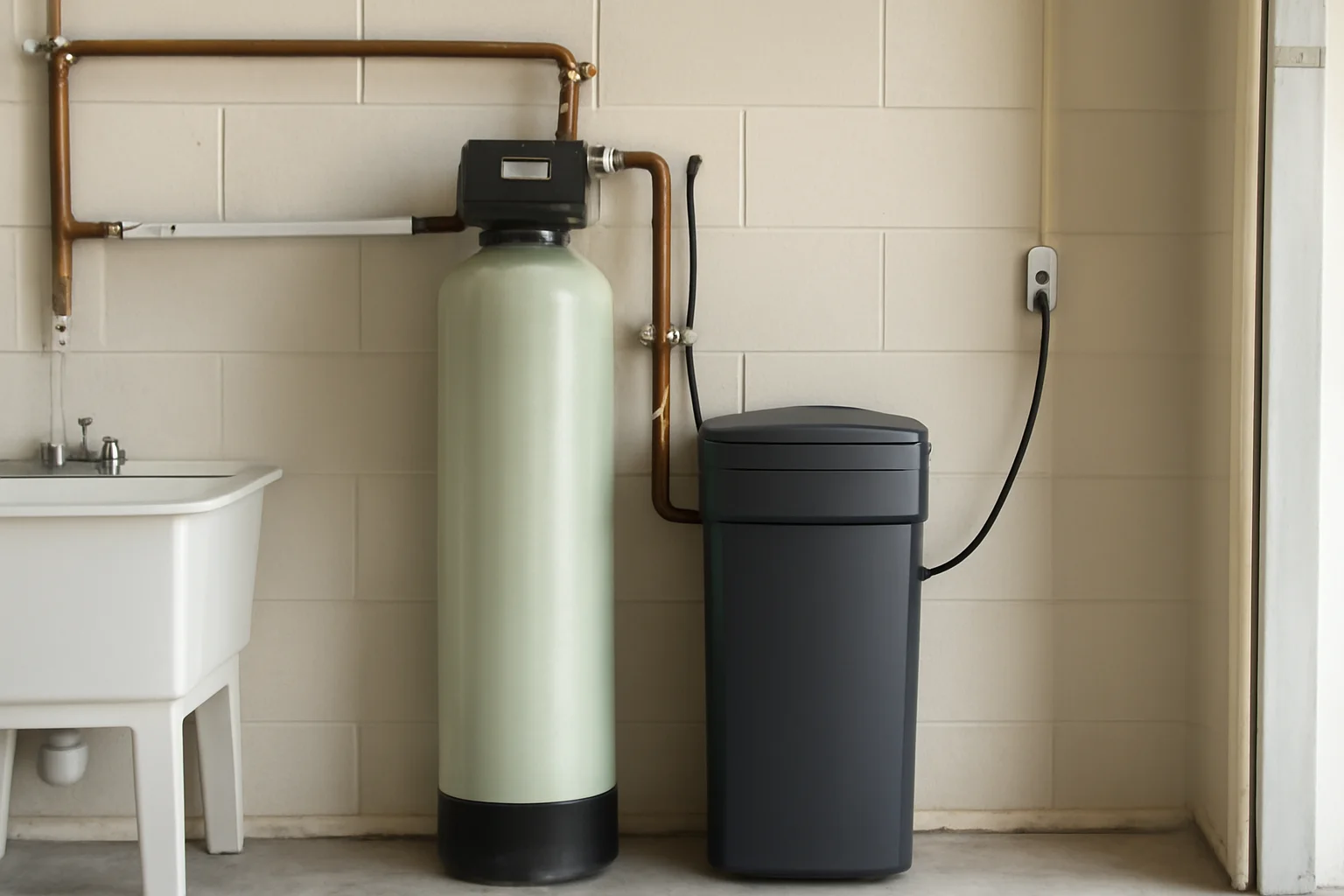
Water softening is designed to reduce the effects of hard water minerals. A properly sized system replaces hardness minerals with forms that do not create the same scale buildup. That can lead to:
Less scale buildup around faucets, showerheads, and plumbing
Cleaner dishes and fewer hard water spots on glass
Soap that lathers more effectively and rinses better
Better bathing comfort, including reduced dry skin from hard water
Improved performance of water-using appliances
For families, the benefit is not theoretical. Picture a typical Sandestin morning: kids getting ready, coffee brewing, and the dishwasher running after dinner. When soft water is in place, the water that touches those daily moments behaves more predictably. You spend less time dealing with residue and more time enjoying your home.
If you are looking for an AO Smith water softener or a dependable water softener service near me, it helps to choose a system based on real water testing and household usage, not guesswork.
Whole home water filtration vs. softening: pairing the right solutions
Hardness is not the only water quality concern that homeowners notice. Some households report metallic tasting water, chlorine taste in water, or visible sediment and odor concerns. That is where whole home water filtration can play a complementary role.
Softening focuses on hardness minerals. Whole home filtration systems focus on reducing other contaminants and improving water clarity and taste. Many homeowners get the best results by combining approaches rather than relying on one device to solve everything.
Where reverse osmosis fits
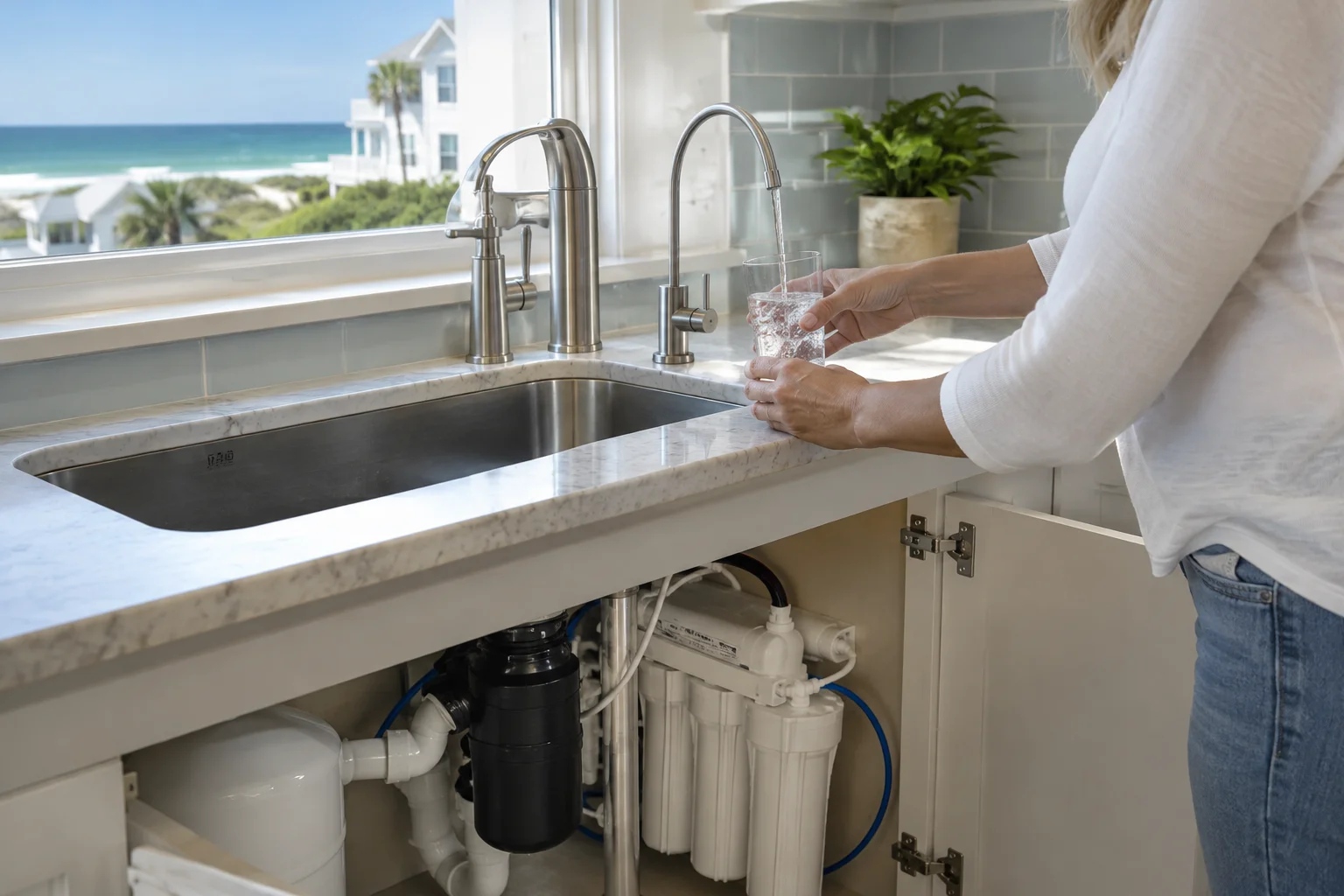
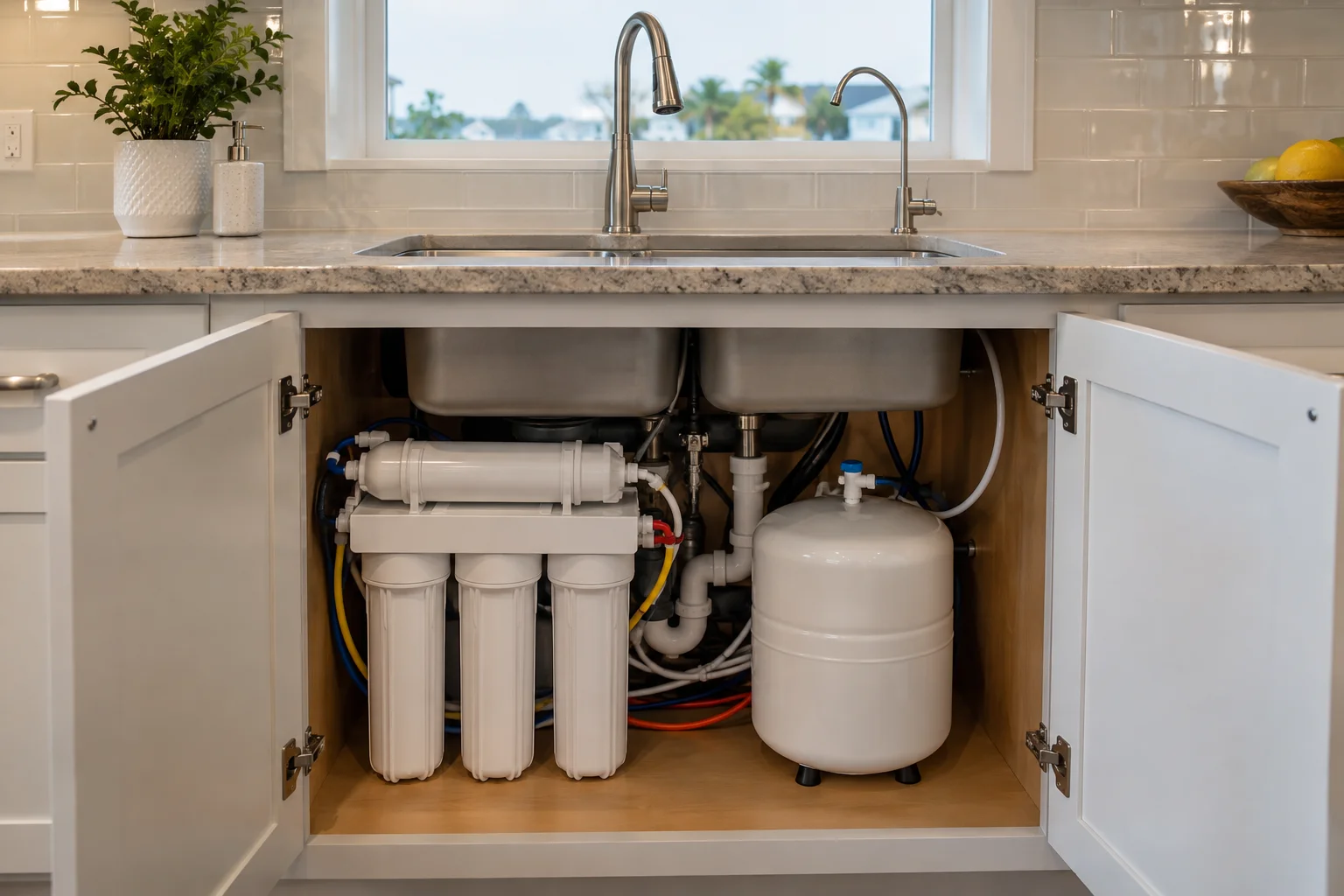
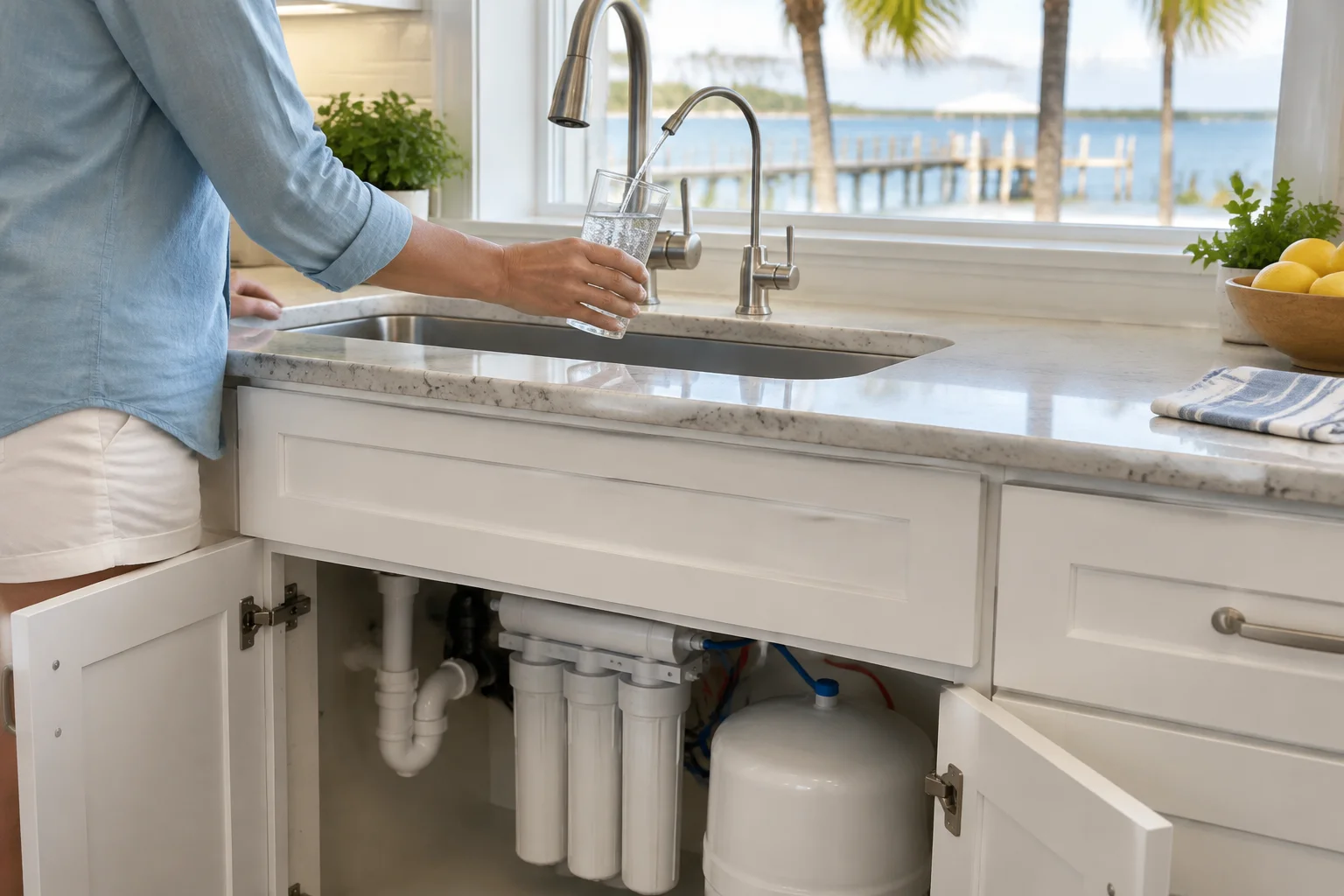
Reverse osmosis systems are often used for drinking water and kitchen use. If your household is sensitive to taste, odor, or concerns with water chemistry, reverse osmosis can provide a high level of treatment for the water you drink and cook with. That is especially helpful for better water for drinking and cooking, including poor tasting coffee water.
In many Sandestin kitchens, the difference is obvious quickly. People notice it in coffee flavor, ice clarity, and how cooking water performs. If you are planning reverse osmosis installation, it is also smart to consider how it ties into your broader water treatment plan. A well designed system can reduce mineral scale effects and help protect downstream components.
AO Smith water filtration and whole house upgrades
Some homeowners prefer a whole house water filter approach, especially when they want cleaner water across bathrooms, laundry, and kitchen taps. AO Smith water filtration is often considered because it is designed for whole home use and can be part of a strategy to improve water quality beyond hardness.
If you are searching for whole home water filtration near me, ask about how the system is matched to your water test results and whether it is paired with water softening for the best protection.
How to catch water quality problems early with simple checks
You do not need lab equipment to start noticing trends. A few routine observations can help you catch issues before they become expensive.
Track what changes over time
If you moved recently or started using a different rental property, note when problems begin. If you see scale buildup around faucets increasing or soap does not rinse as well, that can signal a change in water chemistry or system performance.
Look at common “hot spots”
Showerhead: crusty deposits and reduced spray
Faucet aerators: mineral buildup and slower flow
Dishwasher and glassware: cloudy film and spots
Ice maker: cloudy ice cubes
Pay attention to skin and hair
Dry skin or dull hair after bathing can be a subtle sign that soap residue is building up. If your family notices the same issue across multiple people and multiple products, water quality may be the missing variable.
Watch for odor and taste concerns
Metallic tasting water, chlorine taste in water, and unpleasant odors can point to treatment needs beyond softening. If you see visible sediment, discoloration, or odor concerns, prioritize water testing and a treatment plan that addresses the cause.
Prevention and maintenance: keep your system working as intended
Even the right water softening system can underperform if it is not maintained. Preventive steps help you protect plumbing and keep daily water quality steady.
Know the difference between scale and system issues
Scale buildup around fixtures can mean hard water is present, but it can also mean a softener is not regenerating properly or is not sized for your household. That is why homeowners should not just clean fixtures harder. They should also check system performance.
Stay consistent with filter changes
If you have whole home water filtration or an AO Smith water filtration setup, filter cartridges need scheduled replacement. Skipping changes can allow contaminants to build up and reduce water clarity and taste.
Protect appliances and plumbing from mineral buildup
When hard water treatment becomes part of protecting fixtures and appliances, you often see fewer scale related problems. Water heaters, dishwashers, and other water using equipment benefit from reduced mineral buildup.
If you are comparing options and want help choosing a dependable approach, you can review the local service details on A Superior Mechanical’s Sandestin water softening page. You can also explore broader guidance on Sandestin services and water treatment options across Walton County.
What to ask during a water treatment evaluation
Homeowners searching for water filtration near me often want clarity on what problem is being solved and how the system will be managed. A good evaluation should cover more than a quick look at stains.
Ask about:
Water testing to confirm hardness and identify other concerns like taste, odor, and sediment
System sizing based on household size, usage, and plumbing layout
Whether you need softening, filtration, reverse osmosis, or a combination
Maintenance requirements including regeneration schedules and filter change intervals
How the plan protects appliances and reduces scale buildup around faucets, showerheads, and plumbing
This is also a good time to connect your goals. For example, a family may want better water for drinking and cooking, while also reducing dry skin from hard water and improving laundry results.
How better water shows up in a Sandestin home
When water treatment is working, the “before and after” is noticeable in routine moments.
Kitchen scenes: coffee, cooking water, and ice
Many households start with taste. If you have ever dealt with poor tasting coffee water, you know how frustrating it is to troubleshoot the source. With the right filtration approach, water quality becomes more consistent. You may also see clearer ice cubes and fewer concerns about metallic or chlorinated taste.
Bathroom routines: less residue and more comfortable bathing
After softening and filtration improvements, showers tend to feel different. Soap lathers more easily, rinses cleanly, and you spend less time scrubbing scale from fixtures. That helps keep bathrooms looking better and reduces irritation for people who experience dry skin or dull hair after bathing.
Laundry and dishwashing: fewer rewashes
Hard water can make detergents less effective, which is why laundry can feel stiff or not fully clean. Dishes can come out with spots. When you treat hardness and improve water quality, soap does not have to fight mineral residue, and cleaning routines become more efficient.
When it is time to call a professional for water softener service
Calling a local water treatment professional makes sense when you notice multiple symptoms at once or when the issues are escalating. Consider reaching out if you are seeing:
Persistent hard water spots on glass
Scale buildup around faucets and showerheads that keeps returning
Dry skin or dull hair after bathing across family members
Metallic, chlorinated, or unpleasant taste and odor concerns
Cloudy ice cubes, visible sediment, or discoloration
Appliances wearing out faster or needing more frequent maintenance
If you want a deeper look at how water quality affects daily life, these local reads can help you connect symptoms to solutions: Cleaner Everyday Water Starts With Plumbing Services in Sandestin, FL: Hard Water Spots, Scale, Taste, and Odor, and Smart Plumbing Habits for Cleaner Water and Fewer Repairs in Sandestin. For a related example of long term protection, see How Water Softening Protects Rosemary Beach Plumbing from Costly Water Damage.
For homeowners who want a broader overview of local water quality priorities, What Sandestin Homeowners Should Know About Cleaner Water at Home is a helpful next step.
If you are ready to address water softening and filtration with a local plan, A Superior Mechanical can help you choose the right system for your home and your household’s routines. Start with the Sandestin water softening service page at /service-areas/walton-county/sandestin/water-softening-sandestin-fwbsdfl.
For more on treatment options across the system, visit /water-filtration-ro-water-softeners.
Find Water Softening in Sandestin, FL
If you need Water Softening in Sandestin, FL, visit our local service page or contact A Superior Mechanical today.
For a broader look at whole-home water filtration, reverse osmosis, and water softener options, visit our water filtration, RO, and water softener page.
Map of Sandestin, FL
Frequently Asked Questions
How can I tell if my Sandestin home needs water softening?
Common early clues include hard water spots on glass, scale buildup around faucets and showerheads, dry skin or dull hair after bathing, soap that does not lather, and dishes that look cloudy even after washing. If you also notice metallic or chlorinated taste and odor, you may need filtration in addition to softening.
Will a water softener help with cloudy ice cubes and poor tasting coffee water?
Softening can improve mineral related issues, but cloudy ice cubes and poor tasting coffee water can also involve filtration and water chemistry. Many households use whole home water filtration or reverse osmosis for drinking and kitchen water to address taste, odor, and clarity more directly.
What is the difference between water softening and whole home water filtration?
Water softening reduces hard water minerals that cause scale buildup. Whole home water filtration targets additional concerns like sediment, taste, and odor across your plumbing. Many homeowners choose both so their bathrooms, laundry, and kitchen all benefit.
Do I need reverse osmosis if I already have a whole house water filter?
Not always. Reverse osmosis is often used for drinking and cooking when homeowners want the best taste and highest level of treatment at the tap. A water test can help determine whether RO is necessary or if whole home filtration and softening are enough.
How often should water softener service and maintenance be done?
Maintenance schedules depend on the system type, household water use, and local conditions. A professional water treatment evaluation can set a clear plan for regeneration checks, filter changes, and performance testing so your system keeps protecting plumbing and appliances.
Related Articles
- Cleaner Everyday Water Starts With Plumbing Services in Sandestin, FL: Hard Water Spots, Scale, Taste, and Odor
- Smart Plumbing Habits for Cleaner Water and Fewer Repairs in Sandestin
- How Water Softening Protects Rosemary Beach Plumbing from Costly Water Damage
- What Sandestin Homeowners Should Know About Cleaner Water at Home
Photo Gallery