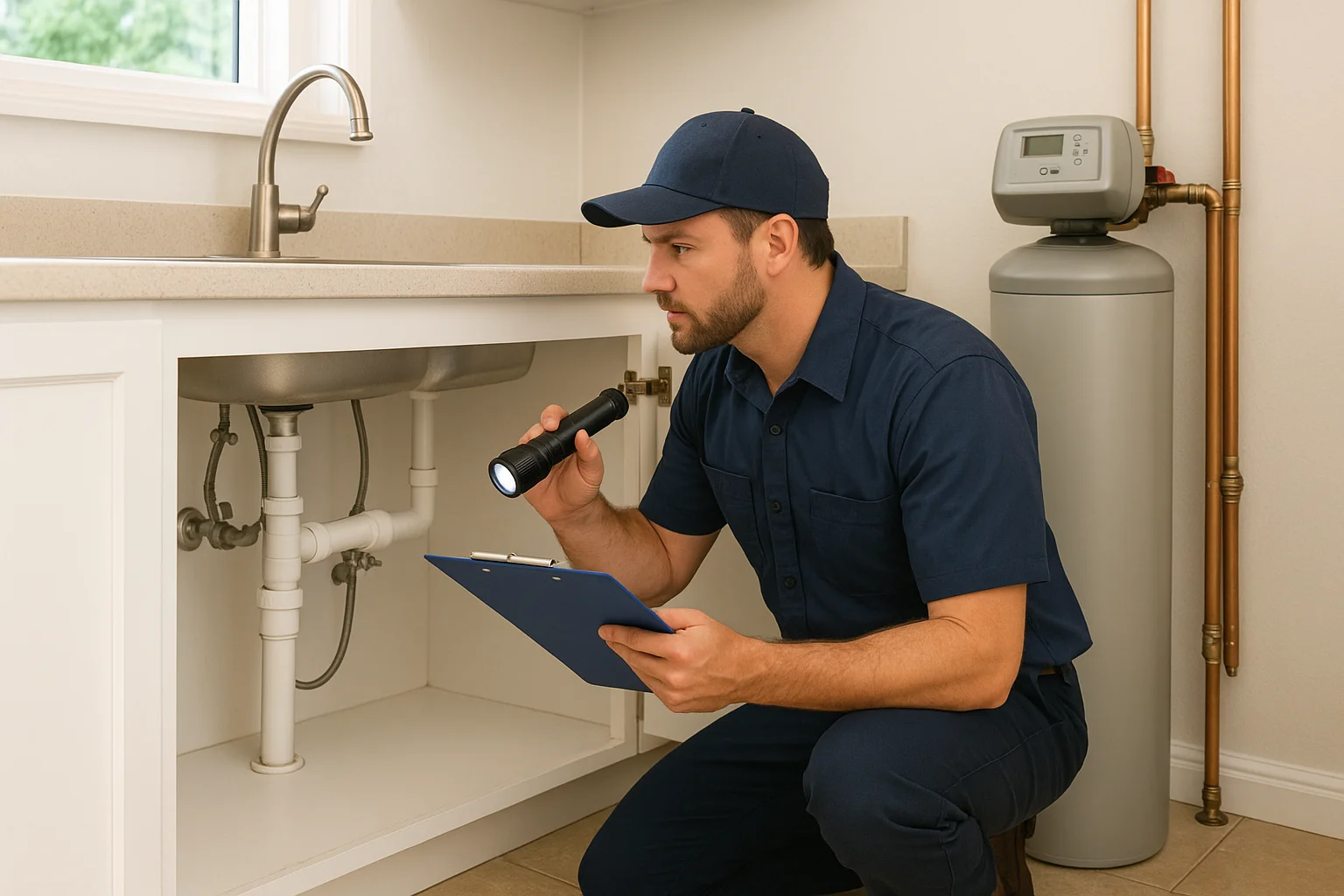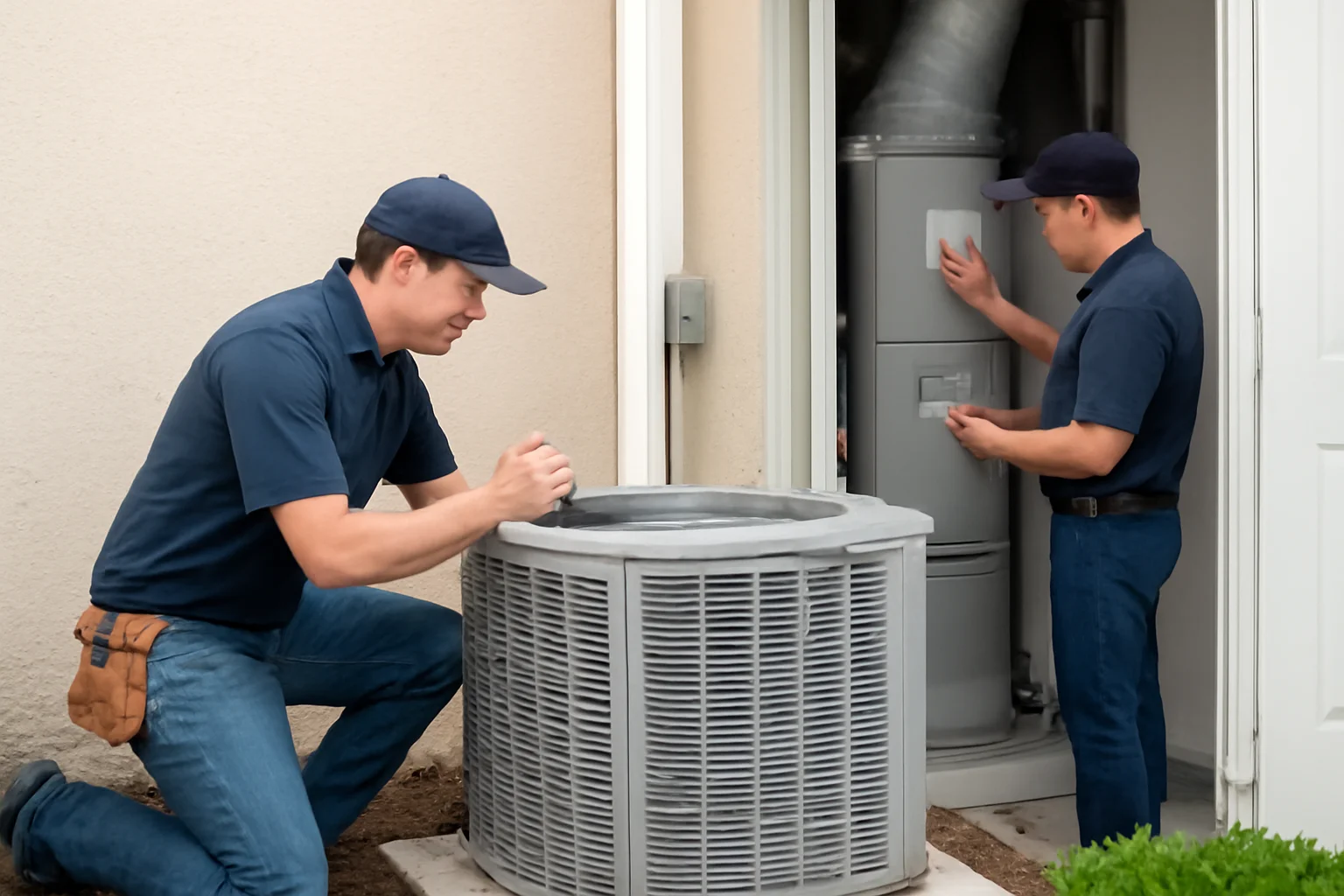
Upper Grand Lagoon summers bring relentless heat, high humidity, and salt air that can stress HVAC systems. When an air conditioner or heat pump fails, comfort drops fast and indoor air quality can suffer. Having a plan for 24/7 emergency HVAC services helps you respond quickly, protect your home, and avoid preventable damage to refrigerant systems, airflow components, and condensate drainage.
Start with the reality of Florida heat and humidity
In Bay County, Florida, HVAC problems often become emergencies because conditions change quickly. A unit may run longer than it should, struggle to manage moisture, or lose airflow efficiency due to dirty filters, clogged ducts, or failing components. When the system cannot keep up, indoor temperatures rise and humidity builds. That can make the air feel hotter than the thermostat setting, and it can also increase the chance of condensate drainage issues.
Planning ahead does not mean guessing what is wrong with your system. It means knowing what to do when your home needs emergency cooling concerns handled immediately by a licensed local HVAC technician.
Build your emergency call list before you need it
When your AC breaks down, you want to spend your time staying comfortable, not searching the internet. Make a short list that includes:
- A Superior Mechanical for 24/7 emergency HVAC services in Upper Grand Lagoon, FL
- Your HVAC service history, if you have it
- Notes about the system model and thermostat setup
Also bookmark the broader city page so you can quickly find local resources: Upper Grand Lagoon HVAC service areas.
If you manage more than one property, such as a vacation rental or small commercial space, keep a separate folder for each location. Different layouts can create different airflow and ductwork challenges, and that matters during emergency troubleshooting.
Know the early warning signs that often lead to emergency calls
Not every breakdown is preventable, but many emergency situations start with smaller symptoms. Watch for patterns that suggest the system is struggling with airflow, humidity control, or refrigerant system performance.
Temperature swings and “runs but does not cool”
If the air feels warm at the vents, the system cycles rapidly, or your home cannot reach the thermostat target, the problem may involve airflow restrictions, failing components, or refrigerant system issues. These are not tasks to self-diagnose. What you can do is document what you see and call for an air conditioning repair near me service visit as soon as comfort starts slipping.
Water around the indoor unit or damp smells
Condensate drainage problems can turn into bigger issues, especially during humid stretches. If you notice water on the floor, dripping from the unit, or persistent musty odors, treat it as urgent. Moisture can affect indoor air quality and may require professional attention to the condensate drainage path and system operation.
Strange noises, frequent cycling, or visible ice
Unusual sounds, repeated short cycling, or ice forming on cooling surfaces can indicate airflow problems or other system stress. Ice can also be linked to airflow restrictions and humidity imbalance. Do not keep the system running in a way that could worsen the issue. Call an emergency HVAC technician to evaluate the situation in person.
Thermostat glitches and inconsistent scheduling
A thermostat can be the control point for comfort. If readings are off, the system will not respond, or you suspect scheduling conflicts, check basic settings. If you have a smart thermostat, confirm it is communicating correctly and that the system mode is set for cooling. For homeowners interested in upgrades, explore Smart Thermostats to support better control and monitoring.
Prepare your home so technicians can work efficiently
During an emergency HVAC service call, small preparation steps can help the technician diagnose the issue faster and reduce unnecessary delays.
Clear access points and protect the equipment area
Make sure the indoor air handler or furnace closet has clear access. For outdoor units, keep the area free of debris and avoid blocking airflow around the condenser. In coastal or near-water settings, salt air and wind-blown debris can accumulate, and airflow restrictions can make the unit work harder.
Keep basic system details easy to find
Locate any labels you can find on the indoor and outdoor equipment, and note your thermostat brand and model. If you do not know where to look, take a quick photo for your records. Do not attempt repairs based on label info. Use it to help a licensed HVAC contractor understand your system quickly.
Document what changed before the failure
Write down what happened in the hours leading up to the breakdown. Examples include:
- Power flickers or breaker trips
- A sudden rise in indoor temperature
- Visible water or condensation where you normally do not see it
- Filters changed recently or not
These details help the technician focus on likely causes involving airflow, condensate drainage, and refrigerant system operation.
Prevent emergencies with preventive HVAC maintenance that fits Upper Grand Lagoon
Preventive maintenance is one of the most practical ways to reduce the odds of an AC breakdown during peak heat. For local homeowners searching for HVAC maintenance near me, a maintenance plan should account for humidity management, airflow quality, and the way Florida heat pushes systems to run longer.
Prioritize airflow and filtration
Airflow is the foundation of comfort. Dirty filters can restrict airflow, which can strain the system and worsen humidity control. Check filters regularly and replace them according to your system and indoor air needs. If you have ductwork with uneven airflow, maintenance should include an inspection of registers, return pathways, and visible duct conditions.
Address condensate drainage early
During humid months, condensate drainage must work reliably. Maintenance should include checking the drainage components and ensuring proper removal of moisture. A small drainage issue can become an emergency when the system runs constantly.
Keep indoor air quality in mind
When the system struggles, indoor air quality can decline. Humidity can increase, and that can affect comfort and how the home feels. If you are concerned about air quality, consider Indoor Air Quality Testing so you can target solutions rather than guess.
Watch energy use trends
Florida heat can raise energy use, but a sudden spike can also signal that the system is not operating efficiently. If your utility bills rise without a clear reason, that is a good time to schedule an air conditioning inspection near me or an AC tune up near me appointment. Keeping the system tuned helps it manage airflow and humidity more effectively.
How to reduce risk during the hottest weeks
Emergency readiness is also about smart day-to-day habits. These steps do not replace professional service, but they can reduce stress on the system.
Use thermostat settings that support humidity control
Set realistic comfort targets and avoid rapid temperature swings. Large changes can cause the system to run longer, which increases moisture load in a humid climate. If you use a smart thermostat, confirm it is programmed correctly and that it is not fighting your schedule.
Keep vents clear and manage airflow
Do not block supply vents with furniture or curtains. In homes with ductwork that is already prone to uneven airflow, blocked registers can make certain rooms feel warmer and can force the system to work harder overall.
Plan for salt air and coastal conditions
Upper Grand Lagoon properties may experience salt air exposure depending on proximity to the water. Salt can contribute to corrosion over time. That is another reason professional maintenance matters. Technicians can inspect outdoor components and advise on the condition of the system parts that affect airflow and refrigerant system performance.
When the system fails, handle the situation safely and logically
If your AC or heat pump is not cooling and the home is getting uncomfortable, treat it as an urgent HVAC situation. While you wait for professional help, focus on safe actions that do not involve guessing at refrigerant systems or electrical components.
Check simple, non-invasive items
- Verify thermostat mode is set to cooling.
- Confirm the thermostat is powered and reading correctly.
- Check your air filter if it is visibly clogged, and replace it if it is a basic swap you can do safely.
Stop short of deeper troubleshooting. Do not attempt refrigerant diagnosis, and do not open electrical panels or test components. An emergency HVAC technician should evaluate the system in person.
Know what to say when you call 24/7 emergency HVAC services
When you contact an HVAC company near you, be ready with:
- Indoor temperature and how long it has been rising
- Whether you hear the outdoor unit running
- Any water near the indoor unit or condensate drainage concerns
- Whether you saw ice on cooling surfaces
- Any thermostat issues or unusual cycling
These details help the technician prioritize airflow-related issues, humidity concerns, and refrigerant system observations that require professional evaluation.
Protect the home while waiting
During peak heat, limit activities that increase indoor heat and moisture. Close exterior doors and minimize unnecessary openings. If the home has sensitive occupants, prioritize comfort and hydration. If you manage a rental property, consider moving guests to a cooler area if the system is down for an extended period.
Planning for system replacement without panic
Emergency calls are not always about repair. Sometimes the system is nearing the end of its useful life or has repeated issues that affect comfort and energy use. However, you should not decide on system replacement based on a remote description.
A professional HVAC technician can assess the condition of the refrigerant system components, airflow performance, ductwork limitations, and indoor air quality factors. That is the right foundation for discussing options such as new AC installation near me or heat pump service based on your home’s layout and comfort needs.
Heat pump and AC considerations in Bay County
Upper Grand Lagoon homes may use traditional air conditioning systems, heat pumps, or dual-purpose setups. In humid Florida weather, the system must manage both temperature and moisture. If your heat pump is acting up, the solution may involve airflow, refrigerant system performance, condensate drainage, or control settings. An in-person evaluation is essential before any equipment replacement discussion.
For property owners: keep emergency readiness consistent across homes
If you own multiple properties, consistency matters. Create a single maintenance schedule and keep records for each system. Track filter changes, thermostat settings, and any recurring issues. For commercial or mixed-use properties, emergency HVAC readiness often overlaps with how the building is maintained overall.
If you also manage commercial HVAC, these resources can help you keep problems smaller before they escalate:
- Keeping Commercial HVAC Trouble Small in Upper Grand Lagoon, FL
- Why Commercial HVAC Maintenance Matters More Than Most Upper Grand Lagoon Homeowners Realize
For additional repair planning context, you can also review A Homeowner’s Guide to Commercial HVAC Repair in Upper Grand Lagoon, FL.
Where emergency HVAC fits into your yearly HVAC plan
Emergency service is your safety net, not your maintenance strategy. A strong yearly plan connects preventive HVAC maintenance, indoor air quality priorities, and thermostat control habits so the system is less likely to fail during the hottest stretches.
For homeowners and landlords in Upper Grand Lagoon, that plan can include:
- Scheduling maintenance before the peak cooling season
- Reviewing ductwork and airflow patterns as part of comfort goals
- Monitoring indoor humidity and comfort trends
- Keeping an emergency contact ready for 24/7 HVAC support
If you are comparing options for an updated system, you can explore Commercial HVAC Installation for business properties, and for residential comfort needs, discuss heat pump installation or new AC installation with a local technician after an in-person assessment.
About local HVAC service that homeowners can trust
Upper Grand Lagoon homes are shaped by coastal conditions, humidity, and the way air moves through ductwork. A local HVAC company understands these realities and can focus on the practical issues that affect comfort: airflow balance, condensate drainage reliability, indoor air quality, and the safe operation of refrigerant systems.
A Superior Mechanical provides 24/7 emergency HVAC services in Upper Grand Lagoon, helping homeowners and property managers respond quickly when AC breakdowns turn into urgent comfort problems. If your system stops cooling or humidity control fails, contact A Superior Mechanical for emergency HVAC services and get local support that matches the needs of Bay County homes.
For broader service availability across the region, you can also review HVAC services in Bay County.
Find 24/7 Emergency HVAC Services in Upper Grand Lagoon, FL
If you need 24/7 Emergency HVAC Services in Upper Grand Lagoon, FL, visit our local service page or contact A Superior Mechanical today.
Map of Upper Grand Lagoon, FL
Frequently Asked Questions
What should I do first if my AC stops cooling in Upper Grand Lagoon?
Check that the thermostat is set to cooling and confirm the thermostat is powered and responding. If you can do it safely, replace a visibly clogged filter. Then contact 24/7 emergency HVAC services for an in-person evaluation. Avoid refrigerant or electrical troubleshooting.
Can humidity problems be a sign of an HVAC emergency?
Yes. In Florida humidity, a system that cannot cool or dehumidify properly can lead to indoor comfort issues and potential condensate drainage concerns. If you notice water near the indoor unit, musty odors, or persistent failure to control moisture, treat it as urgent and schedule emergency service.
Why does condensate drainage matter during emergency AC repair?
Condensate drainage removes moisture produced during cooling. When drainage is restricted or failing, water can build up and affect indoor air quality, flooring, and nearby components. A professional technician should inspect the drainage path and confirm proper system operation.
How can preventive HVAC maintenance help prevent emergency breakdowns?
Maintenance helps keep airflow strong, supports reliable condensate drainage, and improves system efficiency during long humid cooling days. It also helps identify issues before they become urgent, such as airflow restrictions, failing components, or control problems.
Should I plan for heat pump service or new AC installation before an emergency happens?
You can plan ahead by scheduling inspections and discussing comfort goals with a local HVAC contractor. For any decision about heat pump installation near me or new AC installation near me, an in-person assessment is necessary to evaluate refrigerant system operation, airflow, ductwork, and indoor air quality needs.
Related Articles
- Keeping Commercial HVAC Trouble Small in Upper Grand Lagoon, FL
- Why Commercial HVAC Maintenance Matters More Than Most Upper Grand Lagoon Homeowners Realize
- A Homeowner’s Guide to Commercial HVAC Repair in Upper Grand Lagoon, FL
- A Smarter Way to Keep Commercial HVAC Systems Ready in Upper Grand Lagoon Homes and Properties
Photo Gallery