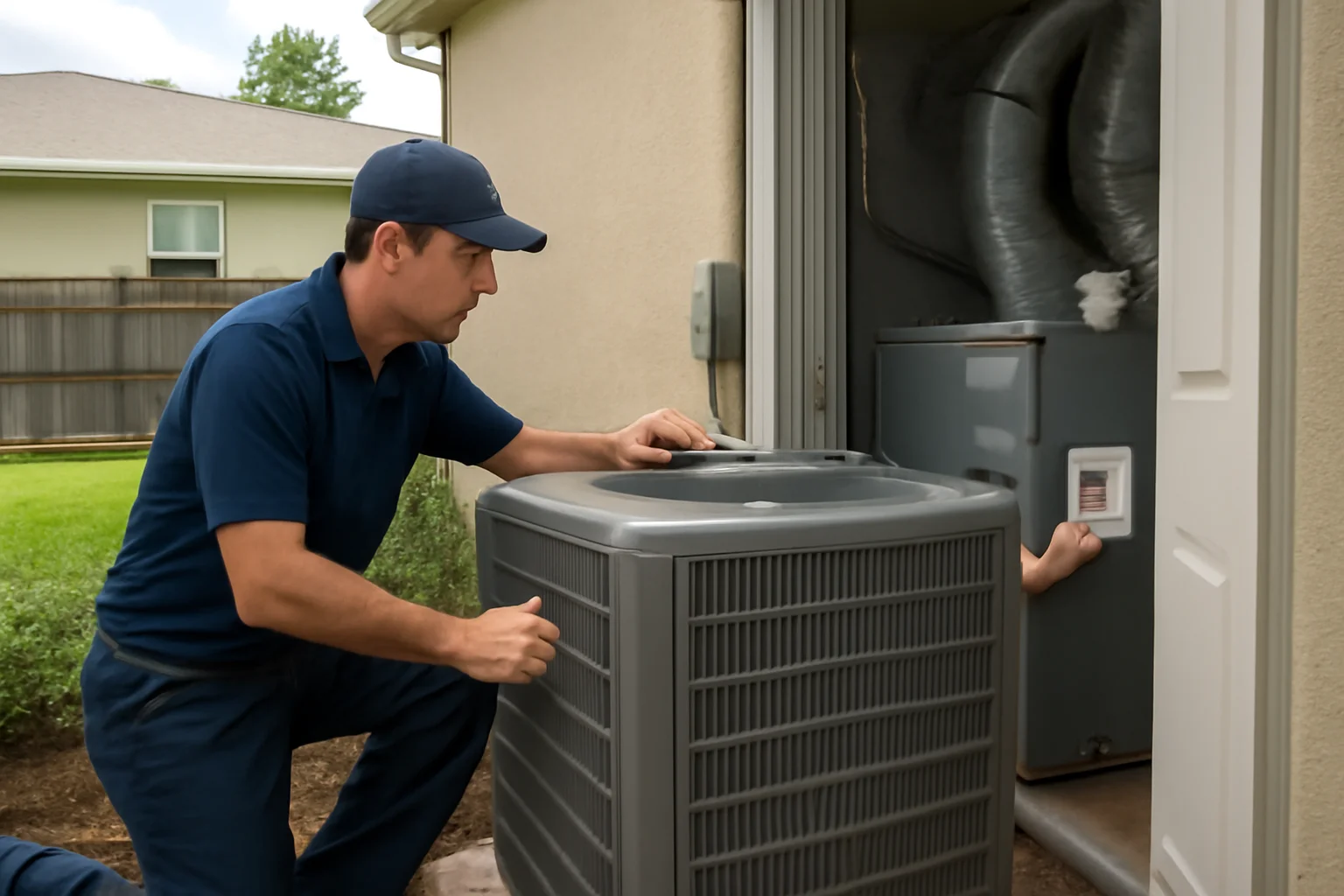
Panama City, FL homeowners know that cooling season can feel like it never really ends. Even when the calendar flips, humidity hangs around, coastal air brings salt exposure, and indoor temperatures can swing if airflow and controls are not dialed in. If you are using geothermal energy, you may already like the steadier comfort it can provide. Still, your HVAC equipment can take a beating during the long stretch of warm weather.
This guide focuses on how geothermal energy and a humid Florida climate interact with common HVAC stress points, what to watch for, and how preventive HVAC maintenance can reduce the odds of an uncomfortable breakdown.
Why Panama City’s cooling season stresses HVAC systems, even with geothermal energy
Geothermal systems use the earth’s relatively stable temperatures to help with heating and cooling. That can reduce how hard your system works compared to equipment that relies only on outdoor air. However, the indoor side of comfort is still an HVAC process. In Panama City, the indoor load is often shaped by:
- Heat and humidity: Florida humidity increases latent load, meaning your air conditioning must remove moisture, not just lower temperature.
- Coastal salt air: Salt can accelerate corrosion on metal components and influence how quickly outdoor and refrigerant related parts age.
- Long run times: Even efficient systems can cycle more frequently during extended warm months, which adds wear to fans, compressors, motors, and controls.
- Airflow demands: When ductwork is restricted or filters are neglected, the system works harder to move air, which can increase stress throughout the refrigerant system.
For geothermal homeowners, it helps to remember that geothermal energy does not eliminate the need for correct airflow, proper condensate drainage, and stable thermostat control. Those pieces are where cooling season problems often begin.
How geothermal cooling still relies on refrigerant systems and airflow
Many homeowners assume geothermal means “no outdoor unit problems.” In practice, geothermal comfort still depends on refrigerant system performance and indoor air handling. Depending on your setup, you may have a geothermal heat pump and air handler, or a related configuration that moves conditioned air through ductwork or a similar indoor distribution system.
During Panama City summers, the system’s job is to cool and dehumidify. That requires:
- Stable refrigerant operation: Refrigerant systems must circulate correctly and maintain proper pressures and temperatures for cooling. If airflow is wrong or components are dirty, the refrigerant system can be pushed out of its intended operating range.
- Air handler performance: The blower moves cooled air through ducts and registers. If the blower is weak, the system can feel like it is running constantly but not cooling evenly.
- Coil cleanliness: Evaporator and related coils must transfer heat effectively. Dust, pollen, and indoor debris reduce performance, especially in high humidity.
Because the refrigerant cycle is sensitive to airflow and moisture conditions, homeowners searching for “HVAC repair near me” often find that the root cause is not always the thermostat. It is frequently airflow, cleanliness, condensate drainage, or control calibration that affects the whole system.
Humidity control: the role of condensate drainage and indoor air quality
One of the most common cooling season stress points in Florida is condensate drainage. When your system removes moisture from indoor air, water collects on the indoor coil and drains through a condensate line. If drainage is restricted or the system is not draining correctly, you can see:
- Water overflow or staining: Signs can appear around the air handler, near ceilings, or in closets where equipment is installed.
- Musty odors: Standing moisture can encourage microbial growth.
- Reduced dehumidification: If the coil is not operating as it should, humidity can linger, making the home feel warmer than the thermostat setting.
- Indoor air quality issues: Poor moisture management can contribute to allergens and irritants that affect sensitive family members.
Geothermal homeowners should treat condensate drainage as part of indoor air quality services, not an afterthought. If you are considering solutions like Air Filtration & Purifiers, it can help, but filtration does not replace proper coil cleaning and drainage maintenance.
Thermostats and long cooling cycles: how control settings can add stress
Thermostats do more than set a temperature. During Panama City’s humid stretches, the thermostat’s fan and schedule behavior can influence system run times and humidity control.
Common issues homeowners notice include:
- Short cycling: The system starts and stops frequently, which can increase mechanical wear.
- Fan settings that do not match humidity needs: Continuous fan can improve air mixing but may also affect dehumidification behavior depending on your system.
- Temperature setpoints that fight humidity: Setting the thermostat too low can increase run time. If humidity is not addressed correctly, the home can still feel sticky.
- Sensors that drift: If the thermostat is out of calibration or placed in a spot that does not represent the living space, it can lead to unnecessary cooling or uneven comfort.
A properly tuned thermostat helps protect the system by reducing unnecessary cycling and encouraging stable operation. If you are searching for “air conditioning inspection near me” because your geothermal system feels like it runs too long, ask a licensed HVAC contractor to evaluate airflow, coil condition, condensate drainage, and control behavior together. Those factors interact.
Ductwork and airflow: the hidden reason geothermal comfort feels uneven
Even when geothermal energy provides efficient cooling, ductwork can limit comfort. In older Panama City homes, ducts may be undersized, poorly sealed, or partially blocked by debris or insulation intrusion. In newer builds, duct layout and register balancing can still affect performance.
Airflow problems can show up as:
- Hot rooms or cold rooms: Supply and return air imbalance can make some areas feel uncomfortable.
- Weak airflow from vents: Dirty filters, blocked returns, or failing blower performance can restrict movement.
- Higher energy use: When airflow is restricted, the system must work longer to achieve the same comfort level.
- More humidity retention: If air distribution is uneven, moisture removal can be less effective in certain rooms.
For homeowners who want to reduce HVAC stress, ductwork is often a high leverage fix. If you suspect airflow issues, consider asking for an air conditioning inspection that includes duct inspection and system performance checks. You can also explore whether duct cleaning is appropriate, but note that HVAC wear and tear can change how duct cleaning works in Florida homes. This blog post may help: How HVAC Wear and Tear Changes the Way Duct Cleaning Works in Panama City Beach Homes.
Common cooling season symptoms that point to HVAC stress
Below are practical signs that your geothermal linked HVAC system may be under strain during Panama City’s long cooling season. These symptoms can help you decide whether you need preventive maintenance or troubleshooting.
1) The system runs longer but does not feel cooler
This often points to airflow restriction, coil dirt, drainage problems, or thermostat control mismatch. Because refrigerant system performance depends on airflow and heat transfer, the cause can be more than one component.
2) Humidity stays high or the home feels “sticky”
If the home never feels dry, the system may not be removing moisture effectively. Condensate drainage and coil cleanliness are frequent contributors.
3) Strange noises from the air handler or compressor-related components
Grinding, squealing, or banging can indicate failing motors, loose components, or airflow issues. Cooling season run time can magnify early wear.
4) Musty smells or visible moisture
These are strong indicators of condensate drainage concerns or damp coil conditions. Moisture problems can also affect indoor air quality.
5) Ice or frost on indoor components
In many systems, frost can relate to airflow or heat transfer problems. Do not assume it is “normal.” A licensed HVAC contractor should inspect the system in person.
Preventive maintenance that matters most for geothermal homeowners in Bay County
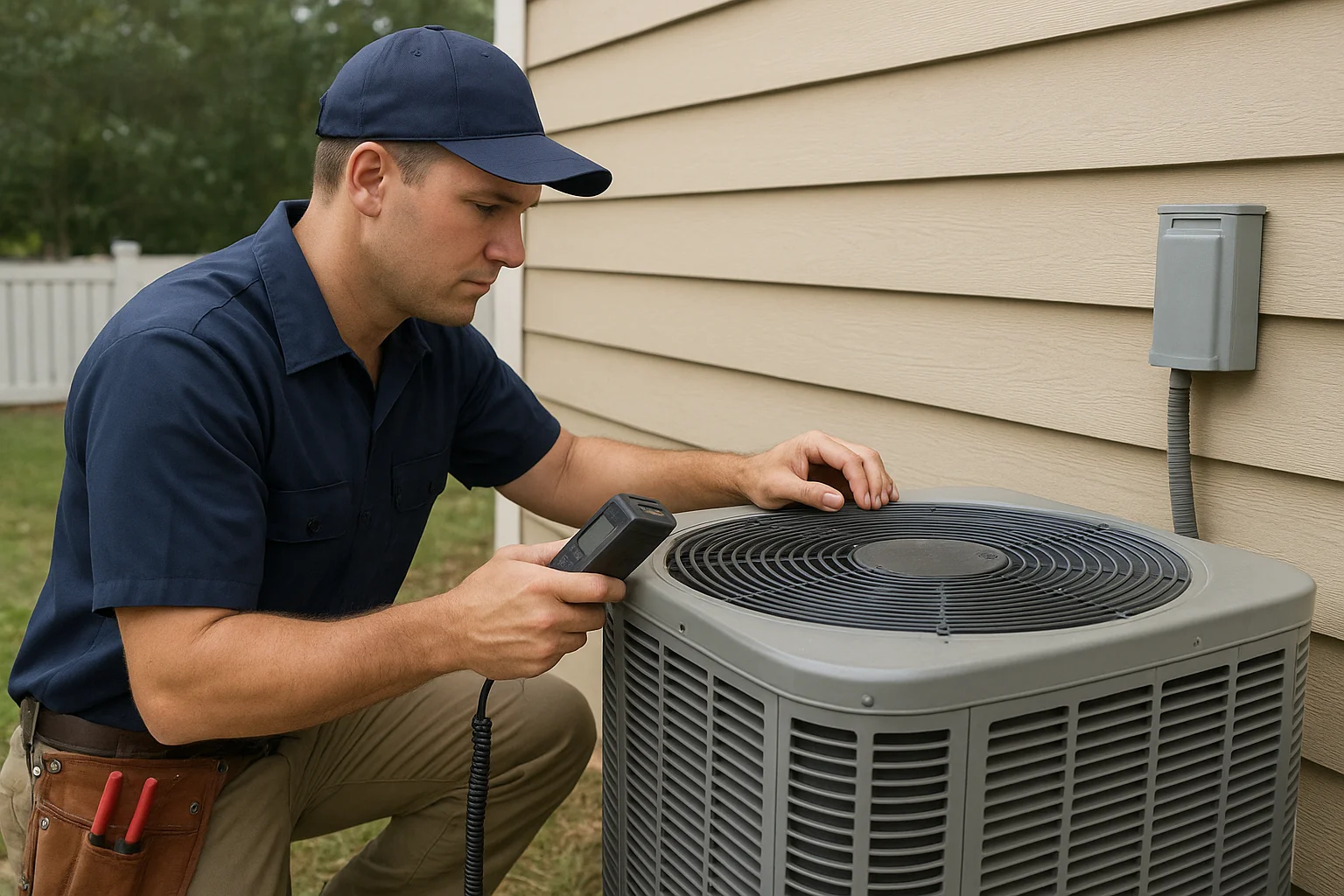
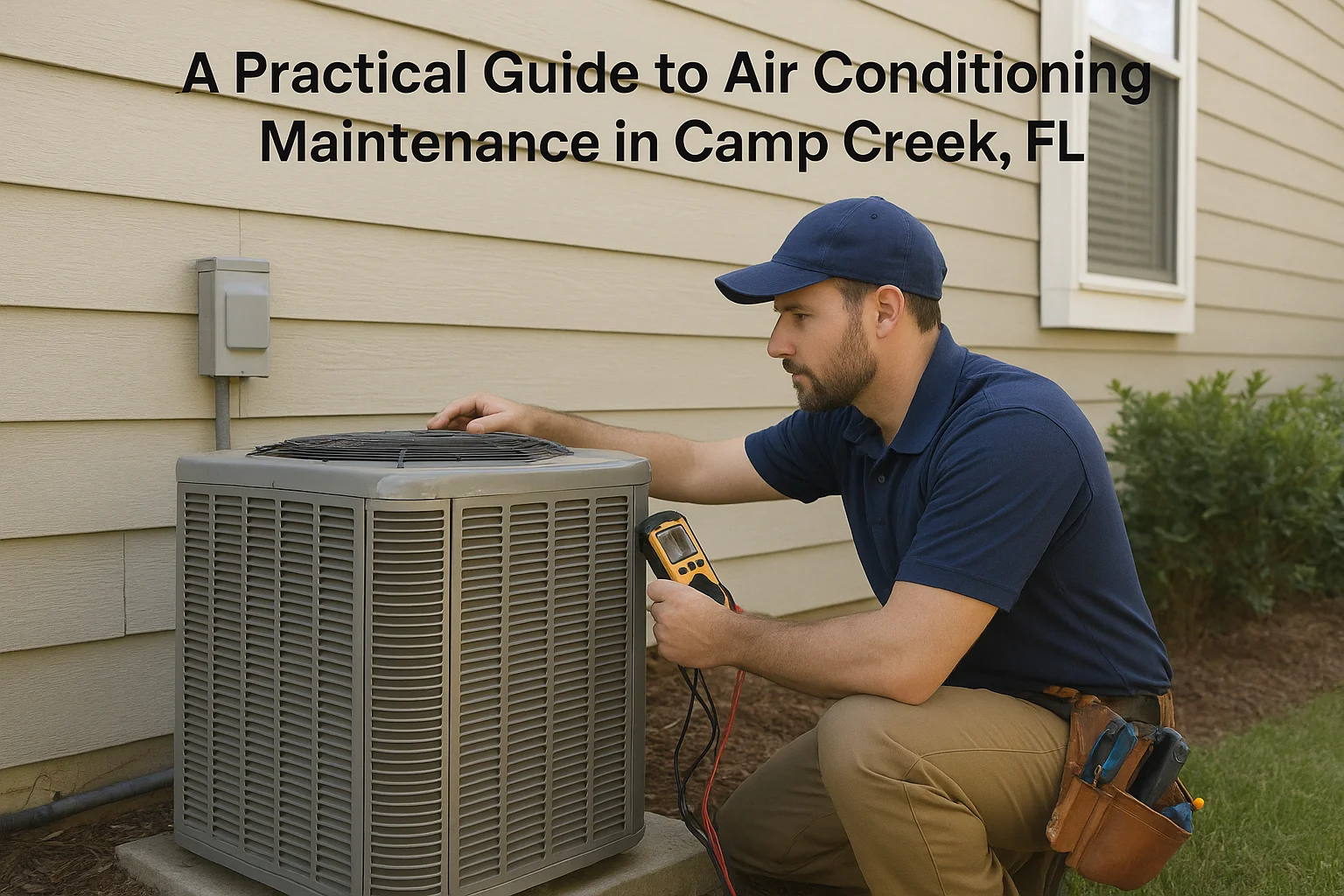
Preventive HVAC maintenance is not just about keeping equipment clean. In Panama City’s humidity and salt air, maintenance helps keep airflow, heat transfer, and moisture management stable. A good plan typically includes:
- Filter inspection and replacement guidance: Filters affect airflow. In humid months, clogged filters can increase run time and energy use.
- Coil cleaning and inspection: Dust and pollen reduce performance. Clean coils improve cooling and dehumidification.
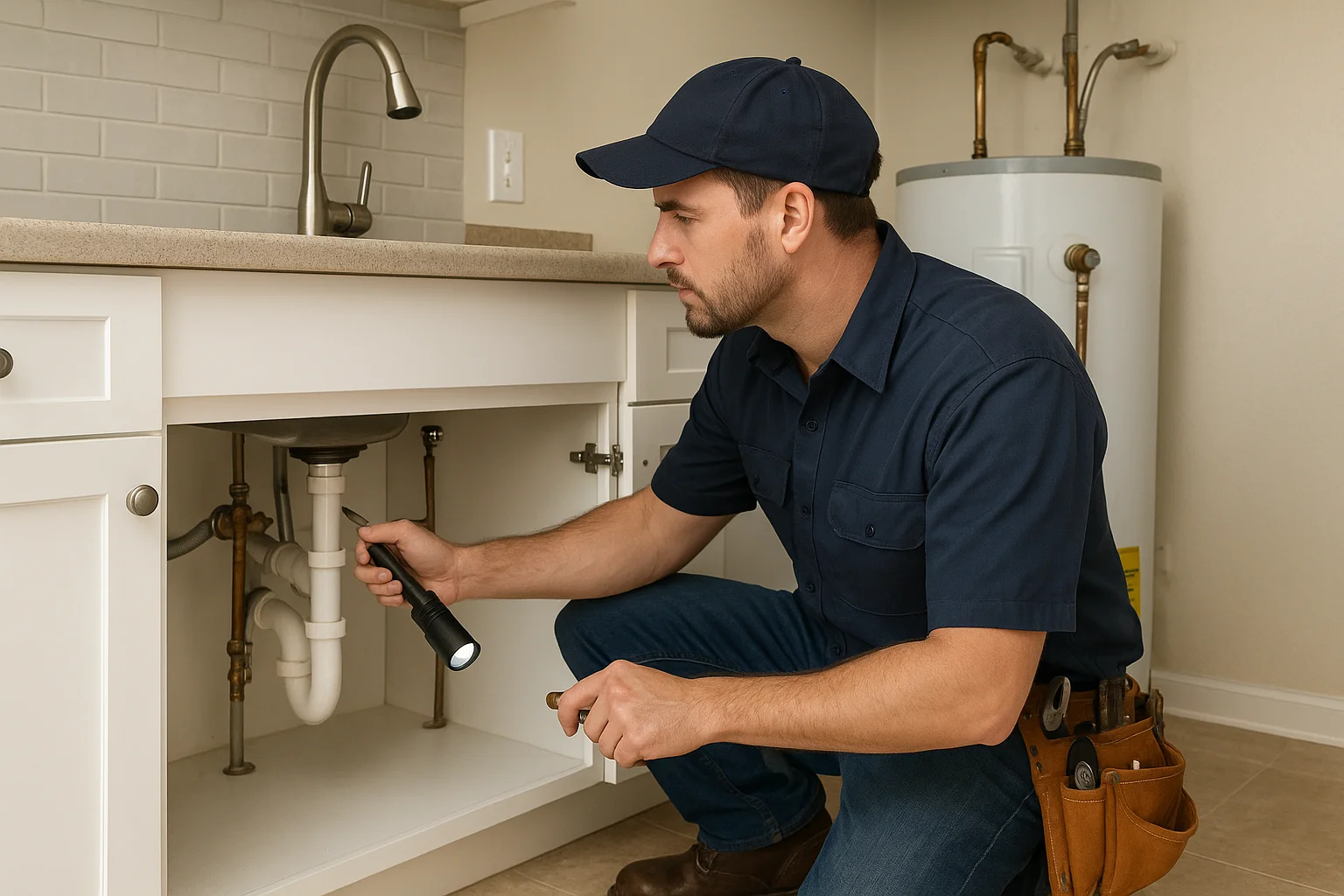
- Condensate drainage check: Lines and drain pans should be checked for clogs, proper flow, and signs of overflow.
- Air handler and blower performance review: Technicians can look for issues that reduce airflow and comfort.
- Ductwork airflow evaluation: Even basic checks can reveal whether airflow is reaching the living spaces as intended.
- Thermostat and control verification: Confirm the system is responding correctly to indoor conditions.
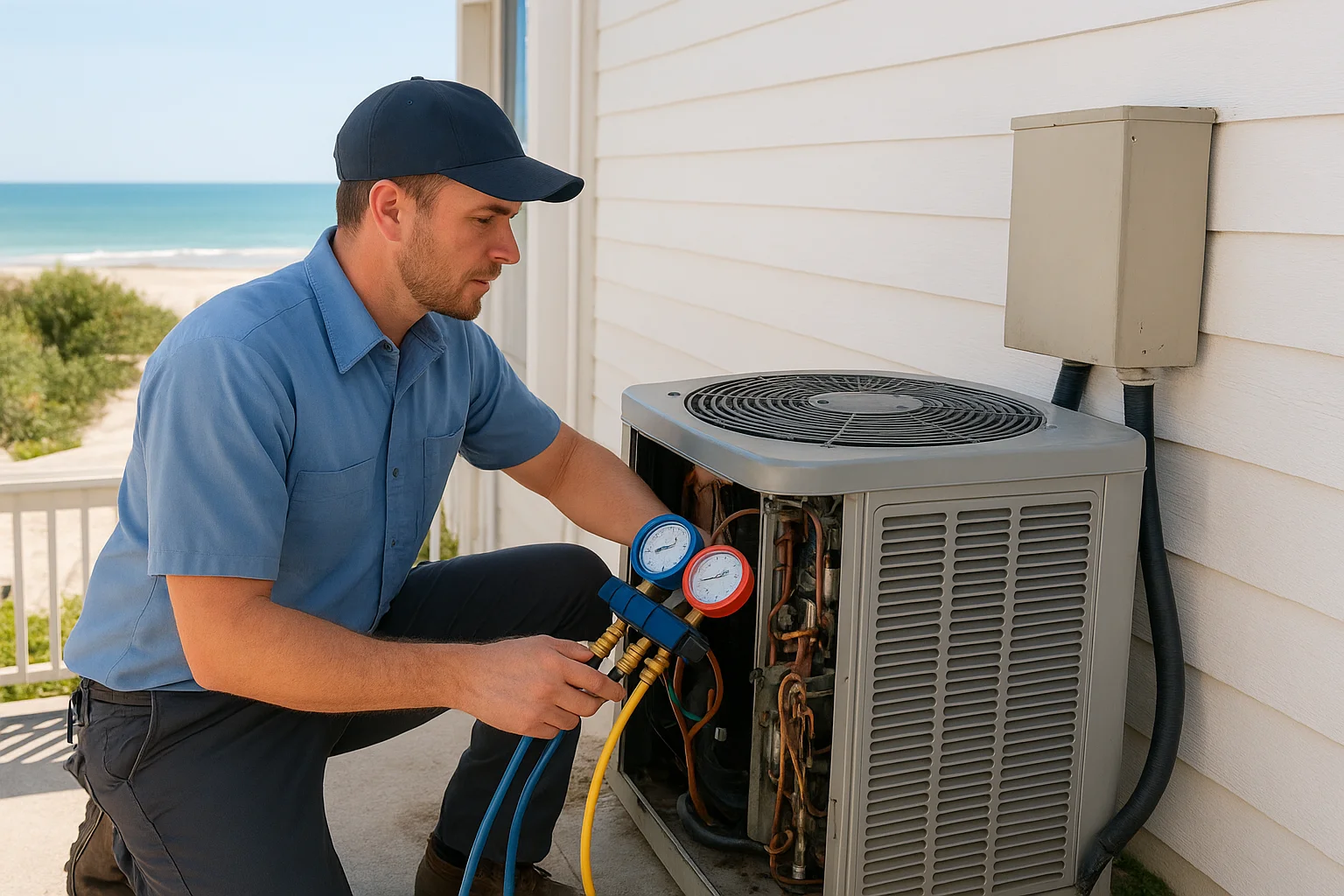
- Refrigerant system observation: The technician can look for signs of abnormal operation. A professional should handle refrigerant-related concerns with proper tools and procedures.
If you are comparing geothermal energy options or planning updates for a home that relies on geothermal comfort, you can also review how systems are maintained during seasonal transitions. For newer builds, it can help to understand installation choices that influence long-term performance. See: New Construction Air Conditioning.
Energy use and comfort: what to monitor during long summers
Geothermal systems are designed for efficiency, but Florida’s climate still affects overall energy use. Homeowners can track patterns that suggest the system is working harder than it should.
Consider monitoring:
- Run time consistency: If run time steadily increases week after week, something may be changing in airflow, cleanliness, or moisture handling.
- Indoor humidity feel: If the home feels damp even at a reasonable temperature, the dehumidification process may be impaired.
- Temperature balance: Rooms that used to feel comfortable may drift as filters, ducts, or coils accumulate debris.
- Air quality symptoms: More dust, more allergy flare-ups, or musty odors can indicate indoor air quality problems tied to moisture and airflow.
When these patterns appear, homeowners often search for “HVAC service near me” because they want comfort back without guessing. A professional evaluation helps connect the dots between airflow, drainage, and refrigerant system operation.
Salt air and corrosion: protecting equipment during coastal summers
Panama City’s coastal location means salt air exposure can accelerate corrosion on HVAC components over time. Geothermal systems may reduce some outdoor exposure compared to conventional air-source setups, but corrosion can still affect components associated with the indoor air handler, lines, and any outdoor or loop-related parts depending on your configuration.
What you can do as a homeowner:
- Schedule routine inspections: Salt exposure is not always visible until components start to fail.
- Keep the area around equipment clear: Landscaping debris and standing water can worsen corrosion and drainage issues.
- Do not cover vents or returns: Restricted airflow increases stress on the system.
A licensed HVAC contractor can also address maintenance items that reduce the effects of corrosion, including cleanliness, inspection of drain paths, and verification that airflow pathways are not obstructed.
When to call for help during a geothermal cooling problem
Some issues can wait for a scheduled appointment. Others can become emergency cooling concerns if the home cannot maintain safe comfort and humidity control. If you are experiencing any of the following, reach out promptly to an HVAC professional:
- System not cooling at all: If your thermostat calls for cooling and the system cannot maintain temperature, you need evaluation.
- Water overflow, pooling, or strong musty odors: Moisture issues can worsen indoor air quality quickly.
- Frequent cycling or unusual noises: Early mechanical problems can escalate during peak summer demand.
- Worsening humidity: If the home becomes increasingly damp, it can affect comfort and health.
If you are worried about emergency cooling, it helps to plan ahead. This article explains why response matters in Panama City homes: Why 24/7 HVAC Response Matters in Panama City Homes.
Choosing the right local HVAC contractor for geothermal energy systems
Geothermal energy systems are still HVAC systems, and the details matter. Homeowners searching for “licensed HVAC contractor near me” should look for a technician who understands both geothermal comfort and the practical realities of Panama City homes: humidity loads, ductwork performance, condensate drainage, and long cooling season wear.
For geothermal homeowners in Bay County, professional HVAC service matters because it helps ensure:
- Comfort goals are met consistently: Cooling and dehumidification should work together.
- Airflow and moisture are managed: Ductwork and condensate drainage affect both comfort and indoor air quality.
- Repairs are based on on-site assessment: A technician should inspect the system in person before recommending any refrigerant system work, component replacement, or major repairs.
If you want geothermal energy support for your home, you can explore A Superior Mechanical’s local service area page here: /service-areas/bay-county/panama-city/geothermal-energy-systems-pcflbc. For broader help across the region, start with the Panama City service area overview: /service-areas/bay-county/panama-city, or browse Bay County coverage: /service-areas/bay-county.
Related repair and replacement considerations for homeowners
When geothermal linked HVAC equipment ages, the goal is usually to restore safe, stable operation and address the stress points that show up during long cooling seasons. Some homeowners wonder whether they should replace the system right away. Replacement decisions should be based on an in-person evaluation of performance, condition, airflow, drainage, and overall system efficiency needs.
If you are weighing replacement options, it can help to review what a residential HVAC service approach looks like, including inspection steps and how the decision is handled. You can also read about replacement options in the city: Air Conditioning Replacement. And if you are not sure where the problem starts, an Air Conditioning Inspection is often the most direct first step.
Emergency cooling concerns and protecting your home during peak humidity
Panama City summers can be relentless. If your geothermal HVAC system fails during a humid stretch, indoor comfort can decline quickly and humidity can become uncomfortable. While homeowners can take basic steps like checking thermostat settings and ensuring registers are not blocked, only a professional should evaluate refrigerant system performance, refrigerant related concerns, or equipment condition.
If you manage comfort for a business or multi-tenant property, the stakes can be higher. This article focuses on preventing urgent breakdowns: Keeping Commercial HVAC Trouble from Turning Into an Emergency in Panama City.
For residential homeowners, the best protection is preventive maintenance before peak heat and humidity. If you suspect your system is already under stress, scheduling HVAC repair or HVAC service early can prevent the small issues that build into emergency cooling concerns.
Smart HVAC habits that reduce stress during geothermal cooling
You do not need to become a technician to help your system survive the season. A few smart homeowner habits can reduce strain on airflow, humidity control, and energy use:
- Replace filters on schedule: In humid Florida weather, airflow restrictions can escalate quickly.
- Keep returns and registers clear: Furniture, curtains, and debris can block airflow.
- Watch condensate drainage: If you notice water, dripping, or damp areas, address it promptly.
- Use thermostat settings thoughtfully: Avoid extreme setpoints that can increase run time without improving comfort.
- Schedule an air conditioning inspection before the hottest weeks: An early check can identify issues before they become cooling season problems.
These habits support the work of professional preventive HVAC maintenance and help keep geothermal energy comfort stable through Panama City’s long cooling season.
For homeowners who want geothermal energy solutions designed for efficient comfort and long-term HVAC performance, A Superior Mechanical can help assess your system and address the stress points that show up in Florida humidity and coastal conditions. Visit /service-areas/bay-county/panama-city/geothermal-energy-systems-pcflbc to learn more about local geothermal HVAC service coverage.
Find Geothermal Energy in Panama City, FL
If you need Geothermal Energy in Panama City, FL, visit our local service page or contact A Superior Mechanical today.
Map of Panama City, FL
Frequently Asked Questions
Does geothermal energy make my HVAC immune to Florida cooling problems?
No. Geothermal energy can improve efficiency and comfort, but your system still depends on airflow, coil performance, condensate drainage, and thermostat control. In Panama City’s heat and humidity, those factors can still cause stress and comfort issues.
What are the first signs my geothermal HVAC is being stressed during a long cooling season?
Look for longer run times without better cooling, rising indoor humidity, weak airflow from registers, musty odors, water near the air handler, unusual noises, or frost forming on indoor components. These symptoms often connect to airflow, cleanliness, and drainage.
How does condensate drainage affect indoor air quality in humid Panama City homes?
When condensate drainage is restricted, moisture can collect on or around the indoor coil and drain pan. That can lead to musty odors and microbial growth, which can worsen indoor air quality. Checking drainage is a key part of preventive HVAC maintenance.
Can I troubleshoot refrigerant system issues myself if cooling performance drops?
Homeowners should not attempt refrigerant diagnosis or repairs. If cooling performance changes, schedule an in-person evaluation with a licensed HVAC contractor so the technician can inspect the system safely and determine the real cause.
How often should I schedule preventive HVAC maintenance for a geothermal system in Bay County?
Most homeowners benefit from seasonal maintenance before peak cooling demand, plus follow-up based on system condition and performance. A Superior Mechanical can recommend a maintenance schedule after reviewing your equipment and comfort goals.
Related Articles
Photo Gallery