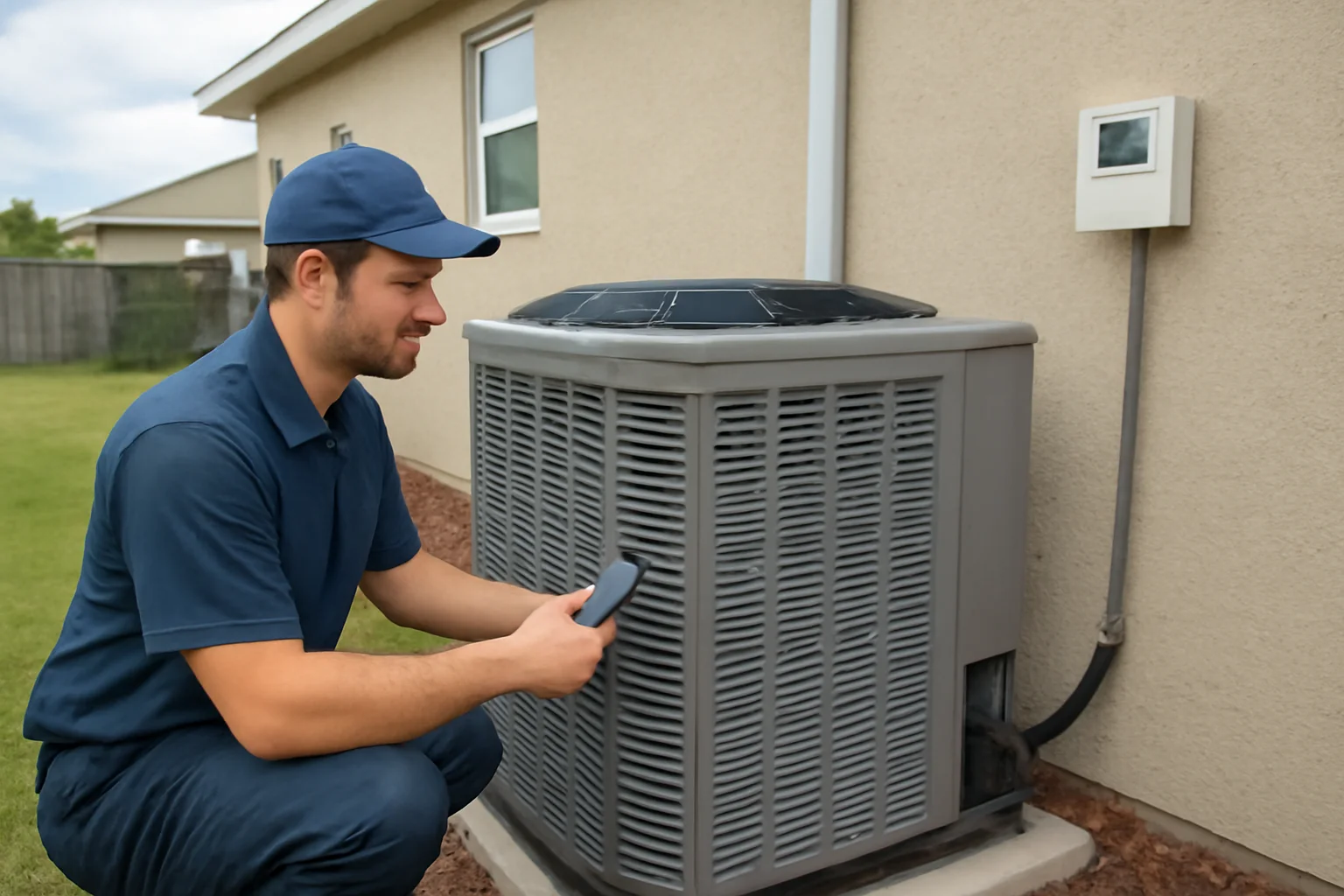
If you are weighing geothermal energy systems for your home in Santa Rosa Beach, FL, you are thinking about long-term comfort and energy use in a place where summer heat, humidity, and salt air can put real stress on HVAC systems. Geothermal can be a strong fit for the right property, but it is not a one-size-fits-all upgrade. This guide explains what homeowners should understand about how geothermal HVAC works, what to watch for, and how local HVAC service helps protect comfort and indoor air quality.
How geothermal energy systems fit into Florida HVAC needs
Geothermal HVAC uses stable temperatures from the ground to help heat and cool your home. Instead of relying only on outdoor air temperature swings, a geothermal system draws heat from the earth in winter and rejects heat into the earth in summer. In Santa Rosa Beach, that matters because the region experiences hot, humid summers and mild winters. The goal is consistent comfort with steady performance, especially when the air conditioner workload is high.
Most geothermal setups still rely on an indoor air handler and a refrigerant-based system to move heat. That means you are still working with familiar HVAC components: refrigerant circulation, a heat pump style indoor unit, airflow through ductwork or ductless equipment, and condensate drainage during cooling. The difference is the outdoor heat source or heat sink is the ground, not outdoor air.
What geothermal systems typically include (and why it affects comfort)
Homeowners often hear geothermal and assume it is only underground piping. In practice, comfort comes from how the whole HVAC system is matched to the home.
1) The ground loop field
Your ground loop type and layout influence how efficiently the system can exchange heat with the earth. Soil conditions, property layout, and space constraints can affect design decisions. A proper design also considers how the system will handle seasonal load, not just average conditions.
2) The indoor air handler and refrigerant system
Geothermal cooling and heating are delivered through a refrigerant system connected to the indoor unit. That indoor unit then conditions air using airflow across coils and distribution through ducts or ductless indoor units. Because Florida air is humid, cooling performance is about more than temperature. It is also about moisture removal, coil performance, and condensate drainage.
3) Airflow and ductwork design
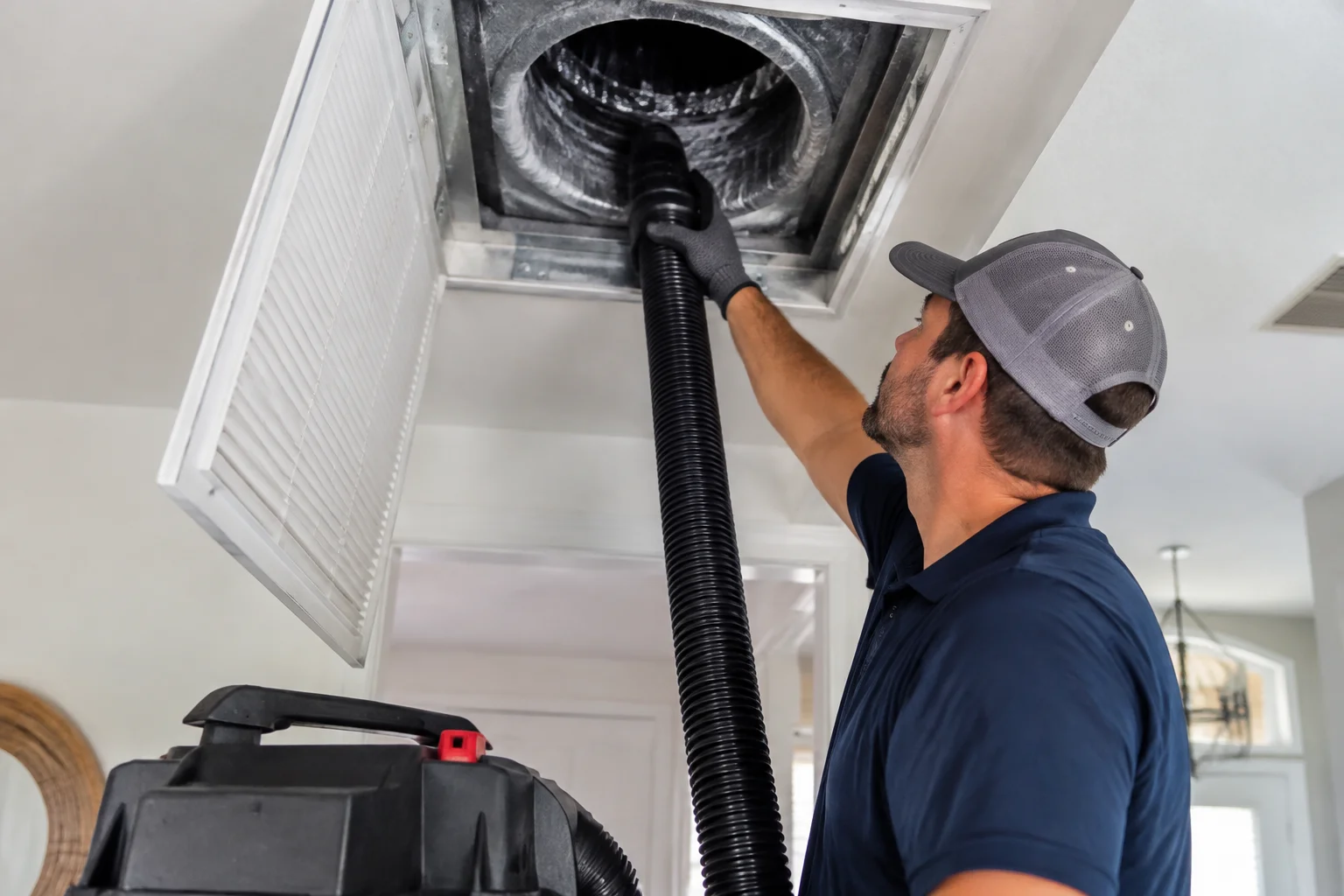
Even a well-designed geothermal heat source will not deliver comfort if airflow is wrong. Ductwork sizing, duct sealing, and airflow balance affect how evenly rooms cool and heat. If your home has older ductwork, leaks can reduce air delivery and increase strain on the system. For homeowners searching for duct repair near me or duct cleaning near me, this is where it matters. Duct issues can also disrupt indoor air quality by causing poor ventilation and uneven filtration.
4) Thermostat control and humidity management
Thermostats play a practical role in geothermal comfort. Settings that do not align with humidity needs can lead to rooms feeling sticky even when temperatures look acceptable. A properly configured thermostat and HVAC control strategy help maintain comfort while reducing unnecessary cycling.
Florida heat, humidity, and salt air: what changes for geothermal homeowners
Santa Rosa Beach sits in a coastal environment where humidity is common and salt air can accelerate corrosion on outdoor HVAC components. With geothermal, the “outdoor” exposure is different because the primary heat exchange happens in the ground. That can reduce some corrosion concerns tied to conventional outdoor units. Still, your indoor components, condensate drainage, ductwork, filters, and airflow paths are just as important for long-term performance.
During peak summer conditions, cooling demand rises. The system must remove moisture while moving enough air. If indoor airflow is restricted by dirty filters, clogged coils, or duct leakage, the system may struggle to dehumidify effectively. That can show up as:
- Rooms that cool, but do not feel dry
- Musty odors or higher indoor humidity
- Short cycling or inconsistent temperature
- Water around the indoor unit area if condensate drainage is not functioning
Common geothermal HVAC issues homeowners should recognize
Geothermal systems still use refrigerant systems and moving parts, and they still need preventive HVAC maintenance. Here are issues that often come up in Florida homes and how they can show themselves.
Uneven cooling or hot spots caused by airflow problems
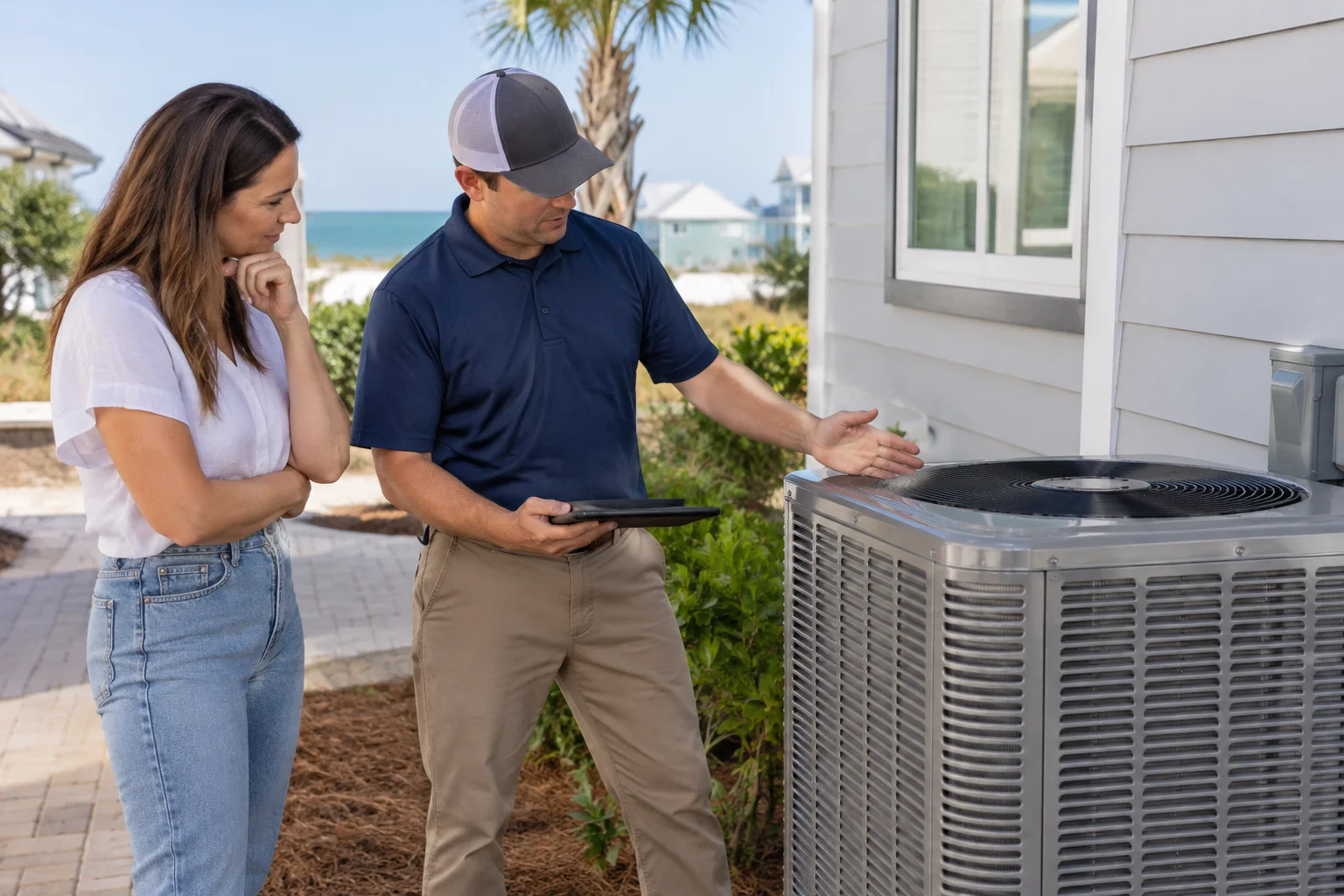
Uneven comfort is frequently an airflow or ductwork issue. If the system is delivering less air to certain rooms, those areas can stay warmer. Homeowners sometimes search for air conditioning repair near me when the real problem is ductwork balance, filter restriction, or return air issues. A local HVAC contractor can check airflow performance and duct distribution during service.
Humidity concerns linked to coil performance and airflow
In humid climates, the air conditioner must cool and dehumidify at the same time. If the system is not dropping humidity effectively, it can be due to airflow restrictions, dirty coils, or condensate drainage problems. This is also where indoor air quality services near me can matter, because filtration and ventilation affect how comfortable and healthy the air feels.
Condensate drainage problems
Cooling can produce condensate. If the condensate drain line is partially blocked, improperly pitched, or not draining correctly, you may notice water pooling, dripping, or odors. These problems are often preventable with regular checks, but they can become urgent if water backs up into the equipment area.
Thermostat settings and control mismatches
A thermostat that is not configured properly can lead to comfort complaints. For example, aggressive temperature swings or incorrect humidity control can cause frequent cycling. While homeowners can change settings, a licensed HVAC contractor can verify that controls match how the system is designed to operate.
Refrigerant system performance concerns
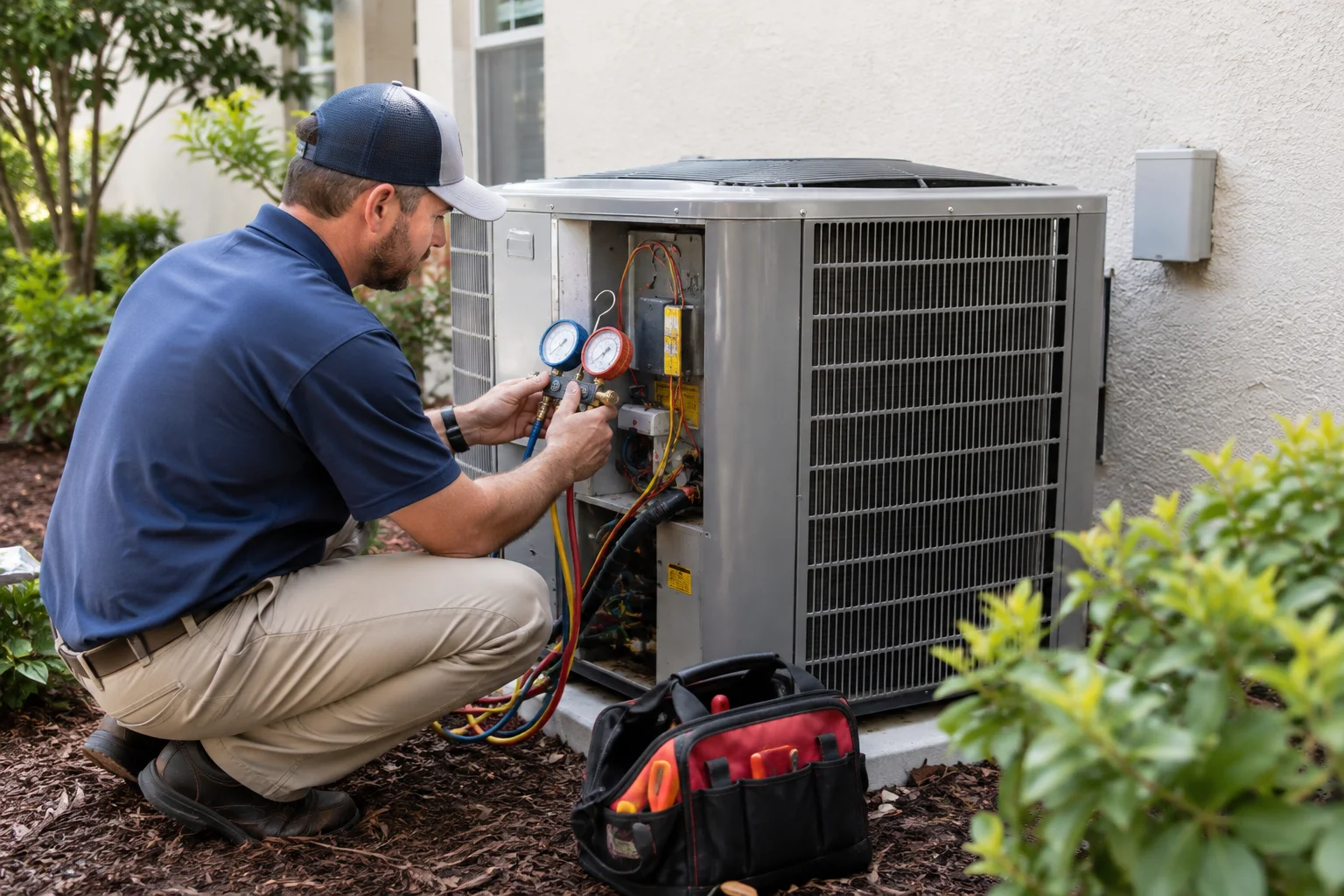
Because geothermal HVAC relies on refrigerant systems, refrigerant-related issues can impact cooling capacity and system stability. If you are seeing unusual performance, it is important to have a professional evaluate the system in person. A technician can assess the situation safely and accurately rather than guessing. Homeowners should avoid trying to “fix” refrigerant problems themselves.
Preventive HVAC maintenance that protects geothermal performance
Geothermal systems can be durable, but they are not maintenance-free. Preventive HVAC maintenance near me is a smart search for homeowners who want to reduce the chance of a mid-summer breakdown during Florida heat.
A practical maintenance plan for geothermal HVAC often includes checks that support airflow, moisture control, and system reliability:
- Inspecting and maintaining filters for proper airflow and indoor air quality
- Checking indoor coil condition and cleaning as needed
- Verifying condensate drainage is clear and draining properly
- Reviewing thermostat operation and system control behavior
- Inspecting ductwork connections and air return paths
- Monitoring system operation for signs of abnormal cycling or reduced comfort
If your home includes ductless mini split installation near me or other hybrid distribution, maintenance still matters. Ductless units have their own filter and airflow considerations, and they must be kept clean to support dehumidification and consistent comfort.
Geothermal vs. conventional HVAC: what homeowners should compare
Many homeowners considering system replacement want to understand how geothermal changes the day-to-day experience. Here are the practical areas to compare, without turning it into a purely theoretical discussion.
Energy use and operating behavior
Geothermal is designed to leverage stable ground temperatures. That can influence overall energy use and system runtime patterns. Your actual results depend on system sizing, ductwork efficiency, insulation, air sealing, and how often your home needs full cooling capacity in the local climate.
Comfort and humidity control
In Santa Rosa Beach, comfort is often limited by humidity as much as temperature. Geothermal systems can be effective for humidity control when airflow, coil performance, and condensate drainage are handled correctly. If your ductwork or returns are not designed well, you can still feel uncomfortable even with a high-efficiency heat source.
System durability in a coastal environment
Because the ground loop is not exposed to salt air the way many outdoor units are, geothermal can reduce certain corrosion concerns. Still, indoor equipment and duct systems face their own challenges, including moisture, dust accumulation, and airflow restrictions.
Signs your geothermal system needs professional attention
Some issues are minor, but others can affect indoor air quality or create emergency cooling concerns. Watch for these patterns, especially during peak summer.
- Cooling feels weak even when the thermostat is set appropriately
- Humidity stays high and rooms feel clammy
- Strange odors coming from vents, especially musty smells
- Water near the indoor unit or slow condensate drainage
- Uneven airflow with certain rooms consistently warmer or colder
- Frequent cycling or persistent system noise changes
If you are searching for HVAC repair near me because the system cannot keep up, it is worth calling a licensed HVAC contractor to inspect the system. Do not assume it is “just dirty filters” or “just the thermostat.” A proper evaluation matters, especially when refrigerant systems and condensate drainage are involved.
What to ask a local HVAC contractor about geothermal design and service
When homeowners search for a licensed HVAC contractor near me for geothermal energy systems, the best questions are about fit, not hype. Consider asking:
- How will you size the system for my home’s cooling and humidity needs in Santa Rosa Beach?
- How will you evaluate ductwork and airflow, including returns and duct sealing?
- What is your approach to condensate drainage and moisture control?
- Which thermostat controls will best match my comfort goals?
- What preventive HVAC maintenance schedule do you recommend for the specific equipment and distribution in my home?
For additional context on long-term performance, you may also find it helpful to read Why Better HVAC Maintenance Makes New AC Installations Work Better in Santa Rosa Beach. It covers how maintenance affects comfort outcomes for replacement and upgrades.
Indoor air quality matters more than many homeowners expect
Geothermal HVAC can support strong indoor air quality when filtration, airflow, and ventilation are managed correctly. In coastal Florida, indoor humidity and airborne contaminants can build up if the system is not removing moisture effectively. That can contribute to uncomfortable air and can worsen allergy triggers.
Homeowners looking for indoor air quality services near me often benefit from a combined approach:
- Clean, properly installed filters for the system and duct setup
- Airflow that matches the design so air passes through filtration and distribution evenly
- Coil cleanliness to reduce buildup that can affect performance
- Consistent condensate drainage to avoid moisture problems
- Maintenance that prevents gradual degradation over time
If your home has older ductwork, duct cleaning or duct repair may be part of the overall indoor air quality plan. A technician can help determine whether ductwork issues are contributing to airflow and comfort complaints.
Thermostats, controls, and emergency cooling concerns
During summer heat waves, homeowners want reliable cooling. A properly functioning thermostat and control strategy helps the system respond predictably rather than struggling to recover from comfort setbacks.
Emergency cooling concerns can arise when the indoor unit cannot move enough conditioned air, condensate drains improperly, or the system cycles abnormally. If your geothermal system is not keeping up, do not wait too long. A local HVAC team that understands Santa Rosa Beach conditions can help you restore comfort and reduce the risk of secondary issues like water intrusion or indoor humidity problems.
System replacement and geothermal readiness: steps homeowners can take now
If you are planning a geothermal upgrade or evaluating system replacement, start with a realistic home assessment. The right next step may include:
- Reviewing current comfort issues such as humidity, airflow imbalance, and uneven temperatures
- Checking ductwork condition and air return paths
- Confirming thermostat compatibility and control preferences
- Discussing distribution options, including ducted airflow or ductless mini split installation when appropriate
- Building a preventive HVAC maintenance plan that fits your household schedule
For homeowners and property managers planning HVAC improvements, these resources can be useful: Better HVAC Decisions for Property Managers and Homeowners in Santa Rosa Beach and A Homeowner’s Guide to Property Management HVAC Services in Santa Rosa Beach. They focus on practical planning, ongoing reliability, and how to avoid comfort surprises.
Related services that often pair with geothermal HVAC in Santa Rosa Beach
Geothermal is one part of a home comfort system. Many homeowners also need other HVAC services to get full value from an upgrade.
- Air conditioning service for ongoing support and performance tuning: Air Conditioning Services
- Air conditioning installation planning when you are comparing options: Air Conditioning Installation
- New construction HVAC for projects that need design coordination: New Construction HVAC
- HVAC financing if geothermal is part of a larger comfort and efficiency plan: HVAC Financing
If you are specifically interested in geothermal energy systems in Walton County, explore geothermal-energy and the broader area details on Santa Rosa Beach. For additional county-wide context, see Walton County.
Why professional local geothermal HVAC service matters
Geothermal success depends on correct design, careful installation, and reliable service over time. In Santa Rosa Beach, local HVAC professionals understand how coastal humidity, airflow requirements, and system maintenance needs intersect. That local expertise helps ensure geothermal systems support comfort, maintain indoor air quality, and handle the realities of Florida heat.
Just as important, professional service means homeowners get accurate troubleshooting without guesswork. If you notice issues related to refrigerant systems, airflow, or condensate drainage, an in-person evaluation is the right path. It also helps you build a preventive HVAC maintenance routine that reduces the chance of a mid-summer breakdown.
Find Geothermal Energy Systems in Santa Rosa Beach, FL
If you need Geothermal Energy Systems in Santa Rosa Beach, FL, visit our local service page or contact A Superior Mechanical today.
Map of Santa Rosa Beach, FL
Frequently Asked Questions
Is geothermal HVAC a good fit for Santa Rosa Beach humidity?
It can be. Geothermal systems are designed to deliver heating and cooling using stable ground temperatures, but comfort in Santa Rosa Beach also depends on airflow, coil performance, and proper condensate drainage. A professional evaluation helps confirm the system and ductwork support the humidity control your home needs.
What HVAC maintenance is most important for geothermal systems?
Focus on preventive HVAC maintenance that supports indoor comfort: filter checks, coil inspection and cleaning, verification of condensate drainage, airflow and ductwork condition review, and thermostat/control checks. Regular service helps protect indoor air quality and reduces the risk of cooling problems during Florida heat.
Why does my home feel humid even when the temperature is set correctly?
Humidity issues are often tied to airflow restrictions, coil cleanliness, or condensate drainage problems. Thermostat settings and control behavior can also play a role. An in-person inspection by a licensed HVAC contractor is the safest way to identify the cause.
Can I diagnose refrigerant system problems myself?
No. Refrigerant system concerns require safe, accurate testing and evaluation. If you notice weak cooling, unusual cycling, or other performance changes, contact a professional HVAC contractor for an in-person assessment.
Do geothermal systems still rely on ductwork and indoor airflow?
Yes. Many geothermal installations use ducted distribution, so ductwork design, sealing, and airflow balancing strongly affect comfort. Some homes may use ductless mini split options as part of the distribution plan, but airflow and filtration still need maintenance to support indoor air quality.
Related Articles
- Why Better HVAC Maintenance Makes New AC Installations Work Better in Santa Rosa Beach
- Better HVAC Decisions for Property Managers and Homeowners in Santa Rosa Beach
- A Homeowner’s Guide to Property Management HVAC Services in Santa Rosa Beach
- A Practical Look at HVAC Financing for Santa Rosa Beach Property Owners
Photo Gallery